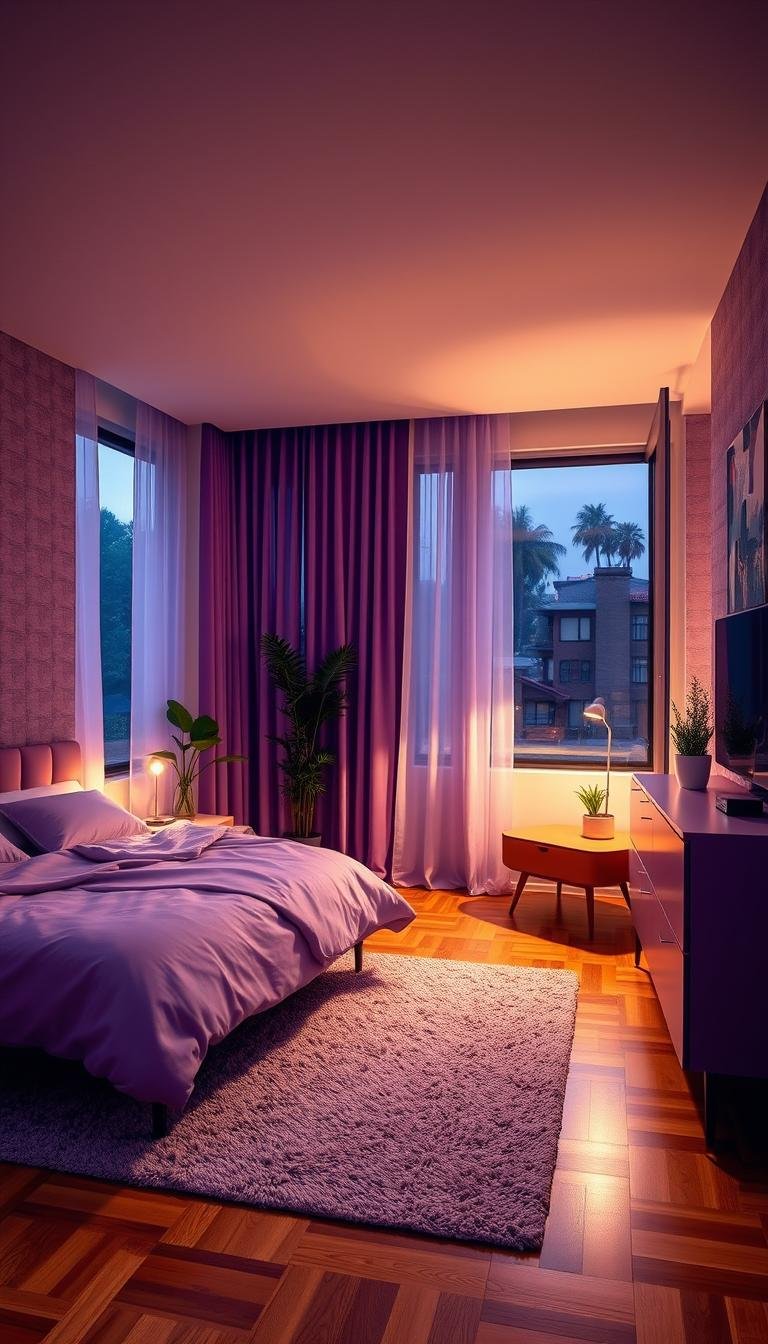
Purple brings a special magic to any sleeping area. It mixes the calm of blue with the energy of red. This balance makes it perfect for a restful yet inspiring retreat.
This color has long been tied to royalty and luxury. It adds an instant touch of elegance to your personal space. Studies even show it can help lower heart rates for a calmer feel.
You can choose from many shades. Light lavenders create a soft, serene look. Deep plums offer a rich, luxurious statement.
Think about your own style and what mood you want. This versatile hue works as a bold accent wall or subtle decor touches. It helps craft a room that truly reflects you.
Let’s explore how this amazing color can refresh your home’s most personal room.
Why Purple is the Perfect Color to Create Your Dream Space
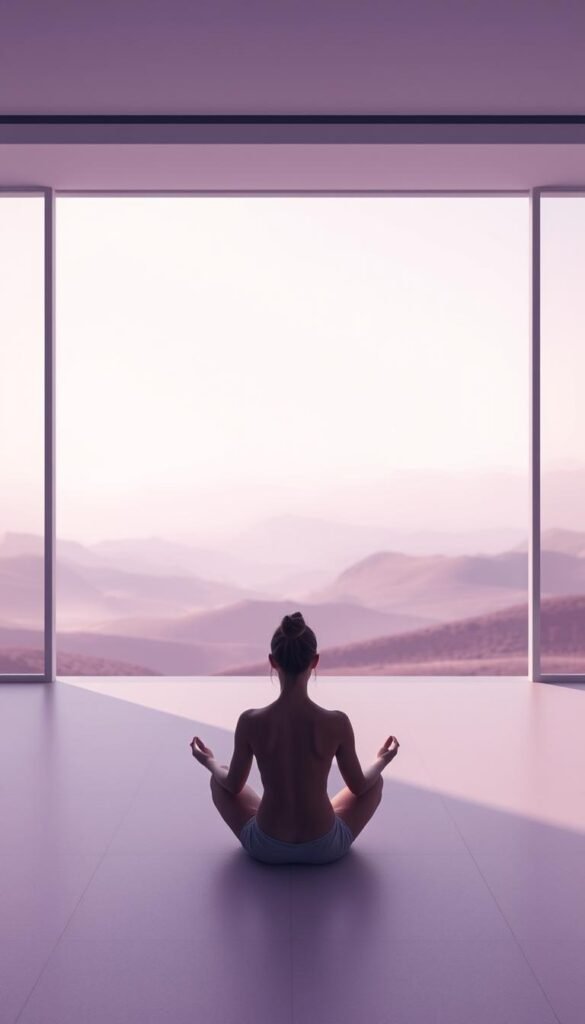
Few colors offer the psychological benefits and aesthetic versatility found in this royal-inspired shade. It strikes a perfect balance between stimulation and relaxation, making it exceptionally well-suited for sleeping areas.
The Psychology of Purple: Calm and Creativity
This remarkable color combines red’s energy with blue’s tranquility. This unique blend creates an environment that’s both inspiring and peaceful. You get the best of both worlds in your personal space.
Designer Bynn Esmond appreciates how this hue evokes mystery and creativity. Its rarity in nature makes it feel special and magical. This can stimulate intellectual pursuits while maintaining a tranquil atmosphere.
Scientific research supports these benefits too. Studies show this color can help lower heart rate and blood pressure. This promotes deeper relaxation and better sleep quality in your retreat.
From Royalty to Relaxation: A Versatile Hue
Historically, this color symbolized luxury and nobility. Ancient cultures reserved it for royalty due to its rare and expensive dyes. Today, it brings that same elegance to contemporary home decor.
The versatility of this shade is truly remarkable. It adapts beautifully to different design styles and lighting conditions. In warm evening light, it appears cozy and intimate. During daytime, natural light reveals its softer, fresher qualities.
Consider what you want from your personal area. Do you need a space primarily for unwinding after long days? Or perhaps you want an environment that also fosters creative thinking? This adaptable color scheme can accommodate both needs beautifully.
You can trust this choice for achieving a retreat that meets your specific requirements. The next step involves selecting the perfect shade that aligns with your vision and existing elements.
How to Choose Your Shade: From Lavender to Eggplant
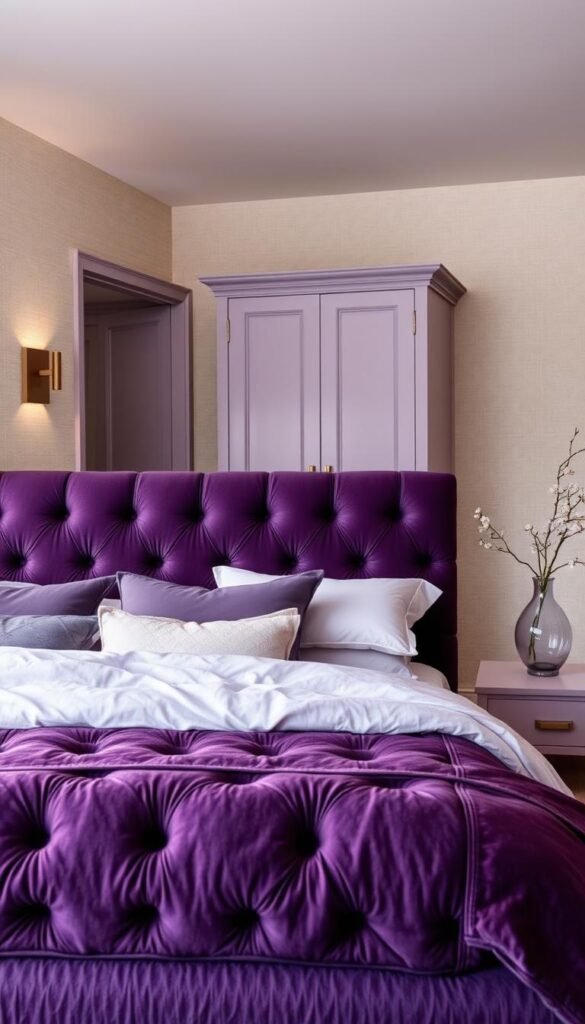
From soft whispers to bold statements, purple’s range lets you design exactly the mood you want. This versatile color family offers something for every taste and room configuration.
Consider both your space’s size and lighting when selecting. Smaller areas often benefit from lighter tones that create an airy feel. Larger rooms can handle deeper, more dramatic shades.
Light Purples for a Serene and Airy Feel
Lavender and lilac create a calm, peaceful atmosphere. These lighter shades make any area feel more spacious and bright.
Benjamin Moore Spring Iris is a popular choice for this look. It offers a soft violet tone that works beautifully in most lighting conditions.
Pair these airy tones with white or cream for maximum brightness. This combination creates a fresh, inviting palette perfect for relaxation.
Test your chosen shade at different times of day. Natural light reveals how colors transform throughout daylight hours.
Deep Purples for a Luxurious, Moody Vibe
Plum and eggplant shades bring drama and sophistication to your retreat. These rich tones absorb light for a cozy, enveloping effect.
Designers often use deep purple for a cocoon-like atmosphere. It creates an intimate, luxurious feel that’s perfect for unwinding.
Balance these bold shades with metallic accents or warm wood tones. Gold or brass elements add glamour without overwhelming the space.
Remember what one designer noted: “Deeper tones work best when you have ample natural light or strategic artificial lighting.” This prevents the room from feeling too dark.
For more inspiration on working with different purple tones, explore these bedroom ideas that showcase the full spectrum of possibilities.
Start with an Accent Wall for a Bold Statement
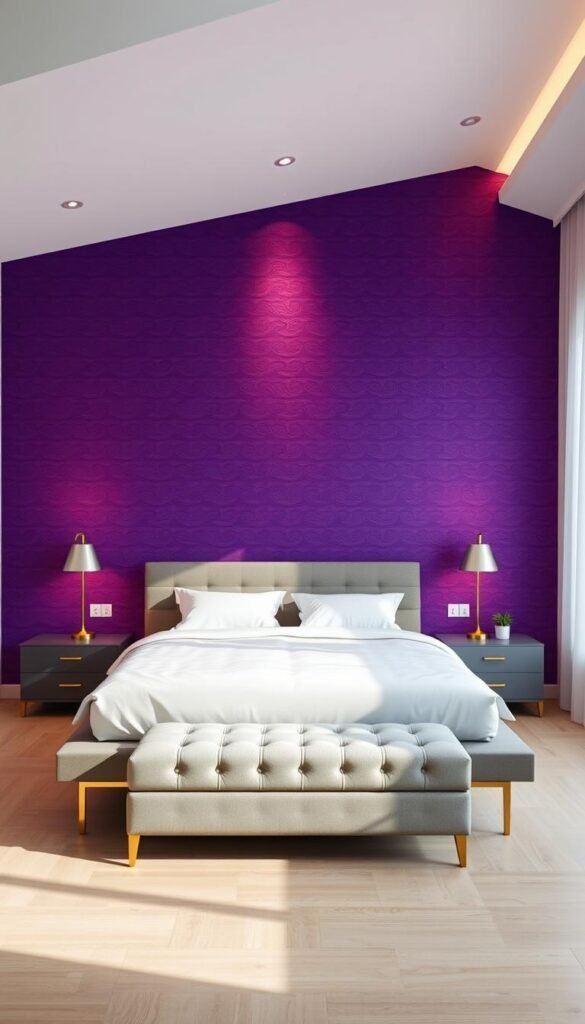
Want to transform your sleeping area without a complete overhaul? A single feature wall makes a dramatic impact. It’s the perfect way to test this royal hue in your personal retreat.
Choosing the Right Wall for Maximum Impact
Select the wall behind your bed for instant focus. This natural focal point draws the eye and frames your sleeping area beautifully.
Walls with architectural details work wonderfully too. Think about areas with built-in shelves or interesting angles. These features gain extra attention with a bold color treatment.
Designer Krsnaa Mehta demonstrates this technique perfectly. He used a rich plum wall against white surfaces. This creates depth and luxury without feeling overwhelming.
Pairing Your Accent Wall with Neutral Tones
Balance is key when working with strong colors. Neutral shades create harmony in your overall color scheme.
White or light gray walls make the perfect backdrop. They let your purple accent stand out while keeping the room feeling fresh.
Consider your existing furniture and decor too. Warm wood tones or metallic accents add beautiful contrast. They bring warmth to the space while complementing your chosen shade.
Remember to test paint samples on your actual wall. Colors change throughout the day with different natural light. What looks perfect at noon might appear different by evening.
This approach lets you experiment safely. You can always add more purple elements later for a cohesive design.
Layer Different Shades and Textures for Depth
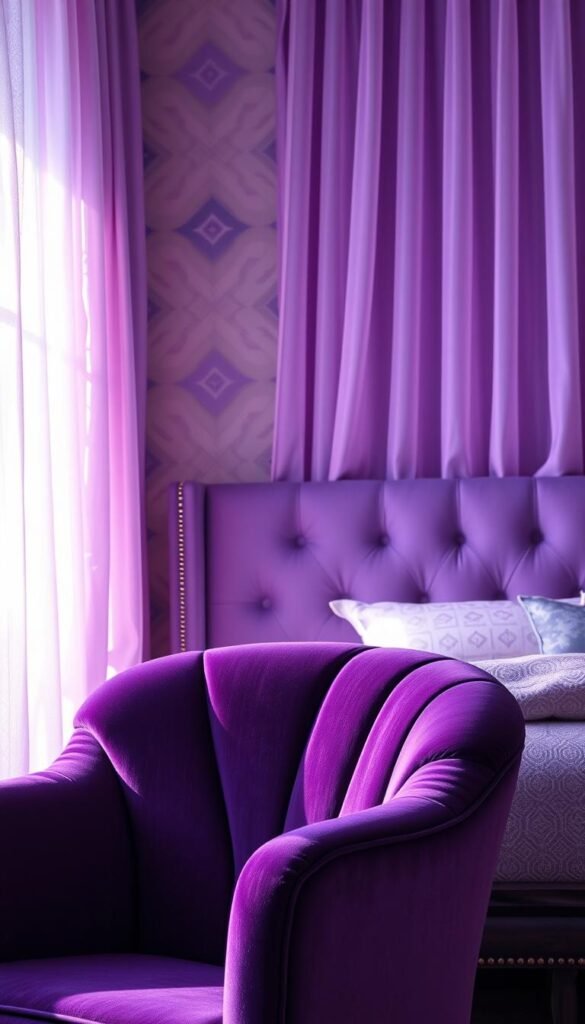
Building a truly inviting retreat goes beyond choosing just one shade. The real magic happens when you combine multiple tones and materials.
This technique adds incredible dimension to your room. It prevents the space from feeling flat or one-dimensional.
You can create a look that feels both cohesive and exciting. It’s all about finding the right balance for your personal taste.
Mixing Lavender, Lilac, and Plum
Start with a base shade that you love. This could be a soft lavender on your walls or a lilac on larger furniture pieces.
Then, introduce deeper plum tones through accents. Think about throw pillows, artwork, or decorative objects.
Designer Kristin Kong shows how effective this can be. She layered various purples to achieve a rich, dimensional effect.
This approach allows for a personalized design. You control how bold or subtle the final look appears.
Remember to test your combinations in different lighting. What works in store light might change at home.
Incorporating Velvet, Linen, and Faux Fur
Textures play a huge role in how your space feels. They add visual interest and tactile comfort.
Velvet brings a touch of luxury to any room. It works beautifully with deeper, richer shades.
Linen offers a casual, breathable quality. It’s perfect for lighter tones and a more relaxed vibe.
Faux fur adds instant warmth and coziness. It creates a welcoming feel that’s perfect for a sleeping area.
Don’t be afraid to mix these materials together. The contrast between them makes the design more dynamic.
Your next step involves looking at specific items like bedding. These elements offer perfect opportunities for introducing color and texture.
Incorporate Purple Through Bedding and Throw Pillows
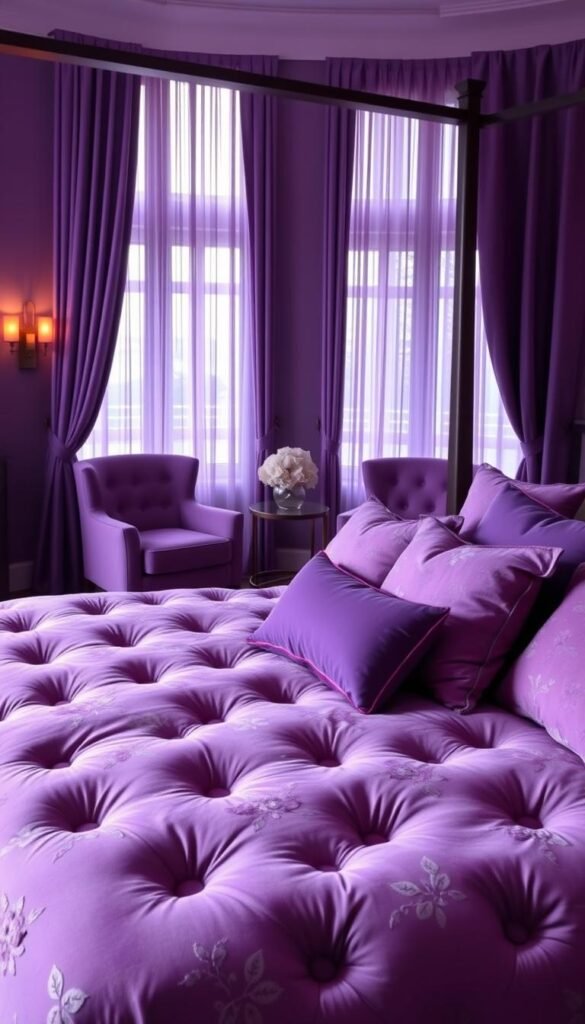
One of the most impactful yet reversible ways to introduce this regal hue is through textiles. Bedding and pillows let you experiment with different tones without permanent changes. This approach offers incredible flexibility for seasonal updates or trend adjustments.
Your sleeping area becomes a canvas for creative expression. You can build layers of color and texture that transform the entire room’s atmosphere.
Selecting the Perfect Duvet Cover and Sheets
Start with a foundation piece like a duvet cover or comforter. Choose materials that balance comfort with style for your perfect retreat.
Cotton offers breathable softness for year-round use. Linen provides beautiful texture and a relaxed, casual feel. Both work wonderfully with various shades.
Consider a plum duvet with lavender sheets for dimensional depth. This combination creates visual interest while maintaining harmony.
Designer Sarah Richardson notes, “The bed should feel as good as it looks—prioritize soft, quality fabrics that enhance your sleep experience.”
Coordinate your bedding with other elements in the room. Matching curtains or area rugs creates a cohesive color scheme throughout the space.
Mixing and Matching Pillow Patterns
Throw pillows add the finishing touches to your bedscape. They’re perfect for introducing additional tones and textures.
Start with solid pillows in your main shade. Then layer patterned options featuring complementary colors. Florals, geometrics, and abstract designs all work beautifully.
Vary pillow sizes and shapes for visual interest. Standard squares paired with lumbar or bolster pillows create a luxurious, hotel-like feel.
Don’t be afraid to mix different purple tones together. A deep eggplant pillow can anchor lighter lilac counterparts beautifully.
This approach lets you have fun with your personal style. You can easily swap pieces to refresh the entire room’s look whenever inspiration strikes.
As you perfect your textile selection, consider how a statement headboard could anchor your beautiful new palette.
Anchor the Room with a Statement Purple Headboard
A headboard in this royal hue instantly becomes the heart of your sleeping area. It draws the eye and sets the tone for your entire design. This piece ties together various elements for a polished, cohesive look.
You can choose from many styles to match your personal taste. Whether soft and plush or sleek and modern, this focal point adds character. It transforms your bed into a true centerpiece.
Designer Mark D. Sikes proves how effective this approach can be. He used a solid headboard to anchor a room full of patterns. This created balance and visual harmony throughout the space.
Upholstered Headboards for a Soft Look
Velvet or fabric options bring incredible comfort and luxury. They feel soft against your back when reading or relaxing. These pieces add warmth and texture to your overall design.
Deep shades like plum or eggplant work beautifully with rich fabrics. They absorb light for a cozy, enveloping effect. Lighter lilacs or lavenders maintain an airy, serene feel.
Consider your existing furniture and decor when selecting materials. A velvet headboard pairs wonderfully with metallic accents or wood tones. This combination adds depth without overwhelming the room.
Wooden Headboards Stained in Purple Tones
Stained wood offers a modern, custom touch for your sleeping area. It brings natural warmth while making a bold color statement. This option works beautifully in contemporary or traditional settings.
You can choose from light washes to deep, saturated stains. Lighter tones keep the room feeling fresh and bright. Darker shades create drama and sophistication against neutral walls.
This type of headboard often becomes a conversation piece. Its unique finish adds personality and character to your personal retreat.
| Headboard Type | Best For | Pairing Suggestions |
|---|---|---|
| Upholstered Velvet | Luxurious, cozy feel | Metallic accents, plush bedding |
| Fabric Upholstered | Soft, casual elegance | Linen textiles, natural materials |
| Light Wood Stain | Airy, contemporary spaces | White bedding, simple decor |
| Dark Wood Stain | Dramatic, moody atmospheres | Gold accents, rich textiles |
When selecting your perfect headboard, consider these practical tips:
- Measure your space to ensure proper proportion
- Test samples in your actual lighting conditions
- Coordinate with your existing bed frame style
- Consider DIY options for custom color matching
Designer Bynn Esmond notes, “A headboard should reflect your personality while complementing your overall design scheme. Don’t be afraid to make a bold choice—it’s easier to change than wall color!”
This furniture piece offers wonderful versatility for any budget. Ready-made options provide instant transformation. Custom creations let you achieve exactly the shade you envision.
For more inspiration on making this focal point work in your space, explore these bedroom ideas that showcase various approaches.
Once you’ve anchored your room with this statement piece, consider how complementary colors can enhance your overall palette.
Choose Complementary Colors to Balance Your Palette
The right color partners can transform your room from overwhelming to perfectly balanced. Complementary shades create harmony while letting your main hue shine. This approach prevents any single color from dominating your space.
Think about the mood you want to achieve. Different combinations create distinct feelings and atmospheres. Your choices should reflect your personal style and desired vibe.
Pairing with Gray for a Chic, Sleek Look
Gray tones down bold shades while maintaining sophistication. This combination creates a modern, polished feel in your room.
Light grays work beautifully with softer lilacs and lavenders. They maintain an airy, serene atmosphere. Charcoal or slate grays complement deeper plum shades for added drama.
Designer Amy Knerr often uses this pairing for its versatility. “Gray provides a neutral backdrop that lets purple take center stage without competing,” she notes.
Pairing with Gold or Brass for a Glamorous Touch
Metallic accents add instant luxury and warmth to your color scheme. Gold and brass elements create a regal, elegant feel.
These finishes work particularly well with deeper, richer shades. They catch the light beautifully and add dimensional interest.
Knerr demonstrated this with gold hardware against plum walls. The combination created warmth and sophistication throughout the space.
Pairing with White for a Crisp, Modern Contrast
White creates a fresh, clean backdrop that makes your main color pop. This classic combination feels both timeless and contemporary.
It works with all shades from light lavender to deep eggplant. White keeps the room feeling bright and spacious.
Use white on larger surfaces like walls or ceilings. This creates balance against bolder furniture or decor elements.
Pairing with Green for a Nature-Inspired Feel
Green offers a refreshing, organic complement to your palette. This combination creates a soothing, natural vibe in your room.
Mint greens work beautifully with lighter lilac shades. Sage or olive greens complement deeper plum tones.
This pairing brings a touch of the outdoors inside. It creates a calm, restorative atmosphere perfect for relaxation.
Incorporate these combinations through various elements. Throw pillows, artwork, and furniture finishes offer perfect opportunities.
Consider your existing lighting conditions too. Natural light affects how colors interact throughout the day.
Next, we’ll explore how rugs and curtains can complete your beautiful new look.
Add Purple Accents with Rugs, Curtains, and Art
Accessories bring your design vision to life with personality and flexibility. These finishing touches add depth while letting you experiment with different looks.
They introduce color, texture, and personal style throughout your room. Best of all, you can easily change them as your tastes evolve.
Choosing a Rug to Tie the Room Together
A well-chosen rug anchors your entire space beautifully. It defines the sleeping area while adding comfort underfoot.
Consider both size and material for your needs. Plush options offer cozy warmth for cold mornings. Flatweaves provide easy cleaning and a casual feel.
Designer Plaid Fox used a lavender Moroccan rug in one project. This choice created cohesion with other purple decor elements.
Practical tips for selecting your perfect rug:
- Measure your bed area to determine proper sizing
- Choose patterns to hide stains in high-traffic areas
- Test samples against your flooring and wall colors
- Consider rug pads for safety and added cushioning
Using Curtains to Frame Windows and Add Color
Window treatments offer both function and style in your space. They control light while introducing beautiful color accents.
Sheer curtains in lilac soften harsh sunlight beautifully. Blackout options in plum ensure complete darkness for sleeping.
Designer Bynn Esmond suggests, “Curtains should complement your wall color rather than match it exactly. This creates visual interest through subtle variation.”
Consider these factors when selecting:
- Rod placement affects how curtains frame your view
- Layered treatments offer flexibility for different times of day
- Patterned fabrics can introduce additional colors to your palette
- Length choices create different visual effects
Selecting Artwork to Personalize Your Space
Art makes your room uniquely yours while reinforcing your color scheme. It expresses your personality and completes the overall look.
Abstract pieces with purple tones add modern sophistication. Nature-inspired works bring organic beauty to your walls.
Personal photographs with purple matting create meaningful displays. Gallery walls allow you to mix multiple pieces together.
Remember these tips when choosing art:
- Scale should match your wall size and furniture proportions
- Lighting affects how colors appear throughout the day
- Frames can coordinate with other metallic elements in the room
- Rotate pieces seasonally to keep your space feeling fresh
These accent pieces work together to create a cohesive, personalized environment. They offer wonderful flexibility for future updates too.
Next, we’ll explore how lighting enhances all these beautiful elements in your room.
Don’t Forget the Lighting: Setting the Mood
Light transforms how colors feel in your personal area. It can make the same shade appear completely different throughout the day. This is especially true for rich, complex tones.
Your lighting choices affect both function and atmosphere. They help create the perfect environment for relaxation and sleep. Smart selections enhance your overall design beautifully.
Warm Light for Cozy, Deep Purple Spaces
Soft, warm lighting brings out the best in deeper shades. It adds richness and creates an intimate, enveloping feel. This approach works wonderfully for evening relaxation.
Designer Amy Knerr demonstrates this technique effectively. She used warm gold accents to add extra warmth to a plum room. The combination created a luxurious, inviting atmosphere.
Consider these lighting options for cozy spaces:
- Dimmable bedside lamps with warm white bulbs
- Overhead fixtures with adjustable brightness settings
- String lights or sconces for soft, indirect illumination
- LED strips behind furniture for subtle ambient glow
These choices let you control the mood easily. You can create bright light for reading or soft glow for sleeping.
Natural Light to Enhance Lighter Shades
Sunlight makes lighter tones appear fresh and airy. It reveals their delicate qualities throughout daytime hours. This creates a bright, uplifting feeling in your room.
Position mirrors to reflect natural light beautifully. They bounce illumination around the space effectively. This technique makes any area feel larger and more open.
Sheer curtains filter harsh sunlight gently. They maintain privacy while letting soft light through. This approach keeps your room feeling bright yet peaceful.
Consider your daily routine when planning lighting. Morning users might prioritize bright, energizing light. Evening readers may prefer softer, warmer options.
Lighting completes your beautiful color scheme perfectly. It works with your chosen palette to create harmony. Next, we’ll explore how wallpaper can add pattern and depth.
Experiment with Wallpaper for a Dreamy Effect
Wallpaper offers patterns and textures that paint simply can’t match. It brings instant personality to your walls with incredible depth and visual interest. This approach lets you make a bold statement while keeping other elements simple.
Unlike paint, wallpaper introduces complex designs and tactile qualities. It can transform an ordinary room into something truly special. The right pattern becomes an instant conversation piece in your home.
Nature-Inspired and Whimsical Patterns
Floral and botanical designs bring organic beauty to your space. They create a serene, dreamy atmosphere that feels both fresh and calming. These patterns work beautifully with various shades from light lilac to rich plum.
Designer Rasheeda Gray used violet butterfly-wing wallpaper in one project. This choice created a zen-like effect that felt both whimsical and sophisticated. The delicate pattern added movement without overwhelming the room.
Celestial themes offer another magical option. Star constellations or moon phases create a nighttime wonderland feel. They pair wonderfully with darker tones for a cozy, enveloping effect.
Geometric and Modern Purple Designs
Clean lines and repeating patterns offer a contemporary touch. They create visual rhythm and sophistication in your personal area. Geometric wallpaper works particularly well with modern furniture pieces.
These designs often feature multiple tones within the same pattern. This built-in layering adds depth to your color scheme naturally. You get dimensional interest without additional decor elements.
Consider scale when selecting geometric patterns. Larger repeats make a dramatic statement in big rooms. Smaller patterns work beautifully in cozier spaces or on accent walls.
Practical tips for choosing your perfect wallpaper:
- Order samples to see how patterns look in your actual lighting
- Consider pattern repeat for easier installation and matching
- Test how colors complement your existing bedding and furniture
- Start with a single accent wall if you’re new to wallpaper
- Don’t forget the ceiling—it’s a fantastic fifth wall for pattern
Wallpaper transforms your room into a personalized retreat. It adds that special touch that makes the space uniquely yours. This design adventure brings wonderful rewards when done thoughtfully.
Now that we’ve explored all these beautiful options, let’s see how everything comes together for your perfect purple paradise.
Bringing It All Together: Your Purple Paradise Awaits
Your journey to a beautiful room begins with simple steps. Start with a single accent wall or new bedding in your favorite shade. Add layered accents like pillows and art for a personalized touch.
Remember to pair this rich color with neutrals or metallics. Warm lighting enhances the cozy feel. Each choice builds toward a cohesive look that reflects your style.
This versatile palette suits any home, from calm retreats to bold statements. Experiment with different textures and tones. There’s no single right way—just what feels perfect for you.
Ready to begin? Explore more inspiration online and share your results. Your ideal sleeping area is closer than you think!