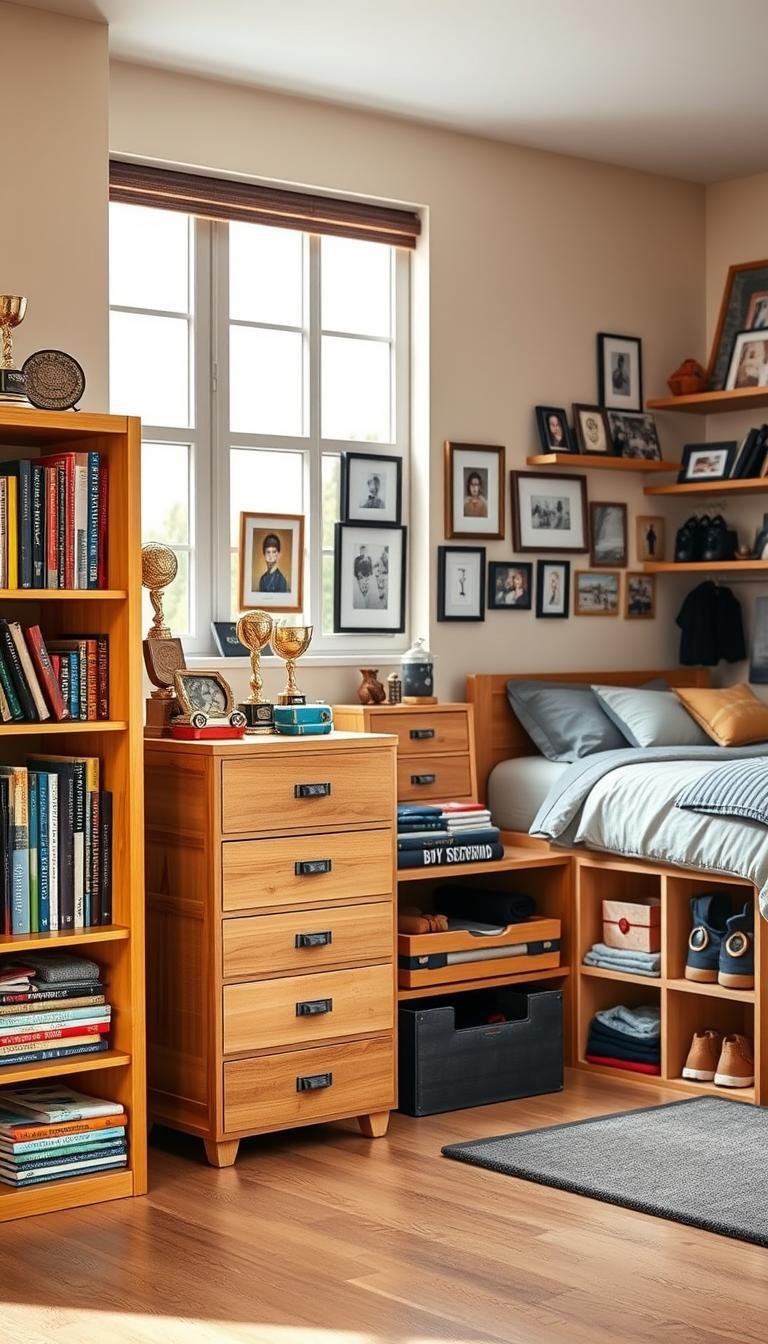
Keeping your child’s room tidy can feel like a constant battle. Kids grow fast, and their belongings seem to multiply overnight. Toys, clothes, and books quickly take over the space.
Good organization isn’t about perfection. It’s about creating a cozy, functional area where everything has its place. Smart systems make cleaning up simpler and faster.
You’ll discover practical solutions designed specifically for boys’ needs. These kid-friendly approaches help maintain order without frustration. Step by step, you can transform chaos into calm.
Find more inspiration with these bedroom organization ideas that really work. Let’s create a space that grows with your child and supports their adventures.
Why Organization Matters in Your Boy’s Bedroom
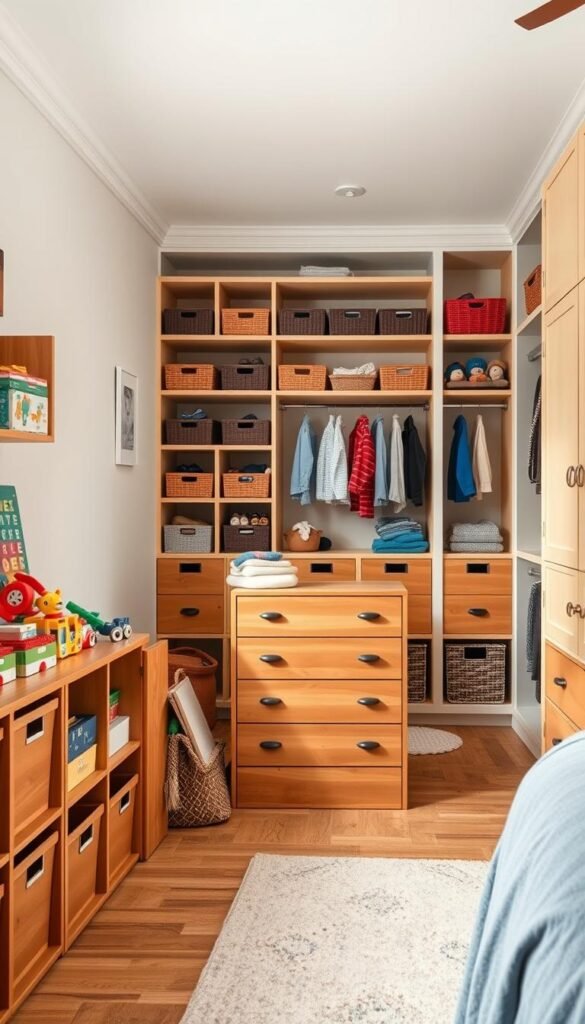
A messy room can create stress for everyone in your home. When toys and clothes pile up, it becomes hard to find things. Your child might feel frustrated searching for their favorite stuff.
Teaching kids to stay organized builds important life skills. They learn responsibility and gain independence. Simple systems make it easier for them to manage their space.
An orderly environment supports better focus and relaxation. Your child can sleep soundly, play creatively, and study effectively. Reduced clutter means fewer distractions in their room.
Smart storage solutions work with your child’s abilities. Low shelves and open bins help them put things away independently. When systems are easy to use, kids actually use them!
Regular organization saves time during daily routines. Morning preparations become smoother when everything has its place. The whole family benefits from a well-ordered space.
| Before Organization | After Organization |
|---|---|
| Stressful search for items | Easy access to belongings |
| Chaotic play environment | Focused activity areas |
| Resistance to cleaning up | Willing participation |
| Time-consuming routines | Efficient daily flow |
Creating an organized room isn’t about perfection. It’s about designing a functional space that grows with your child. The right approach makes maintenance simple and sustainable.
Start With a Solid Decluttering Strategy
A great organization plan begins with clearing out what you don’t need. This creates space for the things that truly matter. Without this step, even the best storage system becomes overwhelmed.
Think of decluttering as preparing the canvas before painting. You remove old layers to make room for new creations. This approach keeps your child’s space fresh and functional.
Schedule Regular Decluttering Sessions
Set aside specific time for sorting through belongings. Many families find success with biannual sessions. These often align with natural transitions like summer break or holiday seasons.
Children grow quickly and their interests change faster. What fascinated them six months ago might now sit untouched. Regular reviews prevent accumulation of unused items.
Mark these dates on your family calendar. Treat them as important appointments rather than optional chores. Consistency makes the process familiar and less daunting for everyone.
How to Make Decluttering Decisions Together
Begin with a quick solo pass through the room. Remove obviously broken toys, outgrown clothes, and damaged items. This preliminary sweep streamlines the main event.
Then invite your child to join the process. This collaborative way teaches valuable lessons about possessions. They learn to distinguish between treasures and clutter.
Use simple questions to guide decisions:
- “When did you last play with this?”
- “Does this still fit you properly?”
- “Would another child enjoy this more?”
This method reduces overwhelm while encouraging thoughtful choices. Children feel respected when included in these decisions.
Create a donation box for gently used toys and clothes. Explain how these items will help other families. This practice builds generosity while making space.
Through this process, children learn how to put away belongings properly. They develop habits that help them stay organized long-term. The entire family benefits from a more manageable space.
Create Functional Zones for Different Activities
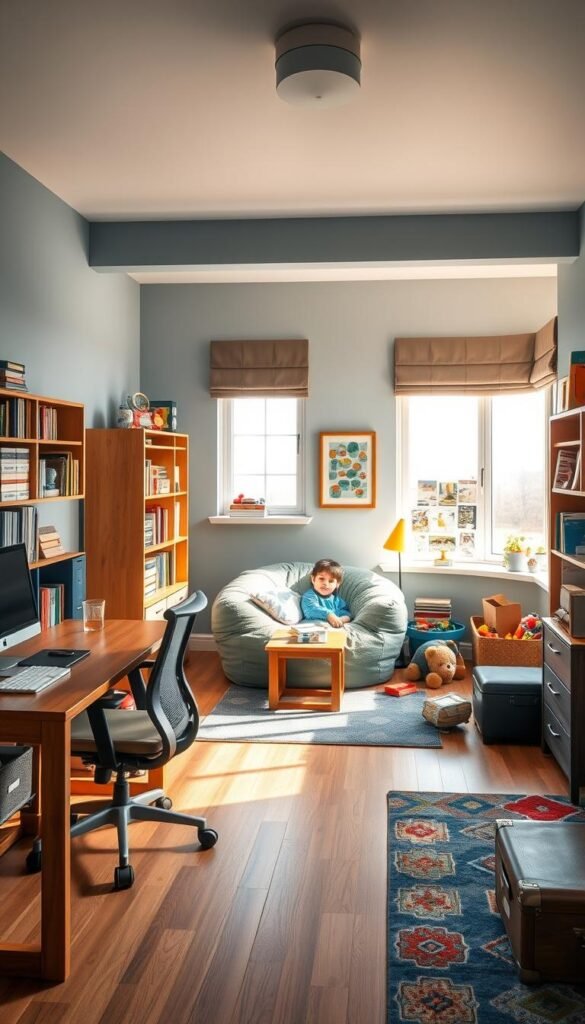
Creating distinct areas for different purposes helps maintain order in multi-functional rooms. This approach transforms one big space into several organized sections. Each zone serves a specific function while containing related things.
Zoning prevents clutter from spreading throughout the entire room. Your child learns where things belong based on their purpose. This logical system makes cleanup intuitive rather than confusing.
Define areas for sleeping, playing, studying, and dressing. This separation improves flow and reduces visual chaos. Each activity gets its dedicated place within the kids room.
Sleeping Zone Essentials
Focus on creating a peaceful retreat for rest and relaxation. The bed should feel comfortable and inviting. Keep bedtime essentials within easy reach.
Place a nightstand or small shelf beside the bed. This holds books, water bottles, or special stuffed animals. Everything needed for sleep stays in one convenient place.
Consider under-bed storage for pajamas and linens. This keeps sleep-related items together and out of sight. The sleeping area remains calm and clutter-free.
Play and Study Area Setup
Designate specific areas for active play and focused work. Use open shelving for toys and art supplies. This makes everything visible and accessible.
Include a small desk or art table for creative projects. Keep supplies organized in labeled containers nearby. Your child can find what they need without assistance.
Use rugs or furniture arrangement to define these zones visually. This physical separation helps your child understand where things belong. Each activity area maintains its own organization system.
For more detailed strategies on containing clutter through zoning, explore these practical storage solutions. They offer smart ways to maximize your child’s space while keeping everything organized.
Dedicated storage in each zone maintains order effortlessly. Bins for toys, shelves for books, and crates for supplies all have their place. This systematic approach makes daily tidying simple and sustainable.
Maximize Your Closet Space Efficiently
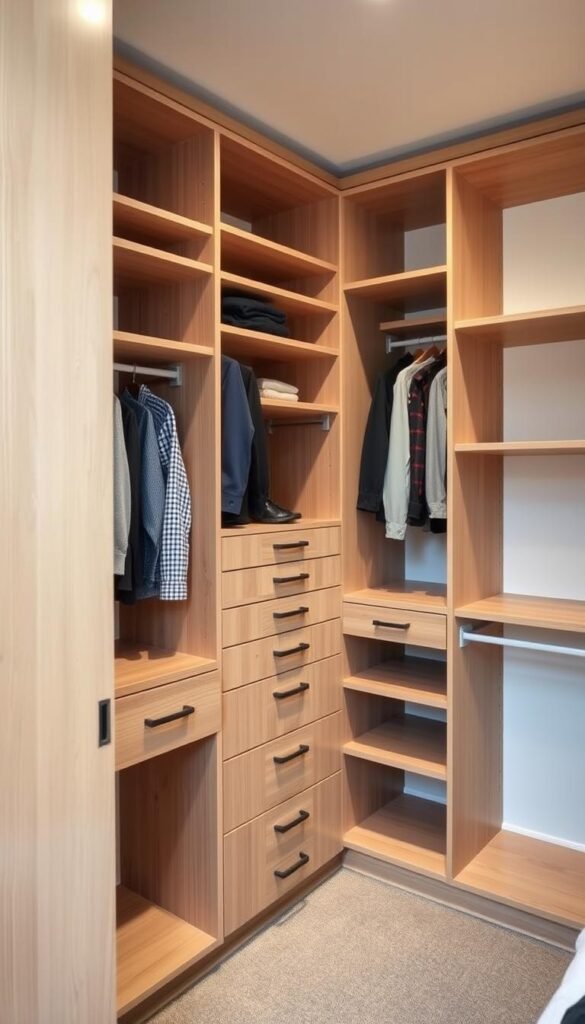
Your child’s closet holds incredible potential for smart organization. Many families overlook this valuable storage area. With simple adjustments, you can transform it into a highly functional space.
The right approach makes everything accessible for your child. They can reach their clothes and put things away independently. This builds confidence while keeping their room tidy.
Adding a Second Hanging Row
Double your hanging capacity with a simple addition. Install a second rod below the existing one. This creates two levels for different types of clothes.
The IKEA BOAXEL system works perfectly for this setup. It adjusts easily to your child’s growing needs. Lower rods make clothes accessible for younger kids.
Use lightweight velvet hangers with bottom bars. These prevent clothes from slipping onto the floor. Your child can dress themselves without frustration.
Utilizing Dead Space at the Bottom
Don’t ignore the area below hanging clothes. This often-wasted space offers excellent storage options. Place a dresser here for folded items and accessories.
Bins and shelves also work well in this zone. They hold everything from socks to seasonal clothing. Label each container for easy identification.
Store extra sheets in labeled bins inside the closet. This saves trips to other areas of your home. Everything stays organized in one convenient place.
Regularly reassess your closet organization systems. Children grow quickly and their needs change. Ensure everything maintains its designated spot.
This efficient way of organizing maximizes every inch. Your child’s closet becomes a well-oiled machine. The entire kids room benefits from this smart approach.
Smart Clothing Storage Solutions
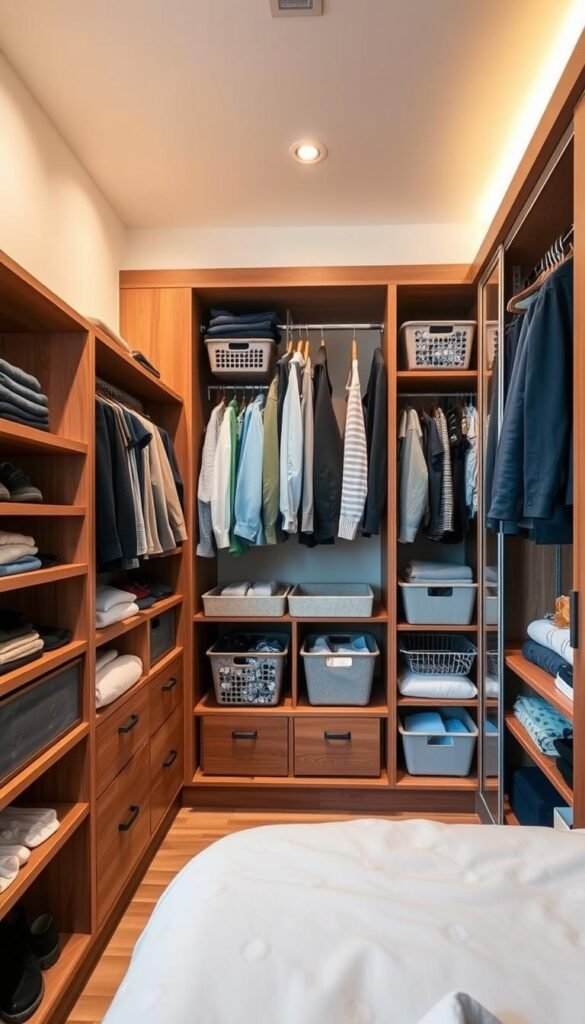
Managing your child’s wardrobe requires clever thinking. The right approach turns chaos into order. You’ll discover practical methods that actually work for busy families.
These clothing solutions save time and reduce frustration. They help your child maintain their space independently. Everything stays visible and accessible when needed.
File Folding for Space Efficiency
Traditional folding methods often hide clothes in drawers. The file folding technique changes everything. It stands garments upright like files in a cabinet.
This clever way maximizes drawer space dramatically. Your child can see every item at a glance. No more digging through piles to find what they need.
Start with the dresser drawers that hold t-shirts and pants. Fold each garment into a compact rectangle. Stand them on their edges rather than stacking flat.
This method works perfectly for most items. It keeps everything visible and accessible. Your child can select outfits without creating messes.
Hand-Me-Down Management Systems
Children grow quickly through clothing sizes. Managing hand-me-downs requires a smart system. Proper organization makes seasonal transitions smooth.
Use clear stacking drawers instead of lidded tubs. Store these in accessible locations like a closet or nearby room. This makes rotation simple when sizes change.
Label bins clearly with size categories. Create sections for “too big” and “too small” clothes. This streamlines the process of switching items.
Consider skipping folding for small things like socks and underwear. This saves time and reduces daily frustration. The goal is practicality over perfection.
Involve your child in managing their dresser and clothing. Teach them how to put away their belongings properly. They’ll develop valuable skills while keeping their space organized.
Utilize Vertical Space with Shelving
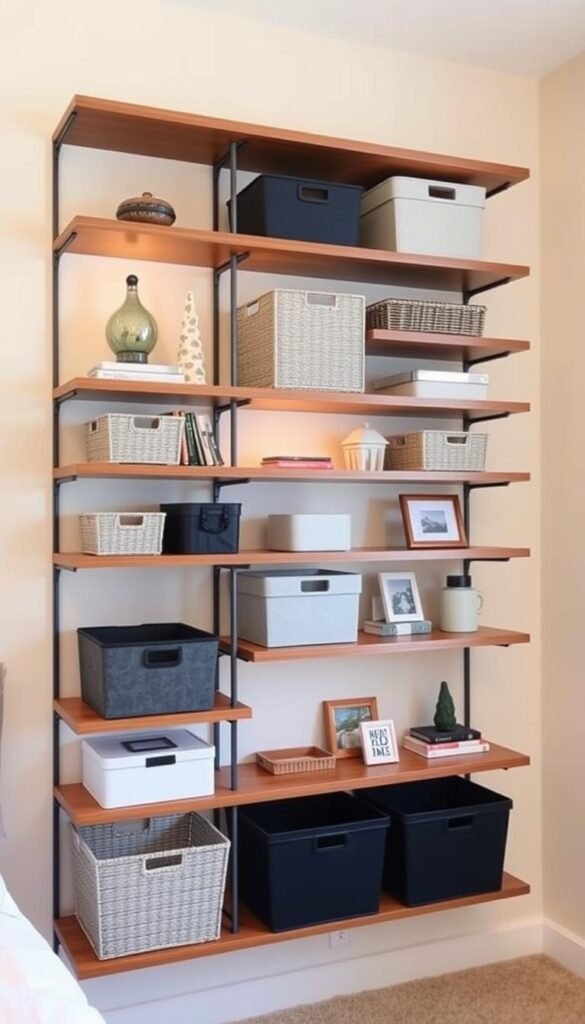
Many families overlook the valuable real estate above eye level. Your walls offer incredible potential for smart organization. This approach maximizes every inch of your child’s living area.
Wall-mounted shelves create perfect display spots for special collections. They keep prized possessions in sight but off surfaces. This clever way adds personal decor while maintaining order.
Books find their perfect home on floating shelves. Install them at comfortable heights for easy access. Your child can reach their favorite stories independently.
Vertical storage units work wonders in compact areas. Ladder shelves and cubbies rise upward instead of spreading outward. They free up precious floor space for play and movement.
These units hold toys, art supplies, and learning materials. Everything stays organized yet within reach. The entire kids room feels more open and functional.
Hooks transform unused wall areas into practical storage spots. Mount them at child-friendly heights for daily items. Jackets, hats, and bags have designated homes.
This simple solution encourages consistent tidiness. Your child learns to hang things properly after use. The habit develops naturally through easy systems.
Rolling carts offer flexible organization that moves as needed. They’re ideal for craft supplies, building sets, or gaming gear. Wheel them to wherever the action happens.
Ensure all shelving and storage sits at appropriate heights. Your child should reach everything without assistance. This promotes independence and daily participation.
The right vertical solutions transform how you use available space. Your walls become active partners in organization. Every surface contributes to a tidy, functional environment.
Must-Have Storage Ideas for Boys Bedrooms
Smart solutions make cleanup simple and fun. The right tools help your child manage their space with confidence.
Stacking Pantry Bins for Visibility
Clear stacking bins work wonders in any closet or on shelves. They let your child see exactly what’s inside. No more guessing games with lids or labels.
These versatile containers hold everything from toys to art supplies. Your kid can access their favorite items independently. Everything stays organized and within reach.
Open Bins and Baskets for Easy Access
Open-top baskets encourage quick cleanup after playtime. Your child can toss toys inside without struggling with lids. This simple approach reduces frustration and saves time.
Choose durable baskets that match your room’s decor. Place them where your child plays most often. They’ll naturally put things away when it’s easy.
Consider under-bed storage for seasonal clothes or extra bedding. Nightstands with drawers keep surfaces clear for lamps and books. Multi-functional furniture like bean bag chairs add fun while storing stuffed animals.