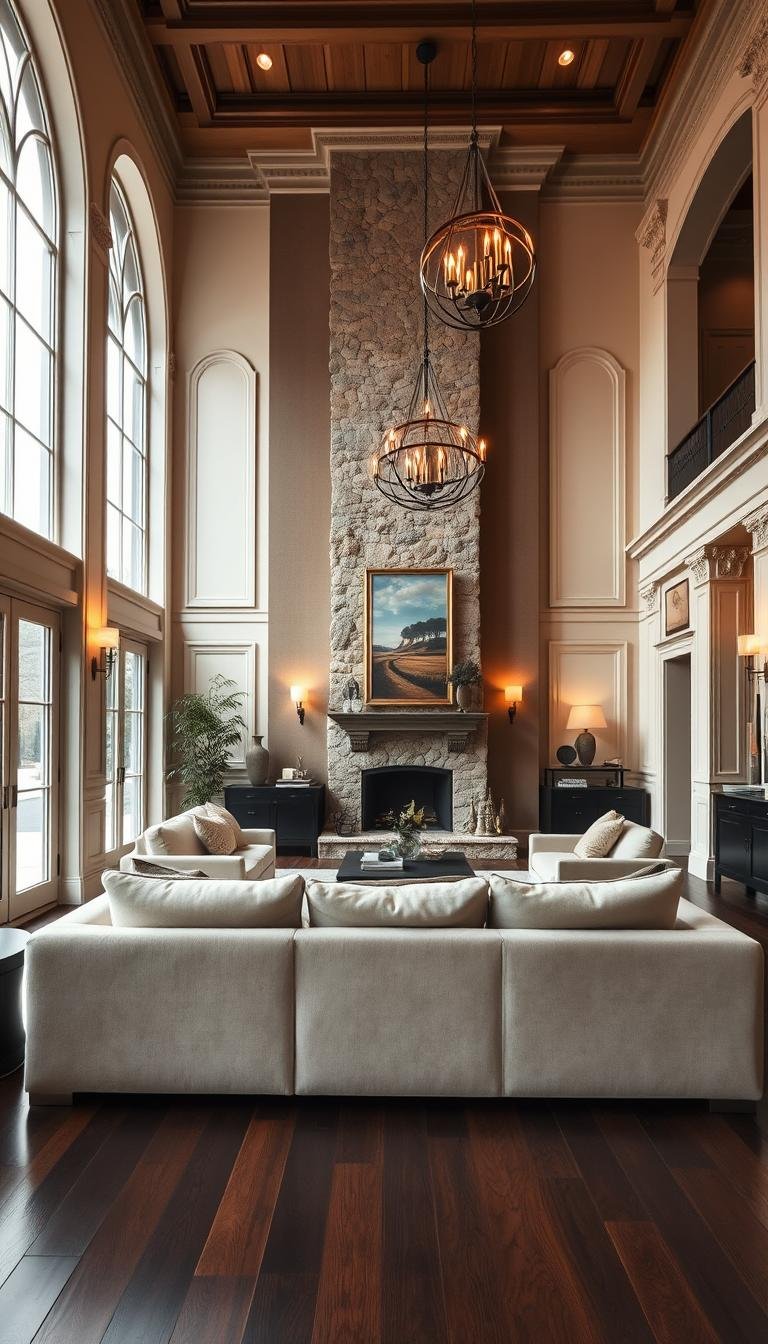
Welcome to your complete guide on creating beautiful rooms that blend timeless tradition with contemporary simplicity. This approach creates a special aesthetic that feels both fresh and familiar.
You will discover how to achieve a cohesive look throughout your home. The result is inviting spaces that feel uncluttered yet warm.
We will walk you through key concepts from clean lines to natural elements. These ideas help transform any room into an elegant living area.
Learn from real designers like Christina Boschetti who master symmetry and tonal palettes. Their work shows how to modernize while preserving comfort.
By the end, you’ll have practical tips to curate a timeless interior. Create a space that reflects your personal style and enhances daily life.
Master the Blend of Clean Lines and Traditional Warmth
Creating harmony between old and new begins with thoughtful pairings. You can achieve a balanced look that feels both fresh and timeless.
Start by selecting sleek furnishings against classic architectural details. Original hardwoods or ornate crown molding work beautifully with contemporary pieces.
Pairing Sleek Furniture with Classic Architecture
Designer Christina Boschetti shows how this works in real homes. She paired graphic black-and-white prints with natural white oak cabinets in a French Colonial home.
A hand-carved wooden light fixture from Thomas Newman added artistic touch. This combination creates warmth while maintaining clean lines.
Choose furniture with simple silhouettes that complement traditional elements. They should enhance rather than compete with existing features.
Letting Original Features Shine with a Modern Twist
Highlight your home’s character by contrasting old and new. Decorative moldings or wood floors stand out against slim-line furniture and neutral textiles.
Boschetti used a monochrome palette in a 1925 French Norman home. This color scheme modernized the space while keeping its original charm.
This approach creates a cohesive aesthetic that feels updated yet respectful. Your room will maintain its personality while gaining contemporary appeal.
Remember to preserve original features like natural materials to add warmth and intimacy to any space. The blend of classic and contemporary creates a truly custom look.
Curate a Cohesive Neutral Color Palette
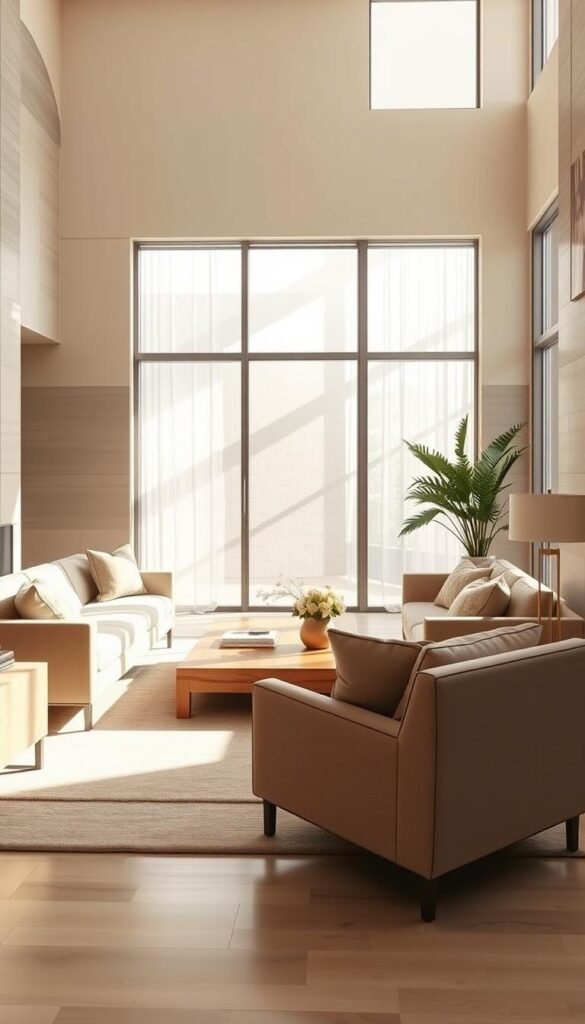
Your color choices set the foundation for a harmonious living environment that balances comfort with sophistication. A well-planned palette creates visual flow throughout your space.
Neutral tones work beautifully in any room. They provide flexibility while maintaining a timeless appeal.
Selecting Tones with Complementary Undertones
Pay close attention to undertones when choosing your colors. Warm yellows or cool greens should complement each other.
Designer Amber Lewis demonstrates this principle perfectly. She used a warm undertone gray chest that harmonized with other furnishings.
This approach ensures all elements in your room blend seamlessly. Nothing feels mismatched or out of place.
Using Color-Drenching for a Soothing Effect
Color-drenching creates a unified, calming atmosphere. Apply the same hue across walls, furniture, and accents.
Lewis transformed a TV room using soothing sage green everywhere. Even the sofa upholstery matched this tranquil shade.
The result is a cozy, intentional look that feels completely cohesive. Your space becomes a sanctuary of calm.
This technique works especially well in living areas. It allows architectural details to stand out as focal points.
Use analogous colors for subtle depth. Varying hues of green with a blue accent can tie everything together beautifully.
Remember to keep bold colors as accents only. Let your neutral base provide that timeless backdrop you’ll love for years.
Invest in Statement, Low-Profile Seating
Your seating choices define how your room functions and feels. The right pieces create both comfort and visual appeal.
Low-profile options make your space feel open and airy. They maintain a clean look while offering plenty of support.
Choosing a Slim-Line Sofa as Your Foundation
Start with a streamlined sofa in neutral fabric. This becomes your main seating area for daily use.
Designer Sam Sacks shows how this works beautifully. He selected deep neutral shades with sleek silhouettes.
Performance fabrics ensure durability in busy areas. Your sofa stays beautiful through years of use.
This foundation works for family time and entertaining. It provides a functional base that adapts to your needs.
Incorporating Accent Chairs for Versatility
Add chairs to create flexible seating arrangements. They bring extra style without crowding the room.
Sacks paired a wooden chair with woven textile beside a green velvet couch. This mix adds visual interest and balance.
Different chair styles create a collected look. Try a contemporary occasional chair with your main sofa.
This approach reflects your personal taste in a thoughtful way. Each piece contributes to the overall harmony.
| Seating Type | Best Uses | Material Tips |
|---|---|---|
| Slim-Line Sofa | Main seating area, family gatherings | Neutral performance fabrics |
| Accent Chairs | Extra seating, style accents | Mixed materials like wood and textile |
| Low-Profile Designs | Small spaces, open concept areas | Lightweight frames, clean lines |
Remember that seating should combine form and function. Your choices affect both the look and feel of your room.
Proper seating arrangement enhances your daily living experience. It creates inviting spaces for relaxation and connection.
Layer Textures for Depth and Interest
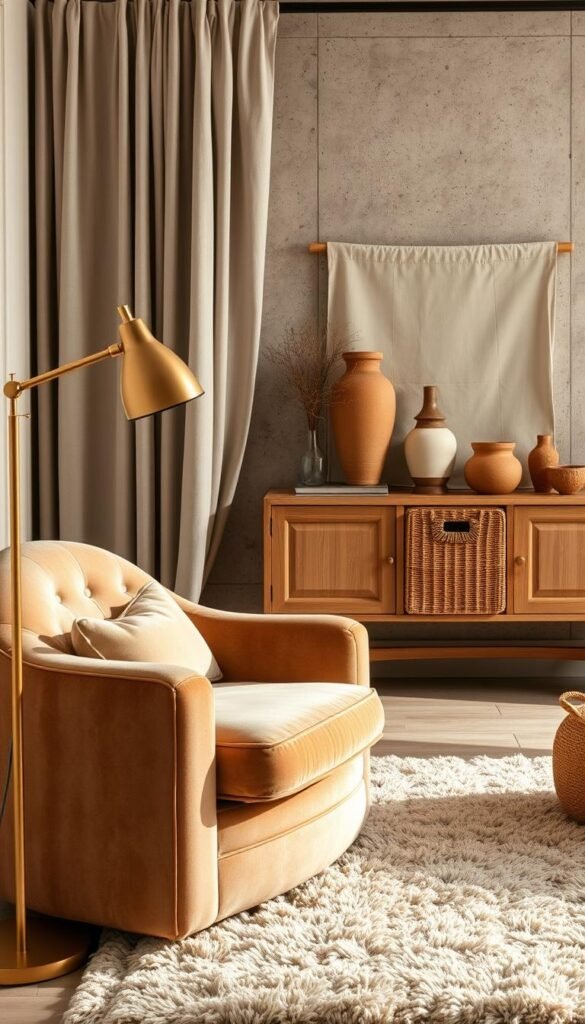
Texture transforms your space from flat to fascinating. It adds warmth and personality that makes your room feel complete.
Thoughtful layering creates a rich sensory experience. You’ll enjoy both the look and feel of your carefully curated environment.
Mixing Natural Materials like Wood, Leather, and Wool
Combine different natural elements for authentic character. Wood grains, leather patinas, and wool weaves each tell their own story.
Designer Christina Boschetti demonstrates this approach beautifully. She used soft sheepskin and curved accents to soften a concrete ceiling’s hardness.
This balance creates visual interest without overwhelming your senses. Your space feels both grounded and inviting.
Try pairing a sleek leather chair with a nubby wool rug. The contrast adds depth while maintaining harmony.
Adding Softness with Pillows and Throws
Textiles provide instant comfort and coziness. They’re the easiest way to update your look seasonally.
Choose pillows in bouclé or mohair for luxury appeal. These fabrics feel wonderful and add subtle texture variation.
Throws draped over seating invite relaxation. They make your room feel lived-in and welcoming.
Don’t hesitate to mix patterns with your neutral base. Graphic prints on pillows add contemporary flair while keeping things cohesive.
This approach works especially well in spaces with industrial elements. Layered textures keep the atmosphere warm rather than cold.
Illuminate Your Space with Strategic Lighting
Lighting shapes how you experience your home. It creates atmosphere and highlights your favorite features.
The right approach balances function with beauty. You can make any room feel brighter and more welcoming.
Choosing Modern Fixtures to Complement Traditional Details
Select fixtures that add a fresh touch without clashing. Gold pendants or string light chandeliers work beautifully.
These pieces contrast with classic architectural elements. They create visual interest while maintaining harmony.
Metallic finishes like brass or black add glamour. They provide a sophisticated touch that enhances your aesthetic.
Use lighting to highlight artwork or moldings. This draws attention to special details in your space.
Maximizing Natural Light for an Airy Feel
Natural light makes your room feel open and inviting. It reduces the need for artificial sources during the day.
Keep window treatments minimal or use sheer fabrics. This allows sunlight to flood your living area.
Pair natural light with organic materials like salvaged wood. Sisal rugs enhance this bright, airy look.
Your home will feel more connected to the outdoors. This creates a peaceful environment for daily life.
| Lighting Type | Best Placement | Style Tips |
|---|---|---|
| Pendant Lights | Over dining tables, kitchen islands | Gold or brass finishes |
| String Chandeliers | Living rooms, entryways | Contemporary designs |
| Natural Light | All rooms with windows | Sheer curtains, minimal treatments |
| Accent Lighting | Near artwork, architectural features | Adjustable direction |
Balance different light sources throughout your room. Combine ambient, task, and accent lighting for the best results.
This approach ensures your space works for all activities. From reading to entertaining, everything feels just right.
Showcase Art and Personal Collections
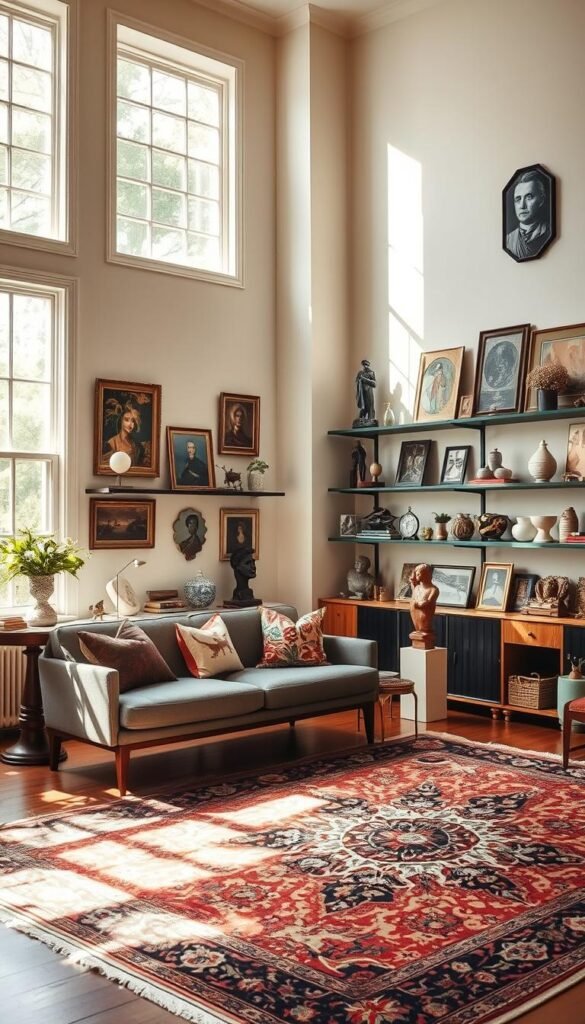
Your walls and surfaces tell the story of who you are. Displaying meaningful pieces creates a home that feels uniquely yours.
Thoughtful arrangements turn ordinary objects into extraordinary focal points. They add personality while maintaining a clean aesthetic.
Mixing Modern and Vintage Artwork
Combine different eras for a dynamic gallery wall. This approach adds depth and character to your room.
Designer Christina Boschetti demonstrates this technique beautifully. She paired contemporary glass wall art with vintage-inspired shelving.
Choose pieces that resonate with your personal style. Whether bold paintings or antique finds, they should feel authentic.
Arrange your collection organically rather than in strict grids. This creates movement and breaks from traditional formality.
The best interiors are those that tell a story about the people who live there.
Using Built-Ins to Display Cherished Items
Built-in shelving provides the perfect stage for your treasures. It keeps your space organized while showcasing what matters most.
Boschetti used contrasting shelf units to highlight colorful collections. This made the artwork pop against subtle patterned wallpaper.
Bookshelves can serve as primary decoration in your living area. They allow simpler furniture to act as a quiet backdrop.
This display method creates focal points without visual clutter. Your favorite items become the stars of the room.
| Display Type | Best For | Arrangement Tips |
|---|---|---|
| Gallery Walls | Mixed artwork collections | Organic spacing, varied frame styles |
| Built-In Shelves | Books, decorative objects | Group by color or theme |
| Floating Shelves | Small collections, accent pieces | Odd numbers, varying heights |
| Console Tables | Rotating displays, seasonal items | Use trays to group small objects |
Keep your background simple to let collections shine. Neutral walls or subtle patterns work best as supporting players.
Your displayed items should reflect your journey and tastes. They transform a house into your home.
Define Your Space with a Foundational Rug
Your floor covering serves as the visual anchor that brings harmony to your entire room. The right choice ties together furniture and finishes into a cohesive look.
Rugs add pattern while softening surfaces underfoot. They create warmth both visually and physically.
Selecting a Pattern that Bridges Both Styles
Choose geometric designs in neutral tones to balance contemporary and traditional elements. These patterns work with various furniture styles.
Your selection should complement rather than compete with other features. The pattern becomes a unifying element throughout your space.
This approach creates a harmonious aesthetic that feels intentional. Your room gains character without appearing cluttered.
Laying Rugs for Warmth and Acoustic Comfort
Layer a flatweave beneath a patterned rug for added depth and texture. This technique enhances both visual interest and physical comfort.
The combination reduces noise while making your area feel cozy. It’s a practical way to improve your living environment.
Natural materials like wool or sisal offer durability and texture. They complement various furnishings while standing up to daily use.
Use rugs to define zones in open-plan areas. They create distinct spaces for different activities without visual barriers.
Ensure your rug size fits your furniture arrangement properly. The right proportions enhance flow and functionality throughout your home.
This foundational piece adds the finishing touch that completes your design. It brings everything together in a beautifully balanced way.
Create Functional and Stylish Zones
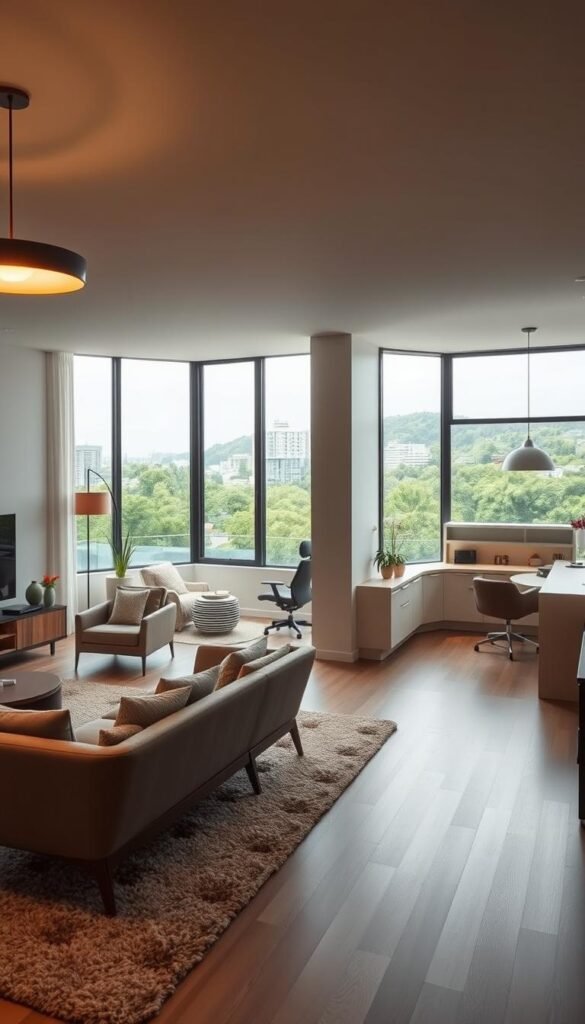
Thoughtful organization transforms your room into a comfortable and practical environment. This approach helps every area serve a purpose while looking beautiful.
Designer Janie Molster demonstrates this concept perfectly. She created distinct hangout zones in a Florida living area with performance fabric upholstery.
Your space becomes more enjoyable when arranged with intention. You’ll love how each corner feels both useful and inviting.
Arranging Furniture for Conversation and Flow
Symmetrical layouts create natural gathering spots that encourage interaction. Circular seating formations make people feel connected and engaged.
Traditional living rooms often use close, intimate arrangements. This style prioritizes face-to-face conversation and comfort.
Position your main seating to face each other rather than all toward the television. This simple change transforms how you use the room daily.
Leave enough space between pieces for easy movement. Your home should feel open and accessible, not cramped or confusing.
Using Pieces to Define Purpose in Open Spaces
Area rugs help establish distinct zones within larger rooms. They visually separate areas while adding warmth underfoot.
Furniture groupings create natural boundaries without walls. Try placing two chairs and a small table to make a reading nook.
Built-ins like bookshelves or consoles can mark transitions between spaces. They provide storage while defining each area’s function.
Lightweight armchairs offer flexibility for different occasions. You can easily rearrange them for movie nights or gatherings.
Good design is about creating spaces that work for how we really live.
Every zone benefits from having a clear focal point. This could be a fireplace, artwork, or even a beautiful window view.
These anchors make each area feel intentional and complete. They draw people in and give the space purpose.
Remember to maintain scale and balance throughout your room. Mix textures and products to add interest without overwhelming your aesthetic.
Your finished space will flow beautifully from one area to another. Each zone will feel both distinct and connected to the whole.
Incorporate Timeless Wood Elements
Wood brings natural warmth and character to your home. It connects contemporary pieces with traditional charm in a beautiful way.
Using wood throughout your space creates a grounded, inviting atmosphere. You can highlight its beauty through furnishings and architectural details.
Selecting Warm Wood Tones for Furnishings
Choose oak or walnut for furniture with rich, warm tones. These materials add coziness while maintaining a clean aesthetic.
Natural white oak works beautifully with both modern and traditional elements. It provides a neutral base that complements various color schemes.
Cognac leather accents introduce another layer of warmth. Pair them with wood tones for a harmonious look throughout your room.
Ensure different wood finishes share similar undertones. This prevents a disjointed appearance in your living area.
Highlighting Architectural Wood Features
Showcase existing beams or paneling by keeping them natural. This preserves the character of your space while adding visual interest.
Painting woodwork white updates rustic interiors beautifully. Vaulted wood ceilings gain a fresh, airy feel with this simple treatment.
Handcrafted wooden pieces add artisanal detail to your design. A carved light fixture becomes a focal point that enhances traditional aspects.
These elements create depth and history in your home. They make your environment feel both grounded and intentionally curated.
| Wood Element | Best Application | Style Impact |
|---|---|---|
| Oak Furnishings | Tables, chairs, storage pieces | Adds warmth and timeless appeal |
| Walnut Accents | Decorative objects, trim work | Provides rich, deep contrast |
| Natural Beams | Ceilings, structural elements | Preserves architectural character |
| Painted Woodwork | Molding, paneling, built-ins | Creates fresh, updated look |
| Handcrafted Pieces | Lighting, art, accessories | Adds artisanal detail and tradition |
Wood elements create a sense of history and connection. They transform your space into a welcoming environment that feels both current and enduring.
Your home gains character through these natural materials. They provide the perfect foundation for a personalized interior style.
Make a Statement with Your Fireplace
Your fireplace serves as a natural gathering spot in your home. It provides both physical warmth and visual appeal that draws people together.
This feature can become the heart of your room with thoughtful updates. You’ll create a focal point that balances tradition with contemporary style.
Updating a Traditional Mantel with Modern Decor
Refresh an existing mantel by pairing it with minimalist artwork. This creates an interesting contrast between old and new elements.
Metallic accents like brass candle holders add a sophisticated touch. They bring shine without overwhelming the space.
Designer Liz Carroll demonstrates this approach beautifully. She used ceramic sculptures and organic vessels to create personal style.
Your mantel becomes a curated display that reflects your taste. Mix vintage finds with contemporary pieces for balanced aesthetic.
The fireplace isn’t just for heat—it’s the soul of the room.
Choosing a Sleek, Contemporary Fireplace Design
Consider a concrete unit with woodgrain effect for industrial charm. This material choice adds texture while maintaining warmth.
Painting your fireplace black creates dramatic contrast. It coordinates beautifully with black window frames throughout your home.
This approach modernizes the entire living area. Your fireplace becomes a striking design element rather than just functional.
- Pair black surrounds with warm wood tones
- Select materials that complement your color palette
- Ensure proportions fit your room layout
- Integrate lighting to highlight the feature
Your fireplace should feel cohesive with the rest of your design. It becomes an integral part of your beautiful space rather than standing alone.
This careful balance creates a welcoming environment. You’ll enjoy both its visual impact and practical function for years.
Add Personality with Wall Treatments
Your walls offer the perfect canvas to express your unique character. They can transform a simple room into something truly special with thoughtful treatments.
Wall coverings and architectural details create depth and interest. They establish the mood while complementing your furnishings.
Using Subtle Wallpaper to Add Pattern
Choose wallpaper with gentle patterns that enhance without dominating. Floral prints or geometric designs work beautifully in any living area.
These patterns add warmth and create a cocoon-like feeling. A jungle-inspired print brings nature indoors in a sophisticated way.
Select colors that match your overall palette for cohesion. Soft pastels or neutral hues maintain a calming effect throughout your space.
Consider an accent wall with bold treatment for drama. Vinyl mirrored paper on the ceiling reflects light and makes the room feel larger.
Your wallpaper should serve as a backdrop that highlights other elements. It adds personality without competing for attention.
Highlighting Walls with Modern Molding or Paneling
Architectural treatments like shiplap add traditional texture. They pair wonderfully with contemporary furniture for balanced appeal.
Board and batten creates an old-school farmhouse look. This treatment brings character while keeping things fresh.
These details introduce visual interest without overwhelming your aesthetic. They make plain walls become featured elements in your design.
Keep moldings and paneling balanced with simple decor. This allows the walls to stand out as intentional design choices.
Walls should whisper, not shout—let them complement your story rather than tell it alone.
| Wall Treatment | Best Application | Style Impact |
|---|---|---|
| Subtle Wallpaper | Accent walls, entire rooms | Adds pattern and warmth |
| Shiplap Paneling | Feature walls, ceilings | Creates rustic charm |
| Board and Batten | Lower walls, entryways | Adds architectural interest |
| Mirrored Accents | Ceilings, small spaces | Enhances light and space |
| Painted Moldings | Trim work, built-ins | Defines architectural features |
Your wall treatments should reflect your personal style. They create a foundation that makes your home feel complete and intentional.
These elements work together to establish your room’s character. They transform blank surfaces into meaningful parts of your living environment.
Select a Focal Point Coffee Table
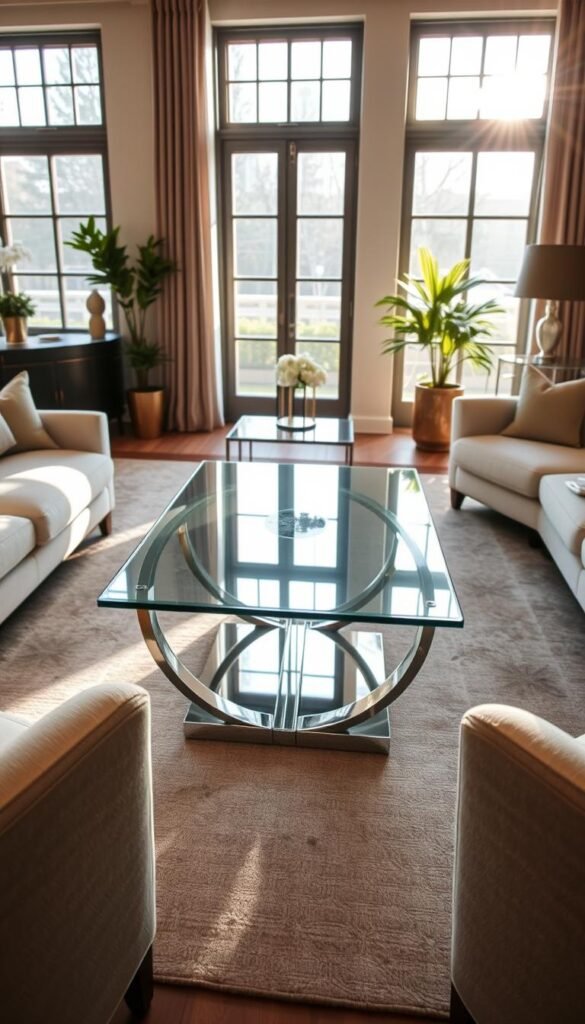
Your coffee table anchors the entire seating arrangement. It serves as both a functional surface and a key design element.
This central piece brings everything together beautifully. You create a gathering spot that works for daily life and entertaining.
Choosing a Piece with Organic or Geometric Shape
Select a table with strong visual presence. An organic live-edge wood slab adds natural artistry to your room.
Geometric designs offer clean lines that complement various styles. Either choice becomes a conversation starter in your living area.
Consider materials that match your overall aesthetic. Warm wood tones or sleek metal finishes tie everything together seamlessly.
Look for unique details like turned wood bases or interesting textures. These features add character while maintaining function.
Using Multiple Tables for Large Seating Areas
Large spaces benefit from multiple surface options. Two smaller tables provide better coverage around sectional sofas.
This approach ensures everyone has a place for drinks or books. You maintain practicality without sacrificing style.
Ottomans with trays offer flexible solutions. They can serve as extra seating or temporary surfaces when needed.
Arrange tables to promote easy movement and conversation. They should enhance flow rather than block pathways.
The right coffee table doesn’t just hold your coffee—it holds the room together.
Your coffee table selection completes the living area beautifully. It becomes the functional heart of your home’s gathering space.
Embrace the Beauty of Symmetry and Balance
Symmetry creates a peaceful atmosphere in your home. It brings order and calm to any room arrangement.
This approach makes your space feel intentional and welcoming. You achieve harmony through thoughtful placement of elements.
Arranging Furniture and Decor in Pairs
Place matching chairs or lamps on either side of your sofa. This creates visual balance that feels both traditional and fresh.
Your living area gains a sense of order through these paired elements. They work together to establish a cohesive look.
Choose side tables that mirror each other in style and height. This reinforces the symmetrical theme throughout your space.
Even small details like paired pillows add to the harmonious aesthetic. Your room feels carefully curated rather than random.
Creating a Harmonious and Ordered Layout
Position your main seating to face each other directly. This encourages conversation and makes the area feel connected.
Center artwork above key furniture pieces like sofas or consoles. This draws the eye and creates a focal point in your room.
Geometric patterns in rugs or textiles support the balanced theme. They add visual interest while maintaining the overall harmony.
Keep your layout uncluttered to let each element shine. This approach creates a serene environment that feels both organized and inviting.
Symmetry is the secret language of harmony—it speaks to our innate desire for order and beauty.
| Symmetry Element | Best Placement | Design Impact |
|---|---|---|
| Matching Chairs | Flanking sofas or fireplaces | Creates balanced visual weight |
| Paired Lamps | On side tables or consoles | Provides even lighting and style |
| Centered Artwork | Above main furniture pieces | Establishes clear focal points |
| Geometric Patterns | Rugs, pillows, textiles | Reinforces balanced theme |
| Mirrored Accessories | Shelves, mantels, tables | Adds rhythm and repetition |
Your home benefits from this ordered approach to arrangement. It creates spaces that feel both beautiful and functional for daily life.
This way of organizing your room makes everything feel intentional. You’ll enjoy the calm atmosphere that balanced design brings.
Introduce Metallic Accents for a Touch of Glamour
Metallic details bring subtle sophistication to your home. They catch light beautifully and add depth to your overall aesthetic.
When used thoughtfully, these finishes elevate your space without overwhelming it. They create focal points that draw the eye and spark conversation.
Using Gold, Brass, or Black Finishes Sparingly
Select a few key pieces with metallic touches rather than covering everything. This approach maintains balance while adding visual interest.
Gold finishes brighten any room when used as accents. They pair wonderfully with neutral color palettes for a cohesive look.
Brass details offer warm sophistication that feels both current and timeless. Black metallic finishes provide dramatic contrast against lighter backgrounds.
Place these accents where they’ll catch natural or artificial light. This enhances their shine and creates beautiful reflections throughout your space.
Selecting Light Fixtures and Decor with Metallic Details
Choose lighting with metallic elements to make a statement. A gold pendant light becomes an artistic focal point in your living area.
Brass sconces add warmth to walls while providing functional illumination. They work beautifully beside mirrors or artwork.
Small decor pieces like bookends or trays introduce metallic touches. These details contribute to your overall style without dominating.
Mix different finishes carefully for a layered look. Ensure they share similar tones to maintain harmony in your design.
| Metallic Type | Best Applications | Pairing Suggestions |
|---|---|---|
| Gold Finishes | Light fixtures, decorative objects | Neutral walls, warm wood tones |
| Brass Details | Hardware, sconces, accessories | Blue or green accent colors |
| Black Metallics | Frames, lighting, hardware | Light backgrounds, natural materials |
| Mixed Finishes | Throughout your space | Shared undertones, limited quantity |
Your metallic choices should complement rather than compete. They add that perfect touch of glamour to your beautiful home.
Infuse Life with Greenery and Natural Elements
Bringing nature indoors transforms your home into a vibrant sanctuary. Plants and natural materials create energy while softening your aesthetic.
These organic touches add movement and life to any room. They connect your interior with the outdoors in a beautiful way.
Placing Houseplants to Soften Sharp Lines
Strategically position plants to balance angular furniture. A tall fiddle-leaf fig beside a sleek sofa creates perfect harmony.
Choose varieties that complement your lighting conditions. Low-maintenance options like snake plants thrive in various environments.
Group plants in odd numbers for visual interest. This arrangement feels organic rather than overly structured.
Your space gains freshness and vitality through greenery. It becomes a living environment that evolves over time.
Incorporating Natural Fibers in Baskets and Decor
Natural fibers add texture and earthiness to your decor. Sisal, jute, and cane bring warmth to any room.
Woven baskets provide stylish storage solutions. They keep your space organized while adding visual appeal.
Choose pieces with interesting textures and patterns. These elements introduce depth without overwhelming your aesthetic.
Layer different natural materials throughout your home. Combine wood, fiber, and greenery for a cohesive look.
- Select low-maintenance plants for busy households
- Use natural fiber rugs to define seating areas
- Incorporate salvaged wood furniture for character
- Arrange plants near windows for optimal growth
- Mix fiber textures for added visual interest
These natural elements create a relaxed, inviting atmosphere. Your home feels connected to nature while maintaining sophistication.
The organic touch brings balance to your living environment. It completes your design with warmth and vitality.
Your Guide to Curating a Truly Timeless Space
Crafting a home that feels both personal and polished is a rewarding journey. By blending different elements, you create a room that reflects your unique story.
Focus on quality pieces that serve a purpose and bring you joy. Your space will feel cohesive and inviting.
Use neutral palettes and thoughtful lighting to build a flexible foundation. This approach lets your style shine through.
Mixing eras adds character and keeps your living area interesting. Don’t hesitate to experiment with what feels right.
Enjoy making your home a true reflection of you. Adjust over time to keep it feeling fresh yet timeless.