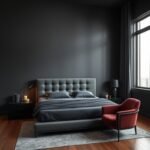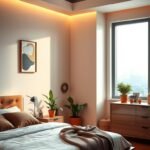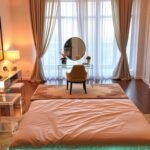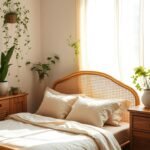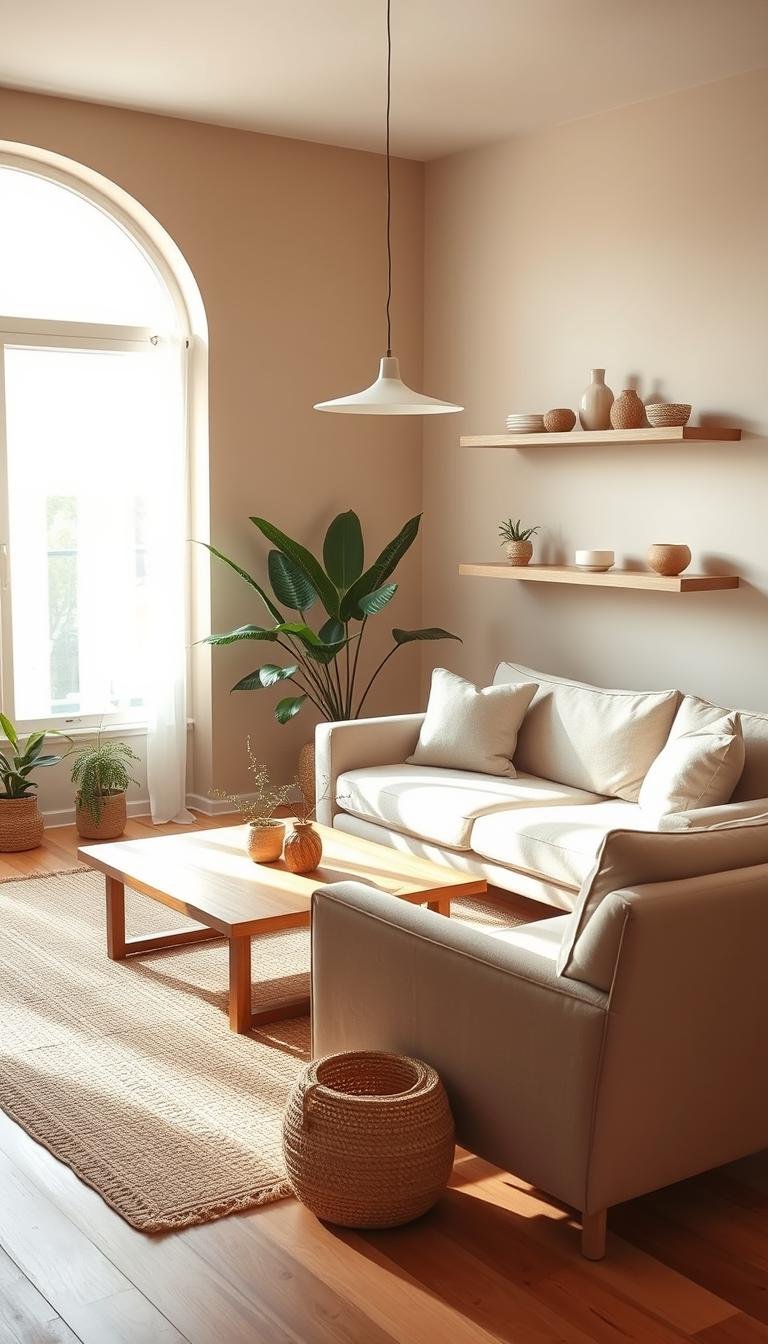
Welcome to the world of a design style that blends simplicity with nature’s beauty. This approach creates spaces that feel both calm and stylish. It uses neutral colors, soft textures, and clean lines.
Think of a space that is both cozy and sophisticated. It balances personality with understatement. This look works in many areas of your house.
You will learn key principles and practical tips. We cover color palettes, furniture picks, and adding greenery. Avoid common mistakes to achieve your dream space.
Interior experts like Kelsey Fischer show how this style feels effortless yet elevated. It often uses sustainable materials for an eco-friendly touch.
Let’s explore how to transform your area into a serene sanctuary. Get ready for a friendly guide full of inspiration!
What Are Organic Modern Living Room Ideas for a Natural Minimal Home?
Envision an interior approach that fuses clean architectural lines with organic, textural elements. This design philosophy creates spaces that feel both current and connected to nature.
At its core, this aesthetic blends minimalist principles with earthy influences. It achieves a look that’s sleek yet warm, sophisticated yet comfortable.
The color scheme plays a crucial role in establishing the right atmosphere. You’ll typically find neutral bases with earthy accents throughout the space.
Think warm beiges, soft browns, muted greens, and terracotta tones. These colors work together to create a calming, grounded environment.
Natural materials form the foundation of this design approach. Wood, stone, leather, and linen bring authenticity and texture to your area.
These elements add visual interest while maintaining a sense of simplicity. They help your space feel connected to the natural world.
Curved furniture and rounded edges provide visual softness against straight lines. This balance creates harmony between modern precision and organic flow.
The minimalist principle of “less is more” guides furniture selection and arrangement. Quality pieces trump quantity every time in this aesthetic.
Sustainability is another key consideration in this design philosophy. Many enthusiasts choose reclaimed wood or recycled materials for their projects.
This style adapts beautifully to various room sizes and layouts. Even compact areas can embrace these principles with smart choices.
Multi-functional furniture and light colors help smaller spaces feel open and airy. The approach remains consistent regardless of square footage.
Real-world applications might include a burl wood coffee table as a focal point. Or a sisal basket wall adding texture and organic interest.
These elements demonstrate how theory translates into practice. They show the style’s versatility and aesthetic appeal.
Key Elements of This Design Approach
| Element Type | Examples | Design Impact |
|---|---|---|
| Color Palette | Beige, brown, green, terracotta | Creates warm, inviting atmosphere |
| Natural Materials | Wood, stone, leather, linen | Adds texture and authenticity |
| Furniture Shapes | Curved sofas, rounded tables | Softens modern lines |
| Sustainable Choices | Reclaimed wood, recycled materials | Supports eco-friendly values |
This design concept offers a personalized path to creating your ideal space. It balances style with substance, modernity with nature.
You can achieve a look that reflects your taste while maintaining serenity. The result is a space that feels both current and timeless.
Remember that successful implementation comes from balancing these elements. Each component works with others to create harmony.
Your finished area will feel both sophisticated and welcoming. It represents the perfect blend of contemporary design and natural warmth.
The Core Principles of Organic Modern Design
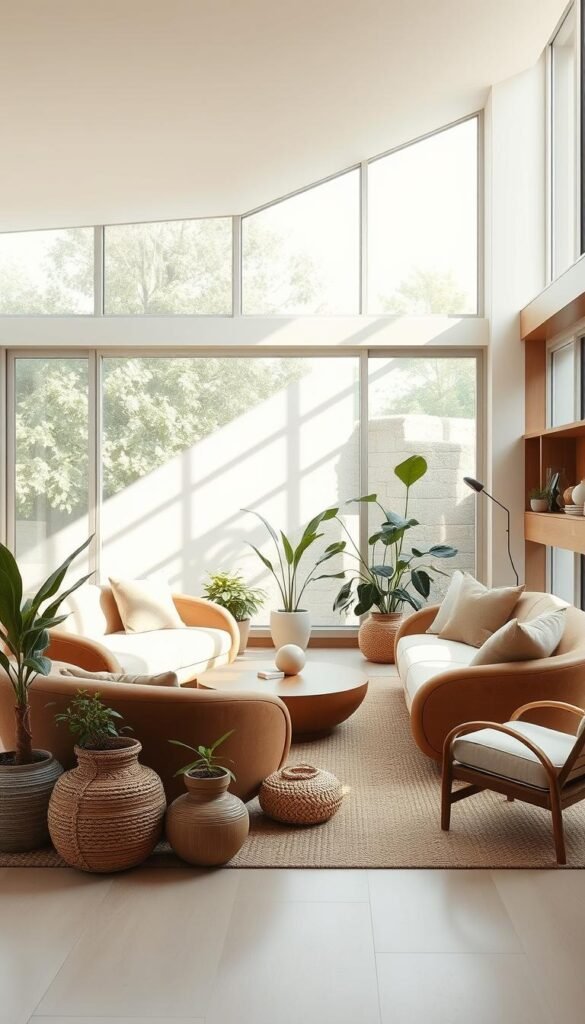
Building your dream space starts with understanding the fundamental rules that make this aesthetic work. These four principles create the foundation for a harmonious and inviting environment.
They work together to balance contemporary sophistication with natural warmth. Let’s explore each one in detail.
Embrace a Neutral and Earthy Color Palette
Your color choices set the mood for the entire room. Earth tones create a calming atmosphere that feels both cozy and sophisticated.
Think warm beiges, soft taupes, and rich browns. These shades form a perfect backdrop for your space.
Add subtle accents of muted greens or terracotta for depth. These colors bring nature indoors without overwhelming the senses.
Your walls can feature these hues to establish a serene base. Then layer with complementary shades through decor and textiles.
Prioritize Natural Materials and Textures
Authenticity comes from using real, raw elements in your design. Wood, stone, and linen add character and warmth to any room.
Hardwood floors provide a beautiful foundation. Stone accents on walls or fireplace surrounds create focal points.
Textiles like wool rugs and cotton throws add softness. Leather chairs or sofas bring durability and rich texture.
These materials age beautifully over time. They tell a story and add soul to your modern living room.
Balance Clean Lines with Organic Shapes
Modern design often features straight edges and sharp angles. Organic shapes soften these lines for a more inviting feel.
Consider a curved sofa or rounded coffee table. These pieces create visual interest and improve flow.
Asymmetrical decor arrangements feel more natural. They mimic the imperfect beauty found in nature.
This balance prevents your space from feeling too cold or rigid. It adds movement and harmony to the overall design.
Adopt a “Less is More” Minimalist Approach
Quality always beats quantity in this design philosophy. Choose fewer pieces but make each one count.
Declutter your space to create a sense of calm. Every item should serve a purpose or bring joy.
Invest in well-made furniture that will last for years. These pieces become the backbone of your room.
Layer textures thoughtfully through rugs, pillows, and throws. This adds depth without creating visual noise.
Sustainability matters in organic modern design. Many designers choose reclaimed wood or recycled materials.
This approach reduces environmental impact while adding character. It aligns with the natural values of this style.
Start with these core principles as your foundation. They will guide you toward creating a space that feels both stylish and serene.
Starting with Your Foundation: Walls and Floors
Your walls and floors form the canvas for your entire design vision. They create the backdrop that everything else builds upon. Choosing the right foundation makes all other decisions easier.
Begin with neutral wall colors like soft white, warm cream, or light gray. These shades create a calm, airy feeling that works beautifully with natural elements. They provide the perfect background for your furniture and decor.
Add earthy accents through terracotta or olive green paint on accent walls. These colors bring warmth without overwhelming your space. They create visual interest while staying true to the natural aesthetic.
Consider textured wall treatments like mounted sisal baskets or woven wall hangings. These elements add depth and character to your room. They create a curated look that feels both intentional and effortless.
For your floors, natural materials are essential. Hardwood surfaces offer warmth and durability that lasts for years. Stone tiles provide a beautiful, organic foundation that connects your space to nature.
Area rugs made from jute, sisal, or wool add comfort and texture underfoot. They help define seating areas and create visual boundaries. A well-chosen rug can anchor your entire furniture arrangement.
In smaller spaces, light-colored walls and floors make your room feel more open. They reflect light and create an airy atmosphere. This approach enhances the minimalist appeal while maintaining warmth.
Choose sustainable materials whenever possible. Reclaimed wood floors or eco-friendly paints support your values. They create a healthier home environment while reducing environmental impact.
Easy-to-clean surfaces maintain that serene feeling you want. They keep your space looking fresh with minimal effort. Practical choices support beautiful design in everyday life.
Architectural elements like picture trim or mantles add character. They work beautifully with modern updates when treated thoughtfully. These features become part of your overall design story.
Layer textures through rugs on floors and art on walls. This creates depth while keeping your look clean and uncluttered. Each layer should contribute to the overall harmony.
Balance is key when working with walls and floors. They should complement your furniture rather than dominate the space. The right foundation makes everything else fall into place beautifully.
A strong foundation sets the tone for your entire room. It creates the perfect starting point for adding furniture and decor. Your choices here make achieving that natural minimal feel much easier.
Choosing the Perfect Organic Modern Color Palette
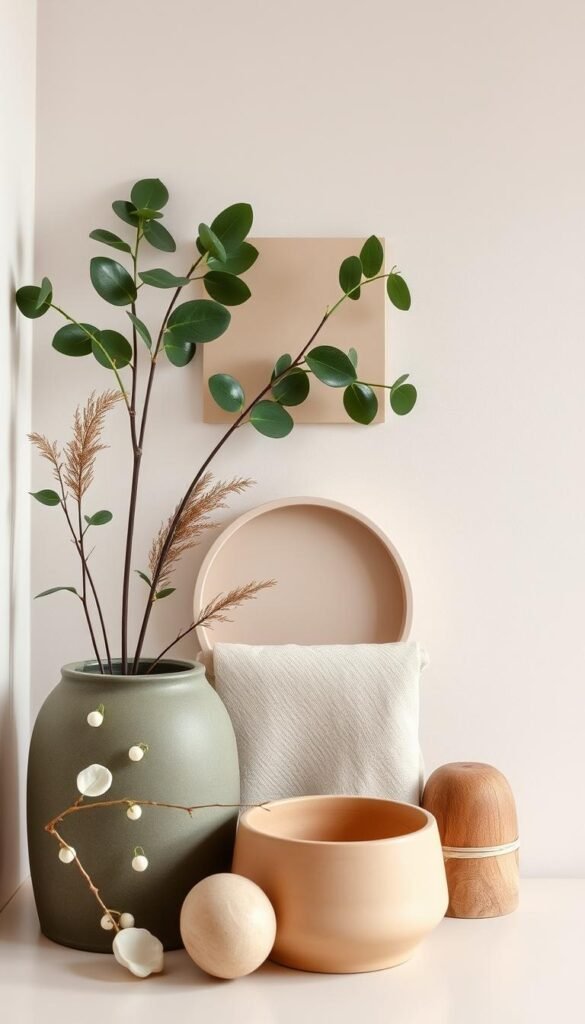
Your color choices set the mood for your entire space. They create the atmosphere that makes your area feel welcoming and serene. The right palette brings harmony to all your design elements.
Start with warm neutrals as your foundation. Cream, ivory, and off-white work beautifully as base colors. These shades create a versatile backdrop for your furniture and decor.
They reflect light beautifully and make your space feel open. These tones provide the perfect canvas for layering other colors.
Introduce earthy tones for depth and vitality. Olive green, terracotta, and rust add natural warmth. These colors bring the outside in without overwhelming your senses.
Ochre or sage accents provide subtle vibrancy. Use these hues in small doses through accessories or art pieces. They inject personality while maintaining balance.
Consider how colors interact with your materials. Warm woods complement earthy tones beautifully. This combination enhances the overall aesthetic of your design.
Avoid cool neutrals like stark whites and grays. They can create a cold, sterile feeling. Choose warmer options for a cozier atmosphere instead.
Test your colors in different lighting conditions. Natural light changes how shades appear throughout the day. Ensure your palette feels inviting at all times.
Layer shades for subtle texture and warmth. Combine different beiges with natural wood tones. This approach creates visual interest without clutter.
Use accent colors sparingly in throw pillows or vases. Deep green or burnt orange adds personality. These touches create focal points without dominating.
Monochromatic schemes work well within neutral palettes. Vary textures through textiles or art pieces. This adds depth while keeping your look cohesive.
Your chosen palette ties everything together beautifully. It creates that serene sanctuary you desire. The right colors make your space feel both stylish and comfortable.
Selecting Furniture with the Right Feel and Form
Finding the perfect pieces transforms your area into a comfortable sanctuary. Your choices should blend clean lines with natural warmth. This balance creates a space that feels both current and timeless.
Look for items with organic shapes and modern silhouettes. Curved sofas soften sharp angles in your layout. Sculptural tables add artistic interest without clutter.
Natural materials bring authenticity to your design. Wood surfaces add warmth and character. Leather upholstery develops a beautiful patina over time.
Consider function alongside form in your selections. Storage-equipped coffee tables keep your space tidy. Modular sectionals adapt to different occasions and layouts.
Burl wood coffee tables make excellent focal points. Their unique grain patterns add visual texture. Low-profile armchairs maintain an airy, open feel.
Mix modern and rustic elements for harmony. Pair a sleek chaise with a wooden console table. This combination creates depth and interest.
For compact areas, choose multi-functional pieces. Ottomans with hidden storage serve dual purposes. Compact nesting tables provide flexibility when needed.
Statement furniture anchors your design vision. Unique chairs or sculptural benches become conversation starters. They add personality while staying true to the aesthetic.
Sustainable options align with your values. Reclaimed wood pieces tell a story and reduce waste. Eco-friendly brands offer beautiful, responsible choices.
Textural choices impact the overall atmosphere. Velvet upholstery adds luxury and softness. Cane-backed chairs introduce natural texture and breathability.
Your furniture sets the stage for a welcoming environment. It creates the foundation for layering textiles and decor. The right pieces make your area feel both stylish and comfortable.
| Furniture Type | Material Options | Functional Benefits |
|---|---|---|
| Sofas & Sectionals | Leather, linen, velvet | Comfort, durability, style |
| Coffee Tables | Wood, stone, metal | Surface space, storage |
| Accent Chairs | Cane, wood, upholstery | Extra seating, visual interest |
| Storage Solutions | Reclaimed wood, rattan | Organization, minimal clutter |
Each piece should contribute to your overall vision. They work together to create harmony and flow. Your choices reflect both your taste and practical needs.
The right furniture makes your area truly yours. It transforms a house into a home with character and warmth. Enjoy the process of selecting pieces that speak to you.
The Impact of Natural Materials and Textiles
Texture and material selection define the authentic character of your design. These elements create depth and intimacy that synthetic alternatives cannot match. They transform your area into a tactile experience that feels both luxurious and grounded.
Natural surfaces develop beautiful patinas over time. They tell a story and add soul to your environment. This approach creates spaces that feel curated rather than decorated.
The Warmth of Wood Elements
Wood brings immediate warmth and coziness to any setting. Hardwood flooring provides a beautiful foundation that ages gracefully. It connects your space to nature through its organic grain patterns.
Wooden coffee tables become natural focal points in your layout. Their unique variations add visual interest without overwhelming. Side tables in rich tones complement neutral palettes beautifully.
Reclaimed options offer sustainable character with history. They reduce environmental impact while adding distinctive charm. Each piece tells its own story through knots and imperfections.
The Raw Beauty of Stone Accents
Stone introduces elegant natural variation to your decor. Marble surfaces on tables bring sophisticated texture. They create beautiful contrast against warmer wood tones.
Stone fireplace surrounds become stunning architectural features. Their natural veining patterns ensure no two pieces are identical. This raw beauty adds organic elegance to modern designs.
Natural stone develops a beautiful patina over years. It gains character through gentle wear and use. This aging process enhances rather than diminishes its appeal.
Textural Layers from Rugs, Pillows, and Throws
Textiles provide comfort and visual interest through layering. Jute rugs add earthy texture underfoot while defining spaces. Their natural fibers bring organic charm to floor plans.
Linen pillows introduce breathable softness to seating areas. They complement leather or velvet upholstery beautifully. Cotton throws offer lightweight warmth for cooler evenings.
Wool blankets provide cozy insulation during winter months. Boucle textures add tactile interest without bold patterns. Sheepskin throws create instant luxury and intimacy.
“Natural materials possess an inherent beauty that manufactured items struggle to replicate. Their imperfections become their greatest strengths.”
Mixing materials creates depth and prevents flat appearances. Combine wood, stone, and various fabrics for balanced harmony. This approach avoids monotony while maintaining cohesion.
Experiment with subtle patterns within neutral palettes. Abstract rugs add movement without overwhelming. Patterned pillows provide personality while staying true to earth tones.
| Material Type | Common Uses | Character Benefits | Maintenance Level |
|---|---|---|---|
| Hardwood | Flooring, tables, accents | Warmth, durability, natural variation | Moderate (regular cleaning) |
| Natural Stone | Tables, fireplaces, accents | Elegance, unique patterning, cool contrast | High (sealing required) |
| Jute/Sisal | Rugs, baskets, wall hangings | Texture, organic feel, sustainable | Low (spot clean only) |
| Linen/Cotton | Pillows, curtains, upholstery | Breathability, softness, casual elegance | Medium (may wrinkle easily) |
| Wool/Boucle | Throws, rugs, upholstery | Warmth, texture, luxury feel | Medium (professional cleaning) |
Choose easy-to-clean options for high-traffic areas. Performance fabrics offer stain resistance without sacrificing style. This practical approach maintains beauty in everyday life.
Sustainable selections align with eco-conscious values. Organic cotton supports responsible farming practices. Recycled materials reduce environmental impact significantly.
These elements work together to create serene environments. They add personality and warmth without visual clutter. Your space becomes both stylish and authentically yours.
Incorporating Statement Pieces and Focal Points
Statement pieces transform your area from simple to spectacular. They become the heart of your design story. These elements add personality while keeping your look cohesive.
Choose one or two standout items per room. This prevents visual clutter. Your selections should reflect your taste and lifestyle.
Oversized artwork creates instant drama on blank walls. Abstract pieces work beautifully with neutral backgrounds. They add movement without overwhelming your senses.
Unique coffee tables anchor your seating arrangement. Burl wood surfaces show nature’s beautiful imperfections. Black marble tops add elegant contrast.
Accent walls add depth without bright colors. Mounted sisal baskets create textural interest. Artistic arrangements tell your personal story.
Sculptural furniture brings artistic flair to functional pieces. Jeanneret-style chairs add mid-century charm. Bench-style tables offer versatility and style.
Balance bold statements with solid neutrals. Pair a striking piece with simpler elements. This approach maintains harmony in your design.
Select items that reflect your journey. Family heirlooms add sentimental value. Travel souvenirs bring global inspiration home.
Consider scale when choosing focal points. Large rooms handle bigger statements well. Compact areas need carefully sized pieces.
Large plants become living sculptures in corners. Rustic mantles add character to fireplace areas. These elements enhance your connection to nature.
Sustainable choices support eco-friendly values. Handmade items celebrate artisan craftsmanship. Vintage finds reduce waste and add history.
Well-chosen statement pieces tie everything together. They create conversation starters and visual interest. Your space feels both curated and comfortable.
| Statement Piece Type | Design Impact | Placement Tips |
|---|---|---|
| Oversized Artwork | Creates visual drama and personality | Center on largest empty wall space |
| Unique Coffee Table | Anchors seating area, adds texture | Choose proportional to sofa size |
| Sculptural Furniture | Adds artistic interest and movement | Use as accent pieces near walls |
| Textural Accent Wall | Adds depth without color commitment | Focus on wall behind main seating |
| Large Planters | Brings nature indoors dramatically | Place in corners or beside furniture |
Your focal points should feel intentional yet effortless. They complete your design vision beautifully. Enjoy creating a space that truly represents you.
Lighting Your Space for a Warm and Serene Glow
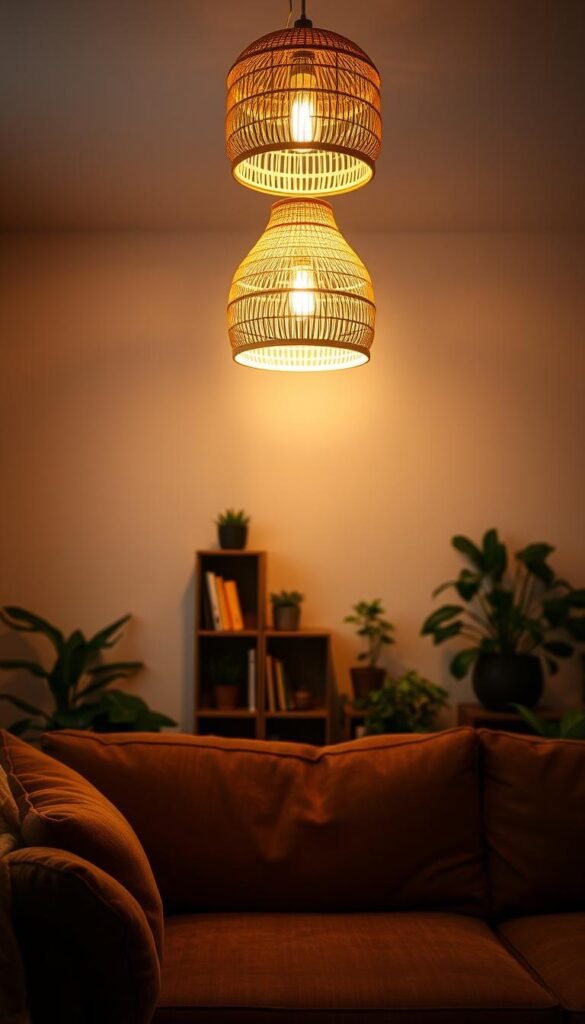
Lighting sets the mood and transforms your environment into a peaceful retreat. It creates atmosphere and enhances every design element in your area. The right approach makes your space feel both cozy and elegant.
Use a mix of sources for balanced illumination. Natural light, pendants, floor lamps, and candles work together beautifully. This combination prevents harsh shadows and creates depth.
Maximize daylight through large windows or sheer curtains. These choices maintain privacy while flooding your area with soft brightness. They connect your interior to the outdoors seamlessly.
Choose fixtures that complement your natural aesthetic. Wicker pendant lamps add texture and organic charm. Paper lanterns provide soft, diffused illumination.
Warm-toned bulbs create intimacy and coziness. They avoid the cold feel of cool white lighting. Candlelight adds flickering warmth for evening ambiance.
Layer different types for functional flexibility. Task lighting highlights reading nooks or workspaces. Accent lights draw attention to art or architectural features.
Position lights to enhance your room’s best qualities. Aim floor lamps toward statement walls or textured surfaces. Table lamps illuminate decor pieces with gentle highlights.
Dimmers and smart controls adjust mood easily. They transition from bright daytime energy to soft evening relaxation. This flexibility supports various activities throughout the day.
Consider real-world examples for inspiration. Industrial-edge metal lamps add contrast against soft textiles. Coastal-calm soft blues reflect natural light beautifully.
Sustainable options align with eco-friendly values. Energy-efficient LEDs reduce power consumption significantly. Natural material fixtures support responsible design choices.
Lighting transforms your area throughout daily cycles. It highlights textures and colors while creating welcoming ambiance. Proper planning ensures your space feels inviting at all hours.
| Lighting Type | Best Uses | Recommended Fixtures | Ambiance Created |
|---|---|---|---|
| Natural Light | Daytime illumination, energy savings | Large windows, sheer curtains | Airy, open, connected to nature |
| Overhead Lighting | General illumination, focal points | Wicker pendants, paper lanterns | Soft, diffused, textured glow |
| Task Lighting | Reading, workspaces, detail highlighting | Adjustable floor lamps, desk lights | Focused, functional, comfortable |
| Accent Lighting | Art highlighting, architectural features | Directional spots, picture lights | Dramatic, curated, intentional |
| Ambient Lighting | Evening mood, overall warmth | Table lamps, candles, dimmers | Cozy, intimate, relaxing |
Your lighting choices complete the organic modern vibe perfectly. They work with colors, textures, and furniture to create harmony. Enjoy crafting an illuminated environment that feels both serene and stylish.
Bringing the Outside In with Greenery and Plants
Plants breathe life into your space, creating a vibrant connection to nature. They add color, texture, and movement that enhance your design. Greenery transforms sterile areas into lively sanctuaries.
Choose low-maintenance varieties for easy care. Snake plants thrive in various light conditions. Pothos vines add cascading beauty to shelves.
Fiddle leaf figs make dramatic statements in corners. Their large leaves create striking visual impact. These plants become living sculptures in your layout.
Large statement plants anchor your design beautifully. Monsteras with split leaves add tropical flair. Olive trees bring Mediterranean charm indoors.
Use rustic vases and natural planters for cohesion. Woven baskets hide plastic pots elegantly. Terracotta pots develop patina over time.
Pampas grass accents introduce soft texture. Their feathery plumes contrast with clean lines. Dried arrangements require zero maintenance.
Mix plant sizes for layered depth. Small succulents decorate tables beautifully. Floor plants fill empty corners with life.
Consider your light conditions when selecting species. North-facing windows suit low-light varieties. South exposure supports sun-loving plants.
Plants improve air quality naturally. They filter toxins and increase oxygen levels. This creates a healthier environment for you.
Greenery adds tranquility to busy spaces. Living elements reduce stress and boost mood. Your area feels more peaceful and inviting.
Draw inspiration from urban jungle themes. Layer different leaf shapes and sizes. Create a curated collection that grows with you.
Coastal calm spaces use air plants and driftwood. These elements evoke beachside relaxation. They complement neutral color schemes perfectly.
Choose sustainable practices for plant care. Support local nurseries for healthier specimens. Use recycled containers when possible.
Proper plant care ensures long-term beauty. Water according to each species’ needs. Rotate plants for even growth patterns.
Plants complete your design with natural elegance. They soften hard surfaces and add organic movement. Your space feels truly alive and connected.
| Plant Type | Light Requirements | Care Level | Design Impact |
|---|---|---|---|
| Snake Plant | Low to bright indirect | Very easy | Architectural vertical interest |
| Pothos | Low to medium indirect | Easy | Cascading trailing vines |
| Fiddle Leaf Fig | Bright indirect | Moderate | Large statement foliage |
| Monstera | Medium to bright indirect | Moderate | Tropical split-leaf drama |
| Olive Tree | Bright direct | Moderate | Mediterranean elegance |
Greenery is essential for achieving that perfect balance. It brings nature’s beauty into your daily life. Enjoy creating your own indoor oasis!
Curating Art and Decor for a Personal Touch
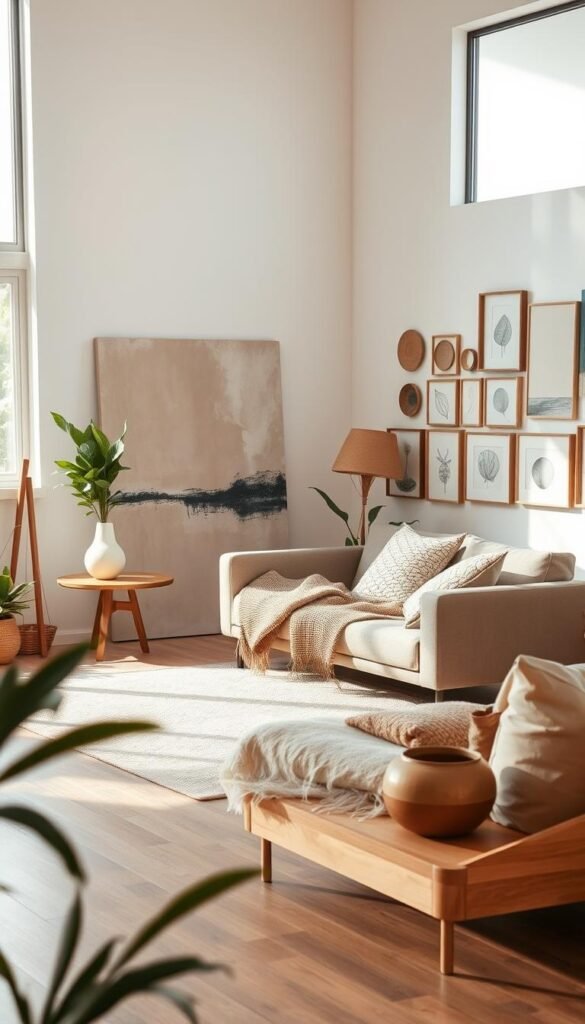
Your final decorative choices bring soul and character to your space. They transform a well-designed room into your unique sanctuary. These elements tell your story and reflect your journey.
Select artwork that complements your earthy color palette. Abstract pieces with soft tones add movement without overwhelming. Natural landscapes connect your interior to the outdoors.
Simple frames in wood or metal keep the focus on the art. They maintain a clean aesthetic while providing structure. This approach enhances rather than distracts from your pieces.
Handmade pottery adds authentic texture to shelves or tables. Stone sculptures introduce natural elegance and weight. Distressed wood pieces bring history and warmth.
Incorporate items that hold personal meaning for you. Family heirlooms add sentimental value and uniqueness. Travel souvenirs bring global inspiration into your home.
DIY projects allow complete creative expression. They ensure your decor is truly one-of-a-kind. These touches make your space feel genuinely yours.
Strategic placement creates visual balance throughout your room. Group smaller items on floating shelves for cohesion. Use large statement pieces as focal points on walls.
Functional decor serves practical purposes while enhancing style. Woven storage baskets keep clutter hidden beautifully. Stylish trays organize remotes or decorative objects.
Consider real-world examples for inspiration. Muted green artwork maintains serenity while adding color. Textured wall hangings introduce depth without pattern.
Boucle stools provide both seating and textural interest. Neutral-leaning art contributes to a cozy atmosphere. These choices demonstrate how decor completes your vision.
Support sustainability through thoughtful purchasing. Choose art from local artists in your community. Select decor made from recycled or reclaimed materials.
Mix different textures and materials for layered interest. Combine metal accents with wooden elements naturally. This approach prevents flatness in your design.
Well-curated art and decor infuse personality into your environment. They create a space that feels both designed and deeply personal. Your choices make the room truly reflect who you are.
Ideas for Small Living Rooms and Compact Spaces
Compact areas can achieve that beautiful blend of nature and minimalism with smart choices. You can create a cozy sanctuary that feels open and inviting. It’s all about maximizing what you have.
Start with light colors on your walls and floors. Whites and creams make your area appear larger. They reflect light beautifully throughout the day.
Earth tones work wonderfully in smaller settings too. Soft beiges and warm grays create a calming backdrop. These shades maintain that natural connection.
Choose multi-functional furniture for maximum utility. Ottomans with hidden storage serve as extra seating and organization. Modular sectionals adapt to different layouts easily.
Compact coffee tables save precious floor space. Look for designs with shelves or drawers. These pieces keep essentials within reach but out of sight.
Mirrors create the illusion of more room. Place them opposite windows to bounce natural light around. This trick makes your space feel airy and bright.
Sheer curtains maintain privacy while allowing light to filter through. They soften harsh sunlight and add gentle movement. This contributes to that serene atmosphere.
Vertical storage solutions keep clutter at bay. Floating shelves display decor without consuming floor space. Tall cabinets provide ample storage in narrow footprints.
Low-profile furniture blends into walls seamlessly. Choose sofas and chairs with slim silhouettes. These pieces create visual openness in compact rooms.
L-shaped sectionals maximize corner spaces efficiently. They provide generous seating without overwhelming the area. This layout promotes better traffic flow.
Declutter regularly to maintain serenity. Keep only essential pieces and meaningful decor. This approach prevents overcrowding and maintains function.
Pay attention to scale when selecting statement pieces. Choose smaller plants that fit your room’s proportions. Compact art pieces add personality without dominating.
Urban apartments demonstrate how this style adapts beautifully. Family-friendly spaces show practical applications. Both prove that size doesn’t limit style.
Incorporate greenery through small pots or hanging planters. These additions bring life without consuming surface area. They maintain that vital connection to nature.
Smart choices transform limited square footage into cherished space. Your compact area can feel both stylish and completely functional. It becomes your personal retreat.
| Space-Saving Solution | Recommended Products | Benefits for Small Areas |
|---|---|---|
| Multi-Functional Furniture | Storage ottomans, modular sofas | Dual purposes, reduces clutter |
| Vertical Storage | Floating shelves, tall cabinets | Utilizes wall space, keeps floors clear |
| Space-Enhancing Decor | Mirrors, sheer curtains | Creates light illusion, expands visually |
| Compact Statement Pieces | Small plants, proportionate art | Adds personality without overwhelming |
Your cozy space can achieve that perfect balance. Focus on simplicity, light, and intelligent design choices. You’ll create a sanctuary that feels both spacious and intimate.
Common Mistakes to Avoid in Organic Modern Design
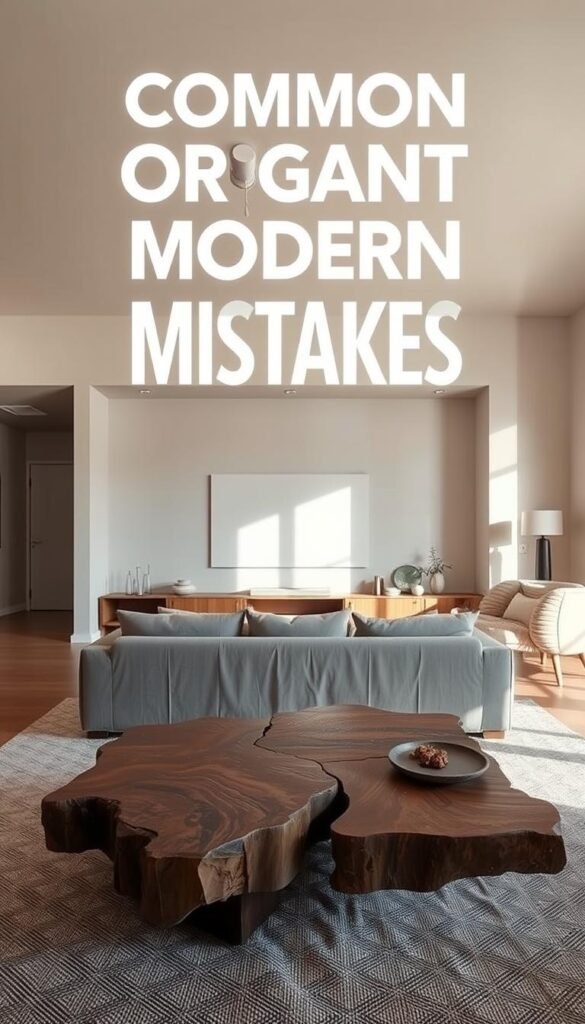
Even the most beautiful design concepts can stumble on simple errors. Knowing what to avoid helps you create a space that truly shines. Let’s explore common pitfalls and how to steer clear of them.
Overcrowding your area with too many items creates visual noise. This goes against the “less is more” principle. Your space should breathe and feel open.
Choose quality pieces over quantity every time. Each item should serve a purpose or bring joy. This approach maintains that serene atmosphere you want.
Cool neutrals can make your area feel sterile and cold. Stark whites and grays lack the warmth this style needs. Always balance them with earthy accents.
Test your colors in natural light before committing. See how they change throughout the day. Warm beiges and soft taupes create cozier environments.
Neglecting texture results in a flat, boring look. Your space needs layers of different materials. Wood, stone, and textiles add depth and interest.
Combine smooth surfaces with rough textures. A sleek sofa with a chunky knit throw works beautifully. This contrast creates visual and tactile appeal.
Fast furniture and unsustainable materials contradict this style’s values. They often lack durability and character. Choose pieces that will last and tell a story.
Reclaimed wood and recycled options support eco-friendly goals. They add unique character to your design. These choices align with the natural aesthetic.
Imbalance between modern and organic elements creates disjointed spaces. Too much rustic can feel dated. Excessive sleekness feels cold and impersonal.
Find the sweet spot between these two aspects. A modern sofa with a wooden coffee table strikes perfect balance. This harmony makes your area feel cohesive.
“The most successful spaces balance precision with imperfection. They feel both designed and effortlessly beautiful.”
Copying trends without personal touches makes your space generic. Your home should reflect your journey and taste. Incorporate items that hold meaning for you.
Family heirlooms or travel souvenirs add unique character. They make your design truly yours. This personalization creates deeper connection.
Start small with decor and build gradually. Add pieces one at a time to ensure cohesion. This prevents overwhelm and maintains balance.
Step back occasionally to assess your progress. See how new additions work with existing elements. This thoughtful approach prevents costly mistakes.
Real spaces that avoid these errors showcase beautiful harmony. They use balanced palettes and textured layers effectively. These examples demonstrate best practices in action.
| Common Mistake | Negative Impact | Better Alternative |
|---|---|---|
| Overcrowding | Creates clutter, reduces serenity | Select fewer, higher-quality pieces |
| Cool Neutrals | Feels sterile and impersonal | Use warm tones with earthy accents |
| Texture Neglect | Results in flat, uninteresting spaces | Layer wood, stone, and various textiles |
| Fast Furniture | Lacks durability and character | Choose sustainable, quality materials |
| Imbalanced Style | Feels disjointed and inconsistent | Blend modern and organic elements |
Awareness of these common errors helps you create authentic harmony. Your space will feel both stylish and genuinely welcoming. Enjoy building a design that reflects your best choices!
Where to Shop for Organic Modern Furniture and Decor
Finding the right pieces brings your vision to life with authenticity and style. You want items that blend clean lines with natural warmth. This guide helps you discover the best places to shop.
Amazon offers a wide range of affordable options. You can find burl wood tables and jute rugs there. These pieces fit various budgets while maintaining quality.
CB2 provides trendy and unique selections. Their sculptural lighting adds contemporary flair. Modern planters bring a natural touch to your space.
West Elm focuses on stylish and sustainable choices. Their sofas and coffee tables use eco-friendly materials. Clean designs create that perfect modern feel.
Parachute Home specializes in high-quality textiles. Linen curtains and wool throws add coziness. These items introduce wonderful texture to your room.
Article and Burrow offer functional and comfortable furniture. Modular sectionals adapt to different layouts. Leather chairs blend modern lines with organic feels.
Always verify sustainability claims when shopping. Check labels for recycled or reclaimed materials. Supporting ethical brands aligns with your values.
Balance your budget between splurges and saves. Invest in key pieces like sofas or tables. Find affordable accents like pillows or art elsewhere.
Online resources can help guide your choices. Style quizzes identify pieces that match your vision. Inspiration galleries provide endless ideas.
Real shopping guides offer curated lists on retailer sites. These collections make navigation easier for you. They showcase items that work well together.
With these retailers, you can create a beautiful and authentic space. Each store brings something unique to your design journey. Your dream room becomes achievable and personal.
Creating Your Serene and Stylish Sanctuary
You now have all the tools to craft a space that feels both calm and beautiful. Blend natural materials with minimalist design for a look that’s both warm and clean.
Balance is key in your color palette, furniture, and textures. This harmony makes your area inviting and cohesive.
Choose sustainable pieces that support eco-friendly values. They add character and promote a healthier home.
Add personal touches through art, decor, or plants. These elements make the design uniquely yours.
Start small with changes like a new throw or a plant. Gradually build your dream space with patience.
Share your journey on social media for inspiration and tips. Connect with others who love this style too.
Any home can achieve this look, no matter the size or budget. Your efforts will create a cozy gathering spot for all.
We wish you success in making a haven that reflects your taste. Feel free to share your results or ask questions anytime!