Your living space deserves a beautiful transformation. With thoughtful design choices, you can create a space that feels both luxurious and welcoming.
Whether starting fresh or updating your current setup, these concepts help you build a cohesive atmosphere. They blend color, texture, and furniture for a polished finish.
Sophistication doesn’t mean sacrificing comfort. Take inspiration from designers like Augusta Hoffman, who uses swivel chairs for a relaxed yet refined vibe.
The following sections explore specific strategies. We’ll cover everything from color palettes to statement pieces that create a high-end feel.
Remember to adapt these ideas to your own home. Consider your room’s size, lighting, and personal preferences for the best results.
With attention to detail, you can achieve a space that’s perfect for entertaining or quiet relaxation. Your dream room awaits!
1. Begin with a Cohesive and Sophisticated Color Palette
Before selecting furniture or accessories, establishing a cohesive color palette sets the stage for elegance. Your chosen hues create the foundation for your entire design vision.
Thoughtful color selection transforms ordinary spaces into extraordinary environments. It establishes mood and defines your personal style throughout the home.
Embrace the Power of Neutrals
Neutral tones provide a timeless backdrop for any interior. Creams, grays, and beiges offer incredible versatility for layering other elements.
These subtle shades create a calm foundation. They allow statement pieces to shine while maintaining balance throughout your space.
Light neutrals can make rooms feel more expansive. They reflect natural light beautifully, enhancing the perception of openness.
Incorporate Rich, Jewel, or Earth Tones
Deep, saturated colors add drama and luxury to your scheme. Emerald green or sapphire blue create instant sophistication when used strategically.
Earth tones bring warmth and organic appeal to your environment. Warm browns and terracottas create serene spaces that feel connected to nature.
Balance bold colors with neutral backgrounds to avoid overwhelming the eye. This approach maintains visual harmony while adding personality.
Designer James Farmer emphasizes the psychological impact of color choices:
“Monochromatic rooms are peaceful and timeless.”
Experiment with a Monochromatic Scheme
Using varying shades of one color creates harmonious depth. This approach feels both refined and intentionally curated.
Monochromatic schemes work beautifully with both light and dark palettes. They create visual interest through texture and tone variation rather than contrasting colors.
Consider your walls as the starting point for this approach. Then layer furnishings and accessories in complementary shades of the same hue.
Draw inspiration from nature when developing your palette. Greens create soothing effects, while blues offer calming qualities perfect for relaxation spaces.
Your living room color choices should reflect both personal preference and practical considerations. The right palette establishes the perfect tone for your entire design journey.
2. Curate Your Foundational Furniture Pieces
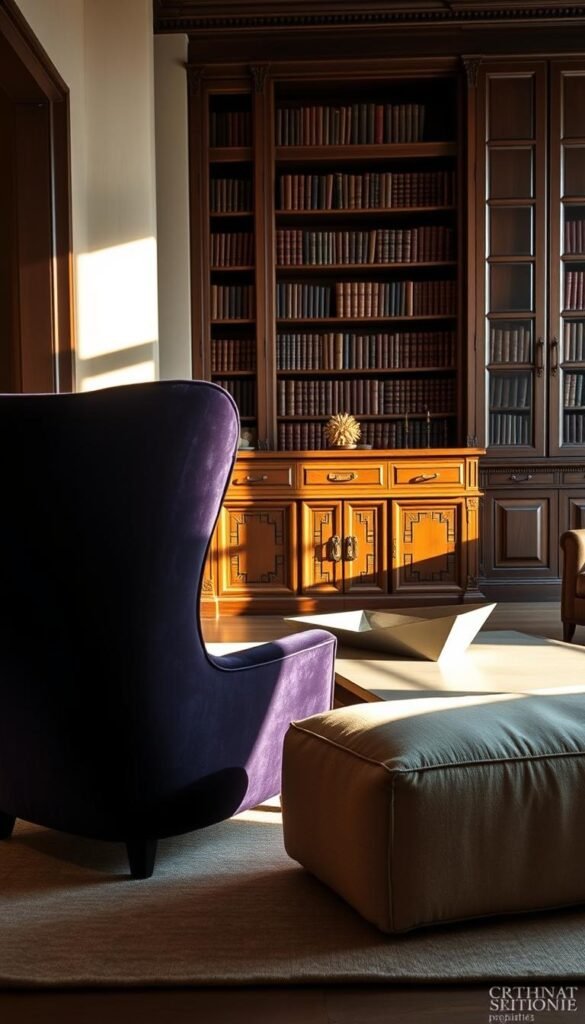
Quality furniture forms the backbone of any well-designed interior. Your choices here determine both the function and feel of your space.
These pieces should reflect your personal taste while serving practical needs. They create the framework around which all other elements revolve.
Invest in a High-Quality, Statement Sofa
Your sofa often serves as the centerpiece of your arrangement. Choose one that makes a strong visual impact while offering comfort.
Designer Nicole Hollis selected a Vladimir Kagan curved sofa for a desert retreat. This piece combined sculptural beauty with cozy functionality.
Alexandra Hayden used a maximalist Kuba textile sofa in Marisa Tomei’s apartment. The bold pattern became an instant conversation starter.
Prioritize both comfort and durability in your selection. A statement piece should be beautiful but also livable for daily use.
Select Complementary Seating like Swivel Chairs
Additional seating adds versatility and character to your layout. Swivel chairs offer both function and casual elegance.
Augusta Hoffman used Blasco Clichy swivel chairs in an Upper East Side apartment. They created a relaxed yet refined atmosphere perfect for conversation.
These pieces allow you to easily redirect focus within the room. They work well for both intimate gatherings and larger social events.
Consider mixing different seating types for visual interest. This approach creates a collected feel that evolves over time.
Choose a Focal Point Coffee Table
Your coffee table serves as both practical surface and design element. Select one that complements your overall aesthetic.
Look for unique shapes or materials that make a statement. Consider designs like those from Mike Ruiz Serra for organic, sculptural forms.
Some designers use alternative options like floor cushions in luxurious fabrics. Dedar velvet cushions can create a cozy, flexible seating area.
The right table anchors your furniture arrangement beautifully. It should harmonize with your sofa and chairs while adding its own character.
Designer Cliff Fong often uses artwork as a starting point for furniture selection. This approach ensures all elements work together cohesively.
“Furniture should tell a story about who lives there, not just display current trends.”
Mix modern pieces with vintage finds for depth and character. Second-hand shopping, as recommended by Tina Bousu, can yield unique treasures.
Always consider scale and proportion when selecting pieces. Oversized furniture can create an enveloping, cozy feel when balanced properly.
Use your furniture to define specific areas within the room. Facing sofas, like those in Andrea and John Stark’s Hamptons home, create intimate conversation zones.
Choose materials that add texture and luxury to your space. Velvet, leather, and quality woods bring warmth and sophistication to any interior design scheme.
Your furniture choices ultimately shape how you experience the room. Select pieces that bring you joy while serving your practical needs.
3. Master the Art of Layering Textures
Layering various surfaces and fabrics brings warmth and visual interest to your environment. This approach transforms flat spaces into dimensional experiences that engage multiple senses.
Thoughtful texture combinations create depth and character throughout your home. They make spaces feel curated rather than simply decorated.
Introduce Plush Rugs and Soft Throws
Start with a quality area rug to anchor your space beautifully. It defines the conversation area while adding comfort underfoot.
Designer Raëd Abillama used a Jan Kath wool and silk rug in an industrial space. This choice softened hard surfaces while adding a homey feel.
Soft throws and blankets invite relaxation while adding tactile interest. Pile them on sofas or chairs for instant coziness.
Consider an orange retro-style rug like Janine Genower’s choice. It creates a fun vibe while maintaining sophistication.
Dedar velvet cushions offer luxurious texture for seating areas. They complement both modern and traditional furnishings beautifully.
Mix Materials: Wood, Metal, Velvet, and Silk
Combine different materials for a rich, layered appearance. This approach prevents monotony while creating visual harmony.
Alexandra Hayden’s design shows how velvet cushions work with varied furnishings. The mix feels both intentional and inviting.
Balance rough elements like jute or natural wood with smooth surfaces. Polished metal or silk creates dynamic contrast.
Draw inspiration from nature when selecting organic textures. Woven baskets or natural fiber rugs add earthy appeal.
Use texture to highlight your favorite pieces throughout the space. A velvet sofa or silk throw becomes a focal point.
| Texture Combination | Visual Effect | Best For |
|---|---|---|
| Wool rug + velvet cushions | Warm and inviting | Traditional spaces |
| Silk throws + metal accents | Modern luxury | Contemporary designs |
| Jute floor covering + wood furnishings | Organic and natural | Bohemian styles |
| Knitted blankets + leather seating | Cozy yet refined | Family-friendly spaces |
Consider function when selecting materials for high-traffic areas. Durable options maintain beauty while standing up to daily use.
Layer textures through accessories like curtains and upholstery. This creates a cohesive yet interesting environment.
Your choices should reflect both personal style and practical needs. The right blend makes your space feel both luxurious and livable.
4. Illuminate Your Space with Strategic Lighting
Strategic illumination creates both practical and emotional benefits in your interior. The right approach makes your area feel welcoming and functional throughout the day.
Lighting affects mood and perception more than most elements. It can make spaces feel larger, cozier, or more dramatic depending on your choices.
Maximize Natural Light Whenever Possible
Natural sunlight brings vitality and warmth into your home. It enhances colors and makes everything feel more vibrant.
Use sheer curtains instead of heavy drapes. They maintain privacy while allowing sunshine to filter through beautifully.
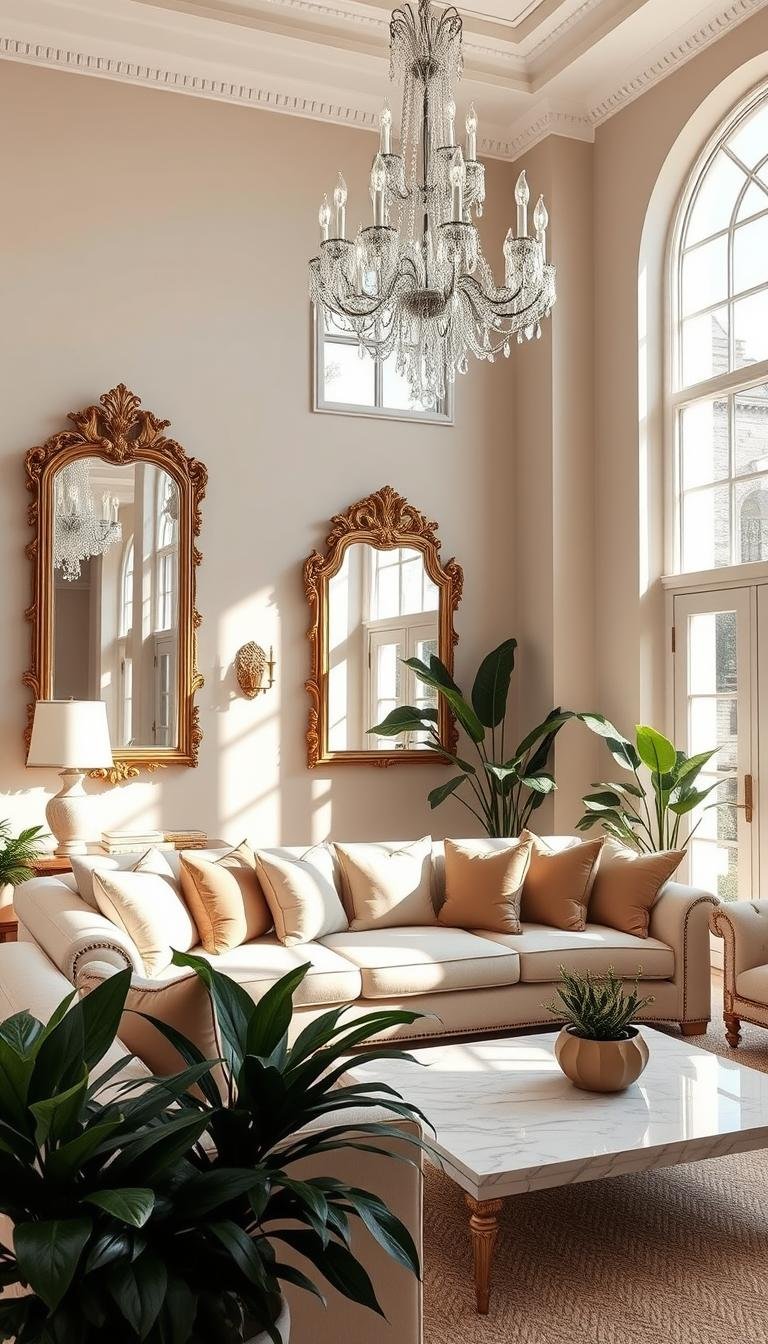
Position mirrors opposite windows to bounce light around. This simple trick makes dark corners feel brighter and more open.
Consider your window treatments as part of your overall plan. Light-filtering options maintain connection to outdoors while controlling glare.
Create Ambiance with Layered Artificial Lighting
Layered lighting combines different sources for perfect illumination. You need overhead fixtures, task lighting, and accent lights working together.
Floor lamps provide excellent ambient light for reading nooks. Table lamps offer soft illumination for side tables and consoles.
Wall sconces create beautiful atmospheric effects without taking up floor space. They work wonderfully beside seating areas or above mantels.
Designer Summer Thornton used Urban Electric Co. pendants in a Chicago project. These became dramatic focal points while providing functional light.
James Williams and Jonno Burden created custom light clusters for their high-ceilinged room. The multiple pendants made a bold statement while ensuring adequate illumination.
“Lighting should be considered in layers – ambient, task, and accent – to create depth and flexibility in any room.”
Install dimmer switches throughout your space. They let you adjust brightness for different activities and times of day.
Choose bulb color temperatures carefully. Warm white (2700K-3000K) creates cozy atmospheres perfect for relaxation.
Cool white bulbs (3500K-4100K) work well for task areas. They provide clearer visibility for reading or detailed work.
| Lighting Type | Best Placement | Atmosphere Created |
|---|---|---|
| Overhead Pendants | Above seating areas | Dramatic focal points |
| Floor Lamps | Beside chairs | Cozy reading light |
| Wall Sconces | Flanking artwork | Gallery highlighting |
| Table Lamps | On consoles | Soft ambient glow |
Use lighting to highlight architectural features or artwork. Directional spots can emphasize a beautiful fireplace or collection.
Balance natural and artificial sources throughout the day. The blend should feel seamless as sunlight fades into evening.
Your lighting plan should serve both practical needs and aesthetic goals. The right combination makes your space feel both beautiful and functional.
Draw inspiration from various design approaches while developing your own way of illuminating. Your room deserves lighting that enhances its best qualities.
With thoughtful planning, you can achieve the perfect look for your modern living environment. Let light transform your space into something truly special.
5. Make a Bold Statement with Wall Treatments
Your walls offer a fantastic opportunity to express your personality. They serve as the largest canvas in your space for creating impact.
Thoughtful wall treatments can completely transform the atmosphere. They set the tone before you even consider furniture placement.
Consider Dramatic Paint Colors or Wallpaper
Deep, saturated colors create instant drama and sophistication. Summer Thornton used De Gournay wallpaper in a Chicago apartment for luxurious impact.
Uchronia created ombré walls in a Parisian space for a jewel-box effect. This technique blends colors gradually for mesmerizing depth.
Color drenching covers walls, trim, and ceiling in one hue. It creates an immersive, cohesive atmosphere that feels intentional.
Wallpaper with subtle textures or metallic accents adds luxury. These details catch light beautifully throughout the day.
Create an Artistic Gallery Wall
Gallery walls showcase your personal taste and experiences. Mix framed art, photography, and meaningful pieces for character.
Cliff Fong used Stanley Whitney artwork for bold color statements. Lee Mindel incorporated Jose Dávila pieces for sculptural interest.
This approach adds cozy vibes while making your space uniquely yours. It tells your story through carefully curated displays.
Balance bold wall choices with simpler furnishings. This prevents overwhelming the space while letting your walls shine.
Dark colors create intimacy, while light tones enhance openness. Patterns bring energy and movement to your environment.
Architectural details like wainscoting add refinement. These elements provide character beyond paint or wallpaper alone.
“Walls should whisper your story, not shout trends.”
Your wall treatments become the foundation for everything else. They establish mood and provide the perfect backdrop for your furniture.
Experiment with samples before committing to full coverage. Lighting changes how colors and patterns appear throughout the day.
Remember that walls can always evolve with your taste. They offer the perfect opportunity for creative expression in your home.
6. Incorporate Meaningful Art and Sculptures
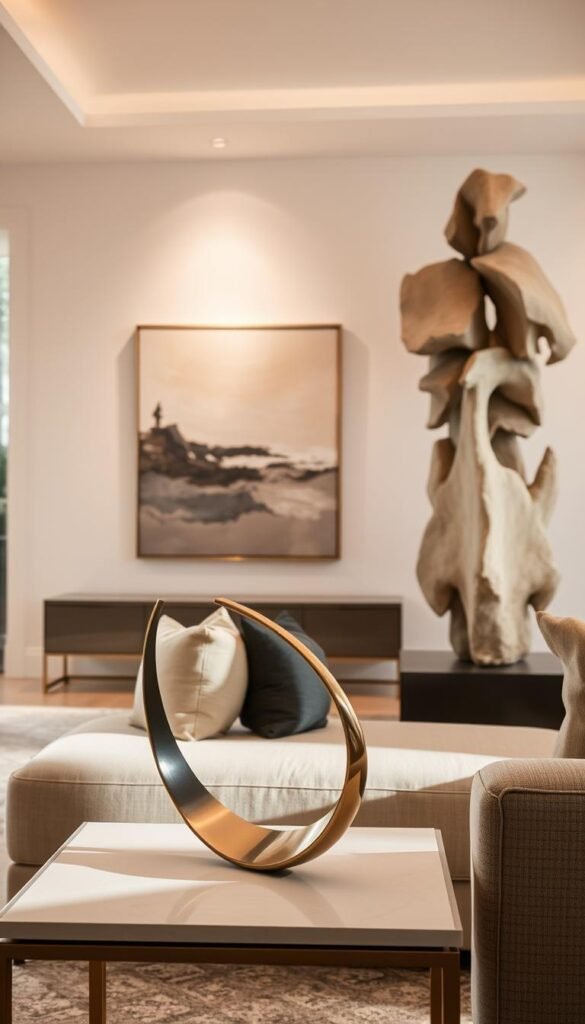
Art and sculptures bring soul and character to your space. They transform blank walls into personal galleries that reflect your unique taste.
These pieces become conversation starters and focal points. They add depth and personality that mass-produced decor cannot match.
Your selections should resonate with your heart and style. Whether modern abstracts or classic portraits, choose what speaks to you personally.
Artwork connects emotionally with everyone who enters your home. It makes your environment feel curated rather than simply decorated.
Choose Pieces That Reflect Your Personal Style
Select art that aligns with your aesthetic preferences. Bold modern pieces like Jose Dávila’s spherical artwork make dramatic statements.
Eclectic choices add playful energy to your arrangement. Srila Chatterjee’s tiger sculpture in Mumbai brings whimsical sophistication.
Your selections should tell your story through visual language. Family photographs, travel souvenirs, or local artist finds all work beautifully.
Mix different mediums for textured visual interest. Combine paintings, prints, and three-dimensional pieces throughout your space.
Use Art as a Starting Point for Your Design
Let artwork inspire your entire color scheme and furniture choices. Cliff Fong used Stanley Whitney’s vibrant painting as a point of inspiration.
Pull colors from your favorite piece for pillows and accessories. This creates harmony between your art and other elements.
Scale matters when incorporating artistic elements. Large pieces anchor walls, while smaller works create intimate gallery collections.
Proper lighting ensures your art receives the attention it deserves. Directional spots or picture lights highlight textures and colors beautifully.
| Art Type | Visual Impact | Best Placement |
|---|---|---|
| Large statement piece | Focal point | Above sofa or fireplace |
| Gallery wall | Personalized collection | Along stairway or hallway |
| Sculptural element | Three-dimensional interest | On console tables or shelves |
| Textural artwork | Tactile appeal | Well-lit accent walls |
Art transforms your space from ordinary to extraordinary. It adds the finishing touch that makes your design feel complete and intentional.
Trust your instincts when selecting pieces for your home. The right artwork will bring joy every time you see it.
7. Elevate the Room with Elegant Window Treatments
Window treatments complete your space by adding both function and beauty. They frame your view while controlling light and privacy.
These elements tie everything together in your design. They balance your color scheme and enhance your overall style.
Thoughtful choices make your home feel polished and intentional. They create a cohesive look that reflects your personal taste.
Select Fabrics That Complement Your Color Scheme
Choose materials that harmonize with your existing palette. Navy and burgundy patterns can energize a cottage-like space without overwhelming it.
Luxurious fabrics like silk or velvet add texture and elegance. Linen offers a casual yet refined feel perfect for many spaces.
Your selections should enhance your color story. Botanical prints can guide your entire scheme in boho-inspired rooms.
Consider how patterns interact with other elements. Solid colors provide calm backdrops for busier furnishings.
Balance Light, Privacy, and Style
Sheer curtains diffuse natural light beautifully. They maintain privacy while keeping your space bright and airy.
Blackout drapes create cozy intimacy when needed. They work well in media rooms or bedrooms adjacent to your space.
Consider your specific lighting needs throughout the day. Layering treatments offers maximum flexibility for different situations.
Your window coverings should suit your lifestyle perfectly. Choose easy-to-operate options that feel intuitive to use.
Floor-length drapes create height and drama. They draw the eye upward, making ceilings appear taller.
Tailored shades offer a clean, modern aesthetic. They provide sleek sophistication with minimal visual clutter.
Decorative rods and tiebacks add finishing touches. Select hardware that matches your room’s character.
Frame beautiful views with carefully positioned treatments. Highlight architectural features like arched windows.
Your windows connect your interior to the outdoors. Treatments should enhance this relationship while providing comfort.
“The right window treatment balances beauty and function, framing both your view and your design aesthetic.”
Experiment with different approaches until you find your perfect way. Your windows deserve treatments that complete your vision.
With attention to detail, you can achieve a space that feels both beautiful and practical. Every element works together harmoniously.
8. Define Areas with a Striking Area Rug
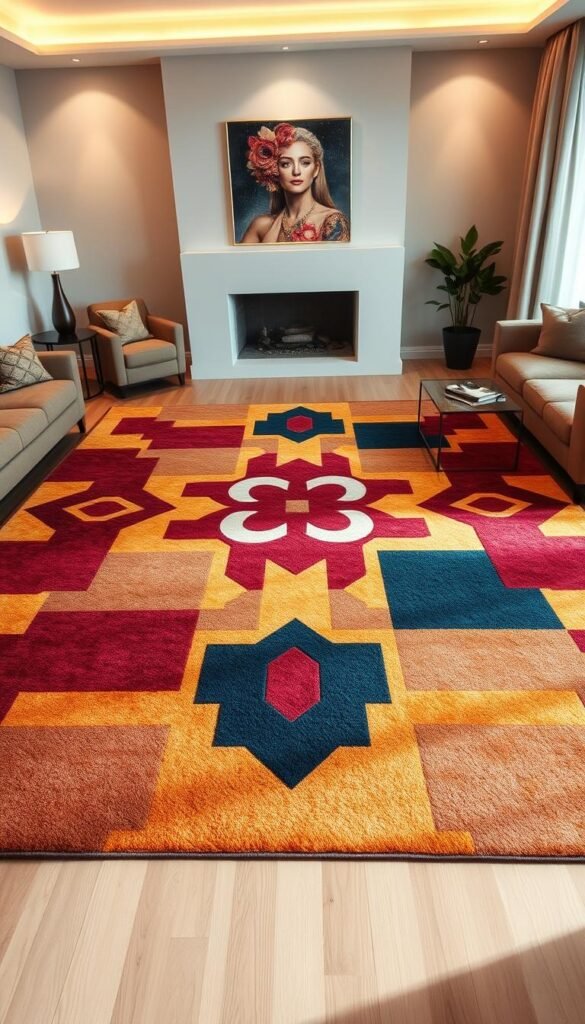
A well-chosen rug transforms your space instantly. It pulls furniture together while adding warmth underfoot.
This foundation piece creates visual boundaries within your open plan. It makes large rooms feel cozier and more intentional.
Use a Rug to Anchor Your Furniture Layout
Place your rug to define seating areas clearly. All front legs of sofas and chairs should rest on it.
This technique creates a unified conversation zone. It makes your arrangement feel purposeful and complete.
Designer Raëd Abillama used a Jan Kath wool and silk rug beautifully. It softened an industrial space while adding a homey feel.
Play with Pattern and Scale
Bold patterns make excellent focal points. They draw the eye and add personality to neutral spaces.
Janine Genower’s orange retro-style rug shows how fun works. It creates vibrant energy without sacrificing sophistication.
Subtle textures offer understated elegance. They add depth without competing with other elements.
Consider these tips for perfect rug selection:
- Match colors to your existing palette
- Choose durable materials for high-traffic zones
- Layer rugs for added texture and custom appeal
- Ensure proper size to avoid disjointed feelings
Your rug should complement your overall design scheme. Plush wool adds coziness, while silk blends bring luxury.
This foundational piece ties everything together beautifully. It completes your vision in the most practical way.
9. Add Depth and Interest with Decorative Mirrors
Mirrors work magic in any room. They bring light, depth, and character to your setup. These reflective surfaces do more than just show your reflection.
They enhance your overall design in clever ways. Jacques Grange used decorative mirrors in a Portuguese home. His woven mirror arrangement bounced light beautifully.
Use Mirrors to Enhance Light and Perception of Space
Place mirrors opposite windows to capture sunlight. This trick makes your space feel brighter and more open. It spreads natural light into darker corners.
Large mirrors can make small rooms appear bigger. They create the illusion of extra square footage. This works well in narrow areas or apartments.
Group smaller mirrors for eclectic interest. This approach adds personality without overwhelming. It creates a gallery-like effect on your walls.
Choose Frames That Add Character
Select frames that match your personal style. Ornate frames bring traditional charm. Sleek metal frames offer modern elegance.
Antique mirrors add history and warmth. Balance them with contemporary pieces. This mix creates a collected, intentional look.
Consider the mirror’s shape and size carefully. Round mirrors soften angular rooms. Rectangular mirrors complement traditional layouts.
Use mirrors to highlight other design elements. Position them to reflect artwork or views. This adds depth and dimension throughout.
Draw inspiration from designers like Grange. His work shows mirrors as both functional and decorative. They contribute to layered, thoughtful interiors.
Always mount mirrors securely for safety. Choose the right height for optimal effect. This ensures they’re both practical and stylish.
| Mirror Type | Best Placement | Visual Effect |
|---|---|---|
| Large statement mirror | Above console or fireplace | Creates focal point, expands space |
| Grouped small mirrors | Gallery wall arrangement | Adds eclectic personality |
| Antique mirror | Entryway or dining area | Brings vintage charm |
| Round mirror | Softens angular rooms | Adds organic flow |
Mirrors offer a smart way to transform your room. They solve multiple design challenges at once. With careful placement, they become invaluable assets.
Experiment with different sizes and styles. Find what works best for your specific needs. Your space will feel more open and intentional.
10. Bring Life and Freshness Indoors with Greenery
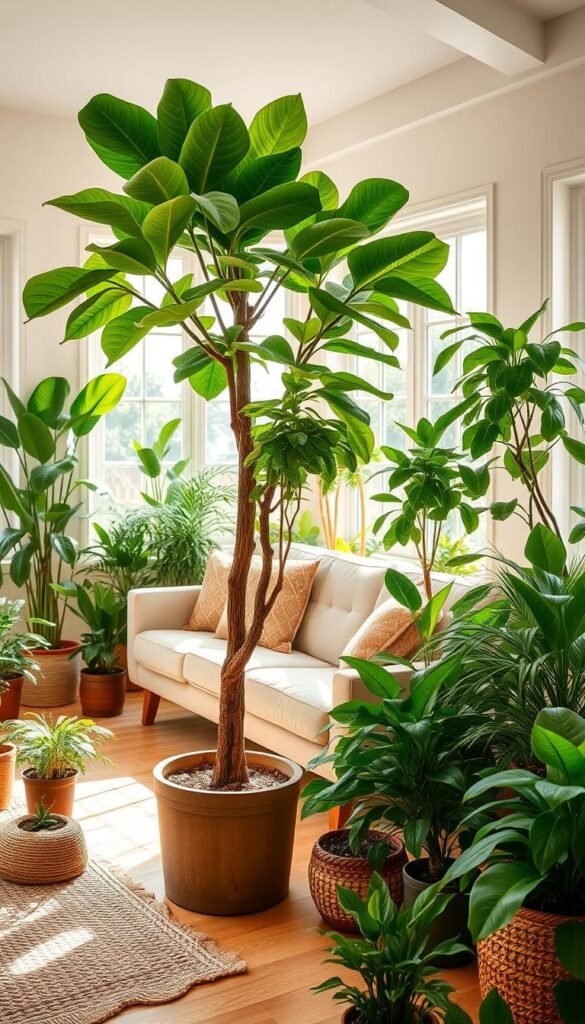
Plants transform your home into a vibrant sanctuary. They add natural beauty while improving air quality and mental well-being.
Greenery creates a welcoming atmosphere that feels both fresh and sophisticated. It connects your interior to the natural world outside.
Plants offer an easy way to refresh your space. They bring color, texture, and organic shapes into your design.
Select Plants That Thrive in Your Light Conditions
Choose greenery that matches your room’s sunlight exposure. Some plants love bright light, while others prefer shaded corners.
Assess your windows before making selections. South-facing windows get the most sun throughout the day.
North-facing windows offer softer, indirect light. East and west exposures provide moderate morning or afternoon sunshine.
Low-light plants like snake plants or pothos work well in dim areas. They stay healthy with minimal natural light.
Bright-light lovers include fiddle-leaf figs and succulents. They need several hours of direct sunlight daily.
Consider your lifestyle when choosing plants. Low-maintenance options suit busy homeowners perfectly.
Use Beautiful Planters as Part of the Decor
Your plant containers contribute to your overall style. Select pots that complement your existing color scheme and materials.
Modern ceramic planters offer sleek sophistication. They work beautifully in contemporary spaces.
Rustic baskets or woven containers create boho charm. They add texture and organic appeal to your arrangement.
Choose planters that enhance rather than compete with your plants. Neutral colors let the greenery take center stage.
Consider scale when selecting container sizes. Large floor plants need substantial pots for proper balance.
Small succulents look lovely in delicate containers on shelves or tables. They add subtle touches of nature throughout.
Group plants of varying heights for visual interest. Tall floor plants anchor corners, while medium specimens fill empty spaces.
Tabletop plants soften hard surfaces like consoles or side tables. They bring life to every level of your room.
Draw inspiration from green living rooms that masterfully incorporate nature. These spaces show how plants enhance both beauty and comfort.
Position greenery to frame furniture or architectural features. They can highlight your best elements while adding freshness.
Your plants become living decor that evolves over time. They make your space feel truly alive and inviting.
11. Embrace a Mix of Old and New
Blending different eras creates a space that feels both personal and polished. This approach adds character and tells your unique story through carefully chosen pieces.
Mixing vintage finds with contemporary elements brings depth to your environment. It prevents your space from feeling too matchy or impersonal.
Integrate Vintage or Second-Hand Finds
Searching for second-hand treasures adds history and charm to your home. Tina Bousu recommends checking Facebook Marketplace or local thrift stores for unique finds.
These pieces often have stories that mass-produced items lack. They create conversation starters and add soul to your arrangement.
Look for quality construction when selecting vintage items. Solid wood frames or well-made upholstery ensure longevity alongside modern pieces.
Sustainable shopping reduces waste while building character. It’s an eco-friendly way to develop your personal style over time.
Balance Antiques with Contemporary Pieces
Andre Herrero mastered this balance in a West Hollywood pied-à-terre. He paired a steel fireplace and contemporary art with choice antiques beautifully.
This mix creates visual interest through contrast. Modern clean lines complement ornate vintage details for a harmonious look.
Use color to connect different eras throughout your space. Similar hues create cohesion between old and new furnishings.
Texture also helps blend various periods seamlessly. A sleek modern sofa feels right at home with a rustic wooden coffee table.
Cliff Fong’s use of Stanley Whitney artwork shows how art bridges time periods. The vibrant painting worked with both modern and traditional elements.
Consider the provenance of vintage pieces you select. Choose items that resonate personally and contribute to your room’s narrative.
| Element | Vintage Characteristic | Modern Complement |
|---|---|---|
| Seating | Ornate carved wooden chair | Minimalist sectional sofa |
| Tables | Antique marble-top console | Glass and metal coffee table |
| Lighting | Brass library lamp | Sleek track lighting |
| Accessories | Hand-blown glass vase | Geometric ceramic pieces |
Vintage accessories add subtle historical touches without overwhelming. Lamps, vases, or books bring character in small doses.
Edit your mix to avoid a cluttered or disjointed feeling. Too many styles can create visual chaos rather than curated charm.
Your space should reflect your journey and tastes. The right blend makes your home uniquely yours while maintaining sophistication.
This design approach evolves beautifully over time. You can continually add pieces that speak to you as you discover them.
12. Play with Scale and Statement Silhouettes
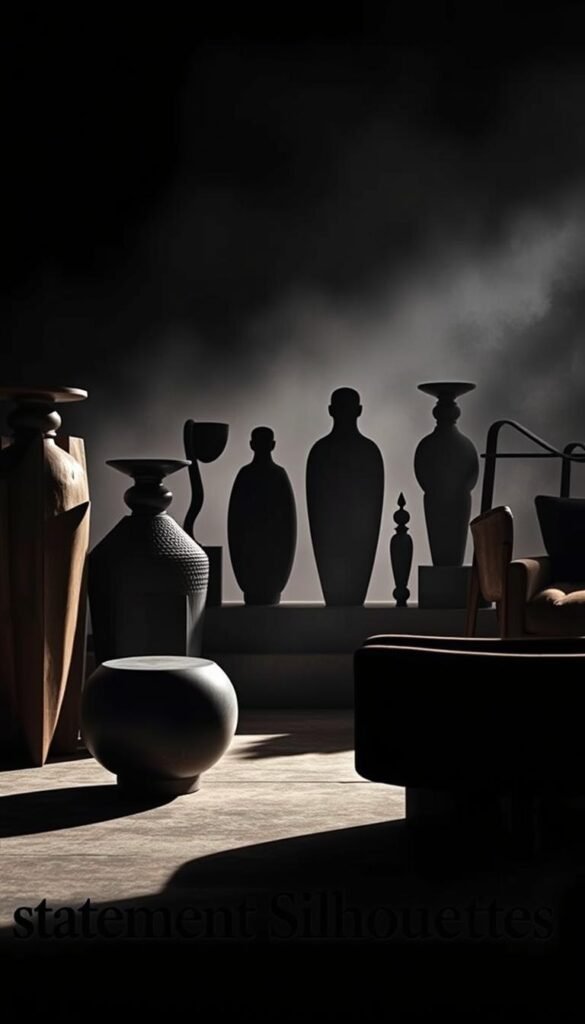
Playing with proportions creates visual drama and personality in your home. Thoughtful scale choices make your arrangement feel intentional and dynamic.
Oversized pieces bring comfort and presence to any room. They create cozy, enveloping environments perfect for relaxation.
Organic shapes add softness and movement to your setup. They contrast beautifully with straight lines and angular architecture.
Incorporate Furniture with Curves and Organic Shapes
Curved pieces bring fluid elegance to your space. Nicole Nozawa used a Casey McCafferty cocktail table with beautiful organic forms.
Ashe Leandro selected a curvy lounge chair and bulbous sofa for a Park Avenue apartment. These choices created soft, inviting seating areas.
Amorphic shapes add visual intrigue throughout your room. Consider Alexandra Hayden’s unconventional floor lamp or Frank Gehry’s blob-like table.
These elements break up rigid lines in interesting ways. They make your design feel more natural and flowing.
Don’t Be Afraid of Supersized or Sculptural Pieces
Large statement items create instant focal points. A cloud-like sofa offers both dramatic look and supreme comfort.
Sculptural furniture adds artistic value to your daily life. These pieces become conversation starters and personal treasures.
Balance oversized items with simpler companions. This prevents overcrowding while maintaining visual interest.
Consider traffic flow when selecting larger pieces. Ensure they enhance rather than obstruct movement through your room.
Mix different scales for dynamic contrast. Pair a substantial sectional with delicate accent chairs. This creates layered visual appeal.
Use sculptural elements as artistic focal points. They draw attention while contributing to sophisticated atmosphere.
Always prioritize comfort alongside style. Choose pieces that are both striking and practical for daily use.
“Scale creates rhythm in a room—it’s the silent music that makes a space sing.”
Your modern living environment benefits from thoughtful proportion play. It’s a smart way to express personal style.
Experiment with different silhouettes until you find your perfect balance. Your home will feel both intentional and inviting.
13. Accessorize with Intention and Personality
Thoughtful accessories complete your space with character and warmth. They add the finishing touches that make your home feel uniquely yours.
Every object should contribute to your overall vision. Choose pieces that spark joy and tell your personal story.
Select Throw Pillows and Decorative Objects Thoughtfully
Choose accessories that reflect your personality and color scheme. Ishka Designs used intriguing ceramics and eye-catching artwork in a Brooklyn townhouse.
These pieces created charm and character throughout the space. They showed how small details make big impacts.
Use velvet pillows and metallic accents for texture. Handmade items add unique personality to your arrangement.
Incorporate travel souvenirs or family heirlooms. These personal touches make your space truly special.
Group items in odd numbers for visual appeal. Use trays to organize smaller objects neatly.
Edit Your Displays to Avoid Clutter
Curate meaningful pieces rather than overcrowding surfaces. This approach ensures a clean, sophisticated look.
Choose quality over quantity in your selections. Well-made accessories stand the test of time beautifully.
Regularly refresh your displays to keep things current. Adapt to seasons or new trends while maintaining cohesion.
Thoughtful editing creates intentional, polished results. Your space feels both luxurious and livable.
“Accessories should whisper your story, not shout for attention.”
Draw inspiration from designs that balance warmth and refinement. The right accessories create welcoming atmospheres.
This way of decorating reflects your personal style perfectly. It completes your design journey with intention.
14. Focus on Creating a Refined Focal Point
Every great room needs a star attraction. This central feature draws the eye and sets the mood for your entire space.
A strong focal point gives your arrangement purpose and direction. It becomes the natural center around which everything else revolves.
Highlight a Beautiful Fireplace or Architectural Feature
Fireplaces naturally command attention in any setting. Andrea and John Stark used Azura marble for their Hamptons fireplace wall.
This stunning feature became the room’s undeniable centerpiece. The luxurious material added both visual impact and textural interest.
Andre Herrero created a steel double-height fireplace in West Hollywood. Its modern design concealed a television while making a bold statement.
Architectural elements like bay windows or built-in shelving also work beautifully. These features add character while serving practical needs.
Build Your Layout Around the Room’s Best Asset
Arrange furniture to emphasize your chosen focal point. Position sofas and chairs to face the main attraction.
This creates natural conversation areas centered around the feature. It also ensures the element receives proper attention.
Use lighting to highlight your focal point effectively. Directional spots or picture lights draw attention beautifully.
Art and accessories can further enhance the area. Choose pieces that complement rather than compete with your main feature.
Consider unconventional focal points for unique spaces. Large windows with beautiful views make excellent natural attractions.
Statement artwork or unique furniture items also work wonderfully. These pieces become conversation starters and style definers.
Keep the area around your focal point clean and uncluttered. This maintains its prominence and visual impact.
Use color or texture to emphasize your chosen element. Bold paint colors or luxurious materials like marble add sophistication.
Your focal point should complement your overall design style. Whether traditional or modern, it should feel integrated and intentional.
| Focal Point Type | Best Enhancement | Style Compatibility |
|---|---|---|
| Fireplace | Statement mantel decor | Traditional to modern |
| Large window | Minimal window treatments | Contemporary designs |
| Artwork | Strategic lighting | Eclectic spaces |
| Architectural feature | Complementary colors | All style types |
This approach creates a sense of order and elegance. Your space feels thoughtfully composed rather than randomly arranged.
The right focal point makes your room memorable and sophisticated. It becomes the heart of your beautiful design.
15. The Best Elegant Living Room Decor Ideas for a Sophisticated Look
Creating a beautiful space means balancing beauty with everyday comfort. Your personal sanctuary should reflect your taste while being completely livable.
This approach makes your home feel both polished and welcoming. It’s about crafting an environment that works for real life.
Blend Design Styles for a Collected Feel
Mixing different eras creates depth and personality in your space. Augusta Hoffman shows how casual and formal elements can work together beautifully.
Her use of Blasco Clichy swivel chairs adds relaxed sophistication. This blend feels intentional rather than random.
Start with a neutral foundation for harmony. Then layer in vintage finds alongside contemporary pieces.
Andre Herrero’s work demonstrates this balance perfectly. He combines modern steel fireplaces with choice antiques.
Your mix should tell your unique story. Each piece contributes to a space that feels curated over time.
Prioritize Comfort to Ensure the Space is Livable
True elegance includes comfort for daily enjoyment. Plush seating and soft textiles make your room inviting.
Statement sofas should be both beautiful and cozy. Add throws and cushions for extra warmth.
Functional layouts encourage relaxation and conversation. Arrange furniture to create natural flow.
Consider ergonomic support in your choices. Adequate lighting and climate-appropriate fabrics enhance comfort.
Your space should work for entertaining and quiet time. It becomes a true retreat from the outside world.
Regular editing keeps your decor fresh and intentional. Remove items that no longer serve a purpose or bring joy.
“The most beautiful rooms are those that feel both luxurious and completely livable.”
With thoughtful planning, you achieve sophistication without sacrificing comfort. Your home becomes a perfect reflection of your lifestyle.
16. Bring Your Sophisticated Vision to Life
Your journey to a beautiful space starts with one step. Choose a color palette or a statement piece that speaks to you.
Build your design gradually. Mix textures and lighting to create depth. Add personal touches through art and accessories.
Always measure your room before buying furniture. Test paint colors in different light. This prevents costly mistakes.
Trust your instincts. Your home should reflect your unique style. Sophistication comes from intentional choices.
Create a space that works for daily life. It should feel both polished and welcoming. Your perfect living room awaits!