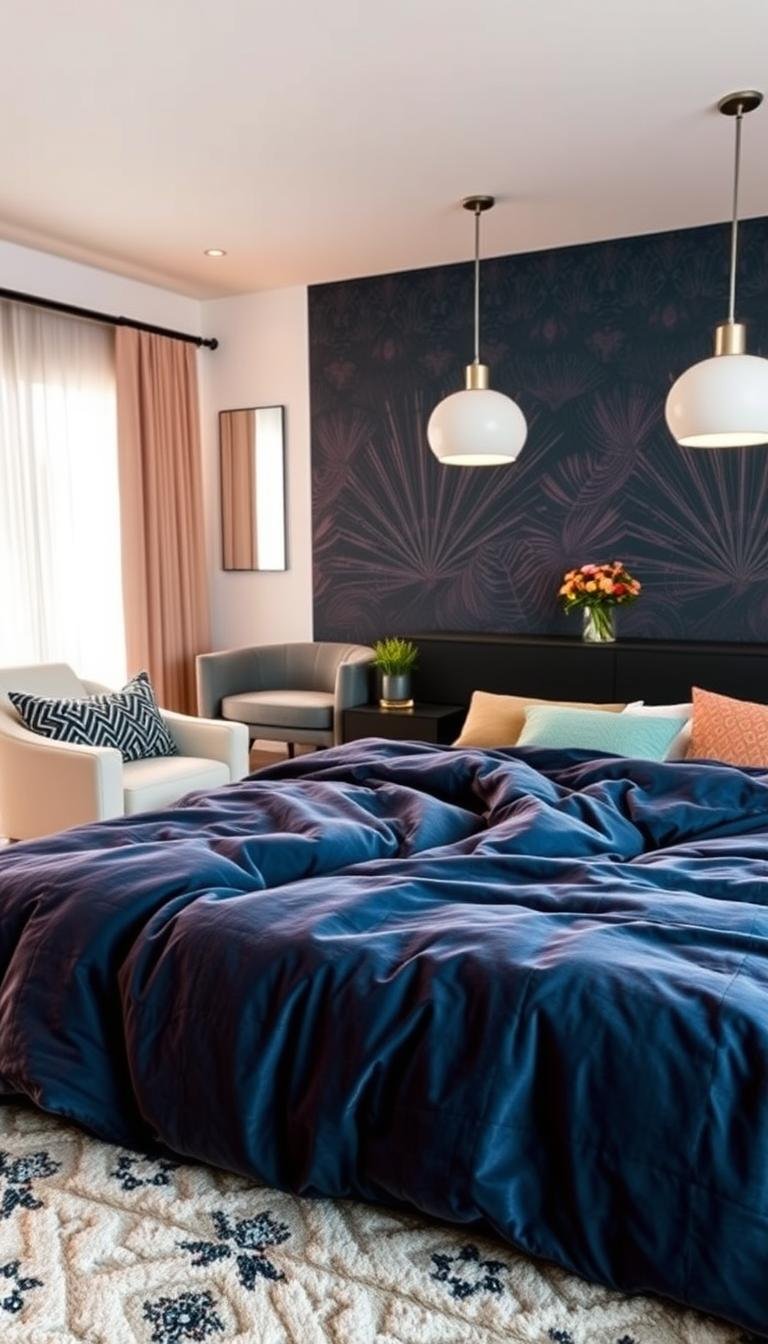
Welcome to your ultimate guide for making the most of your personal retreat. Your sleeping area deserves special attention as your private sanctuary.
Discover how smart paint choices can completely change how you see your room. The right shades work magic in compact areas.
Get ready to explore carefully curated suggestions that turn tight spaces into cozy cocoons. These concepts will help you create the perfect restful escape.
Your entire decor scheme from bedding to rugs can flow beautifully. Prepare to be inspired by expert recommendations that maximize your square footage.
This comprehensive guide shows you how to achieve big impact regardless of your room’s dimensions. Let’s begin your transformation journey!
Why Your Bedroom Color Choice Matters So Much
Your personal retreat deserves thoughtful consideration when selecting its palette. The hues you choose do more than decorate walls—they shape your daily experience.
Colors influence your emotions and energy levels from the moment you wake. They create the atmosphere where you begin and end each day.
The Psychology of Color in Your Sanctuary
Different shades trigger distinct psychological responses. Warm tones like soft terracotta or peach create cozy, intimate feelings perfect for relaxation.
Cool blues and greens promote calmness and mental clarity. These hues lower heart rates and prepare your mind for restful sleep.
“The colors we surround ourselves with directly influence our emotional state and quality of rest.”
Your sleeping environment benefits from carefully chosen tones. The right palette transforms your space into a true oasis that supports better sleep patterns.
How Color Alters the Perception of Space
Strategic color selection can dramatically change how your room feels. Lighter tones reflect more light, making walls appear to recede.
This visual trickery creates an airy, expansive atmosphere even in compact areas. Darker shades can make large rooms feel more intimate and cocoon-like when used strategically.
Consider these space-transforming effects:
| Color Family | Space Perception | Best For |
|---|---|---|
| Light neutrals | Expands visually | Making rooms feel larger |
| Cool tones | Creates depth | Adding dimension |
| Warm hues | Brings walls closer | Cozy, intimate spaces |
| Monochromatic | Simplifies visually | Creating flow |
Your color decisions immediately set the tone for your entire decor scheme. They determine your bedding choices, artwork selection, and accessory colors.
Observe how colors change throughout the day as light shifts. Morning sun brings out different qualities than evening lamplight, creating dynamic moods.
This transformation makes your personal sanctuary feel alive and responsive to your daily rhythm. It becomes more than just a room—it becomes your personalized retreat.
Understanding Warm, Cool, and Neutral Tones
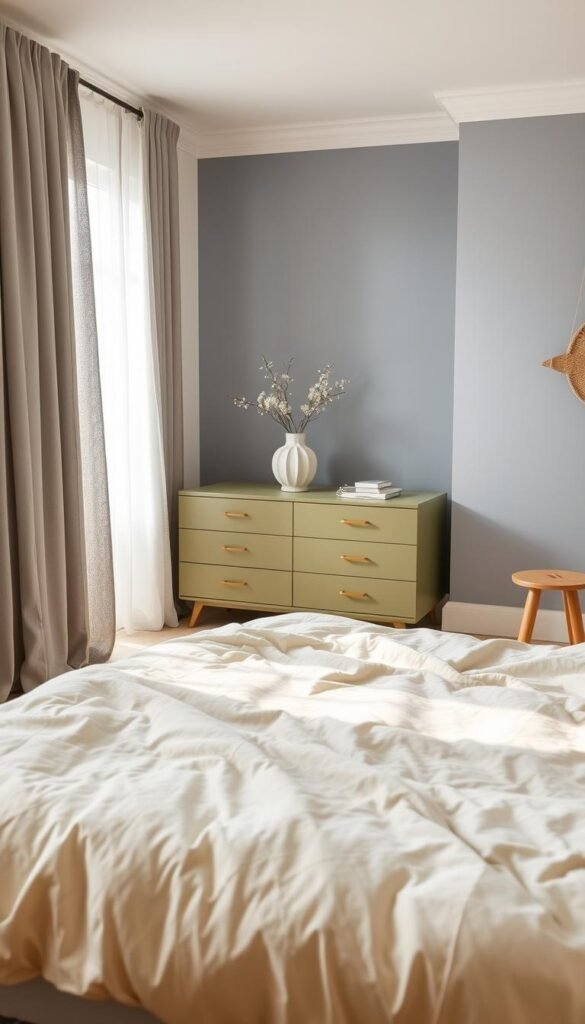
Your paint choices create distinct moods through temperature variations. These categories help you achieve specific feelings in your personal space.
Each family brings unique qualities to your walls. They influence how you experience your surroundings every day.
Cozying Up a Room with Warm Hues
Warm shades like burnt orange and deep burgundy create intimate atmospheres. They make walls feel closer, perfect for snug environments.
These colors radiate comfort and security. They work well in spaces where you want to feel embraced.
Avoid overly energizing choices like electric yellow. Such bright tones can disrupt peaceful sleep patterns.
Creating Airiness with Cool Palettes
Cool tones including blue and green establish calming environments. They promote relaxation and mental clarity for better rest.
These hues recede visually, making compact areas feel more open. They create refreshing spaces that feel naturally tranquil.
Balance cool tones with grounding accents like wood furniture. Warm details prevent the space from feeling too sterile.
“The temperature of your color choices directly affects both the perceived size and mood of your space.”
The Versatile Power of Neutrals
Neutral colors like grey and white provide blank canvases for various decor styles. They adapt easily to changing preferences over time.
These hues can be warmed or cooled through undertones and accessories. They offer flexibility while maintaining a restful base.
Discover how neutral schemes create either comforting or refreshing environments. Your bedding and art choices guide the final feeling.
| Color Temperature | Primary Effect | Best Application |
|---|---|---|
| Warm tones | Creates intimacy | Cozy, inviting spaces |
| Cool tones | Enhances calmness | Serene, restful areas |
| Neutral bases | Provides flexibility | Adaptable decor schemes |
| Mixed undertones | Adds depth | Layered design looks |
Your chosen palette sets the foundation for your entire design scheme. It influences everything from bedding selections to lighting choices.
Observe how different temperatures interact with your natural light throughout the day. This understanding helps you create a harmonious environment.
Soothing Blues and Greens for a Calming Retreat
Imagine sinking into a peaceful oasis where stress melts away. Blue and green paint choices create this serene atmosphere perfectly.
These cool hues naturally lower heart rates and prepare your mind for rest. They transform any sleeping area into a true sanctuary.
Farrow & Ball’s Green Smoke
This sophisticated green shade evolves beautifully throughout daylight hours. Morning light reveals soft grey undertones while evening brings out deeper notes.
It creates that perfect mix of cozy and calm for your personal space. The color works wonderfully in both main and guest sleeping areas.
Benjamin Moore’s Newburyport Blue
This neutral blue option establishes a relaxing ambiance instantly. It feels both refreshing and deeply calming on your walls.
The versatile tone layers beautifully with beachy, airy decor elements. Create guest room oases with this peaceful selection.
Benjamin Moore’s Santa Monica Blue
This cheerful blue creates fun spaces without feeling overly feminine. It was specifically chosen for a cool teen girl’s sleeping area.
The shade coordinates wonderfully with ceiling wallpaper and bold accents. It maintains a sophisticated, restful environment despite its playful nature.
These expert-selected tones promote better sleep patterns naturally. They work harmoniously with various lighting conditions throughout the day.
Discover how these colors can transform your personal retreat into a true haven. Your perfect restful escape awaits with these thoughtful choices.
Elegant Whites and Grays for a Bright, Clean Canvas
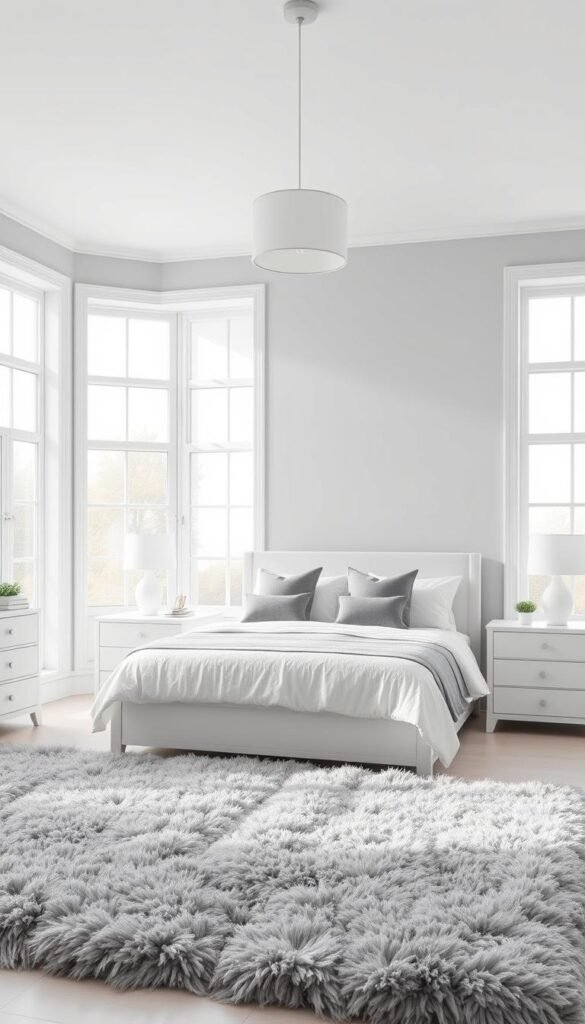
Neutral palettes create sophisticated foundations for your personal space. These timeless choices offer incredible versatility while maintaining a restful atmosphere.
Your selection depends on the mood you want to create. Warm whites feel cozy while cooler tones appear crisp and bright.
Benjamin Moore’s Chantilly Lace
This popular white balances cool brightness with subtle warmth. It creates a clean, airy feel without appearing sterile.
The paint works beautifully in spaces with abundant natural light. It makes your room feel fresh and inviting throughout the day.
Benjamin Moore’s White Dove
This soft off-white adapts to various lighting conditions effortlessly. It provides a warm, welcoming backdrop for any decor style.
The versatile shade complements both traditional and modern furnishings. It creates a cohesive look that feels intentionally designed.
Benjamin Moore’s Revere Pewter
This iconic gray perfectly straddles cool and warm undertones. It establishes a sophisticated, neutral foundation for your space.
The adaptable shade works with both warm wood tones and cool metals. It creates a balanced atmosphere that feels both cozy and refined.
These elegant neutrals provide perfect backdrops for statement features. They highlight architectural details without competing for attention.
Your chosen color serves as an excellent base for layering textures. Add dimension through bedding, rugs, and artwork selections.
| Paint Name | Color Family | Best Light Conditions | Recommended Use |
|---|---|---|---|
| Chantilly Lace | Bright White | Abundant natural light | Creating airy, spacious feels |
| White Dove | Soft Off-White | Mixed lighting | Versatile backdrop |
| Revere Pewter | Balanced Gray | All light conditions | Sophisticated neutral base |
Consider your bedroom‘s light exposure when selecting shades. North-facing rooms benefit from warmer tones while south-facing spaces handle cooler hues well.
Test samples on your walls to observe how colors change throughout the day. This ensures you select the perfect neutral for your specific environment.
Making a Bold Statement with Deep, Saturated Colors
Daring, dark shades can transform your personal space into a dramatic sanctuary. These rich tones create intimate, cocoon-like environments that feel both luxurious and restful.
Deep colors absorb light rather than reflect it. This creates a cozy atmosphere perfect for unwinding after long days.
Many people hesitate to use bold paint in compact areas. Yet these shades can actually make your space feel more expansive through their depth.
Your chosen color becomes the foundation for your entire design scheme. It sets the mood and guides your decor selections.
Benjamin Moore’s Hunter Green
This deep green creates the perfect backdrop for strong accent pieces. It provides a rich foundation that makes other elements pop beautifully.
The shade works wonderfully with metallic accents and natural wood tones. It brings a sense of nature indoors while maintaining sophistication.
Consider this paint for creating a focused, restful environment. It pairs excellently with vibrant bedding and dramatic lighting fixtures.
Farrow & Ball’s Inchyra Blue
This aged blue-gray transforms dramatically under different lighting conditions. It appears almost black in shadows yet reveals rich sherpa blue tones in natural light.
The color creates incredible depth and dimension on your walls. It establishes a moody, sophisticated atmosphere that feels both historic and contemporary.
This versatile shade works beautifully as an accent wall or on all surfaces. It creates a cohesive look that feels intentionally designed.
Benjamin Moore’s Colorado Gray
This grounded gray shade establishes dramatic yet balanced environments. It works perfectly with bold ceiling treatments and architectural details.
The color provides a neutral foundation that still makes a strong statement. It coordinates beautifully with both warm and cool accent tones.
Use this shade to create a sophisticated, moody atmosphere in your sleeping area. It works particularly well in spaces with interesting architectural features.
These saturated shades promote relaxation despite their bold nature. They create intimate, enveloping spaces that feel like true retreats.
Consider using deep colors on a single accent wall if you prefer not to commit fully. This approach creates focus while maintaining visual interest.
Your bold paint choice becomes the star of your design scheme. Build around it with complementary textiles and decor elements.
“Deep, saturated colors create intimate sanctuaries that feel both dramatic and deeply restful—perfect for modern bedrooms.”
Test these rich shades in your space before committing fully. Observe how they change throughout the day with shifting light conditions.
Your bold color choice can transform your personal retreat into a sophisticated haven. Embrace the drama and create a space that truly reflects your personality.
Soft Pinks and Yellows for a Sweet and Sophisticated Feel
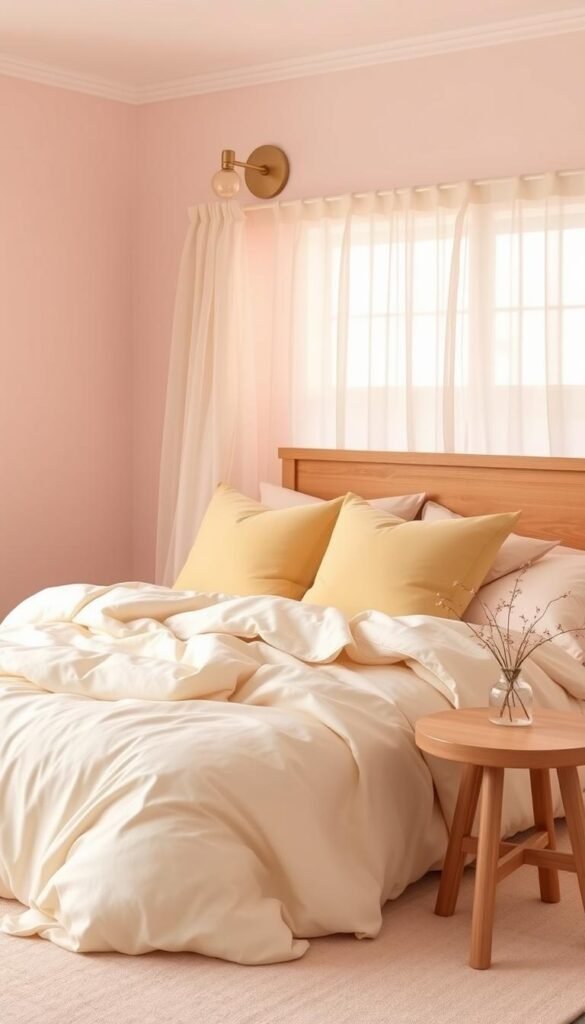
Delicate pinks and cheerful yellows offer a fresh approach to your sleeping space’s palette. These gentle tones create warm, inviting atmospheres without overwhelming your senses.
They bring a touch of sunshine and softness to any personal retreat. These hues work beautifully in compact areas where you want both personality and peace.
Farrow & Ball’s Pink Ground
This exquisite shade offers the perfect mix of sweet and sophisticated character. It evolves gracefully through the years, adapting to your changing decor preferences.
The soft pink looks beautiful in primary sleeping areas when paired with light-toned woods. Creamy neutrals complement this hue perfectly for a harmonious look.
This color maintains its elegance while adding subtle personality to your space. It creates a timeless foundation that feels both current and classic.
Sunny and Uplifting Yellow Hues
Yellow paint brings vibrant energy and sunny disposition to your personal area. It’s known for uplifting moods and creating warm, welcoming atmospheres.
Soft yellow pastels or darker mustard tones work better than bright yellows. These subtler hues create coziness without visual overwhelm.
Balance these colors with natural materials and softer neutrals for perfect harmony. This approach maintains sophistication while adding cheerful character.
Consider using yellow as a visual headboard by painting only sections behind your bed. This technique adds focal interest without committing to full walls.
These soft colors maintain refinement while adding personality to compact sleeping spaces. They create environments that feel both joyful and restful.
Your Guide to the 20 Bedroom Color Ideas That Transform Small Spaces
Let’s dive into the specific shades that make your personal area feel larger and more inviting. These carefully selected hues create visual expansion while maintaining comfort.
Each suggestion comes with professional application tips for your walls. You’ll learn how to maximize impact in compact sleeping quarters.
Idea 1: Soft, Soothing Green
Farrow and Ball’s Green Smoke creates a perfect cozy calm atmosphere. This sophisticated shade shifts beautifully throughout daylight hours.
Morning light reveals soft grey undertones while evening brings deeper notes. It works wonderfully in both main and guest sleeping areas.
Pair this green with light-toned woods and creamy neutrals. The combination maintains harmony while adding subtle personality.
Idea 2: Calming Blue
Layer calming blue wall colors with beachy, airy decor elements. Benjamin Moore’s Newburyport Blue establishes instant relaxation.
This neutral blue option feels both refreshing and deeply calming. It creates guest room oases with its peaceful selection.
The versatile tone works with various lighting conditions throughout the day. It maintains sophistication while promoting better rest.
Idea 3: Deep Green Accent Wall
Make bold statements without overwhelming your compact area. A deep green accent wall creates focus without full commitment.
This approach adds dramatic interest while maintaining spaciousness. It works particularly well behind your bed as a visual headboard.
Choose rich shades like Benjamin Moore’s Hunter Green for maximum impact. These colors provide excellent backdrops for strong accent pieces.
These initial three concepts demonstrate how strategic paint choices enhance perception. They create environments that feel both expansive and intimately cozy.
Professional designers recommend testing samples on your walls before deciding. Observe how colors transform with changing light conditions throughout the day.
“The right wall color can make your sleeping area feel twice its actual size while maintaining perfect comfort.”
Continue exploring all twenty transformative suggestions specifically designed for compact quarters. Each idea includes specific paint brand recommendations from experts.
You’ll discover professional application techniques that maximize space perception. Learn how to adapt these concepts for different room sizes and light exposures.
Real-world examples from design professionals show successful implementations. See how multiple ideas combine for truly personalized sleeping environments.
How to Test and Choose Your Perfect Paint Color
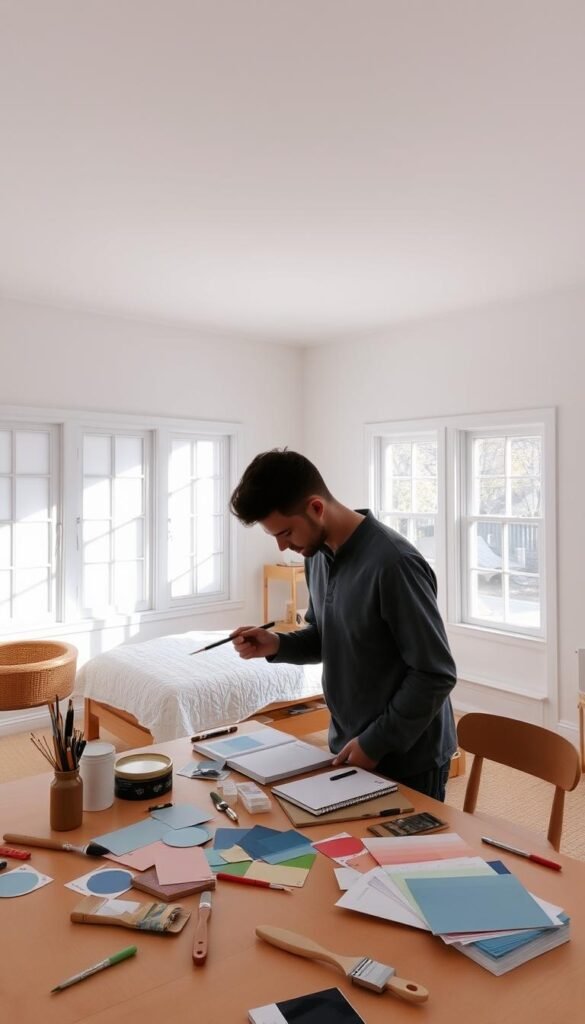
Selecting the right shade for your walls involves more than picking a favorite swatch. Your final choice depends on how the paint interacts with your unique environment.
Testing helps you avoid costly mistakes and disappointment. It ensures your selected hue performs beautifully in your specific space.
The Importance of a Patch Test
Always test your preferred shades directly on your walls. Colors look completely different in your home than at the store.
Apply generous samples on multiple walls at eye level. Observe how the paint changes throughout the day under various lighting conditions.
Your wall’s base color and texture affect the final appearance. Existing colors underneath can alter how new paint looks when dry.
Professional designers recommend these testing steps:
- Paint two-foot square patches on different walls
- Check colors during morning, noon, and evening
- View samples under both natural and artificial light
- Observe for at least three days before deciding
- Compare multiple options side-by-side
This comprehensive approach prevents surprises after full application. It helps you make confident decisions about your perfect shade.
Considering Your Room’s Natural Light
Light exposure dramatically influences how paint colors appear. North-facing rooms receive cool, soft light throughout the day.
These spaces often benefit from warmer tones to balance the coolness. South-facing areas get abundant warm light that intensifies colors.
Seasonal changes also affect your color perception. Winter light differs significantly from summer sunlight in intensity and warmth.
Consider these factors when testing colors:
| Room Orientation | Light Characteristics | Recommended Colors |
|---|---|---|
| North-facing | Cool, consistent light | Warm tones to add coziness |
| South-facing | Warm, abundant light | Cooler shades to balance brightness |
| East-facing | Bright morning light | Versatile mid-tone colors |
| West-facing | Strong afternoon light | Deeper tones that handle intensity |
Window placement and size further modify how light enters your area. Larger windows bring more light that affects color appearance.
Test your samples near windows and in darker corners. This shows how the color performs in different parts of your room.
Your careful testing ensures the final result matches your vision. It creates a harmonious environment that feels just right.
Coordinating Your Color with Bedding and Decor
Your perfect wall shade becomes the foundation for your entire design story. It sets the stage for selecting textiles, artwork, and accessories that complete your vision.
Think about how elements work together to create harmony. Your choices should feel intentional and cohesive throughout your personal space.
Selecting Complementary Bedding
Your bedding choices should enhance your wall color rather than compete with it. Consider both complementary and contrasting approaches for visual interest.
Neutral walls allow for bold pattern play in your linens. Darker walls pair beautifully with lighter, textured textiles for balance.
Test fabric swatches against your paint samples before purchasing. Observe how colors interact under both natural and artificial lighting.
Choosing Art and Accents that Pop
Artwork and decorative accents add personality to your space. They create focal points against your color backdrop.
Consider the mood you want to establish when selecting pieces. Calm environments benefit from softer artwork while vibrant spaces handle bold statements.
Metallic accents add sophistication without overwhelming your scheme. They reflect light beautifully and create subtle sparkle.
Follow these professional coordination techniques:
- Choose two to three accent colors from your artwork
- Repeat these hues in smaller decorative elements
- Vary textures to add depth without adding more colors
- Consider scale when selecting artwork for your walls
Your decor choices should feel connected through color relationships. This creates a curated look that appears professionally designed.
Balance intense wall colors with simpler furnishings and accessories. This prevents your space from feeling overly energizing or visually busy.
Layer patterns carefully within your established color palette. Mix scales from large to small for dynamic interest.
Consider all elements from area rugs to window treatments. These pieces contribute to your overall color story and atmosphere.
“The most successful rooms tell a complete color story where every element feels intentionally chosen and harmoniously connected.”
Step back periodically to view your space as a whole. This helps you identify areas that need adjustment or additional elements.
Your coordinated approach creates a restful environment that feels both personal and polished. Enjoy the process of building your perfect sanctuary.
Beyond the Walls: Using Color on Ceilings and Trim
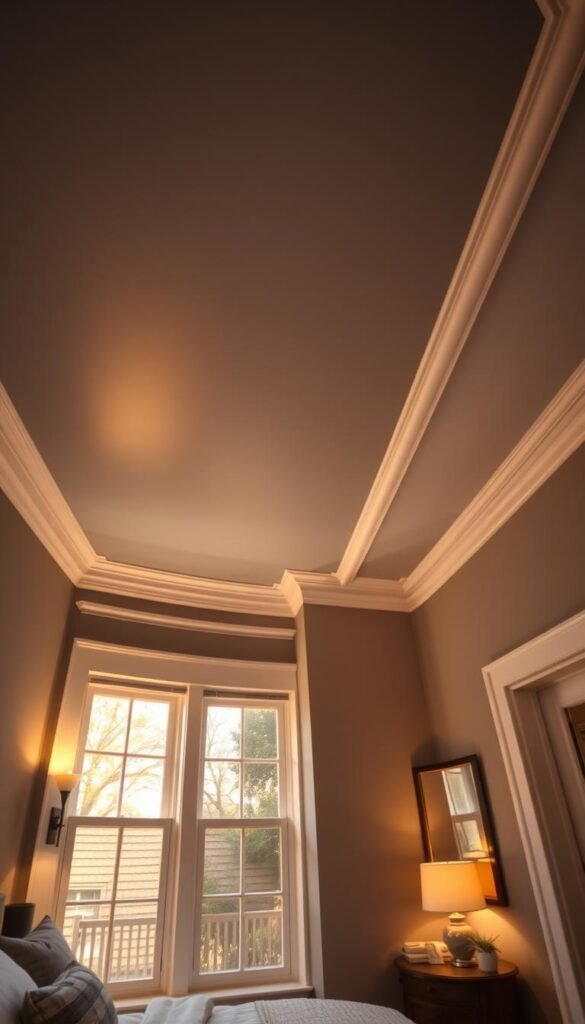
Your design journey doesn’t stop at vertical surfaces. Look up and around to discover exciting opportunities for enhancing your space.
These often-overlooked areas offer creative ways to complete your vision. They add depth and personality to your entire environment.
The Fifth Wall: Your Ceiling
Your ceiling deserves attention as a crucial design element. Many people leave it white without considering its potential.
Painting this surface can dramatically change how your room feels. It creates either expansive height or cozy intimacy.
Light colors on overhead surfaces make spaces feel taller and airier. Darker shades bring the ceiling down for a snug, enveloping effect.
Consider continuing your wall color onto the ceiling for a cohesive look. This technique creates a seamless, cocoon-like atmosphere.
Your ceiling paint choice depends on your desired outcome. Higher ceilings handle darker tones while lower ones benefit from lighter shades.
Trim and Molding as an Accent
Trim work provides perfect opportunities for adding subtle accents. These details frame your space beautifully.
Painting moldings in contrasting colors highlights architectural features. It adds definition and visual interest to plain walls.
Consider using a slightly different shade than your main wall color. This creates depth without overwhelming the space.
Your trim choices can either blend seamlessly or make bold statements. Both approaches work well depending on your overall vision.
These finishing touches complete your bedroom‘s color story perfectly. They pull everything together for a polished, intentional look.
Professional designers often use these techniques to maximize impact. They understand how these elements work together harmoniously.
“The ceiling and trim complete your room’s color narrative, turning good design into exceptional design through thoughtful details.”
Test these concepts in your space before committing fully. Observe how different approaches change the overall feeling.
Your complete color scheme creates a restful, personalized retreat. Enjoy exploring these creative possibilities beyond basic walls.
Incorporating Color Through Wallpaper and Murals
Wall treatments offer exciting ways to add personality and depth to your personal space. They create visual interest beyond what paint alone can achieve.
These techniques transform ordinary walls into stunning design features. They add character while maintaining a restful atmosphere.
Pattern-drenching involves covering every surface in a single print. This approach creates a cohesive look that makes compact areas feel larger.
The technique wraps your space in a unified design story. It eliminates visual breaks that can make rooms feel smaller.
Pattern-Drenching for Impact
Choose prints with repeating motifs that create rhythm without overwhelming. Smaller patterns work better in tight quarters than large-scale designs.
Consider subtle botanical prints or geometric patterns with soft colors. These maintain visual interest while supporting relaxation.
Your selected wallpaper becomes the star of your design scheme. Build around it with complementary textiles and furnishings.
“Pattern-drenching creates immersive environments that feel both expansive and intimately personal—perfect for modern sleeping spaces.”
Stone washing offers a unique alternative to traditional paint finishes. This technique adds subtle texture and dimension to your walls.
It creates visual depth through gentle color variations and tactile interest. The result feels both natural and intentionally designed.
Subtle Textural Wall Finishes
Textural finishes add character without overwhelming your senses. They create subtle visual interest that enhances rather than dominates.
Consider lime wash or plaster effects for organic texture. These finishes work beautifully with natural materials and simple decor.
Your wall treatment should complement rather than compete with other elements. It provides background interest that supports overall harmony.
Murals transform ordinary walls into personalized artistic statements. They create immersive environments that reflect your unique style.
Choose scenes that promote relaxation and positive emotions. Nature-inspired murals work particularly well for creating serene atmospheres.
| Wall Treatment | Primary Effect | Best Application |
|---|---|---|
| Pattern-drenching | Creates visual expansion | Small spaces needing cohesion |
| Stone washing | Adds textural interest | Organic, natural design schemes |
| Feature murals | Creates focal points | Personalized statement walls |
| Textured finishes | Adds depth | Subtle background interest |
Balance patterned walls with tonal bedding and simple window treatments. This prevents visual overload while maintaining design interest.
Lighting plays a crucial role in highlighting textural elements. Directional lighting enhances depth and shadow play on treated surfaces.
Professional installation ensures your wall treatments look their best. Proper preparation and application techniques guarantee lasting beauty.
Your chosen treatment should feel like a natural extension of your design vision. It completes your space’s story beautifully.
Design Tricks to Enhance Your Chosen Color Scheme
Simple design adjustments can dramatically enhance your room’s color story. These professional techniques maximize your palette’s impact while saving valuable square footage.
Your chosen hues deserve thoughtful finishing touches. Strategic accessories complete your vision without overwhelming the space.
Strategic Mirror Placement
Mirrors work magic in compact sleeping areas. They double natural light and create the illusion of expanded dimensions.
Position mirrors opposite windows to capture maximum sunlight. This technique bounces illumination throughout your entire space.
Reflective surfaces also enhance color perception. They make your chosen palette appear more vibrant and dynamic.
Consider these mirror placement strategies:
- Full-length mirrors on closet doors maximize impact
- Gallery walls of smaller mirrors create artistic interest
- Position mirrors to reflect attractive room features
- Use mirrored furniture for additional reflective surfaces
Space-Saving Lighting Choices
Wall sconces provide excellent ambient lighting without consuming nightstand space. They free up surface area while adding stylish accents.
These fixtures create warm, inviting atmospheres that complement your color scheme. Choose finishes that enhance rather than compete with your palette.
Different lighting types affect how colors appear throughout the day. Ambient lighting establishes overall mood while task lighting provides functional illumination.
“Proper lighting placement can make colors appear richer and more dimensional, transforming good design into exceptional design.”
Consider these space-efficient lighting solutions:
| Lighting Type | Best Placement | Color Enhancement |
|---|---|---|
| Wall sconces | Either side of bed | Creates warm, even glow |
| Track lighting | Along ceiling perimeter | Highlights architectural features |
| Pendant lights | Above nightstands | Adds vertical interest |
| LED strips | Under shelves or headboard | Creates ambient background light |
Layer different lighting types for optimal effect. Combine ambient, task, and accent lighting to showcase your colors beautifully.
Choose fixtures that match your overall design style. Their finish and shape should complement your color story rather than distract from it.
Your lighting choices should enhance your palette throughout day and night. Test different bulb temperatures to find what works best with your colors.
These design tricks complete your color scheme perfectly. They transform your sleeping area into a cohesive, professionally designed retreat.
Common Color Mistakes to Avoid in a Small Bedroom
Creating your perfect retreat involves more than picking pretty shades. Smart choices prevent common pitfalls that can make your space feel less restful.
Understanding these errors helps you achieve the peaceful environment you deserve. Your color decisions impact both visual appeal and daily comfort.
Overwhelming with Too Many Colors
Too many competing shades create visual chaos in compact areas. Your eyes struggle to find rest when overwhelmed by multiple hues.
This approach makes your sleeping area feel busy rather than peaceful. It disrupts the calm atmosphere essential for quality rest.
Stick to a limited palette of two to three colors for harmony. This creates cohesion while allowing personal expression.
Consider these benefits of a simplified scheme:
- Creates visual calm and organization
- Makes your space feel larger and more open
- Allows key features to stand out properly
- Provides easier coordination with furnishings
According to design experts, overwhelming small spaces with too many colors remains a common error. A cohesive scheme elevates your room without visual overload.
Ignoring the Undertones of Your Paint
Paint colors contain subtle undertones that dramatically affect appearance. These hidden hues emerge under different lighting conditions.
Ignoring these nuances leads to unexpected results on your walls. Your chosen shade might look completely different than expected.
Test samples in your actual space before final decisions. Observe how colors transform throughout daily light cycles.
Common undertone issues include:
| Surface Color | Common Undertone | Lighting Effect |
|---|---|---|
| White | Pink or yellow | Warms up in evening light |
| Gray | Blue or purple | Appears cooler in north light |
| Beige | Green or orange | Changes with artificial lighting |
| Taupe | Red or gray | Varies by time of day |
Your testing process should include multiple light conditions. Morning, noon, and evening observations reveal true color character.
This attention to detail prevents disappointing results after painting. It ensures your chosen shade performs beautifully in your specific environment.
Other common errors include selecting overly energizing shades for restful spaces. Some colors stimulate rather than soothe, disrupting sleep patterns.
Testing colors in your actual room remains crucial before commitment. Swatches often look different in store lighting than in your home.
Improper color balancing can make compact areas feel even smaller. Dark shades on all walls might create a cave-like feeling.
Consider existing fixed elements like flooring or cabinetry. Your new scheme should complement rather than fight these features.
Following trends without considering personal comfort often leads to regret. Choose colors that make you feel truly relaxed and happy.
“The most successful color schemes consider both visual harmony and personal comfort—creating spaces that feel both beautiful and genuinely restful.”
Your careful planning prevents these common mistakes. It ensures your sleeping environment becomes the peaceful retreat you deserve.
Frequently Asked Questions About Bedroom Paint
You might have some questions about choosing the perfect shade for your personal space. Let’s tackle the most common inquiries with expert advice.
These answers help you make confident decisions for your project. They clear up confusion about what works best in compact areas.
What is the best color for a small bedroom?
Light tones typically work wonders in compact sleeping areas. They reflect more light and make your space feel larger and brighter.
Soft neutrals like warm whites and pale grays create airy environments. These shades provide excellent backdrops for your decor.
Consider your room’s natural light when selecting shades. North-facing spaces might need slightly warmer tones to balance cool light.
Your personal preference matters greatly in this decision. Choose hues that make you feel relaxed and happy in your sanctuary.
Can I use dark colors in a small room?
Absolutely! Deep, saturated shades can create sophisticated cocoon-like environments. They make perfect retreats for quality sleep.
Dark paint color choices work beautifully when applied strategically. Consider using them on an accent wall rather than all surfaces.
Proper lighting becomes crucial with darker schemes. Layer ambient and task lighting to prevent the space from feeling too cave-like.
These rich tones add drama and intimacy to your personal area. They transform ordinary rooms into luxurious sanctuaries.
“Dark colors in small spaces create intimate, enveloping environments that feel both dramatic and deeply restful—perfect for modern sleeping areas.”
Your room’s orientation affects how dark shades perform. South-facing spaces handle deep colors better than north-facing rooms.
Always test samples in your actual space before committing. Observe how the color changes throughout different times of day.
Balance dark walls with lighter bedding and accessories. This creates visual contrast and prevents the space from feeling too heavy.
Remember that any color can work with proper application techniques. Your desired atmosphere ultimately guides your best choice.
Bringing Your New Bedroom Color Vision to Life
Your personal sanctuary awaits its final transformation through thoughtful color application. These expert suggestions help you craft a space that feels both expansive and intimately yours.
Trust your instincts when selecting shades that resonate with your comfort. The right palette creates harmony between your walls, furnishings, and lighting.
Remember to test samples under different lighting conditions before committing. This ensures your chosen hues perform beautifully throughout the day.
Your design journey culminates in a restful retreat that reflects your unique style. Even compact areas become dramatic, beautiful escapes with strategic color choices.
Begin by visualizing your ideal atmosphere and selecting one focal wall. Build around this foundation with complementary textiles and accents.
Your perfect sanctuary emerges through confident implementation of these principles. Embrace the transformative power of paint to create your personal oasis.