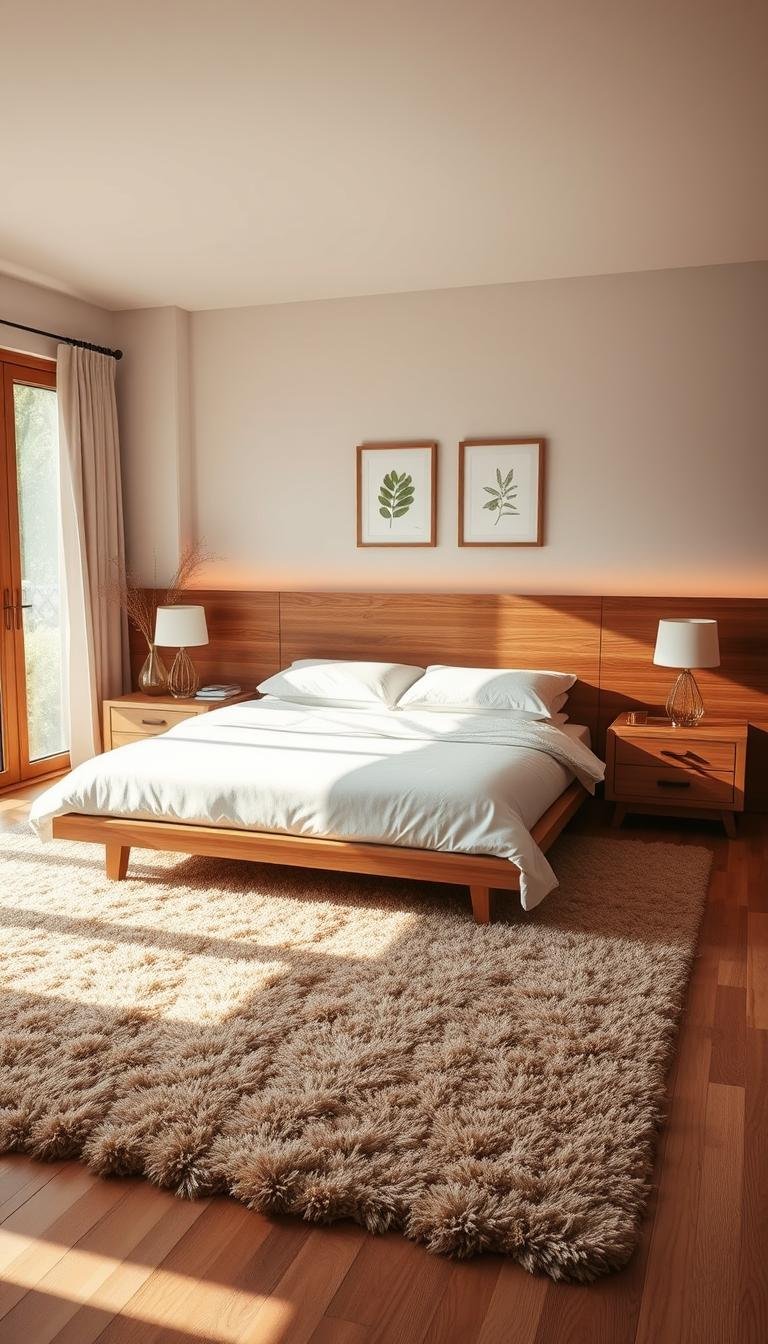
Your personal sanctuary should be a reflection of you. It’s where you begin and end each day, making it one of the most important rooms in your home.
Recent surveys show that 70% of homeowners plan to update their sleeping spaces soon. This makes perfect sense when you consider how much time we spend in this special place.
Good design can dramatically improve your well-being and sleep quality. Whether you have a large master suite or a cozy corner, thoughtful changes make a big difference.
This guide offers creative solutions for every style and budget. From simple color updates to complete furniture makeovers, you’ll find inspiration that works for your space.
We’ll explore lighting, textiles, and personal touches that create comfort. Your retreat should be both beautiful and functional, supporting relaxation and rejuvenation.
Why Your Bedroom Design Matters for Your Well-Being
The space where you begin and conclude your daily cycle significantly influences your overall health. This personal area serves as your retreat for relaxation and recharging after long days.
Your sleeping environment directly affects sleep quality and physical health. Poor design choices can disrupt rest patterns and impact next-day energy levels. Thoughtful arrangements support deeper, more restorative sleep.
Color psychology plays a powerful role in mood regulation. Nature-inspired palettes reduce cortisol levels by up to 15% according to recent studies. These calming hues create serene atmospheres that promote relaxation.
Biophilic elements connect you with natural environments for better wellness. Incorporating organic materials and greenery regulates circadian rhythms naturally. This approach improves sleep patterns without medication or supplements.
Lighting design crucially impacts your body’s internal clock. Proper illumination levels signal wakefulness during daytime hours. Soft, warm tones in evening hours prepare your system for rest.
Clutter-free spaces contribute significantly to mental clarity. Organized environments reduce visual stress and anxiety triggers. You’ll experience improved focus and reduced tension in tidy areas.
Creating a personal retreat within your home supports emotional balance. This dedicated space becomes your sanctuary from daily pressures. It’s where you can truly unwind and recharge mentally.
Morning routines benefit from well-designed waking environments. Natural light exposure helps regulate energy levels throughout the day. Evening wind-down rituals become more effective in calming spaces.
Tactile textures provide sensory comfort that enhances relaxation. Soft fabrics and natural materials create cozy, inviting atmospheres. These elements contribute to overall physical comfort during rest.
Efficient organization impacts daily peace of mind significantly. Well-planned storage solutions reduce morning stress and frustration. You’ll enjoy smoother transitions between sleep and wakefulness.
Investing in your sleeping space design means investing in personal wellness. The returns come in improved sleep, better mood, and enhanced daily performance. Your sanctuary should support both rest and rejuvenation equally.
First Steps: Planning Your Bedroom Transformation
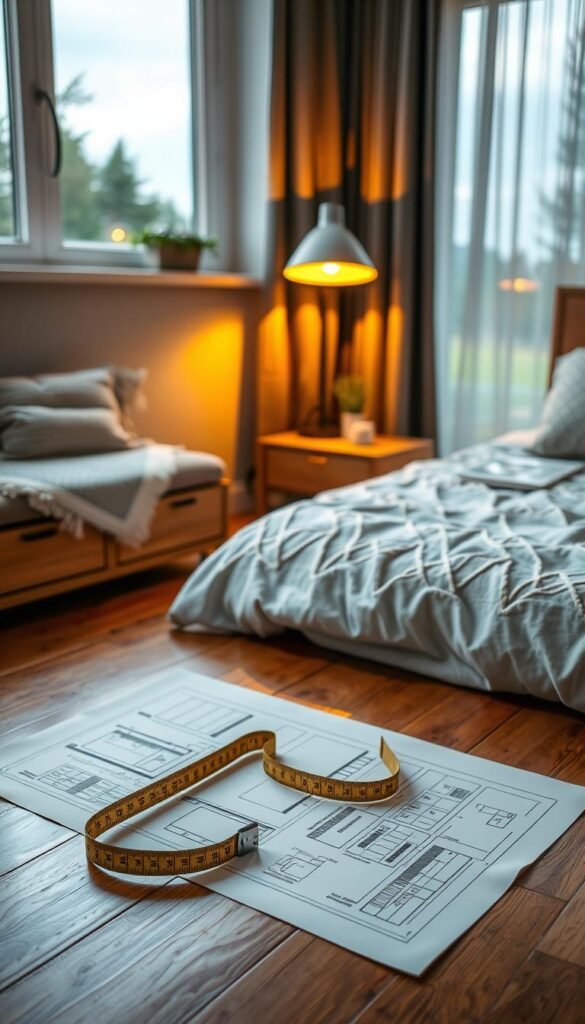
Before diving into decor choices, a solid plan ensures your bedroom truly serves your lifestyle. Thoughtful preparation prevents costly mistakes and creates a space that works perfectly for your routine.
Assessing Your Needs and Room Functionality
Start by considering how you actually use your sleeping area. Do you need better rest, more storage, or a comfortable reading corner?
Your personal habits should guide the design. Night readers might prioritize lighting, while busy professionals often need organizational solutions.
Think about your daily patterns and what would make mornings smoother. This approach ensures your room supports your actual life rather than just looking pretty.
Smart Space Planning and Measurement Tips
Proper measurements form the foundation of any successful layout. Always measure twice before making any decisions.
Effective bedroom arrangements follow the 60/40 rule: 60% for furniture, 40% for walking paths. This balance creates comfortable movement throughout the room.
Remember to account for door swings and window placements. Traffic flow patterns significantly impact how spacious your area feels.
Create a simple floor plan using graph paper or digital tools. This visual reference helps you avoid furniture that overwhelms the space.
Leave at least 30 inches around beds and dressers for easy access. These clearances make daily routines more comfortable and efficient.
Setting a Realistic Budget for Your Project
Financial planning keeps your project on track and stress-free. The 70/30 rule works beautifully for bedroom transformations.
Allocate 70% of your budget to foundational elements like furniture and flooring. Use the remaining 30% for accessories and lighting.
This approach ensures you invest in quality pieces that last while leaving room for decorative touches. Prioritize items based on your most important needs first.
Consider breaking your project into phases if needed. This way you can spread costs over time while still making progress.
Always include a 10-15% buffer for unexpected expenses. This precaution prevents budget stress when surprises arise.
Your timeline should match both your budget and availability. Rushing often leads to choices you might regret later.
Choosing a Color Palette That Sets the Right Mood
The hues you select for your personal space dramatically influence how you feel each day. Your color choices create emotional responses that can either energize or calm your spirit.
Different palettes establish unique atmospheres within your sanctuary. Warm tones often feel cozy and inviting, while cool shades promote relaxation and peace.
Light Reflectance Value (LRV) measures how much light a color reflects. The optimal range for sleeping areas falls between 30-60% LRV.
This range provides enough reflectivity without creating harsh glare. It creates comfortable illumination throughout your daily routines.
Soothing Nature-Inspired Hues
Nature’s palette brings outdoor serenity into your personal retreat. These organic tones connect you with natural environments for better wellness.
Sage green creates peaceful vibes that reduce stress levels. Soft blues mimic sky and water elements for calming effects.
Earthy browns and gentle creams provide warm, grounding sensations. These colors typically fall within the ideal 30-60% LRV range.
They offer enough reflectivity without overwhelming brightness. This balance supports both relaxation and functional visibility.
Embracing Moody, Intimate Colors
Deeper tones create sophisticated, intimate atmospheres in well-lit spaces. They absorb light beautifully while maintaining visual interest.
Navy blue establishes elegant, cozy environments perfect for winding down. Deep greens bring rich, earthy sophistication to your design.
These moody shades work exceptionally well with natural sunlight. They create depth and character without feeling oppressive.
Pair them with lighter accents to maintain balanced illumination. This approach prevents spaces from feeling too dark or closed-in.
The Power of a Neutral Foundation
Neutral bases provide incredible flexibility for long-term style evolution. They serve as perfect backdrops for changing accessories and accents.
These foundations offer timeless appeal that never feels dated. You can easily update your look without repainting entire rooms.
Neutrals create calming, uncluttered visual environments. They help other design elements stand out beautifully.
Test your chosen shades at different times throughout the day. Natural and artificial lighting dramatically affects how colors appear.
Sample patches on multiple walls before making final decisions. Observe how colors change from morning to evening hours.
Consider your existing furniture and flooring when selecting palettes. Cohesive schemes create harmonious, intentional design throughout your home.
Accent colors should complement rather than compete with main hues. Use them strategically to highlight architectural features or special pieces.
Wall Treatments That Add Depth and Character
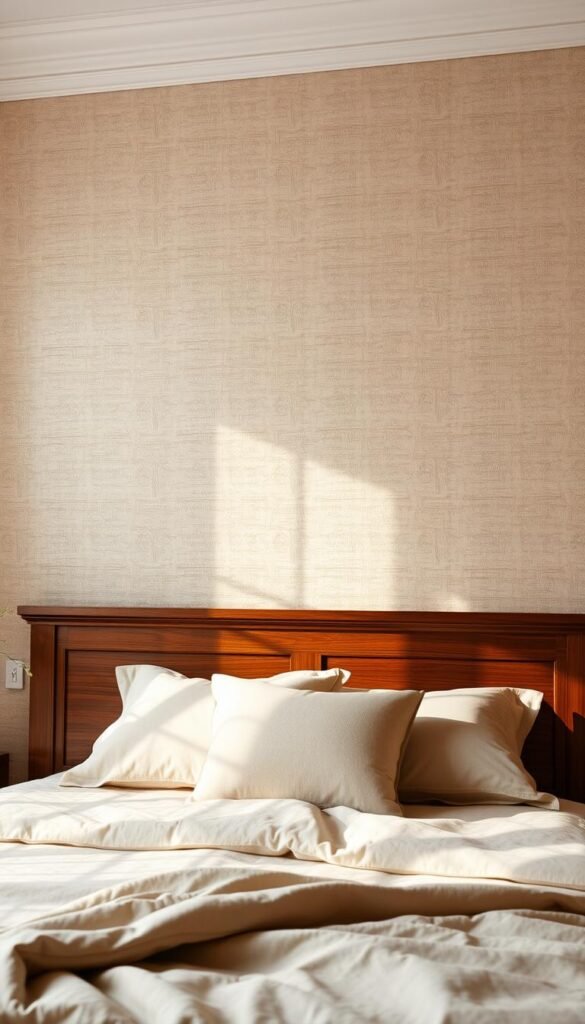
Your vertical surfaces offer incredible potential for creative expression. These treatments shape your room’s atmosphere more than you might realize.
Wall surfaces account for 60% of your visual space when you enter a room. This makes them powerful tools for establishing mood and style.
Thoughtful treatments can make ceilings appear higher or rooms feel wider. They create focal points that draw attention to your best features.
Creating Accent Walls with Paint or Wallpaper
Accent walls create instant drama without overwhelming your space. They work best on natural focal points like the area behind your bed.
This technique draws attention to your most important furniture piece. It creates a backdrop that makes your bed feel like the room’s centerpiece.
Wallpaper offers patterns that paint simply cannot replicate. Today’s removable options make experimentation easy and commitment-free.
Consider large-scale patterns for modern statements. Smaller prints work well in cozy spaces where you want subtle interest.
Exploring Textured Finishes: Limewash and Plaster
Textured finishes create depth through light and shadow play. Limewash contains mineral components that reflect light differently throughout the day.
This creates micro-texture that changes with natural light movements. Your walls gain dynamic character that flat paint cannot achieve.
Plaster finishes offer organic, hand-crafted appeal. They bring tactile quality that makes spaces feel more grounded and authentic.
Both options work beautifully with natural materials. They complement wood tones and stone elements for cohesive design.
Two-Tone Walls for Architectural Interest
Two-tone treatments create visual structure where none exists. They follow the effective 1/3 to 2/3 ratio for balanced proportions.
The darker color typically belongs on the bottom portion. This grounds your space while lighter upper sections lift the ceiling visually.
You can use chair rails or simple tape lines for separation. This approach adds character without structural changes.
Consider your room’s proportions when choosing colors. Darker bottoms make rooms feel cozier while lighter tops enhance airiness.
| Treatment Type | Average Cost per Sq Ft | DIY Difficulty | Maintenance Level |
|---|---|---|---|
| Standard Paint | $1-3 | Easy | Low |
| Wallpaper | $5-28 | Medium | Medium |
| Limewash | $7-12 | Hard | Low |
| Plaster | $10-25 | Professional | Low |
Your choice depends on budget, skill level, and desired look. Paint offers affordability while textured finishes provide unique character.
Consider professional help for complex applications. Some techniques require specialized tools and experience.
Maintenance varies significantly between options. Washable paints work best in high-traffic areas while delicate papers need gentle care.
Always test samples in your actual space. Lighting changes how colors and textures appear throughout the day.
Selecting Furniture for Both Style and Function
The pieces you choose for your sleeping area must work hard while looking beautiful. Your selection process should balance visual appeal with everyday practicality.
Smart choices create harmony between form and function. They serve your needs while enhancing your room’s overall atmosphere.
Statement Beds and Oversized Headboards as Focal Points
Your sleeping surface naturally becomes the room’s centerpiece. An impressive frame establishes the entire space’s character.
Oversized headboards create dramatic impact without overwhelming your area. The ideal proportions range from 14-29 inches above your mattress.
Width should extend 2-4 inches beyond each side. This balanced approach makes your bed feel substantial yet proportionate.
Consider materials that complement your overall design scheme. Upholstered options add softness while wood brings natural warmth.
Multifunctional Pieces for Maximizing Space
Smart furniture solves multiple problems in compact areas. These pieces offer hidden benefits beyond their primary function.
Storage beds provide incredible space-saving solutions. They offer 15-30 cubic feet of hidden storage capacity.
This equals a standard three-drawer dresser’s volume. You gain organization without sacrificing floor space.
Consider benches with interior compartments or nightstands with multiple drawers. Every piece should contribute to your organization system.
The Floating Furniture Illusion
Wall-mounted pieces create airy, open environments. They visually expand your area by revealing more floor surface.
Floating nightstands and shelves maintain functionality while reducing visual weight. This approach works particularly well in smaller rooms.
Proper installation is absolutely essential for safety. Always use wall studs or anchoring systems rated for specific weight capacities.
Follow manufacturer guidelines for maximum load limits. This ensures your beautiful pieces remain securely in place.
Scale and proportion create visual harmony throughout your space. Larger rooms can handle substantial pieces while compact areas need lighter options.
Leave adequate walking paths around all furniture. This maintains comfortable movement throughout your daily routines.
Invest in quality foundational pieces that will last for years. These items form the backbone of your design scheme.
Mix different styles while maintaining cohesive elements. Shared materials or colors create unity among diverse pieces.
Consider traffic flow when arranging your layout. The most natural pathways should remain clear and accessible.
Choose timeless designs that will remain appealing over time. This approach ensures your investment continues serving you well.
Your furniture should reflect your personal taste while meeting practical needs. The right balance creates both beauty and functionality in your sanctuary.
Strategic Lighting for Mood and Function
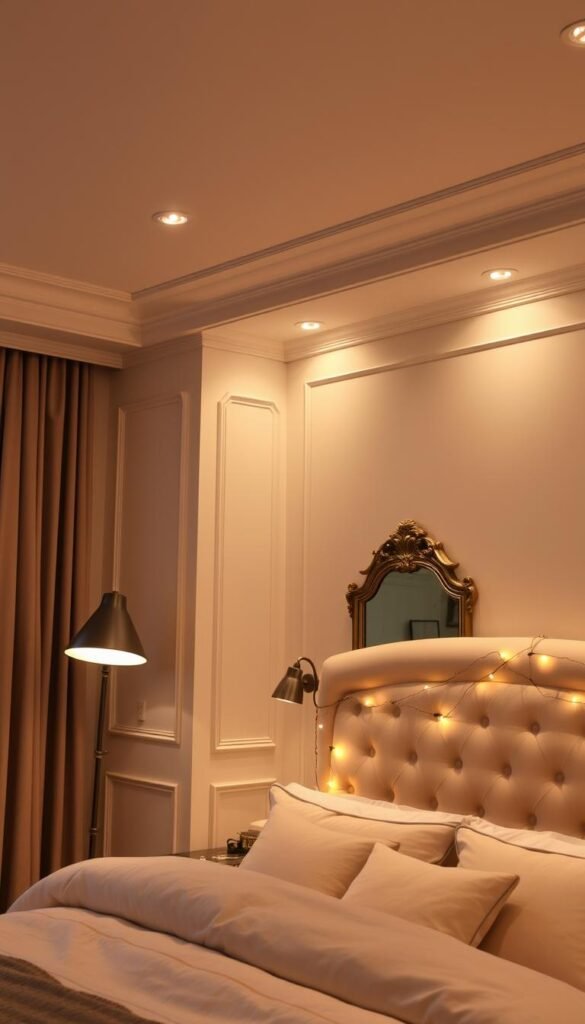
Your lighting choices shape how you experience your personal retreat every day. They affect your mood, energy levels, and even sleep quality. The right plan creates both beauty and practicality in your space.
Good illumination supports different activities throughout your day. Morning routines need bright, energizing light. Evening wind-downs require soft, calming glows.
A thoughtful approach balances these needs perfectly. You’ll enjoy better functionality and enhanced atmosphere.
The Layered Lighting Approach
Layered illumination creates depth and flexibility in your design. This method uses three distinct types working together.
Ambient light provides general illumination throughout the room. Task lighting focuses on specific activities like reading. Accent lights highlight architectural features or artwork.
Follow the 60-30-10 distribution principle for balance. Allocate 60% to ambient, 30% to task, and 10% to accent illumination.
This formula ensures proper coverage without overwhelming brightness. Each layer serves a specific purpose in your daily life.
For LED plans, calculate approximately 2.5 watts per square foot. This guideline helps create adequate brightness without glare.
Statement Fixtures: Chandeliers and Pendants
These pieces become beautiful focal points in your design. They add personality while providing essential overhead illumination.
Choose fixtures that complement your overall style. Modern spaces suit sleek metallic designs. Traditional rooms welcome crystal or drum shades.
Pendant lights work wonderfully above nightstands or seating areas. They offer directed light without occupying surface space.
Consider scale when selecting statement pieces. Larger rooms handle bigger fixtures while compact spaces need smaller options.
Installation height matters for both function and safety. Hang pendants 30-36 inches above surface tops for optimal use.
Space-Saving Sconces and Integrated LEDs
Wall-mounted options free up valuable surface area. They provide excellent task lighting without clutter.
Sconces install easily beside beds or reading chairs. They offer perfect illumination for nighttime reading.
Integrated LED strips create modern, streamlined looks. They work beautifully under shelves or along headboards.
These solutions provide excellent functionality in small areas. You gain practical light without sacrificing style.
Smart systems offer incredible convenience and control. Program different scenes for reading, relaxing, or waking.
Create distinct zones for various activities. Reading corners need brighter light while sleeping areas require softer tones.
| Light Type | Color Temperature | Best Use | Installation Tips |
|---|---|---|---|
| Ambient | 3000K Warm White | General Illumination | Center of room, 7-8 ft height |
| Task | 4000K Neutral White | Reading, Dressing | 30-36″ above surface |
| Accent | 2700-3000K Warm | Highlighting Features | Directed focus points |
| Smart Lights | Adjustable 2000-6500K | Multiple Functions | Follow manufacturer guidelines |
Color temperature dramatically affects your room’s atmosphere. Use 3000K warm white for relaxation areas. Choose 4000K neutral white for task zones.
These temperatures support your natural circadian rhythms. Warmer tones prepare your body for rest while cooler light boosts alertness.
Always test different options before finalizing your plan. Lighting appears differently throughout the day and night.
Your illumination should serve both practical needs and emotional wellness. The right balance creates a truly functional sanctuary.
Textiles and Textures: The Key to a Cozy Bedroom
The fabrics you choose for your personal retreat create immediate sensory connections. These elements transform your space through both visual appeal and physical comfort.
Humans naturally respond to tactile experiences. Luxurious materials help relaxation while reducing ambient noise throughout your room.
Different textures work together to create depth and interest. Combining shearling with leather or linen with wool adds sophisticated contrast.
These combinations provide both visual and tactile variety. They make your space feel more inviting and thoughtfully designed.
Layering Bedding for Luxury and Comfort
Your sleeping surface deserves careful attention to detail. Layered bedding creates both luxury and practical comfort.
Start with quality base sheets in natural fibers. Add a lightweight blanket followed by a decorative coverlet.
Finish with throw pillows and a cozy duvet. This approach allows easy adjustment for different temperatures.
Mix patterns while maintaining color harmony. Stripes pair beautifully with florals when they share common hues.
Incorporating Rugs for Warmth and Definition
Area rugs provide warmth underfoot and visual definition. They anchor furniture arrangements while adding color.
Choose sizes that extend beyond your bed frame. This creates a soft landing area when you wake up.
For larger rooms, use multiple rugs to define separate zones. Smaller spaces benefit from one well-proportioned piece.
Natural fiber options offer durability and texture. Wool provides excellent insulation and comfort.
Using Drapery to Soften the Space
Curtains serve both functional and aesthetic purposes. They control light levels while softening architectural lines.
Full-length panels create elegant visual flow. They make ceilings appear higher and windows more substantial.
Blackout linings improve sleep quality significantly. Sheer layers filter light beautifully during daytime hours.
Install rods wider than your window frame. This allows maximum light entry when curtains are open.
Material choices affect both look and maintenance requirements. Cotton and linen offer easy care and natural texture.
Silk adds luxury but requires professional cleaning. Synthetic blends provide durability and stain resistance.
Consider cleaning needs when selecting fabrics. Machine-washable options work best for busy households.
Mixing patterns creates personal style without overwhelming your space. Start with one large-scale pattern as your anchor.
Add medium patterns in complementary colors. Finish with small-scale designs for subtle interest.
Textural variety prevents visual monotony. Smooth cottons contrast beautifully with nubby wools or soft chenilles.
Color through textiles offers flexible personality expression. You can change accent hues seasonally without major investment.
Throw blankets and pillows refresh your design easily. They introduce new colors while maintaining comfort.
Your textile choices should reflect personal preferences while providing physical comfort. The right balance creates a truly inviting sanctuary.
Incorporating Nature for a Serene Atmosphere
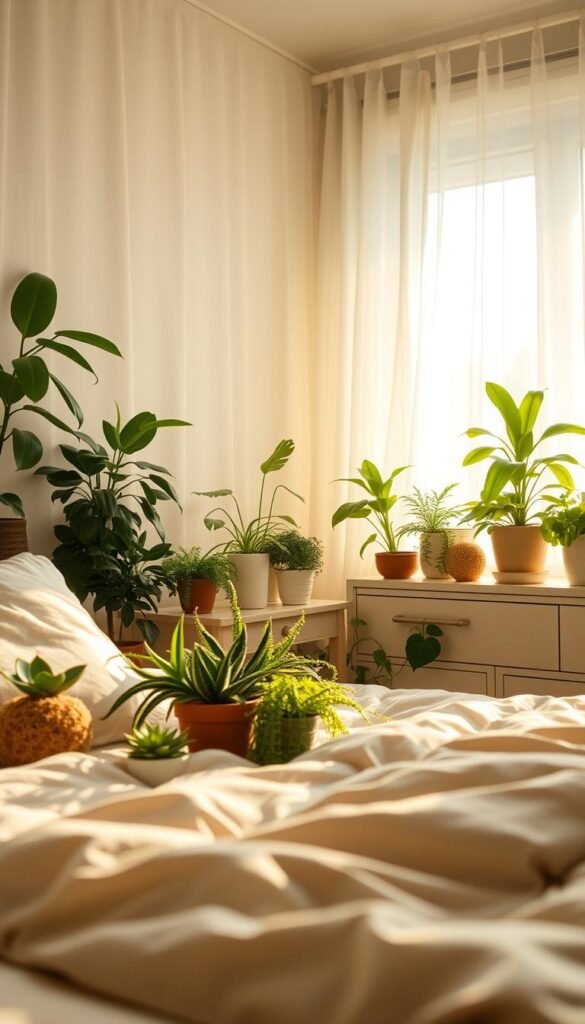
Bringing the outdoors inside creates a calming environment that soothes your senses. Natural elements connect you with the earth’s rhythms for better relaxation.
Biophilic design reduces stress and improves mental clarity. Studies show it can lower blood pressure and enhance creativity.
This approach goes beyond simple decoration. It creates a deeper connection to nature within your personal space.
Choosing Low-Maintenance Indoor Plants
Select plants that thrive in typical indoor conditions. Some varieties need minimal care while purifying your air.
Snake plants tolerate low light and irregular watering. Peace lilies add beautiful blooms while removing toxins.
Spider plants grow quickly and produce oxygen efficiently. They’re perfect for hanging baskets near windows.
ZZ plants survive with very little attention. Their glossy leaves add texture to your design.
Water most indoor plants when the soil feels dry. Use pots with drainage holes to prevent root rot.
Wipe leaves monthly to remove dust. This helps them absorb more light and grow better.
Natural Materials and Biophilic Elements
Incorporate organic materials beyond living greenery. Wood, stone, and natural fibers create tactile interest.
Grasscloth wallpaper adds subtle texture to walls. Its woven pattern brings natural beauty indoors.
Textured paints like Roman Clay create earthy surfaces. Limewash finishes offer soft, mottled effects.
Use rattan or bamboo for furniture and accessories. These materials add warmth and organic character.
Place collected branches or dried grasses in vases. These natural arrangements cost nothing but add much.
Choose bedding and curtains from natural fibers. Cotton, linen, and wool improve air quality and comfort.
These elements work together to create harmony. Your home becomes a true natural retreat.
Art and Personal Touches That Tell Your Story
Your walls and surfaces deserve more than just functional pieces. They offer the perfect canvas to showcase your personality and life journey.
Thoughtful arrangements transform ordinary spaces into deeply personal retreats. They create visual interest while telling your unique story.
Selecting and Sizing Artwork Correctly
Proper scale makes all the difference in your visual presentation. Your chosen pieces should complement rather than overwhelm your space.
For walls behind beds, aim for artwork spanning two-thirds of the width. This creates balanced proportions that feel intentional.
Gallery walls work beautifully when you maintain consistent spacing. Keep 2-3 inches between frames for cohesive look.
Original creations carry unique energy that reproductions often lack. They bring authentic character that mass-produced items cannot match.
Thrift stores and vintage markets offer incredible finds. You might discover one-of-a-kind treasures that fit your budget perfectly.
Displaying Personal Collections and Vintage Finds
Your cherished possessions deserve thoughtful presentation. Group similar items together for maximum impact.
Vintage statues add wonderful character to empty surfaces. They fill negative space while maintaining your room’s mood.
Create visual rhythm by varying heights and textures. This approach keeps displays interesting without feeling cluttered.
Meaningful objects connect you emotionally to your space. They serve as daily reminders of special people and experiences.
Rotate collections seasonally to keep your design fresh. This simple change makes your space feel new again.
Color coordination reinforces your overall style. Choose pieces that complement your existing palette beautifully.
Proper spacing allows each piece to breathe visually. This intentional approach creates museum-like elegance in your personal place.
Smart Storage Solutions to Eliminate Clutter
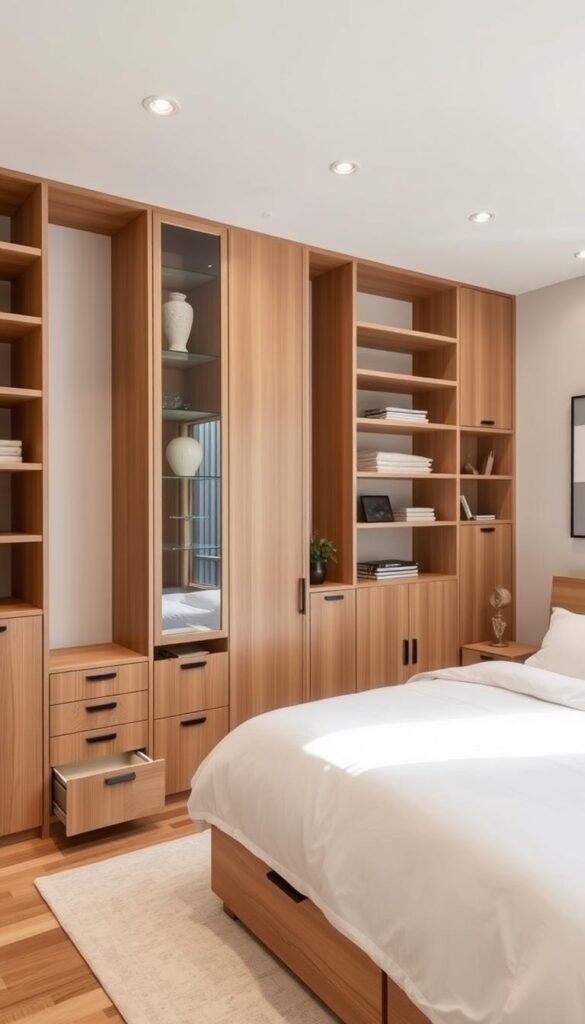
A peaceful sleeping environment begins with thoughtful organization. Clever storage systems transform chaos into calm while maintaining your room’s aesthetic appeal.
Clutter-free spaces promote mental clarity and better rest. You’ll enjoy reduced stress and improved focus in well-organized areas.
Utilizing Hidden Storage in Beds and Benches
Your bed offers incredible hidden potential for organization. Storage models provide 15-30 cubic feet of concealed space.
This equals a standard dresser’s capacity without occupying floor area. Lift-up mechanisms or drawers keep belongings accessible yet out of sight.
Upholstered benches with interior compartments serve dual purposes. They offer seating while hiding extra blankets or seasonal items.
These solutions maintain clean lines throughout your room. Your space feels larger and more intentional without visual distractions.
Stylishly Containing Items with Trays
Decorative trays organize everyday items with elegance. They corral perfume bottles, jewelry, and reading glasses beautifully.
Stack books under décor pieces for added dimension. This clever trick elevates your display while creating visual interest.
Choose materials that complement your overall design scheme. Wood, marble, or metallic finishes add sophistication to surfaces.
Group similar objects together for cohesive look. This approach transforms necessary items into intentional decorations.
Modular systems maximize your available area efficiently. They achieve 85-90% space utilization through smart configuration.
Vertical solutions capitalize on often-wasted wall area. Floating shelves and tall cabinets provide ample storage without footprint expansion.
Small rooms benefit particularly from upward thinking. You gain organization without sacrificing precious floor space.
Maintain accessibility while keeping things tidy. Frequently used items deserve prime real estate in your system.
Seasonal or occasional belongings can occupy harder-to-reach areas. This logical approach streamlines your daily routines.
Your organizational design should serve your actual lifestyle. The right system makes your home feel both beautiful and functional.
Psychological benefits emerge from ordered environments. You’ll experience reduced anxiety and improved sleep quality.
Clever solutions transform challenges into opportunities. Even the smallest area can feel spacious with proper planning.
Every storage choice should enhance your room’s atmosphere. Beautiful organization contributes to your overall sanctuary experience.
Creating Dedicated Zones Within Your Bedroom
Thoughtful zoning turns your sleeping area into a multifunctional retreat that serves all your daily needs. This approach maximizes your available space while creating distinct areas for different activities.
Well-defined zones improve organization and daily routines. They help you maintain order while adding visual interest to your overall design.
Designing a Cozy Reading Nook
A perfect reading corner requires comfortable seating and proper lighting. Choose a chair that supports good posture while inviting relaxation.
Add plush pillows and a soft throw blanket for extra comfort. These elements create an inviting atmosphere for extended reading sessions.
Position a small side table within easy reach. This keeps your books, glasses, and beverages conveniently accessible.
Task lighting is essential for eye comfort. A adjustable floor lamp or wall sconce provides focused illumination without glare.
Consider these elements for your reading area:
- Comfortable armchair or chaise lounge
- Adjustable reading lamp
- Small side table for essentials
- Soft throw blanket and supportive pillows
- Book storage within easy reach
Incorporating a Vanity or Small Desk Area
A dedicated vanity space keeps your morning routine organized and efficient. It provides a specific place for grooming and preparation.
This setup eliminates the need to use bathroom counter space. You’ll enjoy a more relaxed getting-ready experience.
Choose a compact desk or wall-mounted vanity to save space. Look for pieces with built-in storage for better organization.
Proper lighting is crucial for makeup application and grooming. Natural light is ideal, but well-placed artificial lights work well too.
Keep these tips in mind for your vanity area:
- Select a mirror with good lighting around it
- Include drawers or organizers for cosmetics
- Choose a comfortable stool or small chair
- Position near electrical outlets if needed
- Maintain clear access to the area
Multiple zones should maintain visual cohesion throughout your room. Use consistent color schemes and design elements to connect different areas.
Room dividers can create subtle separation in open spaces. Bookshelves, screens, or curtains offer privacy without closing off areas completely.
Even small rooms can benefit from clever zoning. Use area rugs to define spaces and furniture placement to create natural boundaries.
Your zoned design should support your daily routines while enhancing your room’s overall appeal. This approach makes your space both beautiful and highly functional.
Don’t Neglect the Fifth Wall: Your Ceiling
While you carefully plan every other surface, the overhead plane often gets forgotten. This blank canvas above you holds incredible potential to transform your entire room’s atmosphere.
Your ceiling represents about 20% of your total visual space. Treating it as an active design element creates complete, immersive environments.
Thoughtful overhead treatments can dramatically alter room perception. They establish mood and character in ways walls alone cannot achieve.
Paint and Wallpaper Overhead
Color choices overhead create powerful optical effects. Dark hues make spaces feel more intimate and cozy.
They trick the eye into perceiving lower ceiling heights. This works beautifully in rooms with tall, potentially overwhelming proportions.
Light colors do the opposite, enhancing airiness and spaciousness. They reflect more light throughout your area.
Wallpaper adds pattern and texture where you least expect it. Today’s options include stunning designs specifically for overhead applications.
Consider these approaches for different effects:
- Dark blue or charcoal for cozy, intimate atmospheres
- Metallic finishes for subtle reflection and luxury
- Nature-inspired patterns for organic, calming effects
- Geometric designs for modern, architectural interest
Always test colors in your actual lighting conditions. Overhead surfaces appear different than vertical ones.
Adding Beams or Architectural Detail
Architectural elements add character and definition overhead. They create visual interest while enhancing your room’s structure.
Faux beams offer dramatic impact without structural changes. They come in various materials and installation methods.
Wood options bring natural warmth and texture. Painted versions work well in more contemporary settings.
Consider your room’s existing style when selecting treatments. Traditional spaces suit detailed moldings and medallions.
Modern rooms might prefer clean lines and subtle details. The right choice enhances rather than conflicts with your overall look.
Installation requires careful planning and proper support. Always follow manufacturer guidelines for weight and spacing.
These elements affect your lighting plan significantly. They create shadows and highlights that add depth throughout the day.
Your ceiling treatment should complement other design elements. Cohesive choices create harmonious, intentional spaces.
Remember that overhead surfaces impact overall brightness. Dark colors absorb light while light ones reflect it.
This consideration becomes especially important in rooms with limited natural light. Balance dramatic style with practical illumination needs.
Your fifth wall deserves as much attention as the other four. Thoughtful treatment completes your space beautifully.
25 Bedroom Decoration Ideas That Transform Any Space
Simple changes often create the most dramatic improvements in your sleeping area. These clever approaches maximize both beauty and functionality without major renovations.
Hang a Statement Mirror
Mirrors instantly expand your visual area while adding elegant reflection. They bounce light around your room, making it feel brighter and more spacious.
Choose an oversized floor mirror to create a dramatic focal point. Lean it against your wall for easy installation and flexible positioning.
Smaller mirrors arranged in gallery-style groupings offer artistic appeal. Mix different shapes and frames for personalized character.
Position mirrors opposite windows to maximize natural light. This trick amplifies sunlight throughout your entire space.
Emphasize Vertical Space
Drawing eyes upward makes your room feel taller and more grand. This approach works wonders in compact areas with limited square footage.
Install floor-to-ceiling curtains that pool slightly at the bottom. This creates elegant lines that enhance height perception.
Tall bookcases or shelving units utilize often-wasted wall area. They provide storage while adding vertical interest to your design.
Paint or wallpaper your ceiling to complete the upward focus. This treatment makes your fifth wall an active design element.
Add a Cozy Seating Area
A comfortable chair or small loveseat transforms your room into a multifunctional retreat. This creates a perfect spot for reading, relaxing, or enjoying morning coffee.
Choose compact furniture that fits your available area without crowding. Armchairs with slender profiles work well in tighter spaces.
Position your seating near natural light sources when possible. This creates an inviting nook that you’ll naturally gravitate toward.
Add a small side table and adequate lighting for complete functionality. These elements make your seating area truly usable daily.
Final Details: Elevating Everyday Necessities
Those last touches around your room make everything feel complete and intentional. They turn ordinary objects into special elements that reflect your personal taste.
Well-chosen details create harmony throughout your space. They connect different areas while adding character and charm.
Your bedside area deserves particular attention. This is where you begin and end each day.
Intentional Nightstand Styling
Your nightstand should hold items you actually use while looking beautiful. Keep it functional but avoid clutter.
Choose a striking clock that tells time with style. A sculptural water glass adds elegance to your bedtime routine.
Vintage pieces fill empty space with character. They tell stories and create visual interest.
Consider these elements for your bedside:
- A small tray for jewelry and watches
- One meaningful photograph in a nice frame
- A beautiful book you’re currently reading
- A small plant or fresh flowers
Keep surfaces clean but personal. Too many items create visual noise.
Your nightstand should feel inviting yet organized. Everything should have its place.
High-Designed Functional Objects
Everyday items can be both useful and beautiful. Choose versions that enhance your room’s look.
A stylish alarm clock wakes you up with elegance. Well-designed tissue boxes blend into your decor.
Even charging stations can be attractive. Look for options that hide cords while looking good.
These objects serve practical needs while adding to your style. They make daily routines more enjoyable.
Consider materials that match your overall design. Wood, ceramic, or metal pieces create cohesion.
Your choices should reflect your personal taste. They make your space truly yours.
Balance function with beauty in every selection. Each item should work well while looking great.
| Item Type | Functional Purpose | Design Consideration | Maintenance Level |
|---|---|---|---|
| Alarm Clock | Timekeeping | Style matches room decor | Low |
| Water Carafe | Hydration | Sculptural form | Daily cleaning |
| Tissue Cover | Practical use | Material coordination | Low |
| Charging Station | Device power | Cord management | Dust regularly |
| Book Rest | Reading support | Complementary finish | Occasional wipe |
This table helps you choose items that work hard while looking beautiful. Each piece serves multiple purposes.
Your details should feel cohesive throughout the room. Repeat materials or colors for harmony.
Personal touches make your space special. They reflect your journey and preferences.
Rotate items seasonally to keep things fresh. Small changes make big differences over time.
Maintain surfaces by dusting regularly. Keep only what you truly need or love.
Your final details complete the transformation beautifully. They turn a nice room into your personal sanctuary.
For more inspiration on completing your space, explore bedroom design ideas that balance function and style.
Bringing Your Dream Bedroom Sanctuary to Life
Creating your perfect personal retreat is an exciting journey. Your special place should reflect who you are while supporting rest and renewal.
Start small with simple changes that make big impacts. Focus on elements that bring you joy and comfort each day.
Remember that good design evolves over time. You can build your sanctuary gradually as your vision develops.
Personal touches make your space truly yours. Choose items that speak to your heart and tell your story.
Your well-designed area becomes a haven for relaxation. It supports better sleep and improves your quality of life.
Enjoy the process of making your home more beautiful. Every step brings you closer to your dream retreat.