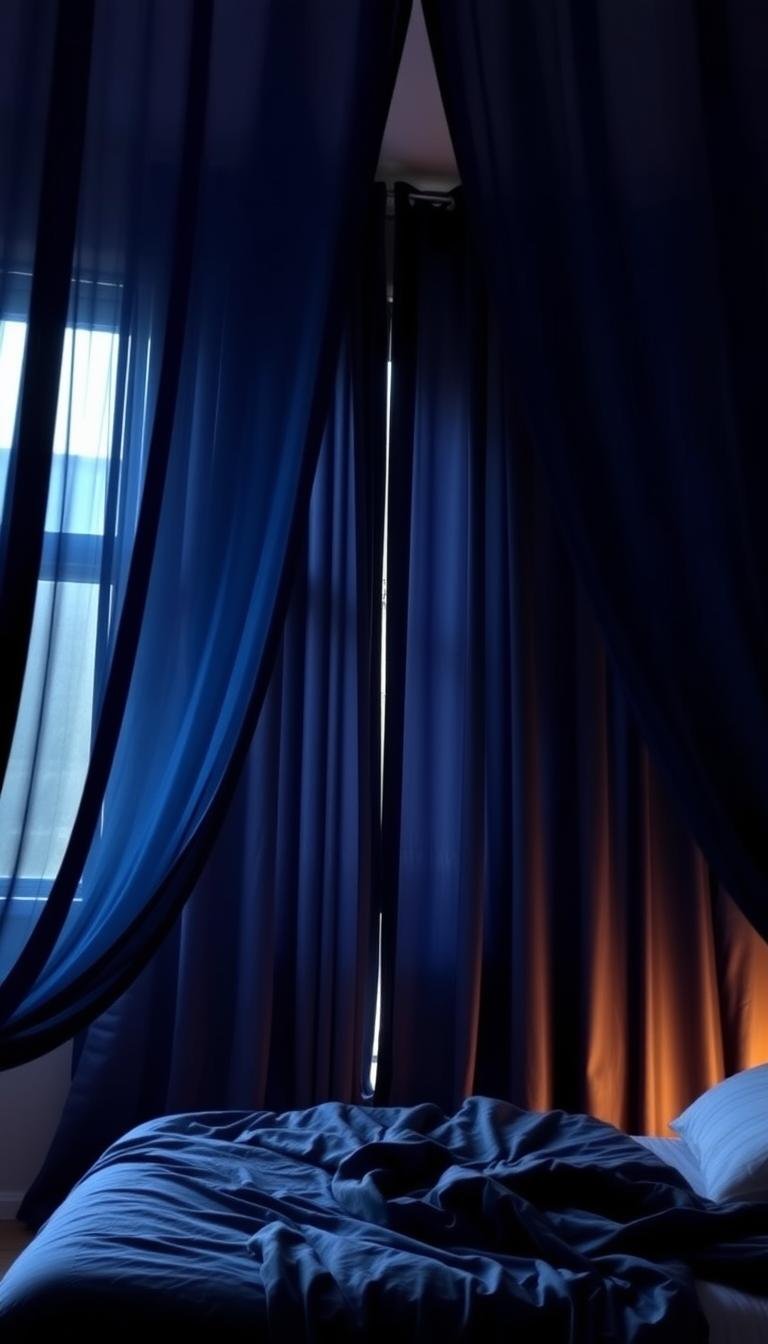
Welcome to your complete guide on choosing the perfect window treatments for your personal retreat. We’ll show you how the right selection can transform your entire sleeping environment.
Discover how a deep, rich color choice creates a sophisticated atmosphere in your personal space. This versatile shade works with many design styles from modern to classic.
You’ll learn practical considerations about fabric types and hanging options. We help you balance beauty with function in your room design.
Proper window treatments impact light control and energy efficiency. They create a cozy sanctuary that reflects your unique style.
Get ready to make informed decisions that enhance your daily comfort. Your bedroom should be a place of rest and rejuvenation.
Why Navy Blue Curtains Transform Your Bedroom’s Atmosphere
Imagine walking into your sleeping space and feeling an instant sense of peace. The right window treatment creates this experience through color psychology and visual effects. Deep blue window coverings work magic in personal sanctuaries.
The Psychology of Navy Blue in Interior Design
This rich, dark hue brings calm sophistication to any room. It acts as a grounding color that promotes feelings of security. Your bedroom becomes a comforting retreat from daily stress.
Dark shades create intimate, cocoon-like environments perfect for rest. They signal your brain to unwind and prepare for sleep. The psychological impact supports better relaxation and tranquility.
This timeless choice works beautifully with both warm and cool palettes. It complements wood tones, metallics, and various accent colors. You achieve a balanced look that feels both current and classic.
| Color Effect | Psychological Benefit | Room Impact |
|---|---|---|
| Grounding Presence | Creates Security | Enhanced Comfort |
| Light Absorption | Promotes Relaxation | Better Sleep Quality |
| Visual Depth | Reduces Anxiety | More Spacious Feel |
How Depth Perception Works with Dark Curtains
Dark window treatments create fascinating visual effects through light absorption. They make walls appear to recede, giving your space more dimension. This optical illusion can make smaller rooms feel surprisingly larger.
Strategic placement enhances your room’s architectural features. Hanging panels wider than the window frame expands the perceived width. Floor-length designs draw the eye upward, emphasizing height.
The play of light and shadow throughout the day adds dynamic interest. Morning light creates soft glows while evening brings cozy intimacy. You enjoy a constantly evolving atmosphere that never feels static.
This intelligent use of color and light transforms ordinary spaces. You create a bedroom that feels both expansive and intimate. It becomes your perfect personal retreat for relaxation and rejuvenation.
Understanding Different Curtain Fabrics: Cotton, Linen, Velvet and More
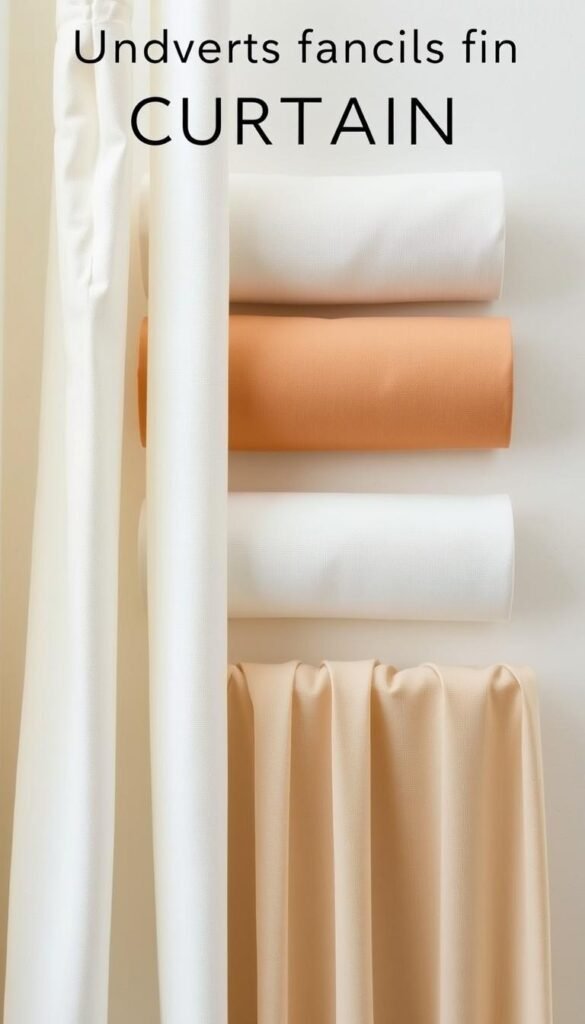
Selecting the perfect material for your window treatments makes all the difference in your bedroom’s comfort and style. Each fabric offers unique benefits that affect light control, temperature regulation, and overall atmosphere.
Your fabric choice determines how your space feels throughout the day and night. From casual elegance to luxurious opulence, the right material elevates your entire room design.
The Classic Appeal of Cotton Navy Curtains
Cotton remains a popular choice for its exceptional durability and easy maintenance. These window treatments withstand daily use while maintaining their beautiful appearance.
Natural insulating properties help regulate your bedroom’s temperature year-round. Cotton curtains provide reliable light filtering while ensuring your privacy.
Canvas fabric’s natural strength means these curtains handle more than occasional tugging. They offer UV protection and room darkening capabilities for better sleep.
Linen Curtains for a Natural, Airy Feel
Linen creates a breezy, natural atmosphere that feels both relaxed and sophisticated. This breathable material works perfectly in various climates and seasons.
Your bedroom gains a light, airy quality that promotes relaxation and comfort. Linen curtains age beautifully, developing a soft texture that adds character.
The natural weave allows gentle light filtration while maintaining privacy. You enjoy a space that feels connected to nature yet perfectly comfortable.
Velvet Options for Ultimate Luxury and Warmth
Velvet brings exceptional luxury and warmth to your personal sanctuary. Its dense pile creates superior insulation and sound absorption.
Experience ultimate light-blocking capabilities for complete darkness when desired. These panels provide excellent UV protection for your furniture and flooring.
The rich texture adds opulence to any bedroom decor scheme. Velvet’s natural elegance creates a sophisticated atmosphere that feels both cozy and luxurious.
| Fabric Type | Main Benefits | Maintenance Level | Best For |
|---|---|---|---|
| Cotton | Durability, Easy Care, Temperature Control | Low | Everyday Use, Family Homes |
| Linen | Breathability, Natural Look, Soft Aging | Medium | Relaxed Elegance, Warm Climates |
| Velvet | Luxury Feel, Maximum Darkness, Sound Absorption | High | Formal Spaces, Light Sensitivity |
Consider your lifestyle and bedroom needs when selecting your ideal fabric. Each material offers distinct advantages that enhance your space differently.
Your final choice should reflect both your practical requirements and personal style preferences. The right fabric transforms your windows into beautiful, functional elements of your bedroom design.
Light Control Features: From Room Darkening to Blackout
Your window treatments play a crucial role in managing illumination levels throughout the day. Different fabrics and linings offer varying degrees of light management for your sleeping environment.
Understanding these options helps you create the perfect atmosphere for relaxation and rest. You can choose between gentle filtering, partial blocking, or complete darkness.
What Room Darkening Curtains Actually Do
Room darkening options reduce significant light penetration while maintaining some ambient glow. These panels use medium-weight fabric with special linings to achieve this effect.
You enjoy comfortable daytime use without complete darkness. The space remains usable while reducing glare on screens and surfaces.
These window treatments often come with insulating properties and UV protection. They help maintain room temperature while protecting your furnishings from sun damage.
Complete Blackout Options for Maximum Darkness
True blackout panels provide total light blockage for uninterrupted sleep. Specialized linings and dense fabric constructions create this effect.
A navy faux linen curtain panel can block up to 98% of light. This creates ideal conditions for shift workers or those sensitive to morning light.
Beyond darkness, these options offer enhanced energy efficiency. They help reduce heating and cooling costs throughout the year.
Light Filtering Choices for Soft Ambient Light
Light filtering curtains allow soft natural illumination to enter your space. They create a gentle morning atmosphere while maintaining privacy.
Different fabrics and weaves affect how much light passes through. Lighter materials with open weaves provide the most filtration.
You can combine these with other window treatments for flexible control. Layered approaches work well for changing needs throughout the day.
| Light Control Type | Light Blockage Percentage | Best Time of Use | Additional Benefits |
|---|---|---|---|
| Light Filtering | 20-40% | Daytime | Privacy Maintenance, Soft Glow |
| Room Darkening | 60-80% | Evening/Nap Time | UV Protection, Insulation |
| Complete Blackout | 95-100% | Nighttime/Sleep | Energy Efficiency, Total Darkness |
Consider your bedroom’s orientation and personal sleep preferences when choosing. East-facing rooms might need stronger light control for morning sleep.
Your final selection should balance practical needs with aesthetic preferences. The right choice enhances both your sleep quality and room decor.
Navy Blue Curtains That Add Depth to Bedrooms: Your Style Guide

Your window treatments become the finishing touch that pulls your entire bedroom together. The right selection creates harmony between your walls, furniture, and accessories.
This guide helps you navigate color variations and pattern choices. You’ll create a space that reflects your personal taste while maximizing visual impact.
Choosing the Right Shade of Navy for Your Space
Dark blue comes in many beautiful variations that work differently in various settings. From deep midnight tones to brighter cobalt shades, each creates a unique mood.
Consider your room’s natural light when selecting your perfect hue. North-facing rooms benefit from warmer navy tones with subtle brown undertones.
South-facing spaces can handle cooler, brighter blues without feeling too dark. These shades maintain their richness even in abundant sunlight.
Look at your existing wall color and furniture finishes before deciding. Warm wood tones pair beautifully with navy shades containing red or purple undertones.
Cool gray walls work best with blue curtains having green or gray bases. This creates a sophisticated, coordinated look throughout your space.
Pattern vs. Solid: Creating Visual Interest
Patterned window treatments add personality and movement to your bedroom design. They create focal points that draw the eye and add dimension to your walls.
Large-scale patterns make a bold statement in spacious rooms. They become the main attraction in your decor scheme.
Smaller patterns work well in cozier spaces where you want subtle interest. They add texture without overwhelming the room.
Solid panels provide a clean, unified background for your other decor elements. They allow your bedding and artwork to take center stage.
Consider mixing patterns if you enjoy a more eclectic style. Pair patterned curtains with solid bedding for balanced visual appeal.
Current trends include traditional damask designs and modern geometric patterns. Navy and gold damask panels offer timeless elegance with room-darkening benefits.
Your pattern choice affects how large your room appears. Vertical patterns enhance height perception while horizontal designs widen spaces.
Remember that patterns can either emphasize or minimize your window’s importance. Choose based on whether you want your windows to stand out or blend in.
Measuring Your Windows for Perfect Curtain Fit
Getting the right measurements transforms your window treatment project from frustrating to fantastic. Proper sizing ensures your panels hang beautifully and function perfectly in your space.
Taking accurate measurements before shopping saves time and prevents returns. You’ll create a custom look that enhances your room’s architecture.
Standard Sizing Guidelines for Bedroom Windows
Most bedroom openings follow common dimension patterns. Understanding these standards helps you find ready-made solutions.
Typical bedroom windows measure between 36-48 inches wide. Standard heights range from 48-60 inches from sill to top.
Ready-made panels usually come in these common lengths:
- 63 inches for sill-length coverage
- 84 inches for apron-length style
- 96 inches for floor-length elegance
- 108 inches for dramatic puddling effects
The range of available lengths ensures you’ll find the right fit for everything from kitchen windows to dramatic floor-to-ceiling installations.
Custom Measurement Tips for Odd-Sized Windows
Non-standard openings require special attention to detail. These techniques ensure perfect results for unique window shapes.
Always measure width at top, middle, and bottom. Record the smallest measurement for guaranteed clearance.
For length, measure from your chosen rod position to your desired endpoint. Add extra inches for hem allowance and hanging hardware.
Consider stack back space when planning rod placement. This refers to how much wall space the curtains need when open.
For arched or bay windows, create a paper template first. This helps visualize the final treatment before purchasing materials.
| Measurement Type | How to Measure | Why It Matters | Common Mistakes |
|---|---|---|---|
| Width | Measure across glass area plus frame | Determines coverage and fullness | Forgetting to account for trim |
| Length | From rod position to endpoint | Affects visual proportions | Not considering floor clearance |
| Stack Back | Space needed when open | Impacts furniture placement | Underestimating fabric bulk |
| Hardware Allowance | Add 2-4 inches for brackets | Ensures proper operation | Measuring only window, not wall space |
Always double-check your numbers before finalizing your order. Remember that different hanging styles affect your final measurements.
Your careful attention to detail results in professional-looking window treatments. Perfect fitting panels enhance both your room’s beauty and functionality.
Installation Options: Grommets, Rod Pockets, and Beyond
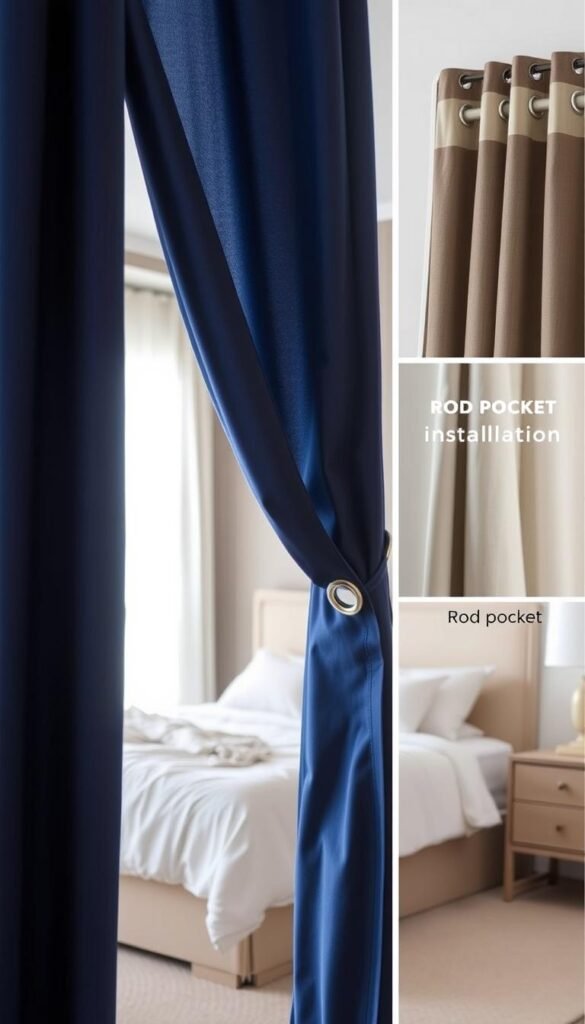
Your window treatment’s header style affects both appearance and daily operation. Different installation methods offer unique benefits for your bedroom’s functionality and design.
Understanding these options helps you make the best choice for your home. You’ll find the perfect balance between ease of use and visual appeal.
Each header type creates a distinct look and feel for your space. Some styles offer modern simplicity while others provide traditional elegance.
Your selection impacts how easily you can open and close your window coverings. Consider your daily routine and personal preferences when deciding.
Grommet Top Curtains for Modern Ease
Grommet top panels feature metal rings sewn directly into the fabric header. This creates a clean, contemporary look that works well in modern bedrooms.
These window treatments glide smoothly along your rod with minimal effort. The large rings allow for easy movement even with heavier fabrics.
Ring spacing affects how your curtains gather when open. Closer spacing creates more uniform folds while wider spacing offers a relaxed drape.
Standard grommet sizes range from 1.5 to 2 inches in diameter. Ensure your rod diameter matches the grommet size for proper fit and function.
Traditional Rod Pocket Styles
Rod pocket headers feature a sewn channel that slides directly onto your curtain rod. This classic choice creates soft, gathered folds that add warmth to any room.
Installation requires threading the rod through the fabric tunnel. The resulting fullness creates a cozy, traditional appearance perfect for classic decor.
Pocket diameter should be approximately one inch wider than your rod. This allows smooth movement while maintaining the curtain’s elegant drape.
These styles work best with lighter to medium-weight fabrics. Heavy materials may not gather as nicely and could be difficult to move.
Tab Top and Back Tab Options
Tab top designs feature fabric loops attached to the header’s top edge. These create a casual, relaxed look ideal for informal bedroom styles.
Back tab versions hide the loops behind the curtain’s front panel. This maintains a clean appearance while offering easy operation.
Both options allow for quick installation and removal when cleaning. The spaced tabs create gentle folds that add texture to your window treatment.
Consider tab length when selecting these styles. Longer tabs create more space between the rod and curtain for a floating effect.
| Header Style | Ease of Use | Visual Appearance | Best Rod Type |
|---|---|---|---|
| Grommet Top | Very Easy | Modern, Clean Lines | Decorative Rods |
| Rod Pocket | Moderate | Traditional, Full Gathers | Standard Round Rods |
| Tab Top | Easy | Casual, Relaxed Drape | All Rod Types |
| Back Tab | Easy | Clean, Hidden Hardware | All Rod Types |
Your header choice affects light control and insulation properties. Tighter weaves and closer fits reduce drafts and improve energy efficiency.
Consider how each style works with your existing hardware system. Some options require specific rod types for proper installation and function.
The right installation method enhances both your room’s beauty and practicality. You create window treatments that look beautiful and work perfectly for your needs.
Energy Efficiency Benefits of Quality Curtains
Your window treatments do more than just look beautiful. They provide practical advantages that improve your daily comfort while saving money. Understanding these benefits helps you make smarter choices for your home.
Well-chosen window coverings create a more comfortable living environment. They help maintain ideal temperatures while protecting your belongings from sun damage. This investment pays off through lower utility bills and longer-lasting decor.
How Curtains Help with Temperature Regulation
Quality window treatments act as insulation barriers for your windows. They reduce heat transfer between your room and the outside environment. This natural regulation keeps your space more comfortable year-round.
During winter months, thick panels prevent warm air from escaping through glass surfaces. In summer, they block heat from entering, reducing cooling needs. You enjoy consistent temperatures without constantly adjusting your thermostat.
Different materials offer varying levels of thermal protection. Heavier fabrics like velvet provide superior insulation compared to lighter options. The right choice depends on your climate and personal comfort preferences.
Proper usage throughout the day maximizes these benefits. Close them during extreme temperatures and open when conditions are mild. This simple practice significantly improves your home’s energy performance.
UV Protection for Your Furniture and Flooring
Sunlight causes gradual fading and damage to your valuable possessions. Quality window coverings filter harmful ultraviolet rays before they reach your interior. This protection preserves your investment in furniture, artwork, and flooring.
Specialized linings enhance this protective capability. Some fabrics include built-in UV blocking technology. These treatments significantly reduce fading without compromising style.
Dark-colored panels naturally absorb more light than lighter alternatives. They provide excellent protection while creating the sophisticated look you desire. Your decor maintains its original beauty for years longer.
Consider your room’s sun exposure when selecting protection levels. South-facing windows need stronger defense than north-facing installations. Match your window treatment to your specific needs.
| Protection Feature | Benefit Level | Best Fabric Types | Cost Savings |
|---|---|---|---|
| Thermal Insulation | Reduces energy costs by 15-25% | Velvet, Canvas, Blackout | $50-150 yearly savings |
| UV Protection | Blocks 85-99% harmful rays | Lined Panels, Special Weaves | Preserves $1000+ in furnishings |
| Air Infiltration Reduction | Minimizes drafts around windows | Heavy Materials, Proper Fit | Improves overall comfort |
| Light Control | Manages heat gain from sunlight | Room Darkening, Blackout | Reduces cooling needs |
Your selection impacts both immediate comfort and long-term savings. Quality materials provide better performance than budget options. Consider this when making your final decision.
These practical benefits complement the aesthetic appeal of your window treatments. You create a space that looks beautiful while functioning efficiently. This combination enhances your overall living experience.
Coordinating Navy Curtains with Your Existing Decor
Your window treatments should blend beautifully with your current bedroom elements. The right coordination creates a harmonious space that feels both intentional and inviting.
Navy canvas panels work with numerous color schemes and design approaches. They serve as versatile anchors that pull your entire room together.
Color Palette Combinations That Work
Crisp white creates a fresh, nautical feeling that feels both classic and current. This combination brightens your space while letting the rich blue shine.
Metallic accents add instant luxury to your sleeping environment. Gold, silver, or bronze details create sophisticated contrast against the deep blue background.
Natural wood tones bring warmth and organic balance to your design. Lighter woods create striking contrast while darker stains offer subtle elegance.
Complementary color schemes make your window treatments stand out beautifully. Contrasting wall colors create dramatic backdrops for your panels.
Consider your existing furniture and flooring when selecting accents. Your final palette should feel cohesive throughout the entire room.
Mixing Textures for Dimension and Interest
Texture mixing adds visual depth without overwhelming your senses. Combine smooth and rough elements for balanced appeal.
Different curtain fabrics create their own textural statements. Heavy weaves contrast beautifully with sleek furniture surfaces.
Balance is key when combining various materials. Too many textures create chaos while too few feel flat and uninteresting.
Texture affects how light interacts with your navy panels. Rough surfaces absorb light while smooth ones reflect it.
Professional designers often use the 60-30-10 rule for texture distribution. Sixty percent dominant texture, thirty percent secondary, and ten percent accent.
Your final design should feel cohesive and intentionally layered. Each textural element should complement rather than compete with others.
Layering Techniques for Maximum Impact
Elevate your bedroom’s style and function with creative window treatment combinations. Layering different elements creates a custom look that adapts to your changing needs throughout the day.
This approach offers both practical benefits and visual appeal. You gain flexibility in light control while adding depth to your room’s design.
Discover how simple additions transform your windows into stunning focal points. These techniques work with various decor styles and room sizes.
Pairing with Sheer Curtains
Combine your main panels with lightweight sheers for beautiful versatility. This duo provides daytime privacy while welcoming natural illumination.
Sheer fabrics filter harsh sunlight into soft, gentle glow. They maintain airy openness when your heavier treatments remain open.
Choose complementary colors that enhance rather than compete. Neutral sheers work beautifully with richer, darker main panels.
Install double rods to accommodate both layers comfortably. This setup allows independent operation of each treatment type.
Consider opacity levels when selecting your sheer material. Some options offer more privacy while others maximize light transmission.
Using Valances and Cornices
Top treatments provide finishing touches that complete your window’s appearance. They conceal hardware while adding architectural interest.
Valances offer soft, fabric-based solutions in various styles. From tailored designs to relaxed swags, they frame your window beautifully.
Cornices create structured, upholstered looks that make windows appear larger. These fixed treatments add substantial visual weight and elegance.
Match your top treatment to your overall decor theme. Modern spaces suit clean-lined cornices while traditional rooms embrace fabric valances.
Consider proportion when selecting these accent pieces. They should complement rather than overwhelm your window’s scale.
“Layered window treatments offer the perfect balance of beauty and function, allowing homeowners to adapt their space to changing light conditions throughout the day.”
Combine both techniques for ultimate impact. Use sheers for light filtering and top treatments for polished completion.
Your windows become dynamic design elements that serve multiple purposes. They provide privacy, light control, and visual interest simultaneously.
Experiment with different combinations until you find your perfect match. The right layers transform ordinary windows into extraordinary design features.
Maintenance and Care for Long-Lasting Beauty
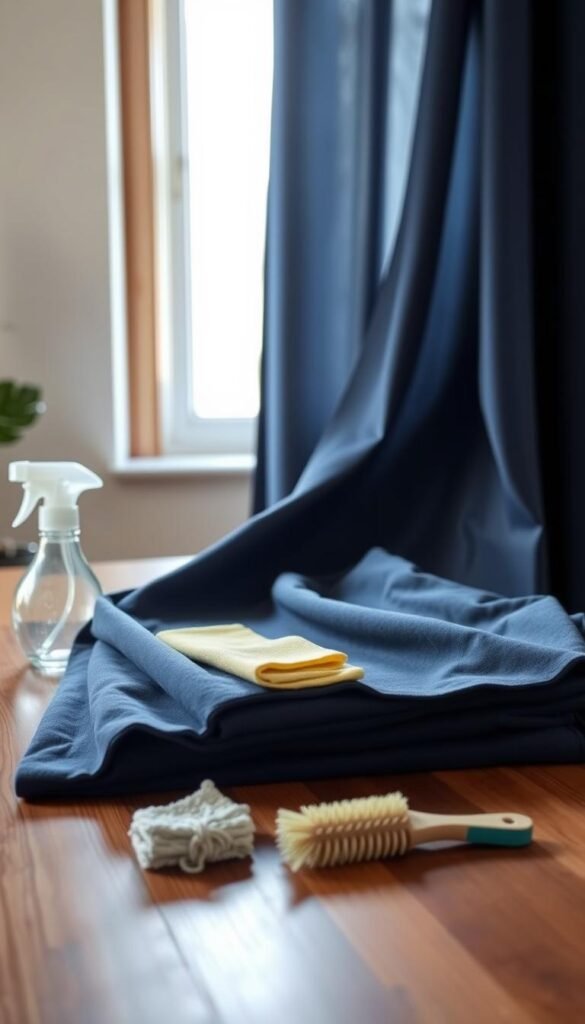
Keeping your window treatments looking fresh requires simple yet effective care routines. Proper maintenance preserves both appearance and function for years of enjoyment.
Different materials need specific cleaning approaches. Understanding these methods helps you protect your investment while maintaining beautiful style.
Cleaning Different Fabric Types
Machine-washable options like cotton offer convenient care. Use cold water and mild detergent for best results. Always check manufacturer labels before washing.
Line drying prevents shrinkage and maintains fabric integrity. Avoid high heat settings that might damage fibers or affect color.
Delicate materials like velvet require professional cleaning. Dry cleaning preserves texture and prevents crushing of delicate piles.
Spot cleaning works well for minor stains on most materials. Use gentle cleaners and test on hidden areas first.
Regular Maintenance Tips
Regular vacuuming prevents dust buildup between cleanings. Use brush attachments on low suction settings.
Steaming removes wrinkles without direct heat contact. This method works well for most fabric choices.
Proper storage protects seasonal rotations. Fold clean, dry panels and store in breathable containers.
Address common issues like fading with UV-protective sprays. These treatments help maintain rich color.
| Fabric Type | Cleaning Method | Frequency | Special Considerations |
|---|---|---|---|
| Cotton/Canvas | Machine Wash Cold | Every 3-6 months | Line Dry, Low Iron |
| Linen | Professional Cleaning | Every 6-12 months | Avoid Wrinkling |
| Velvet | Dry Clean Only | Annually | Brush Pile Gently |
| Lined Panels | Spot Clean | As Needed | Check Lining Compatibility |
Consistent care maintains your window treatment’s performance. Proper cleaning ensures continued light control and insulation benefits.
Your maintenance routine should match your lifestyle and home environment. Regular attention keeps your space looking beautiful and functioning perfectly.
Where to Shop: Retail Options and Considerations
Finding the perfect window treatments involves choosing where to make your purchase. Different shopping methods offer unique advantages for your home project.
Your decision affects selection, convenience, and final satisfaction. Understanding these options helps you make the best choice for your needs.
Online vs. In-Store Shopping Benefits
Online shopping provides incredible variety at your fingertips. You access countless styles and colors from the comfort of home.
Many retailers offer free shipping on curtain orders. This makes trying different options more affordable.
Digital stores often provide detailed size charts and measurement guides. You can confidently select the right fit for your windows.
In-person shopping lets you examine fabric quality firsthand. You feel textures and see true colors under your own lighting.
Physical stores offer immediate assistance from knowledgeable staff. They help answer specific questions about installation and care.
Understanding Shipping and Return Policies
Shipping considerations greatly impact your shopping experience. Timeframes vary between standard and expedited options.
Look for protective packaging that prevents damage during transit. Well-packed items arrive in perfect condition.
Return policies become crucial for window treatments. Color variations might look different in your space than online.
Size discrepancies require flexible exchange options. The right policy protects your investment.
International shipping involves additional considerations. Customs fees and delivery times affect your decision.
“A generous return policy is essential for curtain purchases, as colors and textures can appear dramatically different in various lighting conditions.”
| Shopping Method | Key Advantages | Considerations | Best For |
|---|---|---|---|
| Online Retailers | Wider selection, convenience, often free shipping | Color accuracy, return shipping costs | Those with precise measurements |
| Local Stores | See products in person, immediate assistance | Limited selection, higher prices | First-time buyers, custom needs |
| Specialty Boutiques | Expert advice, unique options | Higher cost, longer lead times | Specific style preferences |
| Major Chains | Competitive pricing, easy returns | Generic selections, limited help | Budget-conscious shoppers |
Evaluate retailer reputation before making your purchase. Read customer reviews and check business ratings.
Warranty options protect your investment in quality window treatments. Understand coverage terms and duration.
Your shopping choice should balance convenience with confidence. The right retailer ensures complete satisfaction.
Budgeting for Your Curtain Project

Smart financial planning makes your window treatment dreams achievable. Understanding costs helps you create beautiful results without overspending.
Your investment should balance quality with practical considerations. The right approach gives you lasting satisfaction.
Price Ranges for Different Quality Levels
Ready-made panels offer the most affordable starting point. Basic cotton options begin around $20-40 per panel.
Mid-range selections provide better materials and construction. These typically cost $50-100 each with improved features.
Premium custom treatments represent the highest investment level. These often range from $150-400 per panel depending on specifications.
Consider these typical price brackets:
- Budget-friendly: $20-50 per panel
- Mid-range: $60-120 per panel
- High-end: $150-400+ per panel
Your fabric choice significantly impacts final costs. Natural materials like linen cost more than synthetic blends.
Where to Invest and Where to Save
Invest in quality materials for frequently used window treatments. Better fabrics last longer and maintain appearance.
Spend more on light control features if sleep quality matters. Blackout linings prove worth their extra cost.
Save on decorative elements that serve mainly visual purposes. Simple hardware can look elegant without high prices.
Consider these smart spending strategies:
- Invest in master bedroom treatments
- Save on guest room or less visible windows
- Choose ready-made options for standard sizes
- Opt for custom only for unusual openings
Hidden costs often include rods, installation, and alterations. Factor these into your total project budget.
| Investment Area | Recommended Priority | Potential Savings | Long-term Value |
|---|---|---|---|
| Fabric Quality | High | Medium | Durability, Appearance |
| Light Control | High | Low | Sleep Quality, Energy Savings |
| Hardware | Medium | High | Function, Ease of Use |
| Custom Work | Variable | High | Perfect Fit, Unique Look |
Timing your purchase during sales events brings significant savings. Many retailers offer seasonal promotions.
Consider phasing your project if working with limited funds. Start with most important windows first.
Quality treatments provide better value through years of service. They maintain appearance and function beautifully.
Your final choice should reflect both immediate needs and long-term plans. Create a space you’ll love for years.
Common Mistakes to Avoid When Choosing Curtains
Making smart decisions about window treatments saves you time, money, and frustration. Knowing common pitfalls helps you create the perfect look for your space.
Simple errors in measurement, fabric selection, or style coordination can undermine your entire design. We’ll guide you through avoiding these frequent missteps.
Measurement Errors
Incorrect measurements create both functional and visual problems. Panels that are too short look awkward and offer poor light control.
Windows that are too wide for standard panels leave gaps at the edges. This reduces privacy and insulation benefits.
Always measure both width and height in multiple places. Record the smallest measurement to ensure proper coverage.
Forgetting to account for hardware placement is another common error. Rods installed too close to the window frame limit proper stacking.
Fabric Misunderstandings
Choosing materials unsuitable for your climate leads to discomfort. Heavy velvet in warm regions makes rooms feel stuffy.
Light linen in cold areas provides poor insulation. Match your fabric choice to your local weather patterns.
Many people misunderstand light control capabilities. Not all dark fabrics offer true blackout protection.
Special linings determine actual performance. A room darkening curtain needs proper construction to work effectively.
Care requirements often get overlooked. High-maintenance fabrics frustrate busy homeowners.
Style Mismatches
Selecting treatments that clash with your existing decor creates visual discord. The right choice should complement your room’s overall aesthetic.
Scale issues frequently occur with pattern selection. Large prints overwhelm small spaces while tiny patterns get lost in large rooms.
Color coordination mistakes make spaces feel disjointed. Your window treatment should work with your wall color and furnishings.
Installation errors compromise both function and appearance. Poorly hung panels never operate smoothly or look quite right.
| Mistake Category | Common Error | Consequence | Prevention Tip |
|---|---|---|---|
| Measurement | Measuring only glass area | Gaps at edges, poor coverage | Measure frame to frame |
| Fabric Choice | Ignoring climate factors | Poor temperature control | Consider seasonal needs |
| Light Control | Assuming color equals darkness | Insufficient room darkening | Check lining specifications |
| Style Coordination | Mismatching existing decor | Visual inconsistency | Bring fabric samples home |
| Budget Planning | Forgetting hardware costs | Project over budget | Price complete system |
Budget mistakes often involve underestimating total project costs. Rods, rings, and installation add significant expenses.
Timing errors lead to rushed decisions or improper planning. Allow enough time for research and potential custom orders.
Thorough research prevents most common problems. Understanding your options ensures satisfaction with your final choice.
Your window treatments should enhance your space for years. Avoiding these mistakes creates lasting beauty and function.
Transform Your Space with Confidence
You now possess all the knowledge needed to make excellent window treatment decisions. Your careful selections will create a more comfortable and beautiful personal retreat.
Enjoy multiple benefits from your well-chosen panels. These include better sleep quality, energy savings, and enhanced visual appeal.
Feel empowered to select fabrics, styles, and functions that match your specific needs. Your investment brings long-term value and daily satisfaction.
Embrace the excitement of creating your ideal environment. Your space will gain the dimension and elegance you desire.
You’re ready to shop with clarity and avoid common mistakes. Transform your room into a sanctuary that perfectly balances style and function.