Creating a special place for your daughter can feel like a big project. You want her room to be both pretty and practical. It should grow with her through all those important years.
Good planning makes all the difference. Smart placement turns even a small area into a cozy, organized haven. This space can truly reflect her unique spirit.
We’ll share tips from design experts and experienced parents. You’ll learn how to build a foundation that lasts. Simple changes can create a dreamy retreat she’ll adore for years to come.
Let’s explore how to make the most of your specific layout. Get ready to unlock the full potential of that special room!
1. Start With Smart Storage Solutions
Smart organization makes any area more enjoyable. When everything has its place, the whole environment feels calm and inviting. This approach works wonders in personal spaces.
Kaleidoscope Living shares a great tip: “A basic white bench seat can be dressed up with fun cushions and pillows and added baskets for hidden storage, creating a super cute reading nook with plenty of places to stash stuff.” This shows how clever solutions serve multiple purposes beautifully.
Good storage should be both practical and pretty. Kids need systems they can use themselves. This builds confidence and keeps their area tidy.
Think about what needs storing before choosing solutions. Different ages have different needs. The right approach grows with your child.
Bench Seats With Hidden Storage
These clever pieces solve two problems at once. They provide comfortable seating while hiding clutter inside. Add colorful cushions to make them extra cozy.
Use these benches for toys, books, or extra blankets. They create perfect reading spots when placed near windows. Children love having special places just their size.
Wall-Mounted Shelving Systems
Wall systems keep the floor clear for play and movement. They make small areas feel much larger and more open. Choose shelves at heights your child can reach easily.
Display favorite books and treasures on these shelves. They add personality while keeping important items accessible. This approach works well above desks or beds.
Under-Bed Storage Options
Don’t waste valuable space under sleeping areas. Roll-out drawers or bins fit perfectly in this spot. They’re ideal for seasonal clothes or extra bedding.
Choose containers that slide smoothly on carpet or hardwood. Label them clearly so everyone knows what’s inside. This keeps the whole room organized in a smart way.
| Storage Type | Best For | Age Recommendation |
|---|---|---|
| Bench Storage | Toys, books, blankets | 3+ years |
| Wall Shelves | Display items, frequently used things | 5+ years |
| Under-Bed Containers | Seasonal clothing, extra bedding | All ages |
For more creative organization tips, explore these bedroom organization ideas. You’ll find clever ways to make every inch count.
Remember: The best solutions match your child’s needs and personality. When storage works well, the whole room feels more peaceful and put together.
2. Create Focal Points With Wall Treatments
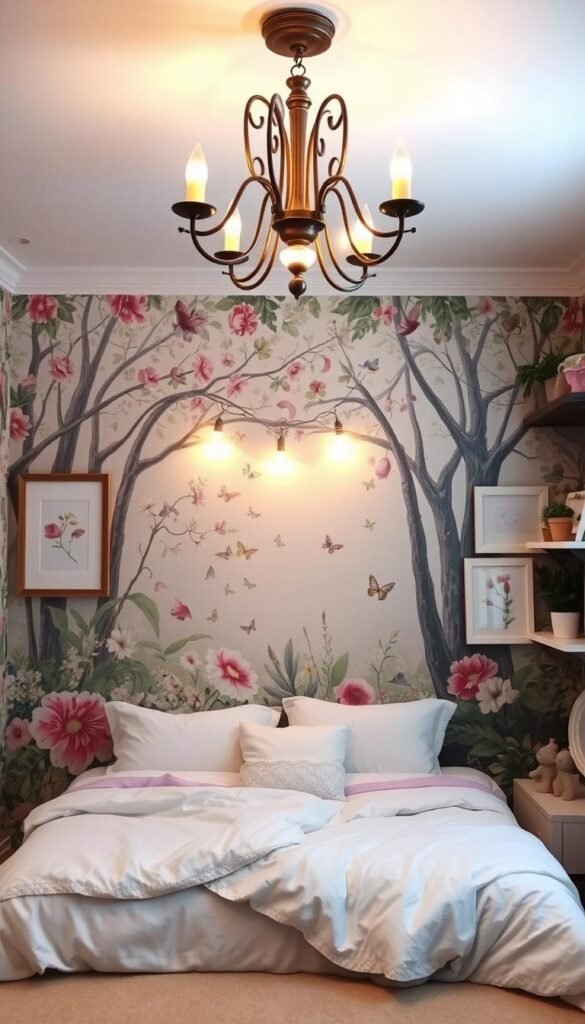
Your walls offer the perfect canvas for personal expression. They can transform the entire feel of a space without moving a single piece of furniture. The right wall treatment becomes the room’s stunning centerpiece.
Kaleidoscope Living shares this insight:
“Creating a stunning accent wall with a huge wall mural is a beautiful and easy way to fill a large blank space, add tons of color and fun to the room, and let your kid’s personality shine.”
Statement Wall Murals
Large murals create instant drama and visual interest. They turn plain surfaces into breathtaking works of art. Peel-and-stick options make installation simple and worry-free.
These removable murals allow for easy changes as tastes evolve. You can feature magical forests, sparkling skies, or favorite characters. The design possibilities are truly endless.
Inspirational Wall Quotes
Vinyl quotes add meaningful messages to your space. They personalize the room with favorite phrases and motivational words. Custom colors and fonts match your existing decor perfectly.
These decals create daily inspiration right at eye level. They’re perfect above beds, desks, or reading nooks. The quotes grow with your child through different life stages.
Bold Wallpaper Choices
Modern wallpaper makes a strong design statement. Amber Interior Design notes: “Floral wallpaper doesn’t have to be prissy or fussy – bold bright graphic prints paired with gingham and colorful decor create a dream room.”
Geometric patterns and thematic designs set the room’s overall tone. They establish the color scheme for all other elements. Today’s options are more versatile than ever before.
Wall treatments draw the eye upward, making rooms feel larger. They balance beautifully with simpler furniture arrangements. Choose designs that will remain appealing for years to come.
Your wall becomes the starting point for the entire room’s design. It showcases personality while creating a cohesive look. This approach makes decorating decisions much easier.
3. Maximize Space With Strategic Bed Placement
Where you position the sleeping spot transforms how the entire area functions. Smart placement creates more usable space while maintaining comfort and style. This decision impacts everything from play zones to traffic patterns.
Consider natural light sources and electrical outlets when planning. Good ventilation and easy access matter too. Always test different layouts before moving heavy pieces.
Against the Wall Layouts
Pushing the bed against the wall opens up valuable floor space. This creates a generous central area for play mats or additional seating. The arrangement feels intentional and organized.
This approach works particularly well in smaller rooms. It maximizes every square foot available. Children appreciate having clear zones for different activities.
Centered Between Windows
When windows are symmetrically placed, center the bed between them. This creates a beautifully balanced look that feels naturally right. “Flanking beds on either side of the window maintains perfect symmetry,” notes one design expert.
Natural light flows evenly on both sides of the sleeping area. You can add a window seat or dresser between the beds. The rug centers neatly below the window completing the harmonious effect.
Corner Arrangements
Corner placements make clever use of often-overlooked space. These cozy nooks feel intimate and secure, perfect for peaceful rest. They evoke nostalgic memories of childhood sleepovers.
This unconventional approach can actually create more walking space. It defines the sleeping zone distinctly from other areas. Corner beds make the room feel thoughtfully designed.
Remember to think about traffic flow between different zones. The right placement makes the whole room more functional and enjoyable. Your child will love their personalized sleeping sanctuary.
4. Incorporate Multi-Functional Furniture Pieces
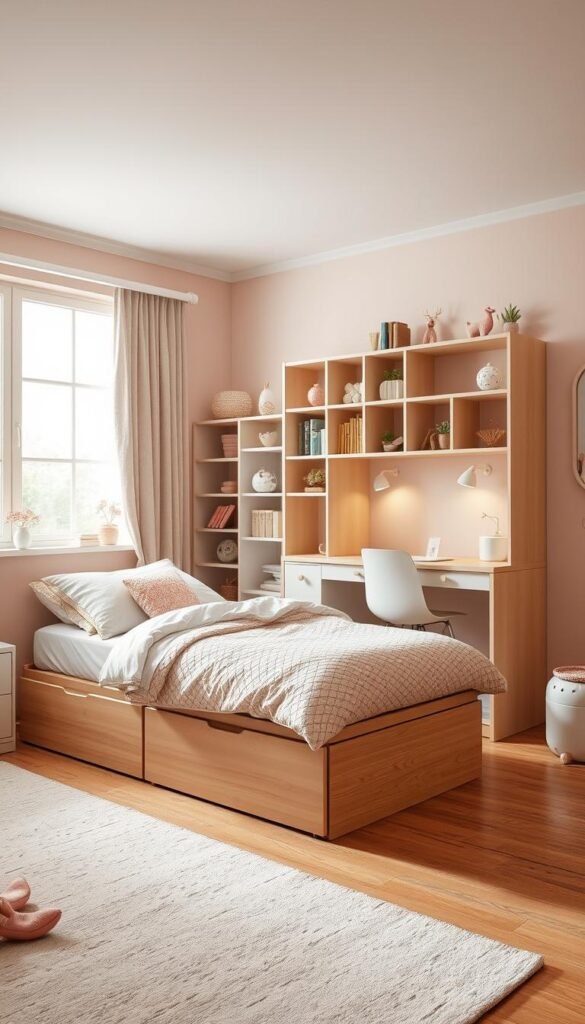
Versatile furnishings create more possibilities within limited square footage. These clever pieces serve multiple roles, making the most of every available inch.
They adapt to different activities throughout the day. A single item might transform from study space to play area to storage solution. This flexibility keeps the environment fresh and functional.
Desk and Bed Combinations
Integrated study spaces built directly into sleeping areas solve space challenges beautifully. These combinations keep everything your child needs within easy reach.
Look for designs with built-in shelving and drawers. This approach eliminates the need for separate pieces that consume valuable floor space. The integrated design feels intentional and organized.
Storage Ottomans and Benches
Kaleidoscope Living highlights their value: “Storage ottomans and benches provide additional seating while offering hidden storage space.” These pieces work triple duty in any layout.
They serve as extra seating, surface space, and concealed organization. Choose options with removable tops for easy access to stored items. The hidden compartment keeps personal things neatly tucked away.
Convertible Furniture Options
These adaptable selections grow alongside your child’s changing needs. A crib might transform into a toddler bed, then into a daybed. This approach offers excellent long-term value.
Daybeds serve dual purpose beautifully. They function as comfortable seating during daytime hours. In the evening, you can roll out the trundle for additional sleeping space.
Evaluate construction quality carefully. Durable materials withstand years of transformations and daily use. The best options maintain their beauty through multiple life stages.
Plan placement thoughtfully so each piece can serve its various purposes without constant rearrangement. Multi-functional furniture creates rooms that work smarter, not harder.
5. Design Cozy Reading Nooks and Study Areas
Every young person deserves a special spot just for quiet time and learning. These personal corners become favorite retreats for imagination and focus. They transform ordinary rooms into magical spaces for growth.
Kaleidoscope Living shares a wonderful insight: “Creating a space to encourage reading that is also cute is a favorite design + parenting hack. If you make it cute and comfy, they will want to snuggle up in it for hours!” This approach makes learning feel like a special treat rather than a chore.
“Reading nooks with fun canopies, cozy cushions, and accessible book storage encourage quiet time.”
These elements work together to create an inviting atmosphere.
The right setup makes these areas feel both functional and magical. Your child will naturally gravitate toward spaces designed with their comfort in mind.
Window Seat Reading Spaces
Window seats make perfect reading spots. They use natural light beautifully while offering comfortable built-in seating. Storage below keeps books and blankets neatly organized.
Add plush cushions and throw pillows for extra comfort. The outside view provides a peaceful backdrop for reading adventures. This setup creates a bright, cheerful area for daily enjoyment.
Dedicated Study Corners
Study areas need proper lighting and organizational systems. Choose spots with minimal distractions to support homework and creative projects. Good task lighting reduces eye strain during focused work.
Keep supplies within easy reach but neatly organized. Personal touches make the space specifically appealing to your daughter’s interests. This approach turns study time into something she actually looks forward to.
Closet Transformation Ideas
Extra reach-in closets can become magical hideaways. Kaleidoscope Living suggests transforming them into cozy bed nooks with added curtains. This makes the space feel extra special and private.
These converted areas work perfectly for reading or quiet play. Add soft lighting and comfortable floor cushions. The enclosed feeling creates a sense of security and wonder.
Remember to include both natural and artificial lighting in these areas. Sound absorption elements like rugs and curtains create quiet, focused environments. Your child will cherish these personalized retreats for years to come.
6. Choose the Right Bed Style for Your Space
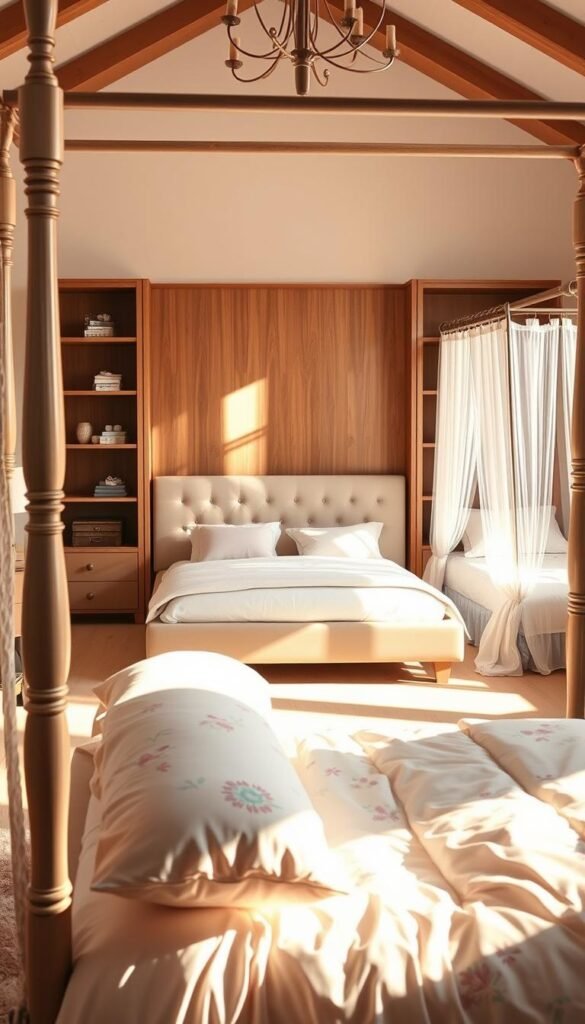
Your sleeping area becomes the heart of the room. It sets the tone for everything else. The perfect choice combines comfort, function, and personal flair.
Think about how the piece will fit your layout. Consider daily use and future needs. The right selection makes the whole space work better.
Standard Bed Options
Traditional frames offer timeless appeal and reliability. They come in many sizes from twin to full. Headboard designs range from simple to ornate.
Many include built-in drawers or shelves. This adds valuable storage without extra pieces. The classic look blends with any decor theme.
Measure your room carefully before choosing. Leave enough walking space around all sides. Proper proportions keep the area feeling balanced.
Bunk and Loft Beds
These smart designs save precious floor area. They free up room for play zones or study spots. One parent shares: “A loft bed above a full bed is the new type of bunk to get because it’s the perfect layout to grow with your kids.”
The upper level feels like a cozy fort during younger years. As children grow, it provides more foot space below. Always check safety features like sturdy rails and secure ladders.
Canopy Bed Designs
Nothing creates dreamy atmosphere quite like these. Ashley Webb Interiors notes: “Nothing will ever be more dreamy than a canopy bed. Added curtains create a romantic feel and will work wonders to block out the light.”
Drapes offer both privacy and light control. They transform the sleeping area into a magical retreat. The design works with modern or traditional room themes.
Match your selection to the overall room aesthetic. Think about long-term use as your child matures. The perfect bed becomes a cherished centerpiece for years.
7. Optimize Floor Space With Clever Arrangements
Smart planning transforms how your daughter’s personal area functions. The right layout makes even compact rooms feel spacious and organized. You can create an environment that supports both play and relaxation.
Amber Interior Design offers this perspective: “Just because it is a kids’ room does not mean it has to be filled with toys and bright colors. Keep it minimal with white walls and white bedding with soft pops of color, boho textiles, and natural textures.” This approach creates calm, inviting spaces.
“Make the most of small spaces by not filling the room with junk she doesn’t need – bare necessities can create a cozy haven.”
Thoughtful editing makes every item count.
Floating Furniture Concepts
Wall-mounted pieces create visual openness below them. They make cleaning simpler and prevent dust accumulation. This approach works beautifully for desks, shelves, and nightstands.
Choose pieces that mount securely to studs or proper anchors. Floating designs create modern, streamlined looks. They free up valuable floor area for other uses.
Minimalist Approaches
Focus on quality over quantity when selecting pieces. Each item should serve a clear purpose or bring joy. Regularly edit possessions to maintain this balance.
Light-colored pieces visually recede in the space. Transparent options like acrylic chairs maintain an airy feeling. These choices prevent the room from feeling crowded.
Zone-Based Layouts
Define clear areas for different activities within the room. Use rugs, lighting, and furniture placement to mark these zones. This organization helps everything feel intentional.
Create clear pathways between sleeping, playing, and study areas. This circulation makes the space feel larger and more functional. Your daughter will appreciate the logical flow.
| Layout Strategy | Key Benefit | Implementation Tip |
|---|---|---|
| Floating Furniture | Creates visual space and easier cleaning | Mount shelves and desks at proper height |
| Minimalist Editing | Reduces visual clutter and overwhelm | Seasonally reassess what stays and goes |
| Zone Planning | Defines functional areas clearly | Use area rugs to demarcate different zones |
Remember that needs change as your daughter grows. The best arrangements adapt over time. Regular reassessment keeps the space working perfectly for each stage.
8. Create Visual Interest With Color Schemes
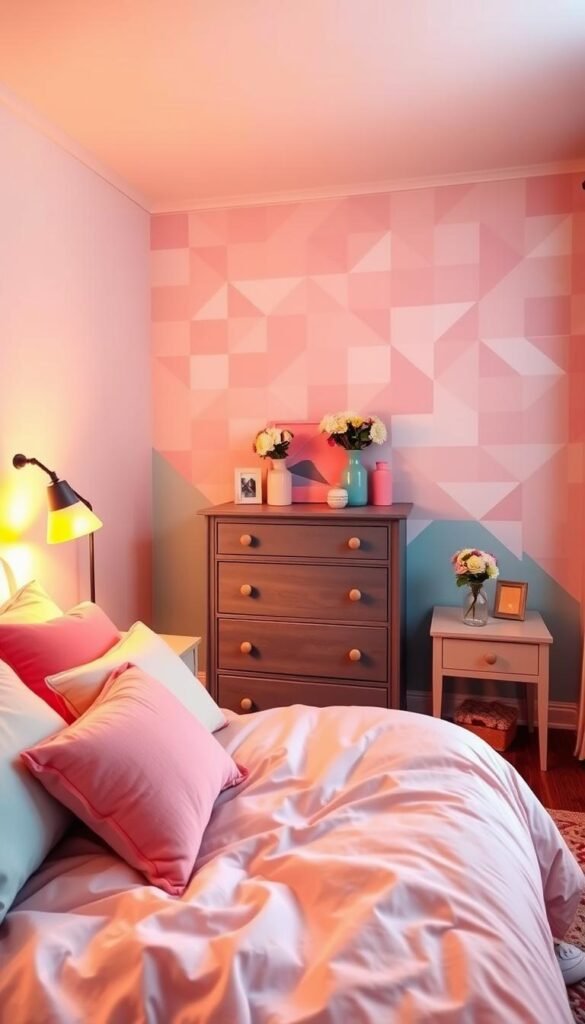
The right palette sets the entire mood of your space. Colors influence how we feel and interact with our surroundings. They create energy, calm, or joy depending on your choices.
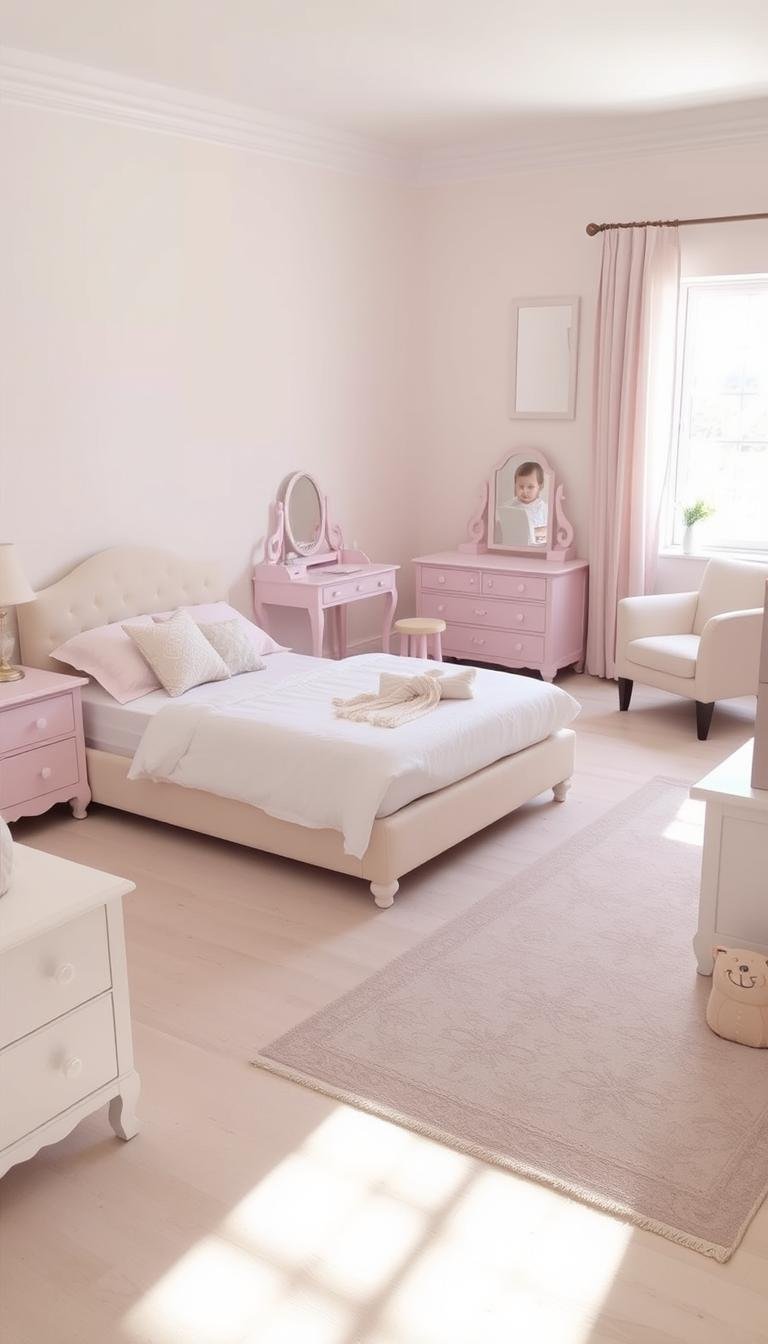
Jessica Et Cetera encourages bold approaches: “If you have a little girl who loves pink go all in! Pink is a super versatile color and you can mix shades from soft pastel blush to hot pink to coral.” This shows how one color family offers endless possibilities.
Monochromatic Pink Variations
Different pink tones create sophisticated depth. Combine soft blush with vibrant magenta accents. Add coral or rose gold for extra warmth.
This approach feels cohesive without being overwhelming. Use lighter shades on walls and darker tones in accessories. The layered effect creates visual interest while maintaining harmony.
Unexpected Color Combinations
Move beyond traditional expectations with creative pairings. The Home Edit suggests: “Unexpected color palettes mixing pale blue with bright pops of orange, turquoise and chartreuse create rooms fun for kids but still beautiful and well-designed.”
These combinations feel fresh and personal. They reflect unique tastes rather than standard formulas. Your space becomes truly one-of-a-kind.
Neutral Base With Pops of Color
Start with calming neutrals like white, gray, or beige. Then add vibrant accents through changeable elements. This foundation allows easy updates as preferences evolve.
Use colorful bedding, artwork, and accessories for personality. These items can rotate with seasons or moods. The core design remains timeless and flexible.
Consider how different hues affect energy levels in the room. Calming blues and greens work well in sleep areas. Energetic yellows and oranges brighten play spaces.
Test paint samples in actual lighting before deciding. Colors change dramatically throughout the day. Natural and artificial light both impact how shades appear.
| Color Strategy | Best For | Mood Created |
|---|---|---|
| Monochromatic Pink | Cohesive, layered look | Playful yet sophisticated |
| Unexpected Combinations | Personal expression | Creative and energetic |
| Neutral Base + Accents | Long-term flexibility | Calm with joyful touches |
Remember that color should serve the room’s function. The right palette makes the space feel exactly how you want it to. Trust your instincts when creating combinations that reflect personal style.
9. Incorporate Additional Seating Options
Extra places to sit transform how your daughter uses her personal retreat. These additions make the area perfect for both solo relaxation and social gatherings. They create an inviting atmosphere that welcomes friends and family.
Kaleidoscope Living shares this insight: “Teens spend lots of time in their bedrooms – add additional seating for when friends come over so everyone is not crammed on the bed.” This approach keeps the space comfortable during group activities.
Small loveseats and chairs provide comfortable spots without dominating the floor. They offer proper seating that feels more intentional than just using the sleeping area. Choose pieces that fit the scale of your room perfectly.
Floor pillows and poufs deliver flexible options that move as needed. They can be arranged for movie nights or tucked away when not in use. These versatile pieces adapt to different activities throughout the day.
Small Loveseats and Chairs
Compact seating solutions like IKEA loveseats work beautifully in personal spaces. They provide comfortable spots for your daughter and her friends. A coffee table-turned-ottoman can serve as both footrest and extra seating.
These pieces create dedicated conversation areas within the room. They encourage social interaction without crowding the main sleeping area. The arrangement feels intentional and welcoming.
Floor Pillows and Poufs
These movable options offer incredible flexibility for different needs. They can be arranged for group activities or stacked when not required. Their lightweight design makes rearrangement simple.
Choose durable, easy-to-clean fabrics for everyday use. Patterns and colors can complement your existing decor. These pieces add personality while serving practical purposes.
Window Seat Cushions
Custom cushions transform window areas into cozy relaxation spots. They make these built-in features much more comfortable for reading or chatting. The right padding encourages your daughter to use this special space.
Consider storage ottomans that provide both seating and hidden organization. These multi-purpose pieces maximize functionality in compact areas. They keep the room tidy while offering extra places to sit.
| Seating Type | Primary Benefit | Best Placement |
|---|---|---|
| Small Loveseats | Dedicated conversation area | Against empty wall space |
| Floor Pillows | Flexible arrangement options | Central floor area |
| Window Cushions | Enhanced comfort feature | Window alcoves or bays |
Always consider traffic patterns when adding extra seating. The arrangement should feel natural and not obstruct movement. Your daughter will appreciate having options beyond just the sleeping area.
Choose pieces that complement the room’s overall scale. The right additions make the space feel complete without overwhelming it. These thoughtful touches create a welcoming environment for years to come.
10. Utilize Vertical Space Effectively
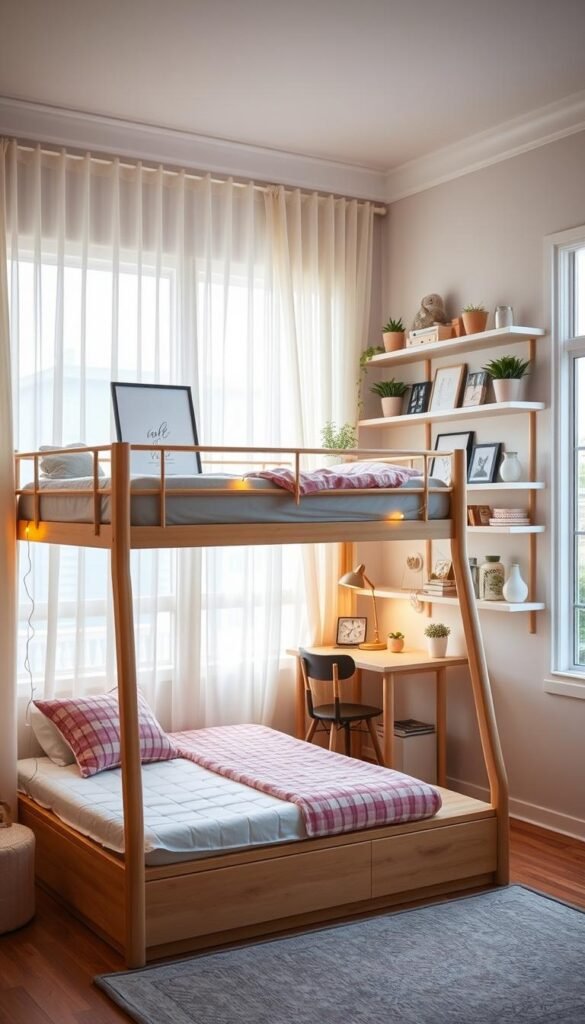
Looking upward opens new possibilities for organization and style. Your walls and ceiling offer untapped potential that can transform the entire area. This approach creates more function without sacrificing precious floor space.
Kaleidoscope Living shares this wisdom: “Wall-mounted bookshelves create spots for items instead of finding stuff willy-nilly all over the room, eliminating stacks on every surface.” This smart strategy keeps everything organized and accessible.
Wall-Mounted Storage
Floating shelves and systems keep floors completely clear. They provide perfect homes for books, treasures, and decorative pieces. Install them at different heights for visual interest.
Always check weight capacity and mounting security. Choose sturdy brackets that can handle daily use. This approach works beautifully above desks or beds.
Tall Bookcases and Shelving
Vertical units maximize storage without increasing footprint. They reach upward rather than spreading outward. This creates impressive capacity in compact areas.
Use these for books, display items, or organized bins. The tall design draws the eye upward naturally. It makes the whole space feel more intentional.
Ceiling Treatments and Decor
Don’t forget your fifth wall—the ceiling above you. House of Jade Interiors notes: “Adding wallpaper to the ceiling adds a total WOW moment to even a minimalist room design.” This unexpected touch creates dramatic impact.
Consider painted designs or subtle textures too. These treatments make rooms feel taller and more complete. They add personality without consuming any floor space.
Balance high elements with lower furnishings. This prevents the area from feeling top-heavy. The result is a beautifully layered look that works perfectly.
Vertical solutions keep surfaces clear and organized. They create display areas for special collections and artwork. Your daughter will love having her favorite things proudly shown.
11. Design for Different Age Groups
Your daughter’s personal space should evolve beautifully as she grows. Each stage brings new needs and preferences. Smart planning creates a foundation that adapts gracefully through the years.
Kaleidoscope Living shares this insight: “As your little one grows, her needs for her room and her tastes will change! Young girls’ rooms don’t have to be babyish or ‘themed’ – give your young girl a room with an elevated look that is designer worthy.” This approach ensures longevity in your design choices.
Little Girl Room Considerations
Safety comes first for younger children. Choose rounded corners and secure heavy pieces to walls. Accessible storage lets them reach toys and books independently.
Avoid overly juvenile themes that will quickly feel outdated. Instead, focus on playful elements that can mature. Think colorful rugs instead of character-themed wallpaper.
Create areas that encourage imagination and creativity. Low shelves display favorite books and art supplies. The space should feel magical yet practical for daily use.
Tween Transition Solutions
This bridge period requires flexible design thinking. Your child needs spaces that support emerging independence. Adaptable color schemes work better than fixed themes.
Involve your daughter in appropriate design decisions. She can choose accent colors or artwork selections. This collaboration makes the space truly hers.
Consider how technology integration might begin. Simple charging stations keep devices organized. The layout might need adjustment for more study time.
Teen Bedroom Requirements
Teens need spaces that balance study, socializing, and privacy. Create dedicated areas for homework and friend gatherings. Good lighting becomes essential for both tasks.
Personal expression takes center stage during these years. Gallery walls display photos and artwork they love. The room becomes a true reflection of their identity.
Technology needs expand during the teen years. Plan for adequate outlets and device storage. Consider screen-friendly lighting for evening use.
| Age Group | Key Design Focus | Adaptability Feature |
|---|---|---|
| Little Girl (2-7) | Safety, accessibility, play space | Convertible pieces, neutral walls |
| Tween (8-12) | Flexibility, emerging independence | Modular storage, adaptable color schemes |
| Teen (13+) | Study areas, social space, personal expression | Multi-functional zones, technology integration |
Remember that the best designs grow with your child. Choose quality pieces that can transition between stages. This approach saves money and maintains a cohesive look through the years.
Regularly reassess the room’s layout and function. Needs change as your daughter develops new interests. The space should always support who she is becoming.
12. Implement Shared Room Solutions
When sisters share a personal area, thoughtful design becomes extra important. You need to balance togetherness with individual space. Smart solutions create harmony while respecting each child’s needs.
Shared spaces can feel challenging at first. Good planning turns potential problems into beautiful opportunities. The right approach makes everyone feel comfortable and valued.
Side-by-Side Bed Arrangements
Placing beds parallel creates wonderful symmetry. This layout keeps one whole wall free for other uses. You can fit a dresser, desk, or shelves against that open space.
Shared nightstands between sleeping areas work beautifully. They provide convenient storage for both children. This arrangement maximizes open floor space for play and movement.
Built-In Bunk Systems
Custom bunk setups maximize vertical space beautifully. They create defined sleeping areas for each child. Built-in designs offer the ultimate space-saving solution.
Timeless elements like sconce lights add character. Rolling ladders provide safe access to upper levels. These systems work especially well in compact rooms.
Privacy Division Ideas
Every child needs moments of personal space. Creative divisions maintain togetherness while offering retreat options. Curtains or screens create temporary separation when needed.
Built-out walls with bold patterned wallpaper work wonderfully. The pattern makes divisions almost disappear when not in use. These solutions respect privacy without completely separating areas.
| Solution Type | Primary Benefit | Best For |
|---|---|---|
| Side-by-Side Beds | Maximizes open floor space | Wider rooms with good wall space |
| Built-In Bunks | Excellent vertical space utilization | Smaller rooms or height-friendly spaces |
| Privacy Dividers | Creates personal space within shared area | Children needing occasional separation |
Consider traffic flow between different zones. Each child should access their storage easily. The layout must support both shared activities and private moments.
Create individual storage for personal belongings. This reduces conflicts and maintains organization. Color-coded bins help everyone know what belongs where.
Use design elements to express each child’s personality. Different bedding styles or accent colors work well. The room should feel like it belongs to both children equally.
Plan for flexibility as needs change over time. Children grow and their privacy requirements evolve. The best solutions adapt gracefully through different stages.
13. Add Personality With Decorative Elements
The final layer of personality transforms a room from functional to fabulous. These finishing touches make the space feel complete and uniquely hers. They add that special spark that turns a bedroom into a personal sanctuary.
Thoughtful accessories and accents tell your daughter’s story. They showcase her interests and create daily joy. The best decorative choices balance beauty with practical function.
Gallery Wall Displays
Create dynamic visual interest with carefully arranged collections. Kaleidoscope Living suggests: “Gallery walls with bright art bring in color and fun – you can hang art with adhesive dots for a casual wallpaper vibe or use frames for a more finished look.”
Mix photographs, artwork, and personal memorabilia for depth. Arrange pieces in cohesive groupings that tell a story. This approach creates a focal point that evolves over time.
Use removable hanging systems for flexibility. Your daughter can easily swap pieces as her tastes change. The display remains fresh and current through different stages.
Textile and Pattern Mixing
Layered fabrics add warmth and visual richness to the space. Combine different textures and patterns for dimensional interest. The mix creates a cozy, inviting atmosphere.
Start with a foundation of neutral bedding or curtains. Then add patterned throw pillows and accent rugs. Vary scales from small prints to larger designs for balance.
Choose complementary colors that work well together. The layered effect feels intentional rather than random. This approach makes the room feel professionally designed.
Lighting Fixture Choices
Illumination serves both practical and aesthetic purposes. Nesting With Grace advises: “Always opt for cool lighting when thinking about teen girls’ bedroom ideas – interesting lighting brings the space alive and makes it feel more trendy.”
Statement fixtures become decorative elements themselves. Choose pieces that complement the room’s overall style. They add personality while providing necessary light.
Consider adjustable options for different moods and activities. Dimmable lights create cozy evenings for reading. Task lighting supports homework and creative projects.
| Decorative Element | Primary Benefit | Implementation Tip |
|---|---|---|
| Gallery Walls | Personal expression and visual interest | Use adhesive hooks for easy rearrangement |
| Textile Layering | Added warmth and dimensional depth | Mix patterns of different scales for balance |
| Statement Lighting | Functional beauty and mood setting | Choose dimmable options for flexibility |
Remember that decorative elements should reflect current passions. They create opportunities for self-expression and joy. The right accessories make the space truly feel like home.
Choose pieces that can evolve as interests change. This approach maintains freshness without constant major updates. Your daughter’s room will always feel current and personally meaningful.
14. Create Defined Zones Within the Room
Dividing your daughter’s personal retreat into clear zones transforms how she uses the space. This smart approach organizes everything by activity. It makes the whole environment more functional and enjoyable.
Kaleidoscope Living reminds us: “Studying comes with being a teenager – make sure their room has a desk area where they can get to work.” This highlights the importance of dedicated spaces for different needs.
Zone-based layouts define different areas for various activities. They create organized spaces for sleeping, playing, and studying. This method maximizes every square foot beautifully.
Sleeping Area Organization
Position the bed with intentional placement that supports restful sleep. Consider lighting control and easy access to bedtime necessities. This creates a peaceful retreat for quality rest.
Keep nightstands within arm’s reach for essentials. Use blackout curtains or shades for better sleep. The sleeping zone should feel separate from active areas.
Play Space Arrangement
Design play areas with safety and clean-up efficiency in mind. Allow flexibility for different types of activities. Open floor space encourages creativity and movement.
Use soft rugs for comfort during floor play. Storage bins nearby make tidy-up time simple. This keeps toys organized but accessible.
Study Zone Setup
Create study areas with adequate lighting and organizational systems. Minimize distractions to support focused work and learning. A dedicated desk makes homework more enjoyable.
Keep supplies within easy reach but neatly stored. Good task lighting reduces eye strain during study sessions. This zone should feel separate from relaxation areas.
Use furniture arrangement, rugs, and lighting to visually define different zones. Color can also help mark separate areas without physical barriers. This creates clear boundaries while maintaining an open feel.
Consider the flow between zones and how movement affects functionality. Create storage solutions specific to each area. Store items near where they will be used for maximum convenience.
“Zone-based layouts define different areas for various activities within the room’s footprint, creating organized spaces for sleeping, playing, and studying.”
Evaluate your zoning arrangement regularly as needs change. Make adjustments as necessary for different life stages. The best layouts adapt as your daughter grows.
| Zone Type | Key Features | Storage Solutions |
|---|---|---|
| Sleeping Area | Peaceful atmosphere, lighting control | Nightstand drawers, under-bed storage |
| Play Space | Open floor, safety considerations | Bins, low shelves, toy chests |
| Study Zone | Good lighting, minimal distractions | Desk organizers, pencil holders |
This zoning approach makes everything feel intentional and organized. Your daughter will appreciate having dedicated spaces for different activities. The room becomes more functional and enjoyable for daily use.
15. Incorporate Flexible Furniture Arrangement Ideas for Girls Bedrooms
Smart adaptability transforms a room from temporary to timeless. Your daughter’s space should evolve gracefully as her needs change. Flexible approaches save money and maintain harmony through different stages.
One expert suggests: “Create a foundation with signature elements like adult-size furniture, flexible storage, and quality decor that will allow you to make minor adjustments when favorite colors change without starting from scratch.” This wisdom highlights the value of strategic planning.
Convertible options adapt beautifully as your child grows. Kaleidoscope Living notes their value: “Convertible furniture options can adapt as your child grows and her needs change.” These pieces offer excellent long-term value.
Modular Furniture Systems
Modular systems let you reconfigure layouts as needs evolve. These collections include pieces that work together in different ways. You can create new arrangements without buying additional items.
Cube storage units offer wonderful flexibility. They can serve as bookshelves, room dividers, or display spaces. Add baskets or bins to keep things organized inside.
Sectional sofas work beautifully in teen spaces. They provide comfortable seating that can be rearranged for different activities. The pieces adapt to changing social needs over time.
Adjustable Layout Options
Thoughtful planning creates rooms that support multiple functions. Consider how different arrangements serve various purposes. The same space might host sleepovers, study sessions, and creative projects.
Use lightweight pieces that move easily when needed. This allows quick changes for different activities. Your daughter can rearrange her space as her mood dictates.
Area rugs help define zones without permanent changes. They create visual separation between sleeping, playing, and study areas. This approach maintains flexibility while providing organization.
Growth-Adaptable Pieces
Choose items that physically transform as needs change. Cribs that convert to toddler beds offer excellent value. These pieces grow alongside your child through different stages.
Desks with adjustable heights accommodate growth spurts. They provide proper ergonomic support through school years. This investment pays off in comfort and functionality.
Neutral foundations allow easy updates with accessories. Change pillow covers, artwork, or area rugs when tastes evolve. The core pieces remain relevant through different decor phases.
Evaluate construction quality carefully when selecting adaptable pieces. Durable materials withstand years of transformations. The best options maintain their beauty through multiple life stages.
Consider how arrangements might transition between rooms if space needs change significantly. Versatile pieces work well in different areas of your home. This approach maximizes your investment over time.
Your daughter will appreciate having a space that grows with her. Flexible arrangements honor her changing identity through the years. This creates a room that always feels perfectly hers.
16. Bringing Your Dream Room to Life
Transforming your daughter’s personal space becomes a rewarding journey when done thoughtfully. Enjoy the creative process together – she’ll love helping design a room that reflects her unique personality.
Break the project into manageable phases instead of tackling everything at once. Start with foundational pieces, then add decorative elements over time. This approach makes the transformation feel less overwhelming.
Involve your daughter at age-appropriate levels while maintaining practical considerations. Document the process with photos you can enjoy later. These memories become as precious as the finished space itself.
Celebrate the completed room together, creating positive associations with her personalized environment. Remember that spaces can evolve with small updates as her needs change. This keeps the area feeling fresh and relevant through different stages.
Most importantly, create a sanctuary she’ll love coming home to. A well-designed personal space becomes her special retreat for years to come.