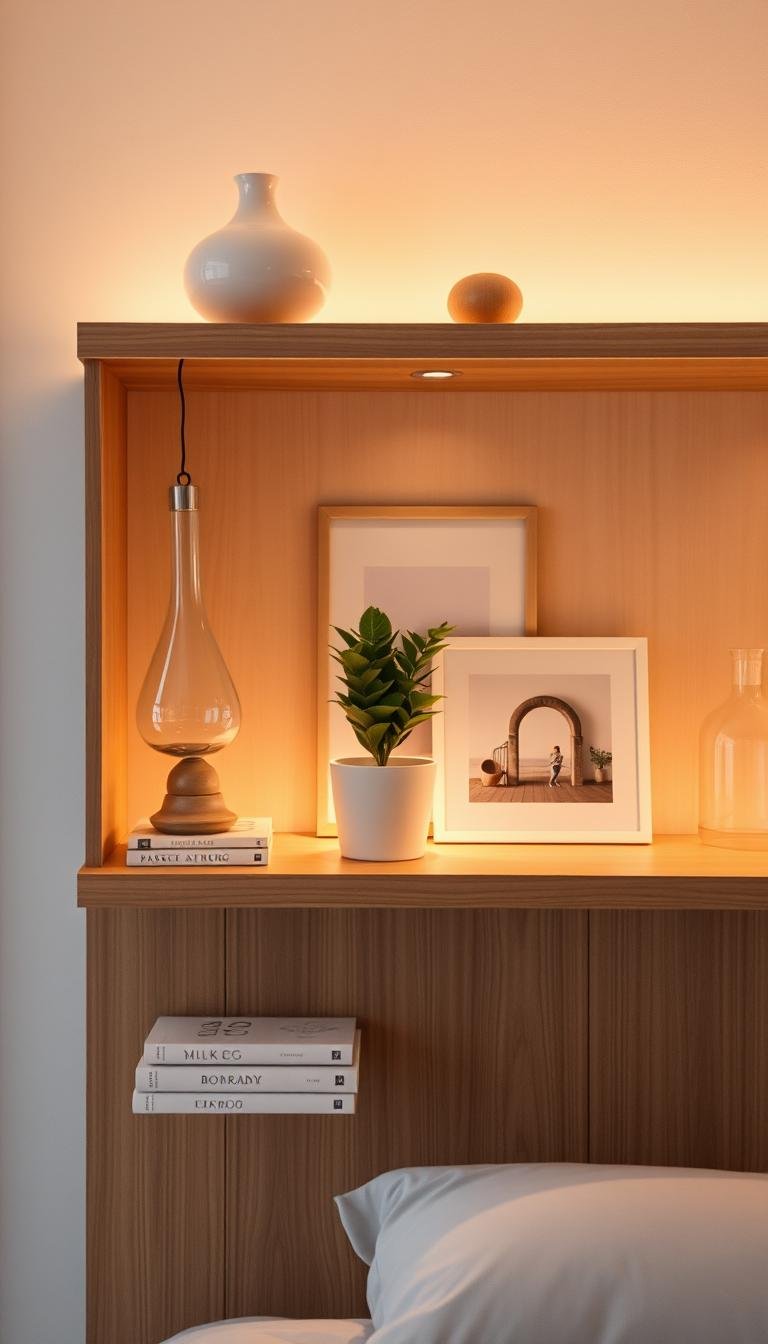
Your shelving units can become more than just storage. They offer a chance to express your unique taste and create a special atmosphere in your personal area.
This guide will show you how to plan and style your surfaces with purpose. You will learn to combine function with aesthetics, making your space both useful and inviting.
We will cover how to select items that reflect your personality while avoiding a cluttered look. You will discover pro tips for arranging objects in groups to create depth and visual appeal.
Whether you have a small room or a rental, these ideas work for any space. Get ready to transform your shelving into a dynamic part of your home that feels uniquely yours.
Start with Your “Why”: Defining Your Shelf’s Purpose
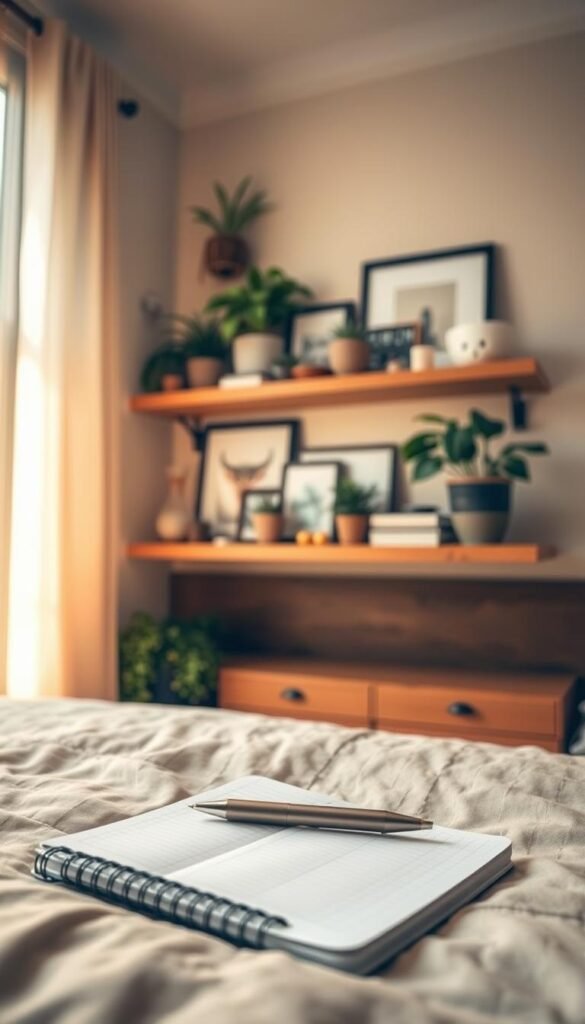
Before you pick out any accessories or colors, take a moment to think about your main goal. What do you want these surfaces to do for you? This first step helps create a setup that works perfectly for your daily life.
Starting with intention prevents clutter and wasted effort. You’ll build a display that feels both personal and practical.
Ask Yourself These Key Questions First
Begin by considering how you’ll use your shelving every day. Will it hold your nightly reading books? Maybe you need a spot for your phone charger and alarm clock.
Think about your available time for cleaning too. If you’re busy, choose fewer items and matte finishes. They show less dust and need less upkeep.
Safety matters if you have kids or pets. Avoid heavy objects that could fall. Make sure everything stays secure and anchored properly.
| Lifestyle Factor | Styling Consideration | Practical Solution |
|---|---|---|
| Busy schedule | Minimal cleaning time | Fewer items, matte surfaces |
| Nightly reading habit | Book storage needs | Prioritize reading lamp space |
| Children or pets | Safety concerns | Avoid fragile pieces, secure anchoring |
| Small space | Maximize function | Multi-use items, vertical storage |
Matching Your Shelf to Your Bedroom’s Style Vibe
Your shelving should feel like a natural part of your room. Look around at your existing furniture and colors. Do you lean toward rustic warmth, minimalist simplicity, or modern sleekness?
Choose materials that complement your current setup. Match wood tones to your bed frame. Echo linen textures from your bedding.
Tools like Foyr Neo can help visualize your ideas. They let you test different looks before making final decisions.
This thoughtful approach creates harmony throughout your space. Your shelves become a true reflection of your personal taste.
Measure and Plan: Choosing the Right Spot and Scale
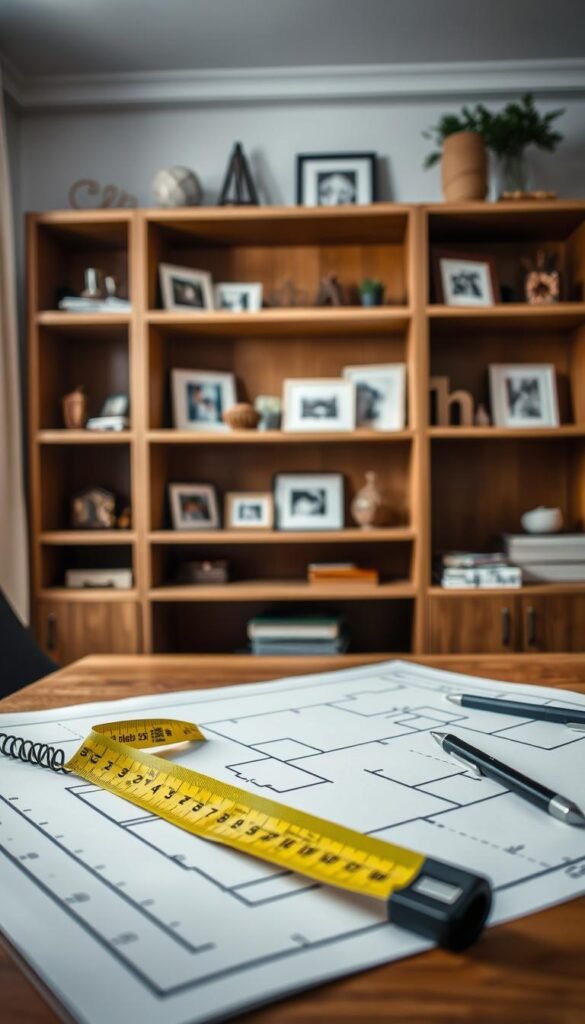
Proper planning with accurate dimensions transforms how your collection interacts with the room’s architecture. This step ensures your display enhances rather than overwhelms your personal area.
Taking precise measurements first prevents common styling mistakes. You’ll create arrangements that fit perfectly and function beautifully.
Finding the Perfect Wall for Your Display
Start by measuring your available wall areas carefully. Consider prime locations that maximize visual impact while serving practical needs.
Above your sleeping area works wonderfully for lightweight pieces. Choose surfaces with 15-18 cm depth for photos or favorite books. Avoid heavy objects here for safety reasons.
Reading corners benefit from 2-3 narrow surfaces arranged creatively. A zigzag pattern draws attention upward beautifully. Add a clip-on lamp for both function and style.
Large blank walls offer fantastic opportunities. Pair a slim book ledge with a lower surface to create depth. This approach breaks up vertical space interestingly.
Consider corners and alcoves too. These often-overlooked spots can become charming display areas. They add character without consuming valuable floor space.
Sizing Your Shelves for Form and Function
Scale matters tremendously for both aesthetics and practicality. Choose dimensions that complement your room’s proportions perfectly.
In compact areas, opt for slim surfaces around 12-15 cm deep. Vertical layouts make ceilings feel higher while saving precious space. This creates airiness rather than crowding.
Consider your living situation when selecting materials and installation methods. Rental homes might need adhesive hooks or freestanding options. These avoid wall damage while maintaining your desired look.
Visualization tools like Foyr Neo help tremendously. Test different placements and sizes before committing physically. This ensures everything fits your space and needs exactly right.
Balance beauty with usefulness in your planning. Ensure surfaces can hold intended pieces without overcrowding. Allow for negative space and easy access to frequently used items.
Think about daily movement patterns too. Place your arrangement in accessible spots that enhance your routine. The perfect position should feel natural and unobtrusive.
This careful planning phase guarantees your display works harmoniously with your lifestyle. You’ll achieve both stunning visual appeal and perfect functionality.
Embrace the Capsule Decor Approach to Avoid Clutter
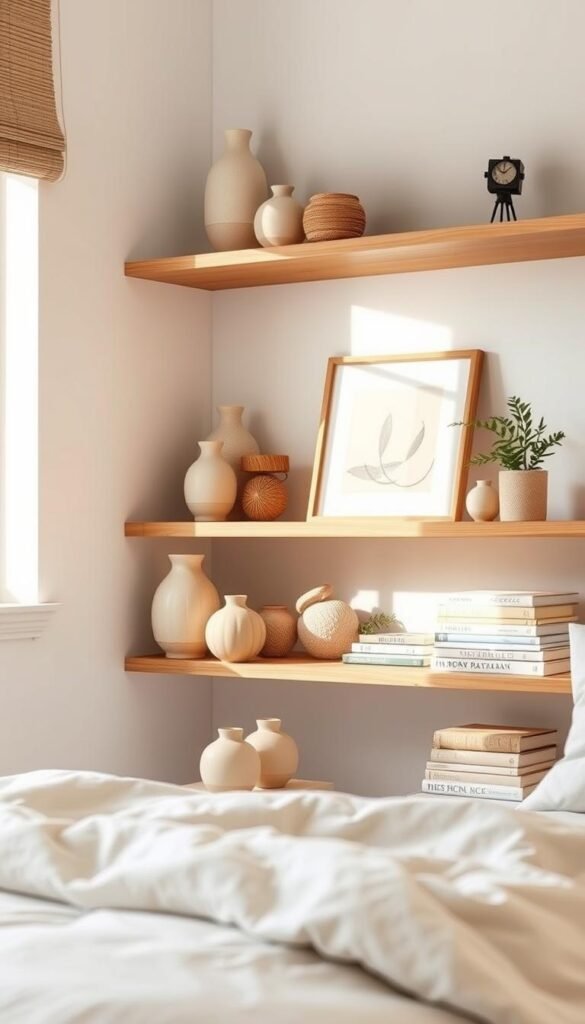
Imagine your surfaces telling a story rather than just holding stuff. This mindset shift transforms how you view your arrangement. It’s about choosing quality over quantity every time.
The capsule method helps you build a display with purpose. You focus on pieces that truly matter to you. This creates a clean, magazine-worthy look that feels authentically yours.
This approach works wonderfully for busy lifestyles. It reduces cleaning time and keeps your area neat. You spend less time dusting and more time enjoying your space.
The Simple 5-5-5 Styling Rule
Follow this easy formula for a perfectly balanced setup. Start with five books featuring beautiful spines or matching covers. They add height and personality while serving a function.
Include five small decorative objects that bring you joy. Think candles, small plants, or cherished photo frames. These pieces add warmth and personal touch to your display.
Maintain five centimeters of breathing room between item clusters. This negative space prevents a crowded feeling. It lets each piece stand out and creates visual rest.
This rule creates harmony through repetition and space. Your eyes move comfortably across the arrangement. Everything feels intentional and carefully considered.
Curating a Small Collection of Meaningful Items
Select objects that reflect your interests and memories. Favorite novels, travel souvenirs, or family photos work beautifully. Each item should spark joy or serve a practical purpose.
Avoid the “catch-all” trap that leads to random clutter. Ask yourself if each piece deserves its spot. Remove anything that doesn’t add value or beauty.
This curation process creates a deeper connection to your space. You surround yourself with things that truly matter. Your display becomes a reflection of your unique story.
For inspiration on minimalist design principles, explore Japandi interior design concepts. They emphasize simplicity and natural materials that complement this approach perfectly.
Rotate items seasonally to keep your look fresh. Swap photo frames or switch dried florals occasionally. Small changes maintain interest without a complete overhaul.
This method creates a balanced, functional arrangement. It enhances your room’s ambiance without overwhelming the area. You achieve both beauty and practicality in your design.
Create Visual Interest with Groupings and the Rule of Three
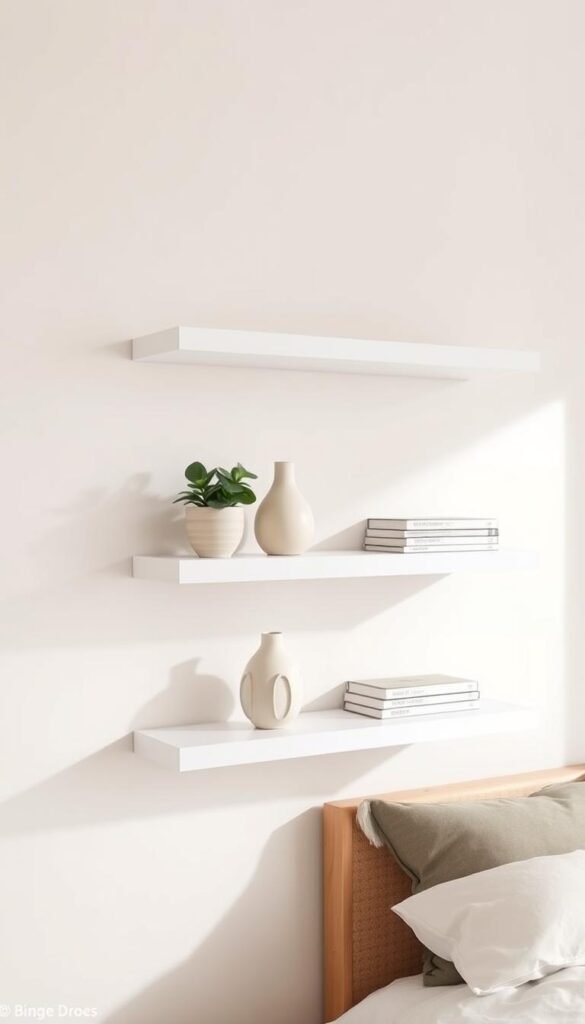
The secret to professional-looking displays lies in mastering the art of grouping objects in intentional clusters. This approach transforms your surfaces from random collections into thoughtfully arranged showcases.
Grouping creates rhythm and guides the eye smoothly across your arrangement. It adds dimension and prevents that flat, uninspiring look that happens when items sit too far apart.
Building Your Three Distinct Display Groups
Divide your surface into three distinct clusters for maximum impact. Each group should have a specific character and purpose.
Start with low, horizontal elements like stacked books or decorative trays. These create a solid foundation for your design. They anchor the overall look beautifully.
Add medium-height pieces with soft textures next. Think fabric art, ceramic bowls, or woven baskets. These bring warmth and tactile appeal to your arrangement.
Include tall, vertical items to complete the trio. Vases with branches or sculptural objects work wonderfully. They draw the eye upward and add dramatic height.
Vary heights, textures, and colors within each cluster. Pair horizontal books with vertical plants for dynamic contrast. This creates depth and keeps the eye moving.
Why Odd Numbers Are More Pleasing to the Eye
Our brains naturally prefer odd-number groupings. Three or five items feel more balanced and intentional than even numbers.
Odd numbers create natural harmony and visual rhythm. They’re psychologically more engaging and easier to arrange successfully.
This approach makes your collection feel curated rather than random. It transforms your space into something magazine-worthy.
Groups of three work particularly well for most surfaces. They provide enough variety without overwhelming your available area.
Remember to leave breathing room between clusters. This negative space lets each piece stand out beautifully. Your overall design will feel organized and artistic.
The Secret to Beautiful Bedroom Shelf Decor: Layering for Depth
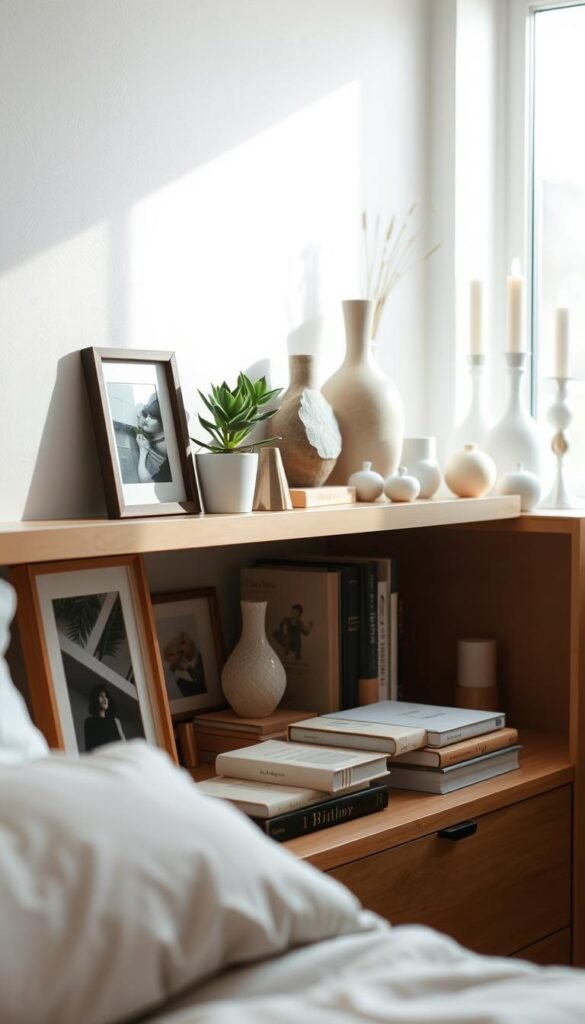
Transform your surfaces into dimensional showcases through strategic layering techniques. This approach adds warmth and character that flat arrangements simply cannot achieve.
Building your display in stages creates visual flow from background to foreground. Your eyes move naturally across the composition, discovering new details with each glance.
Building Your Backdrop Layer
Start by anchoring your design with a background element. Lean a slim picture frame or art print against the wall behind your items.
A small mirror works wonderfully for reflecting light and creating the illusion of more space. Choose pieces that complement your room’s overall style for harmony.
This foundation layer sets the stage for everything that follows. It provides depth before you even add your main objects.
Arranging Your Object Layer with Texture and Height
Build your middle layer with varied shapes and materials. Combine horizontal stacks of books with vertical elements like vases or plants.
Add soft textiles such as linen cloths or ceramic pieces for tactile appeal. These elements create visual interest through contrasting textures.
Use risers or stacked books to elevate smaller pieces. This technique adds varying levels that draw the eye upward naturally.
Place smaller items in front of larger ones to create depth perception. This simple trick makes your arrangement feel more dynamic and engaging.
Adding a Lighting and Scent Layer for Ambiance
Incorporate warm lighting between 2700-3000K for mood enhancement. Clip-on lamps or hidden LED strips highlight your favorite pieces beautifully.
Subtle scent elements like lavender or cedar essential oils add another sensory dimension. Use diffusers or scented candles that fit your bedtime routine.
These final touches transform your display into a multi-sensory experience. They create ambiance that makes your space feel truly inviting and personal.
Strategic Placement: Finding the Prime Spots in Your Bedroom
Great placement turns ordinary surfaces into extraordinary features. The right location maximizes both beauty and usefulness in your personal area.
Think about your daily movements and favorite spots. Where do you naturally spend time? These areas offer perfect opportunities for stylish arrangements.
Smart positioning creates harmony throughout your space. It makes everything feel intentional and well-planned.
Creating a Focal Point Above the Bed
Your sleeping area deserves special attention. A single floating surface works beautifully here.
Choose a depth of 15-18 centimeters for smaller pieces. This keeps things proportional and safe.
Lightweight items like framed photos or favorite novels add personal touch. Avoid heavy objects for safety reasons.
This approach creates visual interest without overwhelming your space. It becomes a beautiful highlight above your resting area.
Enhancing a Cozy Reading Nook
Reading corners benefit from creative arrangements. Try 2-3 narrow surfaces in a zigzag pattern.
Add a clip-on lamp for both function and style. Choose items that match your room’s color scheme.
This setup makes your reading time more enjoyable. Everything you need stays within easy reach.
It transforms a simple corner into a special retreat. Your books and favorite things create a welcoming atmosphere.
Transforming a Large Blank Wall
Empty walls offer fantastic potential. Pair a slim book ledge with a lower surface for depth.
This breaks up vertical space in an interesting way. It creates a mini-gallery effect with storage function.
Use this approach to showcase your favorite collection. Photos, art pieces, or plants all work wonderfully.
The layered look adds dimension and personality. Your wall becomes a dynamic part of your home’s interior.
| Location | Ideal Setup | Recommended Items | Special Considerations |
|---|---|---|---|
| Above sleeping area | Single floating shelf, 15-18 cm depth | Small photos, books, diffuser | Lightweight items only for safety |
| Reading nook | 2-3 narrow shelves in zigzag pattern | Books, reading lamp, decorative objects | Match room’s color palette |
| Large blank wall | Slim ledge paired with lower shelf | Art pieces, plants, photo collection | Create layered visual interest |
| Corners or alcoves | Angled or floating options | Small plants, decorative objects | Maximize unused space |
Consider your daily routines when choosing placement. Keep bedtime essentials near your sleeping area.
Create dedicated spaces for activities you enjoy. This makes your room work better for your lifestyle.
Visualization tools like Foyr Neo help test different ideas. See how arrangements look before making final decisions.
Draw inspiration from design sources for creative solutions. They offer fresh ideas for making the most of your space.
The right placement turns unused areas into intentional highlights that serve both function and beauty.
For compact rooms, focus on vertical placement. Corner options save space while adding value.
Ensure your arrangement complements other elements. Align with window lines or furniture height for cohesion.
Strategic positioning creates beautiful focal points. It enhances your room’s overall aesthetic and usefulness.
Your surfaces become more than just storage. They reflect your personality and improve daily living.
Selecting Your Shelf: Types and Materials to Consider
The foundation of your perfect arrangement starts with choosing the right shelving solution. Your selection impacts both the visual appeal and daily function of your space.
Understanding different types and materials helps you make informed decisions. You’ll create a setup that works beautifully with your lifestyle and existing decor.
This guide walks you through popular options and their best uses. You’ll discover how to match your choice to your room’s needs and your personal taste.
Floating vs. Free-Standing vs. Built-In Shelves
Floating options create a sleek, modern appearance with hidden mounting hardware. They work wonderfully for displaying lightweight decorative pieces and favorite reads.
Free-standing units offer easy installation and flexible placement around your room. These open storage solutions provide accessibility without permanent commitment.
Built-in designs integrate directly into your wall structure for a custom look. They minimize visual clutter while offering sturdy support for heavier collections.
Each type serves different purposes based on your needs and living situation. Consider weight capacity, installation requirements, and overall aesthetic impact.
Space-Saving Solutions: Corner and Suspended Shelves
Corner units maximize often-underutilized areas in your room. They provide valuable surface area without occupying prime wall space.
These clever solutions work particularly well in compact living areas. You gain display and storage function without sacrificing floor space.
Suspended options attach securely with hooks or brackets for a trendy floating effect. They create visual interest while keeping your surfaces accessible.
Both choices offer smart alternatives when working with limited square footage. They help you make the most of every available inch in your home.
Choosing Materials That Complement Your Decor
Natural wood brings warmth and organic texture to your personal space. Oak or walnut tones can echo your existing furniture for a cohesive look.
Metal frames offer an industrial vibe with clean lines and durability. They work well with modern or minimalist interior design schemes.
Glass surfaces create a light, airy feeling and reflect available light. They maintain an open visual flow while providing functional display areas.
Consider maintenance requirements alongside aesthetic preferences. Matte finishes resist dust accumulation for easier upkeep in busy households.
| Material Type | Visual Characteristics | Maintenance Level | Best For |
|---|---|---|---|
| Solid Wood | Warm, natural texture | Regular polishing | Traditional or rustic spaces |
| Metal | Industrial, sleek lines | Easy wiping | Modern or minimalist rooms |
| Glass | Light, reflective surface | Frequent cleaning | Small spaces needing light |
| Engineered Wood | Varied finishes available | Low maintenance | Budget-friendly solutions |
For rental homes, consider freestanding units or adhesive mounting options. These prevent wall damage while still providing beautiful display surfaces.
Adjustable designs offer flexibility as your needs change over time. You can reconfigure spacing for different item heights and collections.
Explore bedroom shelving ideas for more inspiration on matching materials to your space. Their guide offers additional insights into creating harmonious arrangements.
Your final choice should balance beauty with practical considerations. You’ll create a functional display that enhances your room’s overall design.
Safety First: Ensuring Your Shelf is Secure and Balanced
Your peace of mind comes first when designing your personal space. A well-anchored setup protects both your favorite pieces and your family.
Taking time to secure everything properly prevents accidents and damage. You can enjoy your beautiful arrangement without worry.
Proper Anchoring and Weight Distribution
Start by checking your wall type before installation. Drywall needs different anchors than masonry or plaster surfaces.
Use appropriate hardware for your specific wall material. Test stability after installation by applying gentle pressure.
Place heavier objects on lower surfaces to maintain balance. This prevents tipping and creates visual stability.
Lighter pieces work better on higher levels. This distribution keeps your entire setup secure and proportional.
Check weight limits for hanging options before adding items. Every design has specific capacity restrictions.
Inspect anchors and joints every few months for loosening. This regular maintenance ensures ongoing safety.
Kid and Pet-Friendly Styling Considerations
Choose rounded edges over sharp corners for family spaces. This simple choice prevents bumps and injuries.
Avoid heavy or fragile items in reach of small hands. Opt for secure, non-toxic materials throughout your arrangement.
Solid wood and low-VOC finishes work wonderfully for family homes. They provide durability while maintaining air quality.
Use anti-slip pads under freestanding units in rentals. This extra precaution prevents sliding and adds security.
Above sleeping areas should only hold lightweight pieces. Photos and small books create personal touch without risk.
This thoughtful approach protects everyone while maintaining style. Your space remains both beautiful and functional.
Pro-Level Styling Tips for a Magazine-Worthy Look
Elevate your arrangement with professional techniques that transform ordinary surfaces into stunning displays. These advanced methods create that polished, editorial feel you see in home magazines.
Mastering these approaches gives your space that designer touch. Your surfaces will look intentional and carefully curated.
Repeating Material Tones for a Cohesive Feel
Create harmony by echoing materials already present in your space. Match wood tones to your existing furniture for a unified look.
If your bed frame features oak, choose similar wood finishes for your surfaces. This creates visual continuity throughout your area.
Textile elements should complement your bedding fabrics. Linen textures from your sheets can inspire cloth selections for your arrangement.
This repetition builds a sophisticated, pulled-together aesthetic. Everything feels thoughtfully coordinated rather than random.
Incorporating Negative Space to Let Items Breathe
Strategic emptiness is just as important as what you display. Leave adequate room between objects for visual rest.
This approach prevents a crowded, overwhelming feeling. Each piece gets its moment to shine without competition.
Negative space creates a calm, uncluttered atmosphere. Your eyes move comfortably across the composition.
Allow at least five centimeters between item clusters. This breathing room enhances overall appeal dramatically.
Easy Seasonal Swaps to Keep Your Display Fresh
Maintain interest by rotating elements with the changing seasons. Small updates keep your look current without complete overhauls.
Swap dried florals for fresh greens in spring. Change photo frames to highlight recent memories or favorite moments.
Create a “seasonal swap box” with a few versatile pieces. This makes quick changes simple and efficient.
Color coordination ties everything together beautifully. Select palettes that match your room’s existing scheme for harmony.
Seasonal refreshes maintain visual interest while honoring your personal story through curated objects.
These pro-level techniques work for any surface type and room size. They create that polished, intentional look you desire.
By mastering these advanced styling methods, you transform functional storage into fabulous design statements. Your surfaces become true highlights of your personal space.
Bringing It All Together: Your Bedroom Shelf Action Plan
Ready to create your perfect setup? Start by answering five quick questions. Define your purpose, color palette, and items you own. Consider your bedtime habits and upkeep preferences.
Use tools like Foyr Neo to visualize your design before installation. This ensures everything fits perfectly and looks just right.
Embrace the capsule approach with the 5-5-5 rule. Layer objects for depth and visual interest. Always prioritize safety with proper anchoring.
Your arrangement should reflect your unique personality. Don’t be afraid to tweak things over time. This approach turns your space into a cozy sanctuary you’ll love.