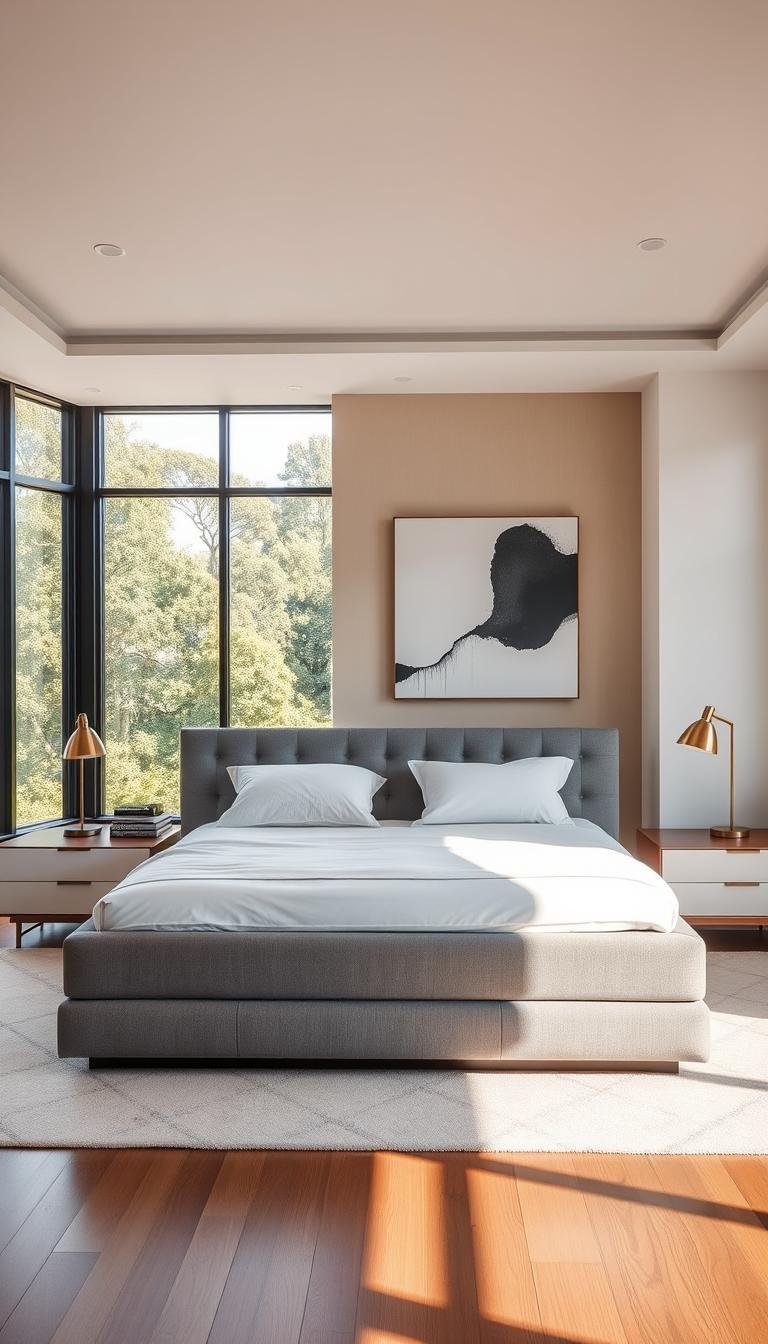
Your personal sanctuary deserves thoughtful attention. This year’s top design trends focus on creating spaces that blend beauty with function.
Leading designer professionals emphasize transforming your sleeping area into a luxurious retreat. They combine aesthetics with practical solutions for everyday living.
Today’s approach goes beyond basic furniture. It incorporates statement lighting, textured layers, and smart storage solutions.
These concepts work for various room sizes and personal styles. From minimalist to maximalist approaches, you can create a space that truly reflects your personality.
We’ll explore color palettes, textures, and layout strategies approved by experts. Get ready to reimagine your bedroom with confidence and creativity.
Why Your Bedroom Deserves a Designer-Inspired Makeover
Kitchens and bathrooms often steal the spotlight during home updates. Yet your sleeping quarters play a vital role in daily life. You spend hours there resting, unwinding, and sometimes even working.
A thoughtfully arranged room does more than look good. It supports your well-being by offering peace and order. Top experts like Liz Marchant Interiors call these spaces “sanctuaries for relaxation and me-time.”
Smart design boosts both function and comfort. Your area can serve multiple purposes without feeling cluttered. Even small changes create a big impact.
Here’s why you should focus on your personal retreat:
- Improves sleep quality and daily mood
- Offers a calm escape from a busy life
- Avoids common decor mistakes with pro tips
- Adds versatility without a full renovation
Following current trends ensures a cohesive, polished look. You gain a multi-use room that truly fits your lifestyle.
Now let’s explore specific steps to bring these designer visions to life in your own home.
Embrace a Soothing and Strategic Color Palette
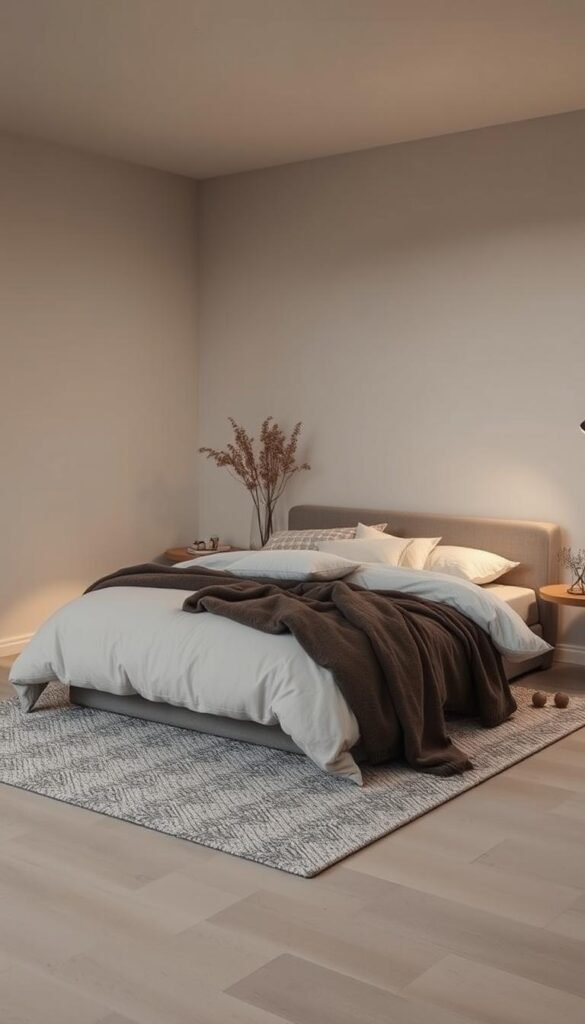
Color choice transforms your personal retreat. It sets the mood before you even lie down. The right hues create calm and harmony in your space.
Experts know color psychology well. Cool tones soothe, while warm ones energize. Balance is key for a restful environment.
Start with a neutral base for walls and large furniture. This foundation offers flexibility. Then layer in color through accents and art.
Discover the Power of Desaturated Tones
Desaturated colors bring serenity without dullness. Think soft greens, muted blues, and pale yellows. These tones feel peaceful and elegant.
Omar Aqeel used this approach in a Paris-inspired apartment. He paired a vella leather bed with Art Deco tables. Soft yellows and greens created a cohesive look.
Farrow & Ball’s Stiffykey Blue offers another great example. Studio Shamshiri used it in a Los Angeles home. The result was both restful and invigorating.
Earthy palettes connect your room to nature. Grasscloth wallcoverings or natural wood accents enhance this feel. You get a grounded, tranquil aesthetic.
Incorporate Bold Pops of Color with Confidence
Neutral bases welcome vibrant accents. Add energy through rugs, pillows, or artwork. This method keeps the space from feeling overwhelming.
Sheila Bridges showed how in a Vermont guest room. Her maximalist approach used pattern-happy colors. The result was warm and full of character.
Test colors in your own home before committing. Consider natural light and existing furniture. Sample pots help ensure harmony.
Remember, color works with texture and pattern. These elements combine for a cohesive design. Your choices reflect personal style while promoting well-being.
Master the Art of Layering Textures for Depth
Texture layering transforms flat spaces into dimensional retreats with incredible depth. This technique prevents your room from feeling monotonous or one-dimensional.
Expert designers use varied materials to create visual and tactile interest. The right combinations make your space feel curated and complete.
Think about pairing rough with smooth or matte with shiny surfaces. This approach adds complexity without overwhelming your senses.
Introduce Plush Bouclé and Soft Linens
Plush materials like bouclé add instant luxury to your personal space. Sarah Dray’s Parisian bedroom showcases this beautifully.
She paired a bouclé headboard with Dedar fabric curtains and textured rugs. The result feels both cozy and sophisticated.
Soft linens contribute to a calming aesthetic in any bedroom. They work particularly well with earthy hues and diffused light.
A New York apartment demonstrates this with antique wood pieces. The combination creates a serene, inviting atmosphere.
Scandinavian-inspired materials like wool and linen bring natural coziness. They add warmth while maintaining a clean, modern style.
Mix Natural Wood with Sumptuous Velvets
Natural wood elements ground your space with organic warmth. When paired with luxurious velvets, they create perfect balance.
This combination blends rustic charm with refined elegance. It’s a timeless way to add depth to your interiors.
Rayman Boozer’s primary bedroom features a custom Romo velvet headboard. The velvet adds glamour and opulence throughout the space.
He complemented it with a velvet throw for added texture. The result feels both luxurious and inviting.
Incorporate these textures through headboards, bedding, and curtains. Ensure they complement rather than clash with each other.
Touch plays a vital role in bedroom design. Textures contribute significantly to your overall comfort and sensory experience.
These layered approaches prepare your space for statement lighting and furniture. They work together to create a cohesive, beautiful room.
Transform Your Space with Statement Lighting
Lighting is the secret weapon in any well-designed room. It does more than just brighten your space. It sets the mood and highlights your favorite features.
Statement pieces serve both function and beauty. They create ambiance and draw the eye. Your choices can make the room feel cozy or dramatic.
Pendant lights offer a stunning focal point. Matthew Harris used a Gubi pendant in a Lisbon apartment. This opulent choice elevated the entire room’s aesthetic.
Chandeliers bring timeless elegance to your home. An antique Murano piece graced a Manhattan triplex by Peter Pennoyer and Katie Ridder. It added vintage charm and sophistication.
Modern options provide sleek flexibility. Artemide’s Tizio lamps, featured in Omar Aqeel’s design, offer adjustable task lighting. They are perfect for reading or creating mood.
Choose fixtures that complement your overall style. Avoid pieces that overwhelm the space. Balance is key for a harmonious look.
Consider hidden or integrated lighting for a clean aesthetic. Dimmers let you control light levels for different times of day. This way, you can adapt the atmosphere easily.
Lighting enhances other elements in your room. It casts shadows on textures or makes colors pop. This interaction adds depth and interest.
Layer your illumination sources for the best effect. Combine overhead fixtures with task and accent lights. This approach creates a versatile and inviting environment.
View lighting as a worthwhile investment. It transforms both the feel and function of your personal retreat. The right choice makes every moment spent there more enjoyable.
These ideas prepare your room for stunning headboards and cozy seating nooks. Well-placed light sources will accentuate those features beautifully.
Invest in a Hotel-Style Headboard for Instant Luxury
A stunning headboard instantly transforms your sleeping space into a luxury retreat. This focal point sets the tone for your entire room’s aesthetic.
Tall, tufted designs dominate 2025 trends. They create a plush backdrop that feels both cozy and elegant. Your bed becomes the star of the show.
Consider the Roche Bobois bed paired with dramatic Gucci wallpaper. This Manhattan apartment shows how bold patterns complement statement pieces. The result feels curated and complete.
Functional options offer smart solutions for small spaces. Tom Joyner’s Miami bedroom features a custom headboard with concealed shoe storage. This clever design blends practicality with high-end style.
Clare Schifano of Vispring shares why upholstered headboards matter:
An upholstered headboard creates that plush, five-star hotel feel. It contributes significantly to your overall comfort and well-being.
Material choice impacts both look and feel. Velvet adds opulence and depth. Linen offers a relaxed, breathable option. Match these to your existing color palette.
Wall-to-wall designs frame your sleeping area beautifully. Designer Abbie Naber notes they eliminate the need for additional wall art. This creates a clean, focused aesthetic.
Coordinate your headboard with bedding and other furniture. Ensure patterns and colors work together harmoniously. This creates a cohesive look throughout your space.
Beyond aesthetics, headboards provide practical comfort. They offer support for reading or relaxing in bed. This enhances your daily routine in meaningful ways.
View this piece as a worthwhile investment for achieving luxury interiors. It establishes a foundation for other elements like storage and seating nooks. These components work together to create your perfect personal retreat.
| Headboard Style | Best For | Material Tips |
|---|---|---|
| Tall Tufted | Traditional elegance | Velvet or leather |
| Sleek Paneled | Modern minimalism | Linen or faux suede |
| Wall-to-Wall | Maximizing impact | Custom upholstery |
| Functional Storage | Small spaces | Durable fabrics |
This investment brings designer-approved sophistication to your home. It’s a simple way to elevate your entire room’s design while adding comfort and warmth.
Create a Cozy Seating Nook for Relaxation
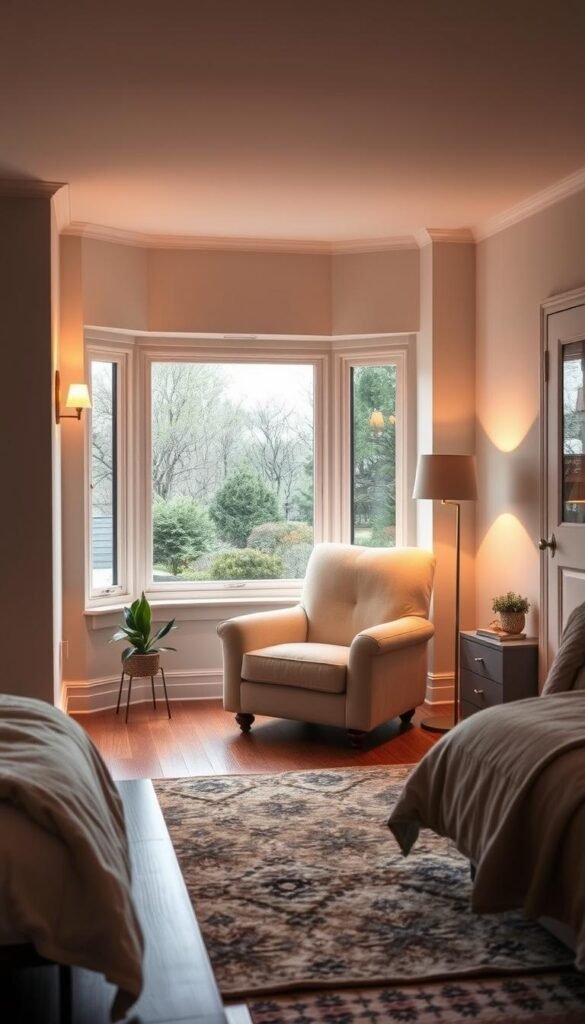
A dedicated seating area transforms your personal space into a multi-functional retreat. It provides the perfect place to read, meditate, or simply enjoy quiet moments.
This addition makes your room feel more complete and intentional. You gain extra functionality without sacrificing style.
Opt for a Plush Bench or Ottoman
Plush benches offer both seating and storage solutions. They work beautifully at the foot of your bed or against a wall.
Rafael de Cárdenas demonstrated this in a beach home. He paired a custom bench with a Magnus Læssøe Stephensen chair.
Ottomans provide versatile comfort throughout your space. Designers Kathy Kuo and Jennifer Robin recommend using them singly or in pairs.
Choose upholstered pieces in luxurious fabrics like velvet or shearling. Athena Calderone’s accent chair from Crate & Barrel shows how textiles enhance comfort.
Design a Sun-Drenched Window Seat
Window seats maximize natural light and outdoor views. They create a bright, inviting place to start your day.
Clive Lonstein’s Connecticut cottage features a De Le Cuona-upholstered window seat. This design element blends seamlessly with the surrounding nature.
Built-in nooks offer smart multi-functional solutions. They combine comfortable seating with hidden storage or reading areas.
Position your seating to take advantage of light sources. This way, you create a balanced layout that complements your bed’s placement.
Consider playful options like swing chairs for smaller bedroom spaces. They add personality while serving practical purposes.
Your seating nook becomes an extension of your personal style. It prepares your room for integrated storage solutions and artistic personalization.
Incorporate Smart and Stylish Storage Solutions
Clutter can disrupt the peaceful atmosphere of your personal retreat. Smart storage keeps your space organized while enhancing its overall aesthetic.
Well-planned solutions blend seamlessly with your decor. They maintain visual harmony while providing practical function.
Designer Kathy Kuo predicts the return of armoires for 2025. These classic pieces offer stylish storage for clothing or linens.
They add warmth and character to any room. Brands like Wayfair and Pottery Barn offer beautiful options.
Choose a Functional Armoire or Storage Cabinet
Armoires provide generous storage without overwhelming your space. They work well in both large and compact bedrooms.
Look for pieces with adjustable shelves and drawers. This allows customization for your specific needs.
Consider materials that complement your existing furniture. Wood finishes add natural warmth, while painted options offer color accents.
Tom Joyner demonstrated clever storage in his Miami bedroom. His custom headboard included hidden shoe compartments.
This approach keeps essentials accessible but out of sight. It maintains a clean, uncluttered appearance.
Explore Custom Built-Ins and Hidden Compartments
Custom built-ins maximize every inch of your space. They transform awkward areas into functional storage zones.
Neal Beckstedt used this approach in a New York studio. His Murphy bed provided sleeping space while conserving room during the day.
Hidden compartments maintain visual cleanliness throughout your home. Consider integrating technology storage for televisions or devices.
TV lifts keep screens concealed when not in use. This preserves the tranquil atmosphere of your retreat.
Multi-functional furniture serves dual purposes beautifully. Beds with built-in drawers or wardrobes optimize space efficiently.
Select storage that matches your room’s aesthetic. Whether vintage, modern, or Scandinavian-inspired, cohesion matters.
Integrate storage with other design elements like seating nooks. This creates a cohesive and efficient layout.
Prioritize solutions that reduce visual clutter. They enhance your room’s overall tranquility and serenity.
For more creative ideas, explore these bedroom storage solutions that combine function with style.
Well-organized spaces provide the perfect foundation for exploring pattern and ceiling design. These elements work together to create your ideal personal retreat.
Play with Pattern on Walls and Bedding
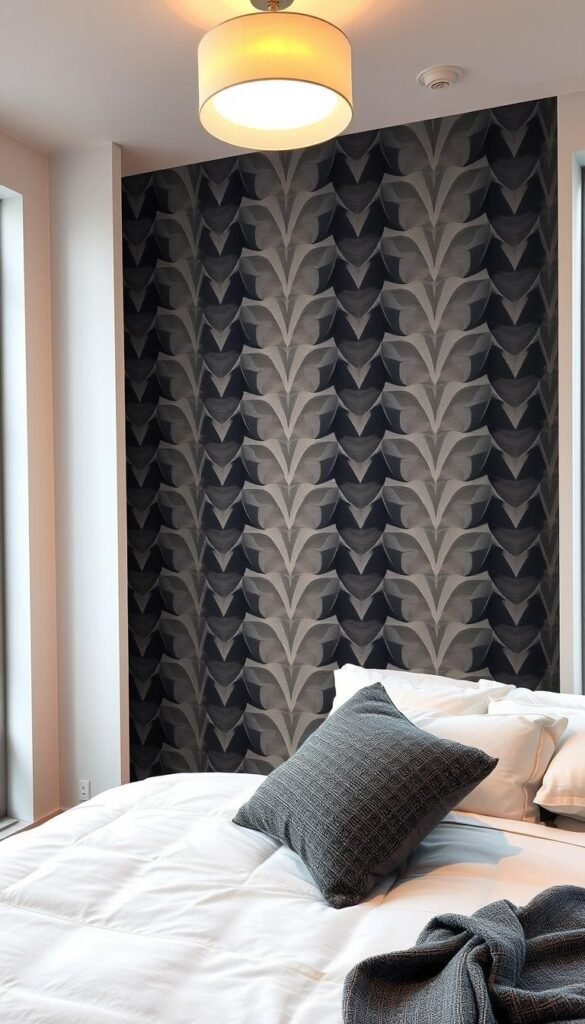
Patterns bring life and character to your sleeping space. They create visual interest that makes your room feel complete and personalized.
Whether through wallpaper or bedding, patterns add depth to your design. They transform plain surfaces into engaging focal points.
Bold wallpaper choices make dramatic statements. Sheila Bridges used Pintura Studio wallpaper in her Vermont guest room.
The vibrant pattern created a warm, character-filled space. It served as a stunning backdrop for furniture and decor.
Another Manhattan apartment featured Gucci wallpaper. This luxurious choice complemented a Roche Bobois bed beautifully.
Elizabeth Hay took a different approach in her farmhouse-style bedroom. She used Aleta Pise wallpaper to add coziness and color.
This proves you don’t need structural changes. Wall treatments can completely transform your room’s aesthetic.
Mixing patterns requires careful balance. Combine large-scale prints with solids or subtle textures.
This prevents visual overload while maintaining interest. Your space feels curated rather than chaotic.
Current trends favor botanical, geometric, and artistic patterns. These styles reflect personal taste while staying fashionable.
Botanical designs bring nature indoors. Geometric patterns add modern structure. Artistic choices showcase individual creativity.
If full wallpaper feels too permanent, start smaller. Patterned bedding or accent walls offer flexibility.
You can easily update these elements as trends change. This approach lets you experiment with different styles.
Patterns affect mood and atmosphere differently. Some designs promote calm through organic flows.
Others add energy with vibrant repetitions. Choose patterns that support your desired room feeling.
View pattern play as creative self-expression. It keeps your space visually engaging and uniquely yours.
These concepts work well with ceiling treatments and blended styles. Patterns create wonderful layered effects throughout your room.
| Pattern Type | Room Impact | Best Placement |
|---|---|---|
| Botanical | Calming, natural | Accent wall or bedding |
| Geometric | Structured, modern | Full walls or accessories |
| Artistic | Creative, personal | Statement wall or art |
| Traditional | Elegant, timeless | Bedding or drapery |
Remember to coordinate patterns with your color palette. Ensure they enhance rather than dominate your overall design.
Patterns should complement other elements in your space. They work with textures, lighting, and furniture to create harmony.
This approach prepares your room for ceiling treatments. Patterns on walls and bedding create a foundation for overhead designs.
Don’t Neglect Your Fifth Wall: The Ceiling
Your ceiling holds incredible potential to transform your entire room. Think of it as the fifth wall in your design plan. This often-overlooked surface can add drama and dimension when treated creatively.
Painting the ceiling a bold color creates instant impact. Pierre Yovanovitch used a custom burgundy cove ceiling in a children’s bedroom. This dramatic choice framed the space beautifully.
Wallpaper offers another exciting way to enhance your overhead space. Charlotte Lucas applied iridescent wallcovering to a pink room’s ceiling. The result was magical and reflective.
Jasmine Crockett used patterned wallpaper overhead in a sophisticated bedroom. This approach added visual interest without cluttering the room.
Ceiling treatments play with light throughout the day. Reflective finishes bounce light around your space. Matte surfaces create soft, diffused illumination.
Choose colors or patterns that complement your walls and furniture. This creates a cohesive look from floor to ceiling. Your choices should harmonize with the overall design.
Architectural details add character without overwhelming the room. Cove ceilings or exposed beams provide texture and interest. These elements make your space feel intentional and complete.
Drawing the eye upward can make your room feel larger. Lower ceilings feel more intimate with the right treatment. Each approach creates a different atmosphere.
Small bedrooms benefit greatly from ceiling focus. This becomes a focal point without taking up floor space. It maximizes impact in compact areas.
View your ceiling as an opportunity for unexpected design elements. This overhead canvas elevates your entire room’s aesthetic. It completes your personal sanctuary in a unique way.
These ideas connect beautifully with nature-inspired designs and timeless blending. Your ceiling can incorporate elements from both approaches. This creates a holistic design throughout your home.
Blend Old and New for a Timeless Feel
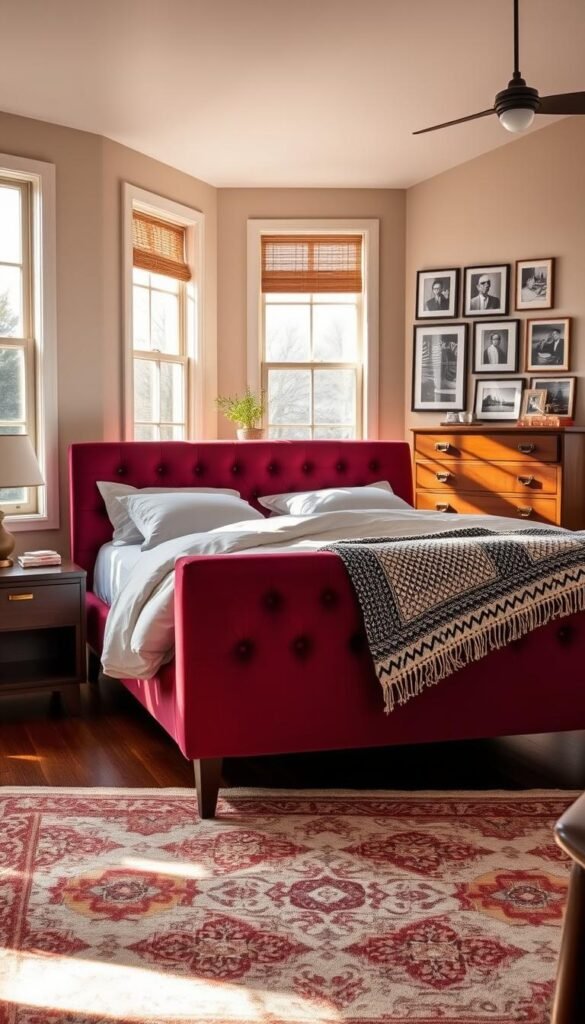
Mixing eras creates a space that feels both personal and enduring. This approach avoids trends that quickly fade. You achieve a look that grows more beautiful over time.
An antique Korean chest in a New York apartment shows how well this works. It adds history and character beside contemporary items. The blend feels intentional, not random.
Amber El-Amin mixes high-end and affordable pieces in her home. This creates a layered aesthetic that doesn’t feel overly curated. Her approach proves style isn’t about price tags.
Eric Hughes paired a B&B Italia bed with geometric bedding. The modern furniture balanced traditional patterns beautifully. This combination feels fresh yet familiar.
Follow these tips for blending old and new:
- Choose vintage items that complement your color scheme
- Ensure antique pieces offer functionality, not just beauty
- Mix materials like dark wood with metal or glass
- Select heirloom items that tell personal stories
Quality materials add warmth and longevity to your design. Dark wood tones particularly enhance this feeling. They ground modern elements with organic texture.
This blended approach offers psychological benefits too. Your space feels both comforting and inspiring. It becomes a true reflection of your journey.
Experiment with combining eras using items you genuinely love. Trust your instincts rather than strict rules. Your unique combination creates an enduring bedroom decor.
This timeless foundation prepares your space for personal curation. Adding artistic elements and nature connections enhances the feeling further.
Curate a Collection of Personal and Artistic Pieces
Artistic expression turns a well-designed space into a deeply personal retreat that tells your story. The right pieces create emotional connections that make your bedroom truly yours.
Personal collections reflect your tastes and experiences. They transform generic design into something uniquely meaningful. Your choices become conversation starters and memory keepers.
Artwork adds color, texture, and personal meaning to your home. Rafael de Cárdenas used Marilyn Minter pieces in his beach retreat. The artwork created focal points with emotional depth.
Wonju Seo’s bojagi artwork shows another approach. This traditional Korean textile art brings cultural heritage into modern spaces. It adds handmade authenticity to any room.
Leah Ring demonstrates how multidimensional art complements rich colors. Her ceramic items and layered decor create serene yet interesting spaces. Each piece contributes to the overall aesthetic.
Curating collections requires thoughtful selection. Choose items that tell your personal story through:
- Family heirlooms with sentimental value
- Travel souvenirs that recall special moments
- Commissioned works from favorite artists
- Handmade items that showcase craftsmanship
Display your collections without creating clutter. Use dedicated shelves, wall niches, or curated surfaces. This way, each piece gets proper attention while maintaining organization.
Current trends favor handmade and custom pieces. Ceramic items and artisanal textiles add authenticity. They bring human touch into increasingly digital lives.
Balance artistic elements with functional needs. Your bedroom should remain comfortable for daily use. Choose decor that serves both beauty and purpose.
| Display Method | Best For | Considerations |
|---|---|---|
| Floating Shelves | Small collections, books | Keep dusted, arrange by theme |
| Gallery Wall | Artwork, photographs | Maintain consistent spacing |
| Dedicated Tabletop | Sculptures, ceramics | Limit to 3-5 key pieces |
| Wall Niches | Prized individual items | Use lighting to highlight |
Personal curation has emotional impact. It transforms your space into a true retreat that inspires and relaxes. You create an environment that genuinely reflects your personality.
Take time selecting items that resonate with you. Don’t rush the process of building your collection. The most meaningful spaces develop over time through careful consideration.
These personal touches beautifully complement calm atmospheres and nature connections. Artistic elements enhance the peaceful feeling of your personal sanctuary.
Designer-Approved Modern Bedroom Ideas to Try This Year Focus on Calm
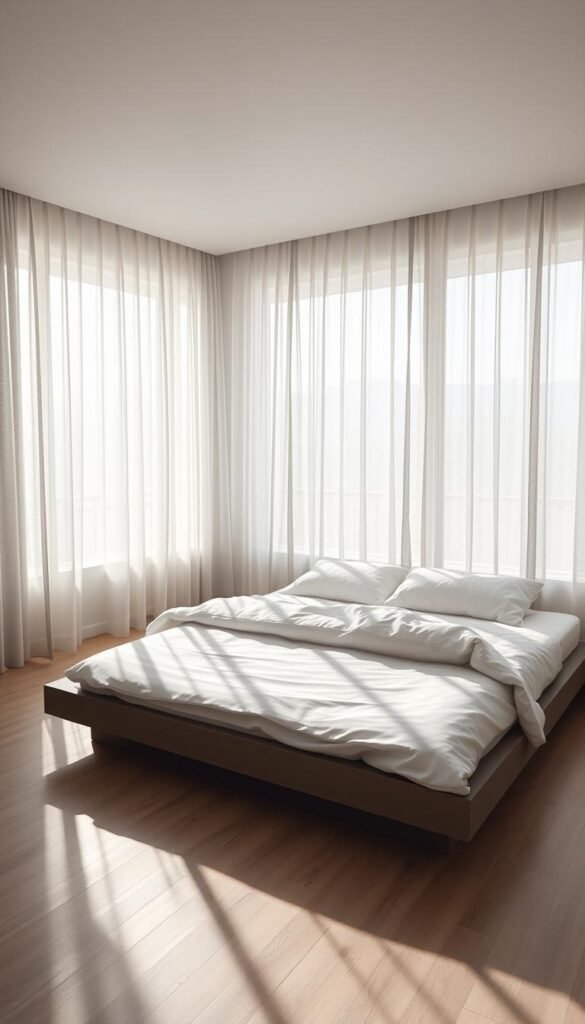
A peaceful sleeping environment serves as your personal reset button each day. Top designers emphasize creating spaces that promote relaxation and mental clarity.
Your sleeping area should feel like a sanctuary from daily stress. Calm design choices support better rest and overall well-being.
Elad Yifrach describes the primary bedroom as an “ocular palate cleanser.” He uses neutral grass cloth and sage green linen to create visual relief.
This approach helps your mind unwind after stimulating activities. The space becomes a true retreat for restoration.
Lauren Waters demonstrates serene minimalism through streamlined pieces. Earthy tones and uncluttered surfaces contribute to tranquility.
Studio Shamshiri’s use of Stiffykey Blue creates another calming example. The desaturated blue tone promotes relaxation throughout the space.
Designers recommend several techniques for fostering calm:
- Soothing color palettes with muted tones
- Soft textures that invite touch and comfort
- Clutter-free organization systems
- Reduced visual and auditory stimuli
Your routine reinforces the room’s peaceful purpose. Use the space primarily for sleep and relaxation activities.
Hidden technology and simple layouts help your mind unwind. These choices minimize distractions before bedtime.
Diffused lighting creates gentle illumination throughout the evening. Natural materials like wood and linen add organic warmth.
Personal artifacts should promote tranquility rather than stimulation. Choose items that evoke peace and positive memories.
The health benefits of a calm sleeping environment are significant. You’ll experience improved sleep quality and reduced stress levels.
Prioritize calm in your design decisions to create a true sanctuary. Your space should serve as a refuge from daily demands.
This focus on tranquility connects beautifully with nature-inspired designs. Natural elements enhance the peaceful atmosphere of any room.
For more inspiration on creating cozy, calming spaces, explore these bedroom ideas that promote relaxation.
| Calm Element | Design Application | Benefits |
|---|---|---|
| Soothing Colors | Muted wall tones, soft bedding | Reduces visual stimulation |
| Soft Textures | Plush rugs, linen curtains | Enhances physical comfort |
| Minimal Layout | Streamlined furniture, hidden storage | Creates mental clarity |
| Natural Materials | Wood accents, organic cotton | Connects to nature |
Remember that calm design supports your health and happiness. Each choice should contribute to your overall well-being.
This approach prepares your space for exploring natural light connections. Light plays a crucial role in maintaining peaceful atmospheres.
Maximize Light and Foster a Connection to Nature
Sunlight streaming through your windows creates an instant mood boost each morning. This natural light transforms your personal space into a vibrant, energizing environment.
Matthew Harris demonstrated this beautifully in his Lisbon apartment. Large windows flood the room with illumination while oak paneling enhances the outdoor-indoor connection.
Your sleeping area benefits tremendously from abundant natural light. It regulates circadian rhythms and improves overall well-being throughout your day.
Consider these design choices to maximize illumination:
- Position furniture to avoid blocking window areas
- Choose light-reflecting materials like grasscloth wallcoverings
- Install skylights for additional overhead light sources
- Use mirrors strategically to bounce light around the room
Color schemes dramatically affect how light behaves in your home. Pamela Schneider’s sunny yellow palette creates a cheerful atmosphere that amplifies natural illumination.
White and other light tones work similarly well. They make any space feel more expansive and airy throughout the day.
Window treatments offer the perfect way to control light levels. Sheer curtains filter harsh sunlight while maintaining brightness.
Blackout options provide complete darkness for better sleep when needed. Layering different treatments gives you maximum flexibility.
Biophilic design connects your bedroom to the natural world in meaningful ways. Incorporate plants, natural wood elements, and views to nature whenever possible.
This approach creates a grounding effect that reduces stress. It brings the calming influence of the outdoors into your personal retreat.
Position your bed to take advantage of pleasant views or morning light. This simple adjustment makes your room feel more connected to the outside world.
Artificial lighting supplements natural sources beautifully. Ensure your space remains inviting during evening hours with well-placed fixtures.
Prioritize both light and nature in your layout decisions. This creates a healthier, more uplifting environment that supports your well-being.
These concepts prepare your bedroom for canopy beds and furniture selections. Proper illumination enhances their beauty and functionality.
Define Your Sleep Space with a Canopy or Alcove Bed
Creating a dedicated sleep zone elevates your bedroom’s function and aesthetic. These enclosed designs add luxury while defining your personal retreat.
Canopy beds make a strong comeback with modern twists for 2025. Upholstered designs and minimalist frames update this classic look beautifully.
A walnut canopied bed in a Hollywood Hills bungalow shows this trend perfectly. It combines warmth with drama through a rich velvet bedcover.
Alcove or nook beds offer smart solutions for compact spaces. Tiffany Duggan of Studio Duggan recommends built-in designs that maximize every inch.
These beds often include hidden storage compartments. They create multi-functional spaces for reading or relaxing too.
Consider these factors when choosing your style:
- Room size – Canopies work in spacious areas, alcoves suit compact rooms
- Desired aesthetic – Dramatic statement versus integrated solution
- Comfort needs – Enclosed feeling versus open airiness
Coordinate fabrics and materials with your existing color scheme. This ensures a cohesive look throughout your space.
The psychological comfort of a defined sleep area improves rest quality. It creates intimacy that makes your room feel more personal.
View these bed styles as investment pieces for your home. They transform your sleeping place into a true retreat.
These designs prepare your space for furniture selections that balance proportion and warmth. The right bed becomes the foundation for your entire room’s layout.
Select Furniture that Balances Proportion and Warmth
The right furniture pieces transform your room into a harmonious retreat. Proper scale ensures everything fits comfortably without crowding. Your space should feel inviting and functional.
Nicole Hirsch recommends dark wood tones like walnut. These materials add richness without making the room feel dark. They bring natural warmth to your interiors.
Emily Brownell emphasizes heirloom-quality pieces. These items avoid fleeting trends and offer lasting value. They add soul and character to your home.
Darren Jett’s bespoke marble bedpost shows innovative design. It offers unique panache without traditional softness. This approach creates memorable focal points.
Consider these tips when selecting your furniture:
- Measure your room carefully before purchasing any pieces
- Leave adequate walking space around each furniture item
- Choose items that complement your existing layout
- Consider visual weight as well as physical dimensions
Natural materials like oak or birch bring Scandinavian-inspired warmth. They offer simplicity and organic beauty. These choices create cozy, inviting spaces.
Mixing furniture styles and periods adds eclecticism. Ensure they share common elements like color or material. This maintains cohesion throughout your room.
Functional aspects enhance practicality in your space. Storage-integrated furniture keeps things organized. Adjustable pieces offer flexibility for different needs.
Your furniture should feel inviting and supportive. It contributes to overall comfort and well-being. Choose pieces that you genuinely enjoy using daily.
This selection process prepares you for implementing all elements cohesively. Your choices create the foundation for your perfect personal retreat.
| Furniture Type | Room Size | Material Benefits |
|---|---|---|
| Platform Bed | Small to medium | Clean lines, space-saving |
| Armoire | Medium to large | Storage plus display space |
| Nightstands | Any size | Convenient surface access |
| Accent Chair | Medium to large | Additional seating option |
Remember that furniture serves both aesthetic and practical purposes. Your selections should balance beauty with everyday functionality. This approach creates a space that truly works for your lifestyle.
Your Guide to Implementing These Designer-Approved Ideas
Now that you’ve explored various concepts, let’s create your action plan. This step-by-step approach helps you transform inspiration into reality.
Begin by assessing your current space. Walk around your room with fresh eyes. Note what works well and what needs improvement.
Consider your daily routines and storage needs. Think about lighting preferences and comfort requirements. This assessment forms your foundation.
Prioritize changes based on your budget and timeline. Small updates often create the biggest impact. Start with color or texture enhancements before major furniture investments.
Remember these key takeaways from our exploration:
- Color sets your room’s emotional tone
- Texture layering adds depth and comfort
- Lighting affects both function and mood
- Storage solutions maintain organization
- Personal touches make the space yours
These elements work together beautifully. They create a cohesive look that feels intentional and complete.
Source items from various places for the best results. Wayfair offers excellent furniture options. Target provides affordable decor pieces.
Local artisans create custom headboards or unique pieces. Vintage shops often have character-filled armoires. Mix sources for a curated look.
Always measure your space before purchasing anything. Leave adequate walking room around furniture. Consider visual balance as well as physical dimensions.
Design tools help visualize complex changes. Free apps like RoomPlanner show layout options. Some stores offer complimentary design consultations.
Mix and match ideas to suit your personal style. Don’t feel locked into specific trends. Your space should reflect your unique personality.
Allow your design to evolve over time. Add pieces gradually as you find them. This approach creates a more authentic, collected look.
Small changes make significant differences. New bedding or artwork refreshes your space instantly. You don’t need a full renovation to see improvement.
This implementation guide leads naturally to creating your perfect retreat. Well-executed ideas enhance your daily life through better rest and comfort.
| Implementation Phase | Recommended Actions | Budget Range |
|---|---|---|
| Assessment | Measure space, identify needs | $0 |
| Foundation Updates | Paint, lighting, textiles | $200-800 |
| Furniture Investment | Bed, storage, seating | $800-3000 |
| Personalization | Art, accessories, decor | $100-500 |
Your journey toward a better sleeping space starts with thoughtful planning. Each step brings you closer to a room that truly supports your well-being.
Embrace These Ideas and Craft Your Perfect Personal Retreat
Your journey to a better bedroom starts with small steps. Pick one or two ideas that speak to you most. Build your space gradually over time.
Focus on comfort and personal expression in your design. Every choice should make your room feel like a true retreat. Top designer professionals emphasize this balanced approach.
The long-term benefits are worth the effort. You’ll enjoy better sleep and daily relaxation. Your home becomes a sanctuary that reflects your unique style.
Remember that perfection isn’t the goal. Create a welcoming environment that brings you joy. Share your results and seek inspiration from others.
Thank you for reading these key insights. Revisit them anytime as you transform your space in your own way.