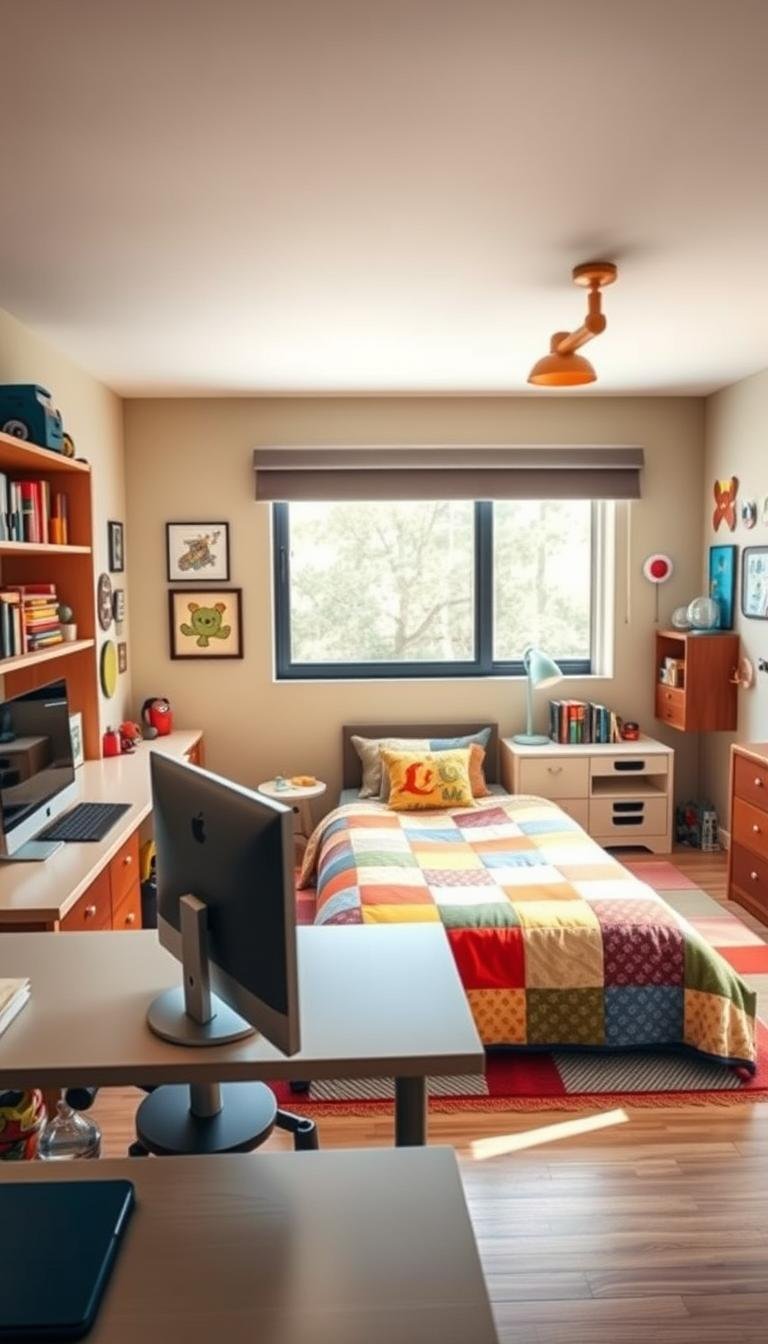
Designing a functional and fun space for your son can feel challenging. This is especially true when working with limited square footage. You want a room that supports sleep, study, and plenty of active fun.
With some clever thinking, even the smallest area can become your child’s favorite hangout. The right setup maximizes every inch for imagination and movement.
We will share 15 innovative concepts to optimize your child’s personal space. These creative solutions focus on saving room while encouraging play. Get ready to transform that challenging area into an amazing, multi-use zone.
Our upcoming sections dive into specific space-saving strategies and playful designs. You will find practical tips you can actually use right away.
Why Smart Design is Key for a Boy’s Bedroom
Transforming a modest-sized children’s area into a multifunctional environment calls for strategic thinking and creative solutions. Every square foot matters when you’re working with limited dimensions.
The right approach turns challenges into opportunities. You create a space that grows with your child while supporting their daily activities.
Maximizing Every Square Inch
Small living quarters demand furniture that serves multiple purposes. Think beds with built-in storage or desks that fold away when not needed.
Vertical space often goes underutilized. Wall-mounted shelves and organizers free up precious floor area. This creates more room for movement and play.
Here’s a comparison of effective space-saving strategies:
| Strategy | Space Saved | Best For | Approximate Cost |
|---|---|---|---|
| Loft beds | 30-40 sq ft | Older children | $300-800 |
| Wall-mounted desks | 10-15 sq ft | Study areas | $150-400 |
| Multi-functional furniture | 15-25 sq ft | All ages | $200-600 |
| Vertical storage systems | 8-12 sq ft | Toy organization | $100-300 |
Creating Zones for Sleep, Study, and Play
Dedicated zones help maintain organization in a compact room. Each area serves a specific purpose while contributing to the whole.
The sleep zone should feel calm and restful. Use softer colors and minimal distractions here. This creates a peaceful environment for quality rest.
Study areas benefit from good lighting and minimal clutter. A small desk against a wall works perfectly. Keep supplies organized and within easy reach.
Play spaces need durability and easy cleanup. Consider washable surfaces and accessible toy storage. This encourages independence and responsibility.
These thoughtful design ideas make any room feel larger and more functional. They adapt to your child’s changing needs over time.
Ready to see these concepts in action? Our first layout solution combines sleep and study in one brilliant piece.
1. Opt for a Space-Saving Bunk Bed with a Built-In Desk
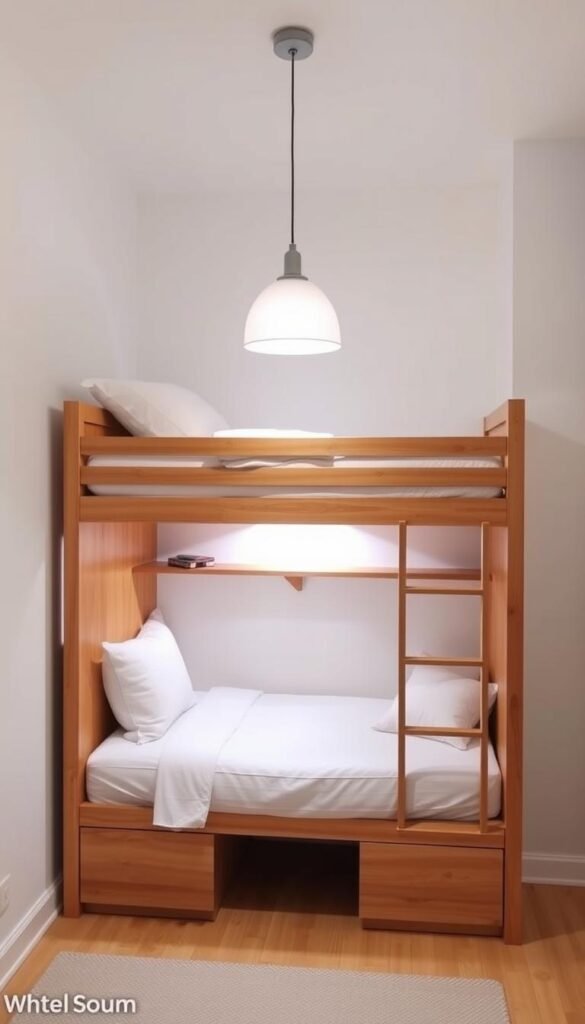
A bunk bed with integrated workspace represents one of the most practical solutions for space-challenged rooms. This clever design merges two essential areas into one compact unit, freeing up valuable floor area for other activities.
The built-in desk typically includes drawers and shelves for school supplies. This keeps everything organized and within easy reach. Your child can transition seamlessly from rest to homework without moving between different furniture pieces.
The Perfect Age Range for This Setup
This configuration works best for children between 6 and 14 years. Younger kids appreciate the adventure of climbing to their sleeping area. Older children value having a dedicated study spot that feels separate from their bed.
The design grows with your child through their elementary and middle school years. It supports their changing needs as they develop more homework responsibilities. The sturdy construction ensures safety throughout this age range.
Decor Tips to Keep It Fun and Functional
Bright colors make the study area inviting and energetic. Consider a vibrant chair that adds personality while providing comfortable seating. Colorful storage bins help organize supplies while adding visual interest.
Personal touches like favorite artwork or achievement displays create ownership. Task lighting ensures proper illumination for reading and writing. These elements combine to make the space both practical and personally meaningful.
This innovative furniture solution maximizes your available square footage beautifully. It creates dedicated zones for different activities without consuming extra room. The result is an organized, functional area that supports both work and play.
2. Elevate the Bed to Create a Cozy Reading Nook
Raising the sleeping area opens up wonderful possibilities below. This clever approach transforms unused vertical space into a functional zone. You gain an entire new area without expanding the room’s footprint.
Children love having their own special place to retreat. A reading nook under a lofted bed offers perfect privacy. It becomes their personal sanctuary for quiet time and imagination.
This setup works especially well for kids aged 6 to 12. They’re old enough to appreciate having their own space. Yet they still enjoy the magical feeling of a hidden retreat.
How to Make the Space Under the Bed Inviting
Comfort is key when creating an appealing reading spot. Start with a plush chair or large floor cushions. Add soft blankets and throw pillows for extra coziness.
Consider adding a small area rug to define the space. It creates visual separation from the rest of the room. The rug also adds warmth and texture underfoot.
For ultimate privacy, hang lightweight curtains around the nook. They create a sense of enclosure without feeling closed off. Your child will love having their own little hideaway.
Choosing the Right Lighting and Seating
Proper illumination transforms any reading area. String lights or a small wall-mounted lamp provide gentle glow. Avoid harsh overhead lighting that feels too clinical.
Choose seating that fits your child’s size and comfort needs. A beanbag chair offers flexible support for various positions. Smaller children might prefer floor cushions they can arrange themselves.
Keep the lighting adjustable for different times of day. Dimmable options create the perfect atmosphere for afternoon reading or evening relaxation. The right combination makes this spot irresistible for book lovers.
This creative use of vertical space gives your child their own special retreat. It encourages quiet time and literary adventures. Next, we’ll explore another brilliant space-saving solution.
3. Install a Murphy Bed for Maximum Floor Space
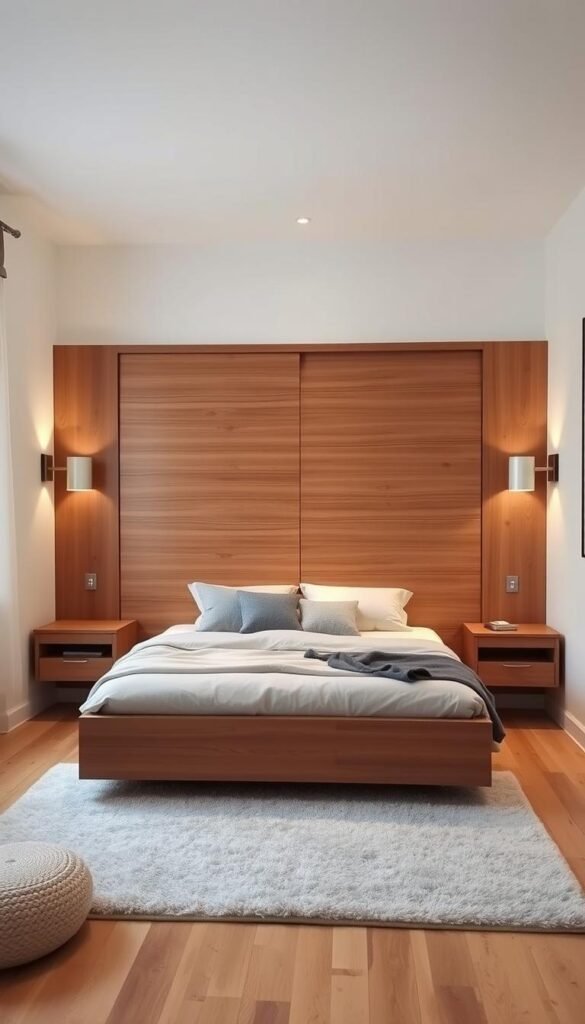
When every square foot counts, a fold-away sleeping solution offers incredible flexibility. This clever piece of furniture disappears completely when not in use. You gain an entire play zone during waking hours.
The magic happens when the bed folds vertically into the wall. Your child’s sleeping area transforms into open floor space for activities. This innovative approach maximizes the room’s potential throughout the day.
Blending the Bed Seamlessly into Your Wall
Choose a neutral wall color that matches the bed’s exterior. This creates a smooth, integrated look when the bed is stored. The furniture becomes practically invisible against the wall.
Many models include built-in shelving or cabinets around the bed frame. These additions help the unit feel like permanent wall storage. The result is a clean, uncluttered appearance in your child’s personal space.
The Best Time to Invest in a Fold-Away Bed
This setup works wonderfully for children aged 5 to 12 years. Younger kids enjoy the novelty of a disappearing bed. Older children appreciate having more room for their activities.
The fold-away concept grows with your child through their elementary school years. It provides flexible space usage as their needs change over time. This practical idea serves your family well for many years.
During daytime hours, the cleared floor area becomes perfect for play. Your child gains valuable space for building, creating, and moving around. This smart approach makes the most of limited square footage.
Ready to explore another brilliant organization idea? Our next solution takes advantage of vertical surfaces.
4. Utilize Wall-Mounted Storage to Free Up the Floor
Looking up rather than around opens new possibilities for your child’s area. Wall-mounted solutions transform vertical surfaces into practical storage zones. This approach keeps the floor clear for active movement and creative play.
Children between 5 and 14 years benefit most from these systems. They can reach items independently while learning organization skills. The setup grows with them through different developmental stages.
Floating shelves create an airy, open feel while providing display space. They work perfectly for books, trophies, and special collections. Choose sturdy materials that can handle frequent use.
Hooks and organizers keep frequently used items accessible. Backpacks, hats, and art supplies find neat homes. Everything stays visible yet organized against the wall.
Ideas for Floating Shelves and Organizers
Modular shelf systems offer flexible configurations for any wall space. You can arrange them in patterns that suit your child’s interests. These systems adapt as storage needs change over time.
Consider these popular options for wall organization:
| Storage Type | Best Use | Age Appropriateness | Installation Difficulty |
|---|---|---|---|
| Floating shelves | Books and displays | 5+ years | Moderate |
| Pegboard systems | Art supplies and tools | 7+ years | Easy |
| Wall grids with baskets | Small toys and collections | 5+ years | Easy |
| Magnetic strips | Metal toys and tools | 6+ years | Very easy |
Pegboards provide incredible versatility for organizing various items. You can rearrange hooks and shelves as interests evolve. This system works wonderfully for craft supplies and small treasures.
Displaying Collections Without the Clutter
Open shelving lets your child showcase favorite items proudly. Group similar objects together for a cohesive look. This approach turns collections into decorative elements.
Use uniform containers for small pieces like building blocks or action figures. Clear bins work best for visibility while maintaining neatness. Labels help identify contents at a glance.
As designer Kelly Finley demonstrates in her innovative projects, custom storage solutions can transform challenging spaces. Her work shows how wall systems create both function and style.
Rotate displayed items seasonally to keep the look fresh. This prevents visual overload while maintaining interest. Your child will enjoy curating their personal gallery.
These wall solutions create an organized environment that encourages responsibility. The clear floor space invites active play and creativity. Next, we’ll explore another brilliant storage option hiding right under the sleeping area.
5. Incorporate Under-Bed Storage Drawers for Hidden Organization
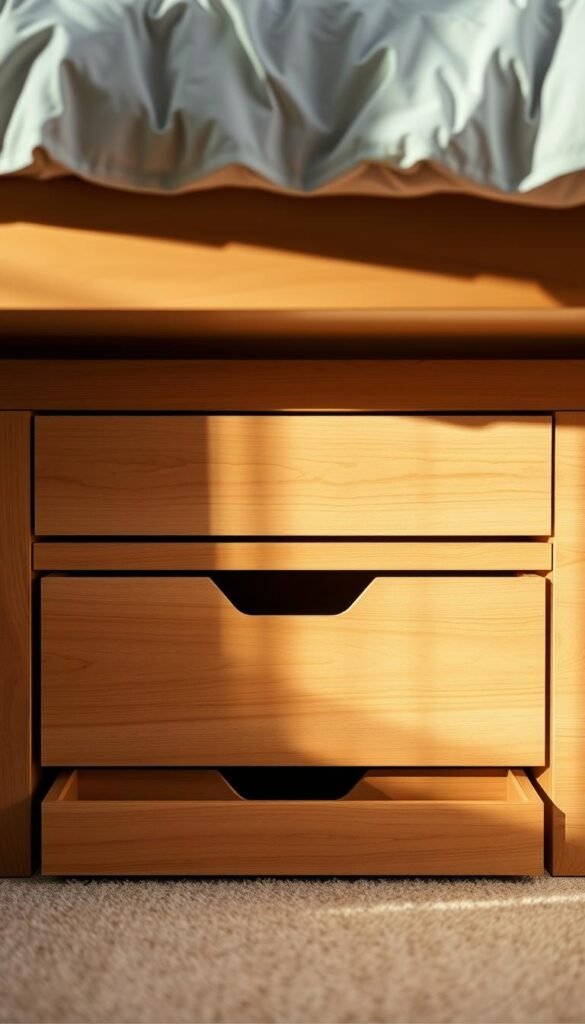
That empty area beneath the sleeping surface holds incredible potential. You can transform this often-overlooked spot into a secret storage zone. This clever approach keeps belongings organized yet completely out of sight.
Children between 4 and 10 years particularly benefit from this solution. They’re young enough to need help organizing but old enough to access items independently. The hidden nature adds an element of fun to cleanup time.
Choosing the Right Bins and Boxes
Select containers that slide smoothly on your flooring surface. Low-profile bins with wheels work beautifully for easy access. Colorful options make organization visually appealing for younger children.
Consider clear plastic containers for better visibility of contents. They help your child quickly find what they need without rummaging through everything. Matching sets create a neat, coordinated look beneath the sleeping area.
What to Store in These Handy Spaces
These hidden compartments perfectly hold seasonal clothing rotations. Out-of-season sweaters or swimwear stay protected yet accessible. Extra bedding and blankets also fit wonderfully in these spaces.
Favorite playthings find an ideal home here too. Building sets, action figures, and board games stay organized but within reach. This storage method keeps the room tidy while maintaining easy access to beloved items.
The convenience of sliding drawers makes cleanup simple for little hands. Your child can maintain their space independently with this practical system. This smart approach maximizes every inch of available area beautifully.
6. Design a Custom Built-In Wardrobe and Shelving Unit
Custom built-ins transform awkward areas into highly functional zones. This approach maximizes every inch of available space while creating a cohesive look. Your child gains ample storage without sacrificing valuable floor area.
This solution works beautifully for children aged 6 to 14 years. They need organized spaces for clothing, toys, and school supplies. The custom nature ensures everything fits perfectly within the room’s dimensions.
Making the Most of an Awkward Nook or Bump-Out
Many rooms feature unusual architectural elements that challenge standard furniture placement. These spaces become valuable assets with custom built-ins. You can create storage that flows seamlessly with the room’s contours.
Designer Kelly Finley demonstrates this approach in her innovative projects. She utilized a custom bed with integrated desk and storage within a challenging bump-out area. This transformed a potentially problematic space into the room’s most functional feature.
Consider these space-maximizing strategies for unusual areas:
| Space Type | Custom Solution | Storage Gained | Ideal Age Range |
|---|---|---|---|
| Slanted ceilings | Angled shelving units | 8-12 sq ft | 7-14 years |
| Alcoves | Full-height cabinets | 15-20 sq ft | 6-12 years |
| Under-window areas | Low profile drawers | 6-10 sq ft | 5-10 years |
| Corner spaces | Rotating shelving units | 4-8 sq ft | 8-14 years |
Personalizing Storage with Baskets and Labels
Custom storage becomes even more effective with personalized organization systems. Baskets and labels help your child maintain order while expressing their personality. This approach teaches responsibility while keeping the space tidy.
Choose baskets that complement your room’s color scheme and style. Natural materials like woven seagrass or canvas work well with various decor themes. Color-coded containers make organization intuitive and visually appealing.
Clear labeling ensures everything has its proper place. Your child can easily find what they need and return items correctly. This system grows with them as their storage needs evolve over the years.
“Custom storage solutions transform challenging spaces into highly functional areas that children can maintain themselves.”
The right combination of built-in furniture and personalized organization creates a space that works hard while looking great. This approach maximizes storage capacity while maintaining an open, uncluttered feel throughout the room.
Ready to explore how color choices can further enhance your space? Our next section reveals how monochromatic schemes create visual expansion.
7. Choose a Monochromatic Color Scheme to Expand the Space
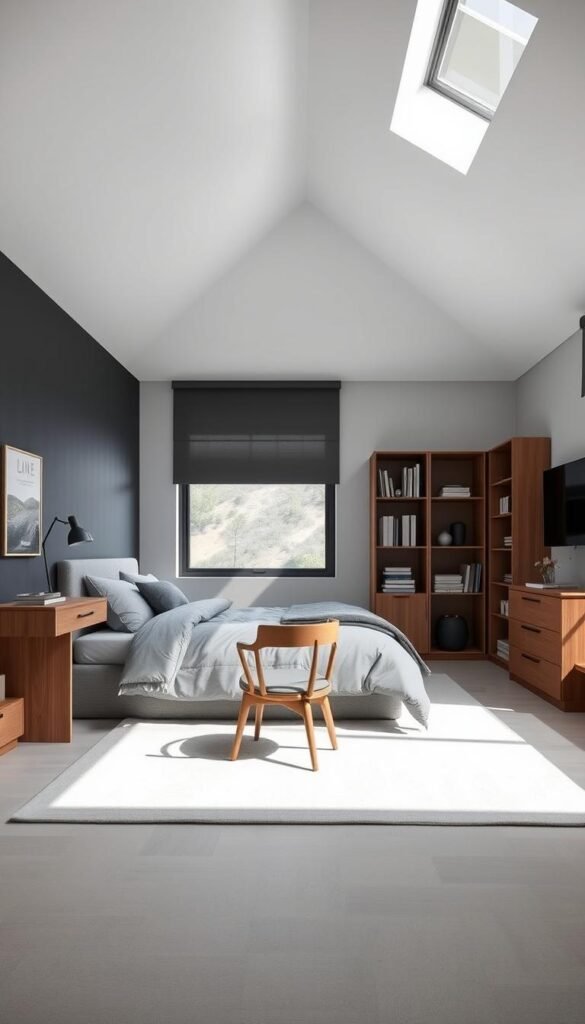
Single-color designs create visual harmony that makes any area feel more spacious. This clever approach uses various tones from one color family to establish a cohesive look.
Your child’s personal area appears larger and more organized with this method. The consistent color flow eliminates visual breaks that can make walls feel closer.
Using Different Shades of the Same Hue
Start with a medium tone for your main wall color. This becomes your anchor shade for the entire room’s theme.
Choose lighter versions for ceilings and trim. These brighter tones create an airy, open feeling throughout the space.
Darker shades work beautifully for furniture and accent pieces. They add depth and sophistication to your decor without overwhelming the area.
Designer Emily Henderson demonstrates this technique beautifully with blue tones. She combines sky blue walls with navy accents and pale blue trim.
Breaking Up Solid Color with Subtle Patterns
Patterns prevent your single-color scheme from feeling flat or boring. They add visual interest while maintaining your chosen color story.
Consider these pattern options for breaking up solid surfaces:
| Pattern Type | Best Application | Visual Effect | Age Appeal |
|---|---|---|---|
| Checked designs | Bedding and curtains | Classic and tidy | 5-12 years |
| Polka dots | Accent wall or rug | Playful and energetic | 4-10 years |
| Striped patterns | Storage bins and pillows | Modern and crisp | 7-14 years |
| Geometric shapes | Wall art and lampshades | Contemporary and cool | 8-14 years |
Henderson’s blue room features checked throw pillows and dotted accent pieces. These subtle patterns add personality without disrupting the color flow.
Your paint choices become the foundation for a coordinated look. Then you layer patterns through textiles and accessories for added dimension.
“Monochromatic schemes create instant cohesion while making spaces feel larger and more intentional.”
This approach gives you a sophisticated backdrop for your child’s growing interests. The unified color theme makes everything feel purposeful and designed.
Ready to explore another color technique? Our next idea uses contrast to create height and brightness.
8. Create Contrast with Your Ceiling and Trim
Your child’s personal area can gain visual height and brightness through strategic color choices. This clever approach uses contrasting shades to expand the space visually without changing its actual dimensions.
Designer Celerie Kemble demonstrates this technique beautifully. She connects dark walls with a light ceiling using contrasting trim. This method makes the room feel taller and brighter instantly.
Making the Room Feel Taller and Brighter
Light colors on overhead surfaces create an airy, open feeling. A bright ceiling seems to float upward, adding perceived height. This optical illusion works wonders in compact areas.
Choose crisp white or soft off-white for your overhead surface. These shades reflect light beautifully throughout the space. The result is a brighter, more inviting environment for your child.
Consider these benefits of light overhead colors:
- Enhanced natural light reflection
- Increased perceived ceiling height
- Clean, fresh atmosphere
- Better overall illumination
Connecting Dark Walls with a Light Ceiling
The trim acts as a bridge between your wall and overhead colors. It creates a smooth transition that feels intentional and designed. This connection prevents colors from feeling disconnected or jarring.
Designer Kemble often uses medium-toned trim for this purpose. It provides visual continuity while maintaining contrast. The result is a cohesive look that maximizes both height and brightness.
Follow these steps for successful color connection:
- Choose your wall color first (darker shade)
- Select a light color for the overhead surface
- Pick trim color that complements both
- Test samples in different lighting conditions
Your paint choices should work together harmoniously. The trim color should feel like a natural middle ground. This creates a graduated effect that expands the space beautifully.
“Contrasting trim creates visual continuity while making spaces feel taller and more illuminated.”
This color technique transforms any area into a brighter, more spacious-feeling environment. It’s an easy way to enhance your child’s personal space without structural changes.
Ready to personalize the area further? Our next idea focuses on dedicating space to your child’s favorite activities.
9. Dedicate a Corner to Your Child’s Favorite Hobby
Your child’s interests deserve a special spot in their personal room. Creating a dedicated hobby area makes the space feel uniquely theirs. This simple idea transforms any corner into a creative zone.
Designer Ariel Oakin shows how effective this approach can be. She dedicated an entire wall to a young boy‘s passion project. This personalized touch makes the room truly special.
Embracing Sports, Art, or Other Passions
Think about what makes your child’s eyes light up. Sports enthusiasts might love a mini basketball hoop or equipment display. Young artists need accessible storage for supplies and display space for masterpieces.
Consider these popular hobby station ideas:
| Hobby Type | Essential Elements | Storage Solutions | Age Range |
|---|---|---|---|
| Sports | Equipment display, achievement board | Wall hooks, display cases | 6-14 years |
| Art | Drawing surface, supply storage | Portfolio case, pencil holders | 4-12 years |
| Building | Building surface, part organizers | Clear bins, sorting trays | 5-10 years |
| Science | Experiment space, specimen display | Shelving, labeled containers | 7-14 years |
Music lovers might appreciate instrument hooks and sheet music storage. Bookworms need comfortable reading nooks with nearby book displays. The key is matching the setup to your child’s current enthusiasm.
How to Display Collections Creatively
Showcasing treasures becomes part of the room‘s decor. Open shelving lets your child see their favorite items daily. Shadow boxes protect delicate collections while keeping them visible.
Try these creative display methods for different toys and collections:
Floating shelves work perfectly for trophy displays and model cars. Magnetic strips hold metal items like rock collections or small tools. Clear acrylic cases protect completed puzzles or delicate projects.
Rotate displayed items every few months to keep the theme fresh. This prevents visual clutter while maintaining interest. Your child will enjoy curating their personal museum.
This dedicated area encourages passion projects and creative play. It’s a wonderful way to support your child’s developing interests. The personal touch makes the room feel truly theirs.
Ready to combine sleeping and playing in one brilliant piece? Our next idea features built-in beds that double as fantastic play zones.
10. Make a Built-In Bed that Doubles as a Fort or Play Space
A custom sleeping area can become your child’s favorite adventure zone. This clever approach combines rest and recreation in one fantastic piece. You create a magical environment that sparks imagination daily.
Designer Katie Ridder shows how effective this idea can be. She used bold plaid patterns inside bunk areas for a cozy feel. This creates a warm, inviting atmosphere perfect for both sleep and play.
Your child gains their own special place for dreams and adventures. The built-in nature makes the most of available room space. This practical solution works beautifully for many years.
Designing a Cozy, Cocoon-Like Sleeping Area
Start with comfortable materials that feel inviting and secure. Plaid fabrics work wonderfully for creating a snug environment. They add visual interest while making the space feel personal.
Consider these elements for a cozy sleeping nook:
| Element | Purpose | Material Options | Age Range |
|---|---|---|---|
| Wall padding | Safety and comfort | Fabric panels, foam | 4-10 years |
| Lighting | Atmosphere control | String lights, dimmable | 5-12 years |
| Textiles | Warmth and texture | Plaid blankets, soft pillows | 4-14 years |
| Storage | Organization | Built-in shelves, baskets | 6-12 years |
Soft lighting creates a magical atmosphere for evening reading. Dimmable options allow adjustment for different activities. Your child can control their space’s mood easily.
Built-in shelves keep favorite books and toys within reach. They transform the bed area into a functional play zone. Everything stays organized yet accessible.
Leaving Room for Growth and Sleepovers
Design your built-in bed with future needs in mind. Consider including extra sleeping space for friends. A trundle bed or larger platform accommodates sleepovers perfectly.
Adjustable elements ensure the setup grows with your child. Modular components can be reconfigured as interests change. This approach extends the furniture’s usefulness through different stages.
Think about these adaptable features:
- Removable fort elements
- Convertible play surfaces
- Expandable storage options
- Adjustable lighting systems
The play fort can transform into a study nook later. This flexibility makes the investment worthwhile for many years. Your child’s space evolves along with their developing interests.
This imaginative bedroom idea creates lasting memories. It supports both solitary play and social gatherings. The space becomes a favorite place for your child and their friends.
Ready to add personality through patterns? Our next section explores fun ways to incorporate whimsical designs.
11. Incorporate Fun and Whimsical Patterns
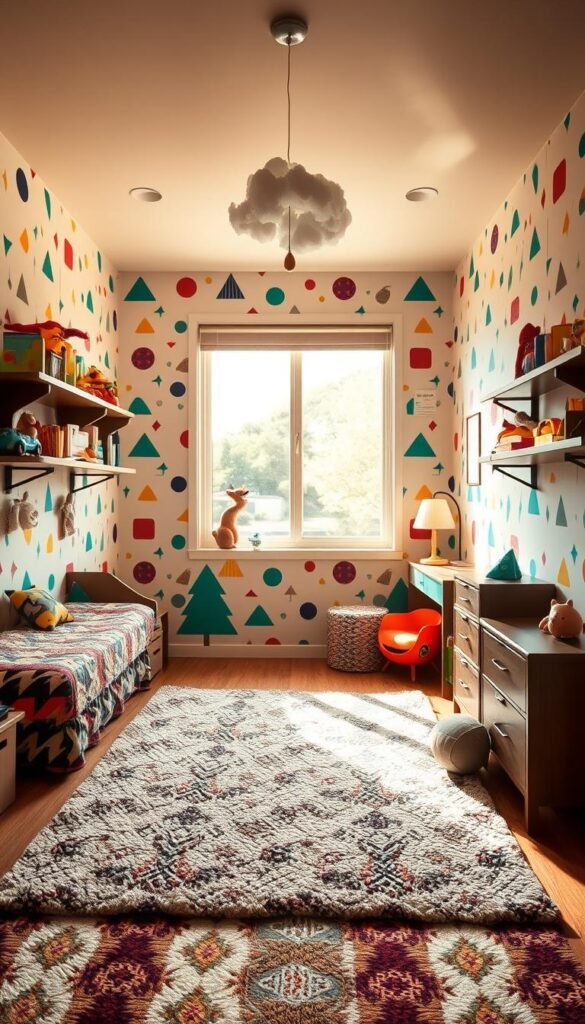
Patterns bring energy and character to your child’s personal space. They transform plain surfaces into exciting visual experiences. The right mix creates a room that feels uniquely tailored to your son’s personality.
Cortney and Robert Novogratz demonstrated this beautifully with crane motif linens. Their design took inspiration from vintage wallpaper patterns. This approach creates a cohesive look throughout the space.
Choosing Linens and Wallpaper with Personality
Select patterns that reflect your child’s current interests and passions. Graphic designs and stripes remain popular choices for boys’ rooms. These patterns add visual interest without feeling too juvenile.
Consider your child’s favorite colors when selecting patterned items. Choose one dominant shade as your main color theme. Then build your pattern selection around this central hue.
Here’s a helpful guide for pattern selection:
| Pattern Type | Best Application | Room Size | Age Appeal |
|---|---|---|---|
| Graphic prints | Accent wall or bedding | All sizes | 6-14 years |
| Striped designs | Curtains or area rugs | Small to medium | 5-12 years |
| Nature motifs | Wallpaper or pillows | Medium to large | 4-10 years |
| Geometric shapes | Storage bins or art | All sizes | 7-14 years |
Mixing Patterns Without Overwhelming the Room
Start with one large-scale pattern as your focal point. This could be a feature wall or bedding set. Then add smaller coordinating patterns throughout the space.
Maintain color consistency across different patterns. Choose two or three main colors that appear in each design. This creates visual harmony despite pattern variety.
Balance busy patterns with solid-colored elements. Use plain surfaces for eyes to rest between patterned areas. This prevents the room from feeling too chaotic.
Consider these successful pattern mixing strategies:
- Pair large-scale patterns with smaller prints
- Use similar color palettes across different designs
- Include solid-colored furniture and accessories
- Limit pattern use to specific zones
This approach creates a dynamic yet balanced environment. The patterns add personality without dominating the space.
Ready to think vertically? Our next idea takes playtime to new heights with elevated sleeping solutions.
12. Think Vertically with a Lofted Bed and Slide
Elevating your child’s sleeping area creates an exciting adventure zone. This smart approach maximizes vertical space while adding serious fun. Your child gains a whole new dimension for play and rest.
Studio Life/Style designed a fantastic room with this concept. They combined a lofted bed with a slide and play area below. This setup transforms ordinary sleep time into daily adventures.
The Ultimate Playtime Adventure Setup
This configuration turns bedtime into something kids actually look forward to. The slide adds an element of excitement to the daily routine. Children love having their own personal playground.
Lofted beds create valuable floor space beneath the sleeping area. This open zone becomes perfect for active play and imagination. Your child can build forts, play with toys, or create their own games.
Consider these exciting elements for your adventure setup:
| Feature | Benefit | Space Required | Age Range |
|---|---|---|---|
| Curved slide | Safe descent and fun factor | 4-6 sq ft | 4-10 years |
| Climbing wall | Physical activity and challenge | 8-12 sq ft | 6-12 years |
| Play curtains | Privacy for fort building | 2-4 sq ft | 4-8 years |
| Built-in storage | Toy organization underneath | 6-10 sq ft | 5-12 years |
The slide isn’t just for fun – it’s a practical way to get down safely. It provides a controlled descent that’s easier than climbing down a ladder. This feature works well for younger children who might struggle with traditional loft access.
Safety and Space Considerations
Safety comes first when designing elevated sleeping areas. Ensure the bed structure meets all safety standards and weight requirements. Proper installation is crucial for preventing accidents.
Your ceiling height determines whether this setup will work. Most loft beds require at least 8 feet of vertical clearance. This allows enough space beneath for comfortable movement.
Consider these important safety features:
- Sturdy guardrails on all open sides
- Secure ladder or staircase attachment
- Slip-resistant steps and slide surfaces
- Weight capacity that exceeds your child’s current weight
The play area beneath needs proper padding for active use. A thick area rug or foam mats provide cushioning for falls. This protects your child during energetic play sessions.
Regularly check all connections and hardware for tightness. Wooden structures may need occasional tightening as they settle. This maintenance ensures long-term safety and stability.
This vertical furniture solution creates an amazing multi-use environment. It supports both active play and restful sleep in one compact area. The adventure continues as we explore rustic design themes next.
13. Design a Rustic Theme with Natural Wood Accents
Natural materials bring warmth and character to your child’s personal area. This design approach creates a cozy environment that feels both rugged and comfortable. The rustic theme works beautifully for various room sizes and ages.
Designer Amanda Greaves demonstrates how effective this look can be. She used barn wood with red, white, and blue accents throughout the space. This combination creates a welcoming atmosphere that feels both classic and fresh.
Using Barn Wood and Exposed Beams
Reclaimed wood adds instant character to any room. Barn wood panels create texture and warmth on walls or ceilings. These natural elements bring organic beauty into the space.
Exposed beams enhance the rustic feel while adding architectural interest. They work particularly well in rooms with higher ceilings. The beams create visual structure without overwhelming the area.
Consider these natural wood applications for your theme:
| Wood Element | Best Placement | Room Impact | Age Appeal |
|---|---|---|---|
| Barn wood panels | Accent wall or ceiling | Adds texture and warmth | 6-14 years |
| Exposed beams | Ceiling structure | Architectural interest | 7-14 years |
| Wooden furniture | Throughout room | Natural warmth | 5-12 years |
| Reclaimed shelves | Storage areas | Rustic charm | 6-12 years |
Natural wood furniture creates a warm, cozy vibe throughout the area. Pieces with visible grain patterns add organic beauty. The furniture becomes both functional and decorative.
Creating a Cohesive, Warm Atmosphere
Choose a color palette that complements your wood elements. Earth tones work beautifully with natural materials. These colors enhance the cozy feeling throughout the space.
Textiles add softness to the rustic theme. Woven blankets and natural fiber rugs provide comfort underfoot. These elements balance the wood’s ruggedness with cozy touches.
Lighting plays a crucial role in atmosphere creation. Warm-toned bulbs enhance wood’s natural warmth. Adjustable fixtures allow different mood settings throughout the day.
“Natural materials create spaces that feel both grounded and inviting, perfect for growing children.”
This design approach creates a timeless look that grows with your child. The rustic theme provides a comforting backdrop for both play and rest. It’s a wonderful way to make any room feel like home.
Ready to make the space even more comfortable? Our next idea focuses on optimizing surfaces for active play.
14. Optimize the Room for Playtime with Soft Surfaces
Creating a safe environment for active fun starts with smart surface choices. The right flooring and colors transform any area into an ideal play zone. This approach combines comfort with durability for everyday enjoyment.
Designer Raymond Boozer demonstrates this concept beautifully. He uses soft surfaces and rich colors to create play-friendly spaces. These elements work together to make rooms both functional and inviting.
Selecting Durable and Comfortable Rugs
Choose rugs that can handle energetic movement and frequent cleaning. Low-pile options work best for active play areas. They provide cushioning without tripping hazards.
Look for these qualities in playroom rugs:
| Feature | Benefit | Material Options | Maintenance Level |
|---|---|---|---|
| Stain resistance | Easy cleanup after messy play | Polypropylene, nylon | Low |
| Non-slip backing | Safety during active movement | Rubber, latex | No additional |
| Low pile height | Prevents trips and falls | Wool, synthetic blends | Medium |
| Colorfast dyes | Maintains vibrant look | Solution-dyed fibers | Low |
Machine-washable rugs offer incredible convenience for busy families. They handle spills and messes without professional cleaning. This practical feature saves time and money.
Why Rich Colors are Great for Play
Vibrant hues create an energetic atmosphere that stimulates imagination. Deep blues, bright reds, and sunny yellows spark creativity. These colors make the space feel alive and exciting.
Rich tones also hide everyday wear and tear beautifully. They camouflage minor stains and scuffs between cleanings. This practical benefit keeps the room looking fresh longer.
Consider these color strategies for play areas:
- Use darker colors on floors and lower walls
- Incorporate bright accents through accessories and storage
- Balance bold walls with neutral furniture pieces
- Choose washable paint for easy touch-ups
Color psychology plays a role in creating the right environment. Warm tones encourage energy and activity. Cooler shades promote calm during quiet time.
This combination of soft surfaces and vibrant colors creates the perfect play space. It supports both active fun and comfortable relaxation. The room becomes a favorite spot for kids and their toys.
Ready to combine all these brilliant ideas? Our final section recaps the best strategies for creating an amazing personal space.
15. The Best Smart Boys Bedroom Layout Ideas That Make Playtime Easy
You’ve explored numerous creative solutions for your child’s personal area. Each concept offers unique benefits for maximizing function and fun. Now let’s review how these strategies work together to create the perfect environment.
Recap of Top Space-Saving Strategies
Multi-functional furniture remains the cornerstone of efficient design. Pieces that serve multiple purposes conserve valuable square footage. These solutions transform limited areas into highly functional zones.
Vertical thinking opens up incredible possibilities. Wall-mounted systems and elevated sleeping areas create new usable space. This approach effectively doubles your available area without expanding the room’s footprint.
Here’s a comparison of the most effective strategies discussed:
| Strategy Category | Key Benefits | Space Saved | Ideal Age Range |
|---|---|---|---|
| Multi-level furniture | Sleep and play combination | 25-40 sq ft | 5-12 years |
| Wall organization systems | Floor clearance and accessibility | 10-20 sq ft | 4-14 years |
| Hidden storage solutions | Clutter reduction and organization | 15-25 sq ft | 4-10 years |
| Custom built-in units | Perfect fit for awkward spaces | 20-30 sq ft | 6-14 years |
Color and pattern choices significantly impact perceived space. Monochromatic schemes create visual expansion. Contrasting elements add depth and dimension to compact areas.
How to Combine Multiple Ideas
Start with your child’s primary needs and interests. Build around activities they enjoy most during playtime. This ensures the space supports their favorite ways to have fun.
Layer solutions that complement each other functionally. A loft bed combines beautifully with under-bed storage and a play area. Wall systems work well with any furniture configuration.
Consider these successful combination approaches:
- Loft bed with slide, play zone below, and wall storage
- Murphy bed with hobby corner and vertical organization
- Built-in desk bed with custom wardrobe and display shelves
- Reading nook under elevated bed with soft surfaces and lighting
Customization creates a space that grows with your child. The right combination adapts to changing interests over the years. This approach ensures long-term functionality and enjoyment.
Smart design makes daily activities smoother and more enjoyable. Organized spaces encourage independence and creativity. Your child gains an environment that truly supports their lifestyle.
These innovative concepts transform challenging areas into amazing personal zones. They maximize every inch for both function and imagination. The result is a room your child will love for years.
Transforming Your Son’s Room into His Favorite Space
Creating a special place for your kid brings joy to the whole family. The best bedroom designs blend love with imagination. Let your boy help choose colors and themes.
This personal touch makes the room truly his own. Even small areas become cozy with smart ideas. Your child will treasure this special space for years.
Keep organization simple and fun. Use labeled bins for easy cleanup. Rotate toys to maintain excitement.
Your son’s play area will grow with him. This is the perfect way to build lasting memories together.