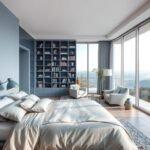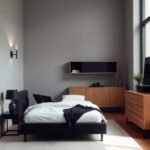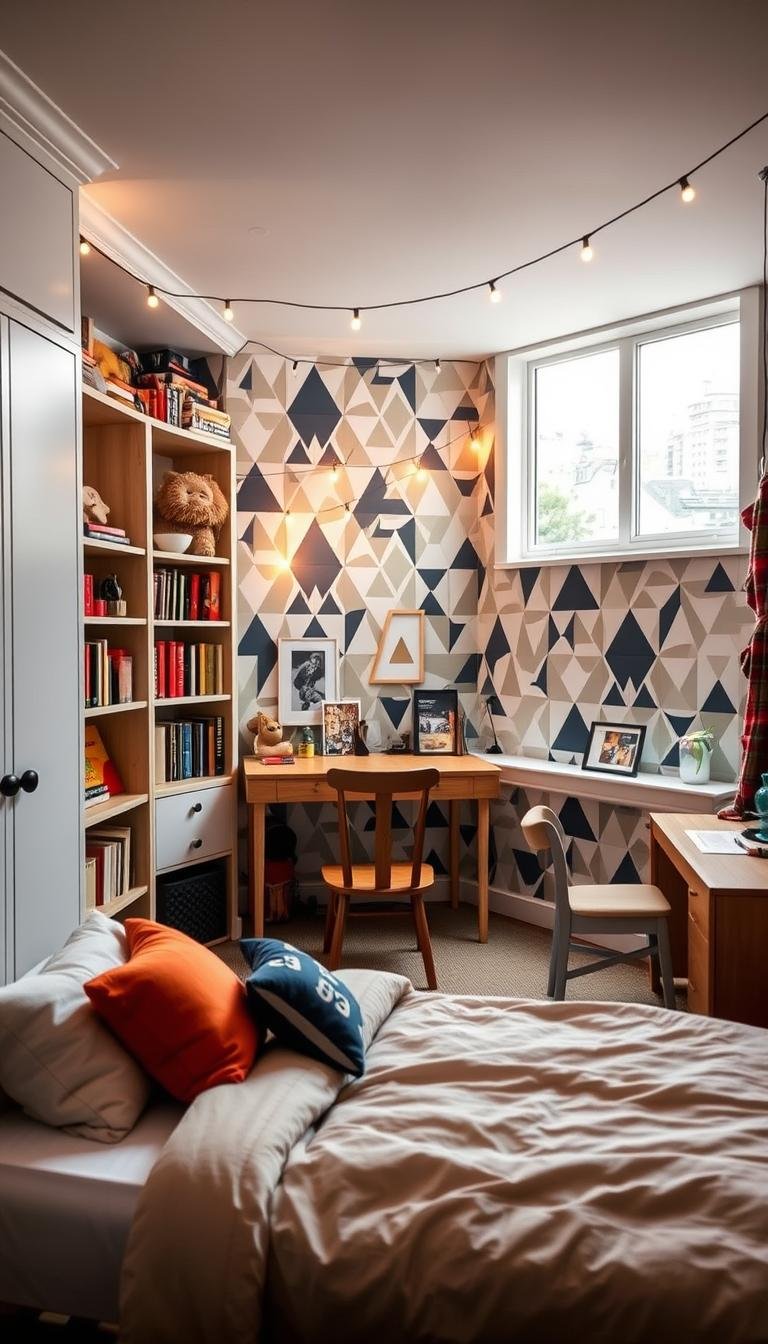
Designing a room for your son is an exciting journey. It’s more than just a place to sleep. This space becomes his personal world for play, study, and rest.
A great room should grow with him through the years. It needs to reflect his unique personality and changing interests. You want a blend of comfort, style, and function.
Our guide offers creative solutions for every age. From young kids to teens, we cover it all. Discover how to use colors, materials, and smart storage.
We’ll explore modern trends like monochrome shades and vintage tones. You’ll find ideas for gaming zones and cozy reading nooks. Each suggestion aims to create a look he’ll love.
Get ready to transform his room into a special haven. Let’s build a space that’s truly his own!
Introduction: Creating a Space That Grows With Him
A well-designed bedroom can transform from a play haven to a study sanctuary as your boy grows. This evolution requires thoughtful planning from the start.
Your son’s personal world should adapt to his changing interests over the years. Whether he loves sports, gaming, or creative hobbies, the room should reflect his unique personality.
Smart design includes flexible furniture that grows with him. Consider convertible beds and modular storage systems. These elements prevent frequent room makeovers.
Choose color schemes and decor that transition smoothly. Neutral tones with accent shades work well. They won’t feel childish as he matures into his teen years.
Comfort is crucial for any bedroom. Invest in cozy bedding and ergonomic furniture. Soft lighting creates a relaxing atmosphere for reading and downtime.
Create dedicated zones for different activities. A homework area keeps schoolwork organized. A gaming corner or display space for collections adds personal touch.
Seasonal updates can refresh the look without complete redesigns. Some designers use this approach to keep spaces feeling current and engaging.
Involve your son in the design process. His input ensures the room feels truly personal. This collaboration makes the space more meaningful to him.
Upcoming ideas focus on creating lasting, adaptable environments. From color strategies to hobby zones, each suggestion supports growth and self-expression.
1. Embrace a Monochrome Color Scheme
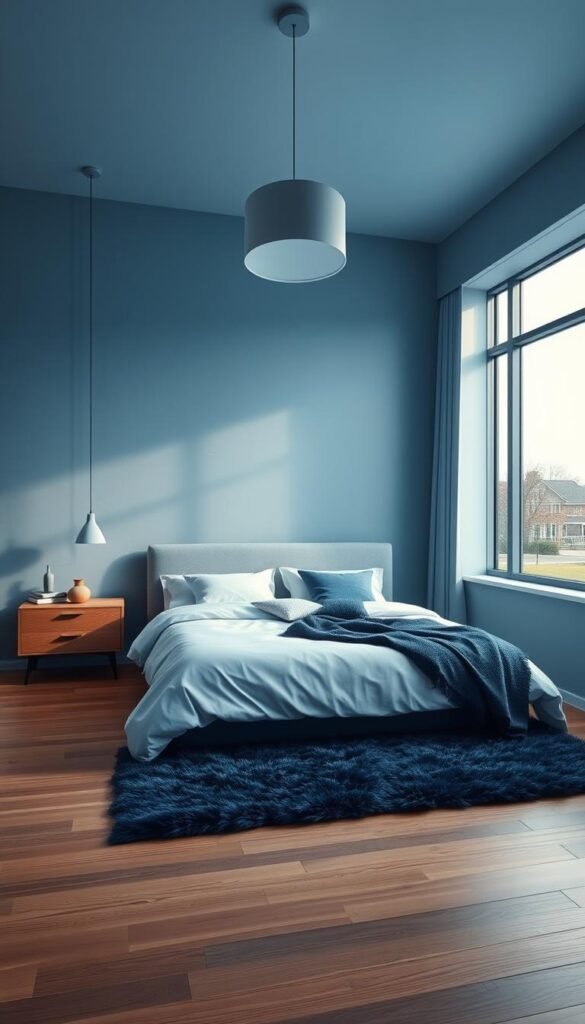
Using a single color family creates a harmonious environment that feels both cohesive and calming for any growing space. This approach avoids visual clutter while maintaining personality. Monochromatic designs work beautifully for boys’ rooms at any age.
Designer Emily Henderson demonstrates this perfectly with an all-blue scheme. She uses various shades of the same hue to prevent overwhelming the space. Check patterns on the floor and dot accents on walls break up solid color blocks.
Choosing the Right Shades of Blue
Selecting the perfect blue tones depends on room size and lighting conditions. Darker navy shades work well in spacious rooms with ample natural light. Lighter sky blue tones can make smaller spaces feel more open.
Consider your son’s preferences when choosing the color palette. Some boys prefer bold, deep blues while others like softer, airier tones. Test paint samples on different walls to see how they look throughout the day.
Natural light changes how colors appear from morning to evening. North-facing rooms might need warmer blue tones. South-facing spaces can handle cooler shades without feeling chilly.
Pair monochrome walls with contrasting furniture pieces for balance. White or natural wood beds create beautiful contrast against blue walls. This combination enhances the overall scheme without competing.
Incorporating Patterns to Break Up Color Blocks
Patterns add visual interest and prevent the room from feeling too uniform. Geometric designs like checks or polka dots work wonderfully. These elements create movement without introducing competing colors.
Use patterned area rugs to define different zones within the space. Bedding with subtle designs adds texture and depth. Wall art with geometric patterns can tie everything together beautifully.
Accessories in coordinating patterns reinforce your theme while adding function. Blue-toned lamps provide both style and practical lighting. Patterned curtains offer privacy while contributing to the design.
Throw pillows with various textures and patterns create cozy accents. Books with blue covers can become part of the decor. These small touches make the space feel curated and intentional.
Remember that monochrome designs grow well with your child. They provide a neutral base for changing interests over time. You can easily update patterns and accessories as tastes evolve.
The key is balancing solid color blocks with patterned elements. This creates a dynamic yet cohesive environment. Your son will enjoy a space that feels both stylish and uniquely his.
2. Create Contrast with Ceiling and Trim
Smart contrast between your ceiling and trim can transform a basic room into a designer space. This technique adds depth and makes the area feel larger. It’s a simple trick with big visual impact.
Designer Celerie Kemble shows how contrasting trim connects surfaces beautifully. Her approach creates a cohesive look that feels intentional. This method works in both modern and vintage themed rooms.
Keeping Ceilings Light for Height
Light ceilings make any space feel taller and brighter. White or pale shades reflect light upward. This creates an airy atmosphere perfect for smaller rooms.
Your son’s personal area benefits from this height illusion. It makes the space more open and inviting. Natural light bounces around better with light overhead surfaces.
Using Contrasting Trim Colors
Contrasting trim defines architectural features with style. Dark trim against light walls makes windows pop. Light trim against dark walls creates a framed look.
Choose trim colors that complement your wall shade. Black trim works wonderfully with gray walls. This combination adds sophistication without overwhelming the space.
Consider semi-gloss paint for trim durability. It withstands active living and cleans easily. This finish also reflects light beautifully around the room.
Pair your trim contrast with strategic lighting elements. A ceiling lamp enhances the height illusion. Wall sconces can highlight your trim work beautifully.
This design idea grows with your child through the years. Young kids enjoy playful color contrasts. Teens appreciate more sophisticated tonal differences.
The right contrast makes everything feel intentionally designed. It brings cohesion to your color theme and furniture choices. Your son will love his polished, personal space.
3. Personalize with Vintage Marquee Letters
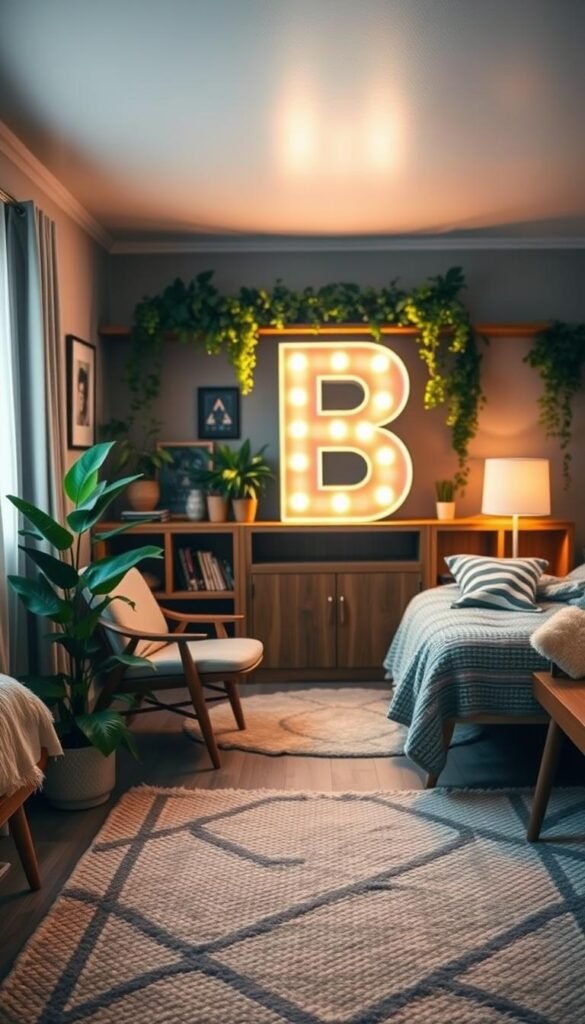
Vintage marquee letters offer a fantastic way to add personal style without overwhelming the space. These classic elements bring character while maintaining a gender-neutral appeal that works for all ages.
Instead of full monograms that can feel too feminine, a single initial creates a modern, cool look. This approach marks his personal area with sophistication rather than cuteness.
Selecting the Perfect Initial
Choose an initial that reflects your son’s first name for maximum personal connection. Consider the room’s overall theme when making your selection.
The letter size should balance with other furniture and wall space. Large letters make bold statements above the bed or on empty walls. Smaller versions work well on shelves or desks.
Material choice affects both durability and style. Metal letters offer industrial charm with lasting strength. Wood options provide warmth and natural texture that complements various color schemes.
Match the finish to your existing color palette. Bronze tones work with earth colors. Silver or chrome suits cooler themes. Painted letters can coordinate with accent pillows or wall art.
Placement Ideas for Maximum Impact
Position the letter above the bed for a dramatic focal point. This placement creates instant personality in the sleeping area. Ensure proper mounting for safety during active play.
Incorporate illuminated letters for functional lighting that adds evening ambiance. A softly glowing initial serves as both night light and decorative element.
Create a gallery wall display combining the letter with other meaningful items. Mix with favorite books, artwork, or achievement certificates. This approach tells a personal story through curated elements.
Shelves offer another excellent placement option. Pair the letter with collectibles or functional accessories. This keeps the look organized while showing personal style.
Secure all letters properly, especially in rooms with energetic kids. Use appropriate wall anchors and hardware. This ensures your decorative pieces stay safe and beautiful for years.
This personal touch grows beautifully with your child. Initials remain relevant through all stages. You can easily update the display as interests evolve.
4. Play with Complementary Colors
Strategic color pairing transforms ordinary rooms into engaging spaces that spark imagination. Complementary colors sit opposite each other on the color wheel. They create vibrant contrast that feels both exciting and balanced.
Green and red make one of the most dynamic pairs. When used correctly, they bring energy without chaos. These colors work especially well in active spaces.
Green and Red Combinations That Work
Choose off-shades to avoid seasonal themes. Sage green and brick red create whimsical looks without Christmas connotations. These tones feel playful yet sophisticated.
The source example shows how these shades bridge floors and walls. This creates cohesive environments that work year-round. Your space gains personality without dating itself.
Apply these colors through accent walls or furniture pieces. A brick red bookshelf against sage green walls makes a stunning statement. Bedding with both tones ties the look together beautifully.
Balance bold colors with neutral elements. White trim and gray flooring prevent overwhelming sensations. This maintains functionality while supporting creative energy.
Avoiding Holiday Themes with Off-Shades
Test your color choices in different lighting conditions. Natural light changes how shades interact throughout the day. Evening lamps might make colors appear warmer.
Accessories offer flexible color applications. Green and red pillows can be easily swapped as tastes change. Area rugs with both tones define spaces while adding comfort.
Artwork incorporating these colors personalizes the environment. Display pieces that feature both shades in abstract patterns. This approach enhances mood without literal themes.
Complementary colors stimulate creativity and engagement. They make rooms feel alive and inspiring. Your son will enjoy both play and relaxation in this vibrant space.
Explore other complementary pairs if green and red don’t suit preferences. Blue and orange create equally dynamic effects. Always tailor choices to personal tastes and existing elements.
5. Use Color Strategically on Swap-Friendly Pieces
Smart design means thinking ahead about how your child’s tastes will change. Designer Chlöe Elkerton suggests putting bold colors on items you can easily replace. This approach keeps the room feeling fresh without big renovations.
Your son’s personal space can evolve with his interests. Focus color on pieces that are simple to update. This strategy saves time and money over the years.
Selecting Easy-to-Change Accent Pieces
Choose items that offer big visual impact but small commitment. Removable wall decals add personality without permanent changes. Colorful bedding transforms the look instantly.
Area rugs define spaces while introducing pattern and color. Curtains provide another opportunity for seasonal updates. These elements work together to create a cohesive theme.
Look for durable materials that withstand active use. Machine-washable fabrics make maintenance simple. Non-toxic materials ensure safety for your growing child.
Consider DIY options for personalized touches. Thrift store finds can be painted in favorite shades. This adds unique character without breaking your budget.
Bed Frames and Throw Pillows as Color Carriers
Bed frames make excellent focal points for color expression. A bright frame against neutral walls creates instant personality. This piece can be changed as tastes mature.
Throw pillows offer the easiest color updates available. Mix and match patterns to reflect current interests. Coordinate pillow shades with other accent pieces.
Designer Chlöe Elkerton demonstrates this approach beautifully. Her use of colorful frames and coordinating pillows creates vibrant spaces. These elements allow the room to grow with the child.
Here’s a comparison of effective swap-friendly pieces:
| Item Type | Color Impact | Swap Frequency | Cost Level |
|---|---|---|---|
| Throw Pillows | High | Seasonal | Low |
| Bed Frames | Very High | Every 2-3 Years | Medium |
| Area Rugs | Medium-High | Annual | Medium |
| Wall Decals | Medium | Monthly | Low |
| Curtains | Medium | Seasonal | Low-Medium |
Start with a neutral foundation for walls and large furniture. Then layer personality through these changeable elements. This creates a flexible canvas for self-expression.
Involve your son in selecting these accents. His choices ensure the space reflects his current passions. This participation makes the room truly feel like his own.
This approach supports both style and function. You maintain a comfortable environment that adapts easily. The room grows alongside your child through all stages.
6. Dedicate Space to Hobbies and Interests
Your son’s personal retreat should reflect his passions. Dedicating areas to hobbies makes the room more engaging. It becomes a space he truly loves spending time in.
Designer Ariel Oakin shows how a dedicated wall or corner transforms a room. This approach creates a favorite hangout spot for friends and solo time. It celebrates what makes your child unique.
Creating a Gaming Corner
Gaming zones need thoughtful planning for comfort and function. Start with ergonomic seating that supports good posture during long sessions. Proper lighting reduces eye strain while creating atmosphere.
Storage solutions keep consoles and games organized yet accessible. Use shelving units with compartments for different equipment. Cable management systems prevent tangled wires and tripping hazards.
Consider these elements for a perfect gaming setup:
| Component | Purpose | Safety Features |
|---|---|---|
| Ergonomic Chair | Comfort during long sessions | Adjustable height, lumbar support |
| LED Lighting | Reduces eye strain | Dimmable, blue light filter |
| Cable Organizers | Prevents accidents | Fire-resistant materials |
| Ventilated Storage | Prevents overheating | Breathable fabric or mesh |
| Charging Station | Keeps devices powered | Surge protection |
Incorporate technology like smart home devices for enhanced experience. Voice-controlled lighting adds convenience during gameplay. Charging stations keep controllers ready for action.
Displaying Collections and Achievements
Showcasing treasures boosts confidence and personalizes the space. Use floating shelves for trophy displays or collectible arrangements. Shadow boxes protect delicate items while keeping them visible.
Rotate displays as interests evolve to keep the room current. Modular shelving systems adapt to different collection sizes. This flexibility supports growing passions through the years.
Balance display areas with functional zones. Keep study and sleep areas clutter-free. Use room dividers or area rugs to define different purposes.
When children see their achievements celebrated, they develop pride in their accomplishments. This visual motivation encourages continued growth and exploration.
Choose display materials that complement your room’s theme. Wood shelves add warmth to rustic designs. Acrylic holders suit modern aesthetics with invisible support.
Lighting highlights special pieces effectively. A small lamp illuminates trophy collections beautifully. Spotlights draw attention to artwork or memorabilia walls.
Always secure displays properly, especially in active spaces. Use appropriate anchors for heavy items. This ensures safety during energetic play moments.
This approach creates a multifunctional room supporting all life aspects. It balances hobby enthusiasm with rest and study needs. Your son enjoys a space that truly feels like his own world.
7. Make Bedtime Cozy with Bold Patterns
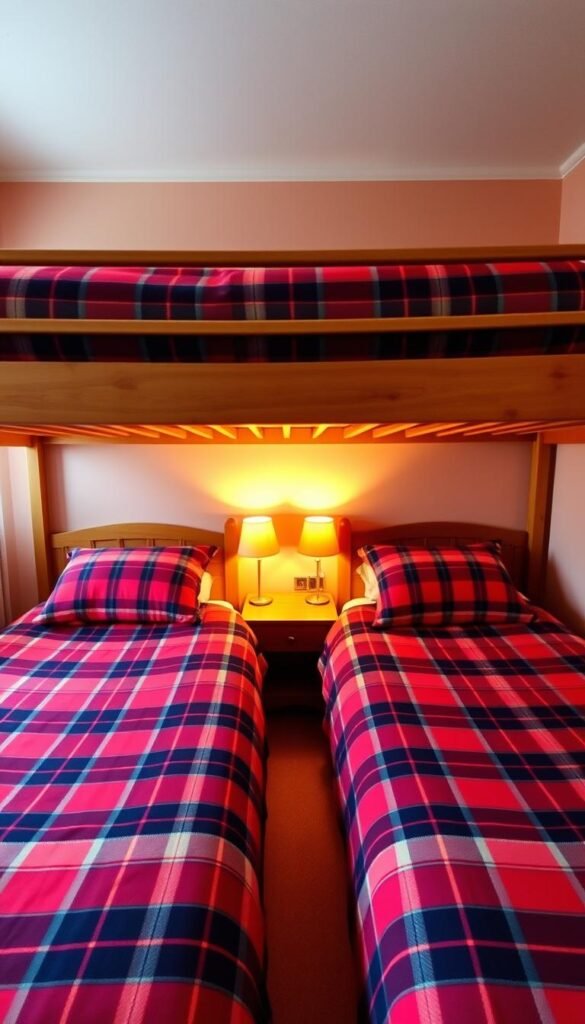
Bold patterns transform sleeping areas into warm, inviting retreats. They add visual energy while creating a comforting atmosphere. Designer Katie Ridder shows how plaid can make bunk beds feel like snug cocoons.
Patterns bring personality without overwhelming the space. They work beautifully against simple backgrounds. This approach maintains brightness while adding character.
Using Plaid for Snug Bunk Beds
Plaid creates a classic, cozy feeling in sleeping nooks. Katie Ridder covered bunk interiors with bold plaid patterns. This technique makes each bed feel like a private hideaway.
The enclosed design adds security and comfort for young sleepers. It contrasts beautifully with surrounding white walls. This combination keeps the room feeling airy and bright.
Choose plaid scales that match your room’s size. Larger patterns work well in spacious areas. Smaller checks suit compact spaces without feeling busy.
Coordinate plaid colors with your existing theme. Traditional reds and blacks create rustic charm. Blues and greens offer a preppy, fresh look.
Contrasting Patterns Against White Walls
White walls provide the perfect canvas for bold patterns. They prevent visual overload while highlighting design elements. Your patterns become focal points without competing.
This contrast maintains a clean, organized feeling. It allows patterns to shine while keeping the space functional. The room feels both exciting and restful.
Consider pattern placement for maximum impact. Use them on bedding for immediate visual interest. Curtains or rugs can extend the theme throughout the room.
Mix patterns with solid colors for balance. Too many competing designs create visual chaos. Solids provide resting points for the eyes.
Patterns hide everyday wear beautifully. Busy designs camouflage stains and scuffs. This makes them perfect for active kids’ spaces.
Choose durable, washable fabrics for longevity. Machine-washable bedding maintains freshness. Stain-resistant materials handle messy adventures.
Your son’s personality shines through pattern choices. Rustic plaids suit outdoor enthusiasts. Modern geometrics appeal to tech-loving teens.
Patterns transform plain rooms into special retreats. They add comfort and style for sleep and relaxation. Your child will love his personalized cozy space.
8. Create Private Hideouts and Nooks
Every child deserves a special spot just for themselves. These personal retreats build confidence and independence. They become cherished spaces for imagination and quiet time.
Hal Studio demonstrates how cozy nooks make kids feel more comfortable. These areas provide privacy while staying connected to the room. They transform ordinary spaces into magical retreats.
Building Reading Corners
Create inviting reading spaces with comfortable seating. A plush armchair or floor cushions work perfectly. Add a small side table for drinks and book storage.
Good lighting is essential for reading areas. A adjustable floor lamp provides focused illumination. Natural light from nearby windows enhances the experience.
Keep favorite books within easy reach. Floating shelves or a small bookcase organize reading materials. This encourages regular reading habits and literary exploration.
Personalize the corner with special touches. Favorite character pillows add comfort and personality. Art displays related to reading themes create inspiration.
Incorporating Tent Spaces
Tents create wonderful enclosed areas for play and relaxation. They offer a sense of security and adventure. Both DIY and store-bought options work beautifully.
Consider these tent placement ideas:
- Under elevated beds for space efficiency
- In room corners for maximum coziness
- Near windows for natural light benefits
- Against blank walls for structural support
Choose durable, washable fabrics for tent construction. Breathable materials prevent stuffiness during extended use. Safety features like fire-resistant fabrics provide peace of mind.
Add comfortable elements inside the tent. Soft rugs cushion the floor space. Throw pillows create cozy seating arrangements. A small battery-operated lamp offers evening lighting.
Maximize unused areas throughout the room. Under-bed spaces become perfect hideout locations. Alcoves and corners naturally create private nooks.
Use versatile materials that combine safety and comfort. Wood frames provide sturdy structure for built-in features. Soft fabrics add warmth and texture to the space.
These special areas serve multiple purposes beautifully. They transform from reading nooks to gaming zones. Nap spaces become imagination stations throughout the day.
Personalize each hideout with thematic elements. Favorite colors make spaces feel uniquely his. Interest-based decor reflects current passions and hobbies.
Psychological benefits include increased security and control. Children feel more confident in their personal environment. This fosters healthy independence and self-expression.
Choose easy-to-clean materials for practical maintenance. Washable cushion covers handle spills and stains. Durable construction withstands active play and use.
Even small rooms can incorporate creative nooks. Wall-mounted reading benches save floor space. Compact tents fit perfectly in cozy corners.
These personal retreats grow with your child through the years. They adapt to changing interests and needs. The space remains special and relevant at every stage.
9. Utilize Flexible Built-In Bunk Beds
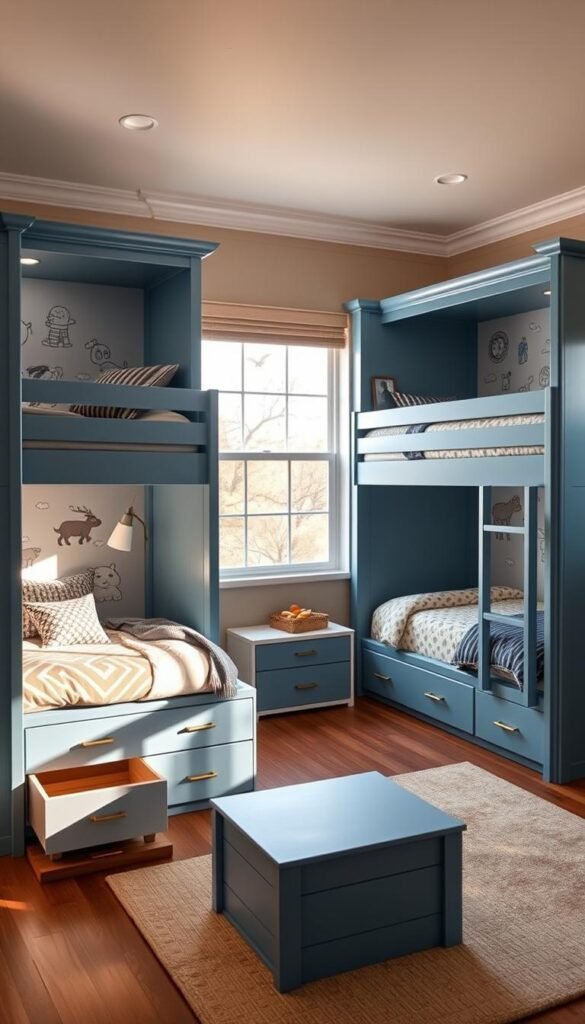
Built-in bunk beds offer incredible versatility for growing families. They maximize your available floor area while creating exciting vertical space. This smart approach adapts beautifully to changing needs over time.
Marsh & Sea demonstrates brilliant flexibility in their design. They created a play zone instead of a second mattress. This configuration easily converts when friends visit or family expands.
Designing with Future Growth in Mind
Choose sturdy materials that withstand years of active use. Solid wood frames provide lasting durability and classic appeal. These materials maintain their beauty through many adventures.
Convertible configurations offer long-term value. Start with play space below for young children. Add sleeping accommodations as needs evolve.
Consider these growth-oriented features:
- Modular components that reconfigure easily
- Standard mattress sizes for future flexibility
- Neutral finishes that complement various themes
- Adjustable shelving that grows with storage needs
Built-in units customize perfectly to your room dimensions. They eliminate awkward gaps and maximize every inch. This creates a polished, intentional look.
Incorporating Play Space Under Bunks
The area beneath bunks becomes valuable real estate. Create a cozy reading nook with soft cushions. Build a study corner with integrated desk space.
Storage solutions keep toys organized yet accessible. Deep drawers handle larger items beautifully. Open shelving displays favorite collections.
Safety remains paramount in active spaces. Install secure guardrails on all elevated surfaces. Fixed ladders provide stable access points.
Multifunctional designs maximize small room efficiency. Desks integrate seamlessly into bunk structures. Bookshelves become part of the support system.
The built-in approach creates social opportunities for sleepovers and shared experiences. These moments build lasting friendships and cherished memories.
Personalize bunks with thematic elements that reflect current interests. Colorful bedding adds personality without permanent changes. Themed accessories make the space feel uniquely his.
Durable, easy-clean surfaces handle messy play gracefully. Wipeable paints withstand roughhousing and creative projects. Stain-resistant fabrics maintain fresh appearances.
These flexible solutions grow alongside your child through all stages. They transition from playful setups to sophisticated designs. The investment continues delivering value for years.
Built-in bunks create magical spaces that spark imagination. They combine practicality with endless fun possibilities. Your son will treasure his special elevated retreat.
10. Incorporate Vintage-Inspired Patterns
Vintage patterns bring timeless charm to any boy’s personal space while avoiding fleeting trends. These classic designs create a bedroom that feels both nostalgic and fresh. They offer enduring style that grows beautifully with your child.
The Novogratz family demonstrates this approach beautifully. Their son’s room features crane motif linens inspired by vintage wallpaper discovered during home renovation. This shows how real finds can inspire unique bedroom elements.
Choosing Timeless Motifs
Select patterns that maintain appeal through changing tastes. Geometric designs and nature motifs like cranes work wonderfully. These elements feel classic rather than dated.
Consider scale when incorporating patterns. Larger designs make bold statements on feature walls. Smaller patterns work beautifully on bedding and accessories.
Coordinate patterns with your existing color scheme. Earth tones complement vintage crane motifs beautifully. Primary colors enhance geometric designs with energy.
Mixing Patterns with Whimsical Furniture
Balance vintage patterns with playful furniture pieces. A bright blue locker nightstand adds modern whimsy to traditional patterns. This combination creates engaging contrast.
Whimsical furniture brings personality and function to the space. Unique pieces become conversation starters while providing practical storage. They make the room feel uniquely his.
Vintage-inspired designs withstand changing tastes because they feature classic themes rather than temporary trends.
Pair patterns with solid colors for visual balance. Neutral backgrounds prevent overwhelming sensations. This approach keeps the room cohesive and functional.
Consider DIY options for budget-friendly vintage touches. Upcycled furniture adds character through simple paint techniques. Thrifted decor pieces bring authentic vintage charm.
Whimsical lighting elements enhance the vintage theme beautifully. A retro-style lamp provides both atmosphere and function. Patterned shades can coordinate with bedding designs.
Display art that complements your vintage theme. Framed botanical prints work with nature motifs. Geometric art enhances pattern-on-pattern schemes.
This design approach creates a bedroom that feels both nostalgic and current. Your son enjoys a space with enduring style and personal character.
11. Start with Low-to-Ground Bed Options
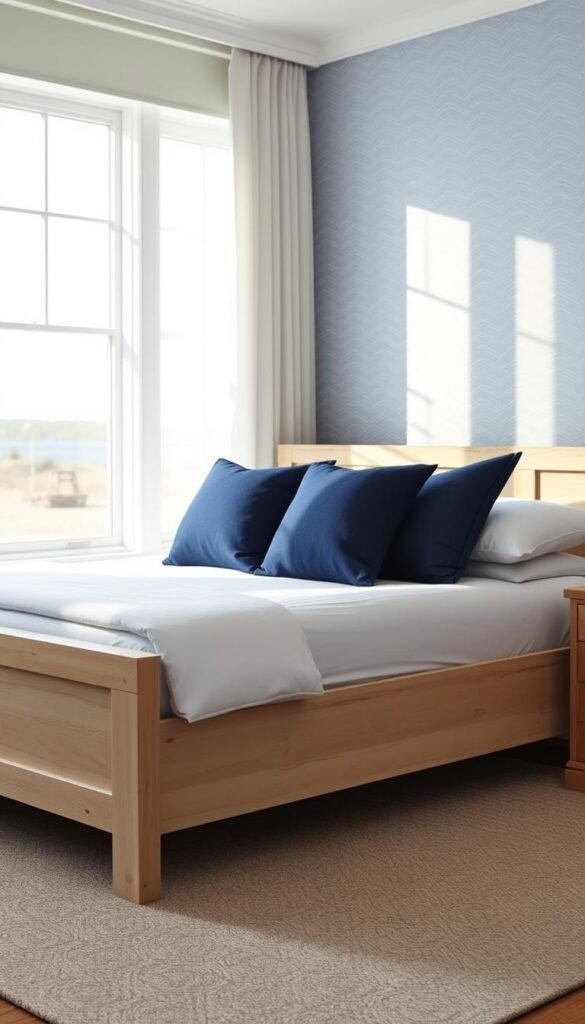
Low-profile beds create a secure environment that young children love. These designs sit closer to the floor, reducing fall risks during sleep and play. They make the transition from crib to big-kid bed feel natural and comfortable.
Easy Transitions to Big-Kid Beds
Moving to a regular bed becomes less intimidating with low options. Children feel more confident climbing in and out independently. This builds self-reliance while maintaining safety.
Designer Chauncy Boothby demonstrates this beautifully. Her son uses a bed passed down through four generations. The low height makes it perfect for his current stage.
Choose frames with sturdy construction and rounded edges. Solid wood materials ensure durability through active years. These pieces handle roughhousing while maintaining their charm.
Consider these benefits for growing kids:
- Reduced anxiety about falling during sleep
- Easy access for independent bedtime routines
- Perfect height for reading together on the floor
- Safe platform for imaginative play activities
Pairing Classic Furniture with Playful Wallpaper
Family heirlooms gain new life when paired with modern elements. Boothby combined her antique bed with nautical wallpaper. This creates a balanced look between tradition and fun.
Thematic wall coverings add personality without overwhelming the space. Nautical designs work well for young sailors. They remain appropriate through teen years with subtle sophistication.
Here’s how to achieve this balanced approach:
| Element | Traditional Choice | Playful Complement |
|---|---|---|
| Wall Treatment | Solid Paint | Nautical Wallpaper |
| Bed Frame | Family Heirloom | Colorful Bedding |
| Accessories | Wood Nightstand | Theme Pillows |
| Lighting | Classic Lamp | Nautical Accents |
Wallpaper offers flexibility for future updates. You can change the theme without replacing furniture. This approach saves money while keeping the room fresh.
Incorporate storage solutions beneath the bed. Low profiles create perfect space for under-bed drawers. These keep toys organized and easily accessible.
Choose timeless furniture pieces that adapt to changing decor. Neutral wood tones work with various color schemes. You can refresh the look with new bedding and accessories.
Personal touches make the space feel special. Display favorite books on nearby shelves. Add a cozy reading lamp for bedtime stories.
This combination creates a room that grows with your child. It balances safety, function, and personal style beautifully.
12. Maximize Small Spaces with Custom Built-Ins
Small rooms present unique design challenges that require creative solutions. Custom built-ins transform limited areas into highly functional spaces. They maximize every inch while maintaining a comfortable environment.
Designer Kelly Finley demonstrates this approach beautifully. She created a custom unit combining sleeping, studying, and storage functions. This clever design worked around an unalterable bump-out feature.
Combining Beds with Desks and Storage
Multifunctional units save valuable floor area in compact rooms. A raised bed creates space underneath for a study desk. Built-in drawers provide organized storage for school supplies.
Kelly Finley’s design shows how these elements work together seamlessly. The desk integrates directly into the bed structure. Shelving units flank both sides for books and decorative items.
Consider these space-saving combinations:
- Loft beds with integrated study stations below
- Built-in nightstands with hidden compartments
- Bookshelves that double as room dividers
- Window seats with under-seat storage
Choose lightweight yet durable materials for these custom pieces. Plywood offers strength without excessive weight. Solid wood provides lasting durability for active use.
Working Around Architectural Features
Unique room features become design opportunities with custom solutions. Bump-outs, sloped ceilings, and alcoves gain purpose. Built-ins utilize these elements rather than fighting them.
Accurate measurements ensure perfect fitting around obstacles. Measure multiple times before finalizing your design. Consider professional help for complex architectural challenges.
Incorporate hidden storage within these custom units. Slide-out drawers maximize unused corners. Lift-top benches provide secret compartments for toys.
Modular components adapt to changing needs over time. Adjustable shelves accommodate growing book collections. Convertible desks transform from study to creative spaces.
Custom built-ins turn architectural limitations into design features that enhance both function and style in small spaces.
Ergonomics ensure comfort during study and sleep. Desk heights should match your child’s current size. Bed platforms need proper support for growing bodies.
Personalize these units with colors that match your room’s theme. Paint interior shelves in accent shades. Choose hardware that reflects personal style.
Consult professionals for complex builds requiring structural modifications. They ensure safety and functionality in your design. This investment creates lasting value for your space.
These custom solutions grow alongside your child through all stages. They transform small rooms into efficient, enjoyable environments. Your son will love his personalized, multifunctional space.
13. Create Rustic Themes with Natural Elements
Rustic design brings warmth and character to any boy’s personal space. It combines natural materials with cozy textures for a welcoming atmosphere. This style feels both timeless and adventurous.
Designer Amanda Greaves and architect John Mitchell Fuller show how it’s done. They used leftover barn pieces in a Massachusetts home. Red, white, and blue accents completed the Americana vibe.
Using Barn Wood and Exposed Beams
Barn wood adds instant texture and history to your walls or furniture. Each piece tells its own story through unique grain patterns. This material brings authentic charm to the room.
Exposed beams create architectural interest overhead. They make ceilings feel higher and more designed. This feature works especially well in rooms with standard height.
Source reclaimed materials for authenticity and sustainability. Local salvage yards often have beautiful old wood. Ensure pieces are properly treated for safety and durability.
Consider these applications for barn wood:
- Feature wall behind the bed
- Rustic headboard construction
- Floating shelves for display
- Accent panel on closet doors
Pair rough textures with smooth finishes for balance. A polished wood desk contrasts beautifully with rustic walls. This prevents the space from feeling too rugged.
Incorporating Americana Accents
Red, white, and blue decor enhances the rustic theme with classic appeal. These colors create a patriotic feel without overwhelming the space. Use them strategically through accessories and textiles.
Start with bedding in these traditional shades. Patterned quilts add warmth and visual interest. Throw pillows can introduce smaller accents throughout the room.
Display vintage signs or patriotic art on walls. Framed flag prints work beautifully with wood backgrounds. These elements personalize the space with historical charm.
Consider this approach for balanced Americana decor:
| Element | Red Application | White Balance | Blue Accent |
|---|---|---|---|
| Bedding | Plaid blanket | Solid sheets | Striped pillows |
| Walls | Small flag display | Barn wood background | Artwork frames |
| Accessories | Desk organizer | Lamp base | Rug pattern |
DIY projects make the theme more personal. Build a barn wood headboard together. Create display shelves for collectibles or books.
Choose lighting that complements the rustic style. A metal lamp with industrial looks works perfectly. It provides both function and thematic consistency.
This design grows beautifully from childhood through teen years. Young kids love the adventurous feel. Teens appreciate the timeless, masculine aesthetic.
Balance natural roughness with modern comforts. Soft bedding ensures cozy sleep. Adequate lighting supports reading and study time.
Your son will enjoy a space that feels both rugged and welcoming. It reflects appreciation for tradition and nature.
14. Optimize for Playtime with Soft Surfaces
Your child’s personal area should encourage active fun while keeping safety in mind. Soft surfaces transform play zones into comfortable, secure spaces for imagination and movement. They absorb impact during energetic activities and create cozy spots for relaxation.
Designer Raymond Boozer shows how this approach works beautifully. In a New York City apartment, he used a fluffy IKEA rug and rich colors. This combination made the room perfect for both play and comfort.
Choosing Durable Yet Comfortable Rugs
Select rugs that balance softness with lasting durability. Thick, plush options provide cushioning for falls and tumbles. They make floor play more enjoyable for your active child.
Look for materials that handle heavy use without wearing thin. Synthetic fibers often offer better stain resistance. Natural materials provide eco-friendly options for sensitive kids.
Consider these features when selecting play area rugs:
| Feature | Benefit | Maintenance Level |
|---|---|---|
| Hypoallergenic | Reduces allergy triggers | Regular vacuuming |
| Stain-Resistant | Handles spills easily | Spot cleaning |
| Non-Slip Backing | Prevents sliding accidents | No special care |
| Machine Washable | Easy deep cleaning | Monthly washing |
| Dense Pile | Withstands active play | Regular fluffing |
Size matters when defining play areas. Choose rugs large enough for group activities. They should accommodate building projects and imaginative games.
Rich colors hide everyday wear while adding visual energy. Deep blues and greens maintain their appearance through many adventures. Patterns can camouflage stains between cleanings.
Creating Safe Play Zones
Define specific areas for different types of play. Use rugs to mark boundaries for active games. This organization helps prevent accidents throughout the room.
Consider adding foam padding beneath rugs for extra protection. This is especially helpful for young children learning to walk. It provides additional cushioning for roughhousing.
Arrange furniture to create natural play corridors. Leave open pathways between activity zones. This encourages free movement while reducing bump risks.
Well-designed play spaces support physical development by allowing children to explore movement safely. This independence builds confidence and coordination.
Incorporate storage directly within play zones. Low shelves keep toys accessible but organized. Baskets and bins contain clutter during creative sessions.
Modular play surfaces offer flexibility for changing interests. Interlocking foam tiles can be rearranged for different activities. They store easily when not in use.
Regular inspection maintains safety over time. Check rugs for wear spots that might cause tripping. Replace padding that has compressed too much.
Soft surfaces make rooms more inviting for play and relaxation. They combine safety with comfort for everyday enjoyment. Your child will love his personalized play space.
15. Incorporate Antiques and Preloved Items
Antique and preloved pieces bring soul and character to your child’s space. They offer durability and history that new items often lack. These treasures create a room that feels both personal and timeless.
Country Living editor-in-chief Rachel Hardage Barrett shows how it’s done. Her son’s Alabama room features vintage wall decor and furniture. This approach makes the space feel lived-in and special.
Selecting Pieces That Grow With Your Child
Choose furniture with classic lines and sturdy construction. Solid wood desks and dressers last through many years. Their timeless style works from childhood to teen years.
Look for pieces that serve multiple functions. A vintage trunk becomes toy storage and seating. An old library ladder accesses high shelves beautifully.
Consider these qualities when selecting antiques:
- Strong joinery and solid materials
- Simple designs that won’t date quickly
- Appropriate scale for your room size
- Finish that complements your color scheme
Mix these pieces with modern elements for balance. A vintage bed frame looks fresh with new bedding. This keeps the room feeling current and comfortable.
Creating Collector’s Display Areas
Display collections add personality and storytelling elements. Vintage thermoses and flashlights bring playful charm. They show your child’s interests while adding decor.
Use shelves and shadow boxes for organized displays. Floating shelves keep items visible but protected. Glass-front cases prevent dust buildup on delicate pieces.
Rotate displays to keep the room feeling fresh. Seasonal changes maintain interest over time. This flexibility supports evolving passions.
Lighting highlights special collections effectively. A small lamp illuminates favorite items beautifully. Spotlights draw attention to unique finds.
Source quality pieces from trusted locations. Family heirlooms carry sentimental value. Thrift stores and online markets offer affordable options.
Always check items for safety before use. Ensure furniture is stable and secure. Verify electrical items meet current standards.
Regular care preserves these treasures for years. Gentle cleaning maintains their beauty. Proper storage prevents damage during moves.
These vintage touches create a room rich with personality. They support identity and tradition beautifully. Your child will love his unique, storied space.
Your Journey to the Perfect Boys Bedroom
Creating a special room for your son blends creativity with practicality. The ideas shared help build a space that evolves with him through the years. Focus on comfort, personal touches, and flexible elements.
Mix colors, materials, and layouts to match his unique personality. Swap-friendly accents and hobby zones make updates easy. Start with one or two changes that fit your budget and room size.
Involve your boy in choices to make the area truly his. This personal world supports sleep, study, and play. Small changes create big impact without full renovations.
We hope these tips inspire your project. Share your own experiences and questions with our community. Creating a room he loves is rewarding and achievable.