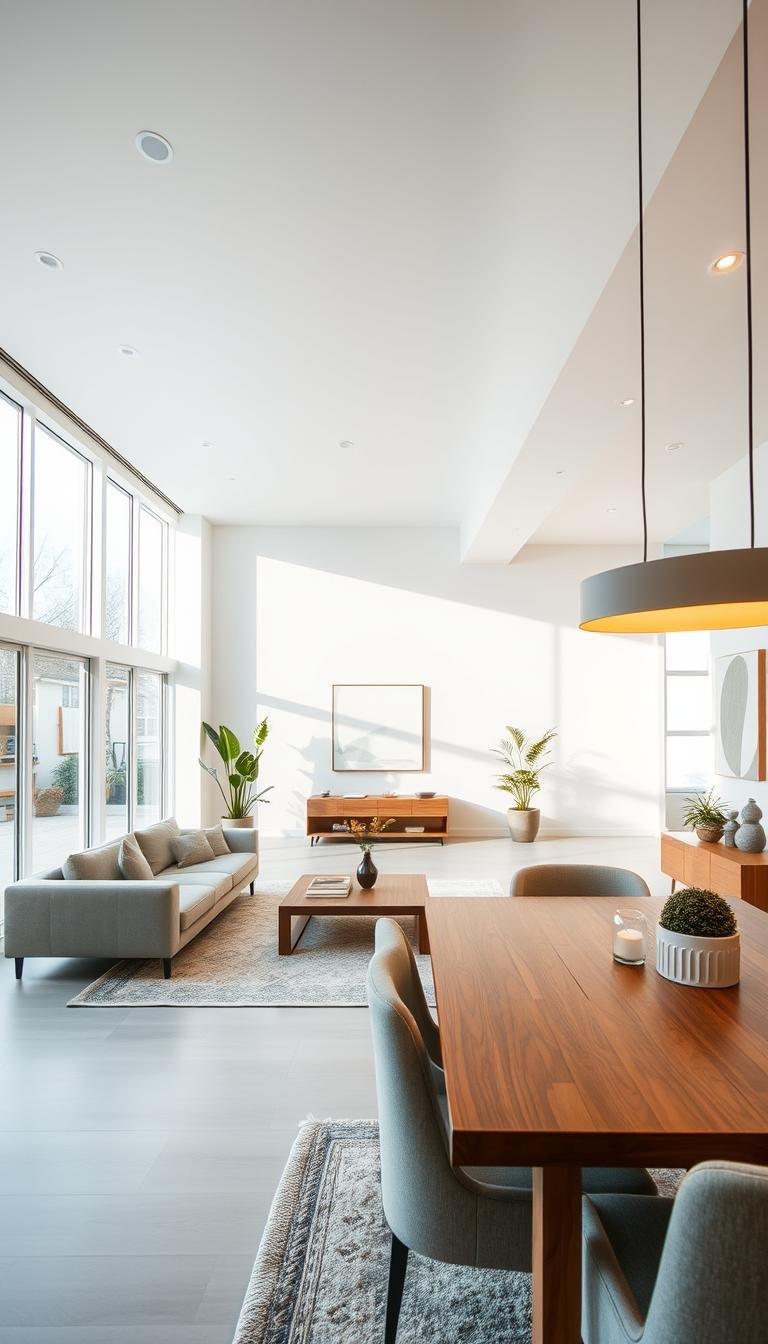
Welcome to your complete guide for creating beautiful open areas in your large house. Many people love these airy layouts but struggle to make them feel both functional and inviting.
You’ll discover practical ways to transform your expansive area into a cohesive environment. Learn how to avoid common mistakes like furniture that feels disconnected or floating without purpose.
This guide shows you step-by-step techniques to create a space that flows beautifully. You’ll approach your home as one unified area while still maintaining distinct functional zones.
Get ready to implement actionable advice that works for your lifestyle. Transform your spacious home into a comfortable, welcoming environment you’ll love spending time in.
Shifting Your Mindset: Your Open Concept Home is One Giant Room
Many homeowners feel overwhelmed when decorating their open layout. The traditional approach of treating each area as separate just doesn’t work here.
Remember those childhood rooms with different themes? The blue bedroom and pink kitchen created a disjointed feel. That same approach causes visual chaos in today’s connected spaces.
Instead, imagine your entire area as one giant room. This mental shift transforms how you approach your floor plan. You’ll create harmony rather than competing zones.
This concept helps overcome design paralysis. When you view everything as connected, decisions become easier. Color choices and furniture selection flow naturally across the space.
Your living area, kitchen, and dining space should feel continuous. This unified thinking prevents that “floating furniture” look. It creates visual flow that makes your entire home feel intentional.
The key is seeing beyond individual rooms. Focus on how each element contributes to the whole environment. This approach actually simplifies your decorating process.
You’ll create a harmonious atmosphere that welcomes you home. The space feels cohesive yet functionally diverse. Every area works together beautifully.
Step 1: Audit Your Existing Space and Establish a Color Palette
Your first move should be looking around your home with fresh eyes. Don’t rush to buy new items yet. Instead, take inventory of what you already own and love.
This approach saves money and creates a more authentic feel. You’ll build upon elements that already reflect your personality.
Identifying Your Dominant Existing Colors
Start by walking through your entire area with a notebook. Look at your largest pieces first – sofas, rugs, and curtains. These often establish the main color story.
Notice patterns in your artwork and decorative items too. You might discover colors repeating in unexpected places.
Here’s a simple method to track your findings:
| Area | Dominant Colors | Accent Colors |
|---|---|---|
| Living Area | Navy, cream | Rust, gold |
| Kitchen | White, gray | Copper, blue |
| Dining Space | Wood tones, white | Green, brass |
This visual reference helps you see connections between different zones. You might notice that blue appears in both your living room rug and kitchen accessories.
How to Pull a Color Through Adjacent Spaces
Once you identify your key colors, it’s time to create flow. The technique of “pulling color through” means repeating hues across your layout.
For example, that blue rug in your sitting area can inspire matching blues elsewhere. Add blue artwork in the kitchen and blue bowls on countertops.
Small accents create big impact when repeated. Rust tones from a rug might lead to copper decor items and terra cotta pots.
This method creates visual continuity without matching everything perfectly. Your home feels balanced with multiple coordinating elements.
Test your color connections before committing. Place items temporarily to see how they work together. This prevents expensive mistakes and ensures harmony across your entire space.
Step 2: Create Cohesion by Repeating Textures and Materials
Now that you’ve established your color story, let’s build upon it with texture. This step transforms your area from simply coordinated to deeply harmonious. You’ll create connections that feel both intentional and effortless.
Texture repetition works like an invisible thread tying your space together. It creates visual rhythm without demanding perfect matches. Your eye naturally follows these material cues throughout the room.
Think about how you experience textures daily. A rough jute rug feels different underfoot than smooth leather. Shiny brass catches light differently than matte black iron. These subtle differences create depth and interest.
When you repeat textures across zones, you build subconscious connections. People feel the harmony before they even notice why. This approach makes your entire layout feel thoughtfully designed.
Matching Fabrics Across Zones
Start with your soft furnishings. Notice the fabrics on your sofa, chairs, and window treatments. Do any patterns or textures appear multiple times?
Here’s a powerful technique: use identical fabric in different applications. That upholstered bench in your dining area could share fabric with throw pillows on your living room sofa. The connection creates instant harmony.
Don’t overlook smaller fabric items either. Kitchen towels can echo curtain fabrics. Table runners might complement area rugs. These subtle touches build cohesion throughout your space.
Remember: you don’t need perfect matches. Similar weights and weaves often work better than identical patterns. A heavy linen pillow can relate to a linen-blend curtain through texture alone.
Echoing Finishes in Furniture and Decor
Now examine your hard surfaces and finishes. Look at table legs, lighting fixtures, and decorative objects. Do any materials repeat across your zones?
That brass pendant light over your kitchen island might find a friend in the brass coffee table base. Wood tones from your dining chairs could appear in your living room console table.
Even small repetitions make big impacts. Metallic finishes on cabinet hardware might echo in picture frames. Glass tabletops can relate to glass accessory trays.
Follow the “repeat at least twice” rule for noticeable textures. If you introduce a new material, ensure it appears in at least two zones. This prevents isolated elements that feel disconnected.
| Material Type | Living Area Example | Dining Area Echo | Kitchen Connection |
|---|---|---|---|
| Natural Fibers | Jute area rug | Jute placemats | Rattan fruit basket |
| Metallic Finishes | Brass table lamp | Brass chair frames | Brass utensil holder |
| Wood Tones | Oak coffee table | Oak dining table | Oak cutting board |
| Textured Glass | Ribbed glass vase | Frosted glass pendant | Glass cabinet doors |
This table shows how materials can travel throughout your space. Notice how no single element stands alone. Each texture finds companions in other zones.
Your existing items probably already contain repeating textures. During your space audit, note these material connections. Then amplify them with intentional additions.
This approach works beautifully with both new purchases and pieces you already own. You might discover that vintage wooden bowl relates perfectly to your modern dining table. That connection makes your space feel curated rather than decorated.
Texture repetition creates depth and dimension throughout your home. It makes your large area feel cohesive yet interesting. Every glance reveals another thoughtful connection.
The Power of a Unified Paint Color for a Seamless Look
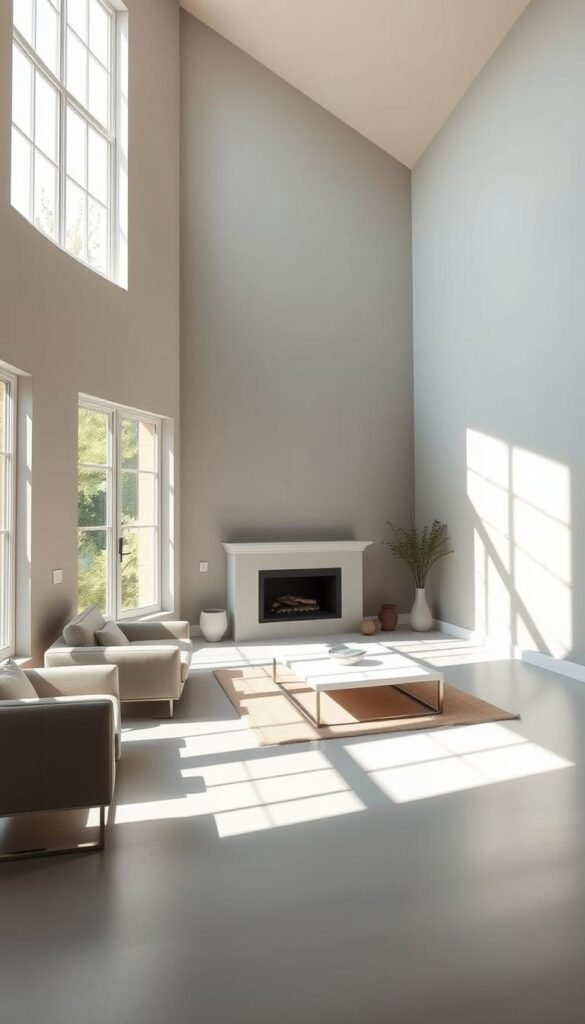
The magic of a unified paint scheme lies in its ability to create visual harmony throughout your space. This approach transforms how you experience your entire area.
Using one consistent color on all walls eliminates jarring transitions between zones. Your eye flows smoothly from living area to kitchen to dining space. This creates a calm, cohesive environment that feels intentionally designed.
White paint works particularly well for creating this foundation. It provides a clean backdrop that makes your furniture and decor stand out dramatically. Your colorful accents become the stars of the show.
This approach simplifies your decorating decisions tremendously. You won’t struggle with coordinating multiple wall colors. Instead, you focus on selecting pieces that work beautifully against your neutral background.
A unified color scheme creates a timeless foundation that won’t feel dated in a few years. It works with any style you love, from minimalist to maximalist. Your space feels curated rather than chaotic.
This technique proves especially valuable during remodeling projects. Older homes often benefit from the fresh, clean look that consistent paint provides. It modernizes the space while maintaining character.
Here are top white paint recommendations that work in various lighting conditions:
| Paint Name | Best For | Lighting Conditions | Undertones |
|---|---|---|---|
| Benjamin Moore Simply White | All areas | Most lighting | Clean, bright |
| Sherwin-Williams Pure White | North-facing rooms | Low natural light | Subtle warm |
| Farrow & Ball All White | Traditional homes | Mixed lighting | True white |
| Behr Ultra Pure White | Modern spaces | Bright light | Crisp, neutral |
| Valspar Swiss Coffee | Cozy atmospheres | Warm lighting | Soft cream |
Always test your chosen color before committing. Paint large swatches on different walls. Observe how the color changes throughout the day under various lighting conditions.
This approach complements other design elements beautifully. Your texture repetitions and material connections become more noticeable against a consistent background. Everything works together harmoniously.
Many homeowners report dramatic transformations after implementing this strategy. Their spaces feel larger, brighter, and more intentional. The unified background makes their favorite pieces shine.
Remember that this doesn’t mean your entire home must be sterile or boring. The neutral walls become the perfect canvas for your personality to shine through artwork, textiles, and decor.
This paint strategy works particularly well when you’re updating an older property. It provides that clean slate feeling while respecting the architecture. Your home feels refreshed rather than completely changed.
The beauty of this approach lies in its flexibility. You can always add accent walls later if desired. But starting with unity ensures your foundation remains strong and cohesive.
How to Visually Define Zones with Area Rugs
Area rugs create instant visual boundaries without permanent changes to your layout. They help organize your expansive area into cozy, functional zones that feel both separate and connected.
These textile foundations work like magic carpets for your decor. They ground furniture arrangements and guide foot traffic naturally throughout your space.
Rugs add warmth underfoot and visual interest overhead. They transform cold, hard surfaces into inviting areas for gathering and relaxation.
The right rug placement makes your entire home feel intentional. It prevents that awkward “floating furniture” look that plagues many open layouts.
Choosing the Right Rug Size for Your Living Area
Size matters tremendously when selecting rugs for your main gathering spot. Too small, and your furniture looks disconnected. Too large, and you lose definition between zones.
Follow the “front legs on” rule for seating areas. All furniture front legs should rest comfortably on your rug surface. This creates a unified grouping that feels anchored and intentional.
Measure your space before shopping. Leave 2-3 feet of bare floor around the rug perimeter. This border frames your zone beautifully while maintaining flow.
Consider these popular sizing options:
- 8×10 feet for medium seating arrangements
- 9×12 feet for larger conversation areas
- 10×14 feet for generous spaces with multiple pieces
Neutral jute or sisal rugs make excellent foundation pieces. Their natural tones blend seamlessly with various color schemes. Layer smaller patterned rugs on top for personality pops.
Using Rugs to Anchor Your Dining Space
Dining areas demand durable, practical rug solutions. Choose materials that withstand frequent movement and occasional spills.
Your dining rug should extend 24-36 inches beyond table edges. This ensures chairs remain on the rug when pulled out. Nobody wants half-on, half-off chair situations.
Indoor-outdoor rugs offer fantastic durability for busy households. They clean easily and resist stains from family meals and gatherings.
Low-pile options work best under dining tables. They prevent tripping hazards and allow smooth chair movement. Avoid shaggy textures that catch chair legs.
Patterned rugs hide crumbs between cleanings. They maintain their appearance despite daily use. Your eating area stays beautiful through busy weeks.
The right rug transforms how you experience your dining space. It defines the area while adding comfort underfoot during meals.
Remember to use rug pads for safety and longevity. They prevent slipping and add cushioning for standing comfort. Your investment lasts longer with proper foundation support.
Using Lighting to Define Spaces and Set the Mood
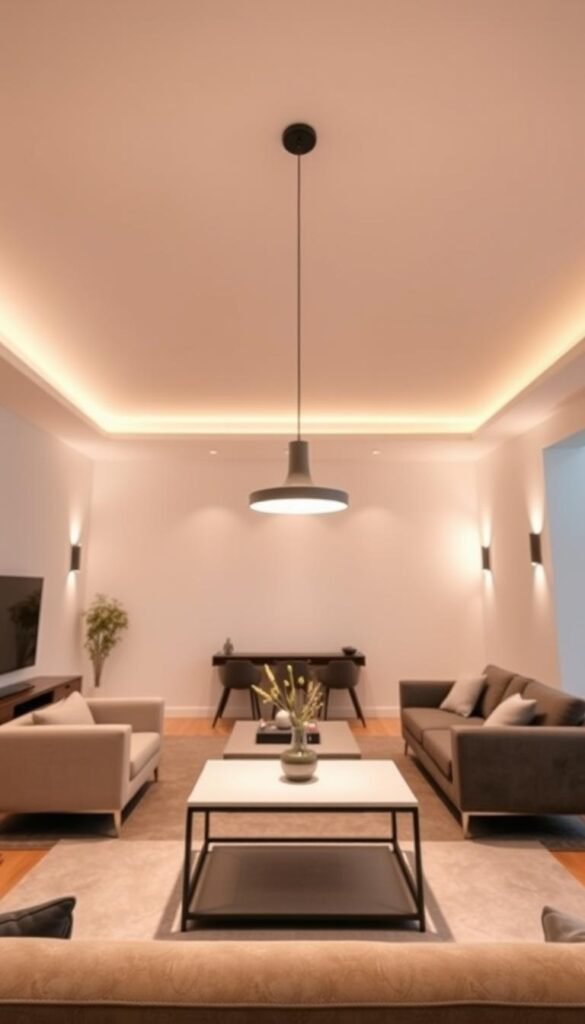
Lighting transforms how you experience your home. It serves both practical needs and design goals in one beautiful package. Your fixtures become visual anchors that guide the eye throughout your area.
Think beyond simple illumination. Each light source contributes to the overall atmosphere. You create warmth, focus, and definition through strategic placement.
The right approach makes your large area feel both cohesive and distinct. Different zones gain personality while maintaining connection. You’ll love how lighting shapes your daily experience.
Statement Fixtures for Clear Zone Definition
Large fixtures create instant visual boundaries. A dramatic pendant over your dining table says “this is the eating area.” Island lights clearly mark the kitchen workspace.
Scale matters for statement pieces. Your dining fixture should be about half to two-thirds your table’s width. This proportion creates balance without overwhelming the space.
Choose fixtures that complement your overall aesthetic. Match finishes to other elements like hardware or furniture legs. This creates harmony across your entire home.
Consider adjustable options for flexibility. A swing-arm sconce provides perfect reading light in a cozy corner. You direct light exactly where needed.
Layered Lighting with Lamps and Sconces
Layered lighting creates depth and dimension throughout your home. Combine overhead sources with task and accent lights. This approach eliminates harsh shadows and dark corners.
Use floor lamps to brighten seating areas without permanent wiring. Table lamps add warmth to surfaces and create intimate pools of light. Plug-in sconces offer wall-mounted options without renovation.
Vary light heights for visual interest. Low lamps create cozy atmospheres while high fixtures wash walls with gentle illumination. Your eyes naturally travel through this light landscape.
Remember to mix light temperatures for the best effect. Warm white bulbs (2700K-3000K) create inviting atmospheres. Cool white options (3500K-4100K) work well for task areas.
Lighting solves the challenge of undefined spaces beautifully. It creates visual boundaries without physical barriers. Your home feels organized yet completely open.
Experiment with different combinations until you find your perfect balance. The right lighting scheme makes your entire area feel intentional and welcoming.
Selecting the Right-Sized Furniture for a Balanced Look
Finding furniture that fits your area perfectly creates harmony throughout your home. The wrong sizes can make your beautiful space feel awkward and uncomfortable.
Many people struggle with pieces that either disappear or dominate the room. You want your furnishings to feel intentional and well-proportioned.
This section helps you choose pieces that enhance your layout rather than compete with it. You’ll create visual balance that makes your entire home feel cohesive.
Avoiding “Floating” Furniture and Boxy Mazes
Floating furniture happens when pieces are too small for the area. They look lost and disconnected from other elements in your room.
Oversized furniture creates the opposite problem. It can make your space feel like a maze that’s difficult to navigate comfortably.
The solution lies in finding that perfect middle ground. Your furniture should define areas without blocking movement or sightlines.
Use this simple guideline: your sofa should be about two-thirds the length of the wall it faces. Even without physical walls, imagine where they would be.
This mental exercise helps you visualize proper proportions. You’ll avoid pieces that feel either too massive or too insignificant for your area.
Tall, high-back furniture placed in the middle of your space creates visual barriers. These pieces interrupt the flow you’ve worked so hard to achieve.
Instead, choose lower profile options that maintain sightlines across your entire home. Your space will feel more connected and inviting.
Here’s a quick reference table for common furniture proportions:
| Furniture Type | Ideal Proportion | Visual Effect | Placement Tip |
|---|---|---|---|
| Sofa | 2/3 of wall length | Anchors the space | Allow 3 feet walkway behind |
| Coffee Table | 2/3 of sofa length | Creates cohesion | 18 inches from sofa edge |
| Area Rug | All furniture on or front legs on | Defines the zone | Extend 24 inches beyond seating |
| Dining Table | 36 inches per person comfort | Encourages gathering | Allow 48 inches for chair pull-out |
Balance heavy and light pieces throughout your area. A substantial sofa might pair with slender accent chairs. This mix creates visual interest without overwhelming the space.
Always test furniture scale before making final decisions. Use painter’s tape to mark dimensions on your floor. Walk around these imaginary pieces to check traffic flow.
Proper furniture sizing improves both aesthetics and functionality. Your home will feel more inviting and easier to navigate. Every piece will contribute to the overall harmony of your space.
Opt for Low-Profile Furniture to Maintain Sightlines
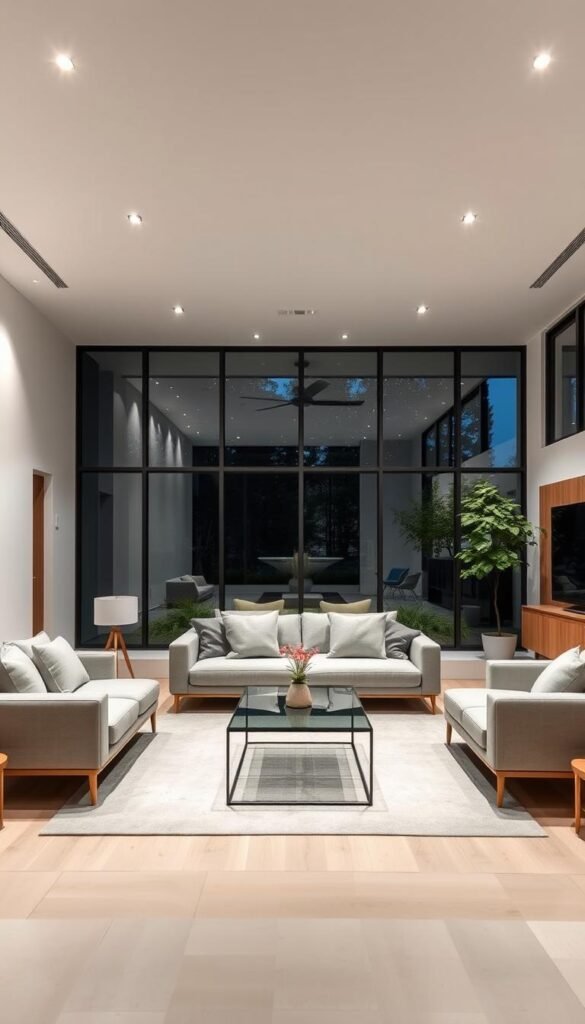
One major benefit of your layout is the ability to see across multiple areas. This creates an airy, connected feeling you want to preserve. Choosing the right furniture height plays a huge role in maintaining that openness.
Tall, high-back pieces placed in the middle can disrupt your sightlines. They might make your area feel like a confusing maze. Instead, focus on lower profile options that keep views clear.
Low-profile doesn’t mean uncomfortable or lacking style. Many modern sofas and chairs offer excellent comfort without towering backs. You maintain both function and visual flow throughout your space.
Place taller furniture along walls or in corners. That classic high-back recliner works perfectly in a reading nook by the window. It provides comfort without blocking your view across the room.
This approach maintains your open feeling while keeping functionality. You can still enjoy comfortable seating without sacrificing the spacious atmosphere.
Consider these popular low-profile furniture categories:
- Platform sofas with lower backs
- Armless chairs and benches
- Low-profile sectionals
- Backless stools and ottomans
Your furniture placement affects how large your area feels. Keeping central sightlines open makes everything appear more spacious. Traffic flow improves when people can see where they’re going.
Balance is key between comfort and openness. You want pieces that invite relaxation without creating visual barriers. Test different arrangements to find what works best for your lifestyle.
Many homeowners find this approach transforms how they use their home. They enjoy both comfortable seating and beautiful views across their entire area. It’s the perfect combination of form and function.
Strategic Furniture Layouts for Function and Flow
Your furniture arrangement directly impacts how you experience your home. The right setup creates natural movement patterns and comfortable gathering spots. Think beyond traditional placements to unlock your space’s full potential.
Ask yourself two important questions: How do you want to use your area? How do you actually live day-to-day? Your answers guide everything from seating choices to traffic patterns.
Creative arrangements transform ordinary areas into extraordinary living environments. You’ll discover solutions that work specifically for your family’s needs and lifestyle.
Creative Seating Arrangements Beyond the Standard
Break free from predictable sofa-and-two-chairs setups. Consider placing two matching couches back to back. This creates separate conversation areas while maintaining visual unity.
Replace a traditional sofa with a backless bench or daybed. These pieces offer flexible seating that works for both lounging and entertaining. They maintain open sightlines while providing ample sitting space.
Invest in cubes or stools that tuck away when not needed. These movable pieces adapt to different gatherings and activities. They’re perfect for extra guests during parties or movie nights.
Swivel chairs work beautifully between your kitchen and living area. They rotate to face either space, creating seamless transitions. Your seating becomes part of the flow rather than blocking it.
Mix heavy and light furniture throughout your layout. A substantial dining table might pair with airy acrylic chairs. This balance prevents any area from feeling overwhelmed.
Incorporating Multi-Functional Pieces like Bar Carts and Stools
Multi-functional furniture maximizes your square footage beautifully. A bar cart tucked into any corner serves multiple purposes. It holds drinks during parties, stores books, or displays collections.
Stools provide flexible seating that moves where needed. Use them at kitchen islands, as extra table seating, or as occasional tables. Their versatility makes them worth the investment.
Consider placing a desk or small table behind your sofa. This creates a mini-office or crafting area without dedicating an entire room. The back of the sofa acts as a natural divider.
Here’s how multi-functional pieces enhance different zones:
| Piece | Primary Function | Secondary Uses | Ideal Placement |
|---|---|---|---|
| Bar Cart | Beverage service | Book storage, display shelf | Between living and dining areas |
| Nesting Tables | Surface space | Separate seating surfaces, storage | Beside chairs or sofa ends |
| Storage Ottomans | Footrest | Extra seating, blanket storage | Coffee table replacement |
| Bench with Storage | Seating | Toy storage, entryway organizer | Dining area or entry zone |
Reimagine your dining area as a lounge with four comfortable chairs around a round table. This setup works for both meals and conversation. It feels more inviting than traditional dining arrangements.
Add a pair of chairs in your kitchen or dining room. These create cozy spots for morning coffee or evening conversations. They make these functional areas feel more lived-in and welcoming.
A small game table in the corner creates a dedicated activity zone. It serves as a puzzle station, card table, or homework spot. This specialized area keeps clutter contained while encouraging family time.
Your furniture layout should reflect how you actually live. Don’t be afraid to break traditional rules. Create arrangements that work for your specific needs and preferences.
Movable pieces like bar carts and stools add wonderful versatility. They adapt to different occasions and needs throughout your day. Your space becomes more functional without feeling cluttered.
Experiment with these ideas to discover what works best for your home. The right furniture arrangement makes your entire area feel both functional and inviting.
Ensuring Physical Flow and Easy Movement
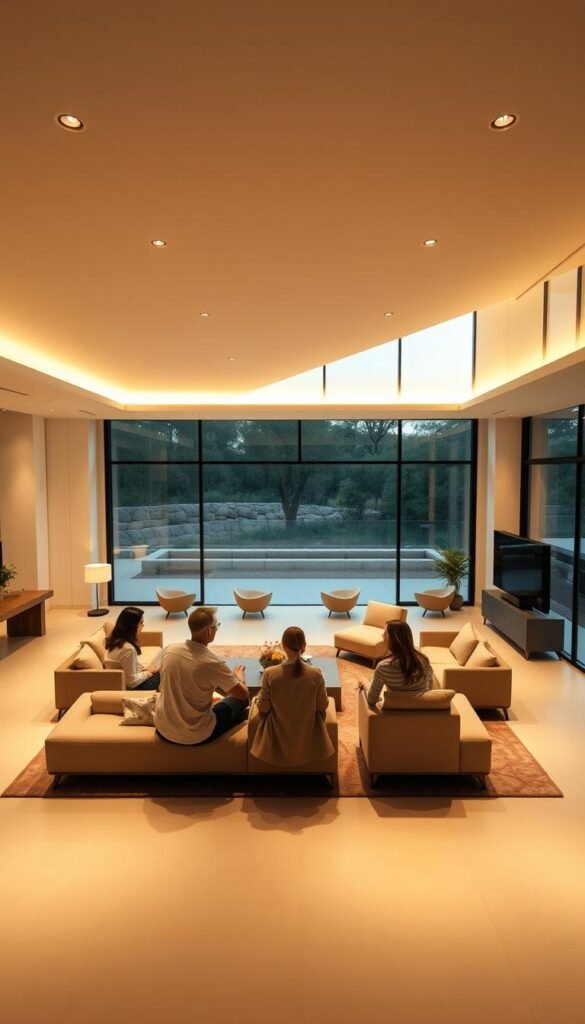
Good movement patterns make your home feel effortless to navigate. You want people to move naturally between different functional zones without obstacles. This creates a comfortable environment for both daily living and entertaining.
Think about how you use your space throughout the day. You might move from kitchen to dining area carrying plates. Or walk from living room to entryway with guests. Proper spacing ensures these movements feel smooth and uncomplicated.
Clear pathways prevent that cramped feeling in even the largest homes. They make your entire layout feel intentional and well-planned. You’ll enjoy your space more when movement feels natural.
Key Measurements for Walkways and Traffic Areas
Specific measurements help create comfortable circulation patterns. These guidelines ensure everyone moves easily through your home. They work for both family members and guests.
Aim for 36 inches between furniture groupings and adjacent spaces. This provides comfortable walking room for one person. For higher traffic areas between your living group and kitchen, prefer 48 inches.
Leave ample space around exits and entrances. These areas need extra room for people entering or leaving your home. Nobody wants to squeeze past furniture when arriving or departing.
Your dining area requires specific spacing considerations. Maintain 24 inches between chair backs and walls or other furniture. This allows easy movement when people stand up from the table.
Seating areas need leg room too. Keep 16-18 inches between sofa edges and coffee tables. This provides comfortable resting space for legs while maintaining reachability.
These measurements create a foundation for comfortable living. They ensure your beautiful space remains functional for everyday use. Your home will feel both spacious and inviting.
| Area Type | Minimum Space | Ideal Space | Purpose |
|---|---|---|---|
| Main Walkways | 36 inches | 42 inches | Single person flow |
| High Traffic Zones | 42 inches | 48 inches | Multiple people moving |
| Dining Chair Clearance | 20 inches | 24 inches | Easy standing movement |
| Coffee Table Distance | 16 inches | 18 inches | Comfortable leg room |
| Entryway Space | 48 inches | 60 inches | Welcome area functionality |
Arranging Furniture for Conversation and Comfort
Furniture placement affects both movement and social interaction. You want arrangements that encourage conversation while maintaining easy access. This balance makes your home perfect for both quiet evenings and gatherings.
Create intimate seating groups that face each other. Position chairs and sofas no more than 8 feet apart. This distance allows comfortable conversation without shouting.
Consider multiple circulation patterns for different activities. Your daily movement might differ from party traffic. Good planning accommodates both scenarios beautifully.
Test traffic flow before finalizing your layout. Walk through imaginary pathways with friends or family. Notice where natural pauses and conversations happen.
Balance open pathways with cozy seating areas. You want clear movement routes alongside comfortable conversation spots. This combination makes your space both functional and inviting.
Proper spacing contributes to both comfort and safety. Adequate room between pieces prevents tripping hazards. It also makes cleaning and maintenance much easier.
Consider how your layout works for entertaining. Guests should move freely between conversation groups. Food and drinks need clear paths from preparation to serving areas.
For more detailed guidance on creating seamless movement patterns, explore this resource on designing seamless open concept living spaces.
Your furniture plan should reflect how you actually live. Create arrangements that work for your specific needs and preferences. The right layout makes your entire home feel both beautiful and functional.
Adding Character and Definition with Architectural Elements
Architectural details transform your open layout from basic to breathtaking. These elements add personality while maintaining the airy feeling you love.
They create visual interest without physical barriers. Your space gains definition through thoughtful design choices.
Using Shelving and Wall Fixtures to Break Up the Box
Wall fixtures solve the boxy feeling in large areas. They add dimension where flat surfaces dominate.
Floating shelves create instant visual interest. They break up long walls and provide display space for your decor.
Consider these placement strategies for maximum impact:
- Install shelves at varying heights for dynamic appeal
- Use hooks and sconces to create functional art
- Mix open and closed storage for visual balance
- Place fixtures where natural sightlines guide the eye
Built-in shelving works particularly well in open concept environments. It provides storage while adding architectural character.
Your walls become active design elements rather than blank canvases. This approach makes your entire area feel curated and intentional.
Strategic Use of Accent Walls (And When to Avoid Them)
Accent walls create powerful focal points in the right situations. They work best at natural end points like interior corners.
Long hallways and rectangular spaces benefit from this technique. The color change defines the area without overwhelming.
Consider these successful accent wall applications:
| Wall Location | Ideal Color Approach | Visual Effect | Considerations |
|---|---|---|---|
| End of long room | Deeper tone of main color | Creates cozy endpoint | Ensure adequate lighting |
| Between structural columns | Complementary neutral | Defines transition space | Maintain color flow |
| Behind focal furniture | Textured finish | Highlights key pieces | Balance with surroundings |
| Archway or niche | Contrasting shade | Adds depth dimension | Keep proportions modest |
Avoid forced accent walls where corners don’t make sense. If your space lacks natural end points, skip this technique.
Neutral colors work best for timeless appeal. They complement rather than compete with your overall design style.
Remember that less is often more with accent features. One well-placed statement wall beats multiple competing elements.
The most successful accent walls feel inevitable rather than intentional. They enhance the architecture rather than fight it.
Your space maintains visual flow when accent features work with existing architecture. This creates harmony throughout your entire area.
Creating Intimate, Cozy Spaces Within the Open Plan
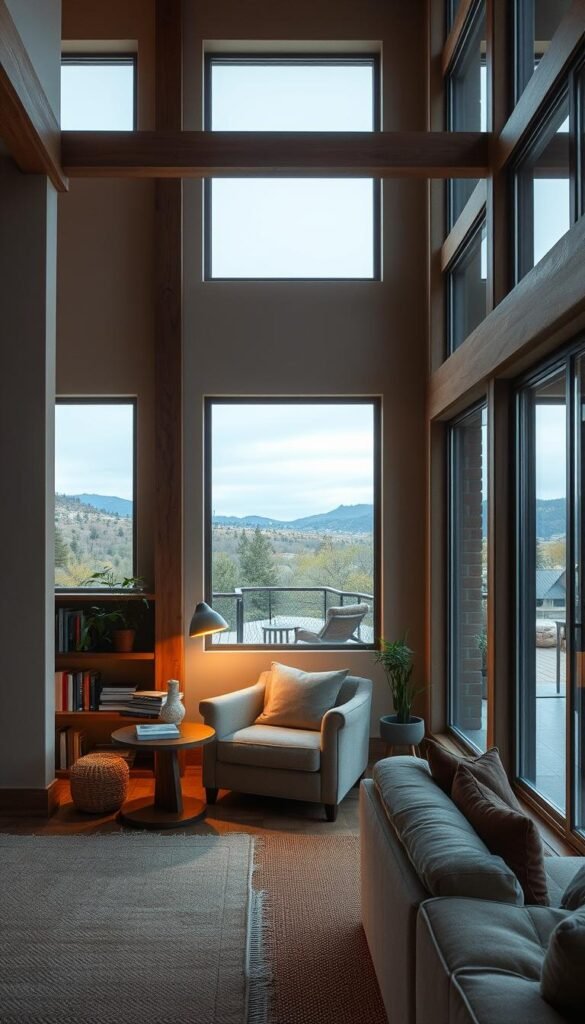
Your large area offers wonderful opportunities for creating special spots. These cozy corners add personality and function to your home. They make your house feel more inviting and lived-in.
Think about how you use your space throughout the day. You might want a quiet reading nook or a small office area. These specialized spaces serve specific purposes while maintaining openness.
Designing Functional Nooks and Reading Corners
Reading corners create perfect retreats within your larger room. Choose a spot with good natural light if possible. A comfortable chair and small side table make this area functional.
Consider placing your reading nook near windows or in quiet corners. This placement gives you privacy without closing off the space. You remain connected to the main area while enjoying solitude.
Office nooks work beautifully in underutilized areas. A small desk behind your sofa creates a mini workspace. The furniture itself acts as a natural divider.
Entryways benefit from thoughtful organization too. A bench with storage and wall hooks makes this area functional. It defines the space without physical walls.
Use furniture to create subtle boundaries. A bookshelf placed perpendicular to a wall defines areas beautifully. It provides storage while maintaining visual connection.
Here are successful nook ideas for different functions:
| Nook Type | Key Furniture | Ideal Location | Special Features |
|---|---|---|---|
| Reading Corner | Armchair, side table, lamp | Window area, quiet corner | Bookshelf, throw blanket |
| Office Nook | Small desk, comfortable chair | Behind sofa, under stairs | Task lighting, storage bins |
| Entry Area | Bench, hooks, storage basket | Near main entrance | Mirror, tray for keys |
| Game Area | Small table, two chairs | Corner space | Storage for games, good lighting |
These specialized areas make your home more functional. They serve specific needs without sacrificing openness. Your space feels both expansive and intimate.
Incorporating Texture for Warmth and Depth
Texture transforms potentially cold areas into warm, inviting spaces. It adds visual interest and tactile comfort throughout your home. These elements make your decor feel rich and layered.
Think about different textures you can incorporate. Woven baskets add natural warmth and provide storage. Wood shelves bring organic beauty and functionality.
Metal hardware introduces subtle shine and sophistication. These small details contribute to the overall cozy atmosphere. They catch light beautifully throughout the day.
Layer textures for maximum impact. A wool throw over a leather chair creates wonderful contrast. A jute rug under a velvet sofa adds depth and interest.
Consider these texture combinations for different areas:
- Living area: velvet pillows on linen sofa with wool rug
- Dining space: wood table with metal chairs and woven placemats
- Entryway: stoneware bowl on wood console with metal hooks
- Reading nook: leather chair with knit blanket and wood side table
Lighting plays a crucial role in enhancing textures too. Wall sconces create pools of light that highlight textural details. Dimmers allow you to adjust ambiance for different moods.
Task lighting makes functional areas more practical and inviting. A good lamp transforms any corner into a usable space. It adds both light and style to your decor.
The most inviting spaces balance open feeling with cozy comfort. They welcome you in while maintaining beautiful flow throughout.
Your home should reflect your personal style through these textural choices. They add character and warmth to potentially sterile areas. These elements make your space feel truly yours.
Experiment with different combinations to find what works best. The right texture balance creates spaces that feel both expansive and intimate. You’ll love how these details transform your daily experience.
Your Step-by-Step Plan for Arranging Your Furniture
The best way to discover your perfect arrangement involves hands-on experimentation. You’ll learn through doing rather than just planning on paper.
This approach saves time and money while creating a layout that truly works for your lifestyle. You’ll gain confidence in your design decisions.
How to Physically Experiment with Your Layout
Start by clearing your space completely. Move everything to the perimeter or another room. This blank canvas approach lets you see possibilities.
Begin with your largest pieces first. Position your sofa in different orientations against various walls. Notice how each placement changes the room’s flow.
Try at least three completely different arrangements. Take photos from multiple angles after each setup. These images become valuable references.
Involve family members in the testing process. Their feedback helps create a space that works for everyone. Different perspectives reveal solutions you might miss alone.
Consider these creative testing techniques:
- Use blue painter’s tape to mark furniture footprints on floors
- Create cardboard cutouts for potential new pieces
- Borrow items from other rooms to test size and scale
- Measure traffic patterns between different arrangements
Focus on both aesthetics and functionality during testing. Walk through each layout imagining daily activities. Notice where natural gathering spots form.
Testing Ideas Before You Buy
Always test before making purchases. This prevents expensive mistakes and buyer’s remorse. You’ll know exactly what works in your space.
Many furniture stores offer augmented reality apps. These let you visualize pieces in your room using your phone’s camera. It’s a powerful tool for scale testing.
For larger items, create full-size mockups using cardboard boxes. Tape them together to match dimensions. This gives you a physical sense of proportion.
Here’s a comparison of testing methods:
| Testing Method | Best For | Time Required | Accuracy Level |
|---|---|---|---|
| Blue Tape Outline | Rugs, furniture footprints | 15 minutes | High visual accuracy |
| Cardboard Mockup | Large furniture pieces | 1-2 hours | Excellent spatial sense |
| AR App Visualization | New furniture shopping | 5-10 minutes | Good scale representation |
| Borrow from Other Rooms | Testing existing items | 30 minutes | Perfect accuracy |
Trust your visual assessment over measurements alone. Sometimes proportions that look good on paper feel wrong in reality. Your eyes are the best judges.
Remember to evaluate both daytime and evening arrangements. Lighting changes how spaces feel at different hours. What works in morning light might need adjustment for evening use.
The most successful layouts emerge from playful experimentation rather than rigid planning. Enjoy the process of discovery.
Keep your testing sessions fun and stress-free. Play music, take breaks, and celebrate small discoveries. This creative process should feel enjoyable, not overwhelming.
Your final arrangement will reflect both practical needs and personal style. You’ll create a space that truly feels like home.
Modern Open Concept Living Room Design Ideas for Spacious Homes: Bringing It All Together
You’ve discovered powerful ways to transform your large area into a cozy, functional environment. These strategies help you create harmony throughout your home.
Remember to prioritize techniques that match your specific needs. Your space should reflect your lifestyle and personal preferences.
The most important element is creating a layout that feels good to you. Trust your instincts when arranging furniture and selecting decor.
Stay flexible and make adjustments as needed. Your beautiful, functional space will evolve with your family’s changing needs.