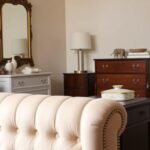
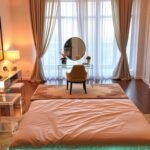
Imagine walking into a space that feels both stylish and peaceful. Your living area should be a sanctuary where you can relax and entertain with equal ease.
Neutral color schemes create a timeless foundation for your home. They adapt beautifully to your personal taste and seasonal changes.
The secret lies in layering different textures and patterns. This approach prevents your space from looking bland or boring.
We’ll share designer-approved techniques to help you achieve this look. These ideas work wonderfully in both new builds and existing rooms.
Think of neutrals as a dynamic choice that enhances your design options. Creating an elegant sanctuary is absolutely achievable with practical tips.
From color foundations to furniture selections, we’ve got you covered. Get ready to transform your space into something truly special.
1. Embrace a Cream and Beige Foundation
Starting with a cream and beige palette gives your space a timeless appeal. These colors bring instant warmth and flexibility to your design.
Why Cream and Beige Work So Well
Cream and beige tones create a calming backdrop in any room. They pair beautifully with various materials and accent colors.
These shades offer incredible versatility. You can easily update your look with seasonal decor changes.
How to Layer Different Shades
Layering similar tones adds depth without overwhelming your space. Try mixing light and dark variations for visual interest.
Start with lighter walls and incorporate darker furniture pieces. Add medium-toned accessories to bridge the gap between elements.
Real Designer Example: Chad Dorsey’s Pared-Back Approach
Designer Chad Dorsey created a stunning cream-based living area. He used this palette throughout furnishings, walls, and artwork.
Dorsey prevented blandness by adding pattern and texture. His feathery print sofa and textured rug from The Rug Company created wonderful visual interest.
You can achieve similar results by focusing on textured elements. Consider patterned upholstery and varied rug piles for your own space.
A cream and beige foundation sets the perfect stage for other neutral elements. It creates a cohesive look that feels both inviting and refined.
2. Play with a Spectrum of Taupe Tones

Many designers consider taupe the ultimate neutral for its remarkable adaptability across styles. This sophisticated hue bridges the gap between warm beige and cool gray tones.
The Versatility of Taupe
Taupe offers incredible flexibility in your design scheme. It can range from warm earthy tones to cooler grayish shades.
This versatility means taupe works with various aesthetics. You can create cozy warmth or crisp modern appeal using the same color family.
Mixing Light and Dark Taupe Elements
Combine different taupe tones for visual depth in your room. Try lighter walls with darker furniture pieces.
Textiles in varying shades add wonderful dimension. Layer medium-toned accessories to connect different elements.
Large taupe pieces create a cohesive foundation. Consider sofas or curtains in this versatile neutral.
Real Designer Example: Eva Bradley’s San Francisco Victorian
Designer Eva Bradley beautifully demonstrated taupe’s potential in her San Francisco project. She used a spectrum of taupe tones throughout the space.
Bradley featured a classic Mario Bellini sofa in rich taupe. She paired it with ombré striped curtains showing the color’s range.
Her approach made taupe feel layered rather than flat. The result was a sophisticated yet inviting living area.
You can achieve similar results with taupe furniture choices. Window treatments in varying tones also work beautifully.
Playing with taupe allows commitment-free experimentation. This neutral adapts easily to your evolving taste.
3. Incorporate Subtle Patterns for Visual Interest
Introducing subtle patterns is the secret to keeping your neutral design from feeling flat or monotonous. These visual elements add depth and movement while maintaining that calm atmosphere you love.
Choosing Patterns That Complement Neutrals
Select patterns that enhance rather than dominate your space. Organic prints like feather motifs or soft geometric designs work beautifully.
Stick to muted tones that blend with your existing color palette. This creates harmony throughout your room.
| Pattern Type | Best For | Color Suggestions |
|---|---|---|
| Organic Prints | Upholstery & Artwork | Soft grays, warm taupes |
| Geometric Designs | Rugs & Pillows | Muted contrasts |
| Textural Patterns | All Elements | Monochromatic tones |
Where to Add Pattern: Rugs, Upholstery, and Art
Distribute patterns evenly throughout your living area. Start with a patterned rug as your foundation.
Add interest through upholstered pieces like sofas or chairs. Artwork brings pattern to vertical spaces.
These elements break up large neutral areas beautifully. They create natural focal points without overwhelming.
Real Designer Example: The Feathery Print Sofa by The Rug Company
Chad Dorsey demonstrated pattern mastery with The Rug Company’s feathery print sofa. This piece added texture while maintaining elegance.
The organic pattern prevented blandness in the neutral space. It worked harmoniously with the room’s foundation.
You can achieve similar results with carefully chosen patterned pieces. Select items that complement rather than compete.
Patterns should enhance your overall design vision. Use them sparingly to maintain that serene neutral harmony you’ve created.
4. Use Texture to Add Depth and Warmth

Texture transforms your space from flat to fascinating with just a few thoughtful additions. These tactile elements create visual interest while maintaining your serene atmosphere.
Your design gains character through carefully chosen surfaces. The right combinations make your area feel inviting and layered.
Textural Elements: Rugs, Throws, and Pillows
Start with foundational pieces like area rugs. They anchor your space while adding softness underfoot.
Throws and pillows provide easy ways to introduce texture. You can swap them seasonally for fresh looks.
These elements work together to create comfort. They make your room feel more lived-in and welcoming.
Mixing Materials Like Linen, Wool, and Wood
Combine different materials for rich tactile interest. Natural fibers like linen and wool bring organic warmth.
Wood elements add earthy texture to your scheme. They create beautiful contrast against softer textiles.
This mixing prevents monotony in your palette. Your space feels curated rather than cookie-cutter.
| Material | Best Placement | Texture Quality |
|---|---|---|
| Linen | Upholstery & Curtains | Breathable, casual |
| Wool | Rugs & Throws | Cozy, insulating |
| Wood | Furniture & Accents | Natural, grounding |
Real Designer Example: Redd Kaihoi’s Maximalist Neutrals
Designer Redd Kaihoi demonstrated texture mastery in an Upper East Side apartment. He used cream and beige with complementary metals and woods.
Kaihoi incorporated bronze, brass, and gilt wood pieces. These materials added luxurious texture without overwhelming the neutral base.
His approach shows how neutrals can feel rich and dynamic. Material mixing creates depth that color alone cannot achieve.
You can emulate this look with metallic accents or natural material pieces. Even small additions make a significant impact.
Texture is crucial for preventing neutral spaces from feeling cold. It adds the warmth that makes a room truly inviting.
5. Opt for Elegant Hand-Painted Murals or Wallpaper
Your walls become more than just boundaries when you add artistic elements. They transform into captivating features that tell a story.
Hand-painted murals and scenic wallpaper bring incredible depth to your space. They create focal points without overwhelming your calm palette.
Neutral Wallpaper with Scenic or Abstract Designs
Choose wallpaper that complements your existing color scheme. Look for designs with subtle patterns or nature-inspired themes.
Scenic patterns create the illusion of expanded space. Abstract designs add artistic interest while maintaining serenity.
These elements should enhance rather than dominate your room. They work beautifully as background features that surprise and delight.
How Murals Can Transform a Space
Murals add narrative and personality to your living area. They turn blank surfaces into engaging artwork.
These features create wonderful depth perception. Your room feels more dimensional and intentional.
You maintain elegance while adding unique character. The result feels both personalized and professionally designed.
| Wall Treatment | Best Placement | Visual Effect |
|---|---|---|
| Scenic Wallpaper | Accent Walls | Expands Space |
| Abstract Patterns | Full Rooms | Adds Movement |
| Hand-Painted Murals | Focal Walls | Creates Narrative |
Real Designer Example: Suzanne Rheinstein’s Bucolic Oasis
Suzanne Rheinstein transformed her New York apartment with a hand-painted mural. She created a bucolic oasis that enhanced her neutral theme.
Rheinstein’s approach turned plain walls into scenic features. The mural added natural beauty without color overload.
Her design demonstrates how artwork can elevate a living space. The result feels both elegant and uniquely personal.
“A well-executed mural brings the outside world into your home, creating a seamless connection with nature’s tranquility.”
You can achieve similar results with carefully chosen wallpaper. Select patterns that reflect your personal aesthetic.
These elements make your room feel dynamic and intentional. They add the artistic detail that completes your design vision.
6. Expand Your Definition of Neutral with Olive and Green Tones

Nature’s most abundant color deserves a place in your home. Green brings fresh energy while maintaining that calm atmosphere you love.
This approach redefines what neutral means in interior design. You gain new possibilities while keeping your space peaceful.
Why Green Acts as a Neutral
Green appears everywhere in the natural world around us. This ubiquity makes it feel familiar and comforting in your home.
The color creates versatile backdrops for various styles. It pairs beautifully with traditional neutrals like beige and white.
Green tones offer wonderful calming properties. They make your space feel fresh and connected to the outdoors.
Incorporating Olive Sofas or Accents
Start with larger pieces like an olive green sofa. This creates an immediate focal point in your room.
Smaller accents work beautifully for subtle introductions. Try pillows, artwork, or decorative objects in green tones.
Balance these elements with your existing neutral palette. The combination feels both sophisticated and inviting.
| Green Element | Best Placement | Pairing Suggestions |
|---|---|---|
| Olive Sofa | Central Furniture | Beige walls, cream accents |
| Sage Pillows | Seating Areas | Gray tones, natural textures |
| Forest Artwork | Wall Displays | White frames, wood details |
Real Designer Example: Andre Herrero’s California Residence
Designer Andre Herrero demonstrated green’s neutral potential beautifully. His California residence featured olive green alongside warm beiges.
Herrero used bright white elements to create crisp contrast. The result felt cool and sophisticated yet completely serene.
His approach shows how green complements rather than clashes. The expanded color palette offered more creativity while maintaining harmony.
“Green connects us to the natural world while providing that serene backdrop we seek in our homes.”
You can achieve similar results with carefully chosen green pieces. Start with one focal item and build around it.
This expanded definition of neutral opens exciting new possibilities. Your space gains depth while keeping its peaceful character.
7. Create Contrast with Black and White Elements
Introducing black and white creates instant visual impact in your home. This classic combination brings definition and character to your space.
You achieve a crisp, clean aesthetic with these contrasting tones. They work beautifully with any neutral foundation you’ve established.
Using Black as an Accent in Neutral Rooms
Black elements serve as powerful focal points in your design. They draw the eye and create natural stopping points.
Consider black furniture pieces for dramatic effect. A single dark chair or table anchors your room beautifully.
Artwork with black frames adds sophistication to walls. These details create cohesion throughout your space.
Balancing Light and Dark for Modern Appeal
Balance is key when working with strong contrasts. Too much black can feel heavy, while too little lacks impact.
Distribute dark elements evenly throughout your room. This creates rhythm and movement in your design.
White spaces allow black accents to truly shine. They provide breathing room between dramatic elements.
Architectural features offer wonderful opportunities for contrast. Consider painting moldings or built-ins in contrasting tones.
This approach adds depth without overwhelming your space. It creates visual interest at every level.
Real Designer Example: Alfredo Paredes’ Vermont Retreat
Designer Alfredo Paredes demonstrated masterful contrast in a Vermont retreat. He used jet black Venetian plaster on a chimney breast against white walls.
This created a stunning modern focal point in the room. The black feature became an artistic statement piece.
Paredes’ approach shows how contrast adds sophistication. His design feels both contemporary and timeless.
“Black and white interior design offers a perfect balance between sophistication and simplicity, creating a chic and polished look in any space.”
You can achieve similar results with paint or statement pieces. Start with one bold element and build around it.
This contrast prevents your room from feeling too soft. It adds the edge that completes your elegant design.
For more inspiration on this timeless approach, explore black and white interior design ideas that work in any space.
8. Experiment with Moody Charcoals and Grays
Dark neutrals bring a dramatic yet sophisticated edge to your home. They create intimate spaces that feel both cozy and contemporary.
Charcoal and gray tones offer depth without overwhelming your design. These shades work beautifully in various lighting conditions.
How Dark Neutrals Add Sophistication
Moody charcoals instantly elevate your room’s aesthetic. They create a sense of luxury and intentional design.
Dark walls make your space feel more intimate and cozy. This psychological effect enhances relaxation and comfort.
Gray tones add modern elegance to traditional layouts. They bridge classic and contemporary styles seamlessly.
Pairing Charcoal Walls with Lighter Furniture
Balance dark walls with lighter furniture pieces. This contrast prevents your room from feeling too heavy.
Choose cream or beige upholstery for beautiful contrast. These light tones pop against charcoal backgrounds.
Metallic accents add sparkle to moody spaces. Brass or gold details create warmth against cool grays.
Proper lighting is crucial for dark color schemes. Layer ambient, task, and accent lighting throughout your space.
Mirrors help bounce light around the room. They make dark walls feel more open and airy.
| Dark Element | Light Pairing | Visual Effect |
|---|---|---|
| Charcoal Walls | Cream Sofa | Dramatic Contrast |
| Gray Flooring | White Rug | Balanced Foundation |
| Dark Ceiling | Brass Lighting | Elevated Sophistication |
Real Designer Example: Jeremiah Brent’s Luxe Lounge
Designer Jeremiah Brent created a stunning New York office lounge. He used ash paint on walls, ceilings, and window treatments.
Brent added black velvet armchairs for luxurious texture. A gilt mirror brought reflective elegance to the space.
His approach shows how dark neutrals create moody sophistication. The result feels both dramatic and perfectly balanced.
You can achieve similar results with careful planning. Start with one dark wall or ceiling treatment.
Add luxurious textures like velvet or silk. These materials enhance the sophisticated feel of dark tones.
Dark neutrals offer a bold design choice for your home. They create memorable spaces with enduring style appeal.
Experiment with charcoal through paint samples first. See how different lighting affects the color throughout the day.
This approach ensures you love your final result. Your space will feel both dramatic and perfectly comfortable.
9. Blend Modern Farmhouse Style with Neutral Palettes
You can create a warm, inviting atmosphere by combining farmhouse charm with contemporary style. This approach brings together the best of both worlds for your home.
Farmhouse elements add character and coziness to any space. They make your area feel lived-in and welcoming from the moment you enter.
Key Farmhouse Elements: Wood, Linen, and Vintage Pieces
Natural materials form the foundation of this style. Wood brings earthy warmth while linen adds soft texture.
Vintage pieces tell a story and add unique character. Look for items with history that complement your overall design.
These elements work together to create depth. They prevent your space from feeling too sterile or new.
Keeping It Modern with Clean Lines
Clean lines prevent your space from feeling too rustic. They maintain that contemporary feel you love.
Choose furniture with simple silhouettes and minimal ornamentation. This balances the more traditional farmhouse elements.
Your room stays fresh and current this way. The combination feels intentional rather than dated.
| Farmhouse Element | Modern Pairing | Best Placement |
|---|---|---|
| Reclaimed Wood | Sleek Metal Accents | Flooring or Accent Wall |
| Linen Textiles | Minimalist Patterns | Upholstery & Curtains |
| Vintage Finds | Contemporary Art | Shelving or Tables |
Real Designer Example: David Netto’s Country House
David Netto created a beautiful blend of styles in a New York country house. He mixed antique furniture with folksy fabrics in complementary tones.
Netto used silhouettes that felt both traditional and fresh. His approach achieved a timeless farmhouse aesthetic with neutral colors.
You can recreate this look in your own space. Start with one vintage piece and build around it with modern elements.
The result feels balanced and inviting. Your room gains character without losing contemporary appeal.
10. Draw Inspiration from Nature’s Neutral Colors

Earth’s materials provide timeless elegance that never goes out of style. They bring organic beauty into your home with authentic warmth.
Natural elements create spaces that feel both grounded and graceful. This approach connects your interior to the outdoor world seamlessly.
Using Materials Like Travertine, Oak, and Limestone
Natural materials add texture and character to your design. Travertine brings earthy tones with beautiful veining patterns.
Oak wood offers warm grain variations that feel inviting. Limestone provides subtle sophistication with its soft, natural appearance.
These elements work together to create harmony. They make your space feel cohesive and intentionally designed.
You can incorporate these materials through various pieces. Consider oak flooring or travertine accent tables.
Limestone fireplace surrounds make stunning focal points. Natural stone accessories add texture throughout your room.
Integrating Outdoor Views into Your Design
Connecting your interior to outdoor views expands your space visually. It creates a sense of openness and freedom.
Position seating areas to maximize natural sightlines. This makes your living area feel more spacious and connected.
Use minimal window treatments to maintain visibility. Sheer curtains provide privacy without blocking beautiful views.
Your design gains depth through this connection. The outside world becomes part of your interior aesthetic.
Real Designer Example: Nicole Hollis’ Desert Retreat
Nicole Hollis created a stunning desert retreat using nature’s palette. She relied on travertine, bleached oak, and limestone throughout.
These materials complemented the breathtaking outdoor landscape. Her design embraced the natural surroundings beautifully.
Hollis’ approach shows how nature provides perfect foundation tones. The result felt both elegant and completely effortless.
You can achieve similar results in your own space. Start with one natural material and build around it.
Nature’s neutrals offer sustainable design choices too. They create calming environments that feel genuinely grounded.
11. Layer Multiple Shades of White for a Serene Look
Creating an all-white space might seem simple, but it requires thoughtful layering. The magic happens when you combine various white tones and textures throughout your room.
This approach transforms starkness into sophistication. You achieve a calm, cohesive atmosphere that feels both fresh and inviting.
Matching Different Whites in Furniture and Walls
Start by selecting your primary white tone for walls and larger pieces. Cool whites work well in sun-filled spaces, while warm whites suit rooms with less natural light.
Test paint samples at different times of day. Observe how light changes their appearance throughout your living area.
Coordinate furniture finishes with your wall color. Slight variations create depth rather than conflict in your design.
Adding Warmth with Off-White and Cream
Introduce warmer tones to prevent clinical feelings. Off-whites and creams add subtle warmth to your palette.
These variations make your space feel more lived-in and comfortable. They bridge gaps between brighter white elements beautifully.
Textiles offer perfect opportunities for warm tones. Consider creamy throws or off-white pillows for soft contrast.
Real Designer Example: Alyssa Kapito’s All-White Layers
Alyssa Kapito demonstrated masterful white layering in a New York City home. She used soft whites throughout her design scheme.
Kapito incorporated a plaster chandelier that added glow and architectural interest. This piece created beautiful texture against smooth surfaces.
Her approach made white feel dynamic rather than bland. The result was an inviting space with effortless elegance.
| White Element | Best Placement | Texture Pairing |
|---|---|---|
| Bright White | Trim & Ceilings | Smooth finishes |
| Warm White | Walls & Large Furniture | Subtle textures |
| Off-White | Textiles & Accessories | Plush materials |
You can achieve similar results through careful planning. Focus on mixing materials and finishes in your white scheme.
Layer different textiles like linen, cotton, and wool. These variations prevent monotony while maintaining harmony.
Lighting plays a crucial role in white spaces. Warm bulbs enhance creamy tones and create cozy ambiance.
Your all-white room will feel serene and sophisticated. This palette offers timeless appeal with modern sensibility.
12. Try Lime Wash Paint for a Warm, Textured Effect

Transform your walls with a finish that brings organic depth to your space. Lime wash paint offers a unique alternative to standard wall treatments.
This technique creates subtle variations in color and texture. Your room gains character through natural, breathable materials.
Benefits of Lime Wash Over Traditional Paint
Lime wash comes from natural limestone and water. It allows your walls to breathe, preventing moisture issues.
The finish develops a beautiful patina over time. This aging process adds charm that regular paint cannot match.
You get a soft, matte look with gentle color variations. Each application becomes uniquely yours.
How It Adds Cave-like Warmth to Neutrals
Lime wash creates a cozy, enveloping feeling in your space. The textured finish absorbs and softens light beautifully.
Your walls gain depth through subtle color shifts. This effect makes rooms feel intimate and protected.
Neutral tones become richer and more complex. The result feels both ancient and contemporary.
Real Designer Example: Office of Tangible Space’s Brooklyn Apartment
The Office of Tangible Space used lime wash in a Brooklyn apartment. They created what they described as “living in an acorn” warmth.
The treatment transformed plain walls into tactile surfaces. Natural light played beautifully across the textured finish.
This approach made the space feel grounded and organic. The aesthetic achieved both simplicity and sophistication.
You can experiment with lime wash on accent walls first. The application process differs from traditional painting.
Professional help ensures the best results. The finish works well with various design styles.
Lime wash adds character without overwhelming your decor. It creates a foundation that enhances other elements.
Your living area gains warmth and texture through this simple update. The effect feels both timeless and current.
13. Mix Contemporary and Antique Furniture Pieces
Blending different eras in your home creates a space that feels both personal and timeless. This approach adds character while maintaining a cohesive aesthetic.
Balancing Old and New for Timeless Appeal
Mixing styles prevents your room from feeling too sterile or dated. The key lies in finding harmony between contrasting elements.
Start with one statement antique piece as your focal point. Build around it with simpler contemporary furniture.
This balance creates visual interest without overwhelming your space. Your design gains depth and personality effortlessly.
Choosing Wood Tones That Complement Neutrals
Wood finishes bring warmth to your neutral palette. Select tones that enhance rather than clash with your existing scheme.
Darker woods create beautiful contrast against light walls. Lighter varieties maintain an airy, open feeling.
Consider the undertones in your wood selections. Warm browns pair well with beige, while cooler grays suit taupe schemes.
Real Designer Example: Augusta Hoffman’s Refined Living Room
Augusta Hoffman masterfully blended contemporary silhouettes with weightier wood antiques. She used dark wood pieces to contrast bright, open spaces.
Her conscious choices created perfect balance between eras. The result felt both sophisticated and inviting.
Hoffman’s approach shows how antiques add character to modern designs. They prevent spaces from feeling too generic.
You can incorporate vintage finds through various methods. Statement furniture makes a bold impact, while smaller accessories offer subtle introductions.
Mixing styles adds history and personality to your room. This layered approach creates a truly unique living environment.
14. Incorporate Circular Shapes and Silhouettes
Curved forms bring gentle movement to your interior arrangement. They soften angular spaces and create natural flow throughout your room.
Circular elements add organic sophistication to your design. They work beautifully with neutral palettes for balanced harmony.
Using Rugs, Tables, and Lamps with Curved Designs
Start with a round area rug as your foundation piece. This creates visual softness underfoot while defining seating areas.
Circular coffee tables offer excellent functionality. They provide accessible surfaces from all seating positions.
Curved lamps add graceful illumination to your space. Their rounded bases complement other circular elements beautifully.
How Circles Create Visual Flow and Growth
Circular shapes guide the eye smoothly around your room. They create natural pathways that feel inviting and cohesive.
These forms symbolize continuous movement and development. They represent endless possibilities in your design journey.
Curves break up rigid lines and sharp corners. This creates a more relaxed and comfortable atmosphere.
| Circular Element | Best Placement | Design Benefit |
|---|---|---|
| Round Rug | Seating Area Center | Defines Space Softly |
| Circular Table | Conversation Area | Improves Flow |
| Curved Lamp | Side Tables | Adds Gentle Light |
| Oval Mirror | Wall Display | Expands Space |
Real Designer Example: Ishka Designs’ Brooklyn Apartment
Ishka Designs demonstrated circular mastery in a Brooklyn apartment. They repeated curved shapes throughout the entire space.
The design featured a circular rug, cocktail table, and lamp. Even the fireplace incorporated curved elements.
This approach created cohesive visual growth throughout the room. Each circular piece reinforced the overall theme.
“Circles represent constant growth and harmony in design. They create spaces that feel both dynamic and perfectly balanced.”
You can achieve similar results with thoughtful circular additions. Start with one rounded piece and build around it.
Curved elements make your space feel more inviting. They add movement without sacrificing elegance.
This approach enhances your neutral foundation beautifully. It creates organic sophistication that feels both intentional and effortless.
15. Add a Pop of Color as a Focal Point
A single vibrant element can transform your space from serene to spectacular. This strategic approach maintains calm while adding personality.
You create visual interest without overwhelming your peaceful foundation. The right pop draws attention exactly where you want it.
Selecting One Bold Color to Enhance Neutrals
Choose a hue that complements your existing palette. Olive green works beautifully with beige and cream tones.
This color adds energy while feeling natural and grounded. It creates contrast without disrupting harmony.
Consider your room’s lighting throughout the day. Test samples to see how colors change in different conditions.
Placement Tips for Sofas, Art, or Accessories
Large furniture pieces make powerful statements. A colorful sofa becomes an instant focal point.
Artwork offers flexible color introduction. You can change pieces as your taste evolves.
Accessories provide subtle color touches. Pillows and throws add temporary vibrancy.
Balance your bold element with surrounding neutrals. This prevents the color from dominating your space.
Create visual pathways that lead to your focal point. Arrange furniture to highlight your special piece.
Real Designer Example: Ashe Leandro’s Olive Green Sofa
Ashe Leandro created a stunning Manhattan living area. He used an olive-green sofa as his centerpiece.
This piece served as a seductive inflection point. It added personality without overwhelming the neutral scheme.
Leandro treated green like a dynamic neutral. His approach showed how color can enhance rather than compete.
“A single bold element transforms a room from simply beautiful to uniquely memorable. It’s the difference between a showroom and a home.”
You can achieve similar results with careful color selection. Start with one statement piece and build around it.
Your space gains character while maintaining its peaceful essence. This balanced approach creates truly personal interiors.
16. Your Effortlessly Elegant Neutral Sanctuary Awaits
You now have all the tools to create a stylish and peaceful home. Start with a simple color base and add layers of texture and pattern.
Your space can evolve with your taste through small updates. Change pillows or art to keep things fresh without major changes.
Balance is key—mix light and dark, old and new. This creates harmony and makes your area feel complete.
Draw inspiration from designer examples that fit your style. Your personal touch makes the design truly yours.
You can build a space that feels both serene and special. Enjoy creating your own beautiful retreat.