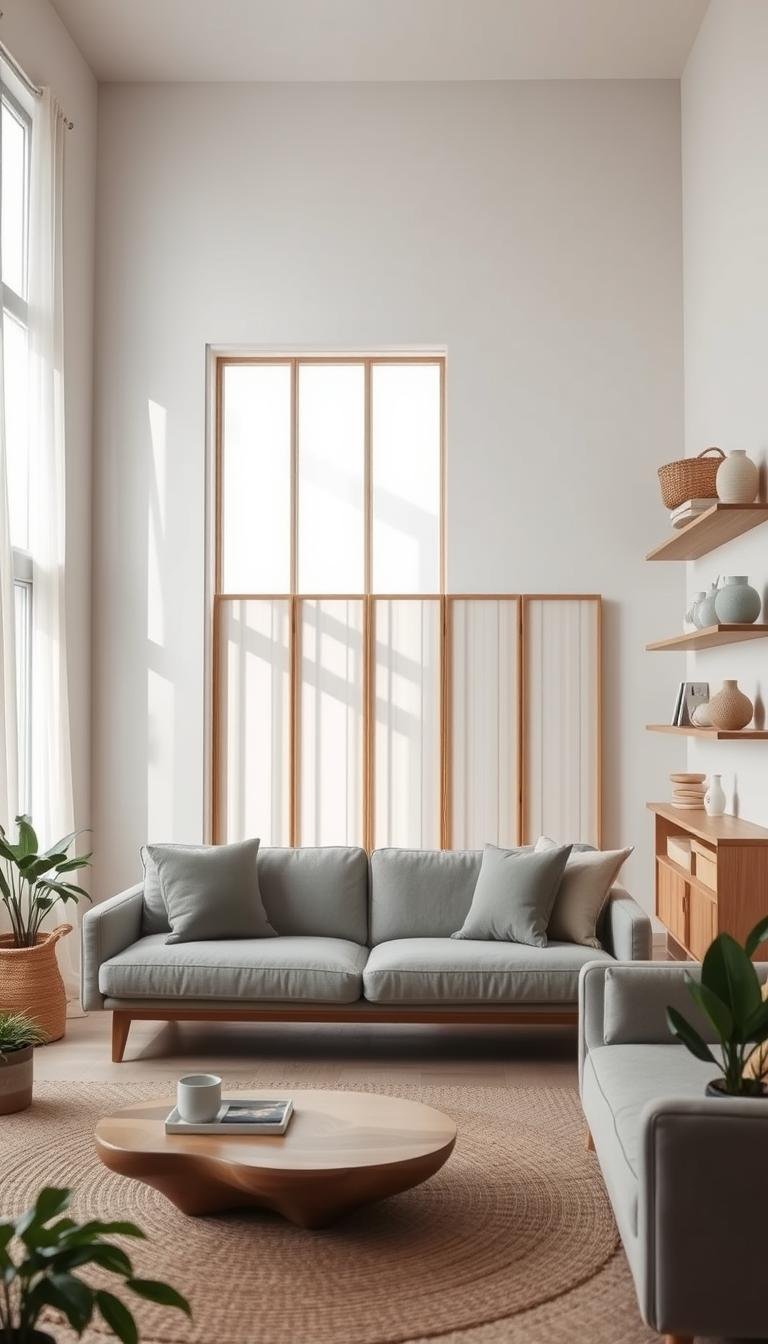
Welcome to your complete guide for creating a peaceful home environment. This approach blends Japanese minimalism with Scandinavian warmth.
You will discover how this fusion creates the perfect harmony between elegance and comfort. It brings together the best of both worlds for your interior.
Learn how to transform your space into a calming retreat. This style promotes relaxation and mindfulness in your daily life.
We will show you practical ways to incorporate natural elements. Creating a connection to nature makes your home feel more authentic.
This guide walks you through color choices, furniture selection, and layout ideas. You will gain all the knowledge needed to create a beautiful, functional room.
Get ready to build a space that feels as good as it looks. Your journey toward a more balanced lifestyle starts here.
What is Japandi Design? The Fusion of Two Philosophies
Imagine creating a space that feels both peaceful and practical. This is exactly what this approach achieves. It brings together two distinct traditions from opposite sides of the world.
Japanese minimalism meets Scandinavian warmth in perfect harmony. The result is a balanced aesthetic that values simplicity above all else.
Both cultures share a deep respect for nature and craftsmanship. They believe in living with intention rather than excess. This shared philosophy forms the foundation of their combined style.
You get clean lines and neutral tones from Japanese influence. Scandinavian design adds cozy textures and functional furniture. Together, they create rooms that feel both sophisticated and welcoming.
“True beauty lies in simplicity and functionality.”
This style differs from others by emphasizing quality over quantity. Every piece in your home should serve a purpose and bring joy. It’s about choosing fewer items but ensuring they’re well-made.
Natural materials like wood, linen, and stone are essential. They create warmth and connect your interior to the outdoors. This connection promotes mindfulness and conscious living.
Many homeowners love this approach because it creates tranquil environments. It transforms your space into a sanctuary from daily stress. You’ll appreciate how it balances elegance with everyday comfort.
The historical roots of both traditions complement each other beautifully. Japanese design values empty space and tranquility. Scandinavian style focuses on light, functionality, and hygge comfort.
Understanding this fusion helps you create a more balanced home. You’ll learn to appreciate the beauty of imperfect perfection. Your living area becomes a reflection of thoughtful choices.
The Core Principles Behind a Tranquil Japandi Space
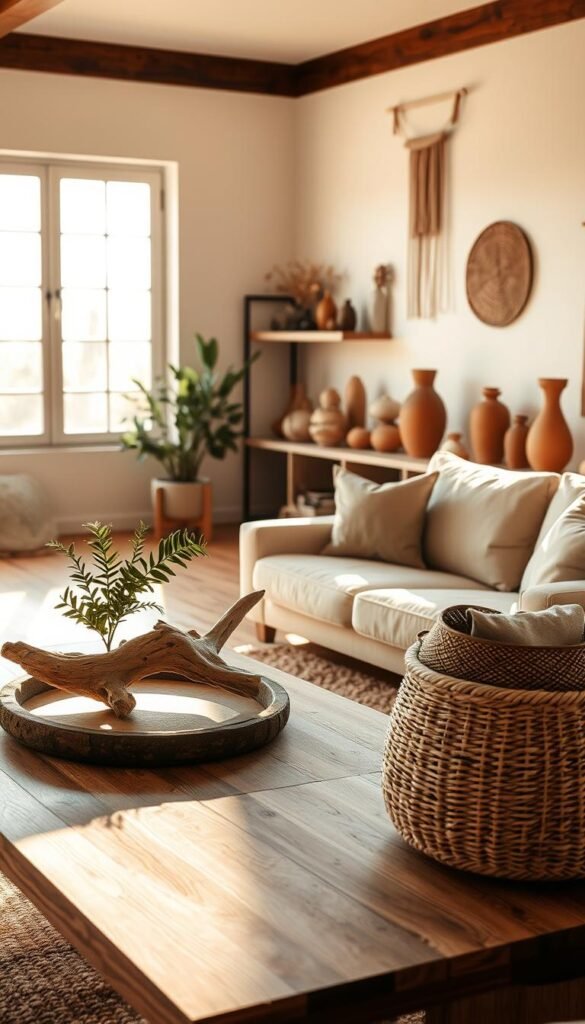
Three fundamental concepts work together to create environments that soothe your soul and simplify your life. These ideas form the foundation of every authentic space in this style.
You’ll find that these principles help you create rooms that are both beautiful and practical. They transform your interior into a place of peace and purpose.
Emphasis on Simplicity and Functionality
Every item in your home should serve a clear purpose or bring deep meaning. This approach values quality over quantity in all your choices.
Look for furniture with clean lines and thoughtful construction. These pieces often feature natural materials like solid wood or bamboo.
Functionality matters just as much as aesthetics in this philosophy. Your space becomes more efficient and easier to maintain.
Connection to Nature and Natural Materials
Bringing the outdoors inside creates warmth and authenticity in your room. This connection extends beyond materials to include light and organic forms.
Choose elements that celebrate natural beauty and texture. Wood grains, stone surfaces, and plant life all contribute to this feeling.
Natural light plays a crucial role in this connection. It makes your space feel airy and connected to the changing day.
The Philosophy of “Ma” (Negative Space)
This Japanese concept creates breathing room for both your environment and your mind. Negative space serves as a buffer against sensory overload.
Empty areas allow your eyes to rest and your thoughts to settle. They create balance between filled and open areas in your room.
“In the attitude of silence the soul finds the path in a clearer light.”
This philosophy helps promote mental clarity and emotional balance. Your living area becomes a true sanctuary from daily stress.
These three principles work together to create harmonious environments. They help you build a home that supports your wellbeing every day.
Your Modern Japandi Living Room Design Guide for Tranquil Spaces
Transforming your gathering area into a peaceful retreat begins with thoughtful assessment of what you already own. Look around your current setup and identify pieces that align with minimalist principles. This approach saves money and creates a more authentic environment.
Start by evaluating your furniture for clean lines and natural materials. Quality wooden pieces with simple designs often work perfectly. These elements form the foundation of your new aesthetic.
Balance is crucial when combining different design philosophies. Scandinavian comfort should complement Japanese simplicity rather than compete with it. Choose textiles that add warmth without creating visual clutter.
Your budget should prioritize key items that make the most impact. Focus on a comfortable sofa with clean lines first. Then add natural elements like plants and wooden accents gradually.
Many homeowners successfully repurpose their existing furniture. A simple coat of paint or new upholstery can transform outdated pieces. This sustainable approach honors the philosophy of mindful consumption.
Create cohesion by maintaining a consistent color story throughout your space. Neutral tones with earthy accents work beautifully together. This creates visual harmony that feels both calming and intentional.
Implementing these changes doesn’t need to happen all at once. Take your time curating pieces that truly resonate with you. The journey toward your perfect sanctuary should feel enjoyable, not overwhelming.
Successful transformations often start with decluttering existing items. Remove anything that doesn’t serve a purpose or bring joy. This creates the negative space essential for true tranquility.
Lighting plays a crucial role in establishing the right atmosphere. Warm, soft illumination enhances both functionality and mood. Layer different light sources for the most flexible environment.
Remember that authenticity matters more than perfection. Your space should reflect your personal interpretation of these principles. The most beautiful rooms balance guidance with individual expression.
Crafting the Perfect Japandi Color Palette
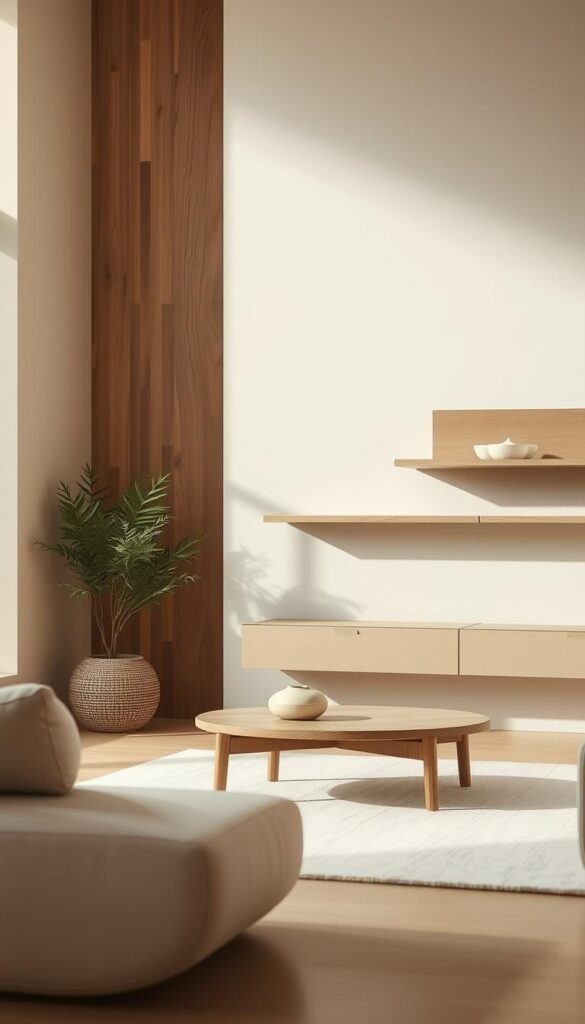
Your color choices set the emotional tone for your entire environment. The right palette creates harmony between different areas and functions. It establishes a visual rhythm that feels both intentional and effortless.
This approach uses color to support relaxation rather than stimulate excitement. You’ll notice how certain shades make your mind feel calmer. They create a backdrop that lets your furniture and decor shine.
Neutral Base Tones: Whites, Beiges, and Grays
Start with a foundation of soft, neutral shades on your walls and large surfaces. These colors act as a blank canvas for your entire space. They provide visual breathing room and enhance natural light.
Choose warm whites over cool bright whites for added coziness. Cream and oatmeal tones work beautifully in north-facing rooms. They add subtle warmth without overwhelming your senses.
Muted grays with brown or green undertones create sophisticated backdrops. These shades work well with wood tones and natural materials. They ground your space while maintaining an airy feeling.
Earthy Accent Colors: Terracotta, Sage, and Dusty Blue
Introduce color through smaller elements and decorative pieces. Earth-inspired hues create depth without disrupting tranquility. They bring subtle energy while staying connected to nature.
Terracotta adds warmth through textiles or ceramic art pieces. Sage green works beautifully on accent walls or through plant life. Dusty blue provides a cool contrast that feels refreshing yet calm.
These accents should feel like natural extensions of your base palette. They create visual interest without competing for attention. Your eyes move smoothly through the space without jarring stops.
| Color Type | Recommended Shades | Best Uses | Mood Effect |
|---|---|---|---|
| Base Whites | Swiss Coffee, White Duck | Walls, ceilings, large furniture | Creates openness and lightness |
| Warm Beiges | Accessible Beige, Shoji White | Flooring, textile foundations | Adds subtle warmth and comfort |
| Muted Grays | Repose Gray, Mindful Gray | Accent walls, cabinetry | Provides sophisticated grounding |
| Earthy Accents | Terracotta, Sage Green, Dusty Blue | Textiles, art, decorative pieces | Adds depth and natural connection |
Test your colors in different lighting before making final decisions. Paint large swatches on multiple walls and observe them throughout the day. Natural light changes how colors appear in morning versus evening.
Consider how your palette flows between adjacent areas of your home. Consistent tones create a sense of cohesion throughout your interior. They make your entire living environment feel thoughtfully curated.
Remember that color should serve your comfort and peace above all else. The most successful palettes feel instinctively right when you enter the room. They support your daily life without demanding attention.
Designing an Open and Airy Japandi Layout
Strategic space planning lies at the heart of this aesthetic approach. Your room arrangement should promote both movement and mindfulness throughout your daily life.
This philosophy values emptiness as much as filled areas. You create balance through careful consideration of every element’s placement.
Furniture Placement for Optimal Flow
Arrange your key pieces to encourage natural movement patterns. Leave clear pathways between seating areas and entry points.
Consider how people will move through your space during gatherings. Your arrangement should facilitate conversation without creating obstacles.
Low-profile furniture works best for maintaining sightlines across the room. Pieces like the Rory 4 Piece Sectional Sofa from Bloomingdales define areas without blocking views.
Create distinct zones for different activities within open plans. A reading nook might occupy one corner while main seating anchors the center.
Scale your furniture appropriately for your room’s dimensions. Oversized pieces can make areas feel cramped despite your best intentions.
The Importance of Negative Space
Empty areas provide visual resting spots for your eyes and mind. This concept, known as ‘ma’, prevents sensory overload in your home.
Resist the urge to fill every available surface with decor. Allow walls and floors to remain partially uncovered for breathing room.
Negative space enhances your appreciation of the pieces you do include. Each item stands out more when surrounded by thoughtful emptiness.
This philosophy applies to both horizontal surfaces and vertical space. Leave some wall areas blank to maintain airiness throughout your interior.
Practical layout tips for your space:
- Start with your largest piece (usually the sofa) and build outward
- Maintain at least 30 inches between coffee tables and seating
- Create conversation clusters with chairs facing each other
- Use area rugs to define zones without physical barriers
- Leave walkways wide enough for two people to pass comfortably
Your layout decisions impact both aesthetics and daily functionality. A well-planned room feels intuitively right the moment you enter it.
Remember that empty space serves as important as filled areas. This balance creates the tranquil atmosphere you seek.
Selecting Timeless Japandi Furniture Pieces
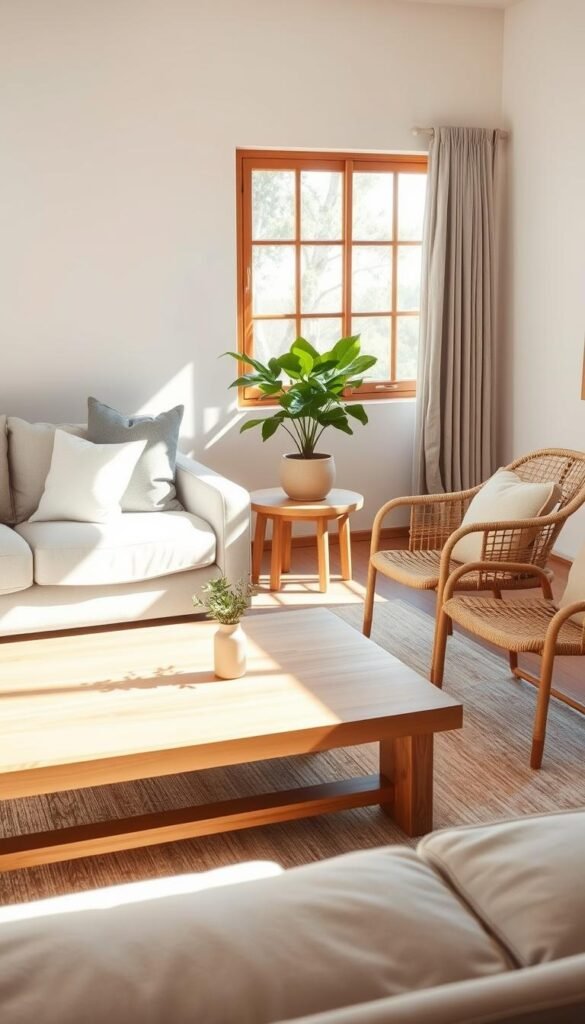
The furniture you choose becomes the foundation of your peaceful environment. These pieces should reflect both beauty and purpose in equal measure.
You want items that will serve you well for years to come. Quality craftsmanship ensures your investment lasts through changing trends.
This approach values simple forms that celebrate natural beauty. Each piece should feel intentional rather than accidental.
Low-Profile and Structured Seating
Your seating choices set the tone for entire rooms. Look for pieces that sit closer to the ground for authentic appeal.
Structured silhouettes work better than oversized, plush options. The Aimee Chair from Arhaus offers perfect proportions with its clean lines.
Choose neutral fabrics like linen or cotton for upholstery. These materials breathe well and age gracefully over time.
Comfort comes from thoughtful construction rather than excessive padding. Your sofa should support good posture while inviting relaxation.
Simple Wooden Tables and Functional Storage
Wood serves as the heart of this aesthetic approach. Select pieces that showcase beautiful grain patterns and natural character.
Light or medium tones like oak or walnut work beautifully. Matte finishes preserve the organic feel of the material.
Your coffee table should offer both surface space and hidden storage. Look for designs with discreet drawers or shelves.
Functional pieces maintain your minimalist environment beautifully. They keep clutter out of sight but within easy reach.
Key indicators of quality craftsmanship:
- Dovetail joints in drawer construction
- Solid wood rather than veneers on visible surfaces
- Smooth, consistent finishes without drips or bubbles
- Reinforced corners and stress points
Mixing different pieces requires careful coordination. Maintain consistency through material choices and proportional relationships.
Your budget should prioritize key items first. Invest in your sofa and main table before adding accent pieces.
Remember that timeless design transcends temporary trends. Choose furniture that speaks to lasting values rather than passing fashions.
Layering Natural Textures for Warmth and Comfort
Texture plays a vital role in making your environment feel complete and inviting. It adds depth and character without overwhelming your senses.
You can create a cozy atmosphere through thoughtful material combinations. This approach prevents your space from feeling cold or impersonal.
The right textures make your room visually interesting and physically comfortable. They appeal to both your eyes and your sense of touch.
Incorporating Linen, Wool, and Jute
Natural fabrics bring organic warmth into your home environment. They connect your interior to the outdoors through their earthy qualities.
Linen offers breathable comfort for upholstery and window treatments. Its slightly wrinkled appearance adds casual elegance to any room.
Wool provides excellent insulation and softness underfoot. Throws and area rugs in wool create instant coziness during cooler months.
Jute introduces rustic texture through baskets and floor coverings. The Kali Jute Rug from One Kings Lane makes a perfect foundation piece.
These materials work together to build layered comfort throughout your space. They age beautifully, developing character over time.
Balancing Soft and Hard Textures
Successful texture combinations create harmony between different surfaces. You want variety without visual competition between elements.
Pair smooth wood tables with nubby textile accents. A sleek armchair gains comfort from a plush wool cushion.
Mix matte finishes with occasional glossy ceramics. This contrast adds depth while maintaining overall simplicity.
Consider both visual and tactile experiences when selecting pieces. Your choices should feel as good as they look.
| Texture Type | Best Applications | Comfort Level | Maintenance Tips |
|---|---|---|---|
| Linen | Curtains, slipcovers, pillow covers | Breathable medium softness | Cold water wash, air dry |
| Wool | Area rugs, throws, seat cushions | Very soft with good insulation | Professional cleaning recommended |
| Jute | Rugs, baskets, wall hangings | Firm with natural texture | Spot clean only, avoid moisture |
| Wood | Furniture, accessories, flooring | Firm smooth surface | Dust regularly, use wood cleaner |
| Cotton | Pillows, lightweight throws, drapes | Soft and breathable | Machine washable, tumble dry low |
Paper lanterns provide soft, diffused lighting while adding textural interest. They create beautiful patterns when illuminated from within.
Woven elements bring handcrafted charm to your decor. Baskets and wall art add dimension without visual clutter.
Remember that texture should enhance rather than dominate your space. The most successful combinations feel effortless and natural.
Your layered textures will make your room feel more inviting every day. They create an environment that welcomes both relaxation and inspiration.
Illuminating Your Space with Soft, Ambient Lighting
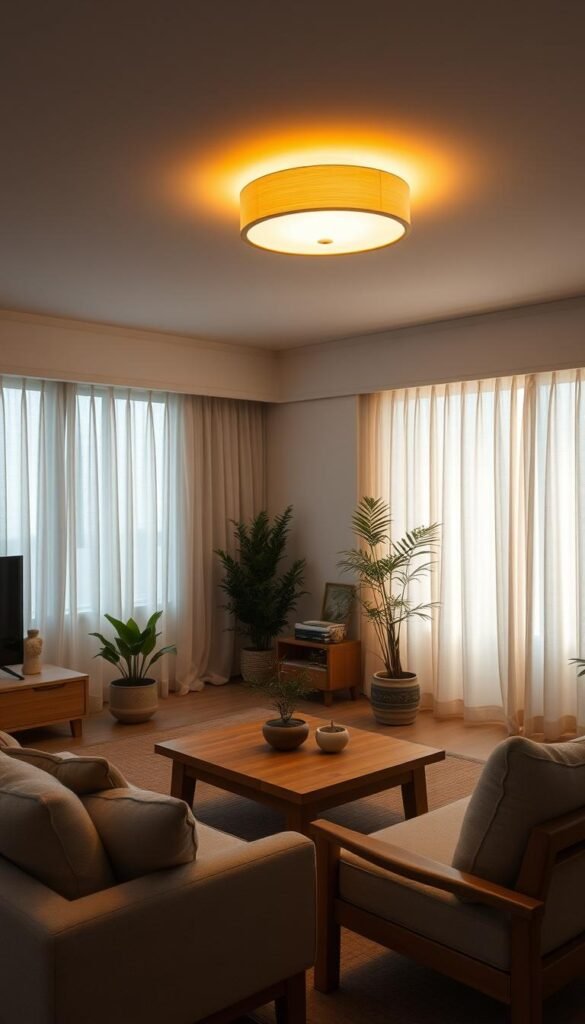
Light transforms your environment more than any other element. It shapes how you feel and interact with your surroundings every day.
The right illumination creates harmony between function and mood. You achieve both practicality and peace through thoughtful choices.
This approach values gentle radiance over harsh brightness. Warm glows make your area feel welcoming and serene.
Natural illumination plays a key role in this philosophy. Maximize daylight while controlling intensity for comfort.
Choosing Warm, Dimmable Light Sources
Select bulbs with color temperatures between 2700K and 3000K. These warm tones mimic sunset and firelight beautifully.
Dimmable options give you control over atmosphere throughout the day. Adjust brightness to match activities and moods.
LED technology offers energy efficiency with excellent color rendering. Look for high CRI values for truer color representation.
Avoid cool white or blue-toned illumination that feels clinical. Your home should promote relaxation, not alertness.
Layered Lighting with Lamps and Lanterns
Create depth through multiple light sources at different heights. This technique eliminates harsh shadows and dark corners.
Floor lamps with linen shades provide soft upward illumination. They add warmth without overwhelming your senses.
Paper lantern pendants offer diffused overhead lighting. Their organic materials align perfectly with natural aesthetics.
Consider these effective layering techniques:
- Place table lamps on surfaces for task lighting
- Use wall sconces for ambient glow without floor space
- Incorporate candlelight for evening ambiance
- Position mirrors to reflect and amplify existing light
The Pendant Light Fixture from Amazon works wonderfully for authentic style. Its paper construction creates soft, even distribution.
Remember to create zones for different activities. Reading areas need brighter task lighting than meditation spaces.
Your layered approach should feel effortless and intuitive. Each source contributes to overall comfort and functionality.
Forging a Connection to Nature Indoors
Bringing the outside world into your home creates a calming atmosphere. This approach makes your interior feel fresh and alive.
You can achieve this through smart plant choices and light management. These elements work together to boost your wellbeing.
Strategic Use of Indoor Plants
Plants add vitality without creating clutter in your space. Choose one striking specimen instead of many small ones.
A fiddle-leaf fig or monstera makes a beautiful focal point. Place it in a simple pot that matches your aesthetic.
Bonsai trees bring Japanese influence while maintaining tidiness. The Brussel’s Bonsai Chinese Elm from Lowe’s offers perfect proportions.
Moss arrangements provide green accents with minimal maintenance. They work well on shelves or as table centerpieces.
Arrange plants to create visual interest without overwhelming. Group them near windows or in empty corners.
Maximizing Natural Light and Views
Large windows flood your room with beautiful sunshine. Keep coverings minimal to maximize brightness.
Sheer linen curtains offer privacy while allowing light through. Bamboo blinds provide texture and light control.
Position furniture to take advantage of outdoor views. This creates a stronger connection to nature.
Mirrors can amplify existing light in darker areas. Place them opposite windows for best results.
| Element | Recommendation | Purpose | Maintenance Level |
|---|---|---|---|
| Statement Plant | Fiddle-leaf fig in ceramic pot | Creates focal point | Moderate watering |
| Japanese Influence | Bonsai tree arrangement | Adds cultural authenticity | Daily misting |
| Window Treatment | Sheer linen curtains | Controls light diffusion | Machine washable |
| Light Enhancement | Strategic mirror placement | Amplifies natural light | Regular dusting |
| Natural Accents | Stone or water features | Adds organic texture | Low maintenance |
Biophilia represents a core philosophy in this style. It emphasizes our innate connection to the natural world.
This concept goes beyond simple decoration. It creates environments that support mental and physical health.
Natural elements like wood and stone reinforce this bond. They bring earthy textures into your daily life.
Your space becomes a sanctuary that renews your spirit. This connection makes your home truly special.
Proper plant care ensures long-lasting beauty in your room. Most varieties need consistent light and careful watering.
Rotate plants occasionally for even growth. Wipe leaves regularly to maintain their natural shine.
Choose species that match your lighting conditions. Some thrive in bright light while others prefer shade.
For more practical advice on creating harmonious spaces, explore this comprehensive guide to balanced interior design.
Choosing Functional and Meaningful Decor
Every object in your home should tell a story or serve a purpose. This approach transforms ordinary items into meaningful elements that enhance daily life.
You create environments that feel both personal and practical. Each piece contributes to overall harmony without adding visual noise.
The Principle of Intentional Curation
Thoughtful selection forms the foundation of authentic spaces. You choose fewer items but ensure each one resonates deeply.
This philosophy values quality connections over quantity. Every object should spark joy or provide utility.
Replace crowded shelves with single impactful elements. A sculptural ceramic vase or hand-thrown bowl makes a powerful statement.
“Have nothing in your houses that you do not know to be useful or believe to be beautiful.”
Group items in odd numbers for visual balance. Three small vases of varying heights create dynamic harmony.
Your editing process removes anything that doesn’t align with core values. This creates breathing room for both eyes and mind.
Multi-Functional Decor Items
Smart pieces maximize utility while maintaining clean aesthetics. They solve practical needs without sacrificing beauty.
The Celine Performance Weave Modular Large Ottoman from Anthropologie offers hidden storage and extra seating. It exemplifies this dual-purpose approach perfectly.
Handcrafted ceramic teapots can serve as both functional objects and art pieces. Stackable bowls provide practical storage while displaying beautiful craftsmanship.
Consider these multi-functional solutions:
- Benches with hidden compartments for extra storage
- Nesting tables that provide flexible surface space
- Wall hooks that double as sculptural elements
- Textile baskets that conceal clutter beautifully
Each item should reflect authentic craftsmanship and personal style. Your choices become expressions of values rather than trends.
This approach creates spaces that feel genuinely yours. They support daily life while maintaining peaceful aesthetics.
Embracing Wabi-Sabi: The Beauty of Imperfection
Finding beauty in life’s natural flaws creates spaces that feel genuinely welcoming. This Japanese philosophy celebrates authenticity over artificial perfection.
Wabi-sabi honors the marks of time and human touch. It teaches us to appreciate cracks, weathering, and irregularities as character.
This approach perfectly complements your overall aesthetic. It adds soulful depth while maintaining clean simplicity.
You create environments that feel lived-in and loved. Every piece tells a story through its unique imperfections.
Handcrafted items bring wonderful human energy into your home. Look for pottery with slight asymmetries or textiles with visible weaving variations.
A textured ceramic vase or handwoven rug adds organic charm. These pieces showcase artisan skill rather than machine precision.
The Reclaimed Elm Console from Arhaus embodies this principle beautifully. Its natural knots and grain variations become design features.
Distressed wood furniture adds warmth and history to your space. Choose pieces that show natural aging rather than artificial distressing.
Vintage-inspired sideboards offer functional storage with character. Their worn edges and patina tell visual stories.
This differs from poor craftsmanship in its intentional appreciation. You celebrate natural evolution rather than covering it up.
Incorporate these elements without overwhelming your overall design. Select one or two statement pieces as focal points.
Balance irregular items with cleaner background elements. This creates visual interest without chaos.
For deeper understanding of this aesthetic approach, explore this comprehensive guide to wabi-sabi style.
This philosophy helps you appreciate your space more fully. You learn to love the natural changes that occur over time.
Your home becomes a collection of meaningful stories. Each scratch or stain represents life lived fully.
Source authentic pieces from artisan markets or specialty retailers. Look for items that showcase natural materials honestly.
Wabi-sabi brings emotional depth to minimalist environments. It transforms sterile spaces into warm sanctuaries.
You create interiors that feel both curated and comfortable. This balance makes your home truly special.
Creating a Multi-Functional Japandi Sanctuary
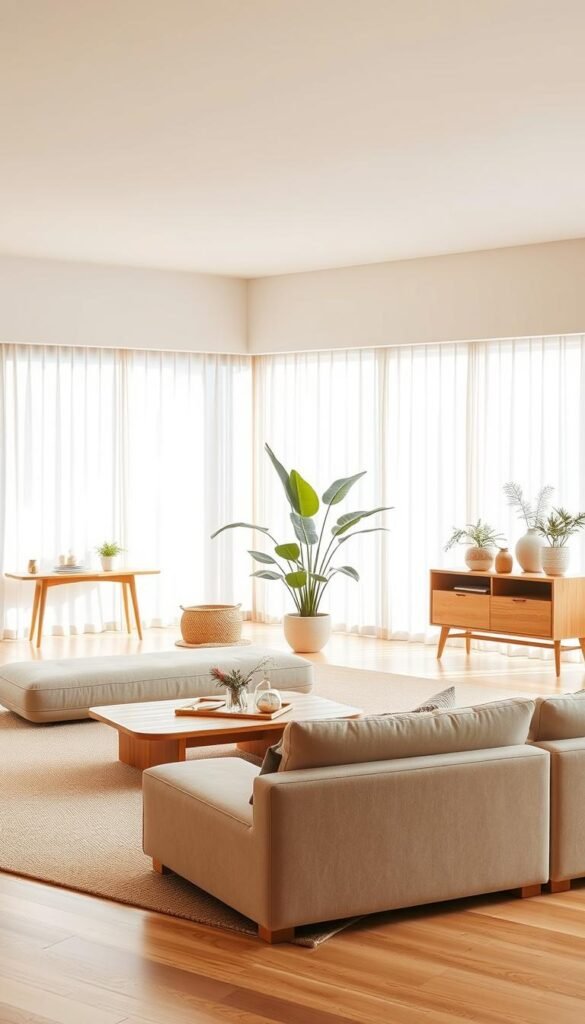
Your home should adapt to your changing needs throughout each day. This approach creates versatile areas that serve multiple purposes beautifully.
You can maintain peace while accommodating different activities. Thoughtful planning makes your space both practical and serene.
Zoning Your Space for Different Activities
Define areas for specific uses without physical walls. Use area rugs to mark conversation zones clearly.
Position furniture to create natural boundaries between functions. A sofa can separate seating from workspace areas.
Lighting helps establish different moods within one room. Bright task illumination defines work areas perfectly.
Softer ambient glow creates relaxation zones. You control atmosphere through simple adjustments.
Visual separation techniques work wonders:
- Use shelving units as room dividers
- Place plants between functional areas
- Vary floor materials between zones
- Change ceiling height with dropped elements
Your layout should flow smoothly between different uses. Pathways remain clear for easy movement.
This flexibility supports both social and solitary moments. Your space transforms based on energy levels.
Smart Storage Solutions for a Clutter-Free Home
Hidden compartments keep essentials accessible but out of sight. Built-in cabinets maintain clean lines throughout your room.
The Finnley Corner Cabinet from Arhaus offers elegant organization. Its simple design blends seamlessly with your aesthetic.
Multi-purpose furniture maximizes functionality beautifully. Ottoman storage boxes provide seating and hidden space.
Dining tables with concealed extensions adapt to different needs. They accommodate both intimate meals and larger gatherings.
Platform beds with integrated drawers solve bedroom storage challenges. Every piece serves at least two purposes.
Effective organization strategies include:
- Vertical storage using wall space
- Modular systems that grow with needs
- Baskets for quick tidying solutions
- Designated homes for frequently used items
Your storage solutions should feel intuitive and effortless. They maintain visual calm while providing practical function.
Regular editing prevents accumulation of unnecessary items. You keep only what serves purpose or brings joy.
This approach makes smaller areas feel more spacious. Clever organization creates breathing room everywhere.
Common Japandi Design Mistakes and How to Avoid Them
Even the most thoughtful approach can encounter pitfalls that undermine its core principles. Recognizing these common errors helps you create spaces that truly embody harmony and purpose.
Many enthusiasts unintentionally create environments that feel unbalanced or impractical. Understanding these missteps ensures your efforts yield beautiful, functional results.
Over-Minimalizing and Creating a Stark Space
Some interpretations strip away too much personality in pursuit of simplicity. Your area might feel clinical rather than calming when this happens.
Empty surfaces should feel intentional, not barren. Add warmth through textured textiles and organic shapes.
Incorporate one statement art piece to anchor the room visually. Choose items with personal meaning to maintain soulfulness.
“Simplicity is about subtracting the obvious and adding the meaningful.”
Balance clean lines with natural imperfections. A handcrafted bowl or slightly irregular vase adds human touch.
Prioritizing Aesthetics Over Functionality
Beautiful pieces that don’t serve practical needs create frustration over time. Every item should enhance daily life while looking lovely.
Test furniture for comfort before committing. That sleek chair should support relaxed sitting, not just photograph well.
Storage solutions must be easily accessible. Hidden compartments should open smoothly and hold essential items securely.
Multi-functional pieces solve this challenge beautifully. An ottoman with interior space offers seating and organization.
Using Harsh or Inadequate Lighting
Poor illumination choices can completely disrupt your intended atmosphere. Harsh overhead lights create glare and tension.
Cool white bulbs feel clinical rather than cozy. Always choose warm-toned options between 2700K-3000K.
Layer different light sources throughout your space. Combine floor lamps, table lights, and ambient fixtures.
Dimmer switches provide flexibility for different times and activities. Soft evening lighting promotes relaxation perfectly.
Balancing Scandinavian and Japanese Influences
Many enthusiasts over-emphasize Nordic elements at the expense of Eastern philosophy. Your space might feel more hygge than zen.
Incorporate Japanese principles through negative space and natural materials. Allow breathing room between furniture groupings.
Choose low-profile pieces that honor traditional proportions. These create authentic connections to both design traditions.
Achieving Furniture Harmony
Clashing styles disrupt visual flow and emotional resonance. Pieces should feel connected through material or proportion.
Maintain consistency in wood tones throughout your space. Mixed finishes create visual chaos rather than cohesion.
Scale furniture appropriately for your room’s dimensions. Oversized items overwhelm, while tiny pieces get lost.
Practical solutions for common mistakes:
- Add textured throws to minimalist sofas for warmth
- Choose multi-functional furniture with hidden storage
- Install dimmer switches on all overhead lighting
- Incorporate both Scandinavian and Japanese design books for reference
- Edit decor items quarterly to maintain intentional curation
Regularly assess your environment for these potential issues. Small adjustments can transform challenging areas into peaceful retreats.
Remember that perfect balance develops over time through thoughtful iteration. Your space should evolve as you deepen your understanding.
5 Stunning Japandi Living Room Inspirations
Visual examples can spark ideas for your own peaceful retreat. These five distinct approaches show how versatile this aesthetic can be.
Each demonstrates core principles while offering unique solutions. You can adapt elements that resonate with your personal taste.
Contemporary Calm features a structured beige sofa against clean walls. A black coffee table creates striking contrast while maintaining simplicity.
This approach balances soft and hard elements beautifully. It proves that neutral tones can feel both sophisticated and welcoming.
Compact Harmony demonstrates smart solutions for smaller areas. Multi-functional furniture maximizes every inch of available space.
Hidden storage keeps essentials organized yet accessible. The result feels open and airy despite limited square footage.
Fireside Serenity centers around a natural fireplace focal point. Warmth radiates both physically and visually throughout the area.
Seating arrangements encourage conversation and relaxation. This layout honors the heart of home gathering traditions.
Layered Warmth showcases texture and lighting techniques. Soft rugs underfoot complement gentle illumination from multiple sources.
Different materials create depth without visual clutter. The environment feels cozy yet carefully curated.
Nature-Infused Calm incorporates strategic greenery touches. Plants breathe life into the space while maintaining tidy aesthetics.
Organic elements connect the interior to outdoor environments. This approach supports wellbeing through biophilic design principles.
Each inspiration applies fundamental concepts in different ways. You might prefer one style or combine elements from several.
Color schemes range from monochromatic neutrals to earthy accents. Furniture arrangements adapt to various room shapes and sizes.
Art pieces and decorative elements add personal expression. They demonstrate how to incorporate meaningful objects without clutter.
Lighting strategies vary from dramatic focal points to soft ambient glows. Each solution supports both function and mood.
These examples prove that simplicity doesn’t mean sacrificing character. Your space can reflect personality while maintaining peaceful aesthetics.
The most successful rooms balance guidance with individual interpretation. They feel both intentionally designed and genuinely lived-in.
Study these inspirations for specific ideas you can adapt. Notice how each maintains visual breathing room despite different approaches.
Your journey toward a more balanced home becomes clearer with concrete examples. These rooms demonstrate achievable beauty in everyday life.
Maintaining and Evolving Your Japandi Living Room
Your peaceful environment requires thoughtful care to preserve its beauty and function. This approach focuses on sustainable practices that honor natural materials.
Regular maintenance keeps your space looking fresh and inviting. Simple routines prevent buildup of dust and clutter over time.
Natural elements need special attention to maintain their character. Wood surfaces benefit from gentle cleaning with mild soap solutions.
Linen textiles should be washed in cold water and air dried. This preserves their texture and prevents unnecessary shrinkage.
Jute rugs require spot cleaning rather than deep washing. Avoid excessive moisture to prevent damage to natural fibers.
Seasonal adjustments keep your interior feeling current and relevant. Rotate throw pillows and blankets between summer and winter months.
Consider these refreshing techniques:
- Swap light linen curtains for heavier textures in colder months
- Introduce seasonal plants that thrive in current conditions
- Adjust lighting intensity based on natural daylight changes
- Rotate art pieces to maintain visual interest without new purchases
Your aesthetic evolves while maintaining core principles. New trends can be incorporated through small, thoughtful additions.
Choose accessories that align with your existing color story. A new ceramic vase or woven basket can update the look instantly.
Assess your space quarterly to ensure it still serves your needs. Remove items that no longer bring joy or function.
Deep cleaning techniques vary by material type:
| Material | Cleaning Method | Frequency | Special Considerations |
|---|---|---|---|
| Solid Wood | Damp cloth with wood cleaner | Weekly | Avoid harsh chemicals that strip finishes |
| Linen | Cold water wash, air dry | Seasonally | Iron while slightly damp for best results |
| Jute | Dry brush and spot clean | Monthly | Keep away from high moisture areas |
| Ceramic | Mild soap and water | As needed | Hand wash to preserve delicate glazes |
Small updates create big impact without major investment. New throw pillows or a fresh plant can transform the atmosphere.
Refresh wall art or rearrange existing pieces for new perspectives. Sometimes simple repositioning creates renewed interest.
Your philosophy balances consistency with thoughtful evolution. The space should grow with you while maintaining its peaceful essence.
Remember that quality pieces age beautifully with proper care. Their character develops over time, adding depth to your environment.
This approach creates a home that feels both timeless and personally relevant. It supports your daily life while maintaining aesthetic harmony.
Begin Your Journey to a More Tranquil Home
Your path to a peaceful interior starts with small, meaningful steps. Embrace the blend of Japanese minimalism and Scandinavian warmth.
This approach creates a stylish yet functional space. It balances beauty with everyday comfort perfectly.
Start with simple changes that make big impacts. Focus on principles that matter most to your lifestyle.
Trust the process and enjoy creating a sanctuary. You can always adjust and refine as you live with it.
Remember this is a journey, not a destination. Your home will evolve into a place of true balance.
Look forward to enjoying your new peaceful retreat for years. It will support your well-being every single day.