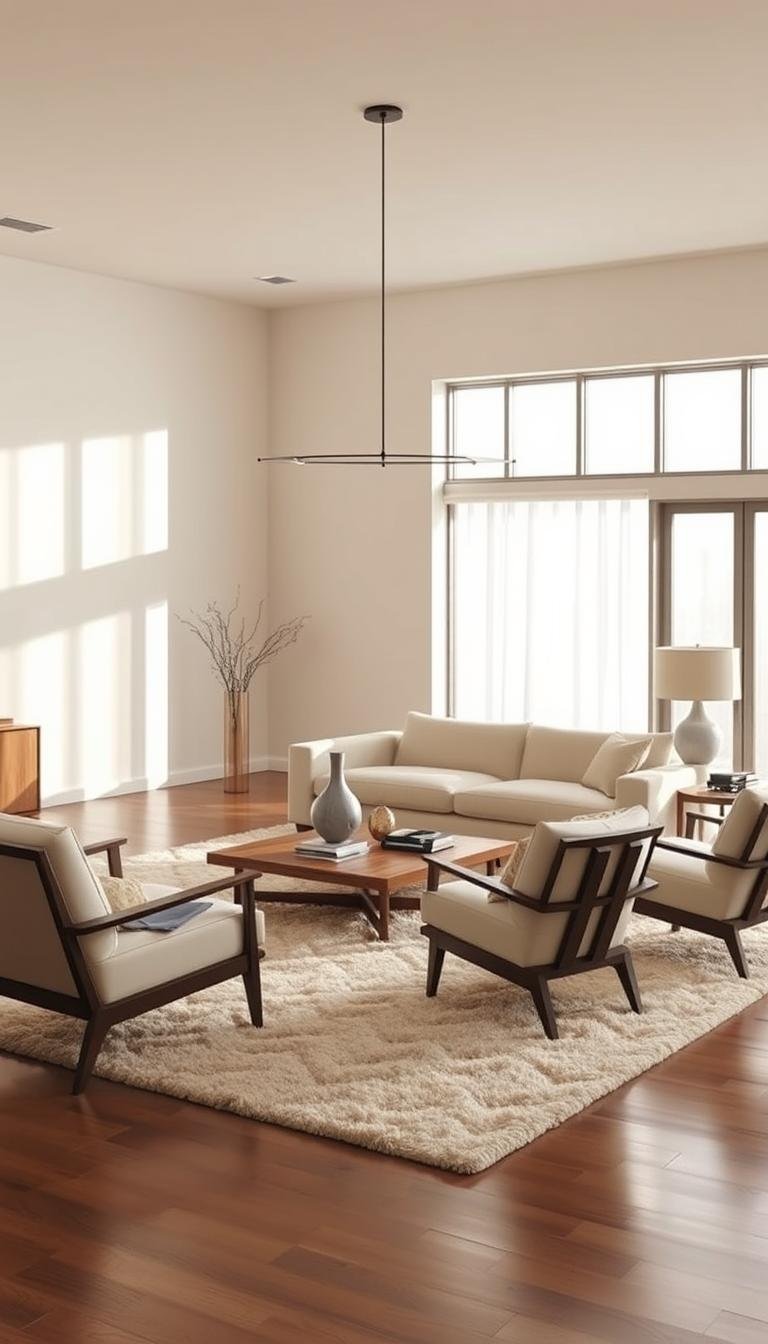
Welcome to your journey toward creating a space that embodies calm sophistication. You’ll discover how to transform your home into a serene sanctuary.
This design approach balances clean principles with thoughtful touches. It resonates strongly in today’s fast-paced world where people crave intentional spaces.
Thoughtful restraint in your choices creates an area that feels both sophisticated and welcoming. The combination of clean lines and high-quality materials makes it beautiful and functional.
Find inspiration for a layout that reflects your personal style while maintaining calm elegance. You’ll learn practical steps for decluttering, selecting furnishings, and creating a harmonious color scheme.
This method can make your interior feel more spacious, peaceful, and intentionally curated. Get ready to embrace a new way of thinking about your surroundings.
1. Understanding the Core of Minimalist Luxury
Let’s explore what makes this approach special. It’s not just about having fewer things. It’s about choosing items that truly matter to you.
The Philosophy of “Less is More”
This famous saying guides your design choices. It means every piece in your home should serve a purpose or bring joy.
Designer Clarimundo explains it well:
“Minimalist interior design means resisting the urge to fill every void with things.”
You create space for comfort and peace of mind. Thoughtful selection beats having lots of stuff.
Why Elegant Simplicity Resonates Today
Modern life offers endless choices. This can feel overwhelming. Many people seek calm through their surroundings.
Designer Cooney notes this trend. People want to live intentionally with meaningful items. They avoid buying things just to fill space.
Your living area becomes a peaceful retreat. It shows your conscious choices rather than following trends.
| Traditional Approach | Minimalist Luxury Approach |
|---|---|
| Filling all available space | Leaving intentional empty areas |
| Following current trends | Choosing timeless, meaningful pieces |
| Multiple decorative items | Few carefully selected accents |
| Constantly changing decor | Long-term intentional choices |
This design style helps your room feel more spacious. It promotes comfort and intentional living. You focus on what truly enhances your daily life.
The result is a visually appealing space that serves as your personal sanctuary. It reflects your values through every chosen element.
2. The Foundational Principles of Minimalist Design
Great spaces begin with strong foundations. Your journey toward a peaceful home starts with understanding these core concepts.
Three key ideas shape every successful minimalist interior. They work together to create harmony and purpose in your surroundings.
Embracing Simplicity and Decluttering
Start by clearing out what doesn’t serve you. Removing excess items creates mental and physical breathing room.
This process transforms your home into a clean, organized sanctuary. It promotes calm and tranquility throughout your daily life.
You’ll find better focus and relaxation when unnecessary distractions disappear. Your mind can rest in an uncluttered environment.
Prioritizing Clean Lines and Function
Choose furnishings with purpose and precision. Streamlined pieces without ornate details create a sleek, modern look.
Each item should serve a practical role while optimizing your use of space. Functional furniture makes your layout more efficient.
This approach feels both current and timeless. It creates a visually appealing aesthetic that won’t date quickly.
Curating a Neutral Color Palette
Build your scheme around soothing, versatile tones. Whites, grays, and earth tones create harmonious serenity.
This color approach serves as the perfect backdrop for other design elements. It lets textures and forms take center stage.
Your room feel becomes more spacious and intentionally composed. These foundational elements prepare your space for luxurious touches.
3. The Defining Elements of Luxury Design
True elegance reveals itself through thoughtful choices and exceptional quality. Your space transforms when you understand what makes design truly luxurious.
These elements work together to create an atmosphere of refined beauty. They turn ordinary areas into extraordinary personal retreats.
Investing in High-Quality Materials
Superior materials form the foundation of any upscale interior. They provide both beauty and longevity to your surroundings.
Fine woods, natural marble, and quality metals offer timeless appeal. These substances develop character over time rather than showing wear.
Designer Elena Frampton emphasizes their importance:
“Quality materials speak quietly but carry immense presence. They transform a house into a home with soul and substance.”
Your investment pays off through years of enjoyment and appreciation. These elements make your space feel both substantial and inviting.
The Importance of Impeccable Craftsmanship
Excellent workmanship turns good pieces into exceptional treasures. It shows in every detail, from joinery to finishing touches.
Intricate carvings, precise patterns, and flawless surfaces demonstrate skill. This attention to detail elevates ordinary items into artful statements.
Your furnishings should showcase this level of care and precision. Well-made pieces become family heirlooms rather than disposable decor.
Creating a Sense of Opulent Indulgence
Luxury design should engage all your senses pleasantly. Rich textures and sumptuous fabrics create depth and warmth.
Velvet upholstery, silk draperies, and wool rugs add tactile richness. These materials invite touch while adding visual depth to your scheme.
Statement lighting fixtures serve as functional art pieces. Crystal chandeliers or brass sconces provide both illumination and artistic interest.
| Standard Design Elements | Luxury Design Elements |
|---|---|
| Mass-produced furnishings | Custom or artisan-made pieces |
| Basic synthetic materials | Natural, high-quality substances |
| Simple functional lighting | Statement fixtures with artistic merit |
| Decorative items for filling space | Intentional accents with personal meaning |
Artwork and sculptures showcase creativity and skill. They add personal expression while demonstrating excellent craftsmanship.
Your color scheme should complement these luxurious elements. Neutral tones provide the perfect backdrop for rich textures and materials.
This approach creates a visually appealing environment that feels both cozy and refined. It balances comfort with sophistication throughout your home.
4. How to Declutter for a Serene Foundation
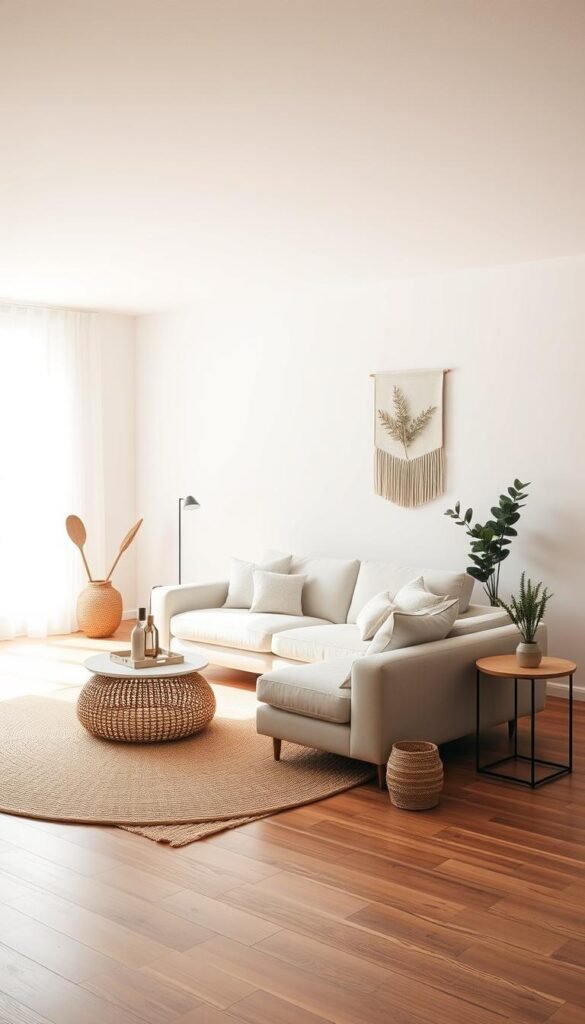
Creating a peaceful environment starts with clearing the way for your vision. This process transforms your area into a blank canvas ready for intentional design.
You’ll establish a clean foundation that supports both beauty and function. A well-organized space becomes your personal retreat from daily chaos.
Auditing Your Current Space
Begin by examining everything in your room with fresh eyes. Ask yourself which items serve a purpose or bring genuine joy.
Remove anything that doesn’t align with your vision for the space. This creates breathing room both physically and mentally.
Professional organizer Marie Kondo suggests a practical approach:
“Keep only those things that speak to your heart. Then take the plunge and discard all the rest.”
Create three simple categories for your belongings:
- Items that stay and serve your daily life
- Things to donate or give to someone who needs them
- Objects to discard or recycle responsibly
This audit helps your room feel more spacious and intentionally curated. You create space for what truly matters in your daily routine.
Implementing Smart Storage Solutions
Choose storage that blends seamlessly with your design aesthetic. Look for pieces that offer both function and visual appeal.
Multi-functional furniture works wonderfully in compact areas. An ottoman with hidden storage or a coffee table with drawers keeps things tidy.
Consider these effective storage strategies:
- Vertical shelving units that draw the eye upward
- Built-in cabinets that maintain clean lines
- Baskets and boxes that corral smaller items neatly
- Furniture with hidden compartments for everyday essentials
Your storage solutions should maintain accessibility while reducing visual clutter. This approach keeps your surroundings organized without sacrificing style.
Regular maintenance ensures your space remains clutter-free over time. Establish simple habits that support your newly organized environment.
5. Selecting Your Minimalist Luxury Color Scheme
Your color choices set the emotional tone for your entire space. They create the foundation for both serenity and sophistication in your home.
Designer Bouffard emphasizes the power of monochromatic schemes. Whether you prefer light or rich tones, this approach creates a cohesive, peaceful environment.
Building on a Neutral Base
Start with a foundation of whites, grays, and earth tones. These colors form the backbone of your minimalist living room palette.
Neutral backgrounds create harmony throughout your space. They allow your furniture and decorative elements to stand out beautifully.
This restraint in color selection prevents visual tension. Your room feel becomes more spacious and intentionally composed.
Consider these neutral combinations:
- Warm whites with natural wood accents
- Soft grays paired with stone textures
- Earthy beiges complemented by linen fabrics
Strategically Introducing Pops of Color
Add strategic color moments through carefully chosen accents. A single vibrant pillow or art piece can transform the entire mood.
Choose colors that complement your neutral foundation. Deep blues, forest greens, or terracotta tones work beautifully.
These strategic additions create visual interest without overwhelming your space. They become focal points that draw the eye.
Your color scheme influences the overall ambiance. Lighter tones make your living room feel bright and energetic.
Darker shades create cozy, intimate atmospheres. Either approach maintains the elegant simplicity of your design.
Remember that less color often means more impact. A well-planned palette makes your entire space feel more intentional and refined.
6. Choosing Furniture That Balances Form and Function
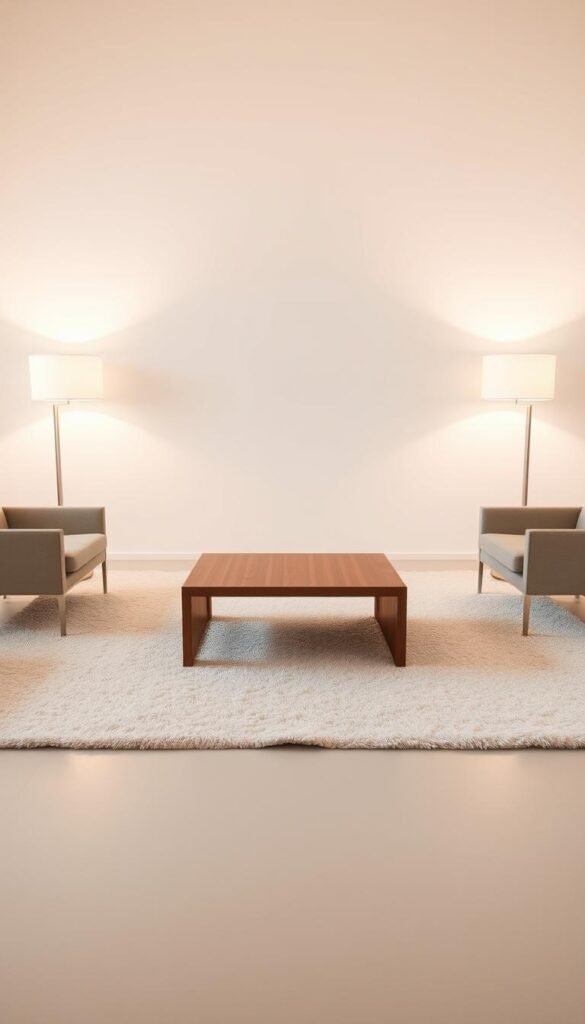
Your furniture choices become the heart of your daily experience. They should blend beauty with purpose in every piece you select.
Designer Marie-Joe Bouffard shares her perspective:
“When you have fewer items in a space, you really want to make sure that your pieces are the right scale. Nothing is worse to me than furnishings that feel like doll furniture in an expansive space.”
This approach ensures your layout feels intentional and well-proportioned. Every item contributes to both comfort and visual harmony.
Focusing on Proportion and Scale
Measure your area before selecting any pieces. This prevents items that feel too small or overwhelming for your room.
Consider the relationship between your sofa and other elements. A substantial coffee table anchors seating areas beautifully.
Leave adequate walking space around each furniture grouping. This creates easy movement throughout your home.
Taller pieces draw the eye upward, making ceilings appear higher. Lower profiles emphasize horizontal space and calm.
Selecting Timeless, High-Impact Pieces
Invest in quality materials that age gracefully. Solid wood tables and well-crafted leather sofas offer lasting value.
Choose designs with clean lines rather than trendy details. These pieces remain relevant through changing styles.
Multi-functional items serve your needs without adding clutter. Storage ottomans or nesting tables provide flexible options.
Each piece should offer both visual appeal and practical use. Your furnishings become partners in daily living.
| Common Furniture Mistakes | Strategic Furniture Choices |
|---|---|
| Oversized pieces crowding the layout | Properly scaled items that fit the space |
| Trend-driven designs that date quickly | Timeless forms with enduring appeal |
| Poor quality materials showing wear | Durable substances that improve with age |
| Single-function items limiting use | Multi-purpose pieces maximizing utility |
Your selections should reflect personal style while maintaining clean aesthetics. They create a foundation for both relaxation and entertainment.
Thoughtful furniture choices transform your area into a truly functional sanctuary. They support your lifestyle while enhancing daily comfort.
7. The Art of the Statement Piece
Statement pieces transform your home from ordinary to extraordinary. These special items become conversation starters and personal expressions.
They anchor your layout while adding personality to your surroundings. A single well-chosen element can elevate your entire design scheme.
“Your home should tell the story of who you are, and be a collection of what you love. It doesn’t have to be perfect, just personal.”
These focal points work beautifully in minimalist spaces. They provide visual interest without overwhelming your calm foundation.
Choosing One Focal Point
Select one item that truly speaks to your personal style. This becomes the heart of your room’s visual story.
Consider these excellent statement piece options:
- A dramatic lighting fixture that casts beautiful patterns
- An oversized artwork that reflects your taste
- A unique furniture item with interesting lines
- A textured rug that anchors the entire space
Your choice should complement your existing color palette. It should feel integrated rather than突兀.
Measure your area to ensure proper scale. An oversized piece can dominate, while something too small gets lost.
Think about visibility from different angles. Your focal point should command attention from various viewpoints.
Letting Key Items Command Attention
Give your statement piece adequate breathing room. Clear surrounding areas to emphasize its importance.
Strategic lighting enhances your chosen element. Spotlights or track lighting can highlight artwork beautifully.
Keep other decorations minimal around your focal point. This prevents visual competition and maintains clarity.
Your background should provide contrast without distraction. Neutral walls make colorful pieces pop effectively.
Consider the emotional impact of your selection. Meaningful items create deeper connections than decorative ones.
| Common Statement Piece Mistakes | Effective Statement Piece Strategies |
|---|---|
| Multiple competing focal points | One clearly defined center of attention |
| Items that clash with existing decor | Pieces that complement your overall scheme |
| Oversized items overwhelming the space | Properly scaled elements that fit beautifully |
| Trendy pieces that quickly date | Timeless items with lasting appeal |
Your statement piece should feel intentional and personal. It becomes the signature element that makes your space uniquely yours.
This approach maintains clean aesthetics while adding character. Your home feels both curated and inviting through this balance.
8. Incorporating Texture for Visual and Tactile Interest
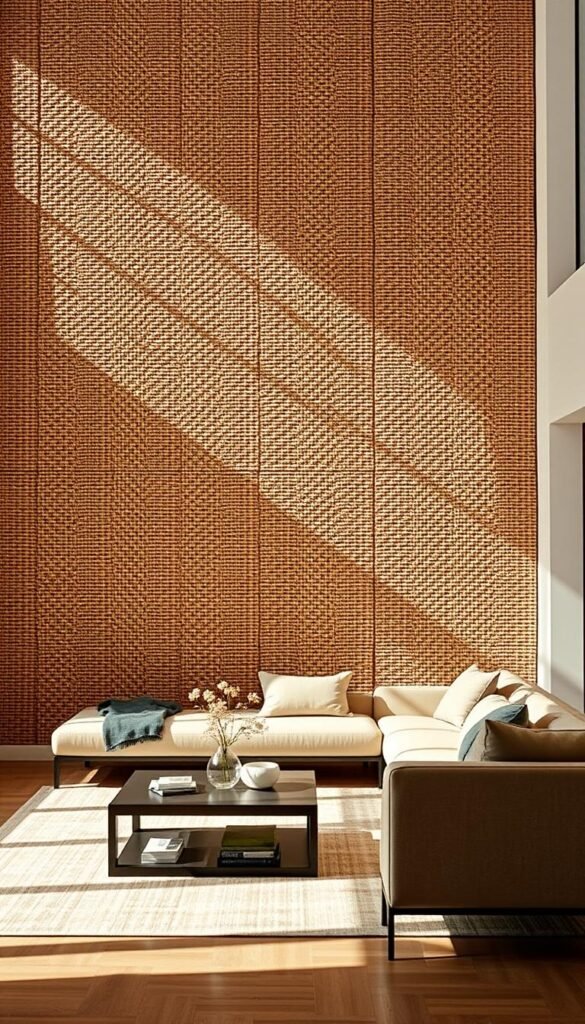
Texture brings your minimalist design to life through sensory experience. It transforms flat surfaces into engaging environments that invite touch and visual exploration.
Designer Randolph explains this perfectly:
“Texture, both visual and tactile, is important in making a minimalist space feel cozy.”
Strategic textural elements prevent your interior from feeling cold or sterile. They add warmth and personality while maintaining clean principles.
Your space becomes more inviting through thoughtful textural choices. They create depth without adding visual clutter.
Layering Fabrics: Rugs, Throws, and Pillows
Begin with a quality area rug that anchors your seating arrangement. It defines the conversation area while adding softness underfoot.
Add throw pillows in various fabrics for comfort and visual appeal. Mix velvet, linen, or silk textures for subtle variety.
Drape a cozy throw over your sofa or accent chair. This invites relaxation while adding another textural layer.
Consider these fabric combinations:
- A wool rug with cotton throw pillows
- Velvet cushions paired with a chunky knit blanket
- Silk accent pillows on a leather sofa
These elements work together to create a comfortable atmosphere. They make your room feel lived-in and welcoming.
Mixing Materials: Wood, Metal, and Stone
Combine different substances for visual interest and balance. A wood coffee table grounds the space with organic warmth.
Add metallic accents through lighting fixtures or decorative objects. Brass or chrome details catch light beautifully.
Stone surfaces like marble or travertine add natural elegance. They bring unique patterns that feel both luxurious and timeless.
Your material mix should feel intentional rather than random. Choose pieces that complement each other through color or finish.
This approach creates a rich, layered environment. It maintains simplicity while adding depth through material variety.
9. Lighting: Setting the Mood for Elegance
Lighting creates the soul of your space, transforming ordinary rooms into extraordinary experiences. It establishes atmosphere and enhances every design choice you’ve made.
Your illumination strategy works silently but powerfully throughout your home. It defines how your interior feels and functions at different times.
Maximizing Natural Light
Welcome sunlight as your primary illumination source. It creates a bright, airy atmosphere that feels spacious and welcoming.
Use sheer or light-colored window treatments to control light while maintaining clean aesthetics. These fabrics diffuse sunlight beautifully without blocking it completely.
Position your furniture to take advantage of natural light patterns throughout the day. This approach makes your space feel more open and connected to outdoors.
Selecting Statement Fixtures
Choose lighting pieces that serve as artistic elements while providing function. Sleek, understated designs complement your aesthetic perfectly.
Consider these fixture options for your layout:
- A sculptural pendant light above your coffee table
- Minimalist track lighting highlighting artwork or architectural features
- Geometric floor lamps that become visual anchors
Each fixture should enhance your color scheme and overall design approach. They become focal points that draw attention upward.
Laying Ambient Light with Lamps and Dimmers
Layer different light sources for versatility and mood. Combine ambient, task, and accent lighting throughout your room.
Table lamps create cozy pools of light perfect for reading or relaxing. Floor lamps illuminate darker corners while adding vertical interest.
Install dimmers to control intensity for different occasions and times of day. This flexibility allows you to adjust atmosphere instantly.
Warm, soft lighting creates a cozy, intimate environment ideal for relaxation. It makes your furnishings and textures appear richer and more inviting.
Strategic lighting highlights your best design elements while maintaining overall restraint. It completes your vision for a truly elegant space.
10. Curating Art and Decorative Accessories
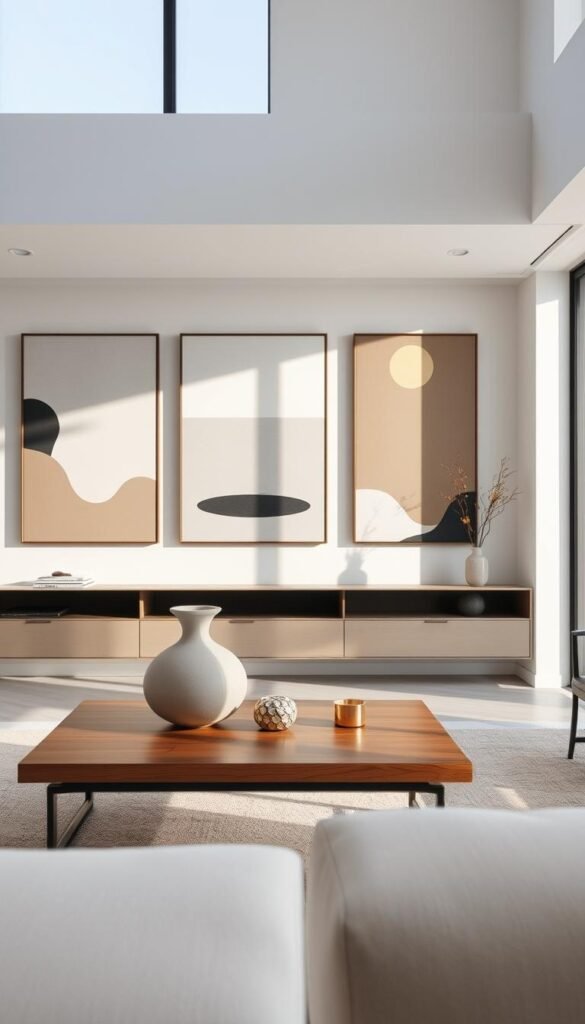
Your final decorative choices complete the story of your personal sanctuary. They add character while maintaining the clean foundation you’ve built.
This process requires careful consideration rather than quick decisions. Each item should enhance your space without adding visual noise.
Thoughtful curation creates a home that feels both personal and peaceful. It balances self-expression with intentional restraint.
The Rule of Thoughtful Selection
Choose accessories that serve a purpose or hold deep meaning. Every piece should contribute to your room’s atmosphere.
Consider these questions when selecting items:
- Does this object bring me genuine joy?
- Does it complement my existing color scheme?
- Does it showcase excellent craftsmanship?
- Will it enhance my daily experience?
This approach prevents unnecessary accumulation. Your decor becomes meaningful rather than decorative.
Designer Amanda Lindroth emphasizes this philosophy:
“The things you live with should be things you love. They should speak to who you are and what you care about.”
Edit your collections regularly. Remove items that no longer serve your vision or bring happiness.
Using Negative Space as a Design Element
Empty areas actively contribute to your room’s harmony. They provide visual breathing room around your chosen pieces.
This intentional emptiness makes your displayed items stand out more dramatically. It creates focus and emphasizes importance.
Consider these strategies for effective negative space use:
- Leave wall areas around artwork completely clear
- Maintain empty surfaces on your coffee table
- Allow space between decorative objects on shelves
- Keep some seating areas free from throw pillows
This approach makes your entire layout feel more spacious and intentional. It prevents visual overwhelm while highlighting special pieces.
| Common Accessory Mistakes | Effective Accessory Strategies |
|---|---|
| Filling every available surface | Leaving intentional empty areas |
| Displaying too many small items | Choosing fewer, larger statement pieces |
| Mixing unrelated styles | Maintaining cohesive aesthetic throughout |
| Keeping items out of obligation | Curating only personally meaningful objects |
Your artwork should complement your color palette beautifully. Choose pieces that enhance rather than compete with your scheme.
Consider the scale of art relative to your wall space and furniture. A single large piece often makes more impact than several small ones.
Display personal collections in organized groupings rather than scattered arrangements. This creates intentional focal points.
Your accessories should showcase quality materials and excellent craftsmanship. They become points of interest rather than filler.
Strategic placement creates visual rhythm throughout your space. It guides the eye naturally from one area to another.
This careful approach maintains your serene aesthetic while adding personality. Your home feels both curated and authentically yours.
11. Incorporating Natural Elements for Warmth
Nature’s touch transforms your interior into a welcoming sanctuary. It adds organic beauty while maintaining your sophisticated aesthetic.
These elements bring life and warmth to your surroundings. They create a peaceful connection to the outdoors.
Greenery and natural materials soften clean lines beautifully. They introduce texture without overwhelming your space.
Adding Greenery with Houseplants
Plants enhance both air quality and visual appeal. They bring vibrant energy into your home.
Choose varieties that thrive in your lighting conditions. Fiddle leaf figs and monsteras make excellent statement pieces.
Display them in simple ceramic or terracotta pots. Neutral containers keep the focus on the plants themselves.
Strategic placement creates natural focal points. A large plant near your sofa adds softness and life.
These living elements make your room feel more alive. They purify air while adding organic movement.
Using Organic Materials to Soften Lines
Natural substances add warmth and texture throughout your space. Wood, stone, and linen create rich layers.
A live edge coffee table introduces organic shapes. It contrasts beautifully with clean-lined furnishings.
Natural fiber rugs anchor your seating area comfortably. They add tactile interest underfoot.
Stone surfaces bring earthy elegance to your design. Marble or travertine offer unique natural patterns.
These materials work harmoniously with your color scheme. They complement rather than compete with your aesthetic.
For more inspiration on blending natural elements with modern design, explore these organic modern living room ideas.
Your space becomes both sophisticated and inviting. Natural elements create balance and warmth throughout.
12. Designing a Layout That Promotes Flow and Function
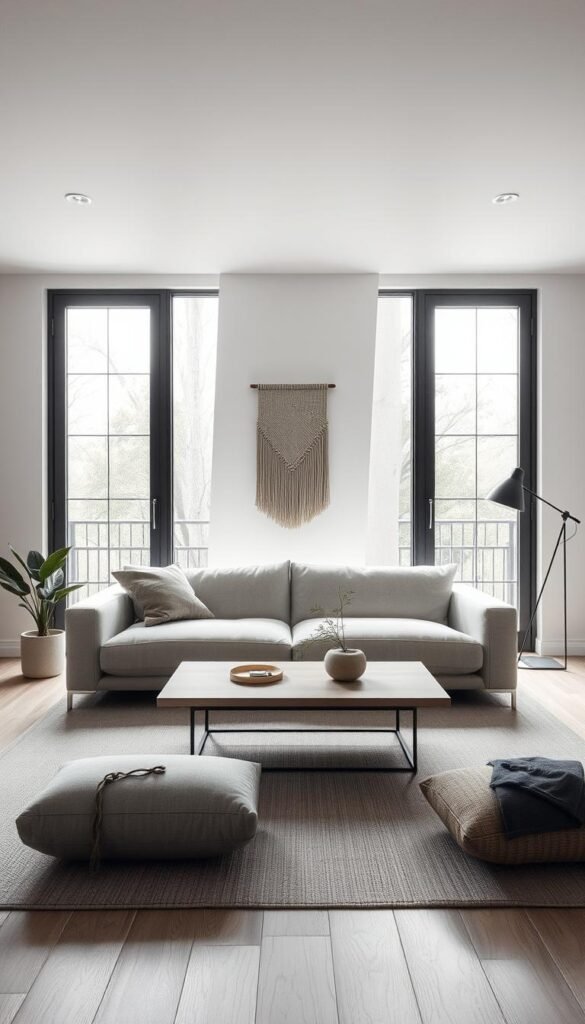
Your furniture arrangement determines how your space works every day. A thoughtful layout creates harmony between movement and relaxation in your home.
Designer Randolph shares valuable insight about this process:
“Space planning and the layout of the furniture are equally important to create a straightforward and approachable conversation or TV-viewing area.”
This approach ensures your room serves multiple purposes beautifully. It balances social interaction with personal comfort throughout your daily life.
Creating Conversational Areas
Arrange seating to encourage natural interaction and connection. Position your sofa and chairs facing each other at comfortable distances.
This setup makes talking feel effortless and enjoyable. People can see each other clearly without straining or shouting.
Consider these effective arrangement strategies:
- Place sofas approximately 8 feet apart for intimate conversations
- Use area rugs to define the conversation zone visually
- Include occasional tables within easy reach of every seat
- Ensure good sightlines to focal points like fireplaces or windows
Your seating should feel inviting and accessible. Avoid pushing furniture completely against walls when possible.
This creates a cozy atmosphere that welcomes conversation. Your space becomes perfect for both quiet evenings and entertaining guests.
Ensuring Easy Movement and Accessibility
Leave clear pathways between furniture groupings. This prevents a cramped feeling and allows comfortable circulation.
Maintain at least 30 inches for main walkways throughout your room. Secondary paths can be slightly narrower but still functional.
Consider traffic patterns from doorways to other areas. Your layout should feel intuitive and obstacle-free.
These strategies enhance daily movement:
- Create logical routes between frequently used areas
- Avoid placing furniture where it blocks natural pathways
- Ensure easy access to windows, outlets, and storage
- Leave adequate space around door swings and openings
Your arrangement should accommodate both individual movement and group activities. It supports your lifestyle without creating frustration.
| Common Layout Mistakes | Effective Layout Strategies |
|---|---|
| Furniture blocking natural pathways | Clear circulation routes throughout the space |
| Oversized pieces dominating the room | Properly scaled items that fit the architecture |
| Pushing all furniture against walls | Floating arrangements that create intimacy |
| Ignoring traffic patterns and door swings | Respecting movement needs and functionality |
Negative space plays a crucial role in your overall design. It provides visual breathing room and enhances the sense of openness.
Leave adequate space between furniture pieces and walls. This prevents a cluttered appearance and maintains airy sophistication.
Your layout should highlight architectural features beautifully. Position furniture to frame windows or emphasize fireplace details.
Consider natural light patterns when arranging your space. Place seating areas where they receive optimal illumination throughout the day.
This thoughtful approach creates a room that feels both spacious and intentionally composed. It supports your aesthetic while maximizing daily functionality.
13. Achieving Minimal Luxury Living Room Decor for Elegant Simplicity
You’re ready to transform your space into a peaceful retreat that reflects your personal style. This final guide helps you bring everything together with confidence and clarity.
Follow these steps to create a harmonious environment that balances beauty with function. Your home will become a true sanctuary that supports your daily life.
A Step-by-Step Checklist for Your Space
Start with a clear plan to avoid feeling overwhelmed. This systematic approach ensures every element works together beautifully.
Follow this sequence for best results:
- Clear everything out and assess your empty room
- Deep clean all surfaces and consider fresh paint if needed
- Choose your foundational color palette first
- Select and arrange your main furniture pieces
- Add lighting that enhances both function and mood
- Incorporate textiles and textures for warmth
- Place meaningful decorative items strategically
- Add living elements like plants for natural beauty
This order prevents common mistakes and creates cohesion. Each step builds upon the previous one for a unified look.
Designer Amanda Lindroth emphasizes planning:
“Measure twice, buy once. A thoughtful approach saves time, money, and frustration in the long run.”
Take photographs of your progress at each stage. This helps you see what works and what needs adjustment.
Common Pitfalls to Avoid
Even with good intentions, some mistakes can undermine your vision. Awareness helps you steer clear of these issues.
Avoid making your space feel cold or impersonal. Incorporate warm textures and personal items that tell your story.
Balance is key with accessories. Too few can feel sparse, while too many create visual noise. Edit carefully.
Scale problems often occur when pieces don’t relate well to each other. Measure your room and furniture before purchasing.
Color scheme errors can create tension. Stick to a cohesive palette rather than introducing competing hues.
Maintenance pitfalls include not having proper storage solutions. Designate homes for items to prevent future clutter.
Remember that your home should reflect who you are. Personal touches make the difference between a showroom and a sanctuary.
14. Maintaining Your Minimalist Luxury Sanctuary
Keeping your beautiful space looking its best requires simple, consistent habits. These routines ensure your home always feels fresh and intentionally maintained.
Regular care prevents clutter from returning and maintains that sophisticated feel. Your daily efforts pay off in lasting beauty and comfort.
Easy Cleaning Routines for an Uncluttered Space
Establish quick daily habits to keep surfaces clear and clean. A simple wipe-down takes just minutes but makes a big difference.
Focus on high-traffic areas like your coffee table and entertainment center. These spots collect dust and items quickly without regular attention.
Weekly tasks include vacuuming rugs and dusting all surfaces thoroughly. Monthly deep cleaning maintains that pristine, luxurious feel throughout your home.
Designer Marie Kondo offers practical advice:
“The ultimate secret to maintaining a tidy space is to make cleaning part of your daily routine. It becomes second nature rather than a chore.”
Keep supplies handy but discreetly stored. Beautiful containers hold essentials while maintaining your aesthetic.
Refreshing Your Decor Seasonally
Small changes keep your interior feeling current and intentionally maintained. Rotate textiles and accessories to reflect different seasons.
Swap throw pillows and blankets for lighter or cozier options. This simple update transforms the mood without major investment.
Consider these easy seasonal adjustments:
- Lighter linen pillows for spring and summer months
- Rich velvet or wool throws during autumn and winter
- Seasonal greenery arrangements for natural freshness
- Adjustable lighting settings for different daylight hours
Your core pieces remain constant while accents change subtly. This approach maintains your foundation while adding seasonal interest.
Regular refreshing prevents your space from becoming stale over time. It keeps your home feeling both timeless and current simultaneously.
15. Budget-Friendly Tips for a High-End Look
Creating a sophisticated interior doesn’t require endless spending. Smart choices and strategic planning help you achieve that elevated feel without breaking your budget.
Focus on key elements that deliver maximum visual impact. Your space can look expensive while staying affordable.
Where to Invest and Where to Save
Allocate your budget toward pieces you use daily. Your sofa and dining table deserve quality investment.
These items experience the most wear and tear. Choose durable materials that withstand daily use beautifully.
Save on decorative accessories and accent pieces. These elements change more frequently with seasons or trends.
Consider this investment strategy:
- Splurge on seating and case goods for longevity
- Save on lighting fixtures and decorative objects
- Invest in quality textiles like curtains and rugs
- Budget for artwork and wall decorations
This approach ensures your money goes where it matters most. You create a foundation that lasts for years.
DIY Ideas for a Personal Touch
Custom projects add unique character to your home. They transform ordinary items into special pieces.
Try simple updates like painting existing furniture. A fresh coat in a modern hue changes everything.
Create your own artwork using canvases and acrylic paints. Abstract designs complement neutral backgrounds perfectly.
Designer Justina Blakeney encourages personal expression:
“Your home should be a collection of what you love. DIY projects make your space truly one-of-a-kind.”
These creative ideas add personality without high costs:
- Reupholster chair seats with remnant fabric
- Build floating shelves from reclaimed wood
- Create custom throw pillows from vintage textiles
- Design unique planters from concrete or ceramics
Your handmade elements make the design uniquely yours. They tell your story through creative expression.
Patience helps you find quality pieces at affordable prices. Visit thrift stores and online marketplaces regularly.
Look for solid wood furniture needing minor repairs. These pieces often cost less than new particle board options.
Your thoughtful approach creates a beautiful, budget-friendly home. It reflects your personal style through smart choices.
16. Begin Crafting Your Personal Oasis of Calm
With these guidelines, you’re equipped to build a space that nurtures your wellbeing. Remember this transformation unfolds gradually, not overnight.
Your journey creates a sanctuary reflecting your unique style while maintaining peaceful simplicity. Adapt these principles to your specific needs and budget confidently.
You now have all the knowledge to make intentional choices. Your living area will become a personal retreat supporting daily comfort.
Embrace this rewarding process with excitement. Watch your vision transform into a beautiful, functional reality you’ll love coming home to.