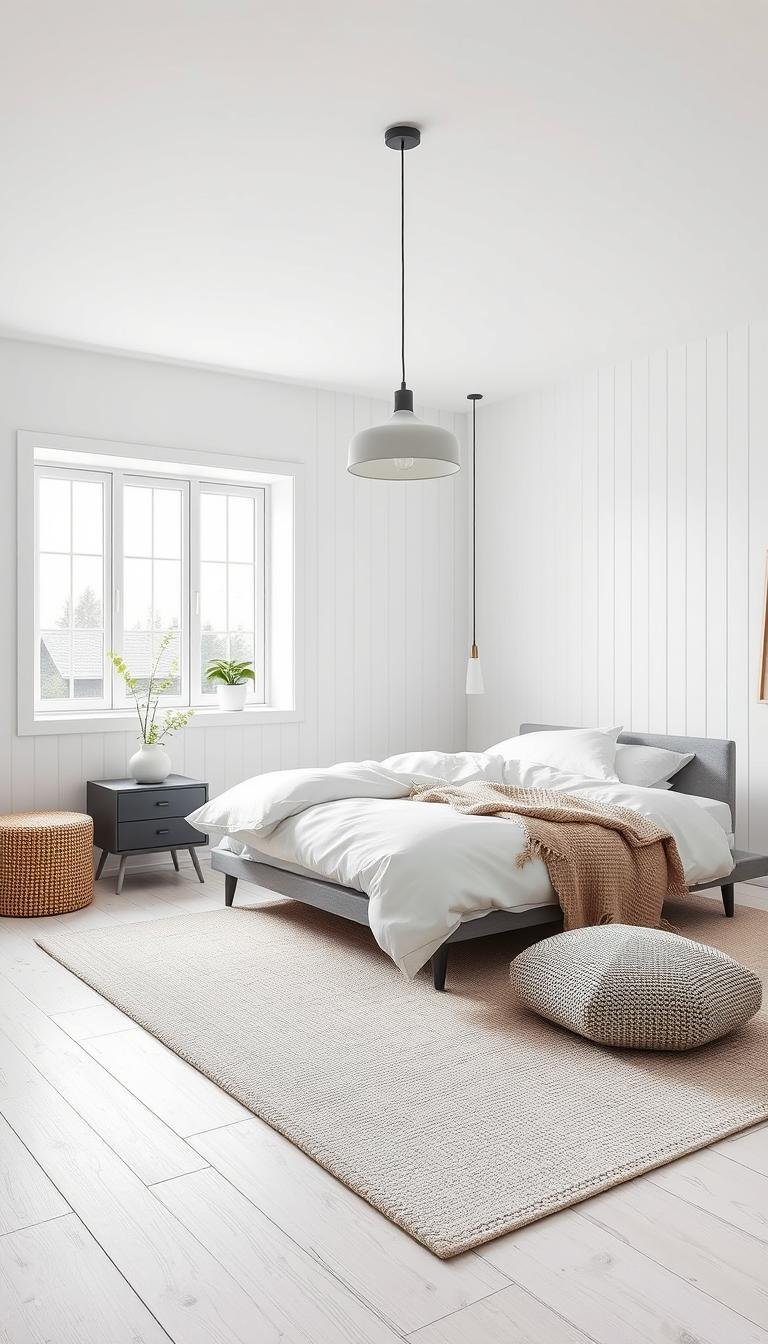
Imagine your bedroom as a peaceful retreat. Nordic design creates calm, functional spaces. It focuses on light and simplicity.
This style comes from Denmark, Sweden, and Norway. Long, dark winters there shaped its look. People needed bright, efficient interior spaces.
You can bring these principles into your own home. This guide shows you how, step by step. We will cover colors, materials, and decor.
Learn to choose the right lighting and furniture. Understand values like hygge—a feeling of coziness. Your bedroom will become a personal sanctuary.
Natural light and pale tones are key. The look is minimalist but warm. You can achieve it in any room, big or small.
Ready to transform your space? Let’s begin your journey into authentic Scandinavian design.
Understanding the Heart of Scandinavian Design
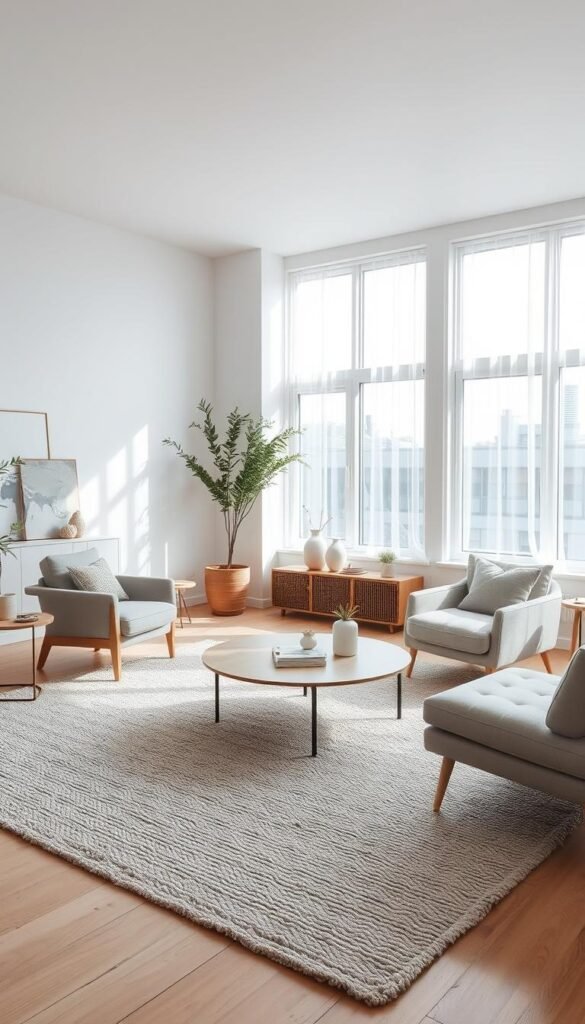
Scandinavian design principles grew from practical needs in Nordic countries. This approach to creating living spaces developed as a direct response to environmental challenges.
Long, dark winters with limited daylight shaped how people designed their homes. In Denmark, December brings only about 7 hours of daylight. This climate forced creative solutions for maximizing both light and space.
Born from Light and Nature
The Nordic environment heavily influenced this design aesthetic. Smaller living spaces became common for better efficiency and warmth retention. Light-colored walls help bounce available light throughout rooms.
Minimalism serves a practical purpose too. It prevents visual clutter that can make small spaces feel cramped. Every piece of furniture often serves multiple functions.
Natural materials play a crucial role in this style. Wood and natural fibers bring the outdoors inside. This connection to nature creates a calming atmosphere in your interiors.
As one expert notes,
“Scandinavian design isn’t just about appearance—it’s about improving daily life through thoughtful choices.”
Embracing the Concept of Hygge
The Danish concept of hygge (pronounced hoo-ga) centers on coziness and contentment. It’s about creating inviting spaces that feel genuinely comfortable.
In your bedroom, hygge translates to soft lighting and comfortable textiles. Peaceful ambiance becomes more important than decorative items. The goal is a sanctuary where you can truly relax.
Even if your bedroom is larger than typical Nordic spaces, you can adapt these principles. Focus on creating distinct zones within the room. Pay attention to how light distributes throughout the space.
Understanding this background helps you make intentional choices. You’re not just copying a trend—you’re embracing a philosophy that values simplicity and functionality. This foundation prepares you for selecting specific elements like color and lighting in your own Scandinavian-inspired space.
Laying the Foundation with Color and Materials
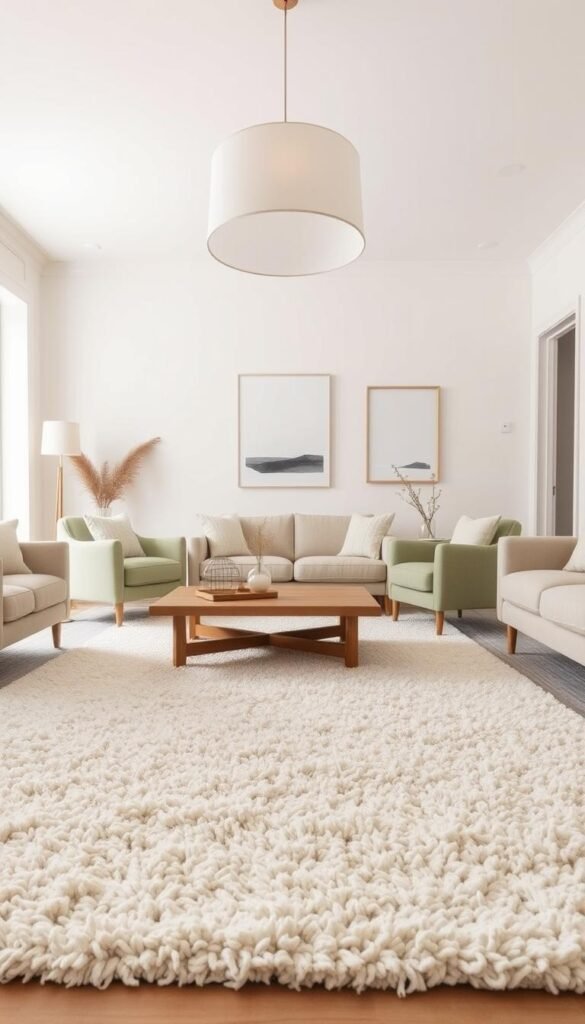
Your color and material choices create the essential backdrop for your space. These elements work together to establish that signature Nordic feel.
Thoughtful selection ensures your room feels both bright and welcoming. This foundation supports all other design decisions you’ll make.
Choosing Your Wall’s Palette
Light-colored walls form the canvas of your room. They reflect natural light beautifully throughout the day.
Consider these popular neutral options:
- Soft warm whites with subtle yellow undertones
- Pale gray tones that complement natural light
- Muted blush or light green for subtle color
Warm whites create more coziness than cool whites. They help achieve that hygge feeling everyone loves.
Cool whites can feel more modern but sometimes less inviting. Test samples at different times of day before deciding.
Selecting the Right Wood Tones
Wood brings natural warmth and texture to your space. Pale woods like pine or ash work best for this aesthetic.
These lighter tones keep the room feeling airy and spacious. They complement your light wall colors perfectly.
Avoid cheap laminates that lack durability. Real wood ages beautifully and lasts much longer.
For flooring, light wood planks create continuity. Engineered hardwood offers an affordable alternative to solid wood.
It provides the same visual appeal at a lower cost. This makes authentic Scandinavian design more accessible.
Opting for Natural and Sustainable Textiles
Natural fibers complete your foundation with comfort and texture. They align with the eco-friendly values of Nordic design.
Organic linen stands out for its breathability and durability. Wool adds warmth during colder months.
These materials feel wonderful against your skin. They also contribute to healthier indoor air quality.
Sustainability matters in authentic Scandinavian interior design. Choose quality pieces that will last for years.
This approach reduces waste and creates a more meaningful space. Your choices reflect care for both your home and environment.
Now you have a harmonious base of colors and materials. Next, we’ll explore how lighting enhances these foundational elements.
Mastering the Art of Serene Scandinavian Lighting
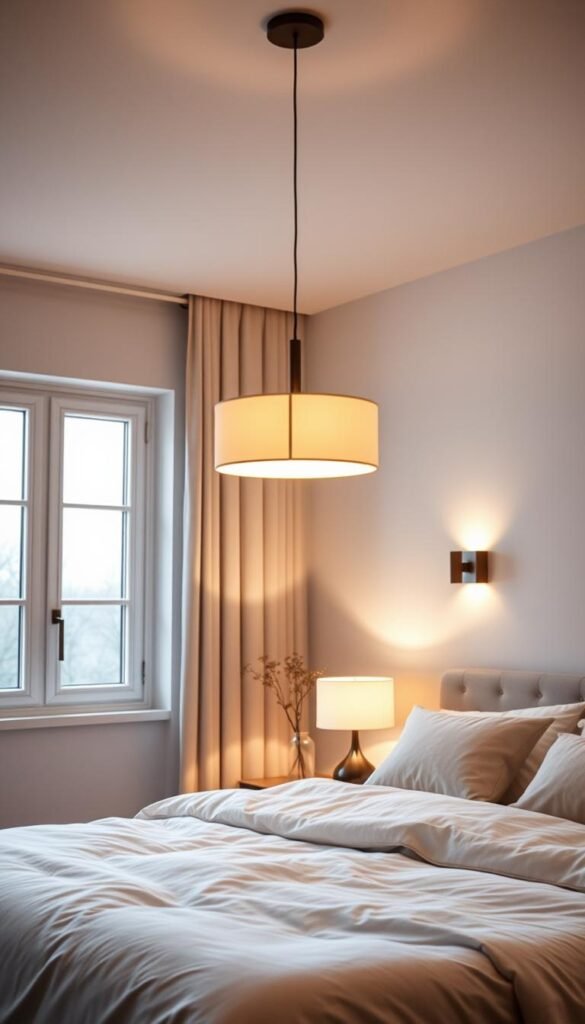
Lighting plays a crucial role in achieving that signature Scandinavian aesthetic you’re aiming for. It transforms your space from merely functional to truly magical.
The Nordic approach focuses on creating layers of illumination rather than relying on a single bright source. This technique makes your room feel warm and inviting throughout the day.
Creating Pools of Light with Multiple Fixtures
Forget about that harsh overhead ceiling light. Scandinavians typically use 5-7 different light sources in each room.
Place fixtures at varying heights for the best effect. Try bedside lamps, wall sconces, and floor lamps together.
This creates what designers call “pools of light.” These gentle illuminated areas make your space feel cozy and intimate.
Smart lighting systems offer excellent flexibility. You can adjust brightness to match your mood or the time of day.
- Wall sconces save valuable surface space
- Pendant lights add visual interest above seating areas
- Recessed LED strips provide modern ambient lighting
Many Nordic hotels use hidden LED strips. They offer soft illumination without visual clutter.
Treat lighting as you would furniture. Choose fixtures that complement your room’s materials and color tones.
Selecting the Perfect Warm White Temperature
Bulb temperature dramatically affects your room’s atmosphere. Always choose warm white bulbs throughout your space.
Warm white creates that hygge-inspired glow everyone loves. It feels cozy and welcoming rather than clinical.
Consistency matters greatly. Mixing different color temperatures can disrupt your room’s harmonious feel.
Good lighting improves functionality too. It makes dark winter mornings feel brighter and more energizing.
| Lighting Type | Best Placement | Temperature | Special Features |
|---|---|---|---|
| Bedside Lamps | Nightstands | 2700K Warm White | Dimmable, adjustable height |
| Wall Sconces | Reading nooks | 2700-3000K | Space-saving, directional |
| Floor Lamps | Corners, seating areas | 2700K Warm White | Arc designs for overhead light |
| LED Strips | Under shelves, coves | 2700-3000K | Hidden, ambient glow |
Plan your lighting early if you’re renovating. This ensures fixtures integrate seamlessly into your design.
The right lighting sets the stage for cozy evenings and relaxed mornings. It completes your serene Scandinavian sanctuary.
Arranging Your Furniture for Function and Flow
Your bedroom furniture arrangement makes a huge difference in daily comfort. Smart placement creates harmony between your pieces and available space.
Scandinavian interior design focuses on human-centered layouts. Every item should serve a purpose while maintaining visual calm.
Start with your bed placement since it’s the largest piece. This decision impacts everything else in your room.
Finding the Ideal Bed Placement and Clearance
Position your bed to maximize both comfort and movement. Allow at least 30 inches of clearance on all sides.
This space makes your room feel larger and more accessible. You can easily make your bed and move around without bumping into walls.
Consider the room’s natural light sources when positioning your bed. Many people prefer facing windows upon waking.
As one designer notes,
“Proper clearance transforms a cramped room into a spacious sanctuary.”
Bed height matters for both safety and aesthetics. The ideal height with mattress is 22-24 inches.
This lower profile creates that signature Scandinavian look. It also makes getting in and out of bed easier for all ages.
Selecting Low-Profile Beds and Nightstands
Choose furniture with clean lines and minimal ornamentation. Low-profile beds maintain an open, airy feeling in your space.
Light wood tones complement your pale wall colors beautifully. They reflect light and enhance the room’s brightness.
Nightstands should stand about 4 inches higher than your mattress. This height makes reaching items convenient while lying down.
For reading lights, position them 8 inches from the mattress edge. Place them 24 inches up from the mattress surface.
This placement provides perfect illumination without glare.
Multi-functional furniture works best in Scandinavian design. Look for pieces that offer storage or serve dual purposes.
Measure your room carefully before selecting furniture. Create a floor plan to ensure everything fits comfortably.
| Furniture Type | Ideal Height | Clearance Needed | Material Suggestions |
|---|---|---|---|
| Bed Frame | 22-24″ (with mattress) | 30″ all sides | Light wood, metal |
| Nightstands | 4″ above mattress | 18″ from bed | Pale wood, matching finish |
| Dresser | 30-36″ height | 24″ front clearance | Same wood as bed |
| Bench | 18-20″ height | Against wall/foot of bed | Natural fibers, wood |
Fewer pieces often create more tranquility. Each item should match your room’s color and material palette.
This cohesive approach makes your space feel intentionally designed. It also improves light distribution throughout the room.
Now your foundation is set for adding cozy bedding and smart storage solutions.
Beautiful Ideas for a Modern Scandinavian Bedroom with Bedding
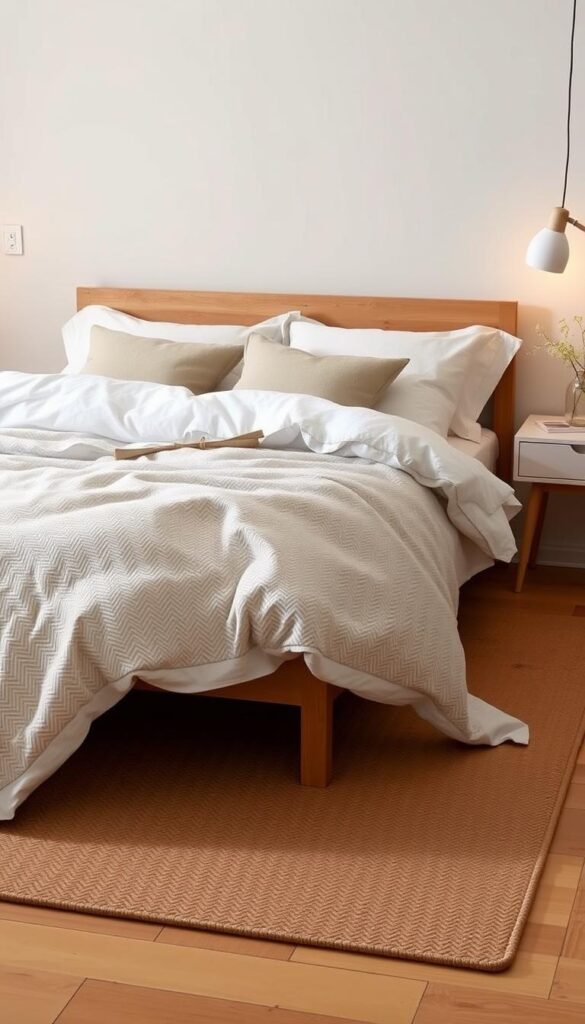
Bed linens serve as both functional necessities and decorative elements. They complete your space while offering daily comfort.
Your bedding choices reflect the core values of this design approach. They combine sustainability with timeless style.
The Importance of Natural Fibers like Linen
Organic linen stands out as an exceptional choice for your sleeping space. This carbon-negative material comes from flax plants.
Linen offers incredible durability that improves with age. The fabric develops a softer, more comfortable texture over time.
This natural fiber aligns perfectly with Scandinavian values. It’s sustainable, functional, and beautifully minimal.
The slightly rumpled look of linen creates casual elegance. It evokes that laid-back style characteristic of Nordic design.
As one textile expert notes,
“Linen bedding isn’t just about aesthetics—it’s about creating a healthier sleep environment with natural materials that breathe.”
Using Your Bedding as a Statement Piece
Your bed becomes the focal point of your room through strategic bedding choices. This is where you can introduce bold accents.
Consider deep blues, forest greens, or warm rust tones against pale backgrounds. These colors create striking visual interest.
Duvet covers with Scandinavian-inspired patterns work beautifully. Geometric designs or nature motifs add personality.
Solid colors also make powerful statements when contrasted with light walls. They provide visual depth without clutter.
Texture plays a crucial role in your bedding aesthetic. Loose weaves and natural folds add dimension to minimalist spaces.
This approach enhances the hygge aspect of your bedroom. High-quality bedding invites relaxation and restful sleep.
Choose pieces that reflect your personal style while maintaining cohesion. Your bedding should complement other elements in the room.
Remember that bedding offers one of the few opportunities for strong accents. Select wisely to create a harmonious yet impactful look.
Incorporating Practical and Stylish Storage Solutions
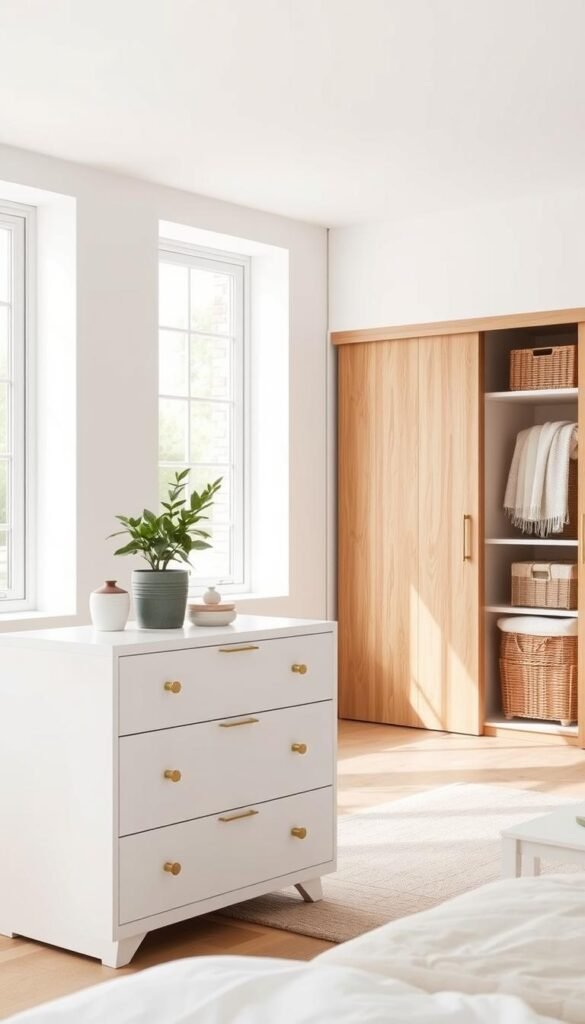
Thoughtful storage transforms your bedroom from cluttered to curated. The right solutions maintain your room’s clean aesthetic while keeping essentials accessible.
Nordic design values both form and function equally. Your storage should enhance the space rather than dominate it.
Every piece serves a purpose in this minimalist approach. You’ll create harmony between practicality and visual appeal.
Choosing Open and Closed Storage Wisely
Open shelving works beautifully for items you use daily. Books, favorite decor pieces, and bedtime essentials stay within reach.
Closed storage hides less attractive necessities from view. Drawers and cabinets keep your space looking serene and organized.
Balance both types throughout your room’s design. This combination maintains visual calm while providing full functionality.
| Storage Type | Best For | Material Options | Special Features |
|---|---|---|---|
| Open Shelving | Daily items, decor display | Pale wood, metal | Floating design, adjustable |
| Closed Cabinets | Clutter, seasonal items | Matte white, light wood | Soft-close hinges, minimal handles |
| Multi-functional Furniture | Small spaces, versatility | Oak, birch, woven textures | Hidden compartments, dual purpose |
| Modular Systems | Flexible organization | Mixed materials | Customizable configurations |
As one organization expert notes,
“The best storage disappears into your room’s design while making everything easier to find and use.”
Utilizing Baskets and Benches for a Cohesive Look
Natural fiber baskets add texture and warmth to your space. They corral items beautifully while complementing your room’s palette.
Choose woven seagrass, rattan, or linen options. These materials align with Scandinavian interior values.
Benches with hidden storage serve multiple purposes. They provide seating while concealing extra bedding or off-season clothing.
Sealed oak stools make excellent nightstand alternatives. Their clean lines maintain your room’s minimalist aesthetic.
Place baskets under beds or in closet spaces. This maximizes every inch of available room.
Your storage pieces should match other furniture finishes. This creates visual continuity throughout the space.
Keep organization simple and intuitive. You’ll maintain that peaceful atmosphere you’ve worked hard to create.
With smart storage solutions in place, your room stays tidy and balanced. Now you’re ready for those final personal touches.
Adding Personality with Final Decor Touches
Your final decor choices bring everything together. They add character while keeping your space clean and calm.
Each piece should feel intentional and meaningful. This approach maintains that signature minimalist aesthetic.
You can express your personal style through thoughtful selections. Choose items that inspire joy and comfort.
These finishing touches complete your peaceful sanctuary. They make the room uniquely yours.
Selecting Art and Wall Decor
Wall art adds visual interest without clutter. Choose pieces that reflect nature or abstract forms.
Simple frames in wood or matte finishes work best. They complement your room’s color palette beautifully.
Consider these options for your walls:
- Black and white photography of natural landscapes
- Minimalist line drawings or geometric patterns
- Personal photographs in simple, matching frames
As one interior designer notes,
“Good art doesn’t shout—it whispers and enhances the space around it.”
Arrange your art in small groupings or alone. This creates impact without overwhelming the room.
Leave some wall space empty. This maintains that open, airy feeling you’ve worked to achieve.
Bringing Life In with Plants and Greenery
Plants add freshness and vitality to your space. They bring nature indoors, which is key to this design philosophy.
Choose green, non-toxic varieties for safety. This is especially important if you have pets or children.
Consider these easy-care options:
- Snake plants for low light and air purification
- ZZ plants for their durability and shiny leaves
- Pothos for trailing greenery in hanging planters
Place plants in simple ceramic or wood vessels. These natural materials enhance your room’s style.
Group plants together for greater impact. Alternatively, place single specimens as focal points.
Plants contribute to your room’s peaceful atmosphere. They also improve air quality naturally.
Functional decor pieces add warmth and hygge. Ceramic vessels can hold everyday items.
Candles provide soft, flickering light for cozy evenings. Choose natural wax options with subtle scents.
Every decor element should serve a purpose. Avoid items that only collect dust.
Your final touches complete the harmonious interior you’ve created. They make your space truly welcoming.
Bringing Your Modern Scandinavian Sanctuary to Life
Your journey to a peaceful bedroom is almost complete. You started with light colors and natural materials. Then you added layered lighting and functional furniture.
You chose cozy bedding and smart storage. Finally, you added personal decor touches. Each step builds toward a balanced interior design.
Remember to adapt these ideas to your own home. Focus on light, simplicity, and comfort. Your bedroom should reflect your personal style.
Enjoy creating a space that feels both calm and inviting. Share your progress online for inspiration. Your sanctuary awaits—happy designing!