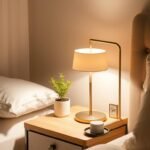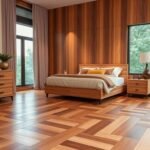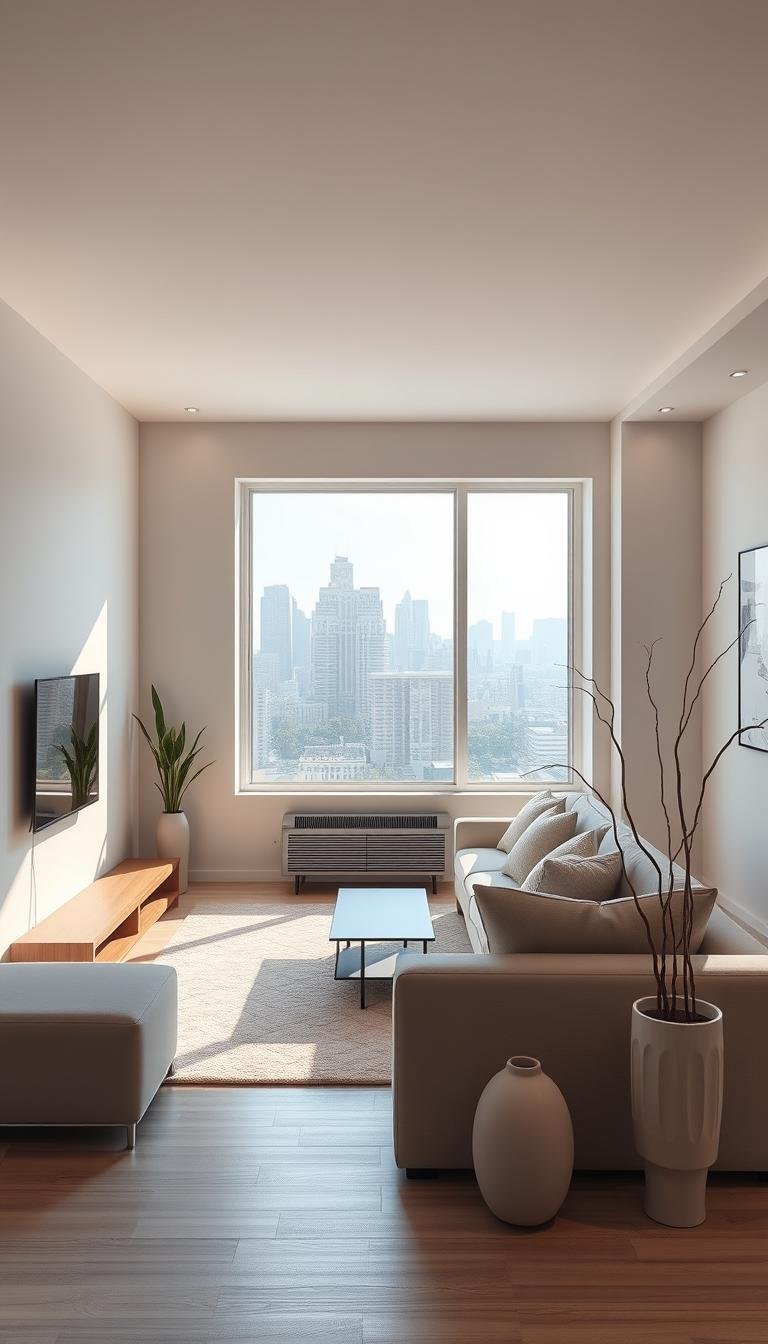
Your urban home should feel like a peaceful retreat. This approach focuses on simplicity and purpose. It creates a calming atmosphere perfect for relaxation.
This style is not about empty spaces. It’s about choosing each piece with care. Your furniture and decor should bring you joy and function well.
We will show you how to achieve this aesthetic. Our tips work for renters and owners. You can create a beautiful space without a big budget.
Get ready to transform your home. We will cover color, storage, and personal touches. Let’s build a sanctuary that reflects your unique style.
Understanding the Core Principles of Minimalist Design
At its heart, this approach is about intentional choices. It strips away excess to highlight what truly matters. You create a calm, purposeful environment.
The “Less is More” Philosophy
This idea means every item should earn its place. If it doesn’t serve a purpose or bring you joy, it likely doesn’t belong. You avoid clutter and focus on essentials.
Designer Linda Hayslett explains this creates a calming effect. Your brain relaxes when you enter a tidy space. It feels easy and visually restful.
This mindset also promotes mindful consumption. You choose fewer, higher-quality pieces that last. It reduces waste and creates a more sustainable home.
Focus on Functionality and Simplicity
Every piece of furniture must have a clear use. Multi-functional items are ideal. They save space and reduce visual noise.
Simplicity in design does not mean boring. It allows key elements to stand out. A statement coffee table or art can become a focal point.
This creates a balanced environment. Each element complements the others. Your room feels harmonious and intentional.
Why Minimalism Works Perfectly in Apartments
This aesthetic is ideal for smaller spaces. It makes rooms appear larger and more open. You maximize every square foot.
It’s also practical for renters. Portable, versatile pieces can move with you. They adapt to different layouts and rooms.
Start by assessing your current living room. Identify items that don’t align with these principles. This makes transformation easier.
Start with a Serene and Restrained Color Palette
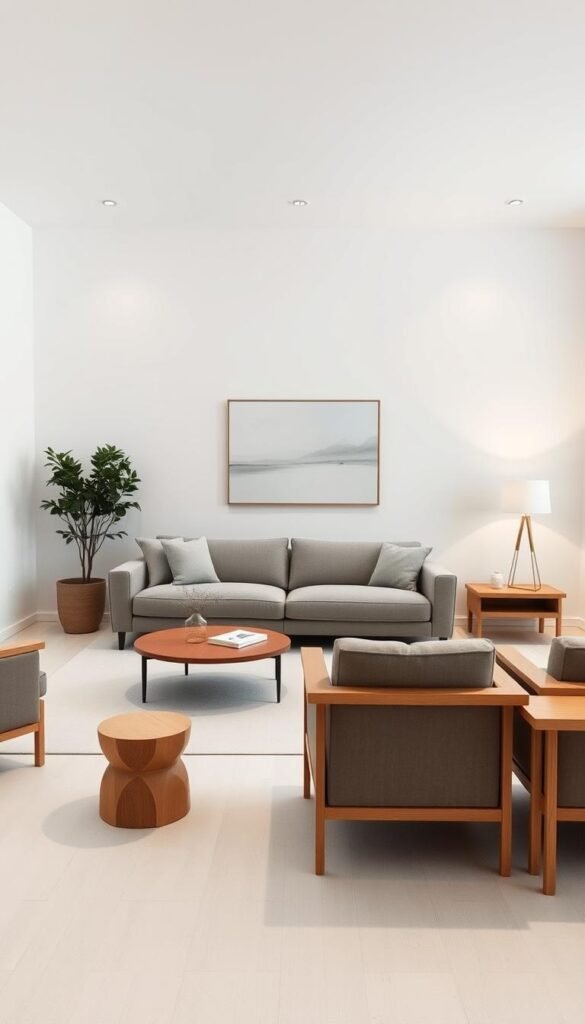
Thoughtful color application transforms ordinary spaces into tranquil retreats. Your choices here set the tone for your entire environment. A restrained palette creates visual calm and enhances your design aesthetic.
The Power of White and Light Neutrals
White and light neutrals form the perfect foundation. They create a clean, bright base that makes any room feel larger. These colors reflect natural light beautifully.
Beige, cream, and soft gray provide timeless elegance. They never go out of style and offer flexibility. Your space maintains an airy, open feeling with these hues.
Designer Hannah Tyler often uses rich neutrals for earthy warmth. This approach prevents sterility while maintaining minimalism. The result feels both cozy and intentionally sparse.
Incorporating Earthy Tones for Warmth
Earthy tones add depth and character to your scheme. Mossy green, chocolate brown, or charcoal gray introduce natural elements. They prevent your home from feeling cold or impersonal.
These colors work wonderfully with natural textures like wood and linen. They create visual interest without overwhelming your senses. Your interior gains warmth while staying true to minimalist principles.
Consider an accent wall in a muted earthy tone. This adds dimension without committing to full-room color. It creates focal points that guide the eye gracefully.
Using Bold Color as a Focal Accent
Bold colors inject personality when used strategically. A vibrant chair or dramatic art piece makes a powerful statement. This approach maintains calm while expressing your style.
Limit bold colors to one or two key pieces. Throw pillows or a single artwork can provide enough pop. The black-and-white scheme remains a classic choice for contrast.
Experiment with muted versions of favorite colors. Soft blush pink or calm blue keep the palette restrained. These subtle additions personalize your space without creating visual clutter.
Remember that cohesion is key. Choose colors that work harmoniously together. Your final look should feel intentional and peacefully balanced.
Choose Furniture with Clean Lines and a Low Profile
Your seating and surfaces set the tone for your entire environment. Low-profile pieces create an open, airy feeling that enhances your space. They make ceilings appear higher and rooms feel more spacious.
This approach focuses on streamlined silhouettes and purposeful design. Each item should contribute to both function and visual harmony. The result is a calming atmosphere that promotes relaxation.
Selecting the Right Sofa for Scale and Comfort
Your sofa is likely the largest piece in your room. Choose one with a low back and clean lines for maximum impact. This creates a streamlined style that doesn’t overwhelm your space.
Comfort remains crucial in your seating area. Skip stiff cushions in favor of plush ones with simple fabric covers. This maintains the minimalist character while ensuring cozy relaxation.
Measure your room carefully before purchasing. A low-profile sectional or loveseat should fit without crowding. Leave ample walking space around all furniture pieces.
The Importance of a Statement Coffee Table
Your coffee table serves as both functional surface and design anchor. A typical height ranges from 14 to 16 inches for proper proportion. Use this measurement as a guide for other furniture selections.
Choose a table that makes a visual impact without clutter. A round wooden design or bold black piece works beautifully. These options add interest while maintaining clean lines.
Laura Brophy Interiors demonstrates how a bolder table defines an area. In an all-white room, it offers perspective and becomes a focal point. Your table should balance statement-making with simplicity.
Opting for Multi-Functional Pieces
Versatile furniture maximizes functionality in limited spaces. Designer Linda Hayslett emphasizes this dual-purpose approach. She notes that storage needs evaluation when selecting pieces.
“Each piece will need to have more than one duty. And those pieces doing double duty should still appear sleek.”
An ottoman with hidden storage exemplifies this idea perfectly. It provides seating, surface area, and organization without looking clunky. Other options include modular sectionals and sleek sideboards.
Consider materials like light wood or metal for these pieces. They align with minimalist principles while adding warmth or industrial touch. Your choices should serve multiple functions without complexity.
| Furniture Type | Ideal Height | Multi-Function Features | Recommended Materials |
|---|---|---|---|
| Sofa | 30-34 inches | Hidden storage under seats | Simple fabric, light wood legs |
| Coffee Table | 14-16 inches | Shelves or drawers below | Wood, metal, or glass |
| Ottoman | 16-18 inches | Lift-top storage interior | Upholstered with clean lines |
| Sideboard | 30-36 inches | Closed cabinets and drawers | Light wood or painted finish |
Remember that each furniture piece should be intentional. Choose high-quality items that contribute to overall harmony. Your room will feel both functional and beautifully simple.
Maximize Your Space with Smart Storage Solutions
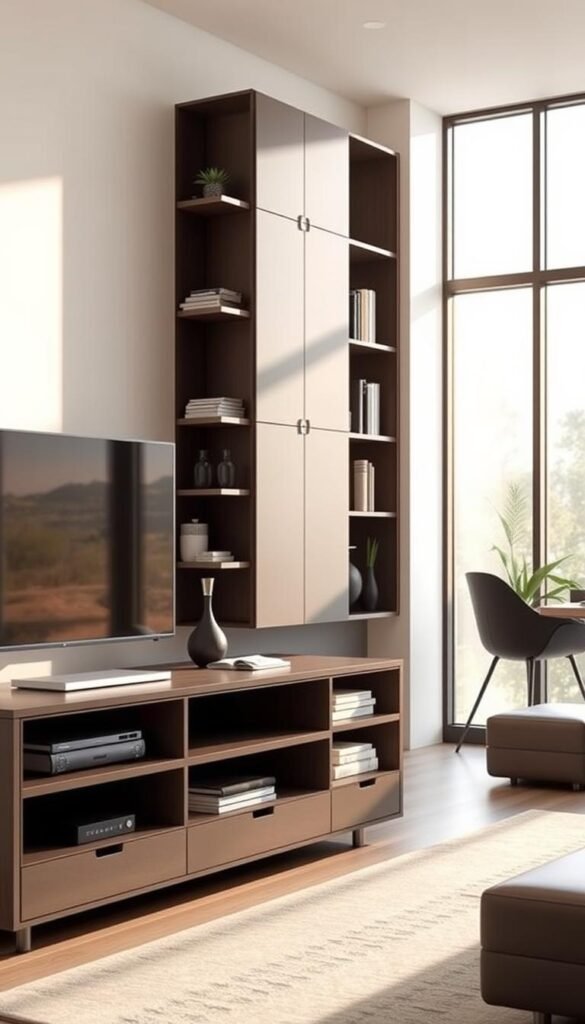
Smart storage transforms how you experience your home. It creates order while maintaining your clean aesthetic. You gain both function and visual peace.
Every storage solution should serve multiple purposes. It organizes your belongings while enhancing your room’s look. The right approach makes your space feel larger and more intentional.
Utilizing Hidden Storage in Furniture
Multi-functional furniture maximizes your available space. An ottoman with hidden compartments offers seating and organization. It keeps essentials nearby without visual clutter.
Beds with built-in drawers provide excellent storage options. They utilize often-wasted space beneath the mattress. This approach works beautifully in smaller rooms.
Designer Elaine Burns recommends this strategy for smaller decor pieces. “Having a collection of baskets, drawers, or cabinets to store away similar items is a win-win,” she notes. “Items stay organized by category for a calm, clear room.”
Incorporating Sleek Shelving Units
Floating shelves maintain an airy feeling in your space. They provide display areas without bulky furniture. Your walls gain function while keeping the open aesthetic.
Minimalist bookcases offer vertical storage solutions. They draw the eye upward, making ceilings appear higher. Choose units with clean lines and simple materials.
Open shelving works particularly well in kitchen and dining areas. It keeps items accessible while maintaining visual lightness. This approach celebrates both function and form.
The 80-20 Rule for Accessible vs. Stored Items
This simple guideline transforms how you organize your home. Keep 20% of items accessible for daily use. Store the remaining 80% out of sight.
The visible items should be both useful and meaningful. They contribute to your room’s aesthetic while serving practical purposes. This balance creates harmony in your space.
Regularly assess what deserves visible placement. If something doesn’t serve a purpose or bring joy, store it away. This practice maintains your clean design philosophy.
Rental-friendly options make storage solutions accessible to everyone. Peel-and-stick shelves install without damaging walls. Portable cabinets can move with you between homes.
| Storage Type | Best For | Space Saving Features | Rental Friendly Options |
|---|---|---|---|
| Ottoman with storage | Living room essentials | Seating + hidden compartment | Freestanding units |
| Floating shelves | Display items + books | Wall-mounted, no floor space | Peel-and-stick versions |
| Under-bed drawers | Seasonal items + linens | Utilizes unused space | Rolling storage containers |
| Multi-functional sideboard | Dining + entertainment | Closed storage + serving surface | Modular cabinet systems |
| Basket systems | Category organization | Portable, flexible arrangement | Various sizes + materials |
Effective storage supports your overall design vision. It keeps surfaces clear and rooms feeling organized. Your home becomes a true sanctuary of calm and purpose.
Remember that storage should work with your lifestyle. Choose solutions that make daily routines easier. Your space will feel both beautiful and perfectly functional.
Incorporate Natural Textures to Add Warmth and Interest
Natural textures transform sterile environments into inviting spaces. They add depth and character to your home. This approach prevents coldness while maintaining clean principles.
Critics sometimes find pale colors and sleek furniture too clinical. The solution lies in thoughtful material selection. You create coziness without sacrificing your aesthetic.
Woven Elements: Baskets, Rugs, and Lamps
Woven items bring organic warmth to your room. A storage basket holds blankets while adding visual interest. These pieces serve both function and beauty.
Area rugs define spaces with texture and color. Choose natural fibers like jute or wool. They feel soft underfoot and look beautiful.
Desiree Burns Interiors uses textured lamps in all-white rooms. This adds nature-inspired touches that clear sterile feelings. Your lighting becomes both functional and decorative.
These elements work together to create harmony. They prevent your space from feeling too stark. You achieve balance between simplicity and warmth.
The Beauty of Wood Grains and Slat Walls
Wood brings organic richness to any room. Mid-century modern favorites include oak, teak, and walnut. Their grains add visual interest without clutter.
Slat walls provide texture and visual separation. They don’t close off spaces like solid walls. This adds architectural interest to your home.
Rental-friendly options include peel-and-stick wood panels. They add warmth without permanent changes. You can enjoy beautiful wood tones anywhere.
These elements create a sense of coziness. They work with your existing color palette. Your room feels both intentional and inviting.
Layering Soft Fabrics like Linen and Wool
Soft fabrics introduce comfort and tactile variety. Layer linen throws on your sofa for added coziness. Wool pillows provide warmth during cooler months.
Mix textures subtly for visual interest. Pair a smooth wood coffee table with a chunky knit throw. This creates depth without overwhelming your space.
Gauzy drapes soften hard surfaces and add movement. They filter light beautifully while maintaining airiness. Your windows become graceful design elements.
Choose fabrics that complement your color scheme. Neutral tones work best for maintaining calm. Your room feels layered yet perfectly simple.
| Texture Type | Best Placement | Material Options | Rental-Friendly Versions |
|---|---|---|---|
| Woven Elements | Floor, shelves, tables | Jute, rattan, seagrass | Freestanding baskets, removable rugs |
| Wood Grains | Furniture, walls, floors | Oak, teak, walnut | Peel-and-stick panels, removable decals |
| Soft Fabrics | Seating, windows, floors | Linen, wool, velvet | Removable drapes, portable throws |
| Textured Accessories | Tables, shelves, walls | Ceramic, stone, woven | Lightweight pieces, temporary displays |
Remember that textures should feel intentional. Choose a few key materials that work together. Your space will feel both comfortable and beautifully simple.
These elements transform your room into a true sanctuary. They add warmth while maintaining clean principles. You create a home that feels both peaceful and personal.
Harness the Power of Natural Light
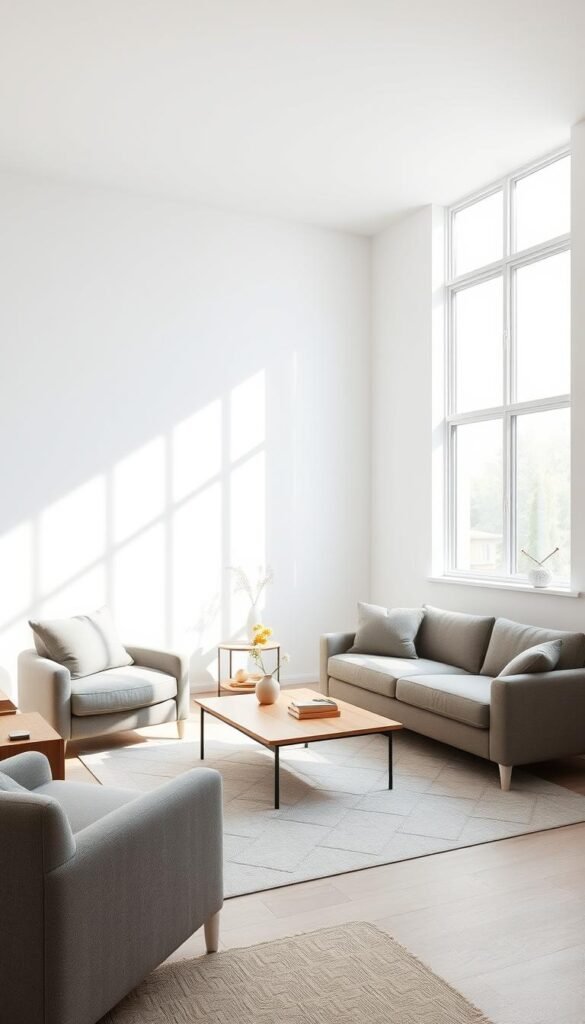
Light transforms your home into a bright sanctuary. It enhances the airy feel of your space. This approach makes rooms appear larger and more welcoming.
Natural illumination works with your minimalist aesthetic. It creates a calm atmosphere perfect for relaxation. Your interior gains both beauty and function.
Choosing Minimal or No Window Treatments
Bare windows maximize light entry into your room. They maintain a clean view and open feeling. This choice supports your simple design.
Privacy concerns may require subtle solutions. Sleek shades offer coverage without bulk. They filter light beautifully while maintaining your aesthetic.
Rental-friendly options include removable window films. These provide privacy without permanent changes. You enjoy light control without compromising your space.
Strategic Mirror Placement to Amplify Light
Mirrors reflect sunlight throughout your living room. They bounce light into darker corners. This technique brightens your entire home.
Large mirrors create the illusion of more space. Place them opposite windows for maximum effect. They make compact rooms feel expansive.
Adhesive hooks offer rental-friendly installation. You can position mirrors without damaging walls. This approach works for any apartment.
Consider grouping several smaller mirrors. They create artistic interest while amplifying light. Your wall becomes both functional and decorative.
How Light Creates the Illusion of More Space
Brightness reduces shadows in your room. It makes corners appear further away. This visual trick expands your perceived space.
Light-colored walls and furniture enhance this effect. They reflect illumination throughout the day. Your interior maintains a cohesive glow.
Position furniture to avoid blocking windows. This allows light to flow freely. It highlights key pieces like your coffee table or art.
Natural illumination offers psychological benefits too. It improves mood and energy levels. This aligns perfectly with minimalism‘s calming goals.
According to Sence Architects, natural light serves as a minimalist’s strongest ally. Translucent window treatments can filter daylight while maintaining privacy, creating that essential sense of lightness.
| Light Enhancement Method | Primary Benefit | Best Placement | Rental-Friendly Option |
|---|---|---|---|
| Bare Windows | Maximum light entry | All windows | No treatment needed |
| Sleek Shades | Privacy + light control | Bedroom windows | Tension rod installations |
| Large Wall Mirror | Light reflection | Opposite windows | Adhesive hook mounting |
| Light-Colored Walls | Light amplification | All surfaces | Removable wall panels |
| Minimalist Light Fixtures | Ambient illumination | Ceiling, corners | Plug-in pendant lights |
Remember that natural light costs nothing to utilize. It elevates your living room without expensive renovations. Your space becomes both serene and inviting.
These techniques work together beautifully. They create a bright environment that feels open and peaceful. You achieve the perfect minimalist sanctuary.
Create a Focal Point with One Statement Piece
A single standout item can transform your entire environment. It draws the eye and adds personality without overwhelming your space. This approach keeps your room feeling intentional and curated.
Choose one element that truly speaks to you. Let it become the star of your show. Everything else should play a supporting role.
A Bold Accent Chair or Sculptural Lamp
An eye-catching chair makes both a functional and artistic statement. Choose a vibrant green or sculptural design. It stands out beautifully against neutral backgrounds.
Lighting can also serve as your focal point. A unique lamp with interesting lines adds drama. It provides both illumination and visual interest.
These pieces work particularly well in smaller spaces. They add character without taking up much room. Your area feels personalized yet remains uncluttered.
A Large Piece of Art as a Centerpiece
Art creates an immediate focal point on your wall. A black-and-white photograph or abstract painting works wonderfully. It reflects your personal style while keeping decor minimal.
Choose artwork that resonates with you emotionally. It should feel meaningful and intentional. This approach makes your space feel truly yours.
Proper framing enhances your art’s impact. A simple chrome frame keeps the focus on the piece itself. Your wall becomes a gallery of one.
Letting a Unique Coffee Table Shine
Your coffee table can become the conversation starter. Choose one with an interesting shape or material. Concrete or unusual wood grains make excellent choices.
This piece serves both function and form. It provides surface space while commanding attention. Your seating area gains both utility and style.
Keep other elements simple around your standout table. This ensures it remains the visual anchor. Your room feels balanced and thoughtfully designed.
| Statement Piece Type | Best Placement | Key Features | Rental-Friendly Options |
|---|---|---|---|
| Accent Chair | Reading nook, corner | Unique shape, bold color | Freestanding, movable |
| Sculptural Lamp | Side table, console | Artistic design, ambient light | Plug-in, no installation |
| Large Artwork | Main wall, above sofa | Personal meaning, simple frame | Lean against wall, removable hangers |
| Unique Coffee Table | Center of seating area | Interesting material, clean lines | Freestanding, no attachment |
Remember that your statement piece should feel personal. Choose something that brings you joy every day. It makes your space feel both designed and loved.
This approach proves that less can indeed be more. One impactful item creates more visual interest than many smaller pieces. Your room feels both curated and comfortably livable.
Curate Your Decor with Purpose and Meaning
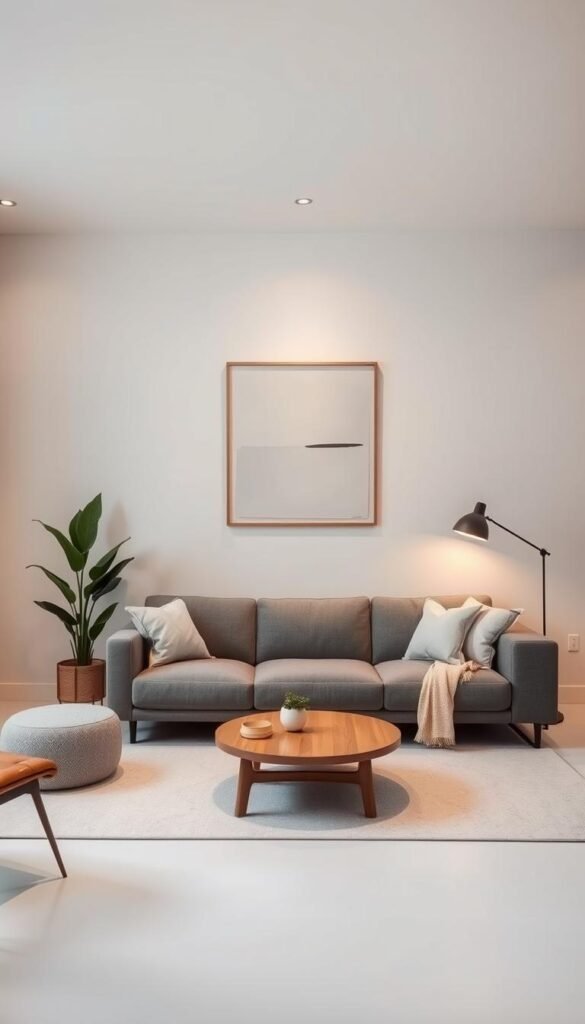
Every object in your home should tell a story. This approach turns ordinary items into meaningful treasures. You create a personal sanctuary that feels both intentional and inviting.
Designer Linda Hayslett shares her perspective on thoughtful decoration. “Accessories are all seen as artwork,” she notes. “When placing a vase or displaying an item, the piece should be something that can make the space feel like a living piece of work that can be touch and felt.”
Choosing Fewer, Higher-Quality Accessories
Select items that serve both function and beauty. A handmade vase or sculptural bowl adds personality. These pieces become functional art in your room.
Higher-quality accessories last longer and look better. They contribute to a refined aesthetic over time. This aligns perfectly with the quality-over-quantity philosophy.
Consider materials that add tactile interest. Ceramic, stone, or woven textures work beautifully. They create depth without overwhelming your senses.
Displaying Items in Themed, Intentional Groupings
Create small collections that tell a cohesive story. Group ceramics or books on a shelf with purpose. This approach feels curated rather than random.
Limit displays to a few favored items. Three objects of any type constitute a collection. Keep groupings small and meaningful.
Use vertical space with simple shelving. This keeps items organized and visually appealing. Your walls become galleries of personal expression.
Avoiding Knick-Knacks and Cluttered Surfaces
Clean, clear surfaces maintain a tidy look. This remains true even if you skip housework. Your room always feels serene and organized.
Avoid souvenirs and small framed photo groupings. Skip anything resembling tchotchkes entirely. These items create visual noise rather than calm.
Regularly edit your decor collections. Remove items that no longer serve a purpose. This ensures your space remains uncluttered and intentional.
Rental-friendly options make personalization easy. Removable display shelves install without damage. Portable accessories can move with you between homes.
Curated decor should complement your overall design. It adds warmth and interest without disruption. Your living room feels both personal and perfectly designed.
| Decor Type | Ideal Placement | Quality Features | Rental-Friendly Options |
|---|---|---|---|
| Sculptural Vase | Coffee table, console | Handmade, natural material | Freestanding, no installation |
| Art Object | Shelf, side table | Meaningful, simple design | Portable, lightweight |
| Textured Bowl | Dining table, shelf | Functional, interesting texture | Removable, multi-use |
| Curated Books | Shelf, side table | Favorite titles, cohesive look | Stackable, movable |
Remember that purposeful curation makes your space feel lived-in. It proves that simplicity can be both stylish and meaningful. You create a home that truly reflects your unique story.
Introduce Life and Vitality with Strategic Greenery
Plants bring natural energy into your pared-down environment. They prevent starkness while maintaining your clean aesthetic. Greenery adds organic beauty that feels both fresh and calming.
Strategic placement turns plants into living decor. They soften hard edges and add movement. Your space gains vitality without visual clutter.
Plants work with your existing color scheme. Their green tones complement neutral backgrounds beautifully. You create a harmonious look that feels intentional.
Selecting Low-Maintenance, Sculptural Plants
Choose plants that thrive with minimal attention. Snake plants tolerate low light and irregular watering. Their vertical growth adds architectural interest.
Fiddle leaf figs make dramatic statements in bright corners. Their large leaves create bold visual impact. These plants become natural sculptures in your room.
Mini palms add softness with their fringed leaves. They bring tropical vibes without overwhelming your space. These options require little care but offer big style.
Consider air plants for ultra-easy maintenance. They need no soil and minimal watering. Their unique forms add intriguing texture.
Using Plants to Soften Sterile Feelings
Greenery prevents coldness in your minimalist interior. It adds warmth and organic texture naturally. Your home feels inviting rather than stark.
Plants introduce subtle color variations. Different leaf shades create visual depth. This balances the simplicity of your design approach.
Natural growth patterns add softness to clean lines. Curving leaves contrast with straight furniture edges. Your space feels more dynamic and lived-in.
Plants also offer health benefits that align with minimalist goals. They purify air and reduce stress levels. This enhances your calming environment.
Placing Greenery to Complement the Layout
Use large plants to fill empty corners effectively. A tall fiddle leaf fig anchors a seating area beautifully. It draws the eye upward, making ceilings appear higher.
Small pots add focus to surfaces like your coffee table. A succulent or small cactus creates interest without clutter. These mini gardens become conversational pieces.
Group plants near windows to maximize natural light exposure. This creates a cohesive display that feels intentional. Your windows become framed with living beauty.
Hanging planters utilize vertical space in rental-friendly ways. They add greenery without occupying floor area. These installations can move with you between homes.
| Plant Type | Light Requirements | Water Needs | Ideal Placement | Planter Materials |
|---|---|---|---|---|
| Snake Plant | Low to bright indirect | Every 2-6 weeks | Corners, beside furniture | Concrete, ceramic |
| Fiddle Leaf Fig | Bright indirect | Weekly | Statement corner piece | Neutral pottery |
| Mini Palm | Medium to bright | Weekly | Near seating areas | Woven baskets |
| ZZ Plant | Low to bright | Every 3-4 weeks | Shelves, side tables | Matte finishes |
| Air Plants | Bright indirect | Mist weekly | Hanging displays | Geometric terrariums |
Remember that planters should match your minimalist aesthetic. Choose simple materials like concrete or neutral ceramics. These blend seamlessly with your existing decor.
Plants personalize your space in meaningful ways. They add vitality that enhances your overall design. Your home becomes both serene and vibrantly alive.
Define Spaces with Architectural Elements
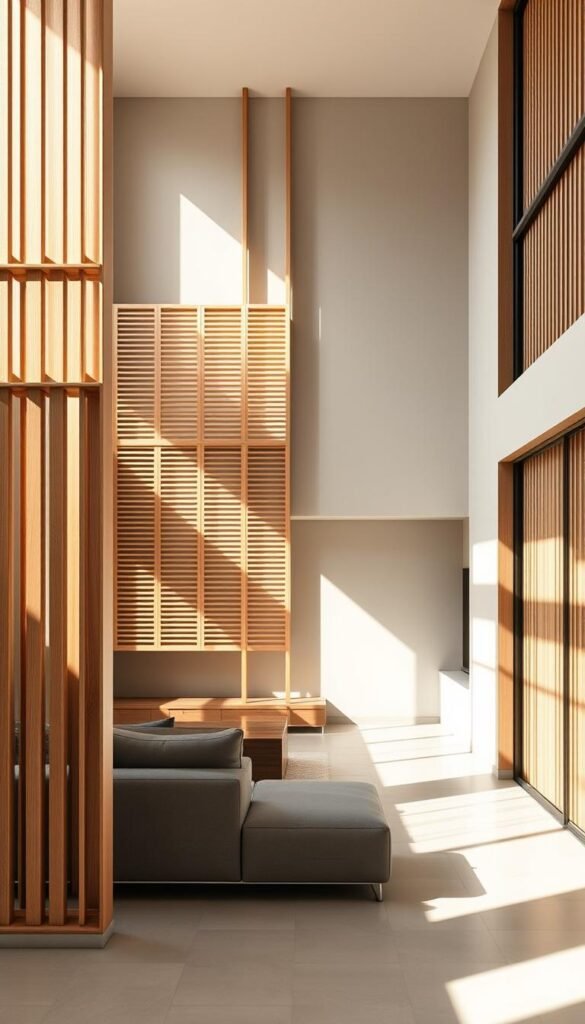
Open layouts need clear boundaries to feel organized. Architectural features create structure without closing off areas. They guide movement and define different zones beautifully.
These elements add visual interest to your home. They work with your existing furniture and decor. You maintain an open feel while gaining purposeful separation.
Using Wood Slat Dividers for Open-Plan Flow
Wood slats offer partial separation between areas. They create privacy without blocking light or views. Your space feels divided yet connected.
These dividers add warmth through natural material. They bring texture to your interior design. The result feels both structured and inviting.
Rental-friendly options include freestanding slat screens. They provide separation without permanent installation. You can rearrange them as needed.
Designer Elaine Burns recommends slat dividers for apartment living. “They create visual interest while maintaining airflow,” she notes. “Your home feels larger and more open.”
Creating Zones with Area Rugs
Rugs define seating areas with clear boundaries. They anchor furniture groupings beautifully. Your room gains organization through texture.
Choose rugs with simple patterns or neutral tones. They should complement your existing color scheme. This maintains your clean aesthetic.
Graphic borders create implied separation between zones. They guide furniture placement effectively. Your layout feels intentional and cohesive.
Consider rug size carefully for proper proportion. It should fit under all key furniture pieces. This creates a unified look.
Maintaining Visual Consistency Between Areas
Consistent materials create harmony throughout your space. Use similar wood tones or metal finishes. This connects different zones seamlessly.
Repeat colors from your main palette in each area. This creates rhythm and flow. Your home feels thoughtfully designed.
Keep flooring consistent between defined spaces. This maintains visual continuity. Changes in level or material can disrupt flow.
Lighting should feel cohesive across all zones. Similar fixtures create unity. Your entire room feels intentionally designed.
| Architectural Element | Primary Function | Best For | Rental-Friendly Options |
|---|---|---|---|
| Wood Slat Divider | Visual separation | Living/dining division | Freestanding screens |
| Area Rug | Zone definition | Seating areas | Removable floor covering |
| Consistent Color Palette | Visual harmony | Entire space | Paint-free coordination |
| Cohesive Lighting | Unity between zones | All areas | Plug-in fixtures |
Remember that architectural elements should enhance flow. They create structure without blocking movement. Your home feels both organized and inviting.
These techniques work beautifully in open-plan layouts. They maximize functionality while maintaining your aesthetic. You create a space that feels both purposeful and peaceful.
Mastering Modern Minimalist Apartment Living Room Lighting
Lighting transforms your environment from functional to magical. It creates atmosphere and defines how you experience your space. The right illumination makes your room feel both practical and inviting.
This approach focuses on simplicity and purpose. Each fixture should serve a clear role in your design. You create layers of light that work together beautifully.
Your choices here impact both mood and functionality. Good lighting enhances your daily activities. It makes your home feel warm and welcoming.
Sleek and Simple Fixtures for Ambient Light
Ambient lighting provides overall illumination for your room. Choose fixtures with clean lines and compact shapes. They offer light without visual distraction.
Slender pendants work wonderfully above seating areas. Flush mount ceiling lights provide general illumination. Both options maintain your clean aesthetic.
Materials like brushed metal or frosted glass blend seamlessly. They complement your existing furniture and decor. Your lighting becomes part of the overall design.
Position ambient fixtures to distribute light evenly. This creates a balanced glow throughout your space. Your room feels comfortably lit without harsh shadows.
Task Lighting for Reading and Function
Task lighting serves specific purposes in your home. It provides focused light for reading or working. These fixtures combine practicality with style.
Compact desk lamps offer perfect illumination for side tables. Floor lamps with clean lines work behind sofas. Both options deliver light where you need it most.
Choose adjustable designs for maximum flexibility. They allow you to direct light exactly where required. This approach supports various activities throughout your day.
Task lighting should feel intentional in your space. It complements rather than competes with other elements. Your room maintains harmony while gaining function.
Using Light to Enhance Texture and Color
Strategic lighting highlights your room’s best features. It draws attention to textured rugs or statement pieces. This adds depth and interest to your space.
Position fixtures to graze across interesting surfaces. This creates subtle shadows that emphasize texture. Your room gains visual dimension through light play.
Color appears richer under proper illumination. Warm light enhances earthy tones in your palette. Cool light makes whites and grays feel crisp and clean.
Experiment with different lighting angles. See how they change the appearance of materials and colors. You discover new ways to appreciate your design choices.
Layering light creates the most inviting atmosphere. Combine ambient, task, and accent illumination. This approach supports various activities and moods.
Dimmable lights offer wonderful flexibility. They adjust from bright functionality to soft relaxation. You control the ambiance based on your needs.
Place lights near mirrors or reflective surfaces. This amplifies natural light and makes rooms feel larger. Your space gains brightness without additional fixtures.
Rental-friendly options include plug-in sconces. Portable lamps can move with you between homes. Both solutions work without wiring changes.
| Lighting Type | Primary Function | Ideal Placement | Recommended Fixtures |
|---|---|---|---|
| Ambient Lighting | General illumination | Ceiling center, corners | Flush mounts, slender pendants |
| Task Lighting | Focused activities | Side tables, behind sofa | Adjustable desk lamps, floor lamps |
| Accent Lighting | Highlight features | Above art, near textures | Directional spots, track lighting |
| Portable Lighting | Flexible placement | Anywhere needed | Plug-in sconces, movable lamps |
Good lighting emphasizes simplicity and function. It makes your space both practical and beautiful. Your room feels warm and welcoming through thoughtful illumination.
Remember that lighting choices should feel intentional. Each fixture contributes to your overall aesthetic. You create a home that shines in every sense.
Embrace the Beauty of Negative Space
What you don’t place in your room can be as important as what you do include. Empty areas create visual breathing room that makes your entire space feel more intentional. This approach transforms how you experience your living environment.
In any home, bare walls and floors might feel uncomfortable at first. The urge to fill every corner is natural. Yet minimalism teaches us to appreciate the essential rather than the excessive.
Allowing Walls and Floors to Breathe
Empty surfaces create a sense of calm and openness in your interior. They make your room appear more spacious and intentional. This visual rest allows your eyes to relax and appreciate what’s truly important.
Designer Elaine Burns emphasizes this concept beautifully.
“Negative space isn’t empty space – it’s active design that gives everything else room to shine. Each item gains importance when it’s not competing for attention.”
This approach works particularly well in compact apartments. It prevents your living area from feeling cramped. Your furniture and decor pieces stand out more dramatically.
How Empty Space Enhances Key Design Elements
Negative space acts as a perfect backdrop for your favorite pieces. A statement chair or artwork gains focus when surrounded by empty areas. This contrast makes your special items truly stand out.
Architectural features like wood slat walls become more noticeable. They create visual interest without overwhelming your senses. Your room maintains balance and harmony.
This concept applies to surfaces too. An uncluttered coffee table highlights its beautiful material. Clean walls make your art collection feel more curated and meaningful.
Resisting the Urge to Fill Every Corner
The psychological benefits of negative space are significant. It reduces visual stress and creates greater order. Your living environment becomes more peaceful and relaxing.
View empty areas as active design elements rather than voids. They contribute to overall harmony and balance. This mindset shift helps you appreciate the beauty of uncluttered spaces.
Periodically reassess your room to maintain this aesthetic. Remove items that accumulate over time. This practice keeps your look fresh and intentional.
Remember that embracing negative space doesn’t mean your home feels empty. It means each element feels thoughtfully placed and purposeful. With practice, you’ll create a living area that feels both minimalist and inviting.
Your sofa, shelves, and surfaces all benefit from this approach. They gain importance when given room to breathe. The result is a serene environment that truly serves your needs.
Make Rental-Friendly Upgrades for a Custom Feel
Renting your space doesn’t mean sacrificing style or personal expression. With thoughtful, temporary changes, you can transform standard rental units into personalized sanctuaries. These upgrades respect your lease while creating a home that truly reflects your taste.
Swapping Out Builder-Grade Hardware and Fixtures
Small details make a big difference in your interior. Replace standard knobs and pulls with sleek, minimalist options. This simple change instantly elevates cabinets and drawers throughout your home.
Focus on high-impact areas like kitchen and bathroom hardware. Choose matte black or brushed nickel finishes for modern appeal. These small upgrades create a cohesive, high-end look without major renovations.
Light fixtures offer another easy swap opportunity. Replace basic ceiling lights with stylish plug-in pendants. Use tension rods for temporary installations that won’t damage ceilings.
Always check your rental agreement first. Many landlords allow hardware changes if you keep original pieces. Store them safely for moving out.
Using Peel-and-Stick Wallpaper for Accent Walls
Transform bland walls without permanent commitment. Peel-and-stick wallpaper adds pattern or texture easily. It removes cleanly when you’re ready to move.
Choose subtle geometric patterns or organic textures. These designs complement minimalist principles beautifully. They add visual interest without overwhelming your space.
Apply wallpaper to one accent wall for maximum impact. This creates a focal point without covering entire rooms. Your home gains personality while maintaining clean aesthetics.
Consider removable wall decals for smaller statements. They work wonderfully above sofas or beds. These temporary additions refresh your look effortlessly.
Selecting Furniture That Moves With You
Invest in versatile pieces that adapt to different spaces. Modular sofas configure to various room layouts. They grow with you through multiple moves.
Choose neutral colors and simple designs. These selections blend with various decors seamlessly. Your furniture remains relevant through style changes.
Portable storage solutions offer flexibility too. Freestanding cabinets and shelves move easily between homes. They provide organization without permanent installation.
Designer Elaine Burns emphasizes this approach:
“Invest in pieces that tell your story and can move with you. Your home should evolve as you do, reflecting your journey through thoughtful, adaptable choices.”
| Upgrade Type | Best Applications | Rental-Friendly Features | Estimated Impact Level |
|---|---|---|---|
| Hardware Swaps | Kitchen cabinets, bathroom vanities | Reversible, store original pieces | High visual impact |
| Peel-and-Stick Wallpaper | Accent walls, behind beds | Removable without damage | Medium to high impact |
| Plug-In Light Fixtures | Ceiling lights, sconces | No wiring changes needed | Medium impact |
| Modular Furniture | Seating areas, storage solutions | Adaptable to various spaces | Long-term functional impact |
Remember that even small changes refresh your space dramatically. A new throw pillow or ceramic vase adds personality. These touches make your rental feel intentionally curated.
Rental-friendly upgrades prove great design doesn’t require ownership. You create a home that feels both personal and polished. Your space becomes a true reflection of your unique story.
Blend Styles for a Personalized Minimalist Look
Your home should reflect your unique personality while maintaining its clean aesthetic. Blending design styles creates a space that feels both intentional and personal. This approach allows you to incorporate elements you love without sacrificing simplicity.
Mid-century modern design offers wonderful compatibility with minimalist principles. Both styles value clean lines and functional furniture. The blend creates a warm yet streamlined environment.
Incorporating Mid-Century Modern Influences
Mid-century pieces bring warmth through natural materials like wood and leather. Their tapered legs and organic shapes add visual interest. These elements complement your existing furniture beautifully.
Choose one or two signature pieces as focal points. A retro chair or wood credenza makes a strong statement. These items add character without overwhelming your space.
Designer Elaine Burns notes how these styles work together. “Mid-century modern’s functional elegance pairs perfectly with minimalist simplicity,” she observes. “The combination feels both timeless and personal.”
Mixing in Metallic Accents Sparingly
Metallic touches add subtle glamour to your neutral palette. Gold or silver accents work beautifully against simple backgrounds. They create focal points that enhance rather than distract.
Introduce metals through light fixtures or decorative objects. A gold lamp base or silver vase adds refinement. These small touches elevate your overall design.
Keep metallic elements limited to maintain balance. One or two pieces per room usually suffices. This prevents your space from feeling overly decorative.
How to Add Personal Touches Without Clutter
Meaningful items make your space feel truly yours. Choose a few special pieces that tell your story. Family photos in simple frames or favorite books work beautifully.
Display these items intentionally rather than randomly. A curated shelf or dedicated surface keeps things organized. This approach maintains visual calm while expressing personality.
Regularly edit your personal collections. Remove items that no longer resonate with you. This ensures your space remains uncluttered and authentic.
According to Evolve Artisanal’s design guide, blending natural materials and textures can enhance minimalist spaces, making them more inviting while maintaining clean principles.
| Style Element | Best Application | Quantity Guideline | Integration Tip |
|---|---|---|---|
| Mid-Century Furniture | Statement chair or credenza | 1-2 pieces per room | Choose clean lines that match existing pieces |
| Metallic Accents | Lighting or decorative objects | 2-3 items maximum | Stick to one metal type for cohesion |
| Personal Items | Shelves or dedicated surfaces | 3-5 meaningful pieces | Group related items together intentionally |
| Natural Materials | Wood, leather, or stone elements | Balance with existing textures | Choose tones that complement your palette |
Remember that blending styles requires thoughtful balance. Each addition should complement your existing design. Your space will feel both personal and perfectly composed.
This approach proves minimalism doesn’t mean sacrificing personality. You create a home that truly reflects your unique story. The result feels both designed and genuinely lived-in.
Ensure Your Layout Promotes Easy Movement and Flow
A thoughtful arrangement transforms how you experience your living area. It creates harmony between function and beauty. Your space should feel both inviting and practical for daily life.
Good flow prevents frustration when moving through your home. It makes entertaining effortless and relaxing comfortable. This approach enhances your overall enjoyment of the space.
Leaving Ample Walkways Between Furniture
Clear pathways make your room feel spacious and accessible. Aim for at least three feet between major pieces. This allows comfortable movement for you and your guests.
The area between your sofa and coffee table needs special attention. Keep this space at least 18 inches wide. It provides legroom and prevents a cramped feeling.
Test your layout by imagining a gathering with friends. Can people move freely without bumping into each other? Is there enough room to pass through to the kitchen or dining area?
Centering a Seating Area for an Open Feel
Floating furniture creates a balanced, inviting atmosphere. This approach works especially well in larger rooms. It gives equal access from all sides.
Your seating arrangement becomes a natural conversation zone. People can approach and join easily. The space feels welcoming rather than closed off.
Define this area with a well-proportioned area rug. It creates a visual border that anchors the furniture. This technique organizes the space without physical barriers.
Choosing Furniture Proportional to Your Room
Scale matters greatly in creating comfortable flow. Oversized pieces overwhelm smaller rooms. They block movement and make spaces feel cramped.
Measure your room before selecting any furniture. Choose pieces that fit comfortably with walking space around them. This prevents a crowded, uncomfortable feeling.
Multi-functional furniture offers excellent flexibility. Pieces that can be rearranged easily adapt to different needs. They support both daily use and special occasions.
Designer Elaine Burns emphasizes this proportional approach:
“The right scale furniture makes a room feel intentional rather than accidental. It creates harmony between empty space and occupied areas.”
Remember that good flow enhances your minimalist aesthetic. It reduces visual obstacles and creates order. Your living area becomes both beautiful and perfectly functional.
Embracing Your Minimalist Sanctuary for Modern Living
Your journey to a peaceful home begins with small, thoughtful steps. Each choice you make shapes your personal retreat. This design approach brings calm and order to daily life.
Remember that simplicity enhances your space. It creates an inviting atmosphere where you can truly relax. Your living room becomes a reflection of what matters most.
Start with one change today. Maybe organize your storage or choose a meaningful art piece. These actions build toward a sanctuary you’ll love.
Share your progress with others who appreciate clean aesthetics. Your experience might inspire their own transformations. Together, we create homes that support well-being and joy.