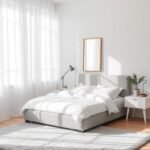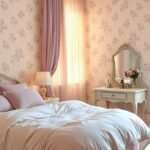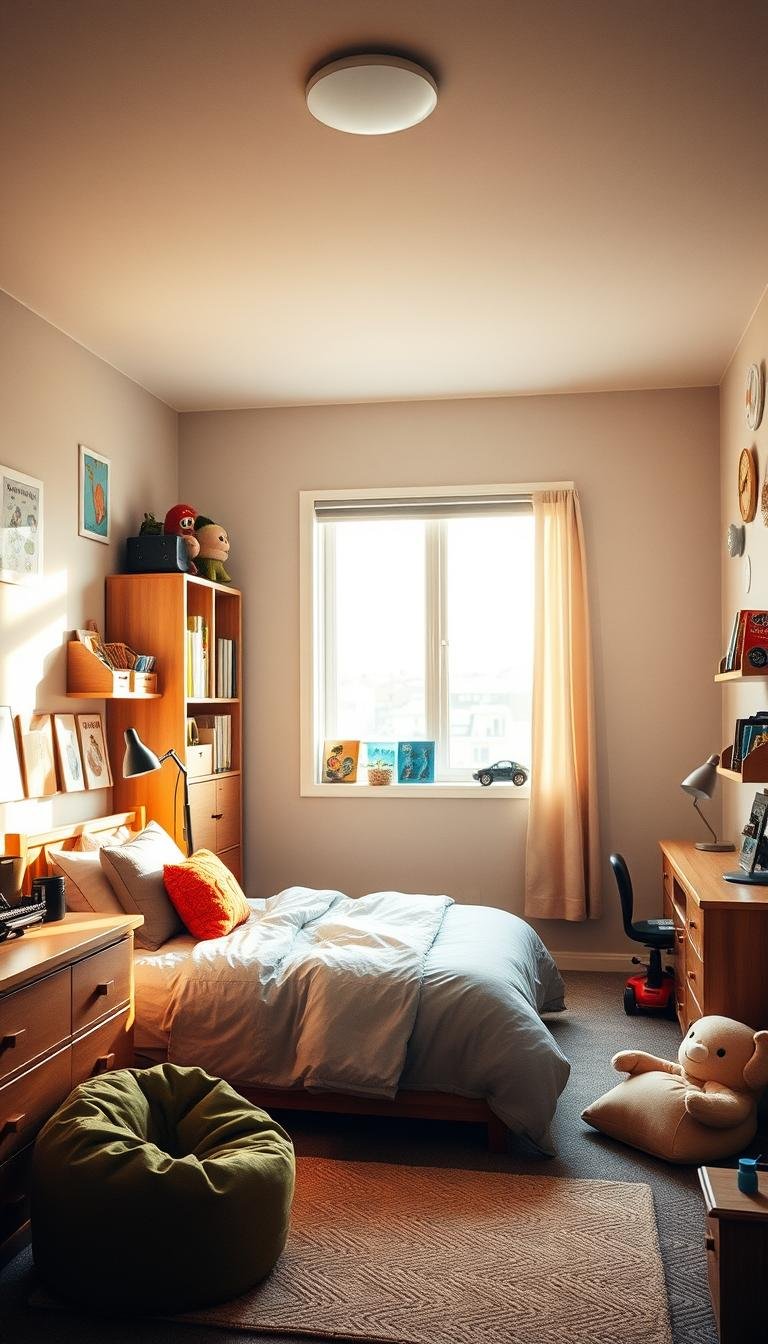
Welcome to your complete guide for creating amazing spaces for growing kids. Designing a special room for your son can be both fun and challenging.
You want a place that shows his unique personality while being practical for everyday use. This space should work for play, study, and rest.
We’ll explore various styles from classic to contemporary that suit different tastes. You’ll discover how to include personal interests without locking into themes he might outgrow quickly.
The goal is creating a room that can change as your child grows. You’ll find smart ideas for colors, furniture, and decorations that last.
We focus on making the most of your available space while keeping things comfortable. Our tips help you create a welcoming atmosphere without breaking your budget.
Get ready to transform that special room into a space your boy will love for years to come!
Welcome to Your Boy’s Bedroom Transformation Journey
Get ready for an exciting adventure in room design! Creating a special space for your son combines creativity with smart planning. This journey brings wonderful rewards when you see his face light up.
Good design goes beyond looks. You want a room that works well for daily life. Think about sleep, play, and study areas all in one space.
Start with a clear plan. Know your budget and timeline before shopping. This prevents stress and keeps the project on track.
Include your child in the process. Ask about his favorite colors and activities. Balance his wishes with practical needs that will last.
Think about both current and future use. Choose pieces that can adapt as he grows. This approach saves money and reduces future updates.
Every room has unique features. Work with what you have – windows, doors, and closet space. Smart layouts make small rooms feel bigger.
Your home has its own style. Let the new room complement your overall decor. This creates harmony throughout your living space.
The transformation process has several key phases. Follow these steps for the best results:
| Phase | Key Activities | Time Estimate |
|---|---|---|
| Planning | Measure room, set budget, create mood board | 1-2 weeks |
| Shopping | Research and purchase key furniture pieces | 2-3 weeks |
| Preparation | Clear room, repair walls, paint if needed | 3-5 days |
| Assembly | Install furniture, organize storage, arrange decor | 2-4 days |
| Finishing | Add personal touches, final organization | 1-2 days |
This experience creates lasting memories. You’ll build a space that reflects his personality. The result will be a room he truly loves for years.
Remember that flexibility matters most. Needs change as children grow. Your smart choices today will serve well tomorrow.
Enjoy every step of this creative process. Your effort will create a special retreat for your child. This personal space supports his dreams and daily life.
Fresh Inspiration: Young Boys Bedroom Ideas for Every Style
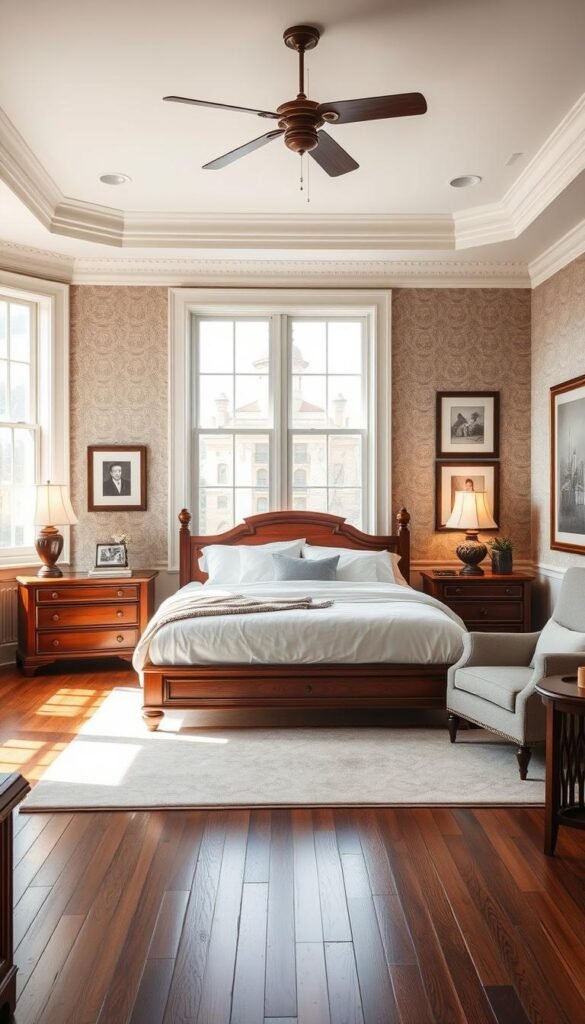
Creating a bedroom that evolves with your child’s growth is both practical and financially smart. This approach saves you from frequent room makeovers while giving your son a space that truly grows with him.
Why Timeless Design Beats Temporary Themes
Temporary themes might seem exciting at first. However, they often become outdated quickly. Children’s interests change rapidly as they discover new passions.
Timeless design offers better value over many years. You invest in quality pieces that last rather than disposable decor. This approach creates a foundation that can adapt to changing tastes.
Think about a themed fire truck bed versus a classic double bed frame. The themed option might delight your child for a few years. But the classic frame will serve him well through his entire childhood.
Neutral foundations allow for easy updates through accessories. You can change bedding, artwork, and decorative items as interests evolve. This flexibility keeps the room feeling fresh without major expenses.
Quality furniture pieces transition beautifully from toddler to teen years. They maintain their function and style through different growth stages. This smart investment pays off over time.
Creating Spaces That Grow With Your Child
Start with a good quality bed and dresser that can grow with your child. These foundational pieces should offer both durability and timeless style.
If you choose a twin-sized themed bed, you’re limited to a specific number of years of use. A quality double bed frame offers much more flexibility. You can change art, sheets, pillows, and paint more inexpensively over time.
Classic design elements remain relevant through childhood years. They provide a stable backdrop for personal expression. Your child can showcase current interests without locking into permanent themes.
Smart storage solutions adapt to changing needs. What works for toy organization now can later hold books or electronics. This functional flexibility makes the room work harder for you.
The emotional connection to a space grows when it evolves with your child. He remembers different versions of the same room throughout his development. This creates lasting memories tied to a consistent personal space.
Updating spaces doesn’t require complete overhauls when you plan wisely. Small changes refresh the look while maintaining the room’s core functionality. This approach respects both your budget and your time.
Real examples show how rooms successfully grow with children over time. The same basic layout can serve different purposes through various stages. This demonstrates the power of thoughtful initial planning.
Foundation First: Planning Your Boy’s Bedroom Makeover
Smart planning turns your vision into reality. A thoughtful approach ensures your investment pays off for years to come.
Begin with the big picture before selecting specific items. This prevents costly mistakes and creates a cohesive look.
The right foundation supports your child’s daily life and growth. It creates a space that works hard for your family.
Good planning makes the entire process smoother. You’ll avoid frustration and enjoy creating this special space.
Assessing Current Needs vs Future Requirements
Look at how your son uses his room today. Consider play, sleep, study, and storage needs.
Think about what might change in the coming years. Interests evolve and space requirements shift.
Create a list of must-have features for now. Then make another list for potential future needs.
This dual perspective helps you make smart choices. You invest in pieces that serve multiple purposes over time.
Evaluate your available space with fresh eyes. Measure everything and note architectural features.
Consider traffic patterns and natural light. These factors influence furniture placement and room layout.
Think about storage solutions that can adapt. What holds toys today might organize books tomorrow.
Setting a Realistic Budget and Timeline
Determine your total available budget first. Then divide it into categories for different expenses.
Prioritize spending on items that will last the longest. Quality furniture deserves a larger portion of your budget.
Save money on decorative elements that change easily. These can be updated without major expense.
Create a realistic timeline for your project. Allow extra time for shipping delays or unexpected issues.
Break the project into manageable phases. This approach reduces stress and keeps things moving forward.
Consider doing the work during school breaks. This minimizes disruption to your child’s routine.
Remember that some items offer better long-term value. Investing in quality now saves money over time.
Look for pieces that offer plenty of functionality. Multipurpose furniture maximizes your space and budget.
The right planning way ensures success. You create a room that grows beautifully with your child.
Color Schemes That Work Now and Later
Choosing the right color palette creates a foundation that grows with your child. The perfect scheme balances personality with timeless appeal.
Colors influence mood and space perception. They set the tone for daily activities and relaxation.
Smart choices today prevent frequent repainting tomorrow. You create a backdrop that adapts to changing tastes.
Consider how light affects your chosen shades. Natural and artificial lighting change color appearance throughout the day.
Test paint samples on different walls before committing. Observe them during morning, noon, and evening hours.
Quality paint with washable finishes works best for active spaces. It maintains its beauty through years of use.
Classic Blues: From Navy to Teal
Blue offers incredible versatility for personal spaces. It ranges from calming sky shades to deep nautical tones.
Light blues create airy, spacious feelings. They work well in rooms with limited natural light.
Darker blues like navy add sophistication and depth. They create cozy, intimate atmospheres for relaxation.
Teal bridges blue and green for unique character. It brings energy without overwhelming the space.
Benjamin Moore’s Labrador Blue demonstrates how rich blue creates impact. It works beautifully with both light and dark accents.
Blue pairs wonderfully with numerous accent colors. It complements whites, grays, woods, and brighter hues.
Neutral Foundations: Whites, Grays, and Beiges
Neutral backgrounds offer maximum flexibility for future changes. They serve as perfect canvases for personal expression.
Whites like Benjamin Moore’s White Dove create clean, bright spaces. They make rooms feel larger and more open.
Light grays provide subtle sophistication without darkness. They work with virtually any accent color scheme.
Beiges and tans add warmth to neutral palettes. They create cozy environments that feel inviting and comfortable.
Greige (gray-beige) offers modern neutral appeal. It combines the best qualities of both color families.
These foundations allow easy updates through accessories and textiles. You change the room’s feel without repainting.
Bold Statements: Moody Greens and Earth Tones
Deeper colors create dramatic, personality-filled spaces. They work particularly well in rooms with good natural light.
Moody greens like Sherwin Williams’ Leaflet bring nature indoors. They create calming, grounded environments for growing minds.
Forest greens pair beautifully with natural wood tones. This combination feels both sophisticated and organic.
Earth tones like mustard and brown add warmth and character. They create spaces that feel both current and timeless.
These bolder choices work best as accent walls or in well-lit rooms. Balance them with lighter elements to prevent overwhelming the space.
Vibrant red accents can add energy and excitement. Use them sparingly for maximum impact without visual overload.
Successful color combinations create harmonious environments. They balance personal preference with practical considerations.
Consider how different color schemes affect room atmosphere before finalizing your palette. The right combination supports both activity and relaxation.
| Color Family | Best For | Lighting Considerations | Pairing Suggestions |
|---|---|---|---|
| Blue Tones | Creating calm spaces, small rooms | Works in most lighting conditions | White trim, wood accents, yellow highlights |
| Neutrals | Foundation colors, growing spaces | Enhances natural light | All accent colors, personal collections |
| Earth Tones | Adding character, well-lit rooms | Needs good natural light | Natural materials, metallic accents |
| Moody Greens | Creating drama, nature themes | Best with multiple light sources | Wood finishes, cream tones, navy accents |
Accent colors let you incorporate your son’s current interests. They add personality without permanent commitment.
Use colorful bedding, artwork, and accessories for temporary themes. These elements change easily as interests evolve.
The right color scheme supports your child’s development. It creates a space that feels both personal and adaptable.
Choosing the Right Bed for Long-Term Use
Your child’s sleeping space becomes the heart of their personal retreat. Selecting the perfect bed requires balancing immediate needs with future growth.
The transition from toddler years to childhood brings exciting changes. Your choice today will impact daily comfort for years to come.
Upgrading from Toddler to Big Kid Beds
Most children transition between ages two and three. Watch for signs they’re ready for more sleeping space.
Safety remains your top priority during this change. Choose low-profile frames that prevent falls during the adjustment period.
Involve your child in selecting their new bed. This creates excitement about the transition and encourages ownership.
Consider mattress needs that change with growth. Support systems develop rapidly during early childhood years.
Quality Bed Frames That Last Through Childhood
Invest in sturdy construction that withstands active use. Solid wood frames typically offer the best durability.
Classic designs maintain their appeal through different stages. They adapt easily to changing decor preferences.
For John’s room, we chose The Inside’s slipcovered bed. Its versatile design accommodates plenty of growth.
Wesley’s room features the Chris Loves Julia Turned Wood Bed. Both selections offer timeless style that works for years.
Consider these factors when selecting long-term bedding solutions:
- Size options: Twin beds work well for smaller rooms while full sizes offer more growing room
- Storage features: Some frames include drawers or underneath space for organization
- Safety features: Rounded corners and secure railings protect active sleepers
- Material quality: Hardwoods withstand wear better than particle board alternatives
Mattress requirements evolve as children grow. Support needs change from toddler years to teenage development.
Regular maintenance extends furniture life. Simple cleaning and occasional tightening keep beds looking new.
Your investment today creates a foundation for future years. The right bed supports both sleep and daily activities.
This important piece becomes the room’s focal point. Choose something that reflects personal style while offering practical function.
Smart Storage Solutions for Every Age
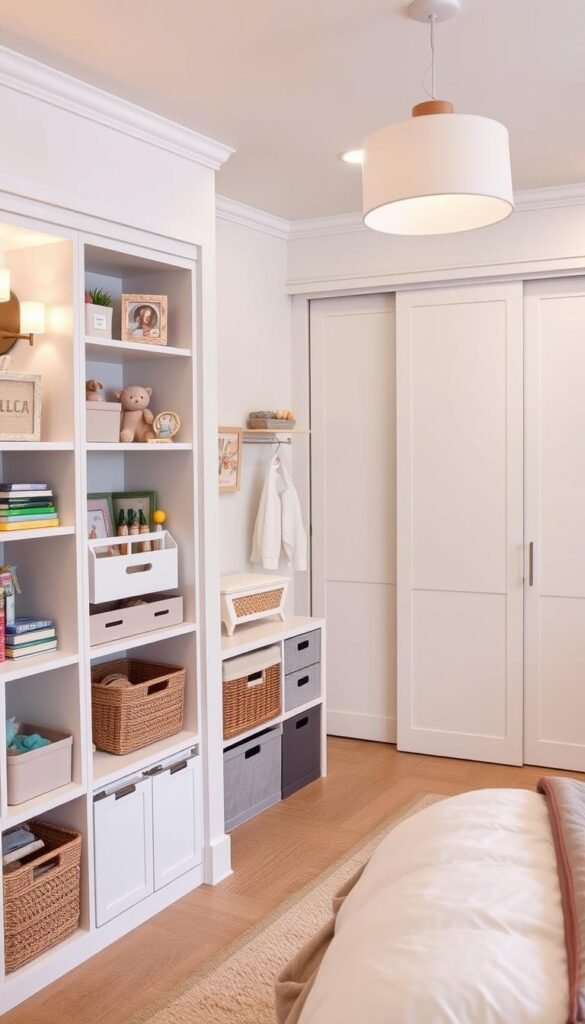
Keeping your child’s room organized becomes easier with the right approach. Smart storage creates calm environments where everything has its place.
Good systems help maintain order without constant effort. They make daily routines smoother and more enjoyable.
The key lies in choosing solutions that work today and tomorrow. Your investment pays off through years of changing needs.
Decluttering Strategies That Actually Work
Start by sorting through toys and books regularly. Remove items your child no longer uses or enjoys.
Create three simple categories: keep, donate, and discard. This method makes decisions straightforward and effective.
Involve your son in the process. He learns valuable organization skills while taking ownership of his space.
Schedule seasonal decluttering sessions. These regular reviews prevent accumulation of unused items.
“The secret of getting ahead is getting started. The secret of getting started is breaking your complex overwhelming tasks into small manageable tasks, and then starting on the first one.”
Use clear bins for easy visibility of contents. Labels help everyone remember where things belong.
Rotate toys to maintain interest without overcrowding. Store some items and bring them out later for fresh excitement.
Functional Storage That Grows With Your Boy
Choose pieces that serve multiple purposes over time. A toy chest today can become a blanket storage tomorrow.
Low bookcases under windows maximize unused areas. They provide accessible storage while maintaining open feel.
Shelving around the bed creates cozy nooks. It reinforces the bed’s role as the room’s focal point.
Consider these adaptable storage solutions that work through different ages:
| Storage Type | Current Use | Future Adaptation | Best Placement |
|---|---|---|---|
| Cubby Systems | Toy organization | Book storage, display shelves | Along walls, near play areas |
| Under-Bed Drawers | Stuffed animals, blankets | Seasonal clothing, memorabilia | Under bed frame |
| Wall Shelves | Favorite toys, awards | Books, collectibles, photos | Above desk, beside bed |
| Multi-Drawer Units | Small toy categories | School supplies, art materials | In closet, near workspace |
Vertical storage maximizes floor space effectively. Tall units draw the eye upward while keeping things accessible.
Open and closed storage combinations work best. Display special items while hiding clutter behind doors.
Quality materials ensure furniture lasts through active use. Solid wood construction withstands years of changing purposes.
Encourage independence with easy-access solutions. Your child can maintain organization himself when systems work well.
The right storage creates functional spaces that adapt beautifully. It supports your son’s growth while keeping his room orderly and welcoming.
Creating Functional Zones Within the Room
Smart room organization creates distinct areas for different daily activities while maintaining a cohesive look. This approach helps your child transition smoothly between homework, play, and relaxation.
Defined zones make the room work harder without feeling crowded. They create natural boundaries that support various functions throughout the day.
Consider how your son currently uses his personal space. Think about his daily routines and how they might change over time.
Good zoning maintains visual harmony while serving practical needs. It creates a balanced environment that feels both organized and inviting.
Designing the Perfect Study Space
Choose a quiet corner with minimal distractions for homework activities. Natural light works best for reducing eye strain during study sessions.
Install a comfortable desk at the proper height for your child’s current size. Adjustable chairs support good posture as he grows.
Proper lighting prevents headaches and improves concentration. Combine overhead lighting with a focused desk lamp for optimal illumination.
Organization systems keep supplies within easy reach. Use drawer dividers, pencil cups, and shelf organizers to maintain order.
Personal touches make the area more inviting. Add a bulletin board for schedules or a small plant for freshness.
Transforming Play Areas into Lounge Spaces
As children grow, their play needs evolve into social gathering spots. Convert former toy areas into comfortable seating arrangements.
Floor cushions and bean bags create flexible seating for friends. They can be easily rearranged for different group sizes.
Swap toy storage for media consoles or book displays. This transition supports new interests like reading or video games.
Define the lounge area with a soft rug under seating arrangements. This creates visual separation from other zones.
Include side tables for drinks and snacks during hangouts. Choose sturdy pieces that can handle active use.
Good zoning creates a room that adapts to changing social needs. It provides comfortable spaces for both solitary activities and group gatherings.
Incorporating Personal Interests Without Overdoing It
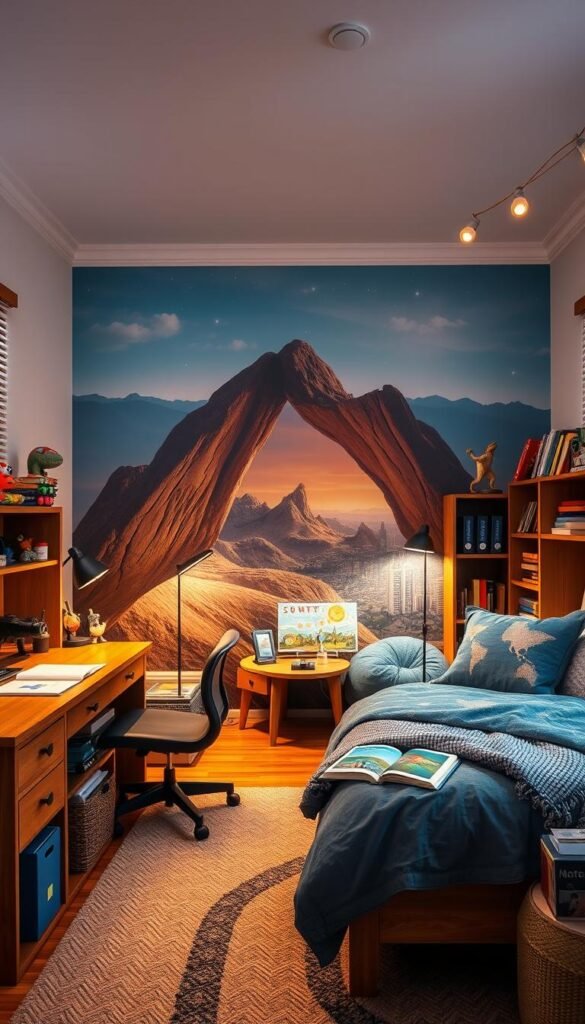
Personalizing your child’s space shows you value their unique personality. The challenge lies in balancing self-expression with design that lasts.
Avoid committing to themes that might feel outdated in a year. Instead, focus on flexible elements that celebrate current passions.
This approach creates rooms that feel special today while remaining adaptable tomorrow. You honor your child’s interests without permanent decoration.
The best spaces grow and change along with their occupants. They tell a story of development through carefully chosen details.
Subtle Nods to Hobbies and Passions
Start by identifying your child’s main interests right now. Choose one or two to highlight through thoughtful design elements.
Color schemes offer excellent ways to reference themes subtly. Navy and red might suggest sports without literal team logos.
Artwork provides another flexible option for personal expression. Framed posters of favorite subjects add personality easily.
Create dedicated display areas for special collections or achievements. Floating shelves work perfectly for rotating treasured items.
Incorporate educational elements that reflect personal passions. Maps, scientific charts, or historical timelines add character.
Memory walls can grow and evolve over many years. They document personal milestones while adding visual interest.
Flexible Decor That Can Evolve Over Time
Choose accessories that suit current interests but remain versatile. Neutral bases with colorful accents work beautifully.
Bedding offers an easy way to incorporate themes temporarily. Patterned sheets and comforters change with minimal expense.
Rotating artwork keeps spaces feeling fresh and current. Swap out posters or prints as interests naturally evolve.
Storage solutions can reflect personalities while serving practical needs. Colorful bins or themed bookends add fun touches.
Involve your child in selecting decor elements they love. This creates ownership while teaching design decision skills.
Balance personal expression with overall design cohesion. Too many competing elements create visual chaos.
| Decor Element | Current Use | Future Adaptation | Cost Level |
|---|---|---|---|
| Throw Pillows | Theme colors/patterns | Neutral replacements | Low |
| Wall Art | Interest-based posters | Mature artwork | Medium |
| Area Rugs | Patterned designs | Solid colors | Medium |
| Bedding Sets | Themed patterns | Solid colors | Medium |
| Display Shelves | Toy collections | Books, awards | High |
This approach creates rooms that feel personally meaningful today. They remain ready for tomorrow’s new interests and passions.
The right balance makes spaces feel both special and adaptable. Your child’s room becomes a true reflection of their developing self.
Wall Treatments That Make a Statement
Your child’s walls offer a fantastic opportunity to add character and style. These surfaces can transform ordinary spaces into extraordinary personal retreats.
The right treatments create visual interest while serving practical purposes. They define spaces and establish mood throughout the room.
Consider how different options work with your existing decor. Balance bold statements with timeless elements for lasting appeal.
Many treatments can be updated easily as tastes change. This flexibility makes them perfect for growing spaces.
Feature Walls with Paneling and Board and Batten
Paneling adds wonderful texture and depth to any space. It creates architectural interest where none existed before.
Board and batten installations work beautifully in personal spaces. They add vertical lines that make rooms feel taller.
Full-height applications create dramatic statements from floor to ceiling. This approach works particularly well in rooms with standard ceiling heights.
Half-wall treatments offer a more traditional look. They protect lower sections from everyday wear and tear.
These installations add substantial character without overwhelming. They provide excellent backdrops for furniture and decor.
Consider these popular paneling styles for your project:
| Style | Height Coverage | Best For | Installation Complexity |
|---|---|---|---|
| Full Height Board and Batten | Floor to ceiling | Creating dramatic vertical emphasis | Moderate |
| Wainscoting | Lower third of wall | Traditional protection and style | Moderate |
| Picture Frame Paneling | Varied sections | Adding geometric interest | Advanced |
| Shiplap | Full or partial coverage | Creating horizontal texture | Moderate |
These treatments work with various paint colors and finishes. They add dimension while maintaining flexibility.
Proper installation ensures long-lasting beauty and function. Consider professional help for complex patterns.
Wallpaper and Murals for Personality
Wallpaper offers incredible pattern options for personal expression. Today’s varieties are easier to install and remove than ever before.
Feature walls with bold patterns create fantastic focal points. They draw attention without overwhelming the entire space.
Murals can transform ordinary walls into extraordinary scenes. Choose designs that reflect current interests without permanent commitment.
Many modern options use peel-and-stick technology. This allows for easy changes as tastes evolve over time.
Consider these factors when selecting wall coverings:
- Scale patterns appropriately for your room size
- Test samples in different lighting conditions
- Prepare surfaces properly for best adhesion
- Calculate quantities accurately to avoid waste
These treatments can be combined with other wall finishes. They work beautifully with painted sections or paneling.
The right choice adds personality while maintaining adaptability. Your space feels uniquely personal yet ready for future changes.
Lighting That Sets the Right Mood
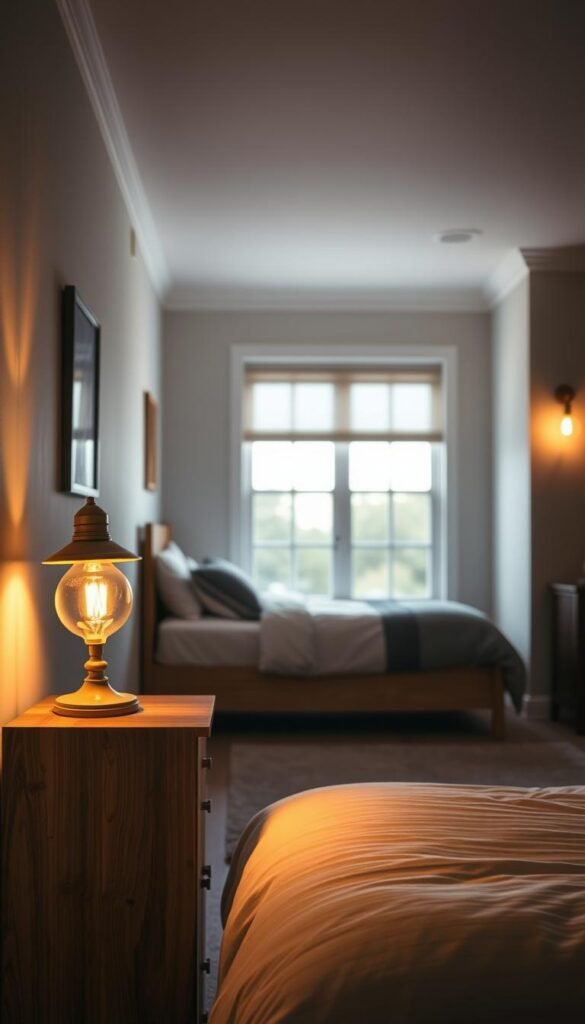
Lighting transforms your child’s space from functional to magical with the right approach. The perfect plan addresses different needs throughout the day and night.
Think about how your son uses his room for various activities. Each requires specific lighting solutions that support the task at hand.
Industrial vintage elements like cage light fixtures add character while providing excellent illumination. Rustic industrial pipe shelving around the bed creates enclosed coziness with built-in lighting opportunities.
Layered lighting schemes work best for multifunctional spaces. They combine different light sources for optimal results.
Functional Lighting for Study and Reading
Task lighting prevents eye strain during homework and reading sessions. Position lights to avoid glare on books or computer screens.
Adjustable desk lamps offer focused illumination where needed most. Choose models with flexible necks for precise positioning.
Consider the color temperature for study areas. Cool white light (4000-5000K) promotes alertness and concentration.
Proper placement ensures shadows don’t fall across work surfaces. Position lights opposite the writing hand to prevent obstructions.
LED options provide energy-efficient solutions that reduce electricity costs. They generate less heat than traditional bulbs for safer operation.
Ambient Lighting for Relaxation
Soft, warm lighting creates calming atmospheres for downtime. Choose bulbs around 2700-3000K for cozy evening environments.
Dimmer switches allow adjustable brightness for different moods. They provide flexibility from bright playtime to soft bedtime lighting.
Overhead fixtures with multiple bulbs offer balanced room illumination. Combine with lamps for layered lighting effects.
Smart lighting systems enable remote control and programming. Set schedules for different times of day and activities.
Safety remains crucial in children’s spaces. Choose fixtures with secure mounting and cool-to-touch surfaces.
Consider these lighting solutions for different room functions:
| Activity | Light Type | Color Temperature | Placement Tips |
|---|---|---|---|
| Homework | Task lamp | 4000-5000K | Left side for right-handed users |
| Reading | Adjustable floor lamp | 3500-4500K | Behind shoulder position |
| Play | Overhead lighting | 3000-4000K | Even distribution throughout room |
| Sleep preparation | Dimmable fixtures | 2700-3000K | Multiple low-level sources |
Decorative lighting adds personality while serving practical purposes. String lights, night lights, and themed lamps reflect personal interests without permanent commitment.
The right lighting plan accommodates different times and activities seamlessly. It creates a space that supports both productivity and relaxation perfectly.
Furniture Mix: Blending Old and New
Creating a room with character means mixing different furniture styles and eras. This approach adds depth and personality to your child’s space while honoring family history.
Combining vintage finds with modern pieces creates unique environments. These spaces tell stories through their furnishings and decorations.
Many families have special pieces that travel through generations. These items carry memories and create connections between past and present.
JB’s family brought nightstands and a dresser from Germany during military service. These pieces moved across the country before finding their current home.
Now they add European charm to his children’s personal spaces. This blending creates rooms full of history and meaning.
Incorporating Heirloom and Thrifted Pieces
Family heirlooms bring wonderful stories into your home. They connect your child to their heritage in meaningful ways.
Look for quality construction when selecting vintage items. Solid wood pieces often withstand years of use beautifully.
Thrift stores offer fantastic opportunities for unique finds. You can discover one-of-a-kind items with plenty of character.
Consider these strategies for blending older furniture successfully:
- Choose pieces with similar proportions to your modern furniture
- Use consistent hardware throughout the room for cohesion
- Paint or stain older pieces to match your color scheme
- Mix wood tones intentionally rather than accidentally
Sentimental items deserve special placement in the room. They become focal points that spark conversations about family history.
Older furniture often features superior craftsmanship. These pieces were built to last through generations of use.
Selecting New Furniture for Longevity
New furniture should complement rather than compete with vintage pieces. Choose simple designs that won’t date quickly.
Look for quality construction in contemporary items too. Solid materials and good joinery ensure long-term durability.
Neutral styles work best when mixing with older furniture. They provide a blank canvas for more decorative vintage pieces.
Consider these factors when evaluating new furniture options:
| Feature | What to Look For | Why It Matters |
|---|---|---|
| Material Quality | Solid wood, metal, or quality composites | Ensures durability through years of use |
| Construction | Dovetail joints, reinforced corners, sturdy hardware | Prevents wobbling and extends furniture life |
| Finish Quality | Smooth, even coverage, scratch-resistant surfaces | Maintains appearance despite active use |
| Design Flexibility | Simple lines, neutral colors, adaptable style | Works with various decor styles over time |
Investment pieces should offer both style and function. They become the foundation that supports your room’s design.
Balance expensive items with more affordable options. This approach creates a layered look without breaking your budget.
New furniture should feel cohesive with your vintage finds. The overall look should appear intentional rather than accidental.
Proper care maintains all your furniture beautifully. Regular cleaning and occasional maintenance keep everything looking its best.
This mixed approach creates spaces full of personality and history. Your child’s room becomes truly unique through thoughtful furniture selection.
Creating Cozy Reading Nooks and Relaxation Spaces
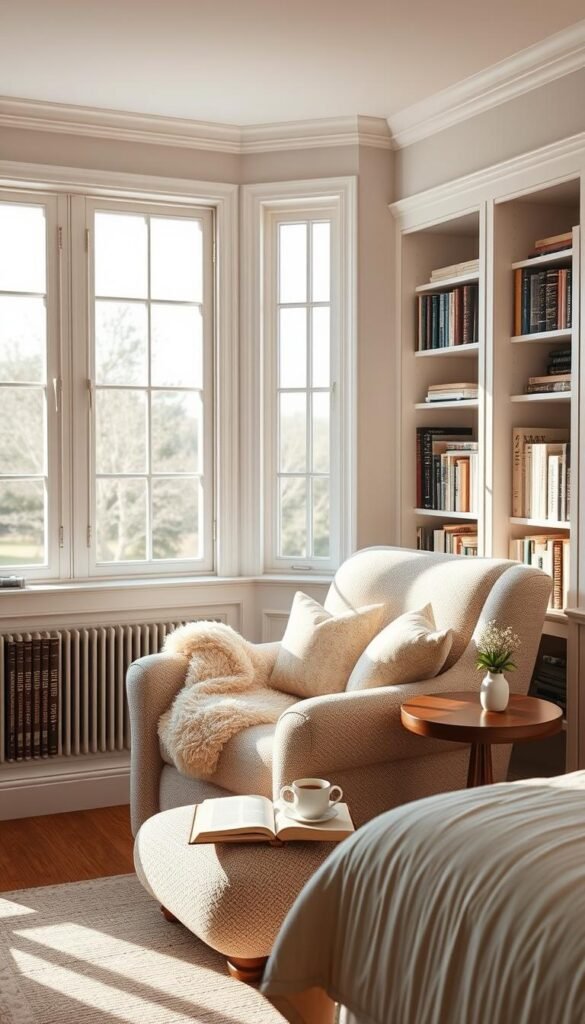
Every child deserves a special spot just for quiet time and imagination. A dedicated reading area transforms unused space into a magical retreat. This personal corner becomes a favorite place for adventures through books.
You can create these inviting spaces without major renovations. Simple additions make big impacts on daily life. The right setup encourages both reading and relaxation.
Utilizing Corners and Empty Spaces
Look around your child’s room for underused areas. Corners often become perfect spots for reading nooks. These spaces naturally feel cozy and protected.
Consider removing built-in cabinets if they feel too permanent. Open space offers more flexibility for creative solutions. You might find wonderful vintage pieces that add character.
John’s room transformation shows how this works beautifully. After removing built-ins, a bamboo bookshelf created the perfect foundation. This change brought new life to an empty corner.
Create secluded areas within larger rooms using simple dividers. Bookshelves can separate spaces while providing storage. This approach maintains open feel while defining zones.
Position reading nooks near natural light sources when possible. Windows provide excellent illumination for reading. Sheer curtains soften harsh sunlight beautifully.
Consider these space-saving solutions for reading areas:
- Floating shelves for book display without floor space
- Corner desks that provide surface area in tight spaces
- Window seats that utilize often-wasted area
- Under-stair spaces for truly unique reading spots
Comfortable Seating Options for All Ages
The right chair makes all the difference in reading enjoyment. Choose options that support proper posture while feeling inviting. Comfort keeps children engaged with books longer.
Traditional chairs like the one from The Inside offer timeless style. Their classic design works through different growth stages. Quality construction ensures years of use.
Consider size and scale when selecting seating. Children need chairs that fit their current proportions. Adjustable options grow along with your child.
Texture and fabric choices enhance comfort significantly. Soft materials invite snuggling up with good books. Durable fabrics withstand active use beautifully.
Multiple seating options accommodate different reading preferences. Some children prefer floor cushions while others like proper chairs. Offering choices encourages more reading time.
Storage solutions can double as seating components. Ottomans with hidden compartments work perfectly. They provide places to sit while organizing books.
Proper lighting completes any reading area. Adjustable lamps direct light where needed most. Warm lighting creates inviting atmospheres for relaxation.
Personal elements make spaces feel truly special. Let your child choose some decor items themselves. This ownership increases their connection to the reading nook.
Versatile nooks can serve multiple purposes throughout the day. The same space might host reading, homework, or quiet play. Smart design maximizes every square foot.
Theme-Based Bedroom Ideas That Actually Last
The best themed rooms grow with your child rather than locking them into a specific look. Smart approaches create spaces that feel personal today while remaining adaptable tomorrow.
These designs celebrate current passions without permanent commitment. They use flexible elements that can evolve as interests change naturally.
Great themes suggest rather than declare specific interests. They create atmosphere through color, texture, and thoughtful details.
Adventure and Outdoor Themes
Nature-inspired spaces work beautifully for active kids. They create calming environments that connect with outdoor passions.
One family chose a moody forest feel for their son who loves mountain biking. Deep greens and wood tones suggested adventure without literal bike decorations.
Another child received a surf-style makeover with a wave wall mural. This created beach vibes while maintaining a sophisticated look.
Consider these elements for outdoor-themed spaces:
- Natural color palettes with greens, blues, and earth tones
- Textured elements like wood grain and stone patterns
- Nature-inspired artwork rather than specific activity posters
- Organic materials in furniture and accessories
These approaches create rooms that feel adventurous without dating quickly. They work for various outdoor interests over time.
Sports-Themed Rooms Done Right
Athletic themes often become too literal with team logos and equipment. Sophisticated approaches focus on energy and movement instead.
Use color schemes that suggest athleticism without specific references. Bold reds and blues create energetic spaces that work for various sports.
Display equipment as functional art rather than decoration. A well-organized gear wall becomes both practical and thematic.
Framed action photography adds personality without commitment. These pieces feel more artistic than typical posters.
Consider these sports theme strategies:
| Element | Sophisticated Approach | Why It Works |
|---|---|---|
| Colors | Team colors used subtly in accessories | Suggest affiliation without overwhelming |
| Storage | Equipment displayed as organized collection | Functional while reflecting interests |
| Artwork | Action photography in quality frames | Adds maturity to athletic themes |
| Textiles | Patterned bedding with geometric designs | Suggests movement without logos |
This approach creates rooms that celebrate athletic passions. They maintain sophistication while feeling personally meaningful.
Historical and Educational Themes
Learning-focused themes inspire curiosity while growing with knowledge. They create environments that support educational development.
John’s Revolutionary War interest inspired his room’s design. Maps and historical prints added character without locking into one era.
Wesley’s Minecraft passion influenced his green color scheme. This subtle nod celebrated his interest while maintaining flexibility.
Educational elements can evolve as understanding deepens. Simple maps might become detailed historical timelines over time.
Consider these educational theme ideas:
- Wall treatments that suggest learning without being specific
- Display shelves for rotating collections and projects
- Quality reproductions of historical documents or artwork
- Globes and maps that serve both decorative and educational purposes
These spaces encourage curiosity while adapting to growing knowledge. They support learning without feeling like classrooms.
The best themes reflect your child’s unique personality. They create special spaces that feel both personal and adaptable.
Practical Tips for a Successful Bedroom Update
Creating a special space for your child involves smart planning and thoughtful execution. The right approach makes the process enjoyable while delivering lasting results. Focus on foundational elements that establish the room’s character and function.
Begin with major decisions that shape the entire space. These choices create the framework for all other elements. This strategy ensures a cohesive look that grows beautifully over time.
Quality investments pay off through years of daily use. They provide both immediate satisfaction and long-term value. Your careful planning today creates a space your child will enjoy for many years.
Starting with Big Ticket Items First
Focus your initial efforts on significant pieces that define the room. These include the bed, storage solutions, and major furniture items. These elements establish the room’s layout and overall aesthetic.
High-quality foundational pieces offer better durability and longevity. They withstand active use while maintaining their appearance. This approach creates a solid base that supports various decor styles.
Consider these key investments for your project:
- Bed frame: Choose timeless designs that work through different growth stages
- Dresser and storage: Select pieces with ample space and durable construction
- Desk: Invest in a quality workspace that supports study habits
- Lighting fixtures: Choose classic designs that provide both function and style
These major items determine how the room functions daily. They create the foundation for all other design decisions. Quality pieces maintain their value and appeal over plenty of time.
Mixing Textures for Visual Interest
Layered textures add depth and personality to any space. They create visual interest without overwhelming the design. This approach makes rooms feel more inviting and complete.
Combine different materials for a rich, layered effect. Wood, metal, fabric, and natural elements work beautifully together. These combinations create spaces that feel both curated and comfortable.
Consider these texture combinations for your design:
| Material | Best Uses | Pairing Suggestions |
|---|---|---|
| Natural Wood | Furniture frames, shelving, accent pieces | Soft textiles, metallic accents |
| Textured Fabrics | Bedding, curtains, throw pillows | Smooth surfaces, natural materials |
| Metallic Elements | Light fixtures, hardware, decorative items | Wood tones, neutral backgrounds |
| Woven Items | Rugs, baskets, wall hangings | Solid colors, smooth surfaces |
This layered approach creates spaces that feel both designed and lived-in. It adds character while maintaining flexibility for future changes.
Planning for Resale Value of Outgrown Items
Quality furniture maintains its value through years of use. This makes reselling items much easier when needs change. Well-made pieces attract buyers looking for durable solutions.
Timeless designs have broader appeal than trendy options. They work with various decor styles and room configurations. This increases their resale potential when the time comes.
Proper maintenance preserves both function and appearance. Regular cleaning and minor repairs keep items looking their best. This care pays off when you’re ready to sell or repurpose pieces.
Consider these factors for maintaining resale value:
- Choose neutral colors that appeal to various tastes
- Select classic designs rather than trendy styles
- Keep original packaging and assembly instructions
- Document purchase dates and care information
“Good design is finding that perfect balance between making a statement and being timeless.”
This forward-thinking approach makes room updates more sustainable. It reduces waste while providing quality items for other families. Your investment continues providing value even after your child outgrows it.
Patience plays a crucial role in creating the perfect space. The right pieces often require time to find. Allow yourself the flexibility to build the room gradually rather than rushing the process.
For more inspiration on creating spaces that grow with your child, explore these timeless design ideas. They offer plenty of creative solutions that work through different stages.
Real Room Makeovers: Inspiration That Works
Seeing actual transformations can spark your best ideas. These real examples show how families created special spaces that reflect their children’s passions.
Each room balances personal interests with smart design choices. They demonstrate how themes can work without becoming too limiting.
These spaces use color, texture, and thoughtful details to create atmosphere. They show how to incorporate hobbies while maintaining flexibility.
You’ll discover practical approaches that any family can adapt. These ideas work with various room sizes and budgets.
Moody Forest Theme for Outdoor Enthusiasts
One family created a nature-inspired retreat for their mountain biking son. They used deep greens and natural materials to suggest adventure.
The color palette features Benjamin Moore’s Hunter Green on accent walls. Lighter sage tones balance the darker shades throughout the space.
Natural wood elements bring warmth and texture to the room. A live-edge shelf displays rocks and pinecones collected on family hikes.
Textured bedding with leaf patterns adds subtle nature references. This avoids literal decorations that might feel dated later.
The room includes functional storage for biking gear. A wall-mounted rack organizes helmets and pads while adding to the theme.
Americana Style for History Buffs
John’s passion for Revolutionary War history inspired his colonial-style space. His family’s older home provided the perfect architectural foundation.
They used classic red, white, and blue in sophisticated ways. Navy accent walls work with crisp white trim throughout the room.
Historical maps and documents appear in quality frames above the desk. These educational elements add character without being childish.
A wooden toy chest from grandparents holds special collections. This heirloom piece connects past and present beautifully.
The room feels both personal and timeless through these choices. It celebrates history while remaining adaptable for future interests.
Modern Minimalist for Clean-Lined Lovers
Wesley’s Minecraft interest inspired a green color scheme with clean lines. His room focuses on function with hidden storage and simple furniture.
Sherwin Williams’ Evergreen Fog creates a soothing backdrop. This versatile green works with both light and dark accents.
Floating shelves display a few special items without clutter. This approach keeps surfaces clear and easy to maintain.
Built-in drawers under the bed provide hidden organization. They keep the room looking neat while offering plenty of storage.
The minimalist approach creates a calm environment for play and rest. It proves that simple can still feel special and personal.
These real examples show how to balance theme with practicality. They create rooms that feel uniquely personal yet ready for change.
Your child’s space can reflect their passions without permanent commitment. Thoughtful choices make rooms special today and adaptable tomorrow.
Your Roadmap to Creating a Bedroom He’ll Love for Years
You now have all the tools to build a special place that grows with your child. This journey combines smart planning with personal touches.
Remember to focus on flexible foundations first. Choose quality furniture and neutral colors that adapt over time. This approach saves money and effort later.
Involve your son in decisions while keeping practical needs in mind. Balance his current interests with designs that will last. This creates a space that truly reflects his personality.
Your efforts will create lasting memories and a comfortable retreat. This personal area will support his dreams and daily life for years to come.
Start your transformation today with confidence. You can create a room your child will cherish through all his growing years.