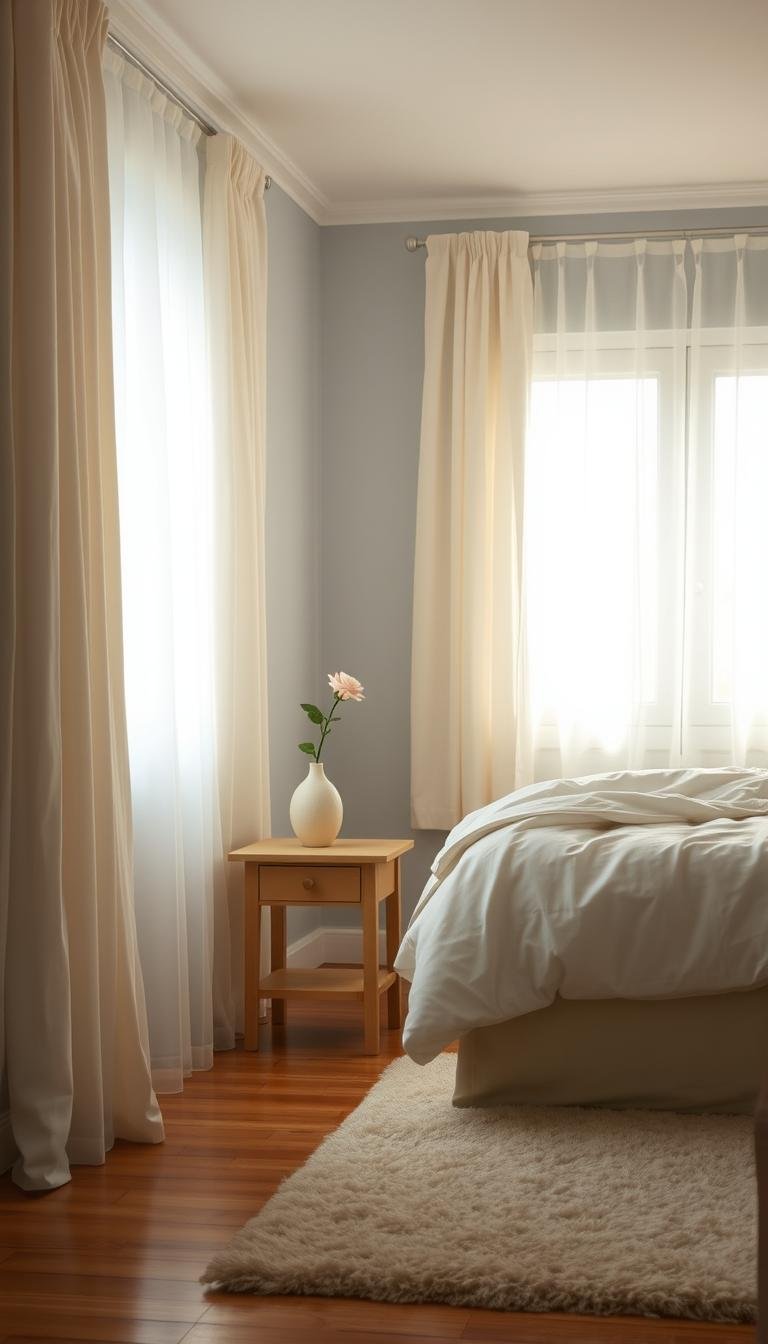
Welcome to your guide on crafting the perfect peaceful atmosphere at home. The right color palette can turn your living areas into personal retreats.
Discover how different shades affect mood and energy in your space. You’ll learn which tones promote relaxation and which add subtle energy.
This article explores versatile schemes for bedrooms, living areas, and beyond. We focus on creating harmony throughout your entire home.
Get ready to transform your environment with simple, effective changes. Your journey toward a more inviting and beautifully designed home starts here.
Why Your Room’s Color Palette Matters for Your Mood
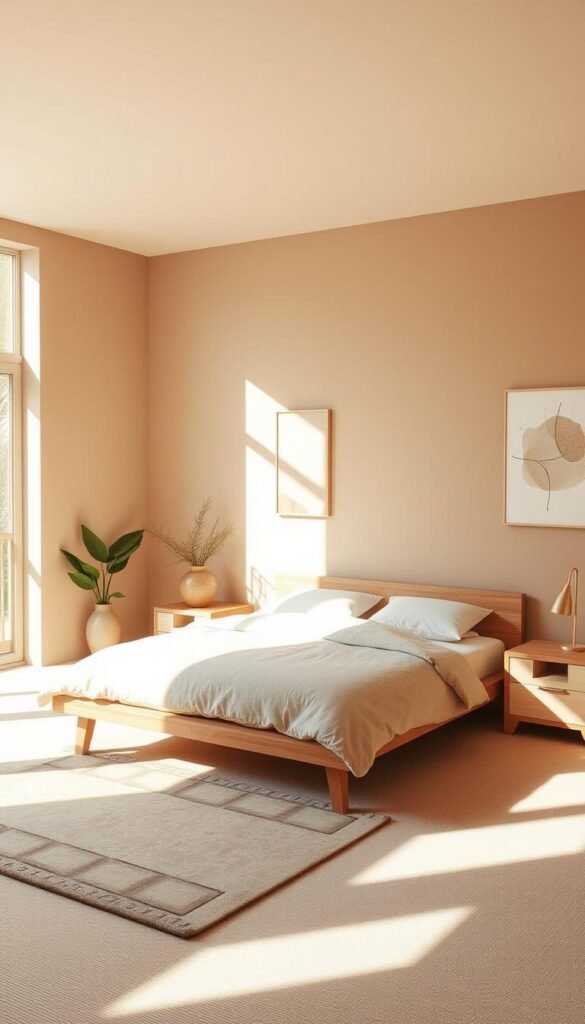
Have you ever considered how the shades in your home directly influence your feelings and energy levels? Your chosen color palette creates an emotional backdrop for your daily life.
Different hues trigger specific psychological responses. Warm tones can energize your morning routine while cool shades help you unwind at night.
Professional designers understand this powerful connection. They use color psychology to craft specific atmospheres throughout residential spaces.
Your living environment affects more than just aesthetics. The right colors can make small areas feel more spacious or create cozy intimacy in larger rooms.
Temperature perception shifts with different palettes. Warm tones generate cozy feelings while cool shades offer refreshing vibes.
Consistency matters throughout your home. A harmonious palette creates flow between different living areas.
Seasonal changes impact how colors affect your mood. Choosing versatile shades ensures year-round comfort in your space.
Your overall wellbeing connects to your surroundings. Investing time in selecting the perfect color palette ranks among the most important design decisions for your home.
The emotional impact of your room colors extends beyond decoration. It shapes your daily experience and long-term contentment in your living space.
Understanding Color Psychology: How Hues Influence Your Space
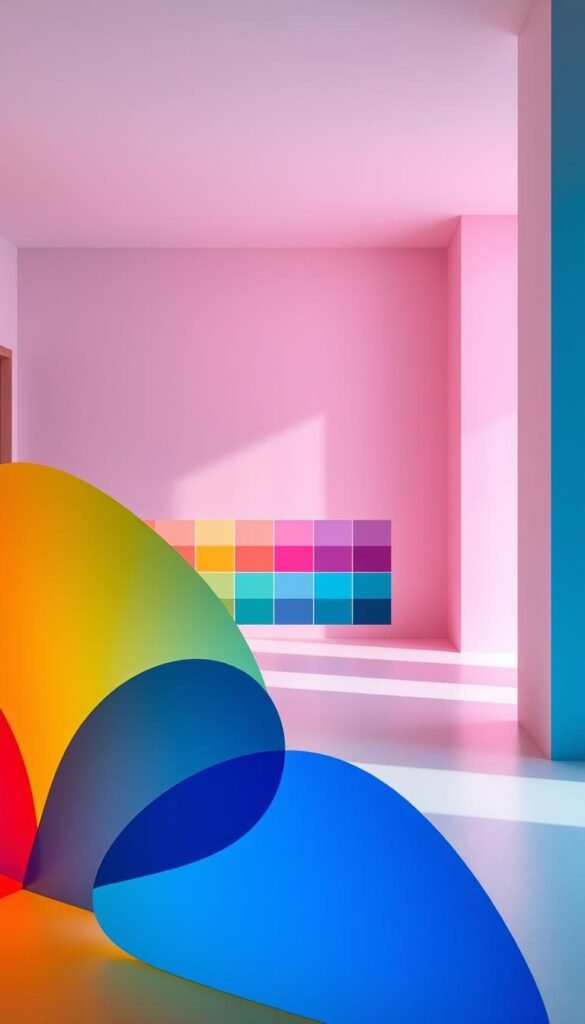
Your living environment speaks to you through color, with each hue carrying its own emotional vocabulary. The psychology behind different tones reveals why certain colors calm you while others energize your spirit.
Scientific research shows that light wavelengths affect brain chemistry differently. Cooler hues tend to slow heart rates while warmer ones can increase energy levels.
“Color is a power which directly influences the soul.”
Your personal experiences also shape how you respond to different shades. A color that feels peaceful to one person might trigger different emotions for another.
| Color Temperature | Psychological Effect | Best Room Applications | Example Shades |
|---|---|---|---|
| Cool Tones | Calming, relaxing, serene | Bedrooms, bathrooms, meditation spaces | Sky blue, sage green, lavender |
| Warm Tones | Energizing, inviting, cheerful | Living areas, kitchens, entryways | Terracotta, golden yellow, coral |
The Calming Effect of Cool Tones
Cool colors like blues and greens create peaceful environments. They mimic natural elements like water and sky that humans find inherently relaxing.
These tones work beautifully in spaces meant for rest and recovery. Many people find that blue and green shades help lower stress levels after long days.
Lighter cool hues make rooms feel more spacious and airy. Darker versions create cozy, intimate atmospheres perfect for winding down.
The Energizing Nature of Warm Tones
Warm colors stimulate conversation and activity. Reds, oranges, and yellows naturally draw people together and encourage interaction.
These vibrant shades work well in social areas where you want to create welcoming vibes. They make large rooms feel more intimate and inviting.
The saturation level dramatically affects the energy of warm tones. Muted versions offer subtle warmth while bright ones create exciting atmospheres.
Cultural associations add another layer to color psychology. In Western cultures, red often signals passion and energy, while in Eastern traditions it represents luck and prosperity.
Experiment with combining cool and warm elements in your palette. This balance creates spaces that feel both energizing and relaxing throughout the day.
16 Soothing Color Ideas to Transform Your Bedroom
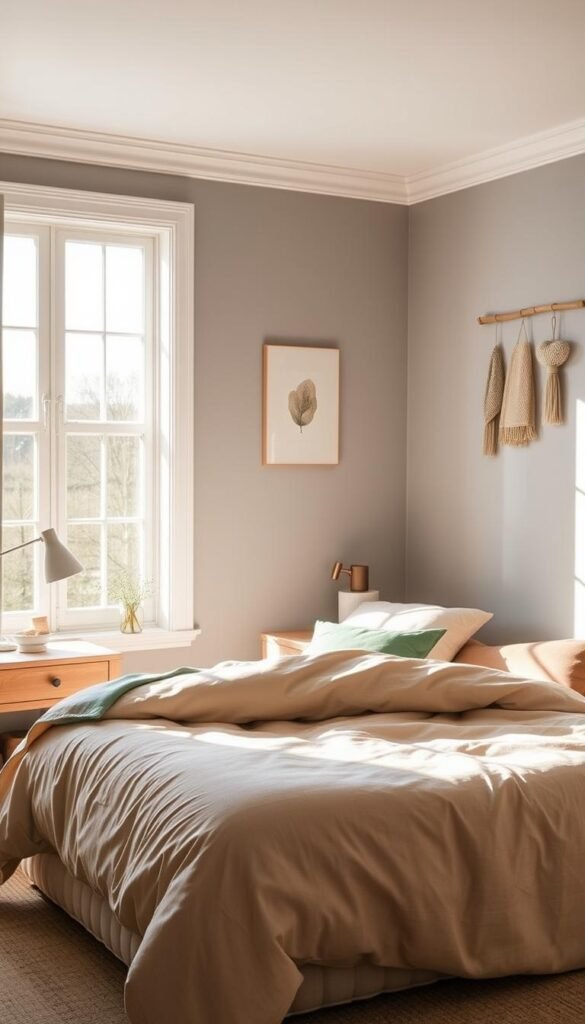
Your sleeping space deserves special attention when selecting hues. These professional recommendations help create restful environments that support relaxation.
Each suggestion comes from real design projects with proven results. You’ll find options for various tastes and lighting conditions.
Warm Taupe
Designer Alison Giese created luxurious hotel-like serenity using warm taupe walls. She balanced masculine and feminine patterns throughout the space.
Hot Pink
Jenna Gross of Colordrunk Designs chose Pink Starburst by Benjamin Moore. This vibrant selection makes a bold statement in guest sleeping areas.
Mustard Yellow
Amber Guyton of Blessed Little Bungalow used warm gold tones. She notes that “yellow exudes joy” and pairs beautifully with rainbow shades.
Steely Gray
Allison Willson selected Piedmont Gray by Benjamin Moore for color drenching. This approach creates cohesive spaces without visual busyness.
Foggy Red
Krysta Gibbons used Benjamin Moore’s Cedar Ridge for her daughter’s room. She paired it with Hickory Stick in the bed niche for soft contrast.
Mid-tone Gray
Gibbons also used Benjamin Moore’s Adagio blue-gray in her primary sleeping area. Rust accents and layered textures create sophisticated serenity.
Mahogany
Lindsay Rhodes chose Farrow & Ball’s Mahogany for a sleeping nook. Rich brownish-red tones maintain serenity while allowing playful green and yellow cabana stripes.
Mauvey Beige
Kristen Peña selected a warm neutral that reads slightly pink in sunlight. This versatile warmth shifts subtly with changing light conditions.
Butter Yellow
Adam Ben Wagner used custom buttery-yellow plaster in a California sleeping area. This choice emphasizes natural light and creates sanctuary spaces.
Pink and Brown
Kim-Joy Hewlett used contrasting pink and chocolate brown stripes instead of a headboard. Neutral drapery and lighting create playful yet softened palettes.
Blue-Black
Breegan Jane selected a dark blue-black hue for her son’s sleeping area. Graffiti-style blue art brightens the space for balanced sophistication.
Lively Green
Kelly Hurliman used Benjamin Moore’s Herb Garden for picture frame molding. This forest green with yellow undertones creates visual transitions between wall treatments.
Chartreuse
French & French applied chartreuse on millwork and ceiling. Soft blue and white wallpaper balances this lively blend of yellow brightness and green natural tones.
Peachy Pink
French & French also used orangey-pink with vibrant darker hues. A ceiling mural band adds sophisticated air to this universally flattering warmth.
Muted Green
Minnette Jackson chose Sherwin-Williams Sea Salt for her primary sleeping area. This watery blue-green creates serene, treehouse-like environments perfect for light-filled spaces.
Warm White
Jackson also used Farrow & Ball Pointing in a guest sleeping area. This warm soft white serves as a versatile neutral backdrop that connects rooms through earthy elements.
| Color Selection | Designer | Brand/Shade Name | Best For |
|---|---|---|---|
| Warm Taupe | Alison Giese | Custom blend | Luxurious primary spaces |
| Hot Pink | Jenna Gross | Benjamin Moore Pink Starburst | Guest room statements |
| Mustard Yellow | Amber Guyton | Warm gold tones | Joyful atmospheres |
| Steely Gray | Allison Willson | Benjamin Moore Piedmont Gray | Color-drenched cohesion |
| Foggy Red | Krysta Gibbons | Benjamin Moore Cedar Ridge | Soft contrast spaces |
| Mid-tone Gray | Krysta Gibbons | Benjamin Moore Adagio | Sophisticated serenity |
| Mahogany | Lindsay Rhodes | Farrow & Ball Mahogany | Accent-friendly spaces |
| Mauvey Beige | Kristen Peña | Custom warm neutral | Light-responsive rooms |
| Butter Yellow | Adam Ben Wagner | Custom plaster | Light-enhanced sanctuaries |
| Pink and Brown | Kim-Joy Hewlett | Contrasting stripes | Playful guest rooms |
| Blue-Black | Breegan Jane | Dark blue-black | Art-enhanced spaces |
| Lively Green | Kelly Hurliman | Benjamin Moore Herb Garden | Transition areas |
| Chartreuse | French & French | Chartreuse | Balanced millwork |
| Peachy Pink | French & French | Orangey-pink | Sophisticated warmth |
| Muted Green | Minnette Jackson | Sherwin-Williams Sea Salt | Light-filled serenity |
| Warm White | Minnette Jackson | Farrow & Ball Pointing | Versatile neutral backdrops |
Expanding Your Palette: Colors for the Living Room and Beyond
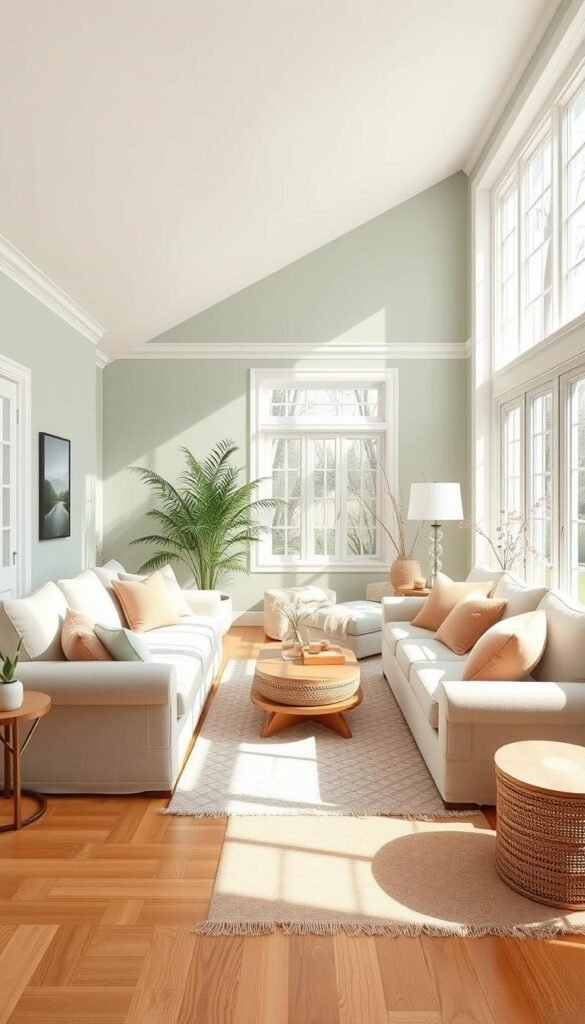
Your home’s social areas deserve thoughtful color consideration. These spaces welcome guests and host daily family activities.
Choosing the right palette creates harmony between private and public zones. Your selections should reflect both personal style and functional needs.
Living areas benefit from versatile color schemes. They transition beautifully from daytime activities to evening relaxation.
Consider how your chosen colors interact with natural light. North-facing rooms work well with warmer tones while south-facing spaces handle cooler shades.
Create visual flow between rooms using strategic color placement. Repeat one or two shades throughout different areas for cohesion.
Accent walls help define spaces without overwhelming the eye. They create focal points that guide movement through your home.
“The right color flow makes a home feel both expansive and intimate.”
Furniture selections interact dramatically with wall colors. Neutral upholstery provides flexibility for changing accent pieces.
Your overall design scheme should complement architectural features. Highlight interesting details with contrasting or complementary shades.
Test color transitions between rooms before final decisions. Paint large swatches on adjoining walls to observe how colors interact.
Consider how artificial lighting affects your palette after sunset. Warm bulbs enhance red and yellow tones while cool bulbs emphasize blues and greens.
| Room Type | Recommended Colors | Lighting Considerations | Furniture Pairings |
|---|---|---|---|
| Formal Living Space | Neutral grays, warm beiges | Even, ambient lighting | Rich wood tones, metallic accents |
| Family Gathering Area | Warm terracotta, soft green | Mixed task and ambient light | Comfortable textiles, natural materials |
| Open Concept Layout | Coordinated tone families | Zoned lighting plan | Consistent finish materials |
| Small Conversation Nook | Deep navy, warm cognac | Focused accent lighting | Intimate seating arrangements |
| Sun-filled Morning Room | Pale yellow, soft blue | Maximize natural light | Light-reflective surfaces |
Your interior color journey extends beyond single rooms. Thoughtful whole-home schemes create lasting satisfaction.
Remember that personal preference always guides final decisions. Your home should reflect your unique personality and lifestyle needs.
How to Choose the Perfect “Soft & Serene” Shade for Your Home
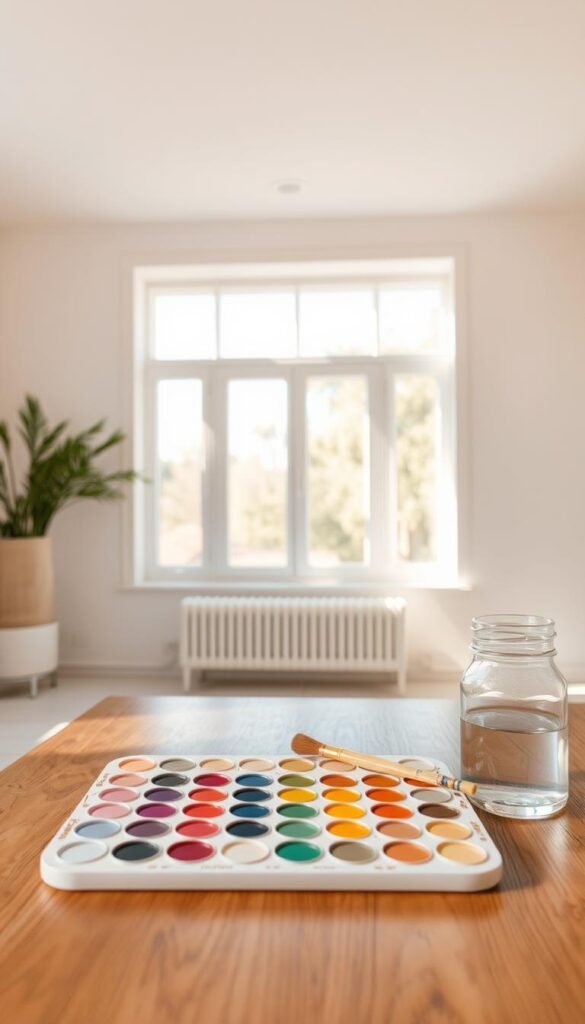
Finding your ideal calming shade involves more than just picking a pretty color from a swatch. The right selection transforms your living environment into a personal retreat that feels both inviting and peaceful.
Professional designers approach this process systematically. They consider multiple factors before finalizing any color decisions for your space.
Assessing Your Natural and Artificial Light
Light dramatically changes how colors appear throughout the day. North-facing rooms receive cool, indirect light that makes colors appear more muted.
South-facing spaces enjoy warm, direct sunlight that intensifies color saturation. East-facing rooms get bright morning light while west-facing areas capture golden afternoon glow.
Artificial lighting also affects your color scheme. Incandescent bulbs enhance warm tones while fluorescent lighting emphasizes cooler shades.
LED lights offer various color temperatures that can complement or contrast with your wall colors. Test your paint options under all lighting conditions you typically use.
Testing Paint Colors Before You Commit
Always sample colors directly on your walls rather than relying on small swatches. Paint at least two-foot square sections on different walls in the room.
Observe these test patches at various times throughout the day. Notice how morning, noon, and evening light changes the color’s appearance.
Create sample boards that include your wall color with trim and fabric samples. This helps you visualize how everything works together in your actual space.
Many paint companies offer small sample sizes for testing purposes. Some brands even provide peel-and-stick samples that eliminate mess.
Digital tools can help visualize colors in your room before purchasing. These apps use your phone’s camera to show approximate color effects.
Remember that colors look different on large surfaces versus small samples. The same shade that looks subtle on a swatch might feel overwhelming on four walls.
Finalize your decision only after living with test colors for several days. This ensures you make confident choices for your peaceful home environment.
Creating a Cohesive Whole-Home Color Scheme
Professional designers know that cohesive color schemes transform houses into unified homes. Your entire living environment benefits from thoughtful planning.
Start with a limited palette of three to five core shades. This creates harmony while allowing each room its unique character.
Transition spaces like hallways and staircases play crucial roles. They create seamless flow between different areas of your home.
Use accent colors consistently throughout your space. This creates visual connections that tie your interior together beautifully.
The 60-30-10 rule helps achieve balanced color distribution. Use 60% dominant color, 30% secondary shade, and 10% accent tone.
“A whole-home color scheme should tell your personal story while maintaining visual continuity.”
Architectural features influence your scheme decisions. Highlight interesting details with complementary colors.
Adapt your palette to different room sizes and functions. Larger spaces can handle deeper tones while smaller areas benefit from lighter shades.
Document your final color scheme for future reference. Keep paint codes and samples in a dedicated design folder.
This approach ensures easy touch-ups and renovations later. Your home maintains its cohesive look through years of living.
| Space Type | Color Strategy | Transition Technique |
|---|---|---|
| Open Floor Plans | Use consistent trim colors | Repeat accent shades in accessories |
| Separate Rooms | Vary intensity of same hue family | Use transitional artwork between spaces |
| Multi-Level Homes | Lighter tones upstairs, deeper downstairs | Continue flooring materials vertically |
Your personal style should shine through every decision. The best design reflects who you are while creating visual harmony.
Test your whole-home scheme with large samples before committing. Observe how colors interact throughout the day.
This professional approach creates lasting satisfaction with your living environment. Your home feels both coordinated and personally expressive.
Incorporating Color Beyond the Walls: Accents and Textures
Your wall color provides the foundation, but the real magic happens when you layer additional design elements. These finishing touches transform your space from simply painted to fully designed.
Strategic accents create depth and personality throughout your environment. They allow you to experiment with colors you might hesitate to use on large surfaces.
Using Bedding and Throw Pillows
Bedding offers the perfect canvas for introducing pattern and color. Your sheets, comforters, and decorative pillows work together to create visual interest.
Start with a neutral base for larger bedding pieces. Then layer patterned pillows in your accent colors for pops of personality.
Consider texture as much as color when selecting bedding materials. Linen adds casual elegance while velvet brings luxurious depth.
Mix patterns intentionally by varying scale. Pair large-scale prints with smaller patterns in coordinating colors.
Selecting Artwork and Decor
Artwork serves as both personal expression and color bridge. Choose pieces that incorporate your main palette while adding new shades.
Consider the emotional impact of your artwork selections. Abstract pieces might energize while landscapes often calm.
Decorative objects provide opportunities for subtle color repetition. Vases, books, and trays reinforce your scheme without overwhelming.
Natural materials like wood and stone add organic texture. They ground colorful schemes with earthy authenticity.
| Design Element | Color Function | Texture Options | Placement Tips |
|---|---|---|---|
| Throw Pillows | Accent color introduction | Velvet, linen, cotton | Group in odd numbers for balance |
| Artwork | Color scheme extension | Canvas, framed prints, textiles | Eye level placement for best impact |
| Decorative Objects | Subtle color repetition | Ceramic, glass, metal | Cluster related items together |
| Textiles | Pattern introduction | Wool, silk, cotton blends | Vary textures for tactile interest |
Remember that editing proves as important as adding. Step back occasionally to assess your space with fresh eyes.
Remove items that compete rather than complement. Your most successful spaces often feature thoughtful restraint.
The final touch should feel intentionally incomplete. Great design always leaves room for life to happen.
Colors to Approach with Caution for a Serene Space
Some hues demand extra thought when creating peaceful environments. These powerful colors can overwhelm your desired calm atmosphere if not handled carefully.
Understanding their psychological impact helps you make informed choices. You can still incorporate these tones while maintaining tranquility.
Intense reds create highly stimulating environments. They may disrupt relaxation and sleep quality in resting areas.
Dark purples sometimes feel heavy rather than rich. Their depth can become oppressive in smaller sleeping spaces.
Brown and black require careful balancing. Excessive use creates somber rather than serene environments.
Vibrant oranges bring almost too much energy. Their enthusiastic vibe might conflict with relaxation goals.
“The most challenging colors often become the most rewarding when used with intention and restraint.”
Professional designers use these techniques with bold shades. They apply them in moderation or specific applications.
Consider using intense colors as accents rather than main walls. This provides visual interest without overwhelming your space.
Balance bold choices with sufficient neutral elements. This maintains peaceful atmospheres while adding personality.
Different saturation levels dramatically change effects. Muted versions of challenging colors often work beautifully.
| Challenging Color | Potential Issue | Professional Solution | Alternative Shade |
|---|---|---|---|
| Intense Red | Over-stimulation | Use as accent wall only | Dusty rose |
| Dark Purple | Heavy atmosphere | Combine with light ceilings | Lavender gray |
| Deep Brown | Gloomy effect | Pair with warm metallics | Taupe |
| Pure Black | Somber mood | Use in matte finish only | Charcoal gray |
| Bright Orange | Too energizing | Limit to accessories | Peach |
Many designers successfully incorporate these challenging tones. They achieve this through strategic placement and careful balancing.
Your personal response to color always matters most. Test samples thoroughly before making final decisions.
The right approach transforms challenging colors into design assets. They can enhance your environment when used thoughtfully.
Expert Tips for a Perfectly Painted Sanctuary
Professional paint application transforms your vision into reality. The right techniques ensure your walls look flawless for years.
Surface preparation makes all the difference. Clean walls thoroughly and repair any imperfections before starting.
Choose your finish based on room function. Matte works well for ceilings while satin or semi-gloss suits trim.
Quality tools deliver professional results. Invest in good brushes and rollers for smooth, even coverage.
“Proper preparation prevents poor paint performance.”
Cutting-in technique creates sharp edges. Use an angled brush carefully along ceilings, corners, and trim.
Roller selection matters for different surfaces. Larger rollers cover big areas faster while smaller ones handle details.
Maintain a wet edge to avoid lap marks. Work in manageable sections and blend fresh paint into damp areas.
Temperature and humidity affect drying times. Ideal conditions range between 50-85°F with moderate humidity.
Proper ventilation ensures healthy air quality. Open windows and use fans during application and drying.
Clean tools immediately after use. This preserves their quality for future projects and touch-ups.
Consider advanced techniques for special effects. Color washing adds depth while glazing creates dimension.
Protect your investment with regular maintenance. Gentle cleaning preserves your fresh look.
Keep leftover paint for touch-ups. Store it properly in sealed containers with labels.
Your perfectly painted sanctuary reflects careful planning. These professional approaches ensure beautiful, lasting results.
Your Next Steps Towards a More Beautiful and Peaceful Home
You now hold the knowledge to transform your living environment. Start by creating a simple action plan for your home makeover.
Prioritize rooms based on your daily usage patterns. Consider beginning with areas where you spend the most relaxation time.
Develop a realistic budget and timeline for your project. Quality materials and proper preparation ensure lasting results.
Everything Home design-build studio offers professional guidance. Their experts help select perfect colors for your unique space.
Schedule a complimentary discovery call today. Bring your vision of a tranquil personal retreat to life with confidence.