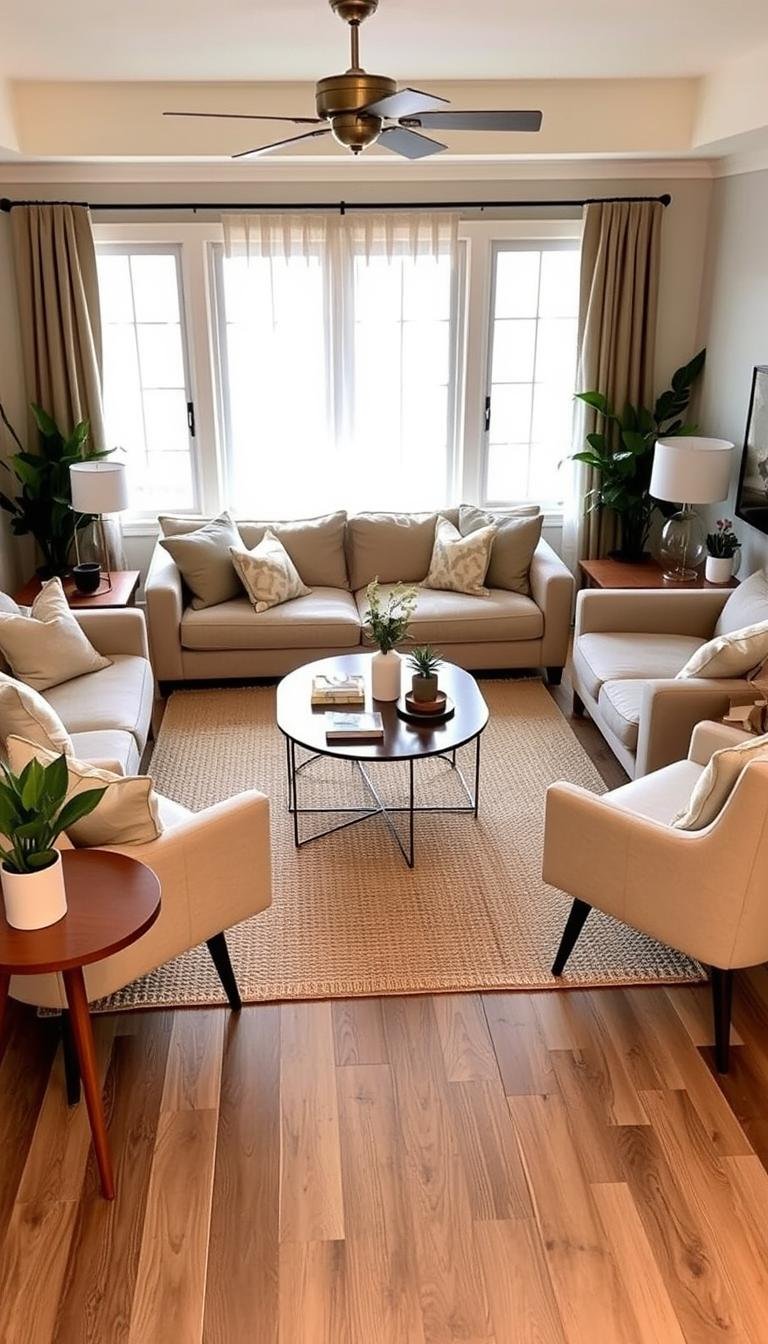
Welcome to your complete resource for designing around beautiful gray-toned surfaces. These modern surfaces have become incredibly popular for good reason.
They offer a sleek, contemporary foundation that works with countless design styles. You’ll discover how to create beautiful, harmonious schemes that complement your space perfectly.
We’ll help you transform your area from potentially cold to wonderfully cozy. Our professional principles make design approachable and fun for everyone.
You’ll explore various options from soft neutrals to bold accent hues. Understanding undertones and lighting will become second nature to you.
This journey will leave you feeling confident and excited about your beautiful home. Let’s begin creating a space you’ll absolutely love coming home to.
Your Gray Wood Floors Living Room Decor: Matching Colors Guide Starts Here

Getting your color scheme right begins with truly knowing your foundation surface. Each type brings unique qualities that shape your entire design approach.
Luxury vinyl planks stand out for their durability and simple upkeep. They’re perfect for active families who need practical solutions.
Laminate options give you affordable elegance that captures hardwood’s beauty. You get stunning visual appeal without the premium price tag.
Real hardwood with a gray finish offers authentic texture and personality. This choice brings natural warmth and character to your space.
Gray tile works wonderfully in open layouts that connect different areas. It creates seamless flow between your living zone and other parts of the house.
Notice the grain patterns and color variations in your specific surface. These details greatly influence your final color decisions.
Light, medium, and dark tones each open up distinct design possibilities. Your choice affects the overall mood and atmosphere you create.
The subtle undertones in your foundation will direct your entire palette selection. Warm or cool shades determine which hues work harmoniously.
Spend time observing how your surface changes throughout the day. Natural and artificial lighting dramatically alter how colors appear together.
This understanding becomes your secret weapon for creating a cohesive look. You’ll make confident choices that transform your entire home environment.
Why Matching Colors with Gray Floors Can Be Tricky
Many homeowners discover that coordinating hues with their foundation presents unique challenges. The neutral quality of these surfaces offers incredible versatility but requires careful consideration.
Your flooring’s character dramatically influences your entire color scheme. Getting this relationship right transforms your entire living environment.
The Challenge of Undertones: Warm vs. Cool Grays
Not all neutral surfaces behave the same way visually. Some carry subtle warm hints of brown or yellow, while others show cool blue or green notes.
These hidden color influences affect how your wall colors appear. Warm foundations work beautifully with earthy tones and creamy whites.
Cooler versions create stunning partnerships with crisp whites and soft blues. The key is identifying which direction your surface leans.
Many people struggle because they treat all neutral foundations identically. This approach often leads to color clashes that feel unsettling.
Professional designers always analyze undertones before selecting any palette. This simple step prevents disappointing results.
Embracing Contrast Over a Monochromatic Scheme
Too much similarity creates a cold, sterile feeling in your room. Your space needs visual interest through thoughtful variation.
Avoid pairing your foundation with identical wall colors and furniture. This common mistake drains energy from your design.
Instead, celebrate your surface’s unique character through strategic pairings. Introduce complementary tones that enhance rather than match.
Color variation in the grain patterns adds another layer of complexity. These natural differences actually work to your advantage.
They provide built-in texture that guides your color selections. Embrace these variations rather than fighting against them.
The goal is creating harmony through complementary contrast. Your room will feel both cohesive and dynamically interesting.
Fundamental Principles for a Harmonious Look
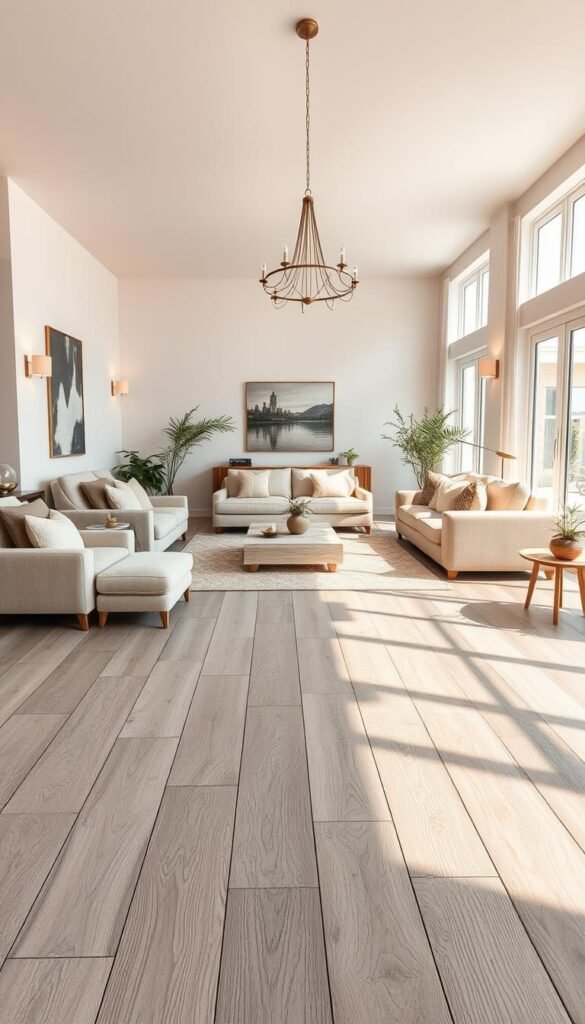
Transform your space into a beautifully balanced environment by applying these expert guidelines. These three core rules form the foundation of successful design with neutral surfaces.
Professional designers consistently use these principles to create stunning interiors. You’ll learn how to avoid common pitfalls and achieve magazine-worthy results.
Rule 1: Match the Undertones in Your Woods
Always coordinate the subtle color influences in your materials. Pair cool-toned foundations with similarly cool furniture and accessories.
Warm versions work beautifully with earthy, golden-hued pieces. This creates immediate visual harmony throughout your room.
You’ll want to make sure all wood elements speak the same temperature language. This prevents subtle clashes that can make your design feel unsettled.
Rule 2: Use Rugs to Buffer Contrasting Wood Grains
Area coverings serve as magical transition pieces between different tones. They prevent visual jarring when you have strong patterns on your foundation.
When your surface has heavy graining, keep other patterns more subtle. Distance also helps – place decorative pieces on shelves rather than directly on the surface.
This technique creates breathing room between different wood elements. Your eyes will appreciate the thoughtful separation.
Rule 3: Layer in Warmth and Texture
Avoid designing in monochrome by incorporating various materials and hues. Texture plays a crucial role in making neutral foundations feel inviting.
Add contrast through cream fabrics, black accents, and natural materials. Walnut furniture and leather textures bring wonderful depth.
Layer warmth through wool area coverings, linen window treatments, and wooden accessories. Every room benefits from black somewhere, even in small decor moments.
These principles will help you make space feel both cohesive and dynamically interesting. Your chosen wall colors and paint colors will work harmoniously with your foundation.
Neutral Wall Colors That Complement Gray Floors
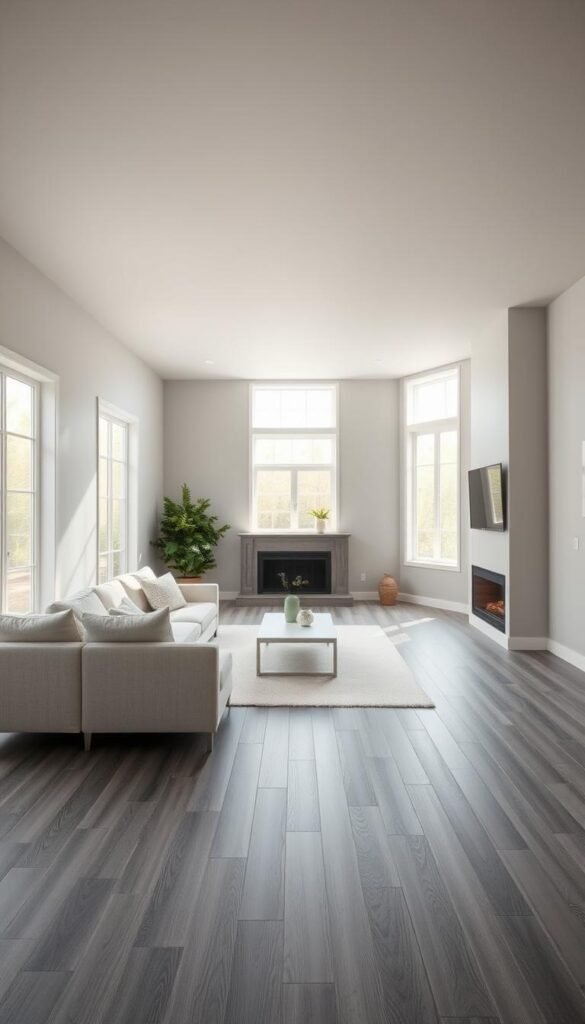
Your wall selection creates the perfect backdrop for your beautiful foundation. Choosing the right neutrals makes your entire space feel cohesive and intentional.
These subtle hues work harmoniously with your surface while allowing other elements to shine. You’ll discover how different neutral families create distinct moods and atmospheres.
Crisp Whites and Soft Off-Whites
Pure white creates a clean, fresh look that makes your foundation stand out beautifully. Benjamin Moore Chantilly Lace offers a brilliant option for this effect.
Soft off-whites bring subtle warmth that pure versions can’t provide. These creamy neutrals work perfectly in living areas.
Sherwin-Williams Pure White and Benjamin Moore White Dove offer just enough warmth without clashing. They create inviting spaces that feel both bright and comfortable.
Versatile Greige for a Balanced Feel
Greige combines gray and beige for incredible flexibility. This hybrid neutral plays nicely with both warm and cool foundations.
It creates a balanced feel that works in various lighting conditions. You’ll appreciate how this shade adapts to different times of day.
This category offers excellent options when you want something between cool and warm. It’s the perfect compromise when you can’t decide between gray or beige.
Warm Taupes and Mushroom Tones
Warm taupes offer quiet warmth that balances cooler foundations. These earthy neutrals provide comfort without overwhelming your space.
Mushroom tones fall between gray and beige, offering subtle warmth without being too yellow. They create sophisticated, quiet backgrounds for your decor.
Putty shades are another excellent choice among earthy neutrals. They pair well with most foundations while adding gentle character.
| Paint Type | Best For | Lighting Consideration | Brand Examples |
|---|---|---|---|
| Crisp White | Modern, bright spaces | Works best in ample natural light | Benjamin Moore Chantilly Lace |
| Soft Off-White | Cozy living areas | Adapts well to artificial lighting | Sherwin-Williams Pure White |
| Greige | Flexible neutral needs | Performs consistently throughout day | Various blended options |
| Mushroom Taupe | Earthy, warm atmospheres | Complements both natural and artificial light | Earthy neutral collections |
Always test your paint samples at different times of day. Morning and evening light change how colors appear together.
For cool foundations, choose wall colors that don’t veer too yellow. For warm versions, look for neutrals closer to beige.
These neutral wall colors create a calm backdrop that lets your furniture and decor take center stage. You’ll achieve a balanced, harmonious look that feels both intentional and inviting.
Creating a Calm Atmosphere with Blue and Green Hues
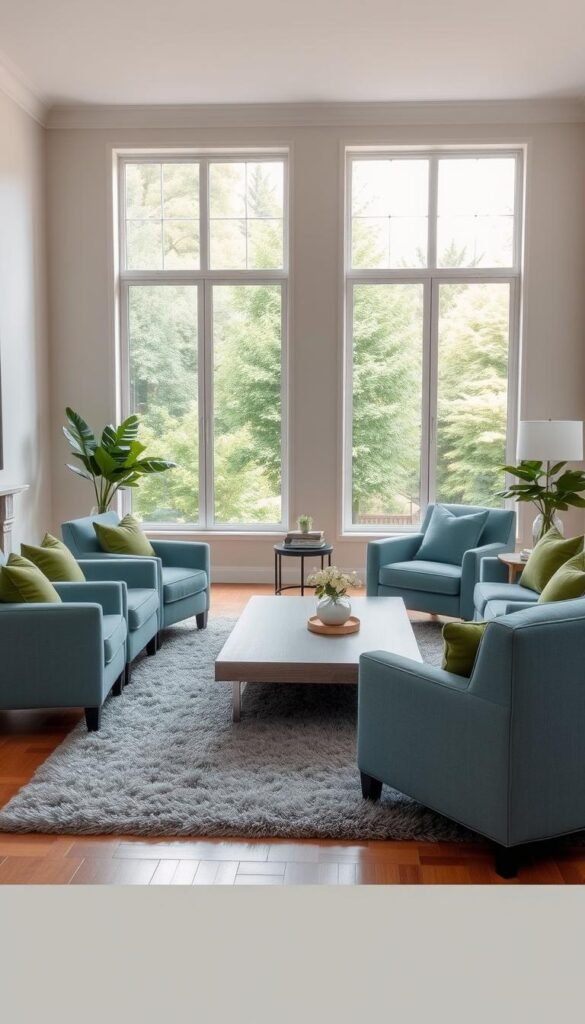
Discover how serene blue and green tones can transform your space into a peaceful retreat. These nature-inspired colors work beautifully with neutral foundations to create harmonious environments.
They bring a sense of tranquility and balance to any room in your house. You’ll find these hues create restful spaces that feel both inviting and sophisticated.
Soft Blues from Dusky to Navy
Light blue creates a calm, relaxed feeling that pairs beautifully with your foundation. This shade works perfectly for bedrooms where you want peaceful energy.
Dusky blue offers a mellow, gentle color that creates peaceful reading nooks. It’s soft enough to maintain openness while adding character.
Navy makes a strong statement as an accent wall. Pair it with white trim for a classic look that maintains space openness.
These blue tones share undertones with your foundation, making pairings feel natural. They complement rather than compete with your surface.
Earthy Greens from Sage to Olive
Sage green feels fresh and natural with enough gray to blend nicely. It creates a sophisticated palette that works throughout your home.
Sea Salt by Sherwin-Williams (SW6204) is a soft, grayish green that changes throughout the day. Sometimes it looks more green, sometimes more gray.
Olive green works wonderfully with warm foundations for a cozy, grounded look. It has enough brown to feel warm rather than cool.
Earthy greens work well in spaces where you want to feel connected to the outdoors. They bring nature’s calming energy inside your home.
These green options create restful environments that enhance your overall design. They add depth and character without overwhelming your space.
Adding Warmth and Personality with Bold Colors
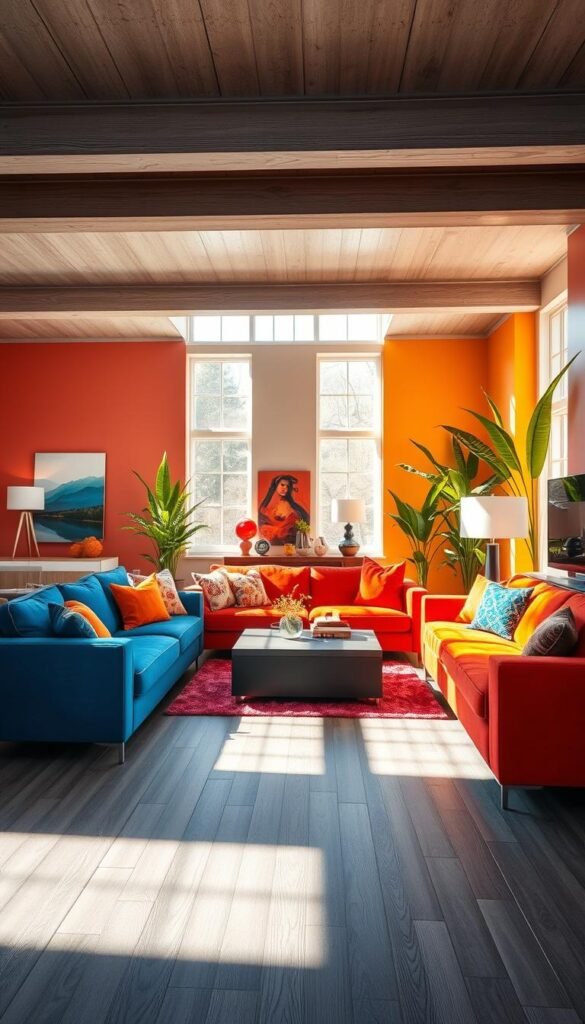
Ready to move beyond safe neutrals? Bold colors create stunning visual impact when paired with your foundation. They transform spaces from simply coordinated to truly captivating.
These vibrant choices add energy and character while maintaining harmony. You’ll discover how to balance dramatic hues with your neutral base.
Earthy Tones: Terracotta and Muted Mustard
Terracotta brings earthy warmth that creates beautiful contrast. This rich orange-red hue works especially well with surfaces having cool undertones.
Muted mustard or ochre walls add warmth and cheerfulness. They feel both current and classic simultaneously.
These earthy colors work beautifully throughout your home. They create inviting spaces that feel grounded and intentional.
Soft Pops of Color: Blush and Lavender
Pastel pinks and blush create an unexpected pairing that feels fresh. This combination feels modern without being too sweet.
Lavender with gray undertones keeps rooms feeling calm and balanced. Avoid bright purples that might clash with your foundation.
These soft hues add gentle personality without overwhelming your space. They work particularly well in bedrooms and relaxation areas.
Rich Jewel Tones: Emerald and Deep Teal
Emerald green creates a bold, high-end feel that works beautifully. It pairs equally well with light or dark foundations.
Deep teal adds richness and depth that makes rooms feel finished. This sophisticated color brings elegance to any space.
Jewel tones work particularly well in formal areas like your dining room. They add that touch of drama perfect for entertaining.
| Color Family | Best Room Applications | Lighting Considerations | Complementary Neutrals |
|---|---|---|---|
| Earthy Tones | Living areas, entryways | Works best with natural light | Warm whites, taupe |
| Soft Pastels | Bedrooms, reading nooks | Even lighting preferred | Soft grays, cream |
| Jewel Tones | Dining rooms, accent walls | Handles both bright and dim light | Charcoal, navy |
Always balance bold colors with neutral furniture and accessories. This prevents your space from feeling overwhelming.
The contrast between warm wall colors and your foundation creates visual interest. This dynamic relationship makes your design feel intentional and sophisticated.
Understanding your surface’s undertone helps you choose the right bold colors. Cool foundations pair beautifully with warm hues for balanced contrast.
Your decor choices should complement rather than compete with bold walls. Choose simpler patterns and textures to maintain harmony.
These vibrant options add personality while respecting your foundation’s neutral base. They create spaces that feel both exciting and perfectly balanced.
Selecting the Perfect Paint Color for Your Space
Choosing wall colors that complement your foundation involves more than just picking pretty swatches. Two critical factors will determine your success: how light behaves in your room and the actual size of your space.
These elements work together to create the final visual effect. Understanding their relationship prevents disappointing results.
How Lighting and Room Size Influence Your Choice
Natural illumination changes everything about how colors appear. North-facing spaces receive cooler, bluer light throughout the day.
These areas benefit from warmer wall colors to balance the coolness. Soft whites and pale blues work beautifully here.
South-facing rooms enjoy warmer, yellow-toned light. They can handle cooler colors like light blues or soft greens without feeling chilly.
Room dimensions dramatically affect color perception too. Smaller spaces feel more open and airy with lighter shades.
Larger areas can handle deeper, bolder colors without feeling overwhelming. This contrast creates visual interest and definition.
Artificial illumination matters just as much as natural light. Warm bulbs make colors appear more yellow, while cool bulbs add blue tones.
The paint sheen also affects how color interacts with light. Matte finishes absorb light, while satin and eggshell reflect it.
Testing Samples: The Most Important Step
Never commit to a color without seeing it in your actual space. Colors look completely different in your home versus the store.
Order free color chips online or use peel-and-stick samples. These options let you test without mess or drying time.
View samples at different times throughout the day. Morning, noon, and evening light all change how colors appear.
Take photos of samples in your space to compare later. Sometimes images reveal aspects your eyes might miss.
Live with your top choices for a few days before deciding. This patience ensures you’ll love your final selection long-term.
This testing process works for any room in your house. Whether you’re designing a cozy living area or formal dining space, proper testing prevents regrets.
Your foundation material matters too. Colors interact differently with hardwood versus laminate surfaces.
Don’t rush this crucial step. The right color transforms your space from ordinary to extraordinary.
Common Color Matching Mistakes to Avoid
Even with the best intentions, some choices can disrupt your room’s harmony. Learning these common errors helps you create a space that feels perfectly balanced.
You’ll avoid frustration and costly repainting projects. These insights come from professional experience and homeowner feedback.
Ignoring Undertones and Creating Clash
The biggest mistake involves overlooking subtle color influences. Your foundation has either warm or cool characteristics.
Pairing cool surfaces with warm wall color creates visual tension. This clash makes your space feel unsettled.
Yellow-based paint color often fights with blue-toned surfaces. Benjamin Moore Pure White works better with cool foundations than creamy options.
Always match temperature families for harmony. Cool needs cool, warm needs warm.
This principle applies to all elements in your room. Furniture and accessories should follow the same temperature guidance.
Forgetting to Add Enough Contrast
Too little variation creates boring, flat spaces. Your room needs visual interest through thoughtful differences.
Using identical shades makes everything blend together. This approach drains energy from your design.
Create separation between your surface and walls. Even slight variations prevent a monotonous look.
Consider your room’s size when planning contrast. Smaller spaces need lighter walls to feel open.
Dark walls can make compact areas feel closed in. Always balance bold choices with your room’s proportions.
| Mistake | Result | Simple Solution |
|---|---|---|
| Ignoring undertones | Visual clash and discomfort | Match warm with warm, cool with cool |
| Too many gray shades | Dull, lifeless atmosphere | Add contrasting neutrals or colors |
| No lighting testing | Regret and repainting | Test samples at different times |
| Trendy color choices | Quick dissatisfaction | Choose timeless, flexible options |
| Ignoring furniture colors | Disjointed appearance | Coordinate all elements together |
Testing samples in various lighting prevents disappointment. Colors change throughout the day.
Natural and artificial light alter appearances dramatically. View your options morning, noon, and evening.
Consider how your wood flooring interacts with other elements. Everything should work together harmoniously.
For more detailed guidance on coordinating surfaces and walls, explore this comprehensive resource on color matching.
Trim color affects your overall look significantly. White trim creates crisp definition between surfaces.
Avoid choosing colors you might quickly tire of. Timeless selections ensure long-term satisfaction.
Your space should reflect your personality while maintaining balance. Thoughtful choices create rooms you’ll love for years.
Bringing Your Gray Floor Color Scheme to Life
You’re now ready to transform your vision into reality. Apply the knowledge you’ve gained about color theory and design principles with confidence.
Begin by carefully identifying your surface’s undertones and unique characteristics. This crucial first step guides all your subsequent choices.
Remember the three fundamental rules for harmonious results. Match undertones, use area rugs as buffers, and always add thoughtful contrast.
Test multiple samples in your actual space before making final decisions. Lighting changes dramatically throughout the day.
Don’t hesitate to mix neutral backgrounds with bold accent pieces. This creates balanced, interesting spaces that reflect your personality.
Layer various textures and materials to add warmth and dimension. Every area benefits from some black elements for visual weight.
Trust your personal style while following these professional guidelines. Your beautiful foundation can support a space you’ll truly adore.