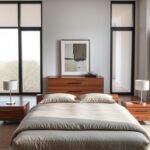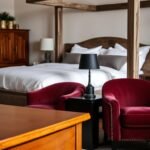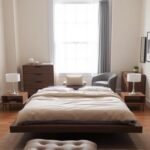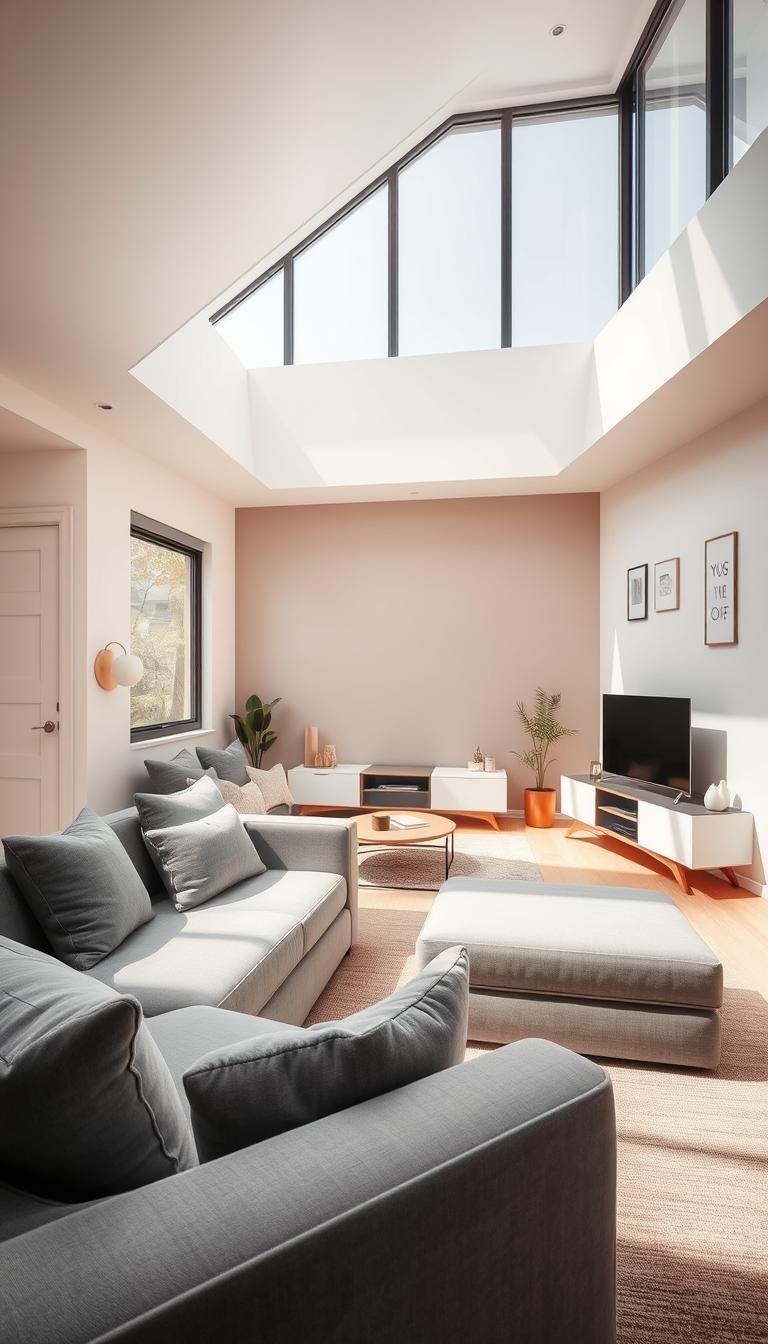
Do you have a compact area that needs some personality? Many people think small means limited. But your space can feel warm and inviting with the right approach.
Color choice makes a big difference. Light neutrals can brighten your area and make it appear larger. But bold colors work wonderfully too!
Experts like Farrow & Ball’s Patrick O’Donnell support this. The right palette sets the foundation for your entire design. It creates a cozy yet spacious feeling.
You will discover how to transform your home. Learn to select furniture and use strategic patterns. Create a welcoming corner that your family will love.
This guide shows you real examples and professional tips. Get ready to make your room feel just right!
1. Embrace a Light and Cohesive Color Palette
Color strategy becomes your secret weapon when working with limited dimensions. The right palette can make your area appear more spacious while adding personality.
Light neutrals work wonders in compact areas. They reflect light and create an airy feeling. Jaisie and Matt demonstrated this beautifully in their Scandi-inspired home.
They used monochrome and neutral tones with green accents. This approach makes the area feel brighter and more open.
Sticking to 2-3 key colors prevents overwhelm. Lucy and Andrew chose mustard yellow, muted pink, and green. Their cohesive scheme creates harmony throughout the space.
Warm off-whites often work better than bright white. Farrow & Ball’s Off-white performs well in low-light conditions. Bright white can sometimes feel sterile and emphasize shadows.
Color drenching is another smart technique. This means covering walls, trim, and ceilings in the same shade. It distracts the eye from room boundaries.
Pastel shades create beautiful effects too. Soft pinks, blues, greens, and butter yellows add warmth. They maintain that bright, airy feeling you want.
Kelly Hoppen recommends painting skirting boards the same color as walls. This simple trick makes walls appear taller. It creates a seamless, elevated look.
Double drenching adds depth and dimension. Using two tones of the same color creates a cocooning effect. Your area will feel both spacious and inviting.
| Color Type | Best For | Visual Effect |
|---|---|---|
| Light Neutrals | Maximizing light reflection | Creates airy, open feeling |
| Warm Off-Whites | Low-light conditions | Adds warmth without darkness |
| Bold Shades | Color drenching technique | Distracts from room edges |
| Pastel Tones | Adding color without weight | Maintains brightness with personality |
Your color choices set the foundation for your entire design. They influence how you experience the space every day. Choose shades that make you feel both comfortable and inspired.
2. Select Furniture with Soft Curves and Slim Profiles
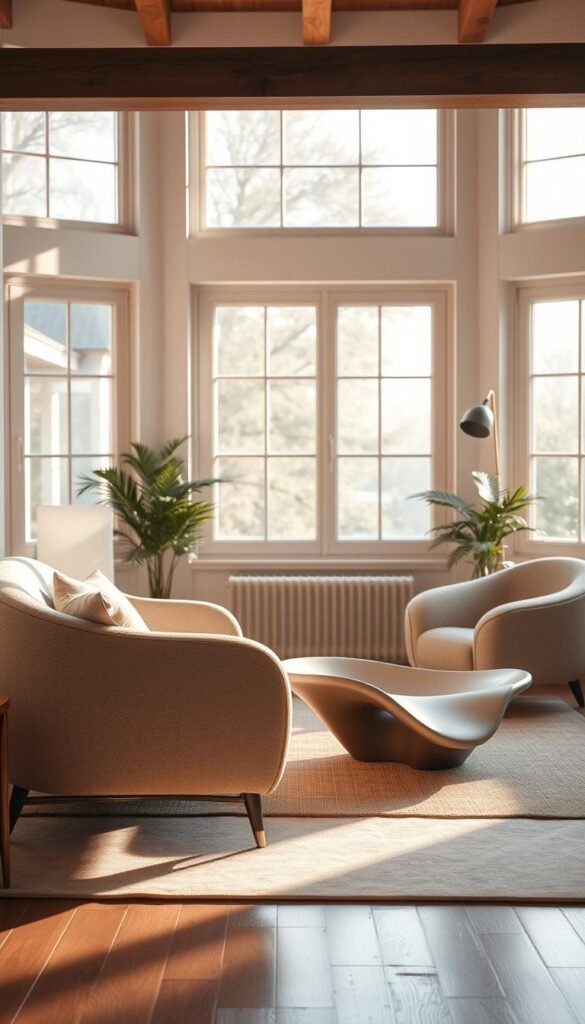
Your furniture choices can transform how your space feels and functions. The right pieces create flow and comfort without crowding the area.
Designer Sarah Stacey shows how it’s done. She used a curved sofa that looks like a fainting couch. This shape makes a welcoming corner in a compact area.
She paired it with nesting coffee tables that have rounded edges. A stone side table completes the look. These choices add softness and style.
Why Curved Furniture Works
Furniture with curved edges makes your area feel more inviting. It offsets harsh angles from doorframes and windows. This prevents that boxy feeling.
Circular elements bring balance to tight spaces. Think oval midcentury coffee tables or round ottomans. Circular cushions and round jute rugs work too.
Lena Gierasinska of Barker and Stonehouse shares smart advice. She recommends light fabrics for sofas. Linen, cotton, or light-colored leather reflect light well.
Light upholstery colors create an airy appearance. They help your room feel more open and bright.
Some designs work especially well in compact areas. The John Lewis Flow sofa is a great example. Its curved, pleated design in olive green adds charm.
Avoiding Bulky Designs
Bulky sofa designs overwhelm small spaces. They make rooms feel cramped and crowded. Choose airy styles instead.
Look for sofas with slim or no armrests. Legs and straight backrests help too. These features maintain an open feel.
Devin Kirk of Jayson Home used a short wooden stool. This low-profile piece balances proportions perfectly. It shows how scale matters.
Avoid bold patterns on large furniture pieces. They can make your space look busy. Stick to solid colors for a cleaner look.
| Furniture Type | Best Features | Space Impact |
|---|---|---|
| Curved Sofas | Soft edges, welcoming shape | Creates flow, reduces boxiness |
| Slim Armrests | Minimal visual weight | Maintains open sight lines |
| Light Fabrics | Reflects light, airy feel | Enhances brightness and space |
| Low-Profile Pieces | Proper scale, balanced look | Prevents overcrowding |
Your furniture should make your room feel both comfortable and spacious. Choose pieces with care and intention. They will serve you well for years.
3. Maximize Your Space with Multifunctional and Modular Pieces
Smart furniture choices can dramatically change how you use your home. Pieces that serve multiple purposes help you get more from limited square footage.
Martin Waller of Andrew Martin highlights the value of modular sofas. These can be configured to match your exact room proportions. You might choose an L-shape tucked into a corner or a floating two-piece arrangement.
Modular designs offer flexibility without visual heaviness. They adapt as your needs change. This makes them perfect for compact areas.
Corner sofas utilize often-wasted corner space. They wrap around room edges to provide extra seating. You gain function without sacrificing much floor area.
Multifunctional pieces earn their keep in tight quarters. The Habitat Kota sofa bed in olive green serves dual purposes. It works well for regular overnight guests.
Every item in your area should work hard. Remove unnecessary pieces to maximize functionality. This approach reduces clutter and enhances flow.
Creative solutions like floating desks take up less visual space. Sarah Solis used this idea in a Los Angeles family den. It feels lighter than clunky desks with legs.
Built-in seating ensures no space is wasted. Combine it with under-seat storage for added utility. This creates hidden organization opportunities.
Investing in flexible furniture creates adaptable spaces. Your area can serve different needs throughout the day. It works for various occasions too.
| Furniture Type | Key Benefit | Space Impact |
|---|---|---|
| Modular Sofas | Configurable layouts | Fits exact proportions |
| Corner Units | Uses wasted space | Adds seating without bulk |
| Sofa Beds | Dual functionality | Serves guests and daily use |
| Floating Desks | Minimal visual weight | Creates airy workspace |
| Built-in Seating | Maximizes every inch | Adds storage and function |
Your furniture should work as hard as you do. Choose pieces that adapt to your lifestyle. They will make your home feel both functional and inviting.
4. Layer Textiles for Instant Warmth and Texture
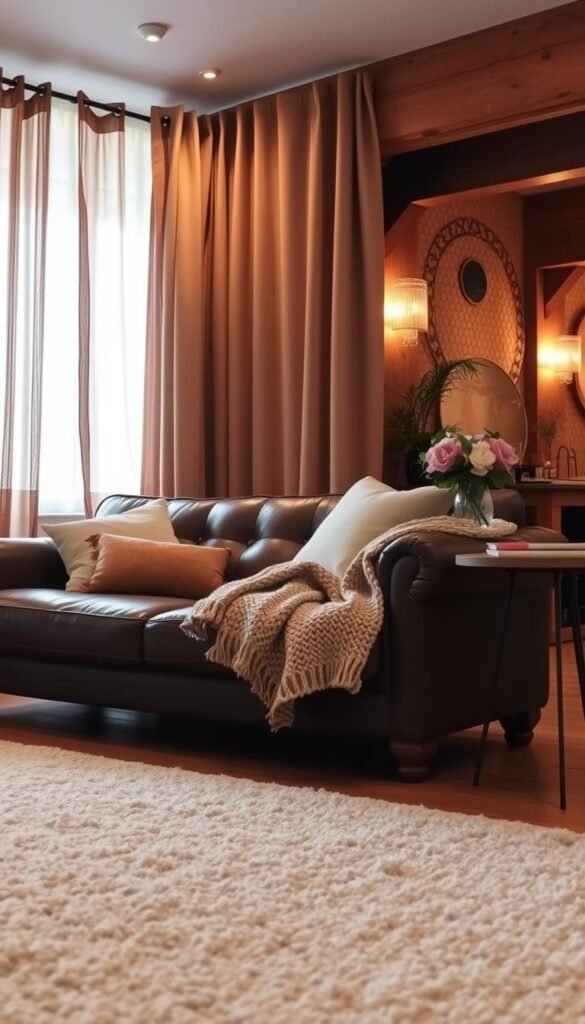
Layering fabrics creates instant comfort while making your space feel more inviting. The right textiles add both visual interest and physical coziness to your area.
Texture plays a huge role in creating that welcoming atmosphere. Chunky knit blankets and soft velvet cushions work wonders. Plush area rugs complete the look beautifully.
Choosing the Right Rug
Your rug choice sets the foundation for your textile scheme. Round jute rugs from La Redoute work particularly well with curved furniture pieces. They soften the overall aesthetic of your room.
Size matters when selecting rugs for compact areas. Go as big as possible without overwhelming the floor space. This helps define your seating area clearly.
Seasonal changes make layering rugs a smart strategy. Place a warmer rug over your summer jute rug during colder months. This creates instant fall and winter comfort.
The Power of Throws and Pillows
Throws and pillows transform ordinary seating into cozy nests. Designers at Pure Salt Interiors demonstrate this technique perfectly. They drape blankets over sofa backs and arms for casual elegance.
Oversized pillows create comfortable, inviting seating areas. Mix textures through different materials and weaves. This adds depth while maintaining your color palette.
Textiles not only add physical warmth but emotional comfort too. They make spaces feel lived-in and loved
Circular elements bring balance when working with textiles. Round cushions complement curved furniture beautifully. They create visual harmony throughout your space.
Your textile choices contribute significantly to the overall feeling of your home. They create that welcoming atmosphere your family will enjoy daily.
5. Create a Soft Glow with Warm, Layered Lighting
Lighting transforms how you experience your compact area. It creates atmosphere and function in equal measure. The right approach makes your space feel both spacious and intimate.
Harsh overhead lighting often feels clinical. Instead, layer multiple light sources throughout your area. This creates a soft, inviting glow that welcomes you home.
Start with floor lamps in darker corners. Add table lamps on side tables or consoles. These pieces provide beautiful ambient light for relaxing evenings.
Gallery lighting adds artistic flair to your walls. It illuminates artwork while creating warm pools of light. This technique adds depth to your interior design.
Candles bring magical warmth to any setting. Unscented options offer subtle ambiance. Seasonal scents like cinnamon or vanilla add extra comfort.
Layered lighting creates different moods for different moments. It transforms a space from bright and functional to soft and intimate with just a few switches.
Wall-mounted lights save precious floor space. They act as both functional and decorative elements. A sculptural fixture in a renovated London home shows this beautifully.
Designer Sam Sacks combined a lantern pendant with natural light. This created enduring comfort in a compact area. The mix of sources makes the space feel larger.
Warm lighting tones complement warm color palettes. They enhance the cozy atmosphere you want to create. Your family will appreciate the welcoming feeling.
Multiple light sources at different levels create dimension. Floor lamps, table lamps, and wall lights work together. They make compact rooms feel more expansive.
Proper lighting serves practical needs too. It provides bright light for reading or tasks. Then soft light for socializing or relaxing with family.
| Lighting Type | Best Placement | Mood Created |
|---|---|---|
| Floor Lamps | Dark corners, beside seating | Ambient glow for relaxation |
| Table Lamps | Side tables, consoles | Focused light for tasks |
| Wall Lights | Above art, beside seating | Decorative accent lighting |
| Candlelight | Coffee tables, shelves | Intimate, warm atmosphere |
Your lighting choices complete your room’s personality. They make your house feel like a true home. Create a scheme that works for all your daily moments.
6. Utilize Clever and Creative Storage Solutions
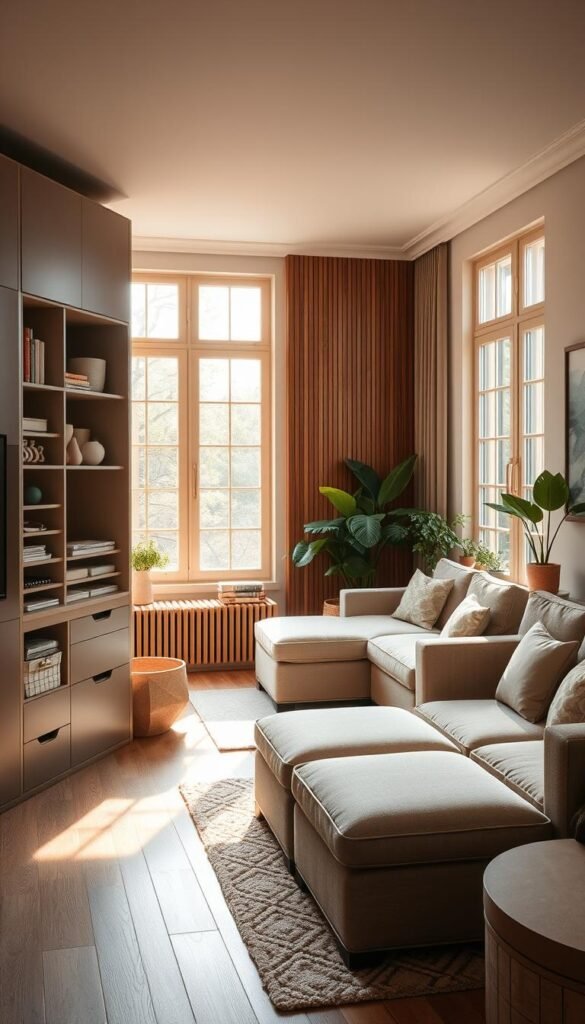
Smart storage keeps your area organized and visually calm. You gain function without sacrificing style. These ideas help you maximize every inch.
Designer Serena Dugan hung bookshelves above windows. This displays paperbacks without crowding your floor. It utilizes often-empty wall areas beautifully.
Floating Shelves and Wall-Mounted Units
Wall-mounted options free up valuable floor space. They keep surfaces clear and open. Your room feels more spacious instantly.
Floating media centers work wonderfully. MDF panels mounted to walls hold equipment neatly. You avoid bulky entertainment units.
Shelves with pegs offer smart hanging solutions. They organize items while adding character. Amazon carries various stylish designs.
Vertical storage maximizes ceiling height. It draws the eye upward for added dimension. Your space feels taller and more open.
Built-in shelving serves as better space savers than freestanding furniture. It creates seamless organization without visual clutter.
Storage Within Furniture
Liz Dutton stored books under an antique low coffee table. This hidden storage keeps essentials handy. A small side table holds drinks conveniently.
Building storage along one entire wall creates cohesion. It prevents multiple smaller pieces from crowding the area. Your design looks intentional and clean.
Willow baskets provide attractive storage for clutter. They add natural texture while hiding necessities. Your family enjoys a tidy environment.
Every piece should offer hidden organization opportunities. Look for ottomans with lift-up tops or sofas with under-seat compartments. These features work hard in compact homes.
| Storage Solution | Best Placement | Space Benefit |
|---|---|---|
| Floating Shelves | Above windows, beside seating | Utilizes vertical space, keeps floor clear |
| Wall-Mounted Units | Media walls, empty corners | Eliminates bulky furniture footprint |
| Multi-Functional Furniture | Central areas, under windows | Provides hidden organization opportunities |
| Decorative Baskets | Under tables, beside seating | Adds texture while concealing clutter |
Your storage solutions should blend seamlessly with your decor. They maintain that open, airy feeling you love. Choose options that serve both function and style.
7. Designate a Clear Focal Point in the Room
A strong focal point gives your compact area purpose and direction. It organizes your layout and makes everything feel intentional.
This central feature draws attention and creates visual harmony. Your space feels more designed and less cluttered.
Large windows often make excellent natural focal points. Designer Sam Sacks used this approach beautifully. Sunlight floods in while exterior views act as living art.
Fireplaces create ideal centers for any layout. You can decorate mantels with seasonal touches, candles, or garlands. They add warmth and character instantly.
Not every home has a fireplace. Consider alternatives like large artwork or wall-mounted bookcases. Credenzas, televisions, or even pianos work wonderfully too.
Arrange your seating to face this central feature. This simple trick maximizes its impact. It creates natural conversation areas for your family.
Designer Amanda Jacobs focused on human connection. She turned chairs toward the couch instead of the television. This approach encourages interaction and togetherness.
Your focal point helps organize furniture arrangement. It creates a sense of purpose in tight quarters. Everything feels more cohesive and planned.
This design technique enhances both function and beauty. Your area works better and looks more appealing. It becomes a space you truly enjoy.
8. Don’t Shy Away from Bold Color Accents
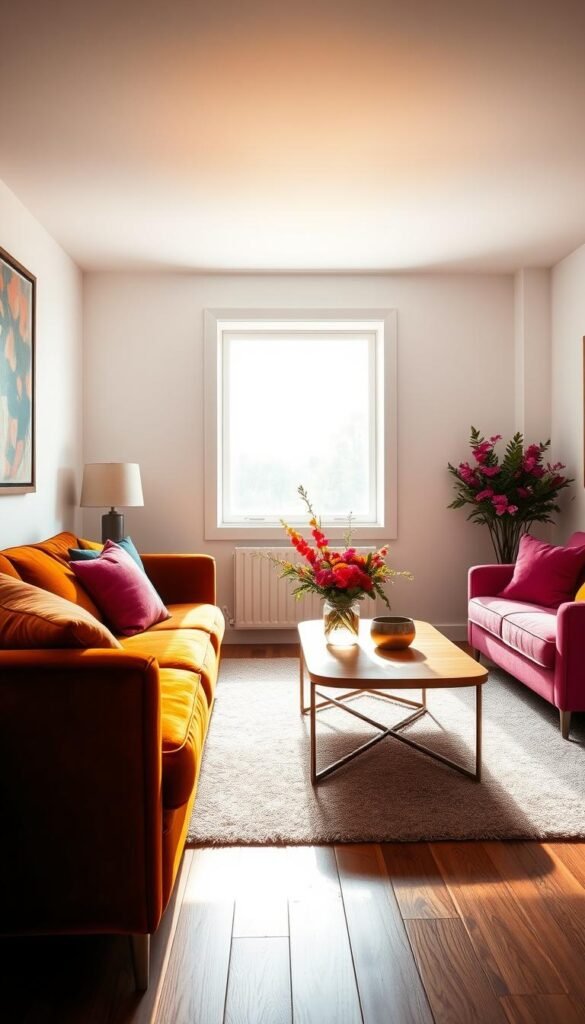
Adding bold colors transforms your area from simple to spectacular. These accents bring energy and personality without overwhelming your design. They create focal points that draw the eye and add depth.
Many people hesitate with strong shades in compact areas. But strategic use actually enhances the feeling of space. It adds character while maintaining that open atmosphere you want.
Painting Trim and Ceilings
Designer Alexander Reid shows how bold trim work adds personality. He used vibrant paint on moldings in neutral-toned areas. This technique creates interest without dominating the entire space.
Suzanne Kasler took ceiling painting to another level. She chose deep blue with a slight glossy finish. This differentiates zones in open floor plans while making the ceiling appear higher.
Kate and Arnold embraced color drenching beautifully. They painted walls, ceiling, and skirting boards the same blue shade. This approach creates a cohesive, immersive environment.
Kelly Hoppen recommends matching skirting boards to walls. This makes walls appear taller than they actually are. It creates a seamless, elevated look throughout your home.
Double drenching adds wonderful depth and dimension. Using two tones of the same color creates a cocooning effect. Your space feels both intimate and thoughtfully designed.
Incorporating Color Through Art and Decor
Artwork offers fantastic opportunities for color statements. Vibrant paintings or prints inject personality without permanent commitment. You can change them as your tastes evolve.
Accessories provide another flexible color option. Throw pillows, vases, and decorative objects add pops of interest. These items refresh your look seasonally or annually.
Amber Lewis demonstrates the power of unexpected choices. Her dark sage green TV room proves bold colors work wonderfully. They create memorable, personal spaces that feel truly special.
Your color accents should reflect your personality and style. Choose shades that make you happy every time you see them. They will transform your house into a home you love.
9. The Art of the Oversize Sectional for Cozy Seating
An oversize sectional might seem counterintuitive for a compact area. But it can actually maximize seating without crowding your space. Designer Alexander Reid proves this beautifully.
He used a large sectional that took up most of the floor. Yet the room felt open and inviting. High vaulted ceilings helped balance the proportions perfectly.
Sectional sofas work wonderfully in family rooms. They provide plenty of seating for everyone. Oversized armchairs create dedicated reading nooks too.
Deep, cushioned designs instantly make your area more inviting. They encourage relaxation and family gatherings. Your home becomes a comfortable retreat.
Sometimes one large piece works better than multiple smaller ones. It creates a cohesive look without awkward gaps. Your layout feels intentional and well-planned.
Look for sectionals with proper proportions for your space. Retailers like Serena & Lily offer great options. Pottery Barn, Arhaus, and McGee & Co. have wonderful choices too.
Invest in quality furniture that will age gracefully. It transforms your area into a cherished space. Your family will enjoy it for years to come.
The right configuration maximizes seating while maintaining flow. It ensures good movement paths throughout your room. Everything feels balanced and functional.
10. Make a Statement with Wallpaper or a Mural
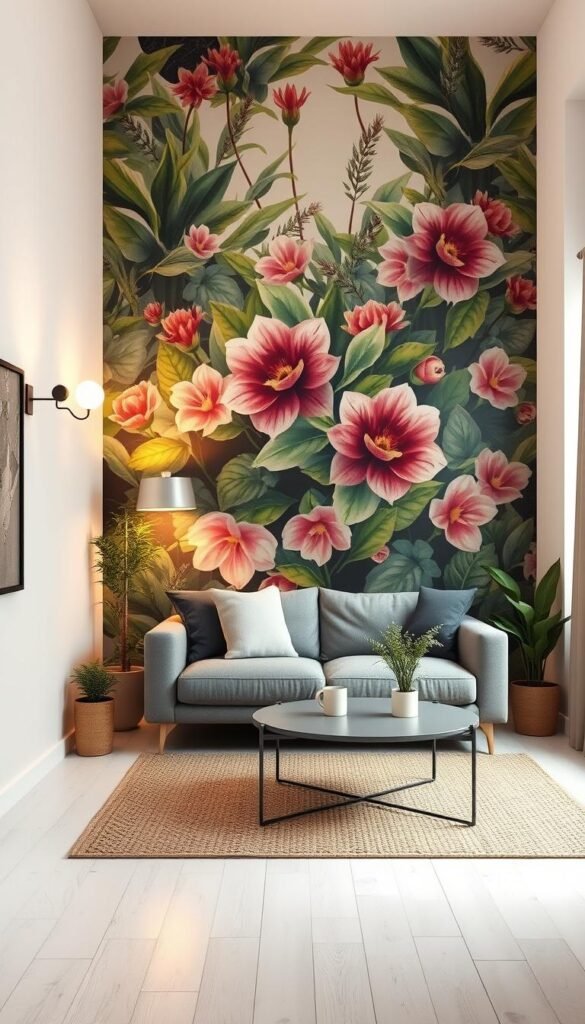
Wallpaper and murals bring personality and depth to your home. They create instant focal points that draw attention. Your space gains character without needing extra furniture.
Designer Sarah Stacey chose a mural with cranes. She paired it with tall layered curtains. This combination makes a dramatic statement in a compact area.
Small murals cost less than covering large walls. They require less commitment too. You can change them as your tastes evolve.
Hannah Swift of Beautiful Walls shares expert insight. Large-scale designs draw your eye outward. They expand the visual field and make rooms appear bigger.
Nature-inspired motifs work beautifully. Soft waves and gentle geometric shapes add interest. Light colors keep the feeling airy and open.
Vintage tropical designs from Dunelm create excellent feature walls. They help tiny areas seem more spacious. Your family enjoys the added visual interest.
Patrick Gallagher used subtle diamond-patterned wallpaper. It visually heightened a barrel-vaulted ceiling in his Rome apartment. This technique adds dimension upward.
Murals become dominant design elements in compact areas. They don’t compete with other features. Your space feels cohesive and intentional.
The right wallpaper adds personality and depth. It creates visual interest while potentially making the room feel more spacious. You achieve both style and function.
Choose patterns that reflect your personal taste. They should make you happy every day. Your home becomes a true reflection of you.
11. Incorporate Natural and Organic Elements
Nature brings calm and connection into your home. Natural elements create a grounded feeling in any area. They add texture and life without overwhelming your space.
Wood coffee tables and woven baskets work beautifully. They introduce organic texture that feels both warm and inviting. These pieces keep your design feeling anchored and real.
Houseplants with rounded leaves make spaces feel more welcoming. Money plants soften the aesthetics of compact areas. Their gentle shapes create visual harmony throughout your room.
Organic modern style uses warm earth tones. Think soft beiges, warm browns, and creamy whites. These colors pair perfectly with natural materials and textures.
Woven elements add wonderful depth to your design. They bring tactile interest that makes your home feel lived-in. Natural wood tones complement these textures beautifully.
Jaisie demonstrated this approach in her Scandi-inspired space. She mixed texture and natural wood with artwork and plants. This created visual interest while maintaining that airy feeling.
Natural materials contribute to a serene atmosphere. They help create restful environments where your family can unwind. Your home becomes a peaceful retreat from busy days.
Organic elements work with various design styles. From Scandi to Japandi to modern coastal, they add warmth. These touches make small rooms feel both characterful and calm.
Bringing nature indoors creates emotional connections. It enhances the overall cozy, welcoming feeling of your living areas. Your space becomes more than just a room—it becomes your sanctuary.
12. Wall-Mount Your TV to Free Up Floor Space
Your television doesn’t have to dominate your area. Wall-mounting creates a sleek look while saving precious surface area. This approach keeps your space feeling open and organized.
Designer Rasheeda Gray mounted a large screen flush to the wall. This allowed a big television without making the room feel tight. The result is both functional and visually clean.
Samsung’s The Frame TV offers a brilliant solution. It disguises itself as artwork when not in use. Available at Amazon, it blends seamlessly with your decor.
TV presenter Laura Jackson demonstrated clever concealment. She covers her screen with paintings when not watching. This keeps spaces looking tidy and intentional.
Building storage along one entire wall creates cohesion. It prevents multiple smaller pieces from crowding the area. Your design maintains that clean, uncluttered look you want.
Floating media centers work wonderfully for organization. MDF panels mounted to walls hold equipment neatly. They save valuable floor space while providing necessary function.
Space-saving shelves allow for storage without bulk. The area underneath works for slim drawer units. Drum storage stools offer additional hidden organization.
Wall-mounted televisions are always better options. They don’t take up valuable floor or surface area. Your family enjoys both entertainment and aesthetics.
Proper placement maintains your room’s beauty. It provides functionality without compromising style. Your area feels both practical and personally designed.
Integrating technology seamlessly into living spaces allows families to enjoy modern conveniences without sacrificing style or comfort.
Your television can enhance rather than dominate. With smart solutions, it becomes part of your design. Your home feels both functional and beautifully arranged.
13. Arrange Seating to Encourage Conversation
Your seating arrangement shapes how you connect with others in your home. It turns a functional area into a social hub where memories are made. The right layout promotes interaction and togetherness.
Designer Amanda Jacobs demonstrates this beautifully. She turned chairs toward the couch instead of the television. This simple change encourages family conversation and connection.
Arranging seating around a central coffee table creates natural gathering spots. It gives everyone a place to set drinks and share snacks. This setup feels inviting and intentional.
Open furniture designs maintain visual flow across your space. Daybed-style sofas without traditional backs work wonderfully. They won’t block views or make the area feel closed in.
Facing seating toward each other promotes human connection rather than screen time. It transforms how families interact in their living spaces.
Lichelle Silvestry chose backless sofa designs for her compact area. This clever choice maintains sight lines while providing comfortable seating. The space feels open yet perfectly arranged for socializing.
Consider how you want to use your space most often. Do you host quiet nights or frequent gatherings? Your answer should guide your seating arrangement decisions.
Versatile pieces like ottomans and poufs offer flexibility. You can rearrange them as needed for different occasions. They provide extra seating without permanent commitment.
Floating furniture arrangements create defined spaces within rooms. They maintain open sight lines and good flow. Your area feels both organized and spacious.
According to Martha Stewart’s living room layout guide, using two sectionals that face each other can create a cozier, more intentional layout while maximizing seating. This approach works particularly well in square-shaped rooms.
The right seating arrangement maximizes both function and social potential. It creates a welcoming environment where your family naturally gathers. Your home becomes a place of connection and comfort.
14. Add Character with Vintage and Personal Touches
Your space becomes truly yours when you fill it with meaningful items. These personal touches create emotional connections that transform a house into a home. They add warmth and personality without overwhelming your design.
Family photos tell your unique story. Favorite books show your interests and passions. Travel souvenirs bring memories from special adventures into your daily life.
Vintage finds from flea markets add wonderful character. Handmade pieces from antique shops bring history into your space. These items create that collected-over-time look everyone loves.
DIY art projects offer budget-friendly personality. They let you express your creativity while adding charm. Your creations become conversation starters with guests.
Personal touches make rooms feel lived-in and welcoming rather than overly designed or generic. They reflect the inhabitants’ lives and interests authentically.
Styling favorite items on open shelving creates cohesive looks. Display them on your coffee table for daily enjoyment. This approach keeps your space feeling intentional yet personal.
Unique pieces add personality that mass-produced items cannot match. They become focal points that spark interesting conversations. Your area feels curated rather than catalog-perfect.
Rooms with character history often feel cozier. They welcome you with familiarity and comfort. Your family will appreciate these meaningful details every day.
| Personal Touch | Emotional Impact | Design Benefit |
|---|---|---|
| Family Photos | Creates emotional connection | Adds personal history and warmth |
| Vintage Finds | Brings character and history | Creates collected-over-time look |
| DIY Art Projects | Expresses personal creativity | Adds unique charm and personality |
| Travel Souvenirs | Brings memories into daily life | Adds conversation-starting elements |
Your personal touches should reflect who you are. They make your space feel truly lived-in and loved. Choose items that bring you joy every time you see them.
15. Choose Low-Profile Tables and Open Furniture Designs
Your home should reflect your personality and bring you joy every day. The right pieces create emotional connections that transform a house into your sanctuary. They make your space feel uniquely yours.
Devin Kirk from Jayson Home shows how it’s done. He chose a short wooden stool instead of a bulky side table. This low-profile piece maintains perfect balance in compact areas.
Open furniture designs work wonders in tight quarters. Pieces without traditional backs won’t block your views across the room. They maintain sight lines and that open feeling you want.
Furniture with legs creates airier feels than solid base pieces. Sarah Solis demonstrated this with her levitating desk. It takes up less visual space than clunky alternatives.
The right scale furniture makes compact areas feel intentionally designed rather than simply filled with whatever fits. Proportion creates harmony.
Low-profile tables work particularly well in rooms with low ceilings. They prevent that overwhelming feeling standard furniture might cause. Your space feels balanced and comfortable.
Multi-level arrangements add visual interest without sacrificing function. Combine lower pieces with slightly taller items. This creates dimension while keeping everything accessible.
Floating furniture saves valuable floor area. Wall-mounted options free up space for movement and flow. Your family enjoys both style and practicality.
Choose items that speak to your heart and serve your needs. They will make your house feel like a true home for years to come.
16. Your Final Touch: Invest in Pieces You Truly Love
Your space becomes special when you choose items with heart. Designer Ashley Gilbreath picks furniture that ages beautifully. These pieces get better with time and create emotional bonds.
Brian Paquette shows how minimalist design keeps warmth. His Nordic-style area feels inviting without clutter. Fewer, better items often serve multiple roles.
Your personal taste should guide your choices. Some prefer clean looks, others love layered textures. Retailers like TJ Maxx and Lulu & Georgia offer unique finds.
Take time to curate what you genuinely enjoy. This approach creates a home that feels like you. Your investment pieces become lifelong companions.