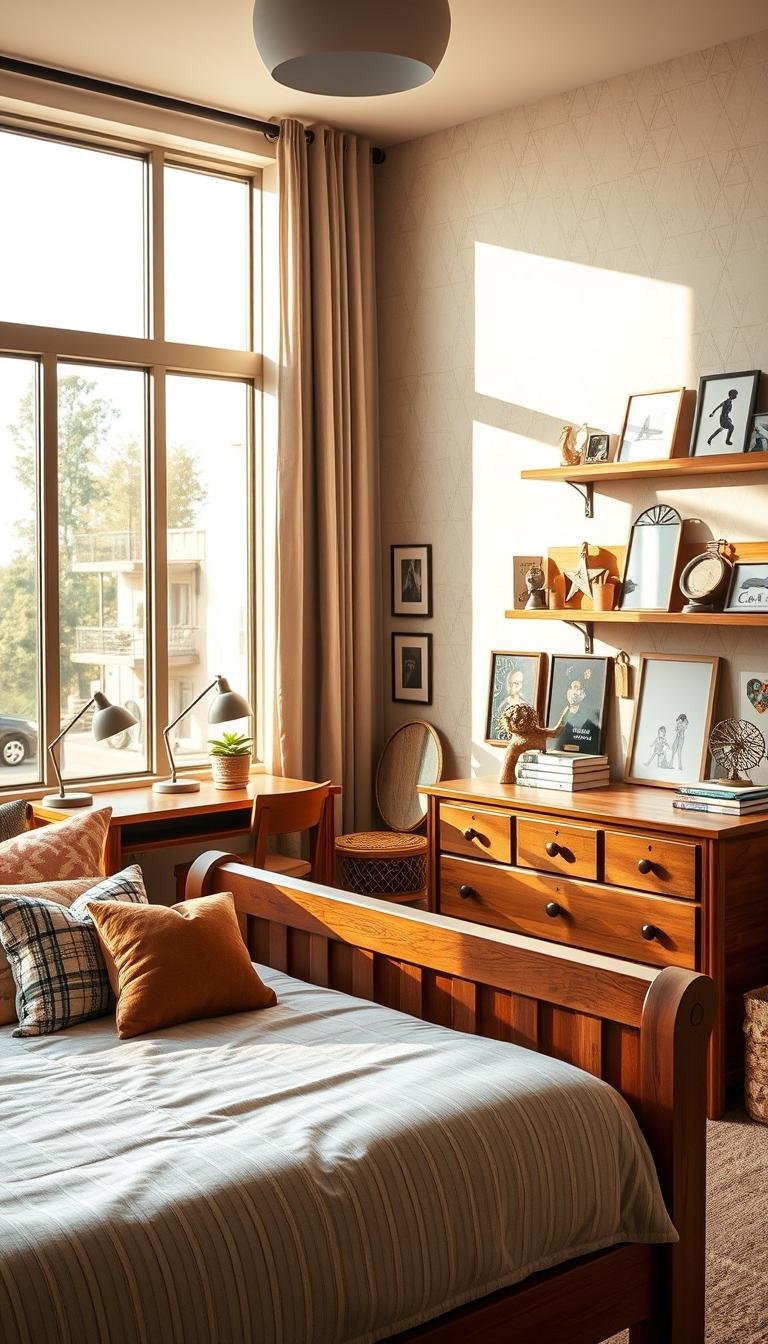
Welcome to your complete guide for creating a child’s personal space that evolves through different life stages. Designing a room for your son presents unique challenges as his interests and needs change over time.
This approach focuses on creating a flexible environment that balances current passions with timeless elements. You’ll discover how to build a foundation that remains relevant for years to come.
We’ll show you practical strategies for a seamless transition from childhood to teenage years. The concept revolves around adaptable elements that can be easily updated as tastes evolve.
Investing in quality foundational pieces serves multiple purposes over time. These smart choices create a space your child will love now and appreciate even more as he matures.
Why Create a Bedroom That Grows With Your Boy
When you build a room that adapts through different life stages, you’re investing in more than just decor. This approach creates lasting value for your entire home.
Many parents share this vision for their children’s spaces. One homeowner expressed it perfectly:
“We wanted the new spaces to be rooms they love now, but can also grow into. Additionally, I wanted these spaces to flow seamlessly with the other rooms in our colonial home, while still allowing their personal styles to shine through.”
This strategy saves you significant time and money. You avoid complete redesigns every few years as interests change.
Your child enjoys continuity during important developmental years. A consistent environment provides comfort and stability.
Quality pieces that last through multiple stages represent smart choices. They work well for your budget and create sustainable living spaces.
The room evolves to meet changing needs perfectly. It transitions from play area to study space to personal retreat seamlessly.
This method respects evolving interests while maintaining timeless style. You create meaningful spaces where memories accumulate over years.
| Traditional Approach | Adaptable Approach |
|---|---|
| Complete redesigns every 2-3 years | Minor updates as interests change |
| Themed decor that quickly dates | Timeless foundation with flexible accents |
| Higher long-term costs | Better value investment |
| Disruptive room changes | Smooth transitions between stages |
| Limited functionality options | Multi-purpose space that evolves |
This smart way of designing creates a special place in your home. It grows alongside your kid while maintaining harmony with your overall decor.
You’ll appreciate how this room serves different purposes over time. It becomes a cherished part of your family’s story.
Laying the Foundation: Timeless Elements to Start With
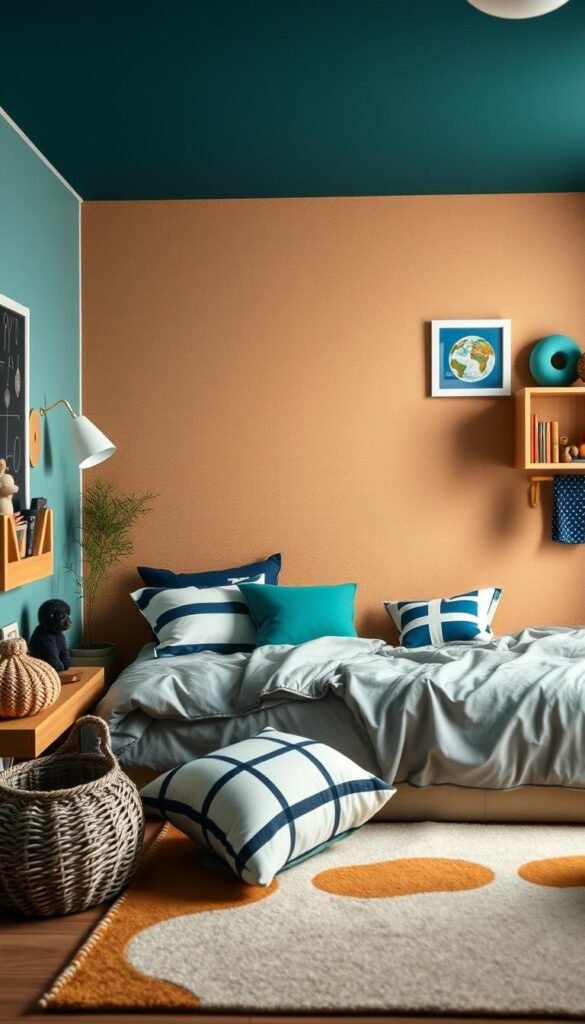
Building a lasting room starts with choosing foundation elements that stand the test of time. These permanent features create the backbone of your design strategy.
Smart foundation choices ensure your space remains relevant through different life phases. You’ll appreciate how these decisions simplify future updates.
Selecting a Versatile Color Palette
Neutral wall colors provide the perfect backdrop for evolving tastes. They create a clean canvas that allows personality to shine through accessories.
Many designers recommend Benjamin Moore’s White Dove for its warm neutrality. This shade works beautifully throughout your entire home.
One homeowner shared their experience:
“For their wall color, we stuck to White Dove by Benjamin Moore. This is the same color that we have on the walls in our living room and a few other spaces in our home.”
Using consistent colors creates visual harmony between rooms. This approach makes your whole home feel connected and intentional.
Your color scheme should serve as a flexible foundation. Neutral walls make it easy to change the room’s look with simple accessory updates.
Choosing Neutral Yet Durable Flooring
Flooring represents another long-term investment in your space. Select materials that can handle active years while maintaining their appearance.
Neutral flooring colors provide maximum flexibility for future style changes. They complement any color scheme or decor theme you might introduce later.
Durable options like hardwood or quality laminate withstand daily wear beautifully. These materials age gracefully and can be refinished if needed.
Your foundation elements should be quality investments that don’t require frequent replacement. This strategy saves money for fun, updatable pieces that reflect current interests.
The right foundation creates a cohesive backdrop that makes periodic updates easy and affordable. You’ll love how these choices simplify decorating decisions for years to come.
Boys Bedroom Decor Ideas That Grow With Them
Finding the perfect balance between youthful energy and lasting style can feel challenging. One parent expressed this journey perfectly:
“I searched high and low to find boy bedroom ideas that felt right for our home, and I’m excited to share the finished product and touch on what I learned along the way!”
This search for the right approach leads to wonderful discoveries. You’ll find practical solutions that transition beautifully through different life stages.
These approaches avoid complete redesigns every few years. Instead, they focus on smart updates that keep the space feeling fresh.
Incorporating current interests becomes an art form. The key lies in celebrating passions through elements that can be easily swapped later.
Think removable wall decals instead of painted themes. Consider display shelves for collections rather than permanent installations.
This method creates rooms that feel intentionally designed from the start. They maintain cohesion while allowing personal expression to shine.
Color, texture, and pattern work together to create depth. Choose elements that feel age-appropriate yet carry sophistication.
Layering is your secret weapon for adaptable design. Some elements remain constant while others change with seasons or interests.
This strategy creates spaces that children love at every age. They provide comfort and familiarity while accommodating natural growth.
The result is a room that feels both personal and polished. It becomes a special place where memories accumulate over years.
You’ll appreciate how these approaches make decorating enjoyable. They remove pressure while creating spaces that truly work.
Personalizing the Space With Their Current Interests
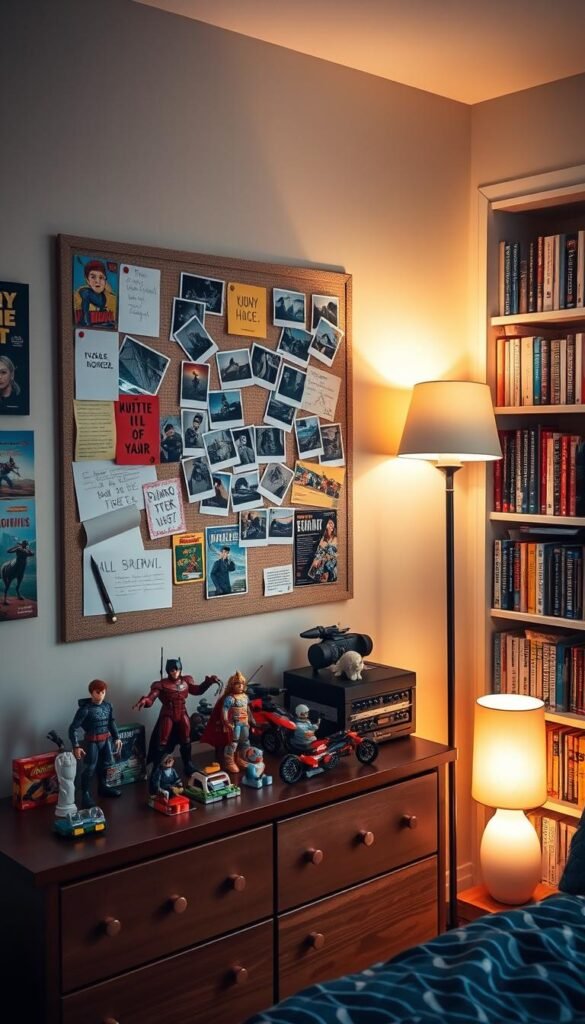
Your child’s room should reflect their unique personality while maintaining flexibility for future changes. One parent shared this valuable insight about creating meaningful spaces:
“I think keeping little pieces of their younger days, adding in new decor that they currently love, and also thinking about items that they can grow into in the future are all important things to keep in mind when updating a kids bedroom.”
This approach creates a layered look that tells your child’s story. It balances nostalgia with current passions and future possibilities.
You’ll discover how temporary elements can make big impacts. The key lies in choosing items that celebrate today without limiting tomorrow.
Incorporating Theme-Based Accents
Theme-based accents add immediate personality to any space. Use them strategically to highlight current interests without overwhelming the room.
Choose changeable elements like artwork, bedding, and throw pillows. These items can be easily swapped when tastes evolve.
Consider removable wall decals instead of permanent murals. They make dramatic statements without long-term commitments.
Moderation creates the perfect balance. A few well-chosen theme pieces make stronger statements than an entire themed room.
This method keeps the space feeling fresh and current. You can update it quickly as new interests emerge.
Displaying Cherished Collections
Collections tell beautiful stories about your child’s developing character. Display them in ways that feel intentional rather than cluttered.
Adaptable shelving systems work perfectly for evolving collections. They accommodate different sizes and types of items over time.
Create dedicated display areas that can grow with new interests. Floating shelves and glass-front cabinets showcase treasures beautifully.
Rotation keeps displays feeling fresh and meaningful. Store some items while highlighting others to prevent visual overload.
Balance personal collections with neutral backgrounds. This prevents the space from feeling too themed or dated.
Your child will love seeing their favorite pieces displayed proudly. These collections become cherished memories over time.
Smart display systems accommodate changing interests perfectly. They create organized spaces that celebrate your child’s unique journey.
You’ll appreciate how these methods maintain room character while allowing natural evolution. The space grows alongside your child beautifully.
Choosing a Theme for Your Boy’s Room
Selecting the right theme transforms a space into a personal haven that reflects your child’s unique personality. This choice creates an environment where imagination flourishes and interests come alive.
One parent discovered how multiple passions can coexist beautifully. They shared:
“John loves history, particularly Revolutionary War history. I think our colonial home gives us a slight advantage for this theme… He also loves Star Wars, so I’ve tried to incorporate this theme into his room as well.”
This approach shows how different interests can blend harmoniously. You create layers of meaning that tell your child’s evolving story.
Americana and Historical Themes
Historical themes offer timeless appeal that matures gracefully with your child. They work particularly well in traditional homes with classic architectural details.
Incorporate these themes through collected pieces and artwork rather than literal representations. Antique maps, framed documents, and reproduction artifacts add character without dating the space.
Color palettes often feature rich blues, deep reds, and creamy neutrals. These shades create a sophisticated backdrop that works through many years.
Display shelves showcase historical models or collected items beautifully. This allows interests to evolve while maintaining the room’s core character.
Minecraft and Gaming Themes
Gaming themes work best when suggested rather than literally reproduced. Subtle references through color and accessories keep the look current and adaptable.
One creative solution involved color choices: “The green in Wesley’s room is a nod to his love for Minecraft.” This approach incorporates passion without overwhelming the space.
Pixel-inspired artwork and geometric patterns reference gaming culture subtly. These elements can be easily updated as interests change.
Storage solutions that resemble game elements add fun functionality. They organize belongings while reinforcing the theme in an abstract way.
Sports and Adventure Themes
Active themes celebrate energy and enthusiasm through displayed equipment and inspirational artwork. They create spaces that feel dynamic and personal.
Display actual sports gear or adventure equipment as functional decor. These pieces tell real stories about your child’s experiences and achievements.
Wall displays of tickets, photos, or memorabilia create personal galleries. They can be rotated seasonally to keep the space feeling fresh and current.
Color schemes often pull from team colors or natural adventure palettes. These choices work well with neutral foundations for balanced looks.
| Theme Type | Best Implementation | Longevity Potential |
|---|---|---|
| Historical | Artwork and collected pieces | High – ages gracefully |
| Gaming | Color references and abstract patterns | Medium – requires updates |
| Sports | Equipment displays and memorabilia | Medium-high – evolves with interests |
| Adventure | Natural materials and travel elements | High – timeless appeal |
Choose themes with natural evolution paths rather than fleeting trends. This ensures the space remains relevant as interests mature.
Incorporate passions through changeable elements like bedding and accessories. Avoid permanent installations that limit future flexibility.
Multiple interests can coexist when united by color or style. This creates rich, layered spaces that truly reflect your child’s unique personality.
Selecting Furniture That Adapts Over Time
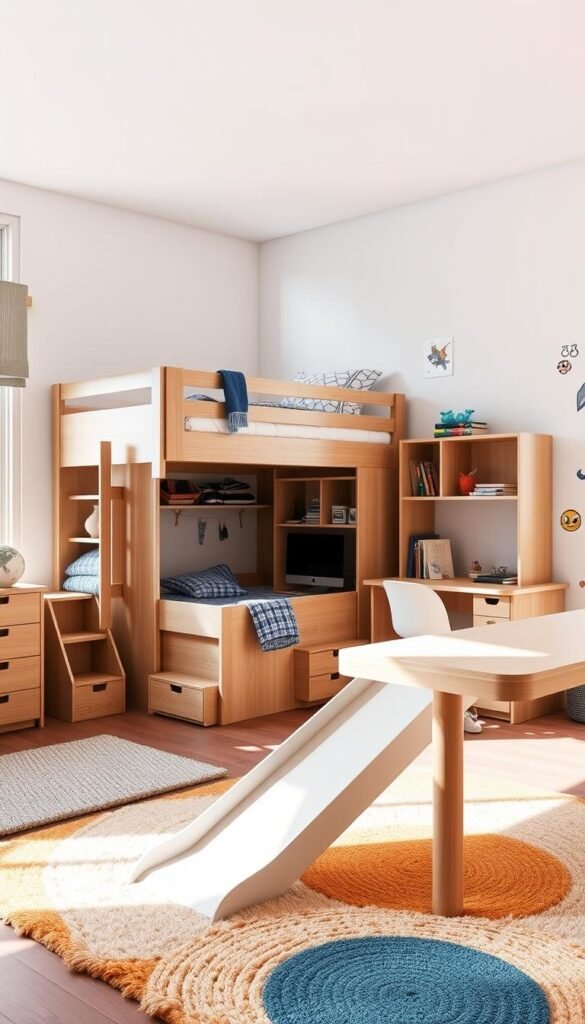
Smart furniture choices make all the difference in creating a space that evolves gracefully. You want items that work today while remaining relevant tomorrow.
One parent captured this perfectly:
“You want pieces that reflect their current stage, but also allow them to continue growing. Nobody wants to remodel a room only to turn around and have to order new furniture a few years down the road.”
This approach saves you money and reduces decorating stress. Quality furniture becomes an investment that pays off for years.
Investing in a Quality Bed Frame
Your bed frame serves as the anchor piece in the entire room. Choose one with classic lines and durable construction.
Timeless designs work from childhood through teenage years. They provide a stable foundation for changing decor styles.
Neutral finishes offer maximum flexibility. You can add personality through bedding and accessories instead.
Look for solid construction that withstands active use. Well-made frames maintain their appearance through years of daily life.
Multi-Functional Storage Solutions
Smart storage solves multiple challenges in one elegant solution. These pieces keep the room organized while adapting to changing needs.
Consider beds with built-in drawers or shelving. They provide hidden storage without sacrificing floor space.
Desks with integrated organization help maintain tidy workspaces. They support homework time now and study sessions later.
Modular shelving systems grow with your child’s collections. You can rearrange components as interests evolve.
| Furniture Type | Adaptable Features | Long-Term Value |
|---|---|---|
| Bed Frames | Classic designs, neutral finishes | High – lasts 10+ years |
| Storage Beds | Built-in drawers, hidden compartments | High – space-saving function |
| Desks | Adjustable height, integrated organization | Medium-High – grows with needs |
| Shelving | Modular components, configurable layouts | High – adapts to changing uses |
Proportions matter when selecting lasting furniture. Avoid overly juvenile sizes that will feel outgrown too quickly.
Clean lines and versatile styles create a cohesive look. They allow your child’s personality to shine through changeable elements.
Your furniture choices should support the room’s function at every stage. This creates a space that works as hard as you do.
Bed Options for Every Stage of Growth
Choosing the right sleeping area becomes a cornerstone decision in your design journey. This selection impacts both current enjoyment and future adaptability of the personal space.
One parent shared their thoughtful approach to this important choice:
“For John’s room, we went with The Inside’s slipcovered bed. I felt like this was a great option, as it is versatile and spacious enough to allow for plenty of growth. I also love that I always have the option to recover this piece down the road.”
This perspective highlights how strategic thinking pays off long-term. Your investment today creates flexibility for tomorrow’s changes.
Classic Slipcovered Beds
Slipcovered options offer remarkable versatility for evolving tastes. You can completely transform the appearance with simple cover changes.
These beds work beautifully in shared spaces or single rooms. They accommodate different color schemes as preferences mature.
The ability to recover the piece later provides excellent value. You refresh the look without replacing the entire frame.
Quality slipcovered designs maintain their structure through years of use. They represent smart investments that adapt to changing styles.
Timeless Spindle or Turned Wood Beds
Wood frames with spindle or turned details bring classic appeal to any setting. Their traditional craftsmanship ensures lasting beauty.
Another parent appreciated this timeless quality:
“For Wesley’s room, I really wanted a spindle bed. I love the classic look of them… we went with the Chris Loves Julia Turned Wood Bed from Pottery Barn Kids.”
These designs transition gracefully from childhood through teenage years. Their elegant proportions never feel juvenile or dated.
Natural wood finishes complement various decor styles beautifully. They create warmth and character that ages wonderfully.
Consider sizing options that accommodate physical growth. Twin XL or full dimensions often serve better long-term than standard twins.
Clean lines and simple silhouettes ensure lasting relevance. Avoid overly themed designs that might feel restrictive later.
Integrated storage solutions maximize functionality in compact areas. Drawers or shelves beneath the frame provide practical organization.
| Bed Type | Key Advantages | Longevity Factor |
|---|---|---|
| Slipcovered Beds | Easy style changes, recoverable surface | High – completely refreshable |
| Wood Spindle Beds | Timeless design, durable construction | Very High – becomes heirloom quality |
| Storage Beds | Space optimization, built-in organization | High – functional through all stages |
| Adjustable Frames | Growing capability, convertible sizes | Medium-High – adapts to physical needs |
Coordinate your bed selection with other furniture pieces. This creates cohesive styling that evolves together harmoniously.
Well-chosen frames often retain resale value or become family hand-me-downs. They represent investments that continue giving value over time.
Your selection should balance current needs with future possibilities. This approach creates a foundation that supports natural growth beautifully.
Incorporating Heirlooms and Thrifted Finds
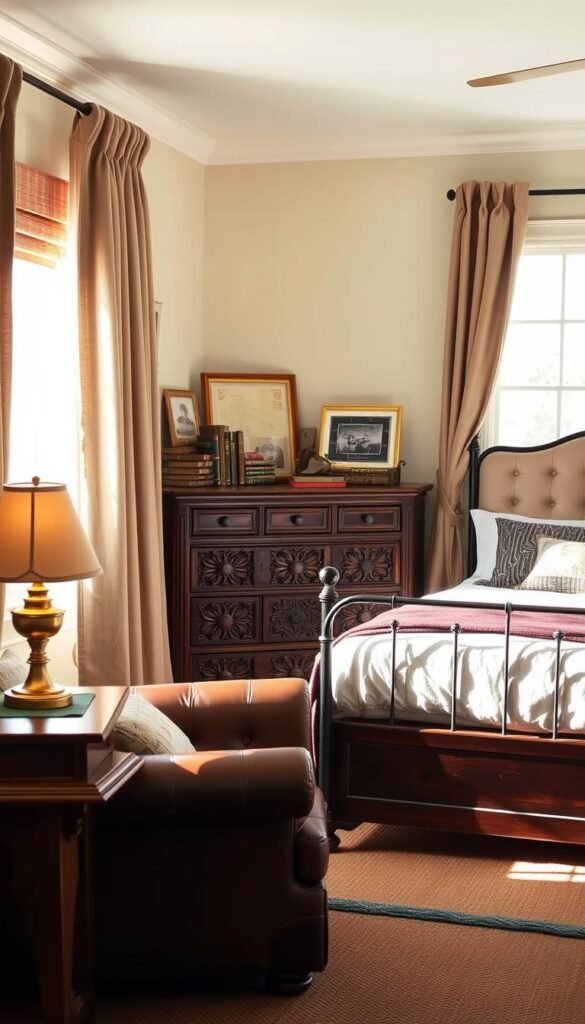
Blending family treasures with carefully chosen new items creates spaces rich with meaning. This approach adds layers of history and personality that mass-produced furniture cannot match.
One homeowner beautifully described this philosophy:
“Something that I love doing throughout our home is mixing heirlooms and thrifted items with new pieces. I adore the character that antique items add to a space, but also appreciate the newness of current items.”
Mixing Old and New for Character
Family heirlooms bring instant soul to any room. They carry stories and memories that new furniture simply cannot replicate.
These special pieces often feature superior craftsmanship. Their durability frequently outlasts contemporary alternatives.
Thrifted finds offer unique character at affordable prices. You can easily update them with fresh paint or new hardware.
This blend creates collected spaces that feel personal rather than perfect. Your room develops its own distinctive personality over time.
Storytelling Through Furniture Pieces
Every heirloom piece tells part of your family’s story. These items create meaningful connections to history and traditions.
That vintage desk might have belonged to a grandparent. An old bookshelf could have held childhood treasures.
These stories add depth and warmth to the space. They transform furniture into conversation starters and memory keepers.
Your child develops appreciation for quality and history. They learn value beyond mere appearance or function.
Strategic mixing creates balanced, inviting spaces. You maintain freshness while honoring the past beautifully.
This approach makes your room truly one-of-a-kind. It reflects your family’s unique journey through generations.
Maximizing Functionality in the Space
A well-designed kids room serves multiple purposes beyond just sleeping. Your child’s personal area should support various activities throughout their day.
Smart planning creates distinct zones within one room. This approach makes every square foot work efficiently.
One parent discovered this transformative approach:
“If you’re looking for boy bedroom ideas in regards to empty space in a room, I highly suggest considering adding a little reading nook. You could do this with built-in cabinets or a bookshelf… To complete the reading nook, I added a cozy traditional-looking chair from The Inside.”
Creating a Dedicated Homework Area
Establish a specific spot for schoolwork within the room. This dedicated space helps your child focus during study time.
Choose a desk with proper lighting and comfortable seating. Organized storage for supplies keeps everything within easy reach.
Task lighting supports eye health and concentration. Adjustable lamps provide ideal illumination for reading and writing.
Consider how school demands will increase with age. Flexible furniture arrangements accommodate changing academic needs.
Designing a Cozy Reading Nook
Transform unused corners into inviting reading spots. Comfortable seating encourages your child to enjoy books regularly.
Accessible book storage makes reading materials easy to reach. Built-in cabinets or shelves keep everything organized.
Good lighting creates the perfect atmosphere for reading. Natural light during daytime and lamps for evening use work beautifully.
This special area becomes a favorite retreat. It supports literacy development while providing quiet relaxation space.
Room dividers or furniture arrangement create distinct activity zones. These separations help maintain focus during different tasks.
Organizational systems keep functional areas tidy and efficient. Everything has its place for daily use and easy access.
Your design should consider sleep, study, play, and relaxation needs. Each function deserves its own dedicated space.
This thoughtful approach transforms how your child experiences their personal environment. It supports their development while maximizing room utility.
Wall Decor That Evolves Easily
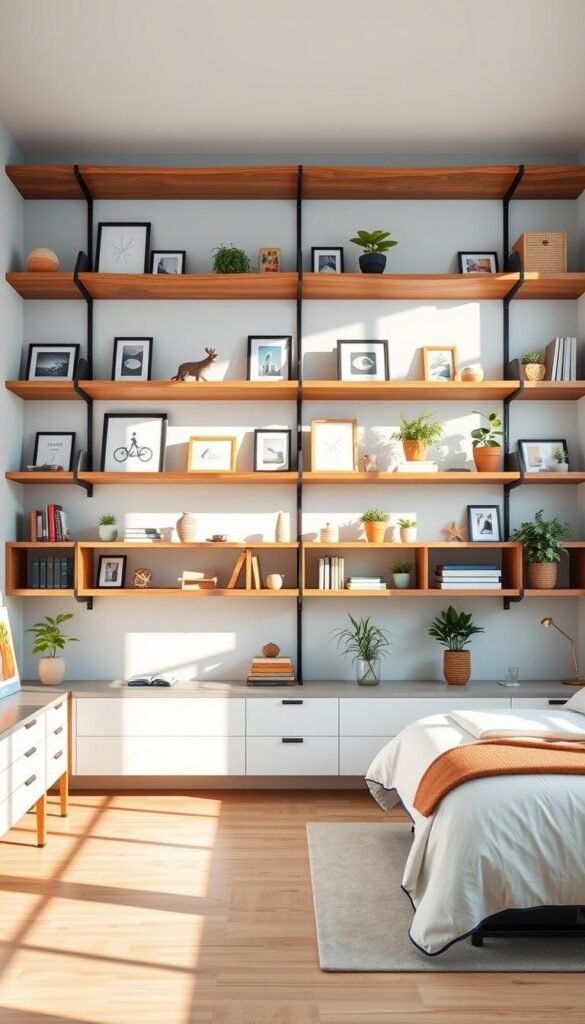
Your walls offer the perfect canvas for expressing changing interests without major renovations. This approach lets you refresh the entire look with simple updates.
One designer shared this smart strategy: “Framed posters and a playful pillow are a great way to bring a boy’s interests into his space — especially because they’re so easy to swap out if, in a month, he has a new favorite obsession.”
This flexibility keeps the room feeling current and personal. You celebrate today’s passions while planning for tomorrow’s changes.
Using Adjustable Shelving Systems
Adjustable shelving systems transform how you display collections and treasures. They accommodate growing interests and changing displays beautifully.
These systems let you rearrange components as needs evolve. You can create different configurations for various types of items.
Consider shelves that hold artwork, photos, and memorabilia together. This creates dynamic displays that tell ongoing stories.
Modular systems grow with your child’s expanding collections. They provide organized display space that adapts to new interests.
Framed Artwork for Easy Updates
Framed pieces offer one of the simplest ways to update your wall decor. You can change the art while keeping the same frames for consistency.
Choose neutral framing styles that work with multiple artwork types. This creates a cohesive look even when content changes completely.
Picture ledges make rotation incredibly easy. They allow quick swaps without constantly putting new holes in your walls.
Gallery walls provide excellent flexibility for adding and removing pieces. You maintain a curated look that evolves over time.
Removable wall decals offer another temporary option. They create dramatic statements without damaging your wall surfaces.
Temporary wallpaper accents work similarly for pattern and color. Both options let you experiment with different styles risk-free.
| Wall Solution | Update Ease | Damage Risk | Cost Factor |
|---|---|---|---|
| Adjustable Shelving | High – rearrange components | Low – minimal wall contact | Medium investment |
| Framed Artwork | Very High – swap content | Low – same hanging points | Low after initial frames |
| Picture Ledges | Extreme – slide pieces in/out | Very Low – few installation points | Low to Medium |
| Removable Decals | High – peel and replace | None – no adhesive residue | Low per change |
Your wall solutions should support easy evolution. They become the framework for expressing changing personalities.
This approach keeps the space feeling fresh and intentional. You create environments that truly reflect your child’s journey.
Lighting Choices for Ambiance and Task
Lighting solutions bridge the gap between practical needs and atmospheric comfort in growing spaces. Your illumination strategy should support both focused activities and relaxing moments throughout the day.
Consider how different lighting layers work together harmoniously. This approach creates versatility that adapts to changing routines and preferences.
One designer noted how lighting complements other design elements beautifully: “The leather seat in this space is a more elevated version of a ’90s bean bag, especially paired with surprisingly artful superhero prints.” Proper illumination makes these combinations shine.
Overhead Lighting with Dimmable Features
Your main ceiling fixture serves as the foundation of your lighting plan. Choose options with dimmable capabilities for maximum flexibility.
Dimmable overhead lights allow you to adjust brightness throughout the day. Bright settings support active play and homework, while softer glows create calming evening atmospheres.
Consider LED fixtures for their energy efficiency and long lifespan. These choices reduce maintenance while providing consistent quality illumination.
Timeless fixture designs ensure your lighting remains relevant for years. Avoid overly trendy styles that might feel dated quickly.
Task Lighting for Study Areas
Dedicated task lighting transforms specific areas into functional zones. These focused lights support concentration during homework and reading sessions.
Adjustable desk lamps provide directed illumination where needed most. They reduce eye strain while creating ideal working conditions.
Consider smart lighting systems that can be programmed for different activities. These solutions offer convenience while supporting various daily routines.
Your task lighting should complement rather than compete with overhead options. This layered approach creates the perfect balance for any activity.
Quality illumination makes the entire space feel more intentional and comfortable. It’s one way to ensure the room works perfectly at every stage.
Storage Solutions for Changing Needs
Effective organization systems transform how your child interacts with their personal environment. Smart storage choices keep the area tidy while accommodating natural accumulation of belongings over time.
One parent observed this practical reality: “Boys tend to accumulate a lot of things — which is why storage solutions, like baskets and cabinets are so key for keeping their rooms look neat.” This approach maintains order while allowing interests to flourish.
Your storage strategy should evolve alongside your child’s developing needs. Flexible systems provide the perfect answer to this ongoing challenge.
Modular Storage Systems
Modular units offer incredible adaptability for growing collections and changing interests. You can reconfigure these components as needs shift over the years.
Systems like The Badger Multi-Bin Storage Cubby stack or place side-by-side to increase capacity. This flexibility creates customized solutions that work today and tomorrow.
Adjustable shelving accommodates different item types as interests mature. Books, trophies, and collections all find their perfect home.
These systems grow with your child’s expanding world. They provide organized display space that adapts to new passions.
Under-Bed Storage Options
The area beneath the sleeping surface represents valuable real estate often overlooked. This space perfectly stores seasonal items, extra bedding, or toy rotations.
Built-in drawers or rolling bins maximize this frequently wasted area. They keep essentials accessible yet out of sight.
Consider window seat drawers repurposed for storing larger items. These clever solutions maintain clean lines while providing plenty of hidden space.
Your storage approach should combine both open and closed options. Display special pieces while concealing everyday clutter.
Accessible organization encourages your child to maintain tidiness independently. Systems should be easy to use and logically arranged.
Multi-functional pieces like storage ottomans or benches serve dual purposes beautifully. They provide seating while hiding belongings inside.
Quality materials ensure these solutions withstand years of use and reorganization. Durable construction maintains appearance through active daily life.
Your storage design should make putting things away as easy as taking them out. This creates habits that last a lifetime.
| Storage Type | Best Uses | Adaptability Level |
|---|---|---|
| Modular Systems | Books, collections, display items | High – reconfigurable components |
| Under-Bed Storage | Seasonal items, extra bedding, toys | Medium – fixed space, flexible contents |
| Multi-Function Pieces | Seating with hidden storage | High – serves multiple purposes |
| Adjustable Shelving | Growing collections, changing displays | Very High – customizable arrangements |
Your organizational approach creates a foundation for independent habits. It teaches valuable life skills while keeping the environment functional.
These solutions ensure everything has its proper place. This reduces clutter and makes cleaning up simpler for everyone.
The right storage makes the entire room work better. It supports daily routines while accommodating natural growth beautifully.
Tips for Designing a Shared Boys Bedroom
Creating a shared personal area for siblings presents unique opportunities and challenges. You want to foster harmony while respecting individual needs within one room.
This approach requires thoughtful planning to balance shared and private spaces. You’ll discover smart solutions that work for different ages and personalities.
One design expert notes the particular challenge of age gaps: “Designing a space for boys with an age gap can be a particular challenge, but staggered bunk beds make a solid solution: A lower, full-size bed is perfect for an older boy, while the upper bunk feels exciting for little brother.”
Staggered Bunk Beds for Age Gaps
Staggered bunk arrangements solve multiple challenges in one smart solution. They accommodate different age needs while maximizing available floor space.
The lower full-size bed provides comfortable sleeping for older children. It offers ample room for growing bodies and nighttime reading.
The upper bunk creates excitement for younger siblings. It feels like a special adventure while keeping everyone in the same area.
This configuration allows each child to have age-appropriate sleeping arrangements. It respects their different stages while maintaining family connection.
Safety features become especially important with staggered designs. Ensure sturdy construction and proper guardrails for peace of mind.
Creating Individual Zones
Personal zones give each child their own defined area within the shared environment. This approach maintains privacy while encouraging togetherness.
Color coding helps distinguish each boy’s personal space effectively. Different bedding, storage bins, or accent walls create visual separation.
Room dividers or furniture placement can establish clear boundaries. Bookshelves or curtains work beautifully for this purpose.
Personalized storage keeps belongings organized and separate. Labeled bins or color-coded shelves prevent mix-ups and arguments.
Flexible furniture arrangements allow for reconfiguring as needs change. Mobile pieces can create new layouts as relationships evolve.
Adequate lighting should support individual activities in each zone. Task lamps or reading lights create personalized illumination.
| Design Challenge | Smart Solution | Benefits |
|---|---|---|
| Different age requirements | Staggered bunk beds | Age-appropriate sleeping, space saving |
| Personal privacy needs | Individual zones with dividers | Personal space within shared room |
| Belonging organization | Color-coded storage systems | Easy identification, reduced conflicts |
| Changing relationships | Flexible furniture arrangements | Adaptable to evolving needs |
| Activity lighting | Zone-specific task lighting | Supports individual pursuits |
Shared rooms teach valuable lessons about cooperation and respect. They create environments where siblings learn to navigate space together.
Your design should balance communal areas with personal retreats. This creates a harmonious environment that everyone enjoys.
Thoughtful planning makes shared spaces work beautifully for years. You create rooms that support both individual growth and family bonding.
Incorporating Educational Elements Decoratively
Educational elements can be seamlessly integrated into room design to spark curiosity. This approach creates an environment where learning happens naturally through everyday exposure to interesting concepts.
One clever idea demonstrates this perfectly: “A small globe doubles as decor and a sneakily educational toy.” This shows how functional pieces can serve multiple purposes beautifully.
World Maps and Globe Accents
Maps and globes serve as both decorative pieces and learning tools. They spark conversations about geography, cultures, and world exploration.
Choose antique-style maps for timeless appeal. Their vintage look adds character while teaching about different regions and countries.
Interactive globes with lighting features create engaging learning moments. They make geography lessons fun and visually interesting.
These pieces should complement your overall color scheme. They become artistic elements that contribute to the room’s aesthetic while educating.
Science and Nature Displays
Science displays can include specimens, models, or educational artwork. These elements grow with your child’s expanding interests and knowledge.
Consider framed butterfly collections or mineral specimens. They add natural beauty while teaching about science and nature.
Microscope slides displayed as art pieces create unique conversation starters. They blend scientific curiosity with decorative appeal.
Rotate these displays to maintain interest over time. This keeps the space feeling fresh and accommodates growing knowledge levels.
Interactive elements engage hands-on learning and exploration. They make education feel like discovery rather than classroom work.
Your educational decor should complement personal interests while expanding knowledge. This creates a space that feels both personal and inspiring.
The right balance makes learning feel natural and enjoyable. You create an environment where curiosity flourishes organically.
Budget-Friendly Ideas for Long-Term Design
Creating a space that evolves doesn’t require a huge budget. Smart planning helps you build a room that adapts while keeping costs manageable.
One designer offers this encouraging perspective:
“Putting together any room doesn’t happen overnight. Take your time, hunt for the right pieces, and give yourself grace when you see other boy bedrooms that look perfect. I promise you, they didn’t start off that way!”
This approach takes pressure off creating perfection immediately. You build gradually as you find quality pieces within your budget.
DIY Art and Personal Projects
Handmade creations add unique character to any personal area. They reflect current passions without major financial investment.
Your child can help create artwork that showcases their interests. These projects become meaningful decorations that tell personal stories.
Simple frames display their creations beautifully. You can rotate artwork as skills develop and tastes change.
Involving your son in decorating builds pride and connection to his space. These shared projects create memories beyond mere decoration.
DIY solutions allow frequent updates as interests evolve. They keep the room feeling fresh without constant spending.
Strategic Splurge and Save Areas
Smart budgeting means knowing where to invest and where to save. This balance creates quality that lasts while allowing flexibility.
Foundation pieces deserve your investment dollars. Beds, dressers, and storage systems should be quality items that endure.
Decorative elements offer perfect saving opportunities. Pillows, artwork, and accessories can be affordable yet impactful.
Thrifted finds bring character at reasonable prices. You can often find unique pieces that mass-produced items cannot match.
Plan for periodic updates rather than one perfect design. This approach spreads costs over time while keeping the space current.
Your budget should accommodate evolving tastes and growing needs. This creates a room that feels intentionally designed at every stage.
Maintaining Flexibility for Future Changes
Keeping your child’s personal area adaptable requires thoughtful choices that anticipate future transformations. This approach ensures the environment evolves naturally alongside your son’s developing interests and needs.
One designer emphasizes this personalized approach:
“The biggest thing I want you to take away from this cool bedroom is that it feels very collected and personality-driven. More than anything, I think a teen boy room needs to be driven by the teen in terms of what the interests are.”
Easy-Swap Decor Elements
Changeable accessories provide the simplest way to refresh your space. Pillows, artwork, and decorative items can transform the entire feel without major investment.
These elements allow quick updates as passions shift. You maintain current style while keeping the foundation intact.
Avoid permanent installations that limit future design options. Choose temporary solutions that celebrate today while welcoming tomorrow.
Rotate pieces seasonally or as interests evolve. This keeps the environment feeling fresh and personally relevant.
Planning for Teenage Years Early
Consider future needs when selecting pieces today. Choose items that will work through multiple life stages gracefully.
Think about increased study requirements and technology integration. Plan for social space that accommodates growing friendships.
Select systems rather than fixed solutions for storage and organization. Modular components adapt to changing needs beautifully.
Keep some elements neutral to accommodate dramatic style shifts. This creates balance between personal expression and timeless design.
Regular small updates prevent complete overhauls later. They keep the space feeling current without overwhelming changes.
| Fixed Approach | Flexible Approach |
|---|---|
| Permanent themed installations | Swappable decor elements |
| Single-purpose furniture | Multi-functional systems |
| Age-specific color schemes | Neutral foundation with accents |
| Complete redesigns needed | Gradual updates over time |
| Higher long-term costs | Budget-friendly evolution |
This thoughtful planning creates spaces that truly grow with your child. You build environments that remain personally meaningful through every stage.
Creating a Space They’ll Love for Years to Come
Crafting a personal area for your son combines creativity with practical planning. The ultimate goal is building a happy, welcoming room your child will cherish.
Balance current interests with future flexibility for lasting appeal. Quality investments in key pieces pay off through years of use.
Small updates keep the space feeling fresh without complete redesigns. Involving your boy in decisions ensures the room truly reflects his personality.
A well-designed area becomes a cherished part of your home. Memories accumulate here through every stage of growth.
This approach creates a comfortable environment that evolves naturally. Your son will love his special place for years to come.