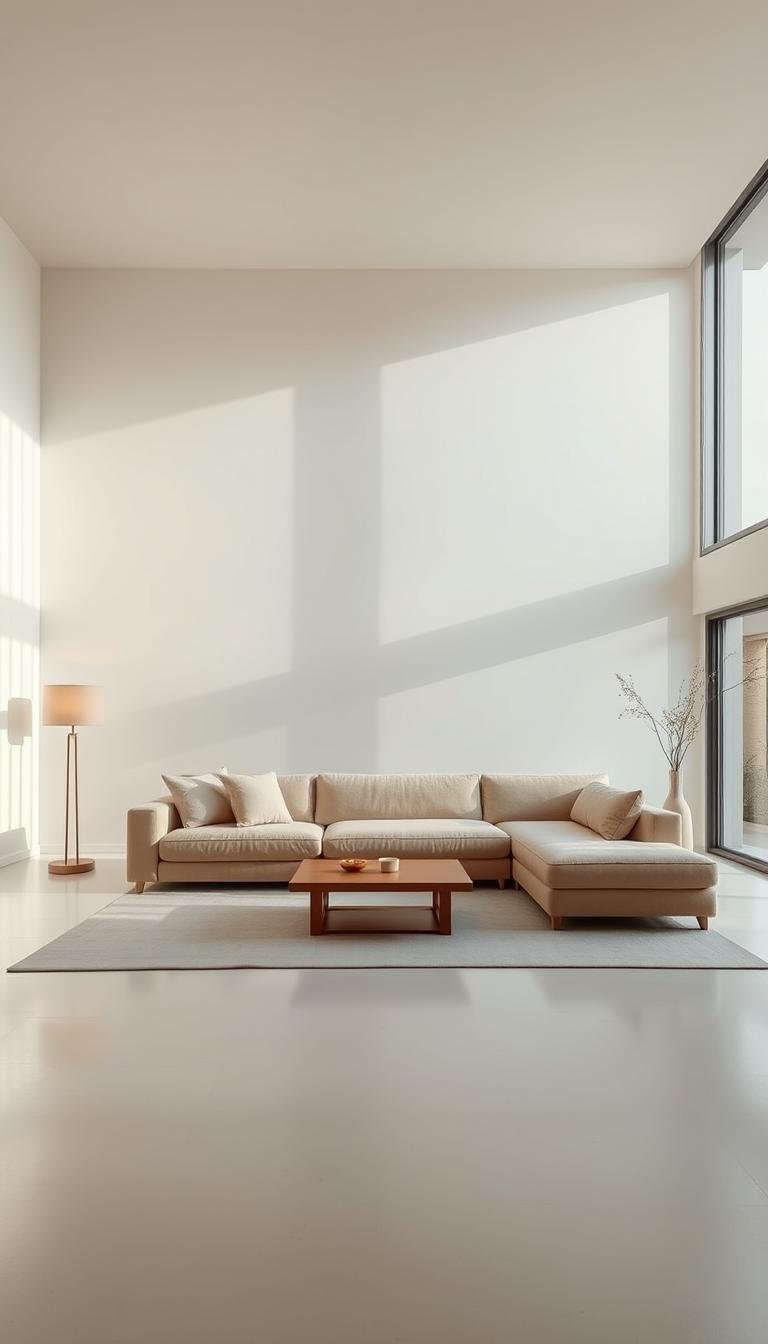
Imagine walking into a space that feels both calm and beautiful. A minimalist living room achieves this with ease. It focuses on what truly matters, removing clutter and stress.
This design approach uses clean lines and a neutral color scheme. You get a room that is easy to maintain and feels incredibly peaceful. Every piece of furniture has a purpose, often serving multiple needs.
Natural light plays a huge role, making the area feel open and airy. Strategic lighting and simple decor add warmth without the mess. The goal is a perfect blend of style and function.
Ready to create your own serene retreat? Let’s explore how to bring this vision to life in your home.
Why Minimalist Living Room Design Appeals to Modern Homeowners
Modern life moves fast, and our homes should be our peaceful escape. This is why so many people are embracing minimalist design for their main gathering space. The approach focuses on what truly matters in your daily living experience.
The Psychological Benefits of Less Clutter
Research shows that visual clutter creates mental clutter. When you reduce the stuff in your room, you create mental breathing space. This leads to better focus and reduced stress levels.
Clean lines and open areas have a calming effect on your nervous system. They allow your mind to rest instead of constantly processing visual information. Many people report improved mood and mental clarity after decluttering.
Your interior environment directly impacts your wellbeing. Choosing fewer things means less to clean and maintain. This simplicity creates more time for what truly matters in your life.
How Minimalism Supports Sustainable Living
Minimalist living naturally aligns with eco-friendly values. You consume less when you carefully choose what to bring into your space. This reduces waste and environmental impact over time.
Quality over quantity becomes your guiding principle. You invest in durable furniture that lasts years instead of disposable trends. Fewer decor items mean less manufacturing and shipping pollution.
This approach to interiors creates a lighter footprint on our planet. You become more intentional about the things you use daily. The result is a home that feels good and does good.
Minimalism isn’t just about design – it’s a lifestyle choice that benefits you and the environment. Your living room becomes a reflection of these values.
Essential Elements Every Minimalist Living Room Needs
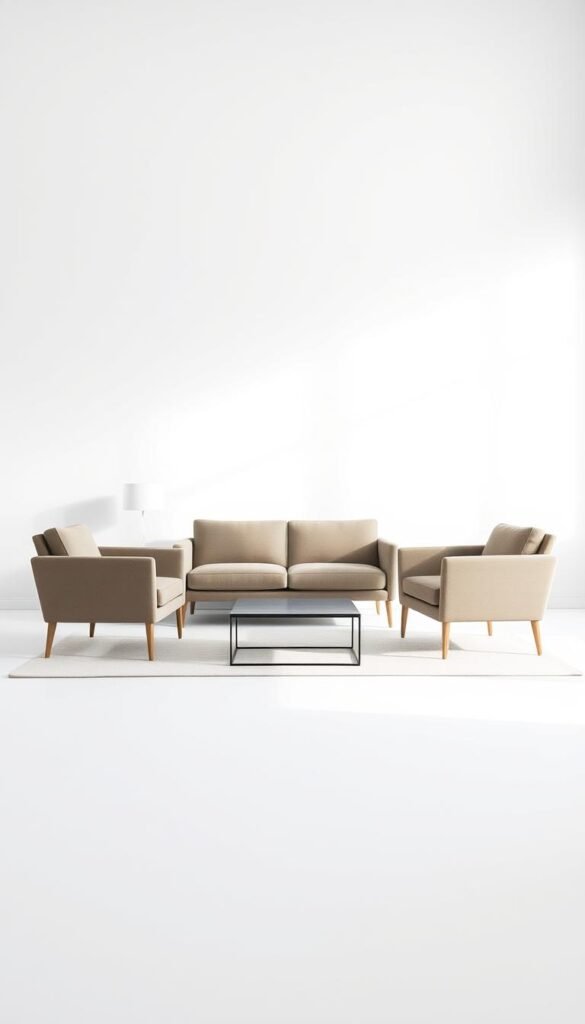
Building your ideal minimalist space begins with selecting the right foundational elements. These core components work together to create harmony and function. Each piece serves a purpose while maintaining visual simplicity.
Thoughtful choices in furniture and lighting transform your area. They establish the calm atmosphere you desire. Every item should contribute to both beauty and practicality.
Functional Furniture Pieces: Sofa, Coffee Table, and Storage
Your seating choice anchors the entire room. Opt for a comfortable sofa with clean lines and neutral tones. This becomes your main gathering spot for relaxation.
A practical coffee table serves multiple needs. It provides surface space while contributing to the aesthetic. Choose one with simple design and possibly hidden storage.
Smart storage solutions keep clutter out of sight. Built-in shelves or multi-functional pieces work best. They maintain clean lines while offering practical organization.
| Furniture Type | Key Features | Material Options |
|---|---|---|
| Sofa/Seating | Clean lines, neutral colors, comfortable | Linen, leather, cotton |
| Coffee Table | Simple design, possibly with storage | Wood, glass, metal |
| Storage Solutions | Built-in, multi-functional, discreet | Wood, metal, composite |
Balance your furniture arrangement for optimal flow. Leave enough walking space between pieces. This creates an open feeling even in smaller areas.
The Role of Lighting and Window Treatments
Natural light plays a crucial role in your design. It makes the space feel open and inviting. Maximize window exposure whenever possible.
Window treatments should be simple or omitted entirely. If needed, choose sleek shades that maintain brightness. They provide privacy without sacrificing light.
Artificial lighting complements natural sources. Use slender fixtures with compact shades. Layer different light types for various moods and functions.
Strategic placement enhances the room’s atmosphere. Focus on areas where you need task lighting. Ambient lighting creates overall warmth and comfort.
These elements combine to create a cohesive environment. Your furniture provides function and form. Lighting establishes mood and enhances space.
Together, they form the foundation of your peaceful retreat. Each component supports the minimalist philosophy. The result is a beautiful, practical living area.
Embracing Neutral Color Schemes with Purpose
Neutral tones create the foundation for a truly peaceful living environment. These colors bring calmness and versatility to your minimalist approach. They form the perfect backdrop for your daily life.
A well-chosen palette makes your area feel both spacious and inviting. It allows other elements to shine while maintaining harmony. This creates visual rest for your eyes and mind.
Choosing the Right Shades for Your Space
Selecting neutrals requires careful consideration of your room’s lighting. North-facing spaces benefit from warmer tones like creamy whites. South-facing areas can handle cooler grays and pure whites.
Test paint samples on different walls throughout the day. Observe how natural and artificial light affect each shade. This ensures you choose colors that work in all conditions.
Consider these popular neutral options for your walls and large furniture:
| Color Family | Best For | Lighting Considerations | Complementary Materials |
|---|---|---|---|
| Warm Whites | North-facing rooms, smaller spaces | Adds warmth in low light conditions | Natural wood, brass accents |
| Cool Grays | South-facing rooms, modern aesthetics | Balances abundant natural light | Chrome, glass, concrete |
| Soft Beiges | Traditional spaces, transitional design | Works well in most lighting situations | Woven textiles, leather, stone |
| Greige Tones | Contemporary spaces, open floor plans | Adapts to changing light throughout day | Mixed metals, textured fabrics |
Layer different tones within the same color family for depth. Use lighter shades on walls and darker variations in accessories. This creates interest without introducing competing colors.
When and How to Introduce Accent Colors
Accent colors should complement rather than dominate your neutral base. Introduce them through movable elements first. This allows you to experiment without permanent changes.
Start with textiles like throw pillows or area rugs. These items are easy to swap if the color doesn’t work as expected. Choose muted versions of your favorite hues for subtle impact.
Consider these effective accent options:
- Soft blush pinks in velvet pillows
- Calm blue tones in ceramic vases
- Muted greens in botanical prints
- Warm terracotta in pottery pieces
Use natural materials to add warmth and break up monochromatic schemes. Wood tones bring organic warmth to cool color palettes. Stone elements add texture and visual interest.
Your accent choices should reflect personal style while maintaining minimalist principles. They add personality without creating visual clutter. The result is a space that feels both curated and comfortable.
A balanced color scheme enhances the overall harmony of your environment. It creates visual flow and supports the peaceful atmosphere you want to achieve. Your room becomes a true reflection of thoughtful design.
Maximizing Natural Light for an Airy Feel
Sunlight transforms your environment into a bright sanctuary. It creates an open atmosphere that feels both refreshing and peaceful. This approach makes your area appear larger and more inviting.
Natural illumination boosts your mood and energy levels throughout the day. It highlights the beauty of your furniture and decor. The effect is a space that feels alive and welcoming.
Window Treatment Options That Maintain Brightness
Your window choices significantly impact how light enters your room. Many homeowners use minimal coverings to maximize sunlight. This strategy keeps your space bright throughout the day.
Consider these effective window solutions:
- Sheer panels that soften light while providing privacy
- Sleek roller shades that filter sunlight without blocking it
- Minimalist blinds that adjust to control light levels
Some people choose to forgo treatments entirely. This works well when privacy isn’t a major concern. It allows maximum light penetration into your living room.
Your selection should balance brightness with your need for privacy. Light-colored treatments reflect more illumination than dark options. They maintain the airy quality of your minimalist living room.
Strategic Mirror Placement to Enhance Light
Mirrors serve as powerful tools for amplifying natural illumination. They reflect sunlight into darker corners of your room. This technique makes your entire space feel brighter and more open.
Position mirrors directly opposite your windows for maximum effect. This placement captures and redirects incoming light. Even smaller mirrors can make a significant difference when placed strategically.
Consider placing a large mirror on a main wall to create the illusion of additional space. The reflection adds depth and dimension to your environment. It enhances both natural and artificial lighting effects.
Choose mirror frames that complement your minimalist aesthetic. Simple, thin frames work best for this style. They don’t distract from the reflective surface’s function.
Natural light plays a crucial role in creating healthy, energy-efficient homes. According to lighting experts, proper illumination reduces reliance on artificial sources while improving overall wellbeing.
Combine these techniques with light-colored surfaces for best results. Pale walls and ceilings help bounce light around your room. The overall effect is a brighter, more spacious feeling environment.
Arrange furniture to avoid blocking light pathways. Keep larger pieces away from windows when possible. This maintains clear light channels throughout your space.
These strategies work together to create a beautifully lit environment. They enhance the simplicity and clarity of minimalist design. Your room becomes a bright, peaceful retreat filled with natural illumination.
Selecting Furniture with Clean Lines and Low Profiles
The right furniture choices transform your area into a harmonious retreat. Pieces with clean lines and low profiles create visual calm. They establish a foundation of order and purpose in your environment.
These selections make your space feel more open and organized. Every piece contributes to both function and aesthetic appeal. The result is a balanced, peaceful atmosphere.
Why Low-Profile Pieces Create Spaciousness
Lower furniture makes ceilings appear higher than they actually are. This optical illusion adds airiness to any room. It’s a smart design trick for both small and large areas.
Avoid high-backed sofas and tall chairs whenever possible. These items can make a space feel crowded and closed in. Instead, choose seating with modest height and simple silhouettes.
Use standard coffee table height as your proportional guide. Most measure between 14-16 inches from the floor. Match other furniture pieces to this scale for visual harmony.
Consider these benefits of low-profile designs:
- Enhanced feeling of openness and freedom
- Better traffic flow throughout the area
- Improved sight lines across the entire room
- Easier conversation between seating areas
Mid-Century Modern Influences in Minimalist Design
Mid-century modern design shares many values with minimalist philosophy. Both emphasize function, simplicity, and organic forms. This makes them natural partners for your living room.
MCM pieces often feature tapered legs and streamlined shapes. These elements create visual lightness while maintaining strength. They complement minimalist aesthetics beautifully.
Look for these MCM-inspired items that work well in minimalist spaces:
- Sofas with wooden legs and simple upholstery
- Low-profile tables with slim metal bases
- Chairs featuring gentle curves and minimal ornamentation
- Storage units with clean fronts and subtle hardware
Blend these elements with your existing decor for a cohesive look. Choose wood tones that complement your color scheme. Metal accents should match other finishes in the room.
Your furniture choices directly impact how your minimalist living room feels and functions. The right pieces create both visual appeal and practical comfort. They transform your space into a true sanctuary.
Incorporating Texture to Add Warmth and Interest
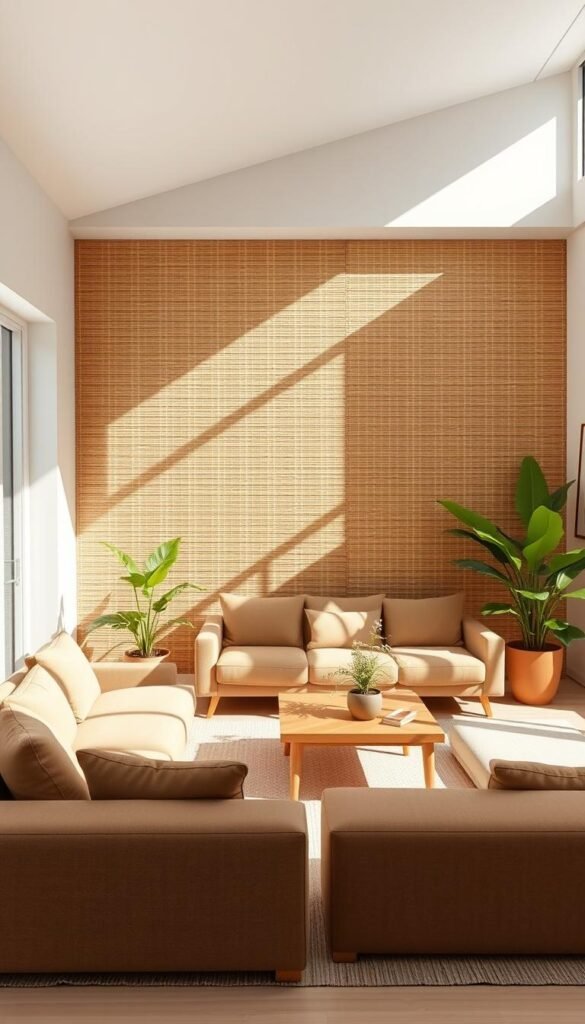
Texture brings life to your minimalist environment without adding visual clutter. It creates depth and character while maintaining clean aesthetics. Thoughtful textural elements make your area feel inviting and complete.
These subtle additions prevent your design from feeling cold or sterile. They add personality through touch and visual interest. The result is a space that appeals to all your senses.
Textile Choices: Rugs, Throws, and Upholstery
Your textile selections play a crucial role in adding comfort. Choose fabrics that feel good against your skin and look beautiful. These elements introduce softness to balance harder surfaces.
Consider these wonderful fabric options for your home:
- Wool rugs that provide warmth underfoot
- Linen throws that offer lightweight comfort
- Velvet pillows that add luxurious texture
- Chenille upholstery that feels incredibly soft
- Boucle accents that create visual interest
- Faux fur blankets for cozy evenings
Layer different textiles throughout your room for maximum effect. A textured rug anchors your seating area. Soft throws on your sofa invite relaxation.
Your upholstery choices should balance beauty with practicality. Durable fabrics withstand daily use while maintaining their appeal. Natural materials often age beautifully over time.
Mixing Materials Like Wood, Concrete, and Metal
Material mixing creates visual harmony through contrast. Different surfaces play off each other beautifully. This approach adds richness to your neutral color palette.
Wood brings organic warmth to counter modern coolness. Choose species with interesting grain patterns and rich tones. Oak, teak, walnut, and rosewood offer beautiful options.
Concrete adds industrial charm with its raw texture. It works wonderfully as a coffee table or accent piece. Pair it with softer elements for balance.
Metal provides sleek sophistication through clean lines. Use it in lighting fixtures or table bases. Brass, chrome, and black iron offer different moods.
Try these effective material combinations:
- A concrete coffee table on a soft wool rug
- Wood shelving with metal brackets
- Velvet sofa with wooden legs
- Metal lamp on a wooden side table
Balance is key when mixing different materials. Let one material dominate while others play supporting roles. This creates cohesion rather than competition.
Texture transforms your minimalist living room into a sensory experience. It adds warmth, interest, and personality without clutter. Your space becomes both beautiful and wonderfully livable.
The Art of Decluttering Your Living Space
Decluttering transforms your living area from chaotic to calm with intentional choices. This process creates visual breathing room and mental clarity. Your space becomes a true reflection of minimalist principles.
Clear surfaces and organized areas enhance your daily experience. They reduce stress and improve focus throughout your home. This approach makes maintenance easier and more enjoyable.
Practical Steps to Reduce Visual Noise
Start with small, manageable areas to build momentum. Begin with bookshelves or coffee table surfaces. Sort items into keep, donate, or relocate categories.
Remove unnecessary items that serve no purpose. This includes duplicate objects and rarely used decor. Ask yourself if each item brings joy or function to your life.
Consider these effective decluttering strategies:
- Handle each item individually during sorting
- Set a timer for 15-minute daily sessions
- Use the “one in, one out” rule for new acquisitions
- Create designated homes for essential items
Organize remaining items with purpose and intention. Group similar things together for easy access. Use storage solutions that maintain clean lines.
Regular maintenance prevents clutter from accumulating. Develop daily habits of returning items to their places. This keeps your space consistently organized.
Curating Display Items Instead of Collections
Choose a few meaningful pieces rather than multiple collections. Three similar objects already create visual clutter. Select items that tell your story without overwhelming the space.
Vertical storage offers excellent display opportunities. Floating shelves painted wall-color blend seamlessly. They provide display space without adding visual weight.
Follow these curation principles for your decor:
| Display Approach | Best For | Visual Impact | Maintenance Level |
|---|---|---|---|
| Single Statement Piece | Large walls, focal points | High impact, minimal clutter | Low (easy to clean around) |
| Small Grouping of 2-3 Items | Shelves, tabletops | Moderate interest, curated look | Medium (requires dusting) |
| Rotating Seasonal Items | Various surfaces | Fresh feeling, adaptable | High (regular changes needed) |
| Functional Decor Pieces | Daily use areas | Practical beauty, purpose-driven | Low (used regularly) |
Edit your displays regularly to maintain freshness. Rotate items seasonally or when they lose meaning. This prevents visual fatigue in your space.
Quality always triumphs over quantity in minimalist design. Choose pieces with emotional significance or beautiful craftsmanship. They enhance your environment without creating clutter.
Your decluttering journey creates a more peaceful living experience. It transforms your room into an intentional sanctuary. The result is space that supports your wellbeing and reflects your values.
Creating Focal Points with Statement Pieces
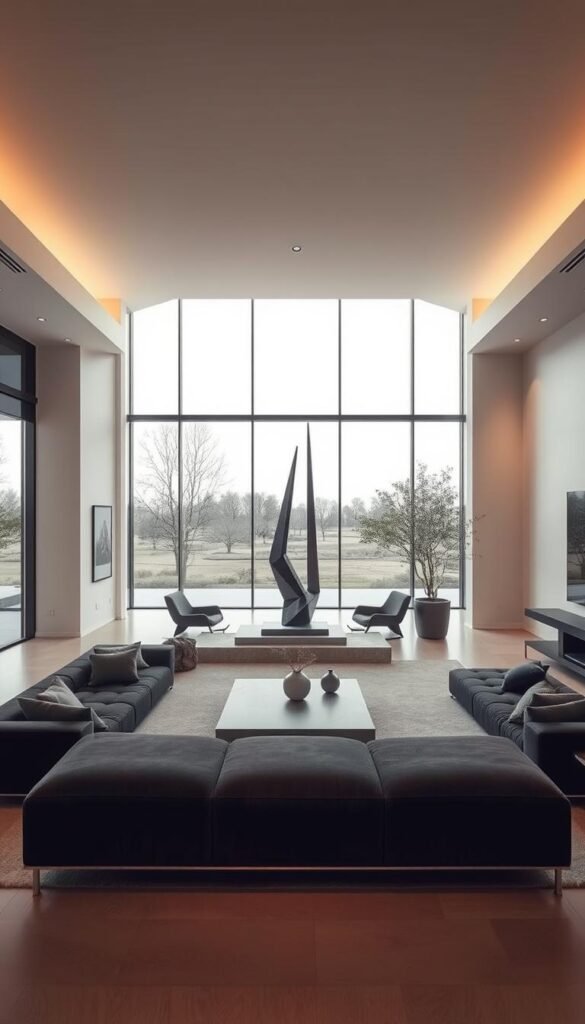
Every room needs a hero. In minimalist design, that hero is your statement piece. It becomes the visual anchor that draws attention and creates harmony.
This approach maintains simplicity while adding personality. Your eye naturally lands on this special item first. The rest of the space supports it without competing.
Choosing the right focal point requires careful thought. It should reflect your style while enhancing the overall design. The result is a space that feels both curated and comfortable.
Choosing One Bold Item to Anchor the Room
Select one item that commands attention through form or color. This becomes your room’s centerpiece. Everything else should play a supporting role.
Consider these excellent statement options:
- A concrete coffee table with unique texture
- An accent chair with striking silhouette
- A sofa in an unexpected color
- A sculptural light fixture
- A unique storage unit
Scale matters when selecting your focal point. The piece should feel substantial but not overwhelming. Proper proportion creates balance in your space.
Placement determines how your statement piece functions. Position it where natural sight lines converge. This ensures it receives the attention it deserves.
Functional pieces make excellent focal points. A beautiful storage unit serves practical needs while adding visual interest. This approach combines form and function perfectly.
Using Art as a Minimalist Accent
Art adds personality without clutter when chosen carefully. It becomes a quiet accent rather than a loud statement. This approach enhances your space subtly.
Select pieces that complement your color scheme. Monochromatic works create harmony with neutral palettes. Abstract pieces add interest without specific imagery.
Framing choices impact the overall effect. Simple, identical frames create cohesion for multiple pieces. This approach works well for gallery walls.
Consider these art selection tips:
| Art Type | Best Placement | Frame Style | Visual Impact |
|---|---|---|---|
| Large photograph | Above sofa | Thin black frame | Strong focal point |
| Abstract painting | Opposite entrance | Floating frame | Subtle texture |
| Series of prints | Hallway wall | Identical white frames | Cohesive grouping |
| Textural piece | Reading nook | Natural wood frame | Tactile interest |
Art introduces color in a controlled manner. Choose pieces with hues that echo elsewhere in the room. This creates visual connections throughout your space.
Scale your art to the wall and furniture proportions. A large piece above a sofa should span about two-thirds its width. This creates proper visual balance.
Lighting enhances your art’s presence. Use adjustable fixtures to highlight special pieces. This draws attention to your chosen focal points.
Your statement piece transforms your room from simple to special. It adds character while maintaining minimalist principles. The result is a space that truly reflects your personality.
Strategic Layout for Optimal Flow and Function
Your room’s arrangement directly impacts how you experience the space daily. A thoughtful layout creates harmony between movement and relaxation. It transforms your area into both beautiful and practical.
Good design considers how people move through the environment. You want clear pathways between different zones. This prevents bottlenecks and maintains peaceful energy.
Every piece placement should serve a purpose. Your furniture arrangement either helps or hinders daily activities. The right setup makes everything feel effortless.
Furniture Arrangement Do’s and Don’ts
Start with your largest piece, usually the sofa. Position it to face the room’s natural focal point. This might be a window, fireplace, or entertainment center.
Leave adequate space around each furniture group. Walkways between pieces should measure at least three feet. This allows comfortable movement throughout the area.
Maintain proper distance between seating and tables. The area between your sofa and coffee table needs eighteen inches. This provides legroom while keeping items within reach.
Consider these arrangement guidelines:
| Do’s | Don’ts | Reasoning |
|---|---|---|
| Float furniture away from walls | Push everything against perimeter | Creates better conversation flow |
| Maintain clear pathways | Block natural traffic patterns | Ensures easy movement |
| Use area rugs to define spaces | Leave floors completely bare | Adds visual structure |
| Consider room proportions | Ignore scale relationships | Maintains visual balance |
| Create multiple seating areas | Cluster all furniture together | Supports different activities |
Always test your layout before finalizing positions. Walk through the space as you would during normal use. Adjust anything that feels awkward or restrictive.
Creating Conversation Areas in Open Spaces
Open floor plans benefit from clearly defined zones. Use your furniture to create intimate gathering spots. These areas encourage connection and conversation.
Position seating to face each other directly. Chairs should angle toward sofas at comfortable distances. This arrangement promotes natural interaction.
Area rugs anchor your conversation zones beautifully. Choose sizes that allow all furniture legs to rest on the surface. This creates visual cohesion within the group.
In larger rooms, consider multiple seating clusters. You might create a main conversation area and a reading nook. This approach supports different activities simultaneously.
Floating furniture in the room’s center often works best. It creates equal access from all sides and improves traffic flow. This arrangement feels more inviting than pushed-back options.
Your layout should balance aesthetics with daily function. Beautiful arrangements also need to work for real life. The result is a space that looks good and feels right.
Thoughtful furniture placement transforms how you use your room. It creates natural flow and comfortable gathering spots. Your space becomes both functional and wonderfully inviting.
Incorporating Natural Elements for Organic Appeal

Nature offers the perfect balance to clean-lined interiors. Bringing organic elements into your home creates warmth and character. These touches soften the sharp edges of minimalist design beautifully.
Natural materials add texture and visual interest without clutter. They connect your indoor space to the outdoor world. This approach makes your environment feel both curated and comfortable.
Selecting Low-Maintenance Plants for Greenery
Plants breathe life into any room with their vibrant presence. They improve air quality while adding visual appeal. Choose varieties that thrive indoors with minimal attention.
Succulents and cacti require very little water or care. Their sculptural forms add interesting shapes to your space. Snake plants tolerate low light and irregular watering perfectly.
Consider these excellent low-maintenance options:
- ZZ plants with glossy green leaves
- Pothos vines that trail beautifully from shelves
- Peace lilies that indicate when they need water
- Air plants that require no soil at all
Place plants strategically to enhance your room’s flow. A tall floor plant fills an empty corner gracefully. Small potted succulents decorate tables without crowding surfaces.
Group plants together for greater visual impact. This creates a mini indoor garden effect. Use identical pots for a cohesive, organized look.
Using Wood and Stone to Add Warmth
Natural materials bring texture and warmth to minimalist spaces. Wood adds organic beauty through grain patterns and tones. Stone provides earthy elegance with its unique variations.
Choose wood species that complement your color scheme. Oak offers light, neutral tones for modern spaces. Walnut provides rich, dark accents for contrast.
Teak works beautifully in both traditional and contemporary settings. Rosewood adds exotic warmth with its deep reddish tones. These materials age gracefully, developing character over time.
Stone elements introduce natural texture beautifully. A marble coffee table becomes a stunning focal point. Slate accents add depth to shelving or fireplace surrounds.
Consider these material combinations for layered interest:
| Material Combination | Best Application | Visual Effect | Maintenance Level |
|---|---|---|---|
| Oak + Marble | Coffee table with stone top | Elegant contrast | Medium (requires sealing) |
| Walnut + Slate | Shelving with stone accents | Rich texture | Low (easy cleaning) |
| Teak + Granite | Side table combination | Organic warmth | Low (naturally durable) |
| Rosewood + Limestone | Fireplace surround | Exotic elegance | High (regular care needed) |
Use natural materials in functional ways whenever possible. A wooden coffee table serves daily needs while adding beauty. Stone bookends organize shelves with natural elegance.
These elements create a cozy, inviting atmosphere in your home. They balance the simplicity of minimalist design with organic warmth. Your space becomes both beautiful and wonderfully livable.
Natural touches transform your room into a serene sanctuary. They add personality without compromising clean aesthetics. The result is a balanced environment that truly feels like home.
Storage Solutions That Maintain Clean Lines
Smart storage keeps your area organized and beautiful. It hides everyday items while preserving the clean aesthetic you love. The right solutions make your home feel both functional and peaceful.
Good organization supports the minimalist philosophy perfectly. It removes visual distractions and creates mental calm. Your space becomes a true sanctuary from clutter.
Built-In Options Versus Freestanding Pieces
Built-in storage creates seamless integration with your room’s architecture. Custom shelving and cabinets blend into walls beautifully. They maximize space while maintaining clean lines.
Freestanding pieces offer flexibility for changing needs. You can rearrange them as your lifestyle evolves. These options work well in rental homes where permanent changes aren’t possible.
Consider these popular storage choices:
- Wall-mounted shelves that float above the floor
- Custom cabinetry painted to match wall color
- Modular storage units that adapt to different spaces
- Freestanding bookcases with simple designs
Built-in options often provide more storage in less space. They utilize awkward corners and unusual wall shapes. This approach makes every inch count.
Freestanding furniture brings character through its design. Choose pieces with clean lines and neutral colors. They should complement rather than compete with your room’s aesthetic.
Hidden Storage in Multi-Functional Furniture
Multi-functional furniture solves two problems at once. It provides surface space while hiding clutter inside. These pieces are perfect for smaller homes where every item must earn its keep.
Ottomans with hidden compartments work wonderfully. They offer extra seating and storage in one compact package. Lift-top designs make accessing items easy.
Media consoles with concealed storage keep electronics organized. They hide cables and components behind clean doors. Your entertainment area stays neat and distraction-free.
Consider these smart multi-functional options:
| Furniture Type | Storage Features | Best For | Space Saved |
|---|---|---|---|
| Storage Ottoman | Hidden interior compartment | Blankets, pillows, books | Eliminates need for separate storage chest |
| Coffee Table with Drawers | Concealed storage drawers | Remote controls, magazines | Reduces clutter on surfaces |
| Platform Bed with Drawers | Under-bed storage drawers | Linens, clothing, seasonal items | Utilizes often-wasted space |
| Bench with Storage | Lift-up seat reveals storage | Shoes, entryway items | Combines seating and organization |
Vertical storage makes excellent use of wall space. Floor-to-ceiling units provide ample storage without consuming floor area. This keeps your room feeling open and spacious.
Baskets and bins within storage units keep small items organized. They corral loose objects while maintaining a clean look. Choose neutral containers that blend with your storage furniture.
Your storage solutions should work quietly in the background. They support your daily life without drawing attention. The result is a room that feels both beautiful and perfectly organized.
Lighting Strategies Beyond Natural Light
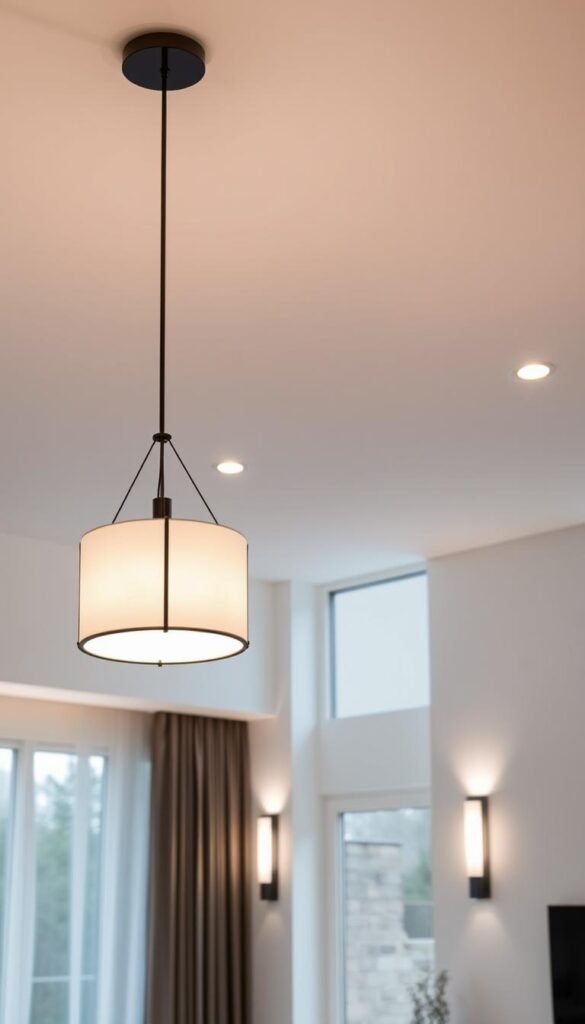
Artificial illumination transforms your area when sunlight fades. It creates atmosphere and supports your daily activities. The right approach maintains your clean aesthetic while providing perfect visibility.
Thoughtful lighting choices enhance both function and mood. They work with your existing decor rather than against it. Your space becomes more versatile and inviting after dark.
Choosing Fixtures That Complement Minimalism
Select lighting with simple forms and neutral finishes. Long-lined pendants and slender floor lamps work beautifully. They provide illumination without visual clutter.
Compact shades keep the focus on clean lines. Choose materials like brushed metal or matte black. These finishes blend seamlessly with minimalist decor.
Consider these fixture options for your home:
- Sleek track lighting for adjustable illumination
- Geometric sconces that add modern flair
- Drum pendant lights with simple silhouettes
- Linear chandeliers for dramatic yet clean statements
Scale your fixtures to match your room proportions. A large pendant should complement rather than overwhelm. The right size creates balance and harmony.
Layered Lighting for Different Moods and Functions
Combine multiple light types for perfect versatility. Ambient lighting provides overall illumination for your space. Task lighting focuses on specific activities like reading.
Accent lighting highlights architectural features or art. This layered approach lets you create different atmospheres. You can shift from bright functionality to soft relaxation.
Place lights strategically throughout your area. Reading lamps belong near seating arrangements. Overhead fixtures work best for general illumination.
Dimmer switches offer excellent control over intensity. They let you adjust brightness based on time or activity. Smart systems provide even more customization options.
Statement pieces can serve as beautiful focal points. A sculptural chandelier adds drama without clutter. It becomes both functional and artistic.
Effective lighting completes your minimalist living room perfectly. It ensures your space remains both beautiful and practical. The right illumination makes every evening feel special.
Simple Yet Stunning Living Room Designs for Minimalist Homes: Putting It All Together
Creating your perfect minimalist space involves thoughtful integration of every element. When all components work in harmony, your room achieves both beauty and function. This final step brings together everything we’ve discussed into a cohesive whole.
Your design should feel intentional and balanced. Each choice supports the overall vision for your space. The result is a living room that truly reflects minimalist principles.
Balancing All Elements for Harmony
Start by considering how furniture, colors, and textures interact. Your sofa should complement your wall color and flooring. Lighting fixtures need to enhance rather than compete with other elements.
Create visual flow through consistent material choices. Use similar wood tones throughout your room. Match metal finishes on lighting and accessories.
Consider these balancing techniques:
- Repeat colors in different elements for cohesion
- Use varying textures within the same color family
- Scale furniture appropriately for your room size
- Layer lighting types for both function and mood
Edit your space with a critical eye. Remove items that disrupt the visual flow. Keep only pieces that serve a purpose or bring joy.
Step back frequently to view the overall effect. Make adjustments until everything feels balanced. This iterative process ensures perfect harmony.
Common Mistakes to Avoid in Your Design
Many people overcrowd their space with too much decor. This creates visual noise that contradicts minimalist principles. Instead, choose a few meaningful pieces that truly enhance your room.
Furniture scaling is another frequent issue. Oversized pieces make small rooms feel cramped. Measure your space carefully before making purchases.
Avoid these common pitfalls:
- Using too many colors or patterns
- Neglecting storage solutions
- Choosing style over function
- Ignoring natural light opportunities
Ruthless editing prevents clutter accumulation. Remove items that don’t serve a purpose. Focus on quality over quantity in every choice.
Take your time when designing your space. Don’t rush to fill empty areas immediately. Allow your room to evolve naturally as you discover what works best.
Seek inspiration from successful minimalist designs. Adapt ideas to fit your personal needs and lifestyle. Remember that functionality always enhances simplicity.
When you put all elements together thoughtfully, you create a peaceful and beautiful environment. Your minimalist living room becomes a true sanctuary that supports your daily life perfectly.
Adapting Minimalism for Different Room Sizes
Your home’s dimensions shouldn’t limit your minimalist aspirations. This approach works beautifully in both cozy apartments and spacious open plans. The key lies in tailoring the principles to your specific square footage.
Thoughtful adaptation ensures your environment remains functional and peaceful. You’ll create harmony regardless of your available area. Every space can benefit from intentional editing and smart choices.
Solutions for Small Spaces
Compact rooms demand clever solutions that maximize every inch. Choose furniture with proportional scale to avoid overwhelming your area. A loveseat often works better than a full-sized sofa in tight quarters.
Multi-functional pieces become your best friends in small environments. Look for items that serve dual purposes while maintaining clean lines. Storage ottomans and nesting tables offer flexibility without clutter.
Consider these space-saving strategies:
- Vertical storage utilizing wall-mounted shelves and cabinets
- Mirrors strategically placed to create depth and reflect light
- Light-colored walls and furnishings to enhance airiness
- Furniture with exposed legs for visual lightness
- Built-in solutions that customize to your exact dimensions
Keep pathways clear and furniture arrangement simple. Avoid blocking natural light sources with large pieces. Your compact room will feel spacious and inviting with these approaches.
Approaches for Large, Open-Plan Rooms
Expansive areas present different challenges for minimalist design. The goal becomes creating intimacy within openness without adding clutter. You want defined zones that flow together seamlessly.
Furniture grouping establishes clear purposes within your large space. Arrange seating in conversational clusters rather than lining walls. This creates cozy areas within the overall openness.
Area rugs work wonderfully to anchor different functional zones. They provide visual boundaries without physical barriers. Choose sizes that properly define each area’s purpose.
Consider these layout strategies for spacious rooms:
- Floating furniture arrangements that create natural pathways
- Modular sectionals that can be reconfigured as needed
- Consistent color palette throughout for visual cohesion
- Strategic lighting to define different activity areas
- Minimal decor that doesn’t get lost in the spaciousness
Maintain ample walking space between furniture groupings. This preserves the open feel while providing structure. Your large room will feel both expansive and intimate.
Minimalism adapts beautifully to any room size when approached thoughtfully. The principles of intentional editing and functional beauty work everywhere. Your space becomes a perfect reflection of thoughtful design.
Maintaining Your Minimalist Living Room Over Time
Creating your peaceful retreat is just the beginning. Keeping it beautiful requires consistent care and smart habits. Your efforts will pay off with lasting tranquility.
Daily Habits to Preserve the Aesthetic
Develop simple routines that protect your calm environment. Start with a quick daily tidy-up session. Put away items immediately after use.
Resist impulse purchases that don’t serve a purpose. Ask yourself if new items truly belong in your space. This prevents clutter from creeping back in.
Wipe surfaces clean each evening. This maintains that fresh, organized feeling. Your room stays ready for relaxation at all times.
Seasonal Refreshes Without Accumulating Clutter
Update your look with temporary changes that don’t add permanent items. Swap throw pillows and blankets seasonally. Store off-season textiles out of sight.
Consider these reversible updates:
- Rotate artwork between different pieces you already own
- Switch plant arrangements without buying new specimens
- Rearrange furniture for a fresh perspective
- Change cushion covers rather than entire pillows
Involve household members in maintenance practices. Everyone should understand the importance of keeping things tidy. This ensures consistency in your beautiful space.
Regular decluttering sessions maintain your minimalist design. Schedule quarterly reviews of your belongings. Remove items that no longer serve you.
These habits ensure your living room remains peaceful and functional. The ongoing care preserves both beauty and simplicity. Your space continues reflecting minimalist principles perfectly.
Your Journey Toward a More Peaceful Living Space
Your transformation begins with small, thoughtful steps. Start with one area of your room and build from there. This gradual approach makes the process feel manageable and rewarding.
Remember the core principles: simplicity, functionality, and intentionality. Each choice should serve your wellbeing. Your space becomes a true reflection of these values.
Maintenance becomes easier with daily habits. Put items away after use and regularly review your belongings. This keeps your environment consistently peaceful.
Your minimalist living room can inspire other areas of your home. The same principles work beautifully throughout your living space. Discover more inspiration through minimalist interior design ideas.
Embrace the journey rather than seeking perfection. Your space should support your joy and comfort. You’ve created something truly special that will evolve with you.