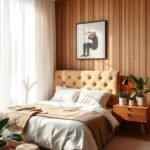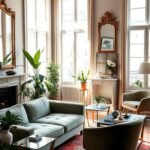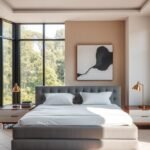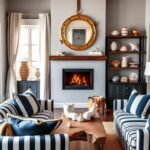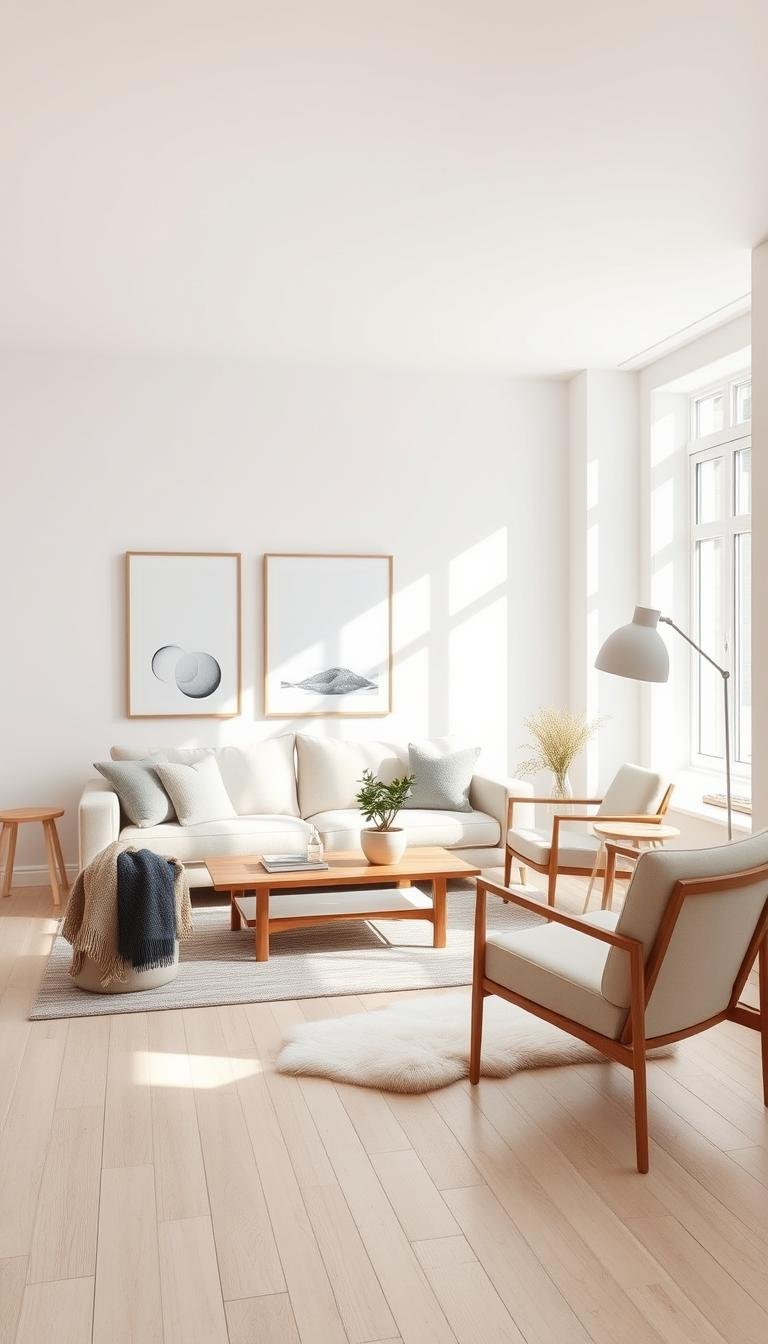
Welcome to your journey into creating a beautiful, cozy space that blends minimal elegance with warm comfort. This approach to design has taken social media by storm, offering a fresh way to transform your home.
We’ll show you how to achieve that perfect balance between clean lines and inviting warmth. You’ll discover how pale palettes and simple shapes create a serene atmosphere perfect for any living area.
This comprehensive guide covers everything from foundational principles to specific elements like furniture, lighting, and accessories. We’ll help you adapt popular inspiration to create a space that’s both stylish and functional for your lifestyle.
Get ready to learn how to incorporate natural wood, soft textiles, and thoughtful lighting into your decor. Let’s create a space that feels both contemporary and comfortably lived-in.
Understanding Scandinavian Design: More Than Just Minimalism
Behind the clean surfaces lies a rich heritage of practical beauty and emotional comfort. This approach to home styling transcends mere simplicity with its focus on wellbeing.
The Nordic Origins of Functional Beauty
Nordic countries experience long winters with limited daylight. Homes needed to carry people through these dim seasons. This shaped the entire design philosophy.
Every element serves both aesthetic and practical purposes. Furniture isn’t just beautiful—it works beautifully too. This functional beauty became a core principle.
The layout logic prioritizes light movement and open space. Even a dining room benefits from this thoughtful approach. Natural illumination gets maximized throughout the home.
Hygge: The Heart of Scandinavian Comfort
Hygge comes from Danish culture creating cozy environments. It encourages feelings of comfort and contentment in your space. This concept transforms how you experience your home.
It’s about creating atmosphere and enjoying simple pleasures. Soft lighting from a table lamp adds that special touch. Candles and warm textiles contribute to this feeling.
Your interior should feel inviting rather than stark. This emotional dimension makes the design truly special. It’s where form meets feeling in perfect harmony.
Balancing Minimalism with Warmth and Texture
Clean lines meet warm elements to avoid cold sterility. Pale wood tones like pine serve both visual and functional purposes. They bring natural warmth while maintaining lightness.
Textured elements add depth without clutter. Think wool throws, linen cushions, and natural fiber rugs. These layers create visual interest while maintaining simplicity.
Wall decor gets carefully chosen to prevent shadow absorption. The color scheme uses neutral bases with measured accents. This creates calm spaces that still feel personal.
Contemporary interpretations maintain these traditional principles. They adapt to modern living while keeping the essence intact. Your space can feel both current and timeless.
Core Principles of Scandinavian Modern Decor
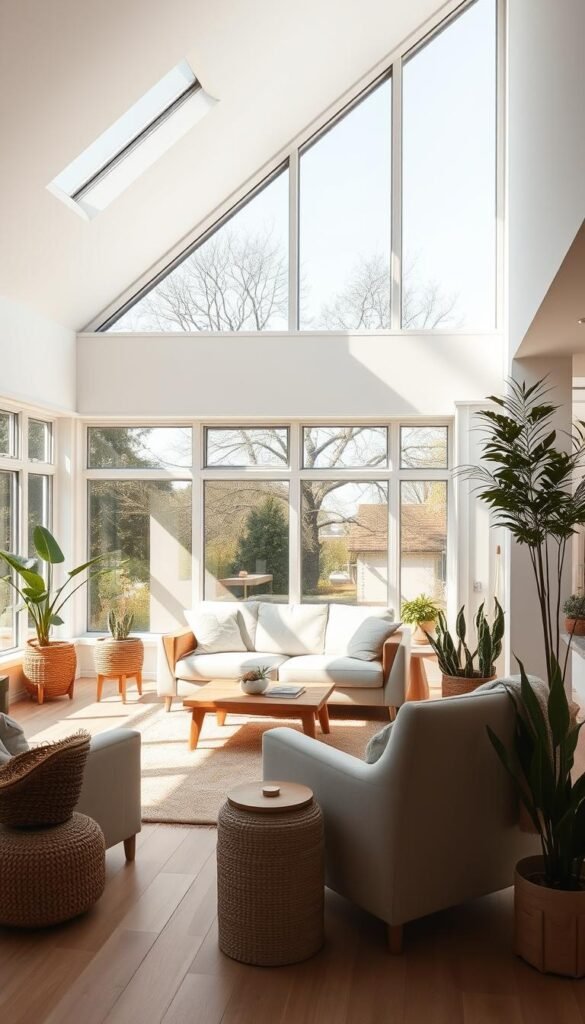
At its heart, this design philosophy centers on three powerful ideas that work together. They transform any space into a place of calm and function. These ideas guide every choice you make for your home.
Light-First Approach: Maximizing Natural Illumination
Light is treated as the most important element in your room. The goal is to make spaces feel bright and airy all day long. This starts with your window treatments.
Sheer curtains allow sunlight to filter through softly. They prevent harsh shadows while maintaining privacy. Mirrors and glossy surfaces help bounce light around.
Every lamp becomes a key furniture piece in this plan. It should match the room’s material language perfectly. This creates a harmonious glow after sunset.
Pale Wood Tones and Natural Materials
Wood brings essential warmth to your space. Lighter tones like birch and ash are preferred. They reflect light beautifully while showing natural grain.
These materials connect your interior to nature outside. They create authenticity that synthetic items cannot match. Your floor might feature pale wide-plank boards.
Even your dining table can showcase this elegance. Slim legs and clean lines keep the look light. Natural materials appear throughout the home.
The Art of Curated Simplicity
This is where every object earns its place. Your shelf displays only what truly matters to you. Nothing exists without purpose or beauty.
The layout follows strict spatial discipline. Open floor space remains clear for movement and light. This avoids visual clutter while keeping personality.
Your rug might define a conversation area softly. A frame on the wall holds meaningful art. Each element contributes to the whole story.
This approach makes small rooms feel larger. It brings calm to busy kitchens and living areas. You create harmony through intentional choices.
Creating Your Scandinavian Modern Living Room Foundation
Your journey begins with the essential elements that form the base of your space. These foundational choices set the stage for everything that follows. They create harmony and functionality throughout your home.
Think of this as building a canvas for your personal expression. The right foundation makes every addition feel intentional and cohesive. Let’s explore how to create this perfect starting point.
Choosing the Right Color Palette
Neutral colors form the heart of this aesthetic. Soft whites, gentle grays, and warm beiges create calm backgrounds. These tones make your space feel open and airy.
Accent colors appear in careful, measured doses. Think muted blues, soft greens, or earthy terracotta. These touches add personality without overwhelming the senses.
Your color scheme should flow throughout the entire area. This creates visual continuity from your seating area to the dining space. It makes every room feel connected and harmonious.
Flooring Options That Enhance Light and Space
Light-reflective surfaces are key for your foundation. Pale wood floors in ash or birch brighten any room. They make spaces feel larger and more open.
Wide-plank installation enhances this spacious feeling. The clean lines guide the eye across the room beautifully. This approach works wonderfully in any size area.
Natural materials bring authenticity to your home. Their subtle grain patterns add visual interest quietly. You get both beauty and practical durability.
Window Treatments for Optimal Light Control
Your windows deserve special attention in this design. Sheer curtains filter sunlight while maintaining privacy. They create soft, diffused illumination throughout the day.
Simple roman shades offer clean lines when needed. They provide light control without visual heaviness. This maintains the airy feeling you want to achieve.
Consider functional elements like blackout liners for bedrooms. They combine practicality with beautiful simplicity. Your windows become both useful and decorative.
Every choice supports the overall light-first approach. Your treatments should enhance rather than compete with natural light. This creates the bright, welcoming atmosphere you love.
Furniture Selection
Thoughtful furniture choices elevate your interior from simply decorated to intentionally designed. The right pieces create visual harmony while serving practical needs in your daily life.
Low-Profile Seating with Visible Legs
Low-profile seating creates an open, airy feeling in your space. These pieces sit closer to the floor with clean lines and minimal bulk.
Visible legs are crucial for this aesthetic. They allow light to flow underneath furniture, making rooms feel more spacious. This visual lightness enhances your overall layout.
When selecting seating, measure leg clearance carefully. The space beneath often matters more than upholstery details. This approach maintains the open floor plan essential to this design.
These characteristics define ideal furniture for this interior style. They balance form and function beautifully while keeping spaces feeling light and accessible.
Pale Wood Furniture: Birch, Ash, and Pine
Pale wood tones maintain the light, bright aesthetic you want to achieve. Birch, ash, and pine are preferred choices for their natural beauty and durability.
These woods feature visible grain patterns that add subtle texture. Their light colors reflect illumination beautifully throughout your space. This enhances both natural and artificial light.
Pine offers warm undertones that complement neutral color schemes. It works well for tables, shelving, and accent pieces. The natural material connects your interior to the outdoors.
Mixing different wood tones requires careful consideration. Stick to similar lightness levels for cohesive style. This approach maintains harmony while adding visual interest.
Multi-Functional Pieces for Small Spaces
Multi-functional furniture maximizes efficiency in compact areas. These pieces serve multiple purposes while maintaining clean lines and simple forms.
Consider nesting tables that can separate or combine as needed. Storage ottomans provide seating and hidden organization. Convertible sofa beds offer guest accommodation without permanent space dedication.
Each piece should earn its place through practical utility. The best multi-functional items maintain the aesthetic while solving spatial challenges. This balance is key to successful small space design.
Your kitchen might benefit from extendable dining tables. These adapt to different entertaining needs while fitting daily use. The right furniture makes any layout feel more functional and spacious.
Lighting Strategies for Atmosphere and Function
Light transforms your space from simply illuminated to truly inviting. It serves both practical needs and creates emotional warmth throughout your home. The right approach makes every evening feel special.
Your lighting choices should work together like a well-coordinated team. Each fixture plays its part in creating the perfect mood. This layered approach ensures your room feels welcoming at any hour.
Floor Lamps as Statement Pieces
Tall floor lamps act as sculptural elements in your layout. They provide overhead lighting without permanent installation. Their slender profiles maintain visual openness.
Place these behind your sofa or beside reading chairs. Choose designs with narrow stems in metallic finishes or wooden tripods. Their elegant line adds vertical interest without bulk.
These fixtures become functional art in your room. They cast beautiful patterns while illuminating dark corners. Every angle should contribute to your aesthetic.
Table Lamps with Natural Material Bases
Table lamps bring intimate lighting to specific areas. They often feature turned wood or glazed stoneware bases. These natural materials connect to other elements in your home.
Soft linen shades diffuse light gently across surfaces. Position them on side tables or console surfaces. Their warm glow creates perfect reading light.
Each lamp should complement your color scheme and textures. The base material might echo your flooring or furniture. This creates harmony throughout your space.
Pendant Lighting for Focal Points
Pendant lights define areas within open layouts. They draw attention to key zones like dining spots or seating groups. Their placement creates visual hierarchy.
Choose designs with simple forms and natural finishes. Glass, metal, and wood work well for these fixtures. They should feel light rather than heavy.
Hang them at proper heights for both function and style. Over a table, they provide task lighting for meals. In conversation areas, they create intimate pools of light.
Remember to layer different lighting types throughout your living room. Combine general, task, and accent lighting for best results. This approach serves all your daily needs beautifully.
Consider dimmer switches for adjustable ambiance. They let you transition from bright daytime use to soft evening glow. Candles can provide that final touch of warmth after sunset.
Textiles and Soft Furnishings for Cozy Comfort
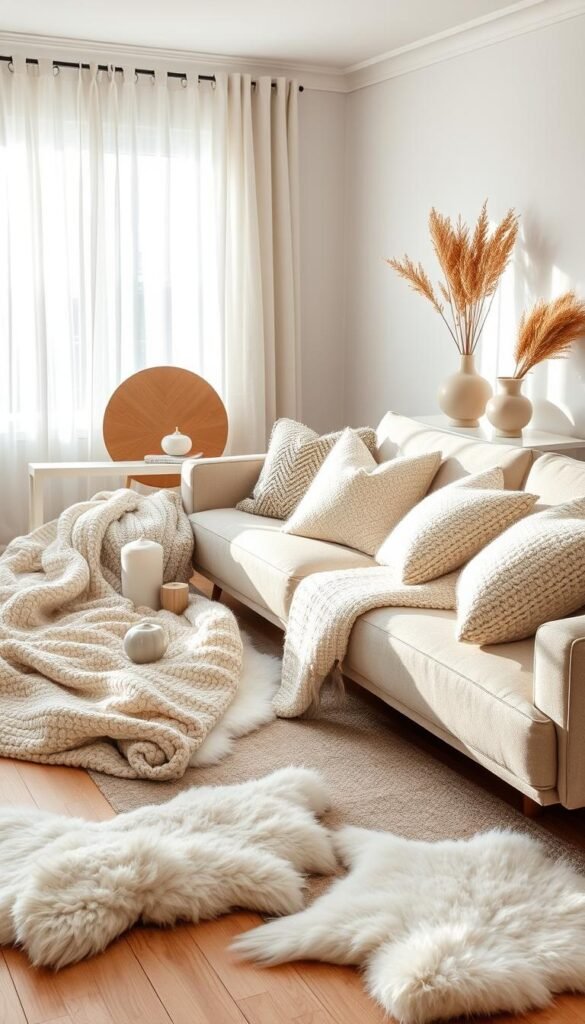
Soft textiles transform your space from beautiful to truly inviting. They add that essential layer of comfort that makes your home feel lived-in and welcoming. These elements bring both visual warmth and physical coziness to your interior.
Natural fibers play a crucial role in achieving the desired aesthetic. They connect your space to nature while providing practical benefits. The right textiles create that famous hygge atmosphere everyone loves.
Wool and Jute Rugs: Defining Spaces
Area rugs serve multiple purposes in your layout. They define functional zones while adding warmth underfoot. The material choice matters more than any pattern.
Wool flatweave rugs provide excellent stability for furniture. They work particularly well under chairs with slender legs. Their even surface prevents wobbling and shifting.
Jute offers a natural texture that complements light wood tones. Both materials maintain visual lightness while serving practical needs. They create definition without heavy visual borders.
Position your rug carefully within the space. Keep edges short of walls to allow light to reach floor surfaces. This maintains the airy feeling essential to this decorating style.
Linen Throws and Textured Cushions
Throws and cushions add comfort without overwhelming simplicity. Linen throws offer breathable warmth during cooler evenings. Their natural wrinkles add character to your seating areas.
Textured cushions provide visual interest through material rather than bold prints. Think knitted wool, woven cotton, or nubby linen covers. They create depth while maintaining a calm color palette.
Choose neutral tones with subtle variations in shade. This creates a cohesive look throughout your space. Each piece should feel intentional rather than random.
Layering Textures Without Clutter
Layering requires careful balance to avoid visual chaos. Start with your largest textile elements first. Add smaller pieces gradually until you achieve the right comfort level.
Mix different natural materials for interest. Combine smooth linen with nubby wool and rough jute. These variations create depth without pattern overload.
Every textile should serve both aesthetic and functional purposes. A throw isn’t just decorative—it provides actual warmth. This practical approach defines true scandinavian design.
Remember that negative space remains important. Allow some areas to breathe without textile coverage. This prevents your space from feeling overwhelmed.
| Textile Type | Best Uses | Material Benefits | Color Suggestions |
|---|---|---|---|
| Wool Flatweave Rug | Under furniture groupings | Stable, durable, warm | Natural cream, light gray |
| Jute Area Rug | High-traffic zones | Natural texture, durable | Natural tan, undyed |
| Linen Throw | Sofas, armchairs | Breathable, softens with use | Oatmeal, pale blue-gray |
| Textured Cushions | Seating areas | Adds visual interest | Muted tones, subtle patterns |
Your textile choices should complement other elements in the room. Notice how a table lamp‘s base might echo your rug’s natural fibers. This creates harmony throughout your space.
Even your dining room benefits from thoughtful textile selection. A simple runner can define the table without overwhelming the space. Choose materials that clean easily for practical use.
The right way to approach textiles is through gradual accumulation. Start with essential pieces and add others as needed. This prevents over-decoration and maintains simplicity.
Following these style guides helps create a cohesive modern scandinavian interior. Your space will feel both beautifully designed and wonderfully comfortable.
Wall Decor and Art in Scandinavian Design
Your walls deserve thoughtful attention in creating a harmonious space. They offer opportunities to express personality while maintaining the clean aesthetic you love. The right approach balances visual interest with serene simplicity.
This philosophy treats walls as functional elements in your overall design. Each piece should contribute to the atmosphere rather than compete with it. You’ll discover how to make every choice feel intentional and meaningful.
Minimalist Art with Nature Themes
Nature-inspired artwork connects your interior to the outdoors beautifully. Simple line drawings or abstract watercolors capture natural elements subtly. These pieces reflect the deep connection to environment in this interior style.
Single carefully placed artworks can anchor an entire room. A solitary piece above your sofa creates a focal point without clutter. This approach maintains the calm atmosphere essential to this design.
Choose art that depicts organic forms or natural landscapes. Abstract representations work particularly well in this aesthetic. They suggest rather than declare, leaving room for personal interpretation.
The most powerful statements often come from the simplest expressions of nature’s beauty.
Gallery Walls with Purposeful Curation
Gallery walls require careful planning in this design approach. Each piece should relate to others through theme, color, or style. Random arrangements conflict with the curated simplicity you want to achieve.
Create visual harmony through consistent framing choices. Simple black, white, or natural wood frames work best. Maintain even spacing between pieces for a cohesive look.
Consider the overall layout before hanging any artwork. Your arrangement should complement your furniture placement and room flow. This thoughtful curation makes the display feel intentional rather than accidental.
Functional Wall Elements as Decor
Many functional items can serve decorative purposes in your space. Floating shelves provide display areas while maintaining visual lightness. Their clean lines contribute to the overall aesthetic.
Choose shelf materials that complement other elements in the room. Pale pine or ash wood blends beautifully with light walls. These natural materials enhance the connection to nature.
Even simple hooks can become design features when chosen carefully. Opt for minimalist designs in brass or black metal. They add utility while maintaining visual appeal.
Glass surfaces placed before artwork serve dual purposes beautifully. They protect precious pieces while reflecting light around the room. This clever tip helps illuminate darker corners effectively.
| Wall Element | Functional Purpose | Decorative Impact | Material Suggestions |
|---|---|---|---|
| Floating Shelf | Display space for books or objects | Adds horizontal lines and visual interest | Light wood, painted white |
| Wall Hook | Hanging coats or bags | Creates subtle metallic accents | Brass, black iron |
| Picture Frame | Protects and displays artwork | Defines artwork boundaries cleanly | Natural wood, simple black |
| Glass Cover | Art protection and light reflection | Adds subtle shine and depth | Clear non-reflective glass |
Your wall decor should enhance rather than overwhelm your space. Remember that negative space remains as important as the elements themselves. This balance creates the serene atmosphere characteristic of this interior style.
Even functional areas like your kitchen can benefit from this approach. A single meaningful piece above the dining area adds personality. It creates visual continuity throughout your home.
The right wall treatment complements your flooring and furniture choices. Notice how artwork might echo the tones in your rug or lamp base. These connections create a harmonious environment that feels both designed and lived-in.
Accessories That Make a Scandinavian Statement
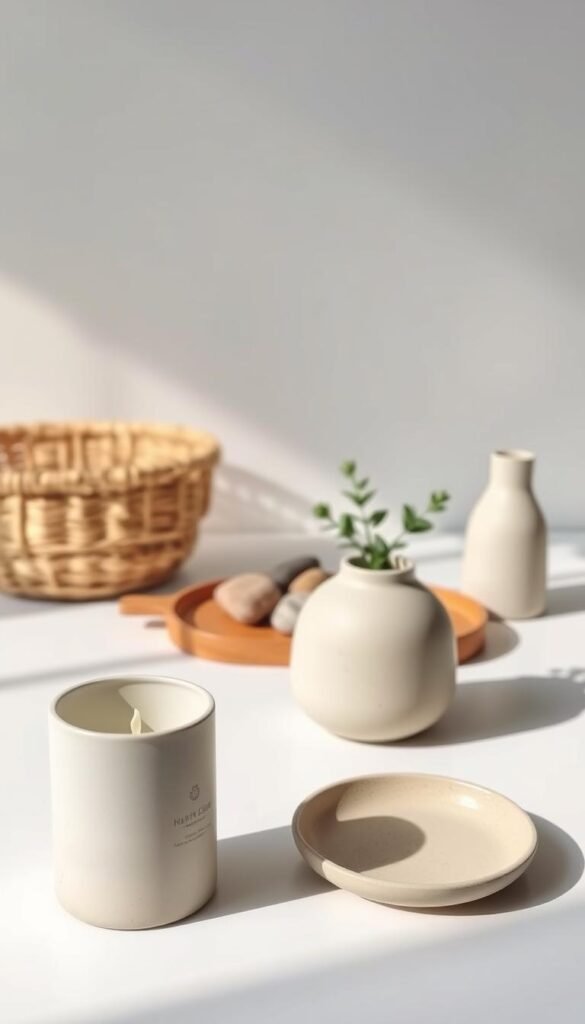
Thoughtful accessories bring your space to life while honoring minimalist principles. They add personality without overwhelming your clean aesthetic. These final touches create that perfect balance between simplicity and warmth.
Every piece should feel intentional and meaningful in your home. Choose items that serve both decorative and practical purposes. This approach maintains the functional beauty central to this design philosophy.
Ceramics and Stoneware with Matte Finishes
Matte finishes create subtle sophistication in your space. They absorb light gently rather than creating harsh reflections. This quality complements the soft illumination throughout your home.
Choose ceramics in neutral tones that echo your color scheme. Soft grays, warm whites, and earthy terracottas work beautifully. These pieces feel organic and connected to nature.
Stoneware vessels often feature simple, clean lines. Their imperfect surfaces add character without bold patterns. Place them alone or in pairs on surfaces throughout your rooms.
Candles: Creating Hygge Atmosphere
Candles are essential for creating that cozy feeling everyone loves. Their warm glow transforms evenings into special moments. This simple element brings immense emotional comfort to your space.
Group candles in varying heights for visual interest. Choose unscented versions to maintain air purity. Their flickering light creates dynamic shadows that enhance your texture.
Place candle holders near seating areas for intimate ambiance. Mix ceramic and metal bases for material variety. This approach enhances the hygge atmosphere perfectly.
Natural Elements: Plants and Wood Accents
Living plants bring vitality and freshness into your home. They improve air quality while adding organic beauty. Choose varieties that thrive in indoor conditions with moderate light.
Simple pots in neutral tones showcase plants beautifully. Their clean lines don’t compete with natural foliage. This keeps the focus on the plant’s organic form.
Wood accents add warmth through natural grain patterns. Turned bowls or carved objects make elegant statements. These pieces connect your interior to the outdoors.
| Accessory Type | Best Placement | Material Characteristics | Style Contribution |
|---|---|---|---|
| Matte Ceramics | Console tables, shelves | Absorbs light, tactile surface | Adds subtle texture |
| Pillar Candles | Coffee tables, dining surfaces | Natural wax, varying heights | Creates warm ambiance |
| Wooden Bowls | Entry tables, kitchen counters | Natural grain, light tones | Brings organic warmth |
| Potted Plants | Floor corners, side tables | Living greenery, simple pots | Adds life and freshness |
Curate your accessories with careful intention. Each piece should reflect your personal style while maintaining cohesion. Edit your collections regularly to avoid visual clutter.
Place items toward one end of surfaces rather than centered. This creates dynamic visual interest without symmetry. Allow negative space around each piece for breathing room.
Your accessories complete the overall look of your space. They add those final touches that make your home feel both designed and lived-in. This balanced approach creates truly inviting rooms.
Layout Strategies for Flow and Function
Smart furniture arrangement makes your space both beautiful and practical. It guides movement while creating comfortable zones for daily life. This approach balances openness with cozy intimacy.
Your layout should feel natural and effortless. People move through spaces without obstacles. Light flows freely throughout the entire area.
Think about how you use your space daily. Arrange furniture to support these activities. This creates a home that works beautifully for you.
Sofa Placement as Room Anchor
Your sofa sets the tone for the entire room. Position it to face the main light source or focal point. This establishes the primary orientation instantly.
Leave space behind for walking paths. Keep the back away from walls when possible. This allows light to reach all sides.
Consider your room’s unique shape when placing seating. Angular layouts might work better than straight lines. This maximizes your available space.
Measure distances before finalizing placement. Ensure enough room for comfortable movement around each piece. This prevents cramped feelings.
Creating Conversation Areas
Arrange chairs and sofas to face each other directly. This encourages natural social interaction. People can talk comfortably without straining.
Keep distances intimate but not crowded. About eight feet works well for most spaces. This creates cozy yet spacious feeling.
Use area rugs to define these zones visually. They create soft boundaries without physical barriers. Your space feels organized yet open.
Add a small table between seating pieces. It provides surface space for drinks or books. This enhances functionality beautifully.
Maintaining Clear Pathways and Open Space
Keep main walkways at least three feet wide. This allows comfortable movement throughout the room. People shouldn’t need to turn sideways to pass.
Consider traffic patterns from each door. Arrange furniture to avoid blocking natural routes. This makes your space feel intuitive.
Leave open floor space around furniture groupings. This prevents shadow absorption and maintains brightness. Your room feels airy and welcoming.
Create visual breathing room between pieces. Negative space is as important as filled areas. This balance defines true Scandinavian design.
| Layout Element | Optimal Measurement | Functional Benefit | Visual Impact |
|---|---|---|---|
| Main Pathway Width | 36-48 inches | Comfortable movement flow | Creates open feeling |
| Seating Distance | 7-8 feet between pieces | Easy conversation range | Maintains intimate scale |
| Furniture to Wall Clearance | 12-18 inches | Light penetration behind pieces | Enhances spaciousness |
| Coffee Table to Sofa Space | 16-18 inches | Easy access to surface | Defines functional zone |
These strategies work for various room sizes and shapes. Adapt them to your specific space needs. The right layout makes every room feel larger and brighter.
Even your dining room benefits from these principles. Keep chairs easily accessible from all sides. This creates comfortable eating experiences.
Remember that good layout supports your lighting plan. Furniture shouldn’t block windows or lamps. This maintains beautiful illumination throughout.
Following these style guides helps create harmonious spaces. Your home will feel both beautifully designed and wonderfully functional.
Incorporating Pinterest-Worthy Scandinavian Trends
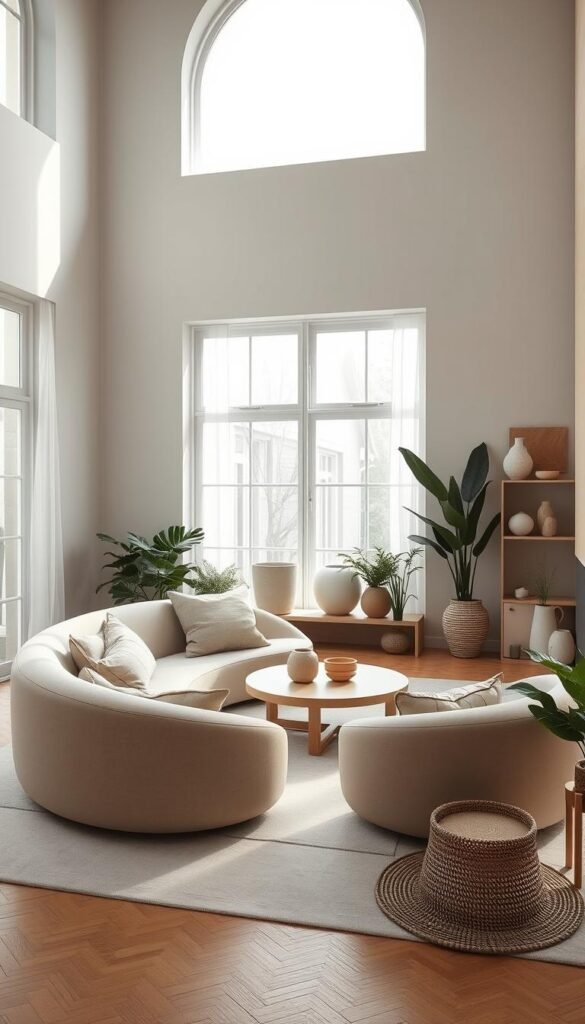
Social media platforms showcase fresh interpretations of Nordic-inspired spaces. These trends blend traditional principles with contemporary flair.
You can adapt these ideas while staying true to the core philosophy. It’s about evolution rather than revolution in your space.
Curved Silhouettes and Organic Shapes
Gentle curves bring softness to clean-lined spaces. They create visual flow that feels both natural and intentional.
Look for furniture with rounded edges and flowing lines. A sofa with curved arms adds organic elegance. These elements prevent harsh angles throughout your living room.
Accessories often feature sculptural forms. Vases and bowls might show undulating profiles. They add movement without complexity.
Even lighting fixtures embrace this trend. Pendant lamps with soft curves cast beautiful shadows. They become artistic statements after dark.
Mixed Natural Materials and Textures
Layering different materials creates depth and interest. Combine smooth surfaces with tactile elements for balance.
Pine furniture pairs beautifully with stone accents. A wooden table might feature marble inlays. These combinations feel both organic and sophisticated.
Textiles play a crucial role in this approach. A wool rug complements linen upholstery perfectly. Each material contributes unique characteristics.
Even small elements like drawer pulls matter. Mix metallic finishes with natural woods. This creates subtle contrast throughout your space.
Subtle Color Accents in Neutral Spaces
Neutral backgrounds provide perfect canvases for color touches. These accents should enhance rather than dominate your scheme.
Soft blues and greens work beautifully in light-filled rooms. They echo natural elements like sky and foliage. These tones feel calming rather than overwhelming.
Introduce color through easily changeable items. Cushions and throws offer flexible options. You can update them seasonally if desired.
Artwork provides another excellent opportunity. A single painted frame adds personality without commitment. This approach maintains the serene atmosphere you love.
These trends honor traditional principles while feeling current. They help your space evolve with your personal style over time.
Budget-Friendly Scandinavian Decor Ideas
Creating a beautiful space doesn’t require a huge budget. You can achieve that clean, cozy look through smart choices and creative solutions. Many authentic elements can be found or made affordably.
Focus on natural materials and simple forms. These core principles guide your selections. You’ll discover how to prioritize spending for maximum impact.
DIY Projects with Natural Materials
Simple crafts bring personal touch to your home. Use unfinished pine boards for shelving or side tables. Sand them smooth and apply natural oil finish.
Create textile elements from linen or wool fabric. Sew cushion covers with simple envelope closures. This adds custom texture to your seating areas.
Turn branches into unique wall hooks or curtain rods. Clean and seal the wood for durability. These natural elements add organic shape to your space.
Make your own candles in simple ceramic containers. Use natural soy wax and cotton wicks. They provide that warm glow without high cost.
Thrifting for Scandinavian-Style Pieces
Secondhand stores offer fantastic finds for your home. Look for furniture with clean lines and slender legs. These pieces often need minimal refinishing.
Search for pale wood items made from birch or ash. Check for solid construction and good proportions. A simple sanding and oil treatment can restore beauty.
Find quality textiles like wool blankets and linen curtains. Examine them for even weaving and natural fibers. These materials age beautifully with use.
Look for simple ceramic vases and tableware. Matte finishes and neutral tones work best. They complement various color schemes effortlessly.
Affordable Alternatives to Designer Items
Many retailers offer budget-friendly options for your home. Choose furniture with similar proportions to high-end pieces. Focus on clean silhouettes and light wood tones.
Select lighting fixtures with simple metal or paper shades. They provide soft illumination without designer prices. Place them strategically throughout your space.
Find area rugs in natural fibers like jute or cotton. Neutral colors and simple patterns work best. They define areas while adding texture underfoot.
Use paint to update existing furniture pieces. Light gray or white can transform dark wood. This creates cohesive tones throughout your room.
| Item Category | Budget Source | Key Features to Seek | Approximate Cost |
|---|---|---|---|
| Side Table | Thrift Stores | Slender legs, light wood | $20-40 |
| Textile Throw | DIY Project | Natural wool or linen | $15-30 |
| Lighting Fixture | Discount Retailer | Simple shape, neutral finish | $35-60 |
| Decorative Bowl | Artisan Market | Matte ceramic, organic form | $18-35 |
Remember that less expensive items can still create beautiful results. The right arrangement and careful editing make all the difference. Your space will reflect thoughtful choices rather than expensive ones.
Focus on elements that make the biggest visual impact. Good lighting and key furniture pieces deserve priority. Accessories and textiles can be added gradually over time.
This approach lets you create a home you love without overspending. Each addition feels intentional and personal. You’ll enjoy the process of building your space thoughtfully.
Mixing Scandinavian with Other Design Styles
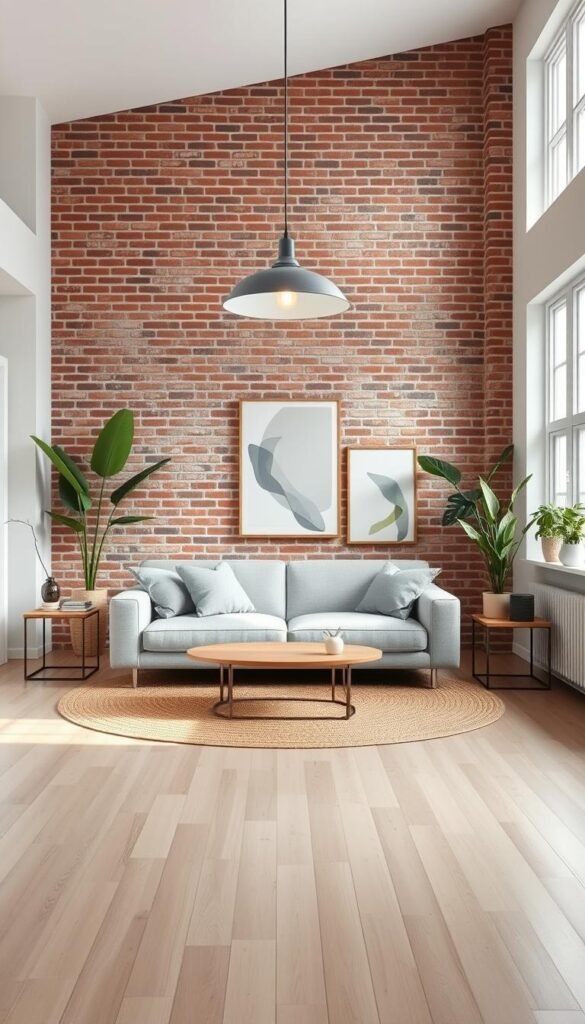
Your home should reflect your unique personality while maintaining beautiful harmony. Blending different aesthetics creates spaces that feel both curated and personal. This approach lets you honor Nordic principles while expressing individual style.
Scandi-Modern Fusion
Combining clean Nordic elements with contemporary touches creates fresh interiors. This fusion maintains light-filled spaces while adding bold accents. The key lies in selective incorporation rather than overwhelming transformation.
Introduce metallic finishes through lighting fixtures or hardware. A sleek table lamp with brass details adds modern flair. These elements provide contrast without disrupting the calm atmosphere.
Consider mixing materials for visual interest. A pine console paired with geometric accessories works beautifully. This balance keeps the space feeling current yet timeless.
Your dining room can showcase this fusion perfectly. Combine minimalist chairs with a statement light fixture. This creates focal points while maintaining open sight lines.
Incorporating Personal Collections
Meaningful items deserve display in your thoughtfully designed space. The secret lies in curated presentation rather than crowded arrangements. Choose your most cherished pieces for intentional placement.
Create dedicated display areas for special collections. Floating shelves allow you to rotate items seasonally. This prevents visual clutter while honoring sentimental value.
Group similar items together for cohesive impact. Several ceramic vases on a single tray read as one statement. This approach maintains the minimalist ethos of your interior style.
Consider scale and proportion when arranging pieces. Larger items might stand alone on a console surface. Smaller objects can gather in thoughtful groupings.
Balancing Minimalism with Personality
Your space should feel authentically yours while retaining Nordic principles. This balance comes through careful editing and intentional choices. Every addition should enhance rather than compete with the overall aesthetic.
Introduce color through easily changeable elements. Textiles and artwork offer flexible expression points. You can update these as your tastes evolve over time.
Personal touches work best when they serve dual purposes. A beautiful bowl might hold your keys by the entry. This combines function with personal expression beautifully.
Remember that negative space remains crucial. Allow breathing room around each personal touch. This prevents your space from feeling overwhelmed while maintaining that serene Nordic feeling.
The most personal spaces often speak the softest while saying the most.
| Design Element | Scandinavian Principle | Personal Expression | Balance Technique |
|---|---|---|---|
| Wall Art | Minimalist curation | Meaningful subjects | Single statement piece |
| Textiles | Natural materials | Favorite colors | Neutral base with accent throws |
| Accessories | Functional beauty | Sentimental items | Dedicated display areas |
| Furniture | Clean lines | Unique finds | Mix classic with contemporary |
This balanced approach creates homes that feel both designed and lived-in. Your space will reflect your personality while maintaining that calming Nordic atmosphere everyone loves.
Bringing Your Pinterest-Inspired Scandinavian Living Room to Life
Your journey to a beautiful home begins with thoughtful planning. Start with your foundation – choose light colors and natural materials for walls and floors.
Focus on furniture with clean lines and slender legs. These elements create an open feeling in your space.
Layer soft textiles like a cozy rug and add warm lighting from a stylish lamp. Personal touches make your room feel uniquely yours.
Remember that good layout ensures easy movement between rooms. Keep pathways clear and arrange tables for convenience.
Your perfect living area balances simplicity with comfort. Enjoy creating a home that reflects your personal style while feeling wonderfully inviting.