Welcome to your journey toward creating the perfect warm minimalist living room with natural wood decor.
Discover how to blend the clean aesthetic of minimalism with the cozy warmth of natural elements.
This design approach creates spaces that are both visually appealing and emotionally comforting.
You will explore practical ideas to transform your home into a serene yet inviting retreat.
Learn why wood serves as the foundation for a space that feels both modern and timeless.
Get ready to implement changes that make your room feel more spacious yet cozier than ever.
Find inspiration for a design that reflects your personal style while keeping things simple.
Prepare to create an area that serves as both a stylish showcase and a comfortable everyday living zone.
1. Why Your Minimalist Living Room Craves Natural Wood
Your clean-lined space yearns for something special. It needs warmth and character without losing its simple charm. That’s where organic materials come in.
Think about the last time you entered a stark, all-white interior. It might have felt cold or impersonal. Now imagine that same area with a beautiful oak coffee table or teak shelving.
The transformation is remarkable. These elements add soul to simplicity.
Organic minimalism blends clean lines with earthy touches. It combines the uncluttered look you love with materials like timber, stone, and linen. The result is a style that feels both simple and inviting.
Psychological studies show that natural materials reduce stress. They create environments where you can truly relax. Your home becomes a sanctuary that supports well-being.
Texture plays a key role here. Grain patterns and wood knots provide visual interest. They break up monotony without adding clutter to your aesthetic.
Neutral color palettes get a boost from timber tones. Light ash complements bright whites. Dark walnut adds depth to grey schemes. These combinations feel both modern and timeless.
Furniture pieces in timber become focal points. A sleek console or elegant chair stands out beautifully. It draws the eye while maintaining overall simplicity.
Different species create different moods. Light birch feels airy and Scandinavian. Rich mahogany brings mid-century elegance. You can match the wood to your personal style.
This approach works with various minimalist sub-styles. Japandi embraces light woods and clean shapes. Organic minimalism uses raw, untouched finishes. The versatility is impressive.
Homes worldwide showcase this transformation. From Tokyo apartments to California bungalows, timber elements make spaces feel welcoming. They prove that simplicity and warmth can coexist perfectly.
2. The Core Principles of Warm Minimalist Design
Creating a welcoming minimalist space requires understanding key principles. These guidelines help you achieve balance between simplicity and comfort. They transform sterile areas into inviting retreats.
Three fundamental concepts form the foundation of this approach. A neutral color scheme sets the tone. Functional furniture maintains clean aesthetics. Textural layering adds depth and coziness.
Embrace a Neutral and Earthy Color Palette
Your color choices create the foundation for your entire design. Earthy tones establish serenity without feeling cold. Think soft beiges, warm taupes, and creamy whites.
These shades work beautifully with natural light. They make rooms feel larger yet cozier. Avoid stark whites that can feel clinical.
Consider adding subtle color variations. Soft greens or terracotta accents add interest. They maintain the calm atmosphere while preventing monotony.
“The right neutral palette doesn’t subtract personality—it enhances the elements that matter most.”
Prioritize Clean Lines and Functional Furniture
Every piece in your space should serve a purpose. Choose items with simple shapes and straightforward designs. Multi-functional pieces maximize utility without clutter.
Look for furniture with hidden storage compartments. A sleek table with drawers keeps essentials handy but out of sight. This approach maintains visual simplicity.
Quality matters more than quantity. Invest in fewer, better-made items. They last longer and contribute to the overall aesthetic.
Layer Textures for Depth and Comfort
Texture is your secret weapon against sterile minimalism. Combine different materials for visual interest. Think linen cushions on a leather sofa.
Add a jute rug over hardwood floors. Hang lightweight curtains that filter light beautifully. These elements create comfort without visual noise.
According to professional designers, layering natural materials like wool, cotton, and stone creates harmonious spaces. The combination feels both dynamic and peaceful.
- Mix smooth and rough surfaces
- Combine matte and slightly glossy finishes
- Balance heavy items with light, airy elements
These principles work together to create spaces that feel both spacious and intimate. They prove that minimalism doesn’t mean sacrificing comfort.
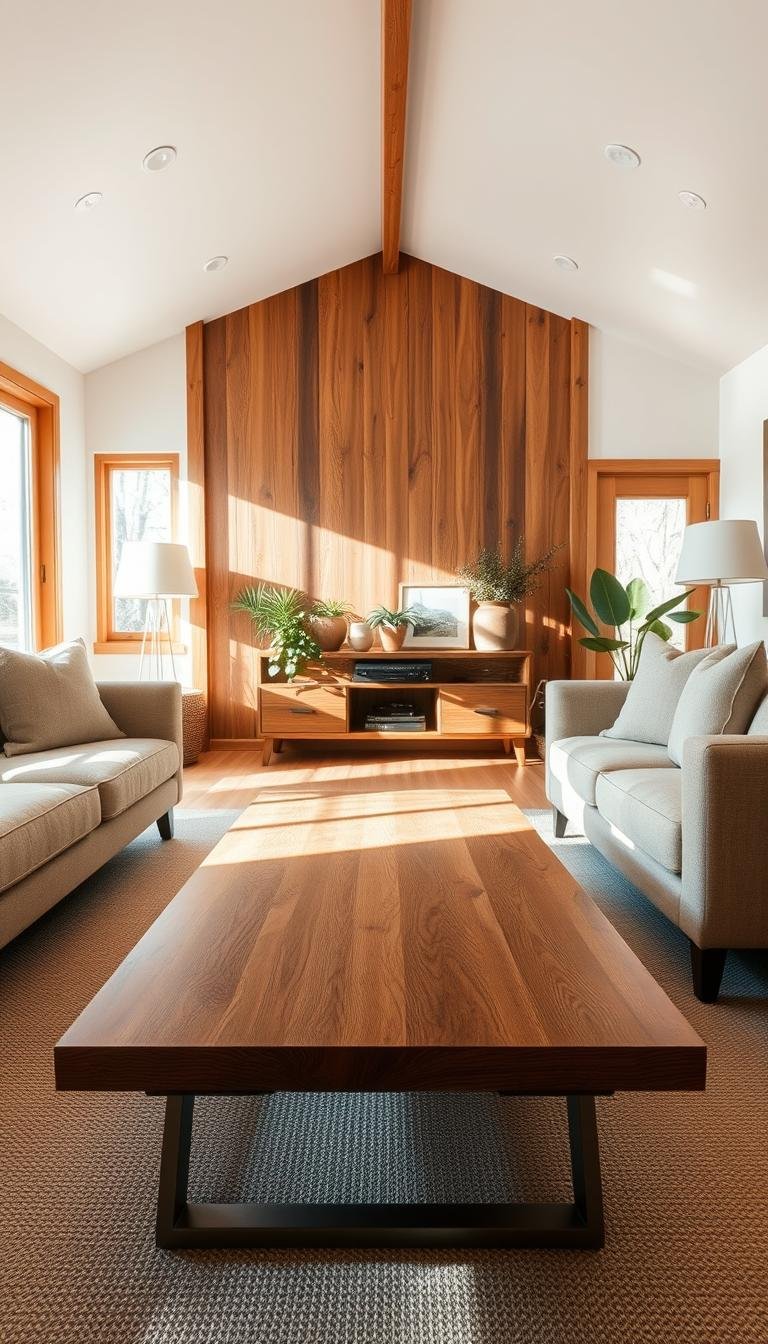
3. Choosing the Perfect Natural Wood Coffee Table
Your coffee table becomes the heart of your minimalist living area. It serves as both functional surface and design anchor. This piece balances daily use with aesthetic appeal.
Select pieces with clean lines that offer comfort without ornamentation. These tables provide surface space while maintaining visual simplicity. They become focal points without creating clutter.
Different timber types create distinct moods in your interior. Light oak or ash keeps spaces feeling airy and bright. Darker walnut or teak adds depth and richness to your room.
Consider matte finishes over high-gloss options. They absorb light gently and feel more organic. This approach enhances the natural character of your furniture.
Proportion matters greatly when selecting your table. Measure your seating area first. The table should sit approximately 18 inches from your sofa.
Height should align with your seat cushions. This creates comfortable reach for drinks and books. Scale ensures harmony within your space.
Table shapes influence room flow significantly. Rectangular options work well in larger areas. They provide ample surface for entertaining.
Round or oval tables soften angular rooms beautifully. They prevent sharp corners in compact spaces. These shapes encourage conversation circles.
Some designs include discreet storage solutions. Drawers or shelves hide remote controls and magazines. This functionality maintains your clean aesthetic.
Styling your table requires thoughtful minimalism. Choose one or two meaningful accessories. A small tray organizes items while adding texture.
Wood tone selection affects overall warmth dramatically. Lighter species reflect more light. They make compact rooms feel more spacious.
Darker woods create cozy, intimate atmospheres. They work well in sun-filled spaces. Your choice depends on desired mood.
Maintenance keeps your table looking beautiful for years. Use coasters under drinks to prevent rings. Dust regularly with a soft, dry cloth.
Occasionally treat the surface with appropriate oil. This protects against scratches and stains. Proper care preserves both function and beauty.
4. Incorporating Textiles: Rugs, Throws, and Curtains
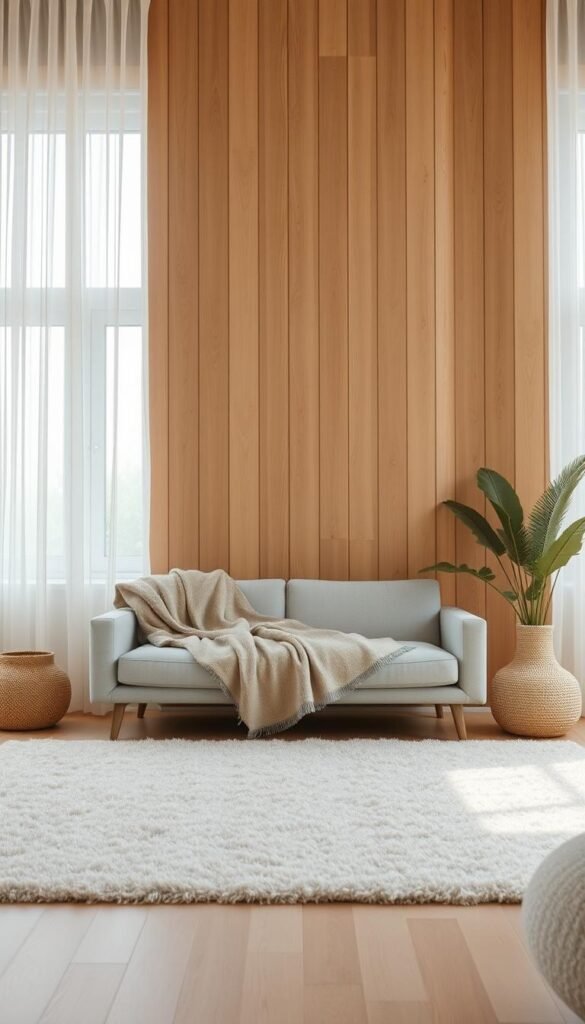
Textiles bring comfort and character to your minimalist space. They add softness and warmth without sacrificing clean aesthetics. These elements transform sterile areas into inviting retreats.
Natural fiber textiles introduce tactile richness. They maintain the minimalist ethos while providing visual interest. Your home gains depth and personality.
The Impact of a Natural Fiber Rug
A well-chosen rug anchors your entire room. It defines seating areas while adding texture underfoot. Natural materials like jute or wool offer organic appeal.
Consider size and shape carefully. Your rug should frame your furniture arrangement beautifully. Larger pieces make spaces feel more expansive.
Rectangular rugs work well under sofa and chair groupings. Round options soften angular layouts. The right choice enhances flow and function.
Neutral tones complement various design schemes. Light beiges keep areas bright and airy. Darker shades add cozy sophistication.
Texture plays a crucial role here. Woven patterns provide subtle visual interest. They break monotony without creating clutter.
“A great rug doesn’t just cover the floor—it establishes the room’s entire atmosphere.”
Softening Spaces with Linen and Bouclé
Window treatments transform light quality dramatically. Linen curtains filter sunlight beautifully. They maintain privacy while creating soft, diffused illumination.
These textiles add movement and elegance to your interior. They frame views while contributing to the overall aesthetic. Choose simple rod pockets or hidden tabs for clean lines.
Throw blankets and pillows provide instant comfort. Natural fabrics like cotton and wool feel wonderful against skin. They invite relaxation without visual noise.
Bouclé fabric has become a designer favorite for good reason. Its looped texture offers incredible tactile appeal. This material works beautifully on accent chairs or pillows.
Layering different textures creates nuanced depth. Combine smooth linen with nubby bouclé. Add a chunky knit throw for variety.
Color coordination maintains harmony throughout your space. Stick to your neutral palette for cohesion. Introduce subtle pattern through weave rather than print.
Proper care ensures longevity for these pieces. Vacuum natural fiber rugs regularly. Spot clean spills immediately to prevent staining.
Consider professional cleaning for valuable textiles. Rotate rugs periodically to ensure even wear. These practices preserve beauty for years.
| Textile Type | Best Use | Maintenance Level | Visual Impact |
|---|---|---|---|
| Jute Rug | Low-traffic areas | Medium | Organic texture |
| Linen Curtains | Light filtering | Low | Soft elegance |
| Bouclé Throw | Accent seating | High | Tactile interest |
| Wool Pillow | Sofa accents | Medium | Cozy warmth |
These textile ideas help create a minimalist space that feels both curated and comfortable. They prove that simplicity and warmth can coexist beautifully.
For more inspiration on optimizing your layout, explore these minimalist living room ideas. They offer practical solutions for various space configurations.
5. Using Wood Accents on Walls and Ceilings
Your vertical surfaces offer incredible potential for adding character. They can transform your entire space without occupying valuable floor area. This approach creates dramatic impact while maintaining clean lines.
Consider oak paneling for a timeless look. Studio Jane demonstrates how this treatment adds rich textures. The result feels both structured and organic.
Walnut ceilings create intimate atmospheres overhead. Escapefromsofa used this technique beautifully. It makes rooms feel cozy yet sophisticated.
Different installation methods create distinct effects. Shiplap offers horizontal interest with subtle shadow lines. Vertical paneling draws the eye upward, enhancing room height.
Wood slat walls provide visual rhythm while allowing light passage. They create privacy screens or room dividers in open-concept homes. These elements define areas without solid barriers.
Your accent wall can serve as natural art. Choose boards with interesting grain patterns. Arrange them to highlight their unique character.
Consider these installation approaches:
- Full wall coverage for maximum impact
- Partial treatments to frame specific areas
- Ceiling applications for overhead warmth
- Slat systems for modern visual interest
Select tones that complement existing furniture. Light ash works with Scandinavian style. Dark walnut enhances mid-century aesthetics.
Proper installation ensures lasting beauty. Account for seasonal expansion in your design. Use appropriate fasteners and spacing techniques.
Maintenance keeps these features looking fresh. Dust regularly with a soft cloth. Occasionally treat surfaces with protective finishes.
These ideas help create spaces that feel both curated and comfortable. They prove that simplicity and character can coexist beautifully.
6. Selecting a Sofa that Complements Wood Tones
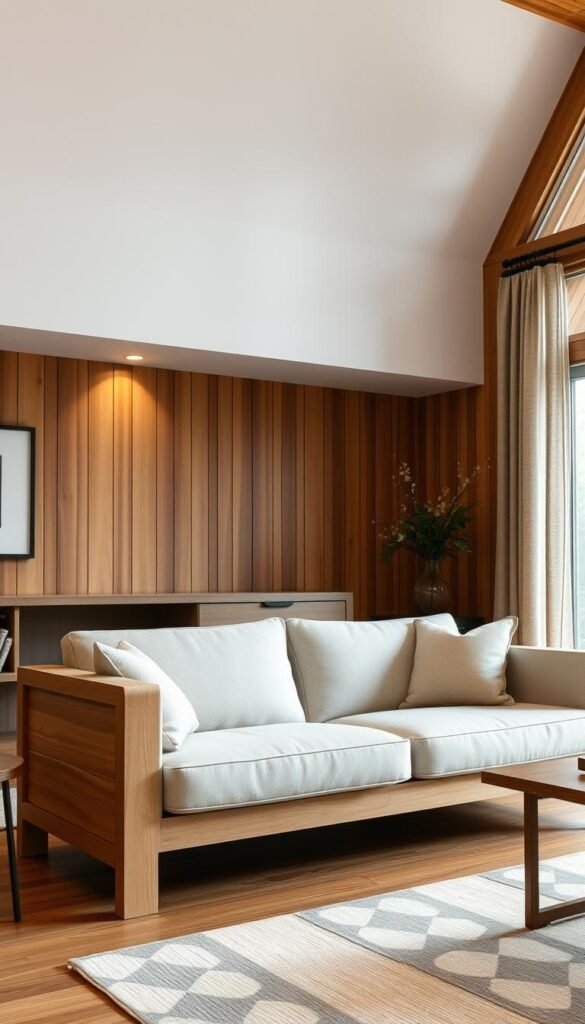
Your sofa serves as the centerpiece of your minimalist interior. It needs to balance comfort with clean aesthetics. This piece anchors your seating area while harmonizing with timber elements.
Choose designs that prioritize relaxation without visual clutter. Plush cushions and supportive frames create inviting seating. They maintain the uncluttered look you love.
Scale matters when selecting your sofa. Measure your room dimensions carefully. The piece should leave comfortable walking space around it.
Consider these style options:
- Low-profile designs with exposed legs
- Modular units for flexible arrangements
- Sectional sofas for larger spaces
- Compact two-seaters for smaller rooms
Fabric selection affects both feel and aesthetic. Natural materials like linen and cotton offer breathable comfort. Wool provides cozy warmth during cooler months.
Neutral colors create harmony throughout your space. Light beiges and soft grays complement various wood finishes. They allow timber elements to shine as focal points.
“The perfect sofa doesn’t just seat you—it welcomes you into the space and makes you want to stay.”
Modular sofas offer excellent flexibility. You can rearrange sections to suit different occasions. This adaptability works well in open-concept homes.
Some designs include hidden storage solutions. Chaise lounges with lift-up seats provide discreet space for blankets. This functionality helps maintain your clean aesthetic.
Arm styles and leg designs influence the overall look. Tapered wooden legs echo other timber elements in the room. Sleek metal legs offer contemporary contrast.
Maintenance keeps your sofa looking fresh. Regular vacuuming prevents dust buildup. Spot cleaning addresses spills immediately.
Consider professional cleaning for deep stains. Fabric protectors extend the life of your investment. These practices preserve both beauty and comfort.
7. The Art of Decluttering for a Serene Space
Decluttering transforms your home into a peaceful sanctuary. It creates an environment where you can truly relax and recharge. This process reveals the beauty of your carefully chosen pieces.
Studies show that organized spaces reduce stress significantly. They promote mental clarity and emotional well-being. Your interior becomes a calming retreat from daily chaos.
Start with the “keep only what you need or love” philosophy. This wabi-sabi approach honors meaningful possessions. It removes everything that doesn’t serve purpose or bring joy.
Practical techniques make the process manageable. Work through one area at a time to avoid overwhelm. Sort items into keep, donate, or discard categories.
Surface clearing maintains visual calmness beautifully. Keep tabletops and shelves mostly empty. This approach highlights your favorite decorative accents.
“Clutter isn’t just physical stuff. It’s anything that stands between you and the life you want to be living.”
Storage solutions hide essentials while maintaining clean lines. Consider these clever options:
- Built-in cabinets with seamless doors
- Multi-functional furniture with hidden compartments
- Vertical storage systems that maximize wall space
- Decorative boxes and baskets for smaller items
Making decisions about sentimental items can be challenging. Ask yourself if each piece truly enhances your daily life. Photograph keepsakes you can’t keep but want to remember.
Regular maintenance prevents clutter from accumulating. Develop simple daily habits like returning items to their places. Weekly quick tidy-ups keep your space consistently serene.
Decluttering makes your design choices stand out dramatically. Beautiful wood tones and textures become visible focal points. Your aesthetic shines without visual competition.
Balance minimalism with personal expression through curated displays. Choose a few meaningful art pieces or photographs. Rotate seasonal items to keep your look fresh and intentional.
Before-and-after examples show remarkable transformations. Spaces gain both visual appeal and functional efficiency. They demonstrate how less truly becomes more.
Your home becomes a testament to thoughtful living. Every item serves a purpose or brings genuine happiness. This approach creates lasting comfort and style.
8. Lighting Ideas to Enhance Warmth and Atmosphere
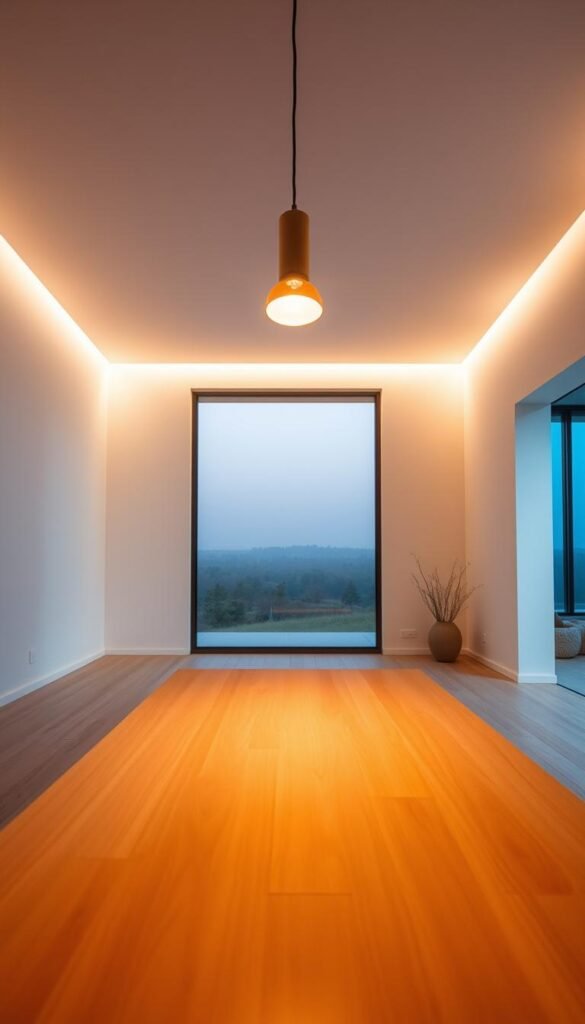
Light transforms your minimalist interior from stark to inviting. It creates an atmosphere that feels both modern and cozy. Proper illumination highlights your favorite design elements beautifully.
Good lighting serves multiple purposes in your home. It provides visibility for daily activities. It also establishes mood and enhances aesthetic appeal.
Layered lighting creates depth and dimension throughout your room. Combine different sources for optimal effect. This approach prevents flat, uninteresting illumination.
The Role of Ambient and Natural Light
Ambient lighting creates an inviting glow that instantly relaxes. It provides general illumination throughout your space. Think of it as the foundation of your lighting plan.
Natural light deserves special attention in your design. Maximize window exposure with strategic furniture placement. Choose treatments that filter rather than block sunlight.
Brass fixtures cast gentle, warm tones across surfaces. They complement various color schemes beautifully. These pieces add subtle sophistication to your interior.
Consider these placement strategies for optimal effect:
- Install dimmer switches for adjustable brightness levels
- Place floor lamps in corners to eliminate shadows
- Use wall sconces for indirect, flattering illumination
- Position mirrors opposite windows to amplify natural light
Light temperature dramatically affects your room’s feel. Warm white bulbs (2700-3000K) create cozy atmospheres. Cool white options (3500-4100K) feel more energizing.
Your lighting should highlight wood grains and textures beautifully. Angle fixtures to graze across surfaces. This technique reveals subtle patterns and character.
Sculptural Lighting as a Focal Point
Sculptural lighting fixtures serve as functional art pieces. They provide illumination while making strong style statements. These elements become conversation starters in your space.
Choose designs that complement rather than compete with your aesthetic. Clean lines and simple shapes maintain minimalist integrity. Interesting forms add visual interest without clutter.
“Lighting is the jewelry of the home—it should enhance everything else without overwhelming the space.”
Pendant lights work wonderfully over dining areas or coffee tables. They define zones in open-concept layouts. Select sizes proportional to your furniture.
Floor lamps with architectural bases make excellent accent pieces. They provide task lighting while contributing to decor. Place them beside reading chairs or sofas.
Smart lighting solutions enhance minimalist aesthetics beautifully. Programmable systems adjust throughout the day. They create perfect atmospheres for different activities.
Consider this comparison of lighting options:
| Fixture Type | Best Placement | Light Output | Style Impact |
|---|---|---|---|
| Pendant Light | Over tables or islands | Focused ambient | Strong focal point |
| Floor Lamp | Beside seating areas | Task lighting | Sculptural element |
| Wall Sconce | Hallways or beside art | Accent lighting | Subtle enhancement |
| Track Lighting | Ceiling installations | Adjustable direction | Modern industrial |
These lighting ideas help create spaces that feel both curated and comfortable. They prove that proper illumination transforms sterile areas into welcoming retreats.
9. Incorporating Stone and Other Natural Materials
Stone elements bring grounding energy to your minimalist space. They add visual weight and organic texture. These materials create beautiful contrast with lighter wood tones.
Different stones offer unique characteristics. Marble provides elegant veining patterns. Slate delivers rugged, earthy appeal. Travertine adds porous texture and warmth.
Quartzite like Verde Patagonia offers durability with dramatic coloring. Breccia Capraia marble features bold, artistic patterns. Reclaimed options bring historical character to modern design.
Terrazzo floors create playful yet sophisticated surfaces. They combine chips of marble, quartz, or glass in cement. This material adds visual interest without overwhelming your aesthetic.
Fireplace surrounds become stunning focal points in stone. A marble mantlepiece anchors your seating area beautifully. Slate hearths provide rustic charm against clean lines.
Stone-top coffee tables offer cooling contrast to warm timber. They balance the organic feel of your interior. These pieces become functional works of art.
Smaller accents introduce stone texture throughout your room. Consider bookends, vases, or decorative objects. They add subtle natural appeal without clutter.
Clay and ceramic elements complement stone beautifully. Hand-thrown pottery brings artisan character. These materials enhance the organic style of your home.
Placement strategies maximize impact in various layouts. Use stone features as anchoring elements. Position them where they can be appreciated from multiple angles.
Maintenance varies by stone type. Seal porous materials like marble and travertine regularly. Clean with pH-neutral solutions to preserve finishes.
These natural elements create spaces that feel both curated and connected to nature. They prove that simplicity and character can coexist beautifully.
10. How to Display Art in a Warm Minimalist Living Room
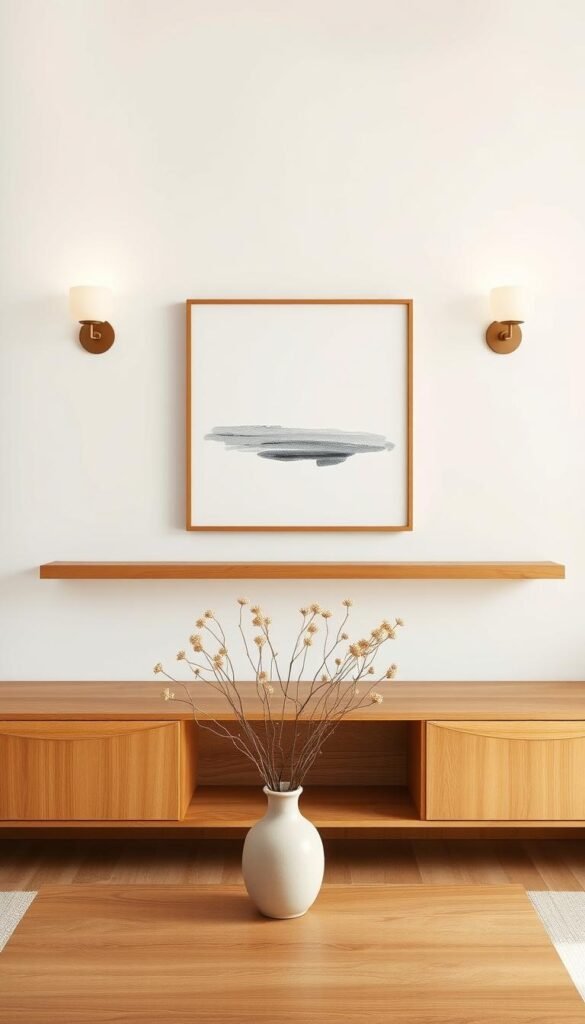
Art transforms your space from simple to soulful. It adds personality without overwhelming your clean aesthetic. Curated pieces introduce texture and craft into your interior.
Choose artwork that enhances rather than dominates. One or two understated pieces often work best. They complement your color scheme beautifully.
Simple wall art maintains visual calmness. It provides focal points without creating clutter. Your room feels both intentional and inviting.
Framing choices impact overall harmony. Natural wood frames echo other elements in your home. Slim metal options offer contemporary contrast.
Consider these placement strategies for various layouts. Single large statements anchor empty walls effectively. Smaller groupings create intimate moments.
Gallery walls work in minimalist spaces when carefully curated. Keep frames identical for cohesion. Maintain consistent spacing between pieces.
Different art mediums bring unique qualities. Photography offers crisp modernity. Paintings add brushstroke texture. Textile art introduces softness.
Select pieces that reflect personal taste while maintaining aesthetic cohesion. Abstract works in neutral tones blend seamlessly. Nature photography connects indoors with outdoors.
Art introduces color in controlled ways within neutral palettes. A single bold accent color creates dramatic focus. Muted earth tones enhance overall warmth.
Scale considerations ensure proper proportion. Large rooms handle bigger artwork comfortably. Smaller spaces benefit from modest pieces.
Lighting enhances art impact significantly. Directional spotlights highlight specific works. Ambient illumination creates gentle glow around pieces.
These ideas help create spaces that feel both curated and comfortable. They prove that art and minimalism can coexist beautifully.
11. Bringing the Outdoors In with Greenery and Plants
Plants transform your minimalist interior from simple to vibrant. They add life and freshness without creating visual noise. These living elements connect your home with nature beautifully.
Greenery introduces organic movement and texture. It softens clean lines while maintaining your aesthetic. Your space gains depth and character instantly.
Certain varieties thrive indoors with minimal care. Snake plants tolerate low light conditions gracefully. ZZ plants handle irregular watering without complaint.
Pothos vines trail beautifully from shelves or hanging planters. Peace lilies purify air while adding elegant white blooms. These species require little maintenance yet offer maximum impact.
Placement strategies enhance rather than disrupt flow. Large floor plants anchor empty corners effectively. They create natural focal points in your room.
Smaller specimens work wonderfully on open shelving. They add vertical interest without occupying surface area. This approach maintains clear surfaces throughout your design.
Hanging planters utilize overhead space creatively. Macramé holders add bohemian texture to minimalist style. They draw the eye upward, enhancing room height.
Planter selection complements your overall look. Neutral ceramic pots blend seamlessly with various tones. Simple concrete planters offer modern industrial appeal.
Natural fiber baskets conceal plastic nursery pots beautifully. They add texture while providing proper drainage. This solution combines practicality with aesthetic appeal.
Green corners create miniature indoor gardens in larger spaces. Group plants of varying heights for visual interest. This arrangement feels both curated and organic.
Scale considerations ensure proper proportion in different rooms. Compact apartments benefit from smaller tabletop plants. Spacious areas handle larger statement specimens comfortably.
Plants improve indoor air quality significantly. They filter toxins while releasing fresh oxygen. Your atmosphere becomes healthier and more invigorating.
Care tips keep your greenery thriving year-round. Most indoor plants prefer indirect light. Overwatering causes more problems than underwatering typically.
Rotate plants periodically for even growth. Wipe leaves gently to remove dust buildup. These simple practices maintain vibrant, healthy decor.
Real homes showcase beautifully integrated plant ideas. From sleek apartments to cozy houses, greenery adds warmth and life. It proves that nature and minimalism complement each other perfectly.
12. Creative Storage Solutions to Hide Clutter
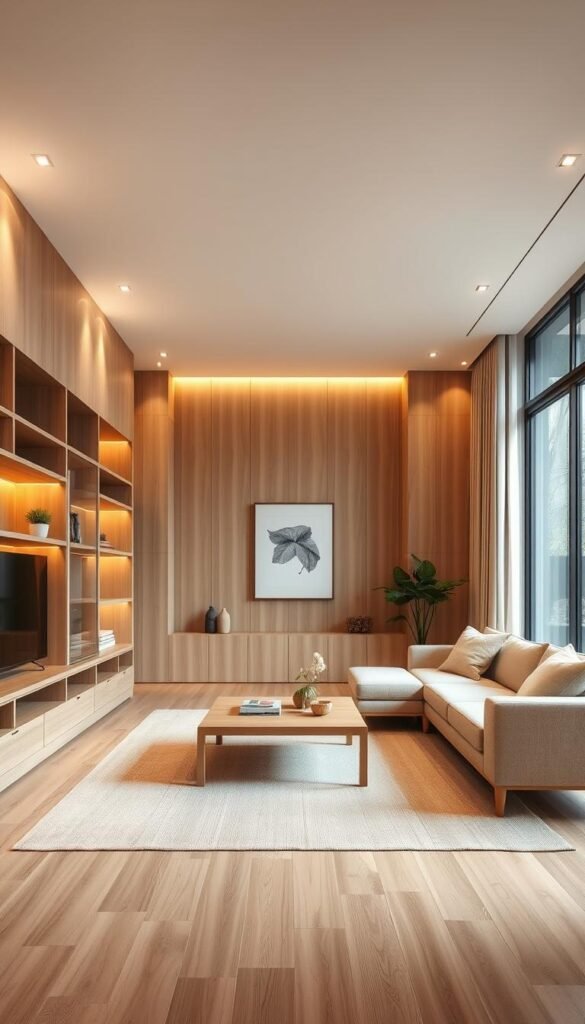
Smart storage keeps your minimalist space looking pristine and organized. It hides everyday items while maintaining your clean aesthetic. Your home feels both functional and beautifully serene.
Built-in options blend seamlessly with your walls. Custom shelving units provide ample space for books and media. They become part of your interior rather than standing out.
Multifunctional furniture offers clever hidden compartments. Ottomans with lift-up tops store blankets and pillows. Beds with drawers underneath utilize often wasted space.
Vertical storage maximizes your room’s potential. Floor-to-ceiling cabinets draw the eye upward. They create the illusion of height while providing practical solutions.
Media equipment needs discreet hiding spots. Cabinets with cable management systems keep wires tidy. Adjustable shelves accommodate various component sizes.
Consider these innovative approaches:
- Floating shelves for lightweight decorative items
- Bench seating with hidden storage compartments
- Wall-mounted racks for frequently used items
- Modular systems that adapt to changing needs
Closed storage prevents visual clutter effectively. Doors and drawers conceal items you need but don’t display. Your surfaces remain clear and inviting.
Open shelving works when carefully curated. Display only a few meaningful pieces. Keep the arrangement sparse and intentional.
Different materials suit various design styles. Light wood tones maintain an airy feel. Darker finishes add depth and sophistication.
Custom solutions fit unique spaces perfectly. They address specific storage challenges in your room. Ready-made options work well for standard layouts.
Storage can double as decorative elements. Beautiful baskets hold remote controls and magazines. They add texture while serving practical purposes.
Proper organization prevents accumulation of clutter. Assign specific homes for all your items. This habit maintains your minimalist aesthetic daily.
Real homes showcase brilliant storage ideas. From compact apartments to spacious houses, clever solutions enhance living experiences. They prove that functionality and beauty can coexist beautifully.
13. Designing a Functional and Stylish Layout
Your furniture arrangement sets the stage for daily comfort and beauty. It determines how you move through and enjoy your area. A thoughtful plan makes your place both practical and inviting.
Great layouts maximize natural illumination wonderfully. They allow sunlight to fill your area, creating an airy, expansive feel. This approach enhances the overall atmosphere significantly.
Conversation areas should feel intimate yet open. Position seating to encourage face-to-face interaction. Leave enough space for easy movement around the group.
Traffic flow matters in various room shapes. Create clear pathways between key areas. Avoid blocking natural movement patterns with large pieces.
Some arrangement strategies make areas feel larger. Float furniture away from walls when possible. This technique creates depth and dimension.
Open-concept homes benefit from defined zones. Use area rugs to anchor different functions. Visual separation maintains organization without walls.
Focal points guide your furniture placement. Arrange pieces around a fireplace or large window. This creates natural gathering spots.
Balance negative space with furnished areas. Empty zones prevent visual overcrowding. They allow your eyes to rest between elements.
Light distribution changes with different layouts. Avoid placing tall items in front of windows. Consider how shadows might fall during daylight hours.
Real homes showcase brilliant layout ideas. They demonstrate adaptability for various activities. Entertaining, relaxing, and working all require different setups.
Your space should serve multiple purposes gracefully. Flexible arrangements accommodate changing needs. Modular pieces offer excellent versatility.
Scale considerations ensure proper proportion. Measure your area before selecting pieces. Oversized items can overwhelm compact rooms.
Visual weight affects perceived balance. Distribute heavier pieces evenly throughout. This creates harmony in your overall design.
Accessibility remains crucial in any plan. Leave adequate space for comfortable movement. Consider all household members’ needs.
These principles help create areas that feel both curated and comfortable. They prove that functionality and beauty coexist beautifully.
14. Curating Your Natural Wood Living Room Decor for Warm Minimalists
Curating transforms your space into a personal sanctuary. It involves selecting items that serve purpose and bring joy. This process creates harmony between function and beauty.
Every piece in your home should earn its place. Ask if each item enhances daily life or sparks happiness. Remove anything that doesn’t meet these criteria.
Create a focal point around one standout piece. Arrange seating and accents to highlight this element. It becomes the heart of your room’s story.
Editing maintains visual calmness throughout your interior. Remove excess items until only essentials remain. This approach reveals the true character of your space.
“Only what you need or love takes up space—everything else just takes away from it.”
Intentionality guides every design decision. Choose pieces that align with your overall aesthetic. They should complement rather than compete with each other.
Cohesive collections create visual harmony. Select decor items that share common materials or colors. This unity makes your space feel thoughtfully assembled.
Balance personal expression with minimalist principles. Display meaningful objects without overcrowding surfaces. Rotate seasonal pieces to keep your look fresh.
Create moments of visual interest carefully. Use texture variations to add depth without clutter. Different materials provide subtle contrast.
Layering elements adds richness to your interior. Combine various heights and scales for dimensional appeal. This technique prevents flat, uninteresting arrangements.
Editing becomes an ongoing practice rather than a one-time task. Refine your space as your tastes evolve over time. This approach keeps your home feeling current and authentic.
Beautifully curated rooms showcase this philosophy perfectly. They demonstrate how less becomes more when chosen carefully. Every item contributes to the overall atmosphere.
Maintain your curated space through regular reassessment. Periodically evaluate if pieces still serve their purpose. This habit prevents gradual accumulation of clutter.
Consider this approach to decorative elements:
| Element Type | Selection Criteria | Placement Strategy | Visual Impact |
|---|---|---|---|
| Artwork | Emotional connection | Eye-level hanging | Focal point |
| Textiles | Texture contribution | Strategic layering | Comfort enhancement |
| Greenery | Maintenance level | Light consideration | Organic vitality |
| Accessories | Functional purpose | Grouped arrangements | Personal expression |
These curation techniques help create spaces that feel both personal and peaceful. They prove that thoughtful selection beats quantity every time.
15. Maintaining Your Warm Minimalist Sanctuary
Keeping your minimalist space beautiful requires simple, consistent care. Regular maintenance preserves the clean aesthetic you love. It ensures your home always feels welcoming and fresh.
An uncluttered interior is easier to clean and maintain. Surfaces stay accessible for quick dusting and wiping. Your space remains organized with minimal effort.
Establish routines that fit seamlessly into your lifestyle. Daily habits prevent buildup and keep things tidy. Weekly tasks address deeper cleaning needs.
Discover maintenance routines that keep your area looking pristine:
- Dust surfaces every few days with a microfiber cloth
- Vacuum floors and rugs twice weekly
- Wipe down frequently touched areas like light switches
- Schedule monthly deep cleaning sessions
Learn cleaning techniques specific to different materials. Timber surfaces need gentle, pH-neutral cleaners. Stone requires special sealants to prevent staining.
Textiles benefit from regular vacuuming and spot cleaning. Natural fibers like linen and wool need proper care. Follow manufacturer instructions for best results.
Understand how regular upkeep prevents major redecorating. Small maintenance stops big problems from developing. Your investment stays beautiful for years.
Protect surfaces from wear while maintaining natural beauty. Use coasters under drinks on wood tables. Place mats under decorative objects to prevent scratches.
“Maintenance isn’t just about cleaning—it’s about preserving the peaceful atmosphere you’ve created.”
Explore seasonal refresh ideas that keep your space feeling current. Rotate throw pillows and blankets with temperature changes. Switch out artwork or decorative accents occasionally.
Discover organization systems that support ongoing minimalism. Assign homes for all your belongings. This makes tidying up quick and effortless.
Understand how to adapt your area as needs change over time. Children, pets, or new hobbies might require adjustments. Flexible storage solutions accommodate these shifts.
See examples of well-maintained spaces years after creation. They demonstrate how consistency pays off beautifully. Your design continues to serve you perfectly.
Learn troubleshooting tips for common maintenance challenges. Water rings on wood respond to gentle rubbing with mayonnaise. Grease stains on fabric often yield to cornstarch treatments.
Your sanctuary deserves this thoughtful attention. It rewards you with lasting comfort and style. The effort maintains both function and beauty beautifully.
16. Start Creating Your Warm and Welcoming Retreat Today
Your journey to a serene and inviting home begins with small, thoughtful steps. Choose one or two ideas that resonate most with your personal style.
Simple changes make a big impact on your space‘s atmosphere. Add soft throw pillows or introduce warm lighting for instant coziness.
Focus on pieces that bring both function and beauty. Prioritize projects based on your budget and timeline.
Explore DIY options or seek professional help when needed. Source materials that align with your vision for a harmonious look.
Create a project plan to stay organized and motivated. Overcome common challenges in crafting your ideal interior.
Enjoy the process of transforming your rooms. Appreciate each step toward your personalized sanctuary.