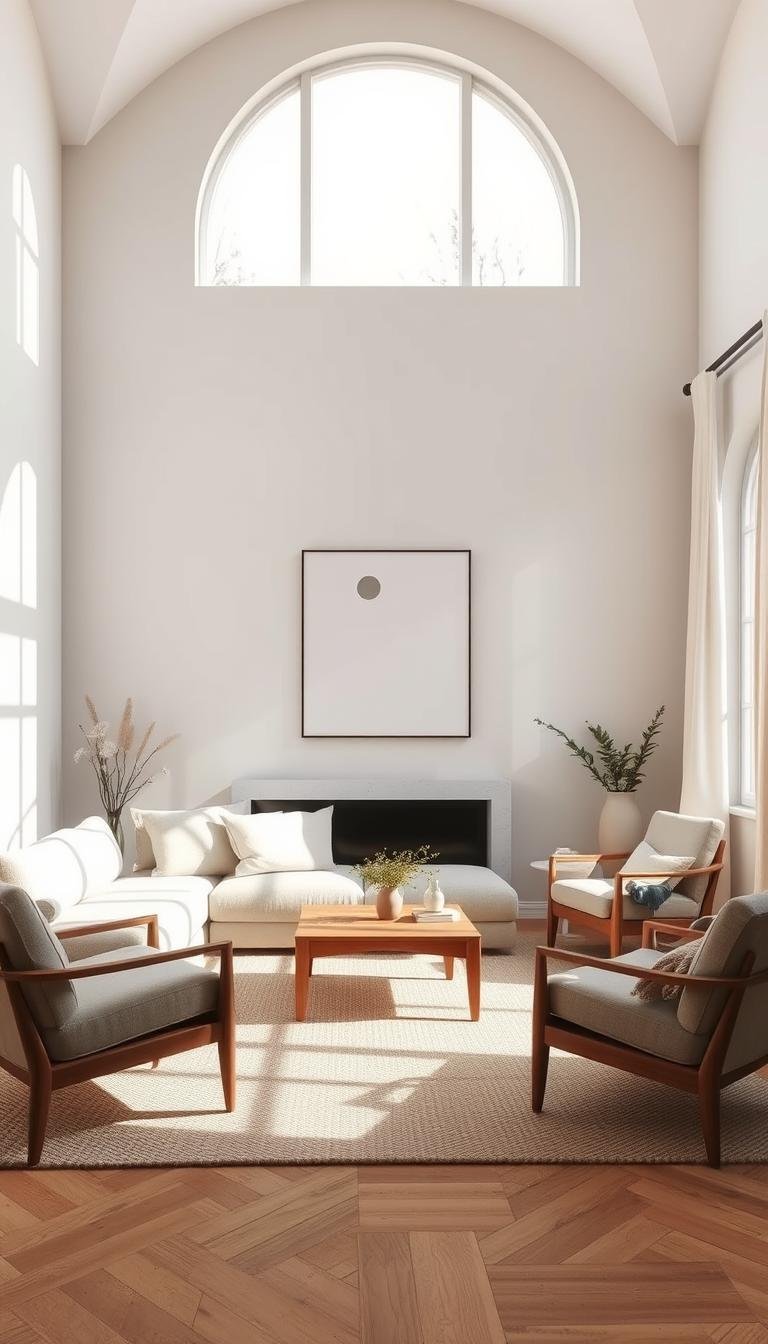
Imagine stepping into a space that feels both peaceful and inviting. Scandinavian design creates this exact feeling. It blends minimalist charm with cozy warmth.
This style turns your home into a perfect sanctuary for relaxation. Its timeless appeal comes from clean lines and functional beauty.
You can achieve this look with thoughtful ideas. Focus on neutral tones and natural materials like wood. These elements bring nature indoors.
Light plays a key role too. Large windows and soft textures enhance the serene atmosphere. Your space will feel open and airy.
We will guide you through simple steps to create this aesthetic. Get ready to transform your interior into a haven of calm and style.
Understanding Scandinavian Design Principles
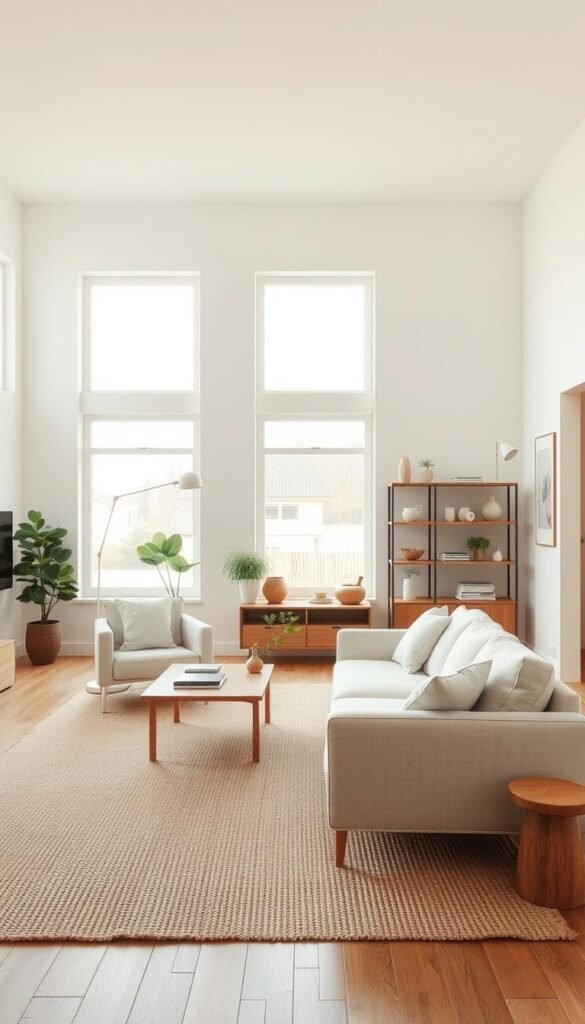
Scandinavian design is more than just a trend. It’s a philosophy that shapes how you experience your home. This approach values both beauty and purpose in every detail.
Let’s explore what makes this style so special. You’ll discover its history and core ideas. These insights help you create a space that feels both calm and functional.
The Origins of Scandi Style
This design approach began in Nordic countries during the 1800s. Norway, Sweden, and Denmark were key pioneers. It gained real momentum in the early 1900s.
The style blends several artistic movements. Functionalism and Minimalism were major influences. These ideas promoted practical beauty in everyday objects.
The term “Scandinavian design” became popular after a traveling exhibition. This show toured the US and Canada from 1954 to 1957. It introduced the world to simple, elegant living.
Key Characteristics of Scandinavian Interiors
Several elements define this aesthetic. They work together to create harmonious spaces.
- Simplicity: Clean lines and uncluttered spaces create calm.
- Functionality: Every piece serves a purpose without sacrificing style.
- Light colors: Soft whites and pale neutrals make rooms feel airy.
- Natural materials: Wood, wool, and leather add warmth and texture.
These features help your home feel both inviting and organized. The Danish concept of “hygge” embodies this cozy contentment. It’s about creating moments of comfort and joy.
Why Scandinavian Design Works So Well
This approach transforms how you experience your space. It maximizes natural light through thoughtful layouts. Your rooms feel brighter and more open.
Clutter-free environments promote mental well-being. Serene aesthetics reduce visual noise. You can focus on what truly matters.
Every element blends aesthetics with practicality. Furniture offers both comfort and style. Scandinavian design proves that simplicity creates the most elegant solutions.
This philosophy makes your home a true sanctuary. It supports relaxation and connection. You’ll enjoy spaces that feel both beautiful and deeply personal.
Creating Your Neutral Color Foundation
Colors set the mood in your home. A thoughtful palette creates harmony and calm. Neutral shades form the perfect base for your interior.
These gentle hues work together beautifully. They make your space feel open and inviting. Your color choices should reflect light and create warmth.
Soft Whites and Creamy Ivories
Begin with light, airy colors on your walls. Soft whites bounce natural light around the room. Creamy ivories add subtle warmth without darkening the space.
These shades create a bright foundation. They make smaller areas feel more spacious. Your living room will appear fresh and clean.
Earthy Tans and Sandy Beiges
Add grounding elements with earthy tones. Tans and beiges bring nature indoors. They create a cozy atmosphere that feels both relaxed and elegant.
Use these colors for larger furniture pieces. A beige sofa or tan chairs add comfort. These shades pair perfectly with light wood finishes.
Incorporating Gray Tones for Depth
Gray adds sophistication to your color scheme. Soft gray tones provide balance without overwhelming. They work well with both warm and cool palettes.
Consider gray for textiles or accent walls. It creates visual interest while maintaining simplicity. Your space gains depth while staying serene.
When to Use Bold Contrasts
Sometimes you need a striking element. Black accents create modern contrast against light backgrounds. Use them sparingly for maximum impact.
A black picture frame or dark coffee table adds definition. These pieces anchor the space without dominating. They maintain the clean lines essential to this style.
Experiment with different combinations. See how colors change throughout the day. Your perfect palette will emerge naturally.
Add personal touches through art and decor. A colorful throw pillow or vibrant artwork brings life. These elements personalize your space while honoring the neutral foundation.
Selecting Natural Materials for Authentic Elegance
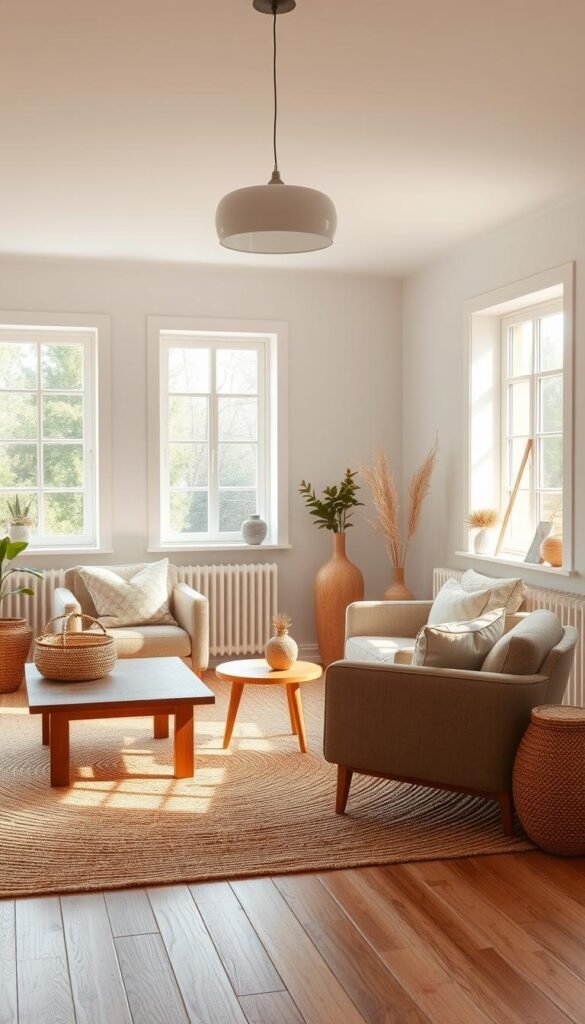
Natural materials form the heart of authentic Scandinavian aesthetics. They bring organic beauty into your space while maintaining clean simplicity.
These elements work together to create warmth and character. Your choices should reflect nature’s diversity while keeping a cohesive look.
The Beauty of Light Wood Finishes
Light wood finishes create airy, bright spaces. Blonde oak and ash offer clean lines with natural charm.
These woods bring warmth without darkening your room. They reflect natural light beautifully throughout the day.
Consider wood paneling for walls to add rustic character. This technique creates texture while maintaining minimalism.
Incorporating Stone and Marble Elements
Stone and marble add rugged refinement to your decor. A marble coffee table serves as a functional centerpiece.
These materials introduce elegant contrast against lighter elements. They ground your space with their substantial presence.
Choose pieces with natural veining for organic patterns. This adds visual interest without overwhelming simplicity.
Woven Textures: Rattan and Wicker
Woven materials bring organic allure through tactile patterns. Rattan chairs or wicker baskets connect your interior to the outdoors.
These textures add depth while maintaining light airiness. They work beautifully with neutral color palettes.
Use them for seating or decorative accents throughout your space. Their natural patterns create visual rhythm without clutter.
Leather Accents for Sophistication
Leather introduces comfort and sophistication to your decor. Choose pieces in neutral tones that complement your palette.
A leather armchair or ottoman adds rich texture. It ages beautifully, developing character over time.
This material balances softer elements with structured elegance. It brings warmth while maintaining clean aesthetic principles.
Mix these materials thoughtfully for harmonious results. Pair a marble table with wooden chairs for cohesive elegance.
Add a rattan rug to ground the arrangement with organic texture. Brands like Froy’s offer authentic pieces that honor this design philosophy.
Your material choices should enhance both beauty and function. They create spaces that feel both elegant and genuinely welcoming.
Modern Scandi Living Room Ideas for Natural Elegance
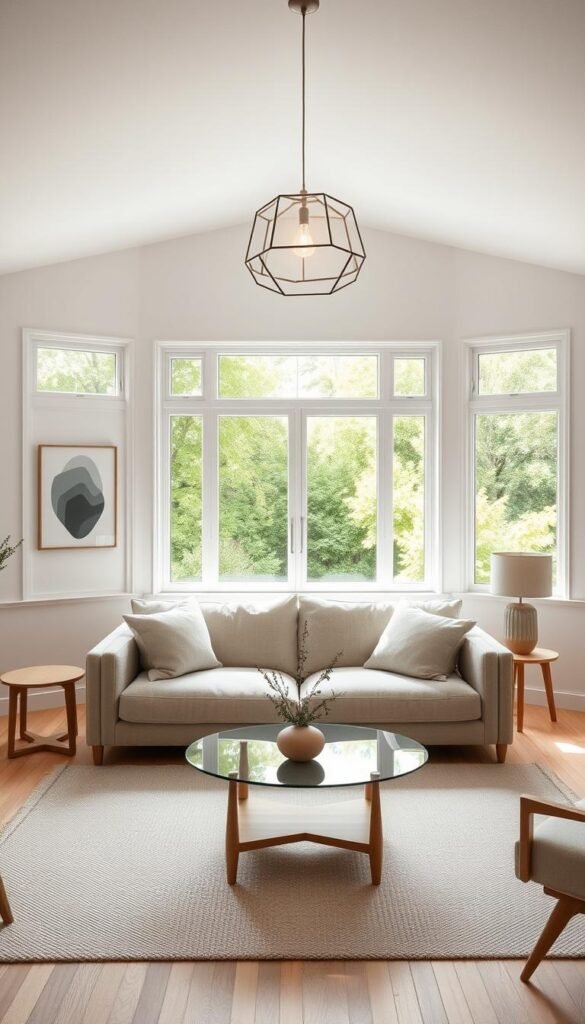
Your furniture selections shape the entire feel of your room. The right pieces create balance between openness and comfort. They support both daily life and peaceful moments.
Focus on items that serve clear purposes. Each piece should contribute to your overall aesthetic. This approach keeps your environment both beautiful and functional.
Minimalist Furniture with Clean Lines
Choose pieces with simple silhouettes and smooth surfaces. These designs avoid unnecessary ornamentation. They create visual calm through their straightforward forms.
Look for sofas and tables with slender profiles. Their clean lines make your space feel organized. This aesthetic aligns perfectly with Scandinavian principles.
Brands like Froy’s offer excellent options. Their collections feature timeless designs that blend seamlessly. You achieve a cohesive look that feels intentional.
Space-Saving Solutions for Smaller Rooms
Consider your room’s dimensions when selecting furniture. Slim-profile pieces work well in compact areas. They provide function without overwhelming the space.
Float furniture away from walls when possible. This arrangement creates better flow and openness. Your room will feel more spacious and inviting.
Choose lightweight designs that can be easily moved. This flexibility allows you to adapt the layout as needed. You maintain both style and practicality.
Multifunctional Pieces for Practical Living
Select items that serve multiple purposes. A storage ottoman offers seating and hidden organization. Nesting tables provide surfaces that can be separated when needed.
These smart solutions reduce clutter effectively. They help you maintain the clean aesthetic you desire. Your space remains both usable and beautiful.
Consider a coffee table with drawers or shelves. This piece becomes a central hub for your daily needs. It combines elegance with genuine usefulness.
Statement Accent Chairs
Introduce personality through carefully chosen chairs. An accent piece adds visual interest without clutter. It provides extra seating for guests and family.
Select chairs with distinctive but simple designs. Their forms should complement your other furniture. They become focal points that enhance your decor.
Choose neutral tones or subtle patterns. These options add character while maintaining harmony. Your space gains depth without losing its serene quality.
Maximizing Light and Airiness
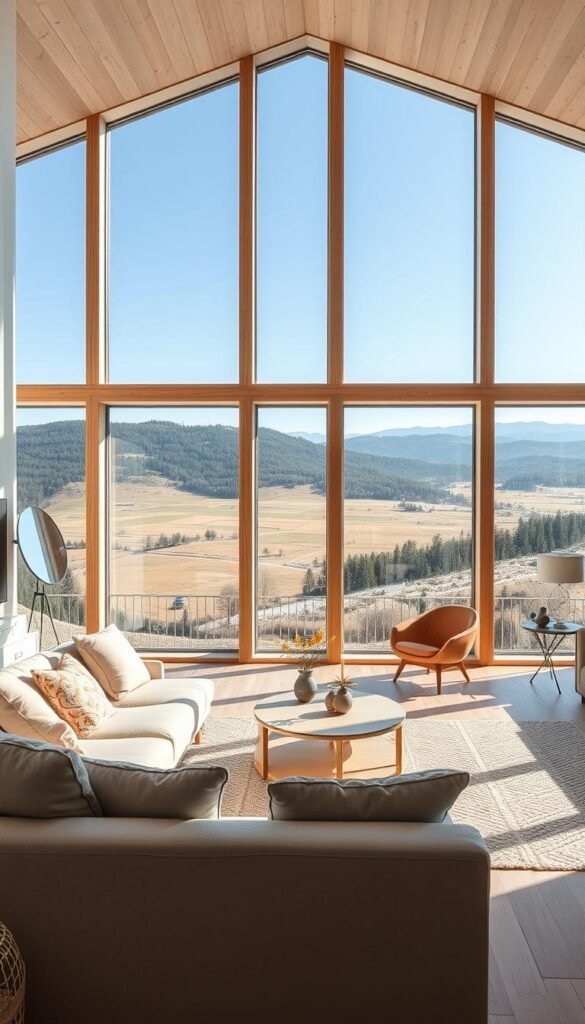
Light transforms your space from ordinary to extraordinary in Scandinavian design. It creates depth and dimension throughout your day. Proper illumination makes rooms feel larger and more inviting.
Your approach should balance natural and artificial sources. This combination ensures brightness during all hours. It maintains the airy quality essential to this aesthetic.
Window Treatments That Welcome Sunlight
Choose window coverings that filter rather than block light. Sheer curtains diffuse sunlight beautifully. They create soft illumination without harsh glare.
Roller shades offer clean simplicity when needed. Bamboo blinds add natural texture while allowing light penetration. Both options maintain privacy without sacrificing brightness.
Consider ceiling-high curtains for dramatic effect. They draw the eye upward, enhancing room height. Black window frames provide elegant contrast against light walls.
Strategic Mirror Placement
Mirrors serve as powerful tools for expanding your space. Position them opposite windows to capture maximum light. They bounce illumination throughout the room effectively.
Large mirrors make compact areas feel more spacious. Their reflective surfaces create the illusion of depth. You gain visual square footage without physical changes.
Group smaller mirrors for artistic impact. This arrangement creates multiple light reflection points. Your room gains dynamic brightness from various angles.
Layered Lighting Approaches
Combine different lighting types for optimal functionality. Ambient lighting provides overall illumination. Task lighting focuses on specific activities.
Accent lighting highlights architectural features or artwork. Statement chandeliers become focal points while providing ample light. Floor lamps offer flexible positioning for reading corners.
Dimmer switches allow mood adjustment throughout the day. They help transition from bright mornings to cozy evenings. This flexibility supports various activities and atmospheres.
Choosing Reflective Surfaces
Select materials that enhance light diffusion throughout your space. Glossy finishes on tables catch and spread illumination. Metallic accents provide subtle sparkle without overwhelming.
Glass-top coffee tables create visual lightness. They maintain an open feel while serving practical needs. These surfaces work beautifully with neutral color palettes.
Consider polished concrete floors for modern appeal. Their slight sheen reflects overhead lighting effectively. This choice complements natural wood elements perfectly.
For more inspiration on creating balanced illumination, explore these scandinavian living room ideas that master light and shadow.
Bringing Nature Indoors
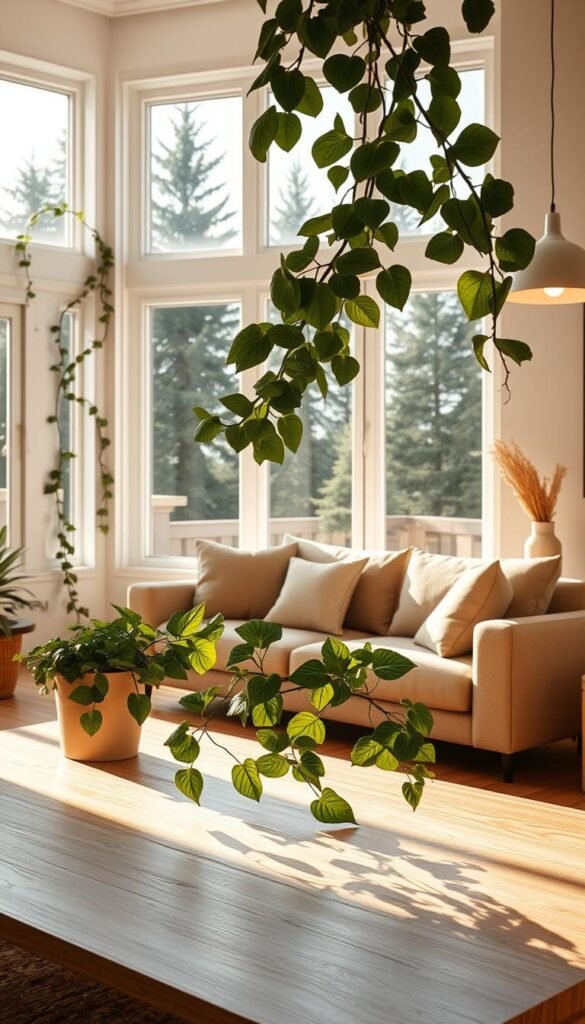
Greenery transforms your space into a living sanctuary. Plants add life and movement to your decor. They create a vibrant connection to the outdoors.
This approach enhances both beauty and well-being. You can achieve this with thoughtful plant choices. Your home gains freshness and organic charm.
Selecting the Right Plants for Your Space
Choose plants that thrive indoors with minimal care. Snake plants purify air while needing little attention. Their upright forms add structure to your design.
Ferns bring soft texture and lush greenery. They prefer indirect light and consistent moisture. Palms create tropical vibes with their graceful fronds.
Consider your light conditions when selecting plants. Low-light varieties work well in shaded corners. Sunny spots support species needing brighter conditions.
Creating Green Corners and Displays
Group plants together for visual impact. A collection of potted greens creates a mini garden. This approach makes caring for them easier too.
Macrame hangers add bohemian flair to your ceilings. They save floor space while drawing eyes upward. Hanging plants create dynamic levels in your room.
Use plant stands to elevate smaller specimens. Tiered displays add depth and interest. Your greenery becomes an artistic feature.
Natural Elements Beyond Plants
Incorporate organic materials throughout your decor. Wooden ladders serve as unique plant displays. They add vertical interest without permanent changes.
Stone accents bring earthy elegance to surfaces. A slate tray or marble bookend adds texture. These pieces complement your living greenery perfectly.
Woven baskets provide both storage and style. They hide clutter while adding natural appeal. Choose neutral tones that blend with your palette.
Connecting Indoor and Outdoor Spaces
Large windows create visual continuity with nature. They frame outdoor views as living artwork. Your interior feels expanded and more open.
Match indoor and outdoor color schemes for harmony. Similar tones blur the boundaries between spaces. This creates a seamless flow throughout your home.
Place plants near windows to catch natural light. Their silhouettes create beautiful patterns as the sun moves. You enjoy changing displays throughout the day.
Fresh flowers in simple vases add temporary elegance. They bring seasonal colors into your neutral palette. Rotate arrangements to keep your space feeling fresh.
These touches make your environment healthier and more tranquil. They personalize your decor while honoring nature’s beauty. Your home becomes a true reflection of balanced living.
Creating Texture and Comfort
Texture transforms your space from beautiful to truly inviting. It adds depth and character while maintaining clean aesthetics. Your home gains personality through thoughtful layering.
This approach creates sensory experiences that welcome relaxation. You can achieve this balance with simple techniques. Focus on materials that feel as good as they look.
Layering with Cozy Textiles
Start with soft throws and plush blankets in neutral shades. These pieces add instant warmth to your seating areas. They invite you to curl up and relax.
Knit pillows bring charming texture to sofas and chairs. Their patterns create visual interest without bold colors. You maintain a serene color palette.
Chunky blankets work beautifully during cooler months. They provide both physical comfort and decorative appeal. Your space feels cozy and complete.
Mixing Materials for Visual Interest
Combine different fabrics for rich tactile experiences. Wool rugs feel wonderful under bare feet. Leather chairs add sophisticated contrast.
Cotton curtains filter natural light softly. Their lightweight quality maintains airiness. You enjoy both privacy and brightness.
Try a shag rug near your seating area. Its deep pile feels luxurious and warm. This choice defines spaces beautifully.
The Art of Hygge: Creating Coziness
Hygge represents the Danish philosophy of comfortable living. It focuses on creating moments of contentment. Your home becomes a sanctuary for well-being.
Arrange intimate seating around a fireplace if possible. This setup encourages conversation and connection. Soft lighting enhances the peaceful atmosphere.
Low-profile sofas promote relaxation and ease. Their comfortable design supports leisurely moments. You create spaces for genuine unwinding.
Rugs and Floor Coverings
Area rugs anchor your furniture arrangements perfectly. They define different zones within open layouts. Your room gains structure and purpose.
Choose woven rugs for natural texture underfoot. Their patterns add subtle visual rhythm. Neutral tones maintain harmonious simplicity.
Layer smaller rugs for added dimension. A sheepskin beside your bed feels wonderfully soft. This touch adds bohemian charm.
Balance textures throughout your interior design. Too many patterns can feel overwhelming. Aim for cohesive variety instead.
Your space should feel both minimalist and inviting. These elements work together beautifully. They create the ultimate comfortable retreat.
Bringing Your Scandinavian Vision to Life
You now have all the tools to create your perfect Scandinavian-inspired living room. Remember the core elements: neutral tones, natural materials, and clean furniture. These work together to make your space both beautiful and functional.
For personalized advice, consider visiting Coburn’s showroom. Their experts can help bring your vision to reality. Virtual tools like Styldod let you test designs before buying anything.
Explore Froy’s collections for authentic pieces that capture this style perfectly. Their furniture blends simplicity with warmth and elegance.
Start small if needed. Even simple changes can transform your interior. You’ll create a cozy, practical home that supports daily life beautifully.
We wish you joy in designing a space that truly reflects your personal style and brings lasting comfort.