Welcome to your guide for creating a peaceful sanctuary in your home. We’ll show you how to blend indoor comfort with outdoor beauty.
Discover how simple changes can create a strong connection to nature. This works even if you live in a busy city environment.
Our practical strategies work with any style. From minimalist to bohemian, you can maintain that essential natural feeling.
This comprehensive guide walks through 12 key areas to focus on. Each builds upon the last to create a cohesive experience.
Whether starting fresh or refreshing your space, these concepts help create a contemporary area deeply connected to the world outside.
1. Incorporate Lush Greenery Throughout Your Space
Greenery transforms any area into a vibrant sanctuary. Living plants breathe life into your surroundings while improving air quality. They create a refreshing atmosphere that connects you with nature’s beauty.
Strategic Plant Placement for Maximum Impact
Position your plants thoughtfully to create visual harmony. Large floor plants work beautifully in corners, adding height and drama. Smaller potted greens on shelves and tables create layered interest.
Consider hanging plants from ceilings or mounting them on walls. This approach maximizes vertical space while adding movement. Trailing varieties like pothos create beautiful cascading effects.
Mix different sizes and types for depth. Combine upright plants with spreading varieties. This creates a dynamic, natural-looking arrangement throughout your space.
Low-Maintenance Plant Options for Beginners
Starting with easy-care plants ensures success. Snake plants tolerate low light and irregular watering. They’re perfect for busy lifestyles or forgetful waterers.
ZZ plants thrive with minimal attention. They handle low light and dry conditions beautifully. Pothos vines grow quickly and adapt to various environments.
If real plants challenge you, quality faux alternatives work wonderfully. Today’s artificial plants look remarkably realistic. They provide the visual benefits without maintenance concerns.
| Plant Type | Light Requirements | Water Needs | Growth Pattern |
|---|---|---|---|
| Snake Plant | Low to Bright | Every 2-6 weeks | Upright |
| ZZ Plant | Low to Medium | Every 3-4 weeks | Upright |
| Pothos | Medium to Bright | Weekly | Trailing |
| Spider Plant | Medium to Bright | Weekly | Arching |
Creating Vertical Gardens as Statement Pieces
Vertical gardens make stunning focal points in any room. They transform blank walls into living art installations. These green walls purify air while creating dramatic visual impact.
You can create simple vertical arrangements with mounted planters. Use a variety of leaf textures and colors. This approach adds depth and interest to your wall space.
Living walls work particularly well in smaller areas. They maximize greenery without sacrificing floor space. The effect is both luxurious and refreshingly natural.
Start with a small vertical planter if you’re new to this concept. Many modular systems make installation simple. You’ll enjoy watching your living wall flourish over time.
2. Choose Furniture Made from Natural Wood Materials
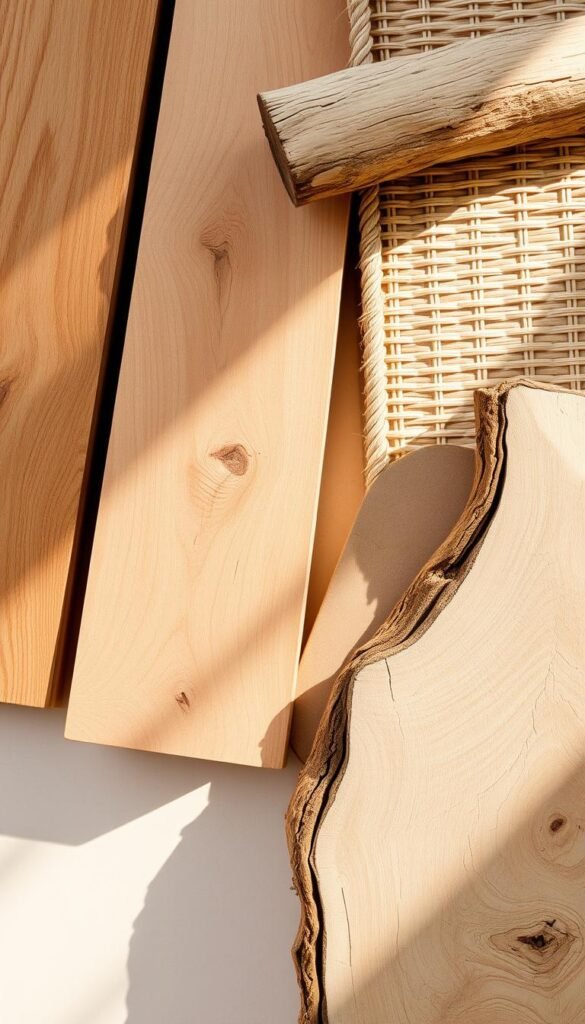
Selecting the right wooden pieces establishes a warm, organic foundation throughout your home. These elements create lasting connections to nature’s beauty and authenticity.
Your choices in wood furniture set the tone for your entire space. They bring earthy warmth and timeless character that synthetic materials cannot match.
Selecting Sustainable Wood Types
Begin with sustainable options that honor our planet. Bamboo grows rapidly and makes excellent flooring and accent pieces. Its strength rivals traditional hardwoods.
Oak offers durability and beautiful grain patterns. This classic choice works well for larger furniture items. Maple provides a lighter option with subtle figuring.
Look for pieces that showcase the wood’s natural character. Visible grain patterns and minor imperfections add authenticity. They tell the story of the material’s origin.
Mixing Light and Dark Wood Tones
Combine different wood shades for visual depth and interest. Light tones like beech or ash create airy, spacious feelings. They reflect light beautifully throughout your space.
Darker woods such as walnut add richness and sophistication. These deeper tones ground your design scheme effectively. They work particularly well as statement pieces.
Balance is key when mixing various wood finishes. Aim for a 70/30 ratio between your primary and secondary tones. This creates harmony while maintaining visual interest.
Wooden Accent Pieces That Make a Difference
Smaller wooden items complete your nature-inspired look beautifully. Side tables and shelves add functional beauty throughout your space. They provide additional surfaces for plants and decor.
Consider wooden frames for chairs and sofas. These elements introduce warmth without overwhelming your design. They complement upholstered pieces perfectly.
Decorative objects like bowls and trays add finishing touches. Choose items with interesting grain patterns or natural edges. These details celebrate wood’s organic beauty.
| Wood Type | Color Tone | Best Uses | Sustainability Rating |
|---|---|---|---|
| Bamboo | Light golden | Flooring, accents | Excellent |
| Oak | Medium brown | Tables, cabinets | Good |
| Maple | Light cream | Chairs, shelves | Good |
| Walnut | Dark brown | Statement pieces | Fair |
| Reclaimed Wood | Varies | All furniture types | Excellent |
Remember that your furniture choices impact both aesthetics and environment. Select pieces made from renewable sources whenever possible. Reclaimed wood offers beautiful character with minimal ecological footprint.
These wooden elements work together to create cohesive design styles. They form the structural foundation of your nature-connected home. Your space will feel both grounded and inviting.
3. Maximize Natural Light with Strategic Window Treatments
Sunlight transforms your space into a bright, welcoming environment. It creates an uplifting atmosphere that connects you with the world outside.
Thoughtful window treatments make this connection stronger. They control brightness while maintaining your privacy beautifully.
Sheer Fabrics That Filter Light Beautifully
Choose lightweight materials like linen or cotton for your window coverings. These fabrics soften sunlight while letting it fill your space.
Sheer curtains create a soft, diffused glow throughout the day. They provide privacy without blocking precious daylight.
Consider layering options for flexibility. Combine sheer panels with heavier drapes for evening use. This approach gives you complete control over your lighting.
Positioning Mirrors to Enhance Daylight
Place mirrors opposite your windows to multiply sunlight. They bounce light deeper into your room, making it feel larger.
Choose decorative mirrors that complement your interior design. Their reflective surfaces work like additional light sources.
Experiment with different mirror placements. You might discover unexpected ways to brighten darker corners. The effect can be quite dramatic.
Keeping Windows Clear for Maximum Sun Exposure
Maintain unobstructed window areas for optimal light penetration. Move furniture away from glass surfaces to allow full sunlight entry.
Consider your window orientation when arranging your space. South-facing windows receive the most consistent daylight throughout the day.
Regular window cleaning makes a significant difference. Clear glass allows maximum light transmission into your home.
Combine these strategies for the best results. Your space will feel brighter, airier, and more connected to outdoor light cycles.
4. Embrace Earthy Color Palettes Inspired by Nature
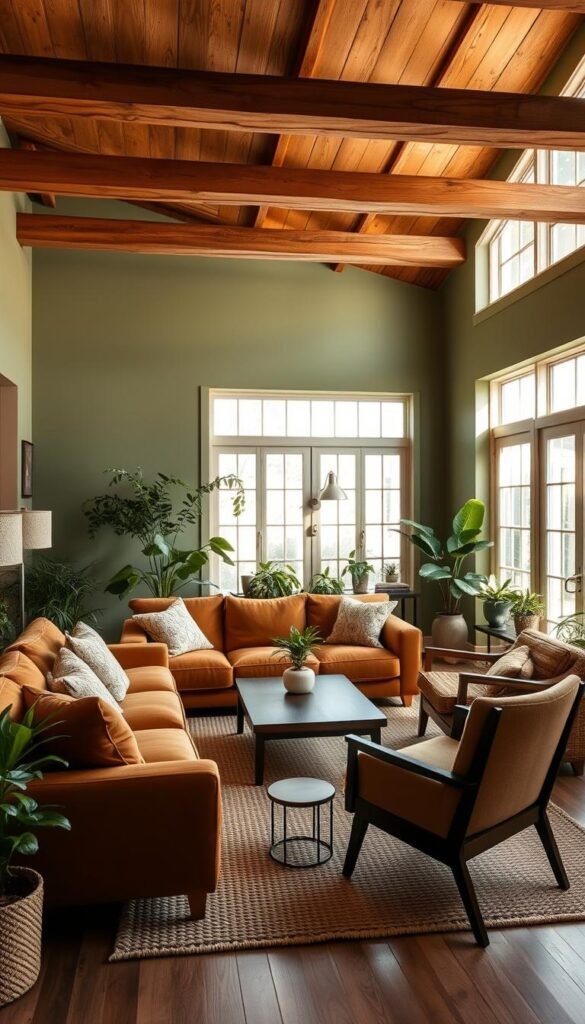
Color plays a pivotal role in crafting an environment that feels both fresh and grounded. These carefully chosen hues create an immediate sense of tranquility throughout your home.
Nature provides the perfect inspiration for your palette selection. From forest floors to ocean horizons, the natural world offers endless color combinations.
Warm Neutrals for a Cozy Foundation
Start with comforting neutrals that form your base layer. Beige, taupe, and soft gray create an inviting atmosphere.
These shades work beautifully as wall colors or for larger furniture pieces. They provide a calm backdrop for more vibrant accents.
Choose warmer versions rather than cool grays. This approach maintains that essential cozy feeling throughout your space.
Nature-Inspired Accent Colors
Introduce character with colors drawn directly from outdoor environments. Forest greens echo lush vegetation while sky blues reflect open skies.
Earthy terracotta adds warmth and organic richness. These accent shades work wonderfully on smaller surfaces or decor items.
Consider your local landscape when selecting these tones. Desert homes might favor sandy hues while coastal spaces embrace aquatic blues.
Creating Harmony Between Wall Colors and Natural Elements
Ensure your wall colors complement existing natural features. Wood tones should harmonize with your chosen palette.
Stone elements and greenery also influence your color decisions. Select shades that enhance rather than compete with these textures.
Remember that true blacks and stark whites rarely appear in nature. Opt for charcoal grays and warm off-whites instead.
This thoughtful approach creates a cohesive look throughout your entire space. Everything works together to celebrate nature’s beautiful diversity.
5. Add Texture with Stone Elements and Accents
Stone elements introduce authentic character and organic depth to your interior design. These mineral features create a grounding presence that connects your space to earth’s ancient beauty.
From dramatic focal points to subtle decorative touches, stone offers versatile design possibilities. Each piece tells a unique geological story through its natural variations.
Stone Fireplace Surrounds as Focal Points
A stone fireplace surround creates an impressive centerpiece for any gathering area. The material’s natural warmth and texture make it both visually striking and physically comforting.
Choose from various stone types to match your preferred aesthetic. Rough fieldstone offers rustic charm while smooth marble provides elegant sophistication.
Consider the scale of your surround relative to your room size. A properly proportioned stone feature enhances without overwhelming your space.
Incorporating Stone Through Decorative Accessories
Small stone accessories add earthy elegance throughout your home. Coasters, bowls, and bookends introduce mineral texture in subtle ways.
These functional pieces serve practical purposes while contributing to your overall design theme. They create beautiful moments of natural interest on surfaces throughout your space.
Mix different stone types for varied visual effects. Soapstone’s soft matte finish contrasts beautifully with polished granite’s reflective surface.
Mixing Stone Textures with Other Natural Materials
Combine stone with wood and plants for layered visual interest. The cool, solid feel of stone balances warmer, organic materials perfectly.
Create textural conversations between different elements in your space. A rough stone tabletop might pair with smooth wooden legs beneath it.
Consider a stone accent wall for architectural drama. This feature adds dimensional interest while celebrating natural imperfections.
Embrace each stone’s unique markings and variations. These characteristics celebrate authenticity in your design approach.
6. Layer Natural Textiles for Comfort and Style
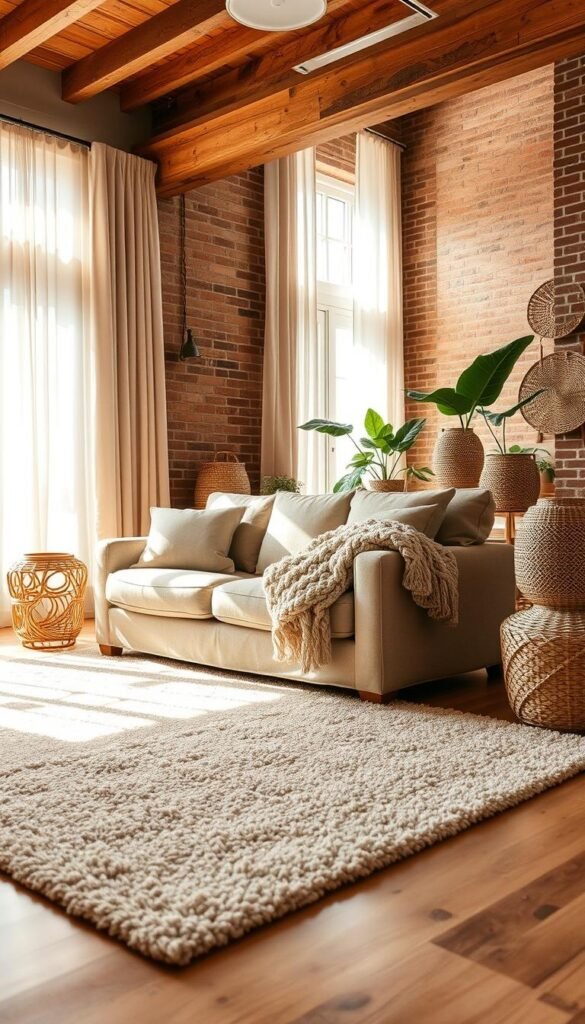
Textiles transform your space with tactile warmth and organic beauty. These soft layers create inviting comfort while adding visual depth throughout your home.
Mixing different materials creates harmonious balance. Each fabric contributes unique texture and character to your overall design.
Choosing Organic Cotton and Linen Fabrics
Select breathable materials for your curtains and upholstery. Organic cotton offers softness without chemical treatments.
Linen provides beautiful texture and excellent airflow. These natural fabrics work beautifully for pillows and window treatments.
Unbleached options maintain their earthy authenticity. They complement other organic elements in your space perfectly.
Wool Throws and Knits for Cozy Evenings
Add wool throws for chilly nights and relaxed comfort. These pieces provide warmth while maintaining your aesthetic.
Knit blankets offer handmade charm and soft texture. Drape them over sofas or chairs for inviting accents.
Choose neutral tones that complement your color scheme. These additions create cozy moments throughout your space.
Jute and Sisal Rugs for Natural Underfoot Feel
Define seating areas with textured floor coverings. Jute and sisal rugs provide organic texture underfoot.
These materials offer durable beauty in neutral colors. They anchor your furniture arrangements beautifully.
The natural feel of these floor coverings enhances your connection to nature. They complete your layered textile approach perfectly.
7. Incorporate Woven Elements for Organic Texture
Woven details introduce beautiful dimension and earthy charm to your home. These handcrafted pieces create visual warmth while celebrating artisanal traditions.
You can find woven items in various forms throughout your space. From furniture to decorative accents, they add unique character.
These elements work with many design approaches. They bring artisanal beauty to contemporary or traditional settings alike.
Rattan and Wicker Furniture Pieces
Rattan chairs or side tables make wonderful additions. Their open weaves create light, airy feelings in your space.
Consider a woven light fixture as a statement piece. It casts beautiful shadow patterns when illuminated.
These furniture choices add organic texture beautifully. They complement other wood and plant elements throughout your home.
Woven Baskets for Stylish Storage Solutions
Baskets offer both function and aesthetic appeal. Use them to organize blankets, magazines, or remote controls.
Choose different sizes for varied storage needs. Larger baskets hold throw pillows or firewood beautifully.
Smaller woven containers work well on shelves or tables. They keep items tidy while maintaining your design theme.
Handcrafted Accents That Add Character
Artisan-made decorative objects bring authentic charm. Woven wall hangings create textural interest on blank walls.
Handwoven bowls and trays display beautifully on surfaces. They showcase the beauty of traditional crafting techniques.
These special pieces tell stories through their construction. They add personality and uniqueness to your environment.
Mix different weaving techniques for visual variety. Combine tight weaves with more open patterns throughout your space.
Consider scale when selecting your woven elements. Larger pieces make bold statements while smaller accents provide subtle charm.
Your choices in woven natural materials enhance your overall interior design. They create layered texture that feels both intentional and organic.
8. These Modern Natural Living Room Ideas Transform Your Space
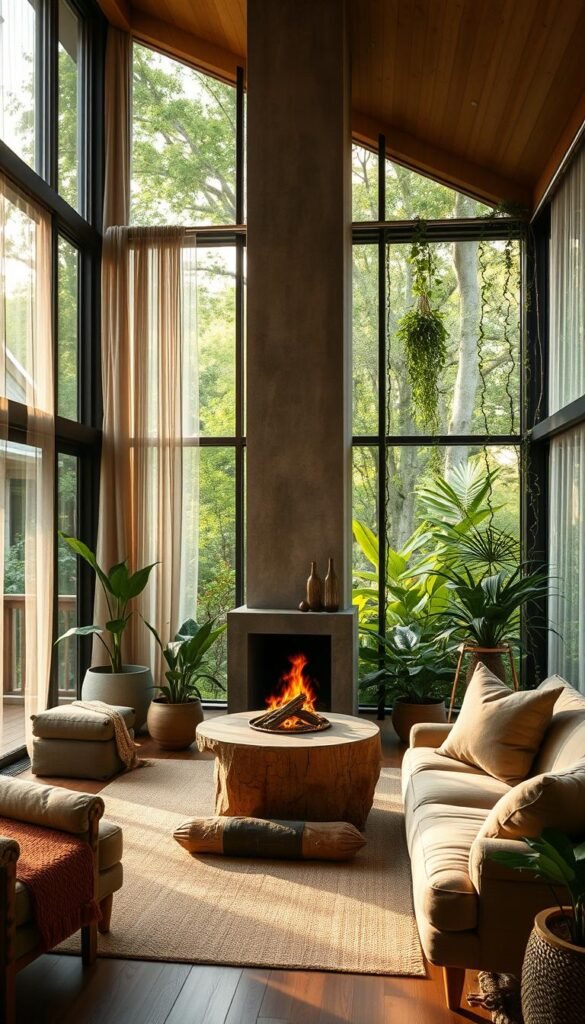
Your journey toward a nature-connected home reaches its beautiful culmination here. These approaches help you craft an environment that feels both fresh and deeply rooted in organic beauty.
This style creates effortless flow between inside and outside areas. It celebrates materials and colors found in the natural world around us.
Creating a Seamless Indoor-Outdoor Connection
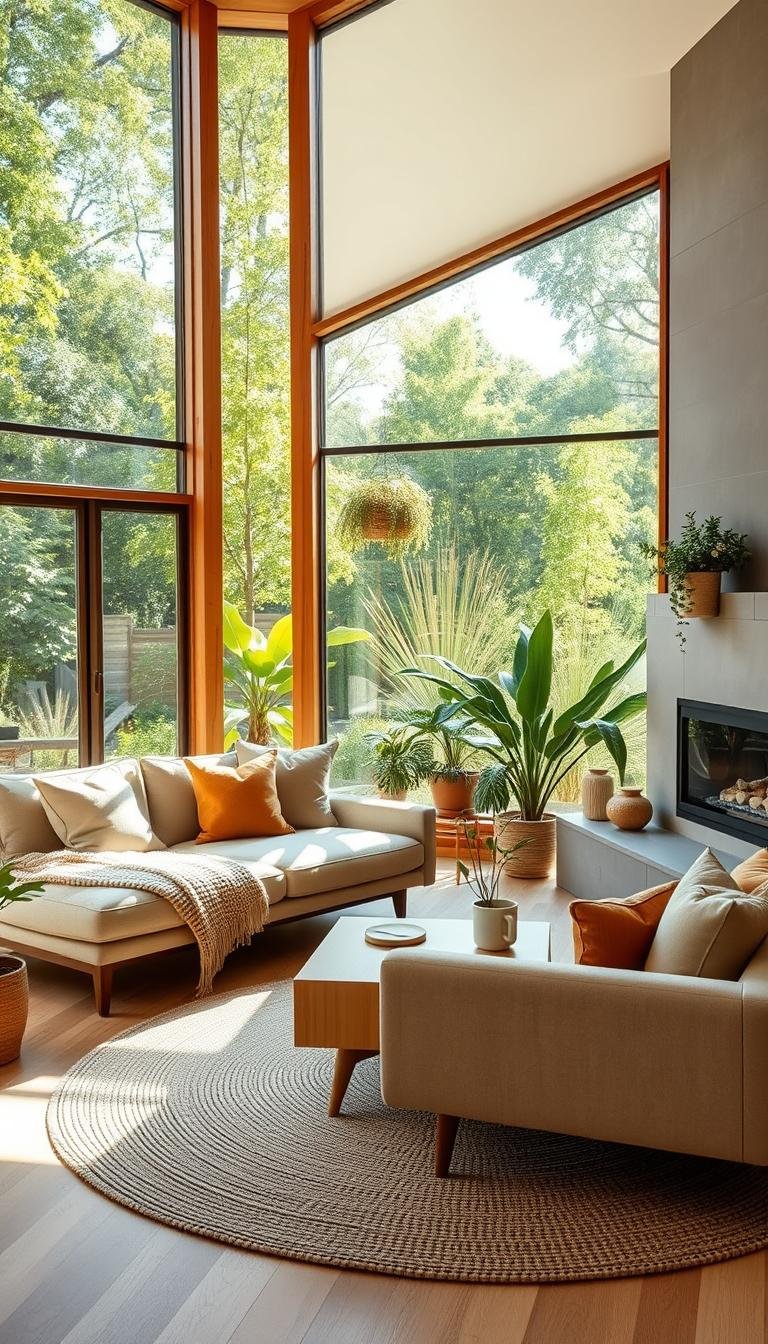
Blur the boundaries between your interior and exterior environments. Large glass doors or windows help achieve this visual connection.
Continue flooring materials from inside to outside spaces. This technique creates physical continuity throughout your area.
Place seating arrangements facing your garden or patio. This simple orientation strengthens your relationship with the outdoors.
Use similar color schemes inside and outside your home. This harmony makes the transition feel natural and intentional.
Balancing Modern Design with Natural Elements
Maintain clean lines while incorporating organic textures. This balance creates contemporary spaces with earthy warmth.
Choose furniture with simple silhouettes and natural materials. These pieces bridge modern aesthetics with organic authenticity.
Allow natural imperfections to become design features. Knots in wood or variations in stone add character and beauty.
Keep your overall layout open and uncluttered. This approach emphasizes both your design choices and the natural elements.
Organic interior design emphasizes clean lines to create a space that mirrors the beauty of your outdoor environment.
Personalizing Your Nature-Inspired Sanctuary
Select elements that reflect your personal connection to nature. Your choices should feel authentic to your experiences and preferences.
Incorporate found objects from your outdoor adventures. Seashells, interesting stones, or dried botanicals add personal meaning.
Choose colors that resonate with your favorite natural settings. Whether forest greens or desert sands, these hues create emotional connections.
Arrange your space to support your daily rituals and comforts. Your sanctuary should function beautifully while feeling deeply personal.
| Design Element | Modern Approach | Natural Integration | Personalization Tips |
|---|---|---|---|
| Windows | Large, clean lines | Maximize light and views | Frame favorite outdoor scenes |
| Flooring | Minimal seams | Natural materials | Continue to outdoor spaces |
| Furniture | Sleek silhouettes | Organic textures | Choose comfortable pieces |
| Color Palette | Cohesive scheme | Earth-inspired tones | Include personal favorites |
| Accessories | Curated selection | Natural materials | Display meaningful items |
Remember that your space should reflect your unique relationship with nature. There’s no single right way to create this connection.
Your home becomes a true sanctuary when it feels authentically yours. Every choice should bring you joy and comfort.
This approach transforms ordinary rooms into special places. They become environments that nurture both body and spirit.
9. Select Sustainable and Reclaimed Materials
Your material choices reflect your commitment to environmental stewardship. These selections create spaces that honor both aesthetics and ecological responsibility.
Thoughtful material selection reduces your environmental footprint. It also creates unique character throughout your home.
Eco-Friendly Furniture Choices
Choose pieces made from renewable resources for your home. Bamboo grows rapidly and makes excellent tables or chairs.
Look for furniture with minimal chemical treatments. These options maintain indoor air quality while reducing environmental impact.
Consider the entire lifecycle of each piece you select. Durable items last longer and reduce waste over time.
Many manufacturers now offer transparent sourcing information. This helps you make informed decisions about your purchases.
Reclaimed Wood with Character and History
Reclaimed wood brings beautiful storytelling elements into your space. Each piece carries unique markings from its previous life.
These materials often come from old barns or factories. Their weathered surfaces add instant character and warmth.
Using reclaimed items reduces demand for new timber. This approach helps preserve forests and natural habitats.
You might discover interesting history behind your reclaimed finds. These stories become part of your home’s narrative.
Making Environmentally Conscious Decor Decisions
Consider the environmental impact of every decor choice. Look for items made from recycled or upcycled materials.
Choose natural textiles like organic cotton or hemp. These fabrics avoid harmful pesticides during production.
Support local artisans who use sustainable practices. Their work often incorporates traditional techniques with eco-friendly materials.
When possible, repair rather than replace items. This mindset reduces consumption and honors well-made pieces.
| Material Type | Environmental Benefit | Best Applications | Maintenance Level |
|---|---|---|---|
| Reclaimed Wood | Reduces deforestation | Tables, accent walls | Moderate |
| Bamboo | Fast renewable resource | Flooring, furniture | Easy |
| Recycled Glass | Reduces landfill waste | Countertops, tiles | Easy |
| Organic Cotton | No pesticide runoff | Textiles, upholstery | Medium |
| Reclaimed Brick | Energy conservation | Accent walls, fireplaces | Low |
Your choices in sustainable materials create healthier living environments. They also support responsible manufacturing practices worldwide.
Consider visiting Homes & Gardens for more inspiration on incorporating natural elements. Their expertise can guide your selection process beautifully.
Remember that every sustainable choice makes a difference. Your home becomes a reflection of your values and connection to nature.
10. Display Nature-Inspired Art and Decorations
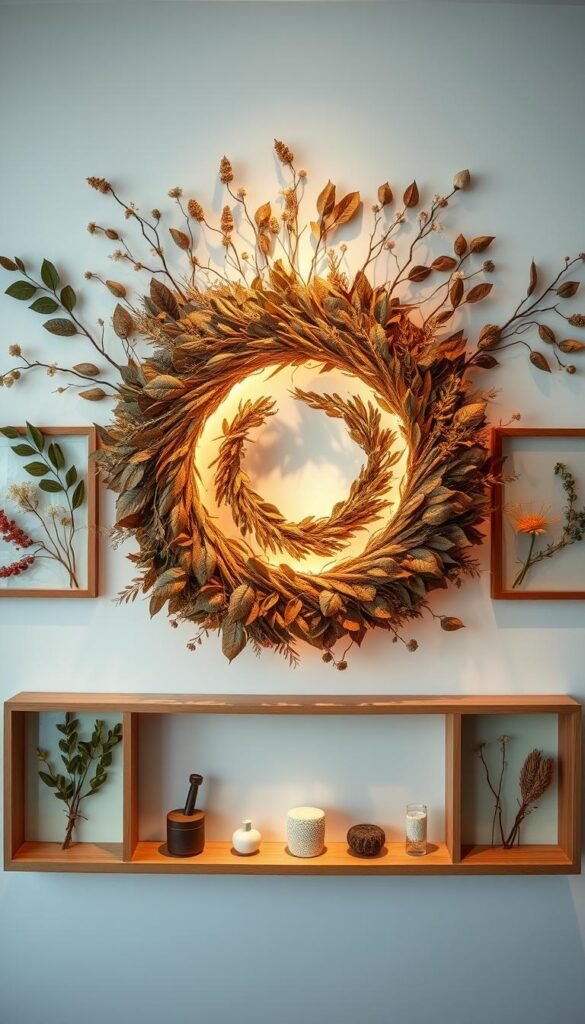
Art and decorations transform your walls into beautiful extensions of the outdoors. These elements add personality while reinforcing your connection to nature’s beauty.
Thoughtful selections create visual harmony throughout your space. They celebrate landscapes and organic forms in artistic ways.
Botanical Prints and Landscape Photography
Choose artwork that reflects your favorite outdoor scenes. Botanical prints showcase plant details beautifully. Landscape photography brings distant vistas into your home.
Select pieces with colors that complement your existing palette. Earthy tones create cohesive visual flow. A pop of color adds exciting contrast when needed.
Consider framing options that enhance your artwork. Simple wooden frames work well with nature themes. They provide clean presentation without distraction.
Natural Elements as Decorative Accents
Incorporate found objects from your outdoor adventures. Driftwood pieces make interesting sculptural elements. Stones and shells add authentic natural touches.
Display dried botanicals in clear vessels or shadow boxes. These arrangements preserve seasonal beauty year-round. They create meaningful connections to specific places.
Mix different organic materials for varied texture. Combine smooth stones with rough bark pieces. This approach creates engaging visual interest.
Creating Gallery Walls with Organic Themes
Arrange multiple artworks in cohesive groupings. Combine different sizes and formats for dynamic appeal. Include three-dimensional objects for added depth.
Maintain consistent spacing between your pieces. This creates organized visual flow across your wall. The overall composition should feel balanced.
Choose a unifying color scheme or theme. All elements should work together harmoniously. Your gallery becomes a curated expression of nature’s diversity.
Consider lighting to highlight your display properly. Directional lights create dramatic shadows and highlights. They emphasize textures and details beautifully.
11. Create a Multi-Sensory Natural Experience
Engaging all your senses transforms your environment into a truly immersive retreat. This approach goes beyond visual appeal to create deeper connections with nature’s essence.
Your home becomes more than just beautiful to look at. It becomes a place that nourishes all your senses equally.
Incorporating Natural Scents and Sounds
Subtle aromas create emotional connections to outdoor environments. Essential oil diffusers with pine or cedarwood enhance that earthy mood beautifully.
Natural candles with woodsy or floral notes work wonderfully too. They provide gentle fragrance without artificial chemicals.
Consider adding a small indoor water feature for soothing sounds. The gentle trickle creates relaxing background noise throughout your space.
These auditory elements introduce water’s calming presence indoors. They complete your sensory experience perfectly.
Textural Variety for Tactile Interest
Combine different surfaces for rich tactile experiences throughout your area. Smooth wooden tables feel warm under your fingertips.
Rough stone accents provide interesting contrast against softer materials. Living plants add organic texture that changes with growth.
Soft textiles like wool throws invite cozy moments of relaxation. Each material offers unique sensory qualities worth exploring.
This variety makes your environment more engaging physically. You’ll notice new details every time you touch different surfaces.
Balancing Visual Elements with Comfort
Ensure your design choices support daily comfort and functionality. Beautiful elements should also serve practical purposes in your living area.
Arrange seating for both conversation and relaxation. Choose pieces that look great while feeling comfortable to use.
Lighting should enhance mood without causing eye strain. Layer different light sources for flexible illumination options.
Your natural living environment should feel as good as it looks. This balance creates spaces you truly enjoy spending time in.
Consider how each element engages different senses throughout your day. From morning light to evening scents, your environment becomes a holistic experience.
This multi-sensory approach transforms ordinary rooms into special retreats. They become places that nurture your whole being beautifully.
12. Embrace the Beauty of Natural Imperfections
True beauty often lies in life’s unique quirks and character. This approach celebrates authenticity over manufactured perfection in your home.
Wood with visible grain, stone with natural veining, and handmade items with slight irregularities all tell a story. These features add depth and personality to your space.
Consider the Japanese philosophy of wabi-sabi. It finds beauty in imperfection and embraces the natural cycle of growth and change.
Your home becomes more inviting when it feels genuinely lived-in. Allow your decor to evolve organically over time, collecting memories and character along the way.
This mindset creates a comfortable environment that feels both authentic and deeply connected to the world around you.