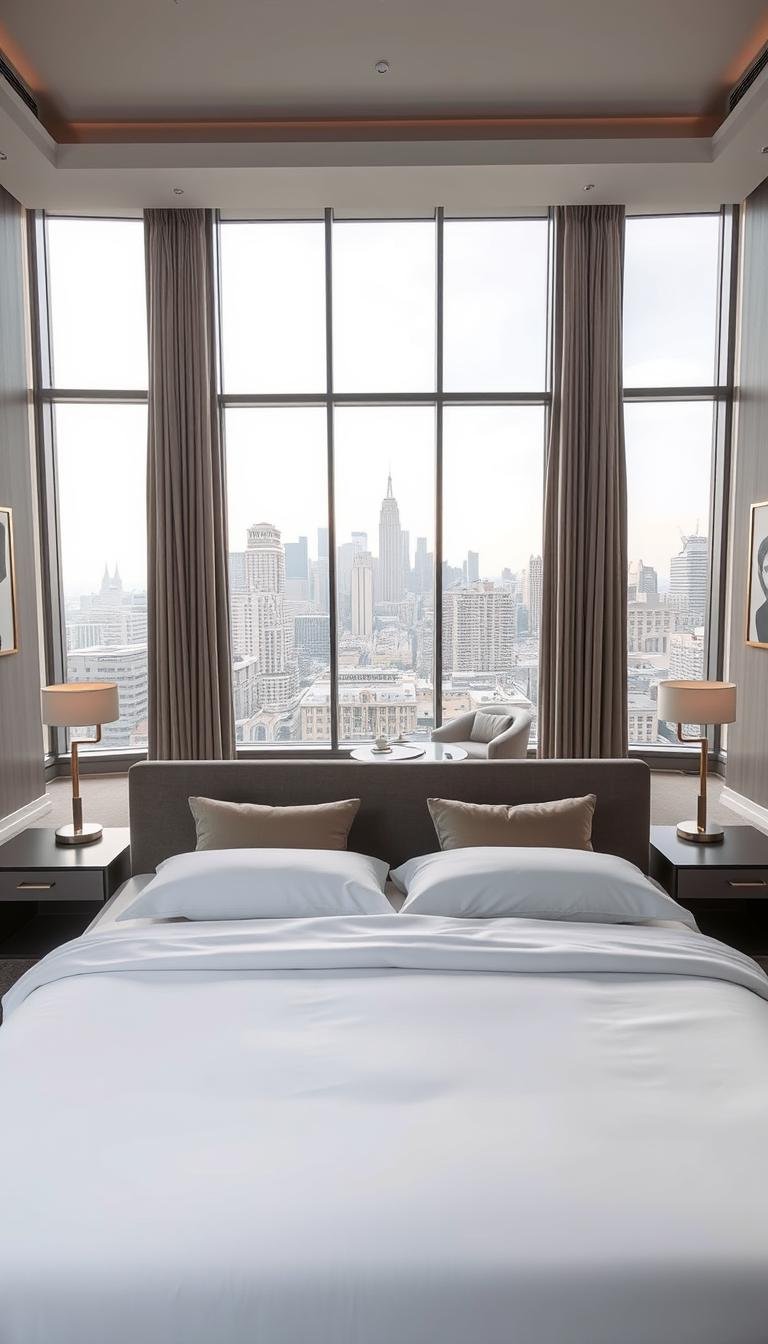
Welcome to your guide for creating a personal sanctuary that blends contemporary elegance with cozy comfort. Your sleeping space should be more than just a room – it’s your retreat from the world.
This design approach combines clean lines with natural elements for a calm, uncluttered feel. Earthy tones or bold patterns create a warm mood without sacrificing style.
Whether you live in a compact apartment or spacious home, these principles work beautifully. The aesthetic balances minimalist sophistication with personal character.
Discover how to transform your space into a functional haven that reflects your personality. Get ready to implement designer techniques for a beautiful, relaxing retreat.
What Defines a Modern Chic Bedroom Aesthetic?
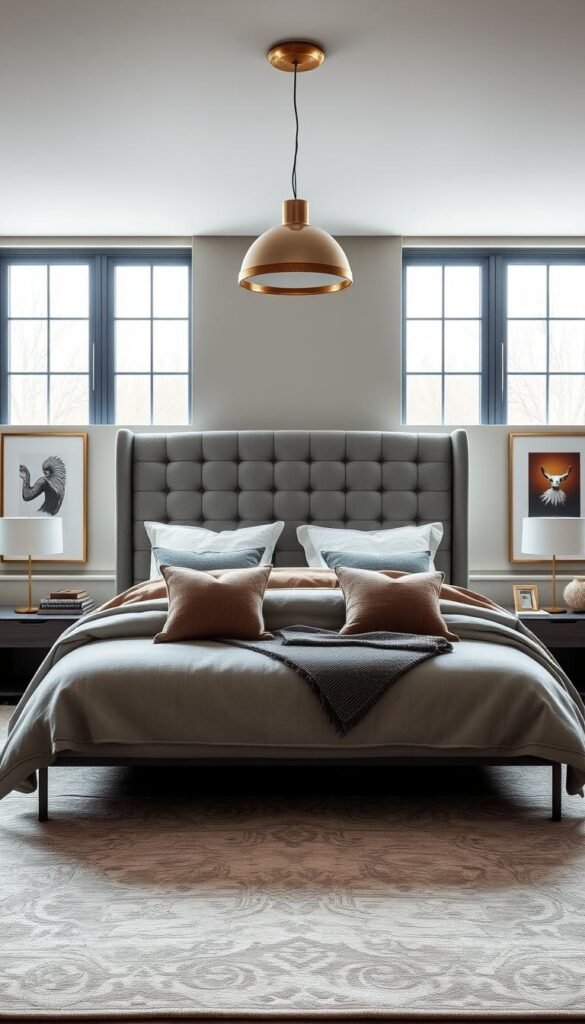
This design approach creates a peaceful retreat through thoughtful balance. It merges simplicity with natural warmth for a space that feels both organized and inviting.
Blending Minimalist Principles with Personal Warmth
Minimalism focuses on keeping things simple and functional. Your sleeping space benefits from this clean approach.
Yet true comfort comes from adding personal touches. The magic happens when these elements work together perfectly.
Every item should serve a purpose while adding character. This creates a room that feels both practical and deeply yours.
Key Characteristics: Clean Lines, Neutral Palettes, and Natural Materials
Straight lines in furniture and architecture bring calm order. They create visual peace in your personal sanctuary.
Neutral colors form the perfect foundation. They allow other elements to stand out while maintaining serenity.
Natural materials add organic texture and warmth. Wood, rattan, and metal bring life to the space.
This style prefers earthy tones over cooler shades. It also favors angular details rather than curved shapes.
Scandinavian influence emphasizes cozy functionality. Every piece contributes to both comfort and practical living.
Layering a Neutral Color Palette for Depth and Calm
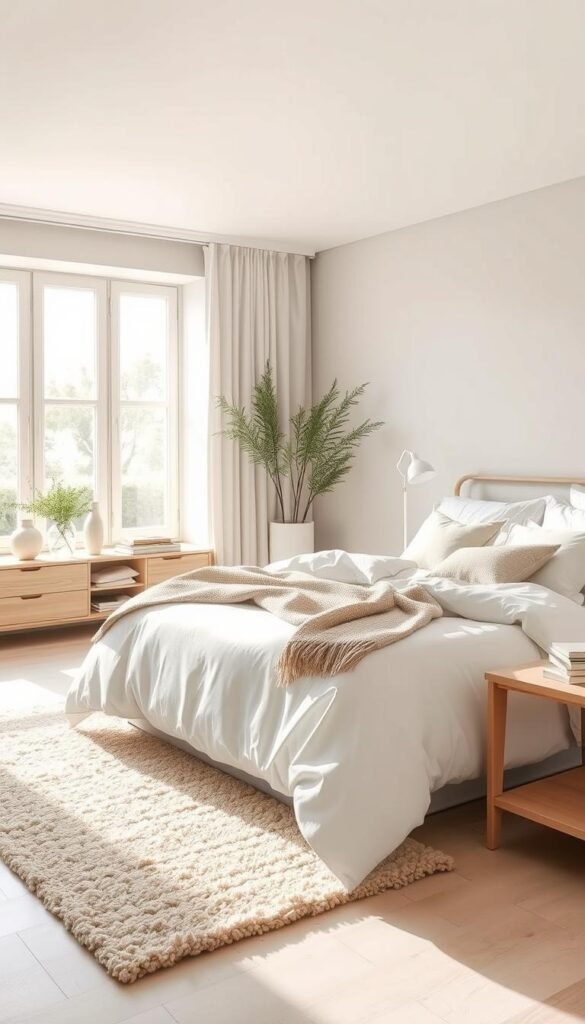
A neutral color scheme creates a peaceful atmosphere in your personal retreat. This approach uses soft shades to build a serene backdrop that feels both sophisticated and relaxing.
Layering different tones adds visual interest without clutter. The result is a space that feels balanced and inviting every time you enter.
Designers often use this technique to make rooms feel larger and more airy. Your sleeping area can benefit from these same principles.
Choosing Your Foundation: Warm Whites, Greys, and Beiges
Start with walls and large furniture in creamy beiges or soft greys. These colors provide a warm foundation that’s easy to build upon.
Warm whites create a crisp yet cozy feel. They reflect light beautifully while maintaining comfort.
Consider shades like oat cream or smoky gray for your base. These tones work well together and with other elements.
Rich wood pieces add natural warmth to the palette. They bring organic texture that complements neutral walls.
Adding Contrast with Darker Accents and Metallic Finishes
Introduce darker accents for definition and depth. Charcoal, espresso, or navy provide contrast without overwhelming the space.
Metallic finishes in bronze, brass, or nickel add subtle glamour. They reflect light and create visual movement throughout the room.
Black-framed mirrors or bronze light fixtures make excellent statement pieces. They anchor the space while maintaining the calm aesthetic.
| Color Element | Recommended Shades | Placement Tips |
|---|---|---|
| Wall Colors | Warm whites, soft greys, creamy beiges | Use on largest surfaces for cohesive foundation |
| Accent Colors | Charcoal, espresso, navy | Add through decor pieces and smaller furniture |
| Metallic Finishes | Bronze, brass, nickel | Incorporate in lighting, hardware, and accessories |
| Natural Elements | Wood tones, rattan textures | Use in furniture and decorative objects |
This layered approach creates a sophisticated look that feels both current and timeless. The right combination makes your space feel perfectly balanced for relaxation.
Remember to test colors in your actual lighting conditions. Natural and artificial light can change how colors appear throughout the day.
Selecting Sleek and Functional Furniture Pieces
Your furniture choices make a huge impact on both style and daily living. The right pieces create harmony between beauty and practicality.
Focus on clean designs that serve your needs perfectly. This approach keeps your area organized and visually appealing.
Smart selections transform how you use and enjoy your personal retreat. Every item should contribute to a peaceful atmosphere.
The Importance of Low-Profile Beds and Streamlined Dressers
Low-profile bed frames establish a calm foundation for your sleeping area. Their simple lines and lack of embellishment create visual rest.
These beds often feature straight edges and minimal detailing. They work beautifully with various design elements.
Streamlined dressers maintain the clean aesthetic while providing essential storage. Look for pieces with smooth surfaces and hidden hardware.
Nightstands with clean lines and discreet compartments keep essentials handy but out of sight. This maintains the uncluttered look you want.
Integrating Multi-Functional Pieces for a Clutter-Free Space
Multi-functional furniture maximizes your available area beautifully. These clever pieces serve multiple purposes without sacrificing style.
Storage ottomans provide seating while hiding blankets or pillows inside. Beds with built-in drawers offer excellent space for linens or clothing.
Wall-mounted shelves and floating nightstands free up floor space. This creates a more open, airy feel throughout the room.
Designers often choose furniture with tapered legs and angular details. These characteristics enhance the contemporary aesthetic.
| Furniture Type | Key Features | Material Options | Space Benefits |
|---|---|---|---|
| Bed Frames | Low profile, straight edges, minimal hardware | Polished wood, matte metal | Creates visual space, foundation for design |
| Dressers & Nightstands | Clean lines, hidden storage, streamlined silhouettes | Wood, glass, leather accents | Organized storage, maintains clean look |
| Multi-Functional Pieces | Dual purposes, hidden compartments, space-saving | Rattan, metal, upholstered options | Maximizes utility, reduces clutter |
| Wall-Mounted Units | Floating design, angular details, versatile | Wood, metal combinations | Frees floor space, airy feel |
Materials like polished wood, matte metal, and glass contribute to the sleek appearance. They add texture while maintaining the clean aesthetic.
The right furniture choices create a serene environment that functions perfectly for your lifestyle. You’ll enjoy both the look and practical benefits every day.
Incorporating Textures for a Cozy and Inviting Feel
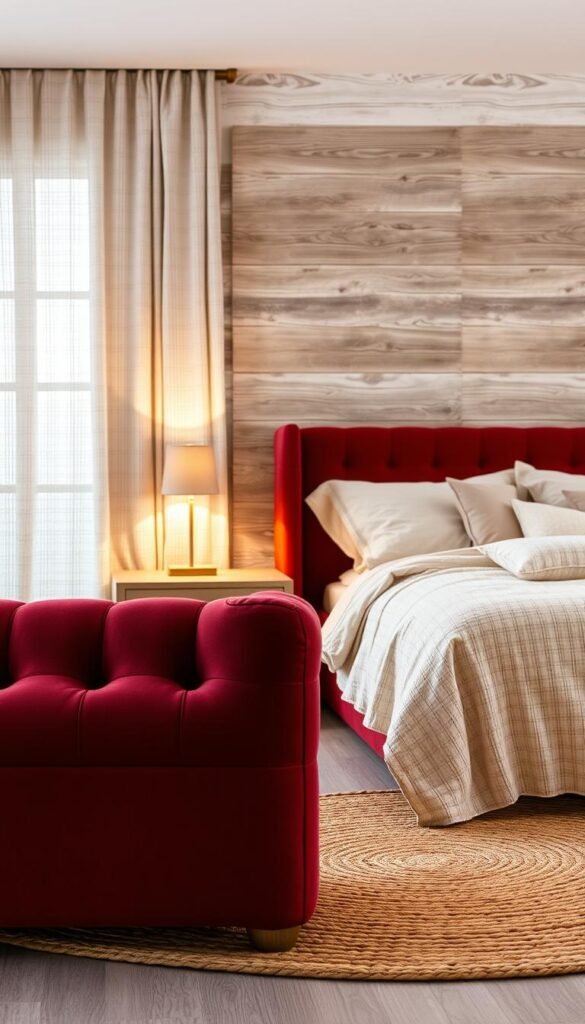
Texture transforms your sleeping space from stark to spectacular. It adds depth and dimension that makes your retreat truly welcoming.
The right tactile elements create visual interest while maintaining sophistication. They bridge the gap between minimal design and personal comfort.
Using Plush Rugs, Linens, and Upholstered Headboards
Start from the ground up with a soft area rug. High-pile options provide physical warmth underfoot and visual softness.
Quality bedding makes all the difference in your comfort level. Materials like linen, Egyptian cotton, or velvet offer luxurious feel.
An upholstered headboard creates an instant focal point. Choose neutral tones that add architectural interest without overwhelming.
Designer Jeremiah Brent proves texture prevents blandness. He states:
“Sumptuous textures balance clean lines, proving contemporary spaces can radiate coziness.”
Mixing Materials: Wood, Rattan, Metal, and Velvet
Combine different materials for dimensional character. Natural wood pieces bring organic warmth to your space.
Woven rattan elements add breezy texture and visual lightness. They complement both modern and traditional design elements.
Cool metal accents provide sleek contrast against softer textures. Use them in lighting fixtures or decorative objects.
Velvet throws or cushions introduce rich tactile quality. This material catches light beautifully and feels incredibly soft.
Effective texture layering includes:
- Throw blankets in chunky knits or faux fur
- Accent pillows with varied fabrics and patterns
- Window treatments that add softness and dimension
- Natural fiber baskets for storage with texture
These elements work together to create a space that feels both refined and incredibly inviting. The right combination makes your retreat truly special.
Making a Statement with Strategic Lighting Choices
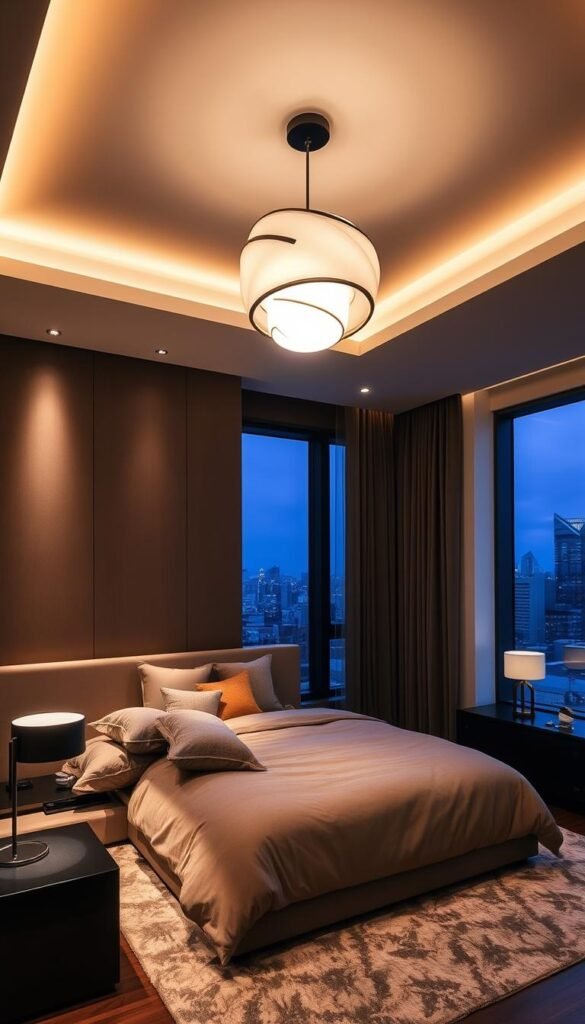
Proper illumination transforms your personal retreat from ordinary to extraordinary. The right lighting choices create atmosphere and functionality in equal measure.
Strategic placement and selection can dramatically change how your space feels and functions. This approach combines practical needs with artistic expression.
Beyond the Basics: Sculptural Pendants and Arc Lamps
Move beyond standard fixtures with dramatic statement pieces. Sculptural pendants become functional art that draws the eye upward.
Oversized floor lamps make bold visual statements while providing excellent illumination. Their scale creates impact without overwhelming your space.
Arc lamps offer particularly elegant solutions for reading areas. Their curved arms deliver light exactly where you need it most.
Geometric sconces provide both style and practical wall lighting. They free up surface space while adding architectural interest.
Laying Ambient, Task, and Accent Lighting
Successful lighting design incorporates three distinct layers. Each type serves specific purposes while working together harmoniously.
Ambient lighting provides general illumination throughout your room. This foundational layer creates overall brightness and sets the basic mood.
Task lighting focuses on specific activities like reading or dressing. Adjustable lamps and directed fixtures make these tasks easier.
Accent lighting highlights architectural features or artwork. This layer adds depth and draws attention to special elements.
Designer Charlotte Lucas demonstrates innovative approaches to ambient effects. She often uses subtly iridescent wallcoverings that create soft glows throughout the day.
Consider these lighting strategies for your space:
- Dimmable options adjust intensity for different activities
- Strategic placement highlights room features beautifully
- Multiple sources prevent harsh shadows and dark corners
- Warm-toned bulbs create cozy, inviting atmospheres
The right lighting choices make your retreat feel larger and more welcoming. They adapt perfectly to various occasions from morning routines to evening relaxation.
Utilizing Artwork and Decor to Express Your Personality
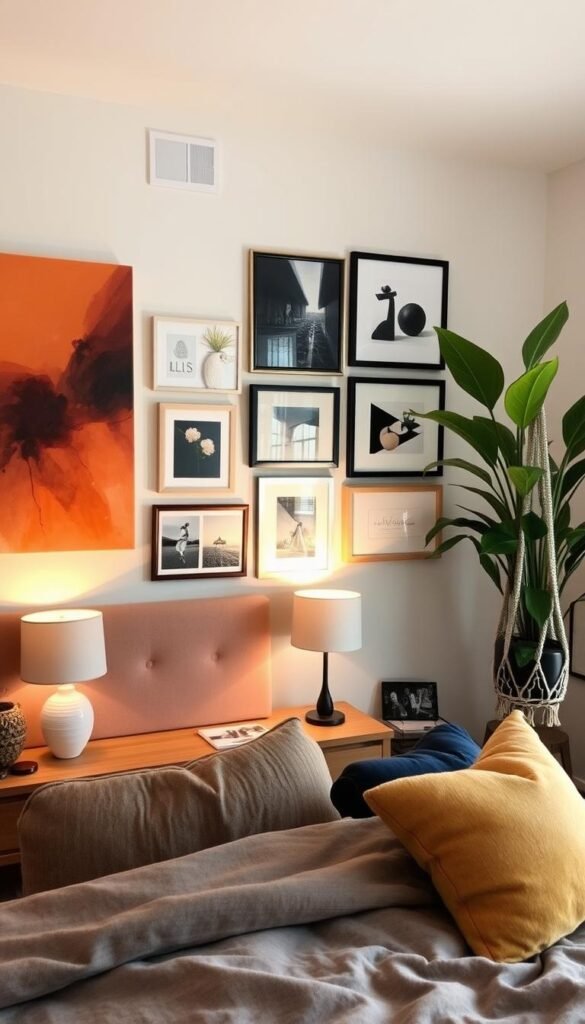
Your personal touches transform a room into a true reflection of who you are. These elements add soul and character while maintaining a clean aesthetic.
Thoughtful selections create visual harmony without overwhelming your space. The right balance makes your retreat feel both stylish and deeply personal.
Designer Leah Ring demonstrates how multidimensional pieces create layered interest. Her approach maintains serenity while adding depth and personality.
Curating a Cohesive Gallery Wall
Create visual harmony by selecting pieces with similar color tones or subjects. This approach ties diverse elements together beautifully.
Choose frames that complement each other in style and finish. Consistent matting creates a unified look across your display.
Arrange your collection before hanging to ensure perfect balance. Lay pieces on the floor to experiment with different configurations.
Abstract works particularly well for maintaining a serene mood. These pieces add personality without overwhelming your space.
Choosing Abstract Pieces and Meaningful Accessories
Select artwork that speaks to your personal story and aesthetic preferences. These choices should reflect what you love most.
Geometric vases and minimal photo frames add subtle character. They provide visual interest without creating clutter.
Decorative mirrors serve dual purposes in your design scheme. They enhance light distribution while acting as striking focal points.
Oversized clocks make excellent statement pieces on feature walls. Their scale creates impact while maintaining functionality.
Meaningful accessories like travel souvenirs add personal touch. Display them in curated groupings for maximum effect.
| Decor Element | Style Recommendation | Placement Tips | Visual Impact |
|---|---|---|---|
| Wall Art | Abstract pieces, similar color palette | Eye level placement, balanced spacing | Adds personality without clutter |
| Decorative Mirrors | Clean lines, interesting frames | Opposite windows, above dressers | Enhances light, creates depth |
| Personal Accessories | Minimalist frames, curated objects | Grouped collections, nightstands | Adds character and personal story |
| Statement Pieces | Oversized clocks, sculptural objects | Focal walls, above headboards | Creates visual interest and focus |
Family photos in simple frames maintain the clean aesthetic. They add warmth while keeping your look streamlined.
Balance is key when adding decorative elements. Each piece should contribute to your overall mood without distraction.
The right accessories tie everything together perfectly. They complete your space with personality and style.
Creative Space-Saving Solutions for Any Room Size
Smart storage strategies transform how you experience your personal retreat. Even the most compact areas can feel spacious and organized with clever solutions.
These approaches maximize every inch while maintaining clean aesthetics. You’ll enjoy both the functionality and visual appeal they bring.
Designer Neal Beckstedt demonstrates incredible creativity with constrained spaces. His New York City studio solution featured a full-sized Murphy bed that folded flush with cabinetry.
This innovative approach proves that limitations can inspire brilliant design. Your space can benefit from similar smart thinking.
The Genius of Murphy Beds and Floating Nightstands
Murphy beds represent the ultimate space-saving innovation. They disappear into walls or cabinets when not in use.
These versatile pieces work perfectly in small bedrooms or multi-use spaces. During the day, your room functions as an office or sitting area.
Floating nightstands create storage without occupying precious floor space. They maintain a clean look while keeping essentials within reach.
Wall-mounted shelves offer similar benefits throughout your room. They provide display and storage areas without clutter.
Maximizing Vertical Space with Smart Storage
Look upward when planning your storage solutions. Vertical space often remains underutilized in many designs.
Tall dressers and built-in wardrobes make excellent use of height. They provide ample storage without increasing the footprint.
High shelving draws the eye upward, creating a sense of spaciousness. This technique makes ceilings feel higher and rooms larger.
Custom built-ins can be tailored to your specific constraints. They maximize every inch while maintaining sleek aesthetics.
| Solution Type | Key Benefits | Ideal Placement | Space Impact |
|---|---|---|---|
| Murphy Beds | Dual functionality, space transformation | Against longest wall, integrated cabinetry | Creates multi-use areas, maximizes daytime space |
| Floating Nightstands | Surface storage, clean visual lines | Beside bed, mounted at comfortable height | Frees floor space, maintains accessibility |
| Vertical Storage Units | Ample capacity, space efficiency | Corners, along walls, custom built-ins | Utilizes height, reduces footprint |
| Wall-Mounted Systems | Flexible configuration, visual lightness | Above desks, beside seating areas | Creates storage without bulk |
Multi-purpose furniture serves several functions simultaneously. Beds with built-in drawers offer excellent hidden storage for linens.
Storage ottomans provide seating while concealing blankets inside. These pieces reduce clutter while adding functionality.
Designer Beckstedt emphasizes the importance of seamless integration. He states:
“The best space-saving solutions disappear when not in use, maintaining the room’s clean aesthetic while providing essential function.”
Smart space planning makes even the smallest area feel organized. Every piece should contribute to both storage and style.
Your retreat will feel more spacious and perfectly functional. These solutions enhance your daily experience while maintaining beautiful design.
Modern Chic Bedroom Ideas You’ll Want to Copy from Top Designers
Professional designers offer brilliant solutions that elevate ordinary spaces into extraordinary retreats. Their clever techniques address common challenges while maintaining a sophisticated aesthetic.
You can borrow these professional approaches to enhance your own sleeping area. They provide smart ways to add personality and solve practical issues.
Adding a Subtle Nautical Nod with Stripes and Rattan
Designer Colleen Saglimbeni demonstrates how to incorporate thematic elements tastefully. She uses striped patterns, rattan furnishings, and rope accents without overwhelming the space.
These touches suggest coastal inspiration rather than declaring it loudly. The result feels sophisticated rather than themed.
Horizontal stripes on pillows or throws create visual interest. They reference nautical style without becoming literal.
Rattan pieces bring natural texture and casual elegance. A chair or small table adds character while maintaining the clean aesthetic.
Coral prints in muted tones work beautifully with neutral schemes. They provide subtle color and organic shapes.
Finding Creative Solutions: Concealing Windows with Style
Designer Michael Ellison offers an innovative approach to awkward window placement. His custom wood panels behind beds conceal problematic windows effectively.
This solution works better than standard blackout curtains. It adds architectural interest while solving the practical issue.
The panels create a streamlined backdrop for your sleeping area. They maintain the clean lines essential to this design style.
Designer Charlotte Lucas introduces vibrant chartreuse curtains into relaxed color schemes. This unexpected choice adds energy without disrupting serenity.
Her approach proves that bold colors can enhance neutral palettes. The right vibrant touch brings life to any space.
These designer techniques show how to balance thematic elements perfectly. They enhance rather than dominate your room’s character.
Professional solutions address common challenges with style and innovation. You can adapt these ideas to create a unique, personal space.
Playing with Pattern and Wall Treatments
Wall treatments offer incredible opportunities to transform your space with personality. They create visual interest while maintaining the clean lines essential to your design.
Thoughtful pattern application adds character without overwhelming your retreat. The right choices enhance rather than compete with your overall aesthetic.
Incorporating Subtle Wallpaper for Character
Subtle patterned wallpapers bring depth and dimension to your walls. They create focal points while maintaining a sophisticated look.
Designer Elizabeth Hay demonstrates this approach beautifully. She uses wallpapers to make bedrooms feel cozy without structural changes.
Her installation of Aleta Pise wallpaper adds both color and pattern. This technique transforms plain surfaces into design features.
Designer Kurek Jones prefers natural materials like grasscloth wallcovering. This choice reflects beachside settings with organic texture.
These treatments work particularly well on accent walls. They define spaces while keeping the overall feel balanced.
Don’t Forget the Fifth Wall: Papering or Painting Your Ceiling
Your ceiling represents valuable design real estate often overlooked. Treating this surface creates unexpected dimension and playfulness.
Designer Jasmine Crockett proves this concept with brilliant results. She added sophistication by wallpapering the ceiling instead of leaving it white.
This approach draws the eye upward, making rooms feel more spacious. It creates a finished look that feels both intentional and innovative.
Consider these ceiling treatment options:
- Subtle patterned wallpaper for architectural interest
- Textured paints that catch light beautifully
- Geometric patterns that complement wall treatments
- Contrasting colors that define the space above
These techniques add personality while maintaining modern sophistication. They complete your room with a surprising touch.
| Treatment Type | Designer Example | Visual Impact | Best Application |
|---|---|---|---|
| Subtle Wallpaper | Elizabeth Hay’s Aleta Pise installation | Adds coziness and pattern | Accent walls, behind headboards |
| Grasscloth Wallcovering | Kurek Jones’ natural beachside reflection | Organic texture, warmth | Full walls, paneled sections |
| Ceiling Papering | Jasmine Crockett’s dimensional approach | Creates unexpected elements | Fifth wall treatments, cove ceilings |
| Textured Paints | Various designer geometric patterns | Adds interest without pattern | All surfaces, including ceilings |
Choose patterns that complement your existing color scheme. They should enhance rather than dominate your space.
The right wall treatments complete your personal sanctuary beautifully. They add that final touch of character and style.
Introducing Pops of Color for a Vibrant Twist
Strategic color additions can transform your space from serene to spectacular. These vibrant touches create energy while maintaining the peaceful atmosphere you love.
Carefully chosen hues add personality without overwhelming your design. They create focal points that draw the eye and elevate your entire room.
Choosing Unexpected Colors for Curtains and Accents
Bold curtain choices make dramatic statements in otherwise neutral spaces. Designer Charlotte Lucas demonstrates this with vibrant chartreuse curtains.
Her approach shows how unexpected colors can energize relaxed schemes. These elements become focal points without dominating the room.
Throw pillows offer another excellent opportunity for color play. They provide temporary accents you can change with seasons or moods.
Artwork introduces color through meaningful personal expression. Select pieces that complement your existing palette while adding visual interest.
Using Cool Tones like Blues and Greys for Serenity
Cool tones create calming atmospheres perfect for relaxation. Soft blues and serene greys promote restful environments.
Studio Shamshiri uses Farrow & Ball’s Stiffkey Blue beautifully. This sophisticated shade inspires rest while maintaining energy for daytime use.
Moody navies add depth to your color scheme. They work particularly well in accents against lighter backgrounds.
Dreamy muted blues create peaceful backdrops for sleep. These shades feel both contemporary and timeless in their appeal.
Color psychology plays a significant role in your room’s atmosphere. Different hues affect your mood and energy levels throughout the day.
Cool tones generally promote relaxation and calmness. They help create the serene environment ideal for sleeping.
Strategic placement directs attention to architectural features. It can also create visual flow throughout your space.
| Color Type | Recommended Shades | Application Methods | Psychological Effect |
|---|---|---|---|
| Energetic Accents | Chartreuse, mustard, coral | Curtains, throw pillows, artwork | Adds vitality without overwhelm |
| Serene Blues | Stiffkey Blue, muted navy, powder blue | Accent walls, bedding, decor items | Promotes relaxation and calm |
| Sophisticated Greys | Smoky grey, charcoal, silver | Furniture, rugs, wall colors | Creates modern, peaceful mood |
| Balanced Neutrals | Warm whites, beiges, taupes | Foundation surfaces, large pieces | Provides calming background |
Balance remains crucial when introducing vibrant colors. Always maintain your neutral foundation for modern sophistication.
Start with small accents and build upward. This approach ensures your space feels coordinated rather than chaotic.
The right color touches complete your personal sanctuary beautifully. They add that final layer of personality and style.
Highlighting Your Room’s Best Architectural Features
Your space gains character when you showcase its natural beauty. Identify standout elements like large windows, decorative moldings, or unique ceiling details.
Designer Annie Kern framed her bed to highlight stained glass. She selected furnishings that complemented the window’s color palette beautifully.
Elizabeth Hay enhanced farmhouse millwork with playful patterns. This approach adds whimsy while honoring the room’s original aesthetic.
Use rugs as Avery Cox does to unify paint colors and textures. They create a cohesive story that draws attention to your best features.
Strategic lighting and furniture placement emphasize these elements. Your design will feel intentional and perfectly highlight what makes your room special.