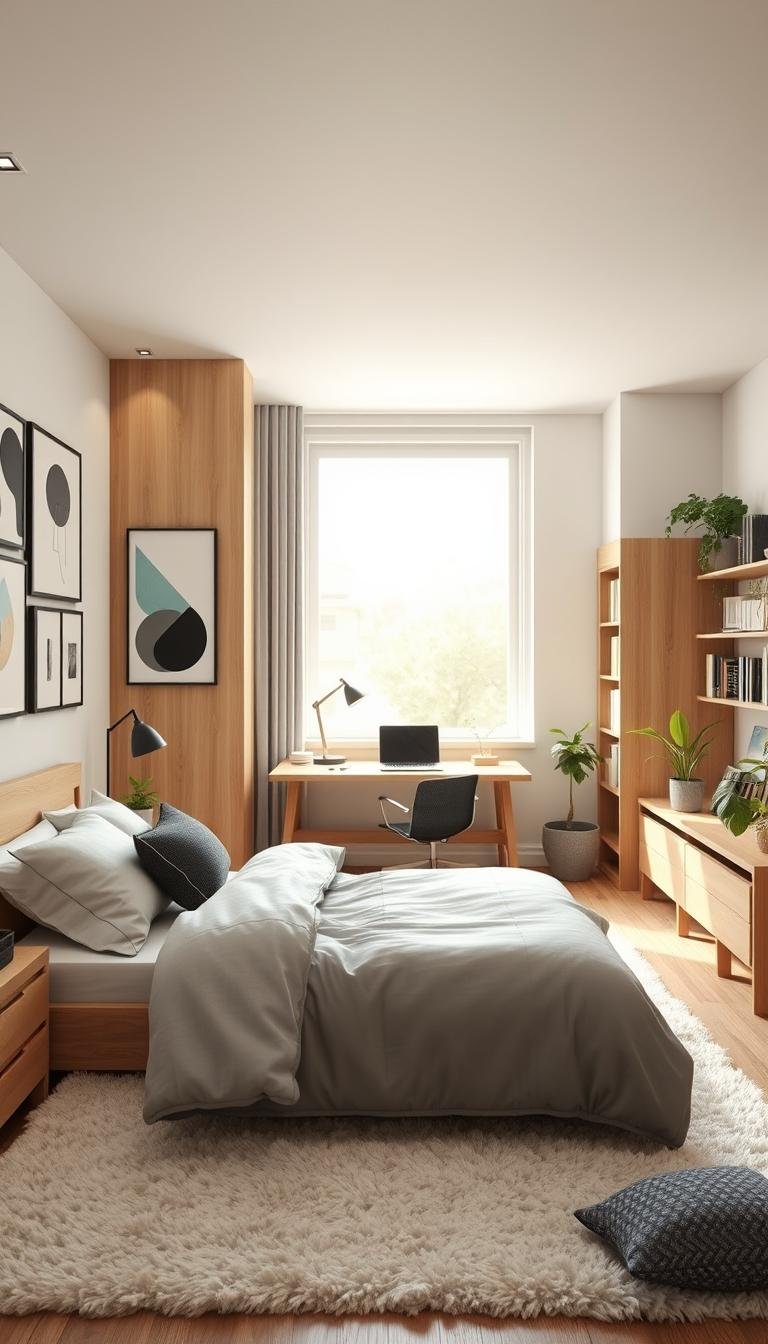
Creating a special place for your son can be both fun and practical. You want a space that feels like his own but still looks great. The key is designing a room that will last for years.
Smart choices in colors and furniture make all the difference. Pick items that can change as your child grows. This approach saves you money over time.
Your boy’s interests can shine through with cool art and fun themes. These elements add personality without a big commitment. They are easy to update when his hobbies change.
We will show you how to build a flexible and stylish area. Learn to mix play zones with study spots. Create a room your son will love now and as he gets older.
Start With a Flexible Color Foundation
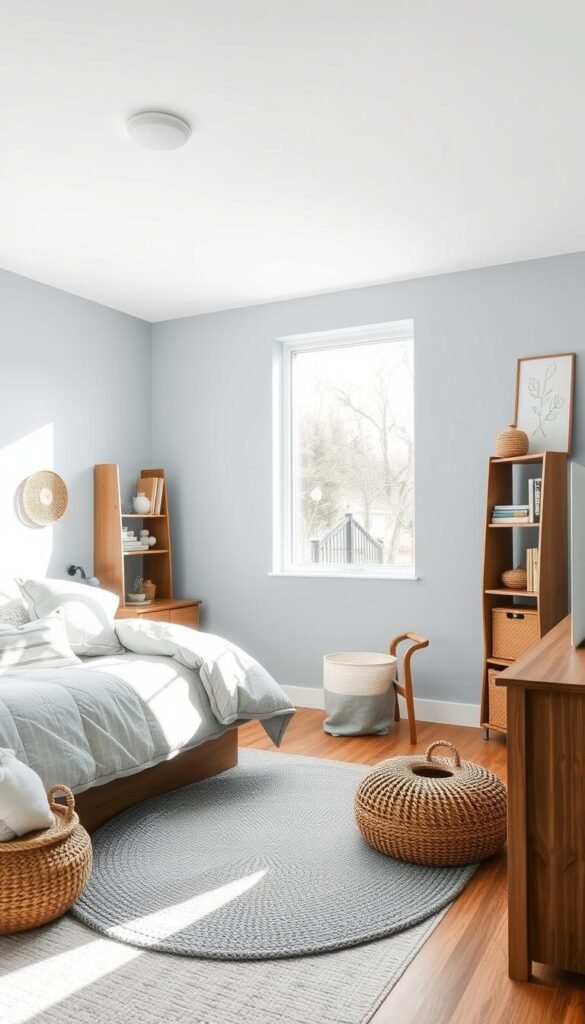
Building a lasting room design begins with smart color choices. Your color scheme sets the stage for everything else. Think of it as the canvas for your child’s personal space.
Smart color planning saves you money over time. It creates a foundation that evolves with your kid’s changing interests. This approach keeps the area fresh without constant redecorating.
Choose Versatile Base Colors
Neutral base colors work best for long-term flexibility. Soft blues, grays, and whites create a timeless backdrop. These shades adapt easily as tastes change through the years.
Light blue walls function like a neutral in many designs. They pair well with various patterns and textures. This versatility makes blue an excellent choice for any theme.
White walls offer maximum flexibility for future changes. They provide a clean background for bold accent pieces. This combination allows the room’s style to evolve naturally.
Incorporate Accent Colors Strategically
Add personality with removable accent colors. Bright green, orange, or lime bring energy to the space. Use these vibrant hues on items you can easily swap later.
Consider these strategic placement ideas for accent colors:
- Patterned area rugs that introduce color without commitment
- Throw pillows in bold shades that can be replaced seasonally
- Wall art that reflects current interests but can be updated
- Bedding with vibrant patterns that change as styles evolve
A striped rug makes a great foundational element. It adds visual interest while maintaining balance with neutral walls. This approach lets you experiment with pattern without permanent changes.
Remember that light colors make rooms feel larger and brighter. They create an airy feel that works for both play and study areas. This smart color foundation will serve your child well through many phases of life.
Select Furniture That Adapts Through the Years
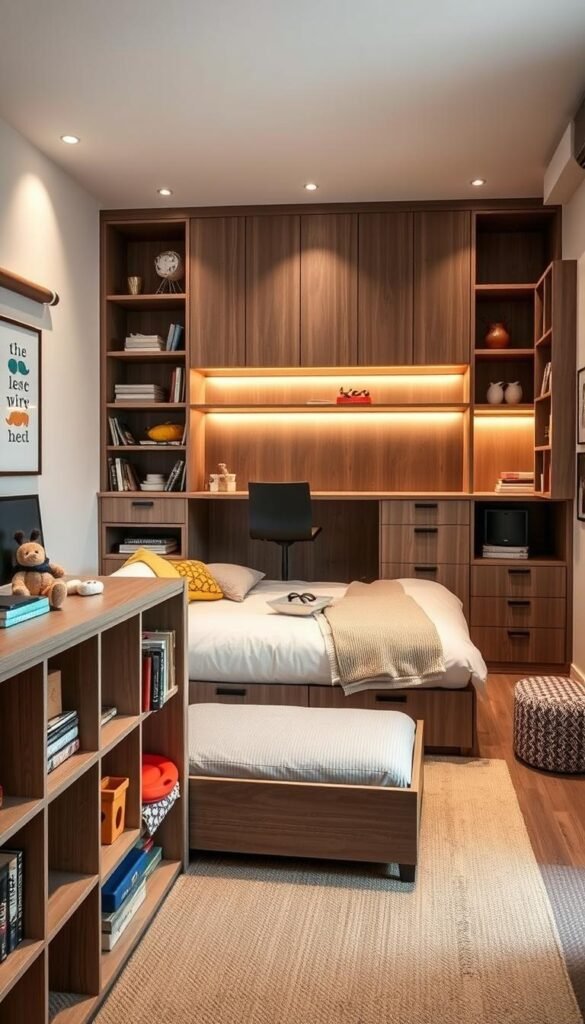
Smart furniture choices create a foundation that evolves with your child’s changing needs. The right pieces transform seamlessly from playful childhood to practical teen years. This approach saves money while maintaining a cohesive look.
Invest in Quality, Timeless Pieces
Choose durable items that withstand years of use. Solid wood beds offer exceptional longevity and classic appeal. These foundational pieces maintain their style through changing trends.
Neutral dressers and nightstands provide flexible storage solutions. Their simple design works with various themes and color schemes. You can update the look with new hardware or accessories.
Consider these characteristics when selecting long-lasting furniture:
- Sturdy construction that can handle active use
- Classic designs that won’t appear dated quickly
- Neutral finishes that coordinate with different styles
- Timeless proportions that work through growth phases
Consider Multi-Functional Furniture
Versatile pieces maximize your available space beautifully. Loft beds create valuable area underneath for various uses. This space transforms from play zone to study nook over time.
Built-in storage keeps the room organized and clutter-free. Drawers under beds store toys, clothes, or sports equipment. Shelving systems adapt to display treasures or hold books.
| Furniture Type | Childhood Function | Teen Function |
|---|---|---|
| Loft Bed | Play fort underneath | Study desk area |
| Modular Shelving | Toy display | Book storage |
| Adjustable Desk | Art station | Homework center |
| Storage Bench | Toy chest | Seating with hidden storage |
Adjustable-height desks grow along with your child. They maintain proper ergonomics for homework and projects. This investment supports good posture through school years.
Clean-lined furniture offers maximum flexibility for future changes. Simple designs work with various accessories and color accents. Your choices today will serve well for many years ahead.
Create Smart Storage Solutions They Can Manage
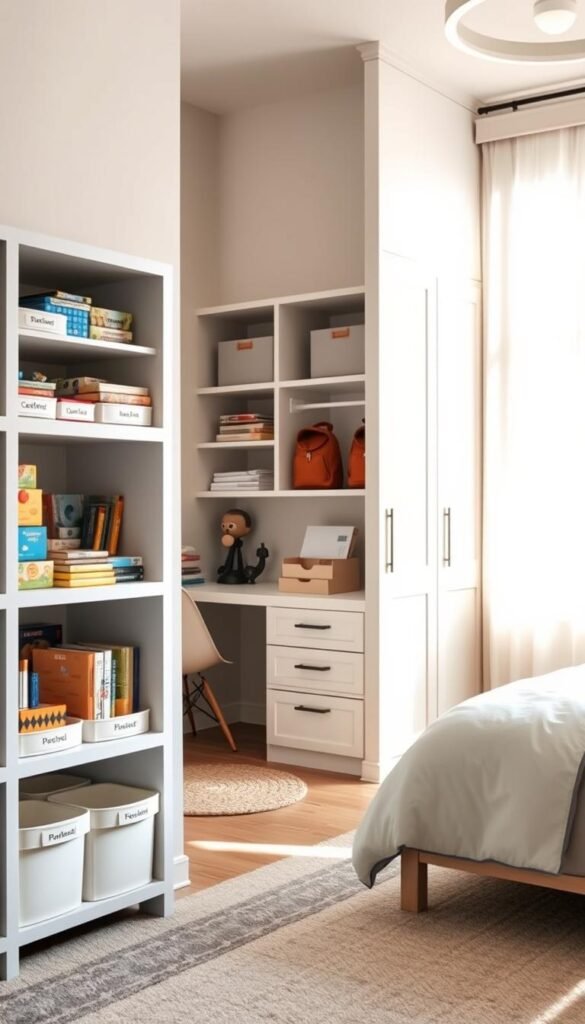
Teaching organization skills starts with accessible storage your child can use independently. When everything has a clear home, cleanup becomes a simple routine. This approach builds confidence while keeping the space tidy.
Well-planned storage transforms how your child interacts with their environment. It encourages responsibility while making daily routines smoother. The right systems grow along with their changing needs.
Use Accessible Organization Systems
Low bookshelves and cubbies put everything within easy reach. Your child can put away toys and books without help. This independence makes them proud of their space.
Consider these accessible storage options:
- Cube organizers with fabric bins for quick categorization
- Wall-mounted shelves at child-height for favorite items
- Under-bed drawers that slide out easily
- Peg boards for hanging supplies and small treasures
Open shelving works best for frequently used belongings. Closed storage keeps clutter hidden but accessible. This combination maintains a clean look while being practical.
Incorporate Fun Storage Containers
Colorful bins and baskets make organization enjoyable. Bright containers turn cleanup into a game rather than a chore. Your child will love matching items to their proper homes.
Labeled storage helps identify where everything belongs. Use pictures for younger children and words for older ones. This system teaches categorization skills naturally.
“The best organization systems are those children can use without frustration. When they succeed at tidying up, they develop positive habits that last a lifetime.”
Woven baskets add texture while hiding miscellaneous items. They blend beautifully with various design styles. These containers maintain their appeal through different phases.
| Storage Type | Best For | Age Range |
|---|---|---|
| Colorful plastic bins | Toys and games | 3-8 years |
| Fabric cube organizers | Books and art supplies | 5-12 years |
| Clear acrylic containers | Collections and treasures | 8+ years |
| Wooden crates | Sports equipment | 6+ years |
Designate specific areas for different types of belongings. A special shelf for treasures makes your child feel valued. This organization method teaches sorting skills early.
Choose storage that matches the room’s overall aesthetic. Neutral containers work with changing color schemes. Your solutions will remain functional for years to come.
Incorporate Their Interests Without Commitment
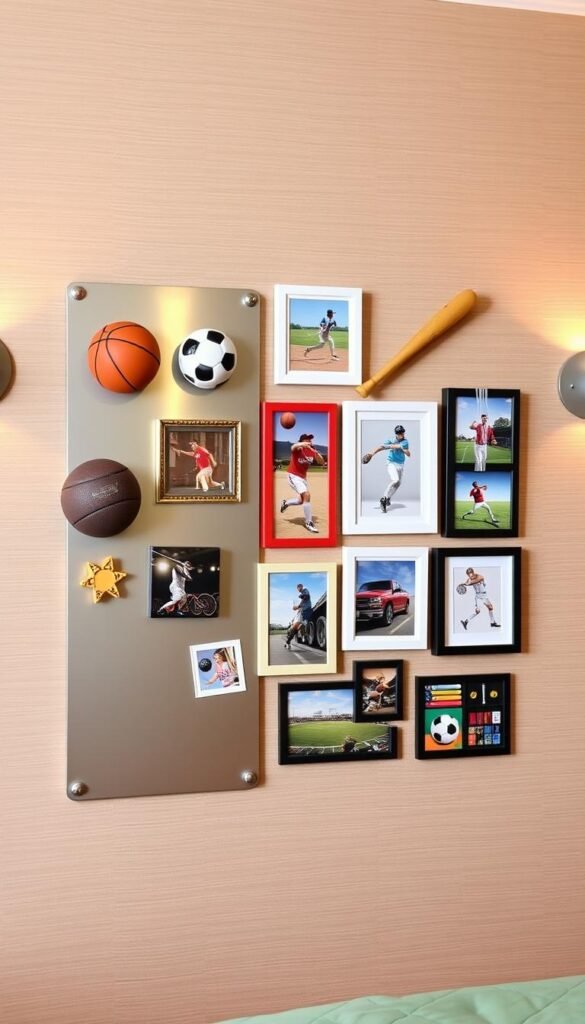
Your son’s passions will change as he grows. The smart approach celebrates these evolving interests without locking you into permanent changes. Temporary decorations let his personality shine while keeping options open.
Use Removable Wall Art and Decor
Framed posters offer excellent flexibility for showcasing current favorites. A basketball print can inspire the color scheme without painting walls. These pieces add personality while remaining easy to update.
Wall decals create instant themes without permanent commitment. They peel off cleanly when interests change. This approach lets you refresh the look whenever needed.
Consider these removable art options:
- Framed sports posters that coordinate with your color palette
- Vinyl decals of favorite subjects that remove without damage
- Magnetic boards for displaying rotating artwork and photos
- Clip systems that hold changing collections of drawings
Floating shelves provide perfect display space for evolving treasures. They hold trophies, models, or awards without wall damage. You can rearrange these displays as collections grow.
Choose Theme-Accessories Over Permanent Fixtures
Throw pillows featuring current interests add fun touches. They bring theme elements into the space without long-term commitment. Swap them out when new passions emerge.
Area rugs with pattern themes define spaces beautifully. A solar system rug sparks imagination today. It can be replaced later with a different design.
Model collections make wonderful temporary decorations. A model airplane or car display shows current hobbies. These items store easily when interests shift.
| Theme Element | Temporary Option | Permanent Alternative |
|---|---|---|
| Wall Treatment | Removable decals | Painted mural |
| Display Method | Floating shelves | Built-in shelving |
| Bedding Style | Patterned comforter | Character bedding |
| Floor Covering | Themed area rug | Custom carpet |
Choose accessories that reflect hobbies without being too juvenile. Sports equipment displays work for various ages. Science themes maintain appeal through teen years.
Inexpensive decor items make updating simple. You can refresh the entire theme without major investment. This approach keeps the room feeling current through all phases.
Design Play Areas That Transform Into Study Spaces
Smart room planning creates spaces that evolve with your child’s needs. The same area that hosts imaginative play today can become a productive study zone tomorrow. This approach maximizes your square footage while supporting different life stages.
Thoughtful furniture placement makes all the difference in creating adaptable environments. When you position key pieces strategically, you create zones that serve multiple purposes over time. This flexibility ensures the room remains functional through various phases.
Create Flexible Floor Plans
Push furniture against walls to open up the center of the room. This arrangement creates valuable open space for active play during younger years. The same open area later accommodates study sessions or social gatherings.
Modular furniture systems offer excellent adaptability for changing needs. You can rearrange components as your child’s activities evolve. This versatility supports both creative play and focused homework time.
Consider these smart layout strategies:
- Position the bed in a corner to maximize floor space
- Use rolling carts for supplies that can move between zones
- Create clear pathways between different activity areas
- Leave wall space open for future desk placement
Area rugs help define spaces without permanent changes. A colorful rug marks the play zone during early years. You can replace it with a more mature pattern when study needs increase.
Maximize Vertical Space for Activities
Look upward when planning your child’s environment. The often-overlooked vertical dimension offers tremendous potential. Creative use of height creates additional functional areas.
Loft beds provide the ultimate space-saving solution. The area underneath serves as a cozy play nook during childhood. This same space transforms into an efficient study corner during teen years.
Tall shelving units make excellent use of vertical real estate. They store toys and books within easy reach for younger children. These same units later organize school materials and personal items.
| Vertical Element | Childhood Function | Teen Function | Space Saved |
|---|---|---|---|
| Loft Bed | Play fort area | Desk workspace | 40-50 square feet |
| Wall-Mounted Desk | Art station | Study center | 15-20 square feet |
| Ceiling Storage | Toy nets | Sports equipment | 10-15 square feet |
| Vertical Shelving | Book display | Media storage | 8-12 square feet |
Wall-mounted desks fold away when not in use. They provide surface space for projects without consuming floor area. This clever solution keeps the room feeling open and adaptable.
Remember to incorporate proper lighting for each functional zone. Adjustable task lights illuminate study areas effectively. Overhead lighting creates bright, inviting spaces for play and socializing.
Your thoughtful planning today creates a room that supports your child’s journey. The space will comfortably accommodate both imaginative play and academic focus. This versatile approach serves your family well for many years.
Modern Boys Bedroom Decor Tips That Grow With Your Kids Through Wall Treatments
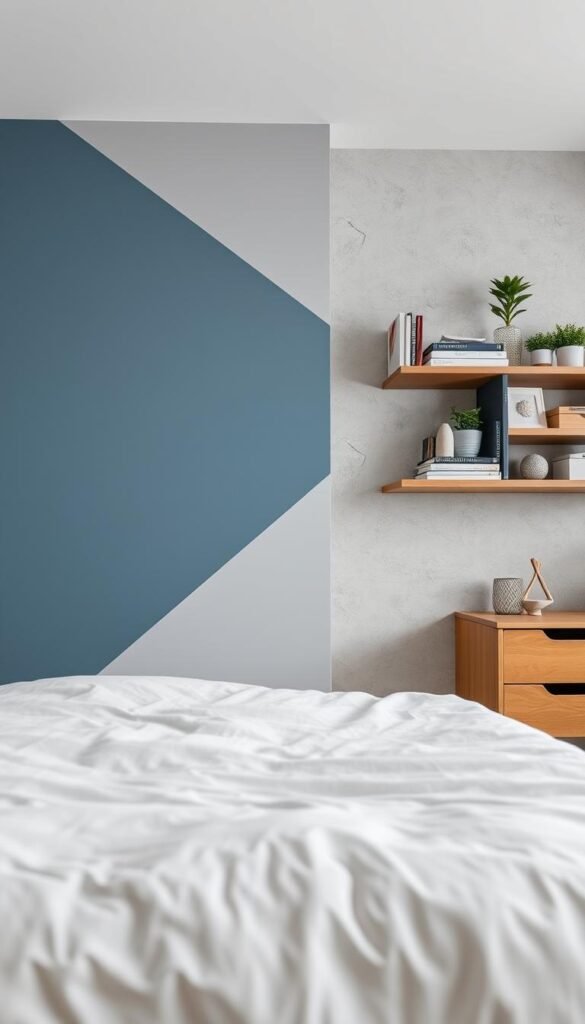
Wall treatments offer fantastic opportunities to express personality while maintaining flexibility. Your approach to walls can define the entire room’s character without permanent changes. Smart choices here create visual interest that evolves with your child’s developing tastes.
Use Accent Walls for Personality
An accent wall creates instant focus in any space. Choose one wall for special treatment while keeping others neutral. This approach adds drama without overwhelming the room.
Bold colors make excellent choices for feature walls. Navy blue or deep green create striking backdrops for displayed collections. These rich shades work well with various decor styles through different phases.
Consider these accent wall applications:
- Striped patterns that add visual length to smaller spaces
- Color-blocked designs that create modern geometric interest
- Map murals that inspire adventure and learning
- Textured finishes that add depth without bright colors
High-contrast paint defines unusual room shapes beautifully. It highlights architectural features while adding character. This technique works particularly well in spaces with interesting angles.
Pair your accent wall with complementary shelving or artwork. Floating shelves display treasures against the bold background. This combination creates a curated look that feels intentional and stylish.
Consider Removable Wallpaper Options
Removable wallpaper offers pattern without permanence. Today’s options feature excellent adhesion and clean removal. You can refresh the look whenever interests change.
Patterned wallpaper introduces texture and theme temporarily. Geometric designs work for various age groups. Nature scenes bring the outdoors inside without commitment.
Choose washable finishes for high-traffic areas. These surfaces withstand everyday wear while maintaining their appearance. Durable materials ensure your walls stay fresh through active years.
Wall decals provide another excellent temporary option. They create focal points that reflect current passions. These peel-off designs allow for quick theme changes.
“The right wall treatment can transform a room from ordinary to extraordinary while maintaining the flexibility to change as your child grows.”
Consider these removable treatment ideas:
- Nature-inspired decals that create woodland or ocean themes
- Geometric patterns that add modern visual interest
- Sports motifs that celebrate current athletic interests
- Educational designs like world maps or solar systems
Your wall choices should complement other room elements. Coordinate with bedding colors and storage solutions. This harmony creates a cohesive look that feels designed rather than decorated.
Remember that light colors make spaces feel larger and brighter. They provide excellent backdrops for colorful accessories. This balance ensures the room remains inviting through all stages.
Choose Bedding That Evolves With Their Style
Your child’s bed serves as the centerpiece of their personal space. The right bedding choices create a foundation that adapts beautifully through different life stages. Smart selections here ensure the room maintains its appeal for years.
Versatile bedding works with changing color schemes and themes. It provides comfort while reflecting personal taste. This approach saves money by avoiding frequent complete replacements.
Opt for Patterned Over Character Bedding
Patterned bedding offers lasting style that matures gracefully. Stripes, geometric shapes, and abstract designs maintain their appeal. These patterns coordinate with various room elements through different phases.
Character-themed sets often feel dated quickly as interests change. Patterned options provide a more sophisticated foundation. They allow personality to shine through accessories rather than the main bedding.
Consider these benefits of patterned bedding:
- Timeless designs that work from childhood through teen years
- Easy coordination with existing furniture and wall colors
- Flexibility to change the room’s theme with simple accessory swaps
- Durability that withstands daily use and frequent washing
Alphabet-printed duvet covers add playful charm without being too juvenile. They introduce educational elements in a stylish way. This approach balances fun with sophistication.
Layer for Easy Seasonal Updates
Layered bedding creates depth while offering practical flexibility. You can change the look with simple seasonal adjustments. This method keeps the space feeling fresh without major investment.
Start with a quality patterned duvet as your foundation. Add textured throws and accent pillows for visual interest. These layers introduce color and theme elements temporarily.
Seasonal updates become simple with this layered approach. Swap light cotton throws for warmer knits in winter. Change pillow covers to reflect current hobbies or school colors.
| Bedding Layer | Primary Function | Update Frequency | Cost Range |
|---|---|---|---|
| Duvet Cover | Foundation piece | Every 2-3 years | $40-80 |
| Accent Pillows | Style accents | Seasonally | $15-30 each |
| Throw Blankets | Texture and warmth | Seasonally | $25-50 each |
| Sheet Sets | Comfort and color | Annually | $30-60 per set |
Choose durable, washable fabrics for all bedding components. These materials withstand active use while maintaining appearance. Quality fabrics ensure your investment lasts through many phases.
Mix and match pieces for customized looks. A neutral comforter pairs beautifully with patterned sheets. This combination allows quick changes based on current interests.
Textured elements like quilts or knit throws add comfort and visual depth. They make the bed inviting while providing styling options. These pieces become cherished parts of the room’s character.
Your bedding choices today will serve well for many years ahead. They create a comfortable retreat that grows along with your child. This thoughtful approach ensures the space remains both functional and personally meaningful.
Create Display Areas for Their Evolving Treasures
Your son’s room becomes truly special when it showcases his unique journey. Displaying his achievements and interests adds personal meaning to the space. These areas celebrate his growth while keeping the room organized.
Thoughtful display solutions honor his accomplishments beautifully. They create visual interest while maintaining a clean look. Your approach can evolve as his collections and passions change.
Install Adjustable Shelving Systems
Adjustable shelving offers fantastic flexibility for changing displays. You can reconfigure these systems as his interests evolve. This adaptability makes them perfect for growing collections.
Floating shelves create elegant display space without bulk. They hold trophies, books, or model collections beautifully. Their minimalist design works with various room styles.
Consider these adjustable shelving benefits:
- Modular components that rearrange as display needs change
- Adjustable heights accommodate different item sizes
- Various finish options match existing furniture pieces
- Easy installation without permanent wall damage
Wood shelves add warmth to the space naturally. Metal systems offer industrial charm for modern looks. Choose materials that complement your overall design.
Designate Spaces for Current Passions
Dedicated areas for hobbies make the room feel uniquely his. A special shelf for sports memorabilia honors athletic achievements. This organization keeps cherished items visible yet tidy.
Wall grids provide excellent rotating display space. They hold artwork, photos, or small treasures securely. You can update these displays easily as interests shift.
Functional displays serve dual purposes wonderfully. Mounted skateboards or basketballs become art while storing equipment. These solutions add character without creating clutter.
“Display areas that evolve with your child’s interests turn their room into a living scrapbook of their journey, celebrating growth while maintaining organization.”
Cork boards offer perfect temporary display space. They showcase rotating artwork and awards beautifully. This approach lets you refresh the look frequently.
Choose display solutions that match the room’s color scheme. Neutral backdrops make collections stand out prominently. Your selections will maintain cohesion through many phases.
Remember to position displays at your child’s eye level. This placement makes treasures feel accessible and important. It encourages pride in their personal space.
Incorporate Lighting That Matures With Their Needs
Good lighting transforms how your son experiences his personal space. It creates atmosphere while supporting different activities throughout the day. The right fixtures adapt beautifully as his needs evolve over time.
Thoughtful lighting choices make the room functional and inviting. They provide proper illumination for homework and play. Your selections will serve well through many phases of life.
Choose Adjustable Task Lighting
Flexible task lights offer excellent versatility for changing needs. Desk lamps with adjustable arms provide focused illumination. They position perfectly for reading or homework sessions.
These fixtures grow along with your child’s activities. A good lamp supports art projects during younger years. The same light later helps with studying and computer work.
Consider these benefits of adjustable lighting:
- Directional light that reduces eye strain during focused tasks
- Flexible positioning that accommodates different desk setups
- Energy-efficient LED options that last for years
- Durable construction that withstands daily use
Quirky art lamps add personality to study spaces. They make homework time more enjoyable. These fun pieces maintain their appeal through different ages.
Consider Fun Yet Sophisticated Overhead Options
Overhead lighting sets the overall mood for the entire space. Woven pendant lights add texture and sophistication. They create visual interest without appearing too juvenile.
Flush mount fixtures offer clean, modern designs. These options work well with various ceiling heights. They provide ample general illumination for the whole area.
LED lighting creates subtle ambiance when used creatively. Strip lights behind large-scale art make pieces stand out beautifully. This technique adds depth without overwhelming the room.
Dimmer switches provide excellent control over atmosphere. They allow adjustment from bright play light to soft evening glow. This flexibility supports different activities throughout the day.
Layered lighting creates the most versatile environment. Combine overhead, task, and accent lights for perfect illumination. This approach works for play, study, and relaxation times.
Your lighting choices today will illuminate many years ahead. They create a comfortable space that grows with your son. This thoughtful approach ensures proper light for every activity.
Planning a Bedroom That Will Love Growing Up Too
Designing a room that evolves with your child creates a space both personal and practical. Focus on adaptable elements like neutral bases and flexible furniture. This approach ensures the area remains functional through different life stages.
Involve your son in the design process. His input makes the room reflect his unique personality. This collaboration builds a space he truly loves at every age.
Choose quality pieces over trendy items. Invest in durable furniture and timeless decor. These selections last through multiple phases of growth.
Update the look with simple changes. Swap art or bedding to keep the feel fresh. Small adjustments maintain alignment with current tastes.
Balance playful elements with sophisticated design. This mix creates a room that matures gracefully. Your child’s space will grow up right alongside him.