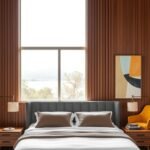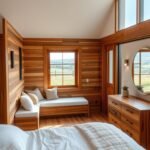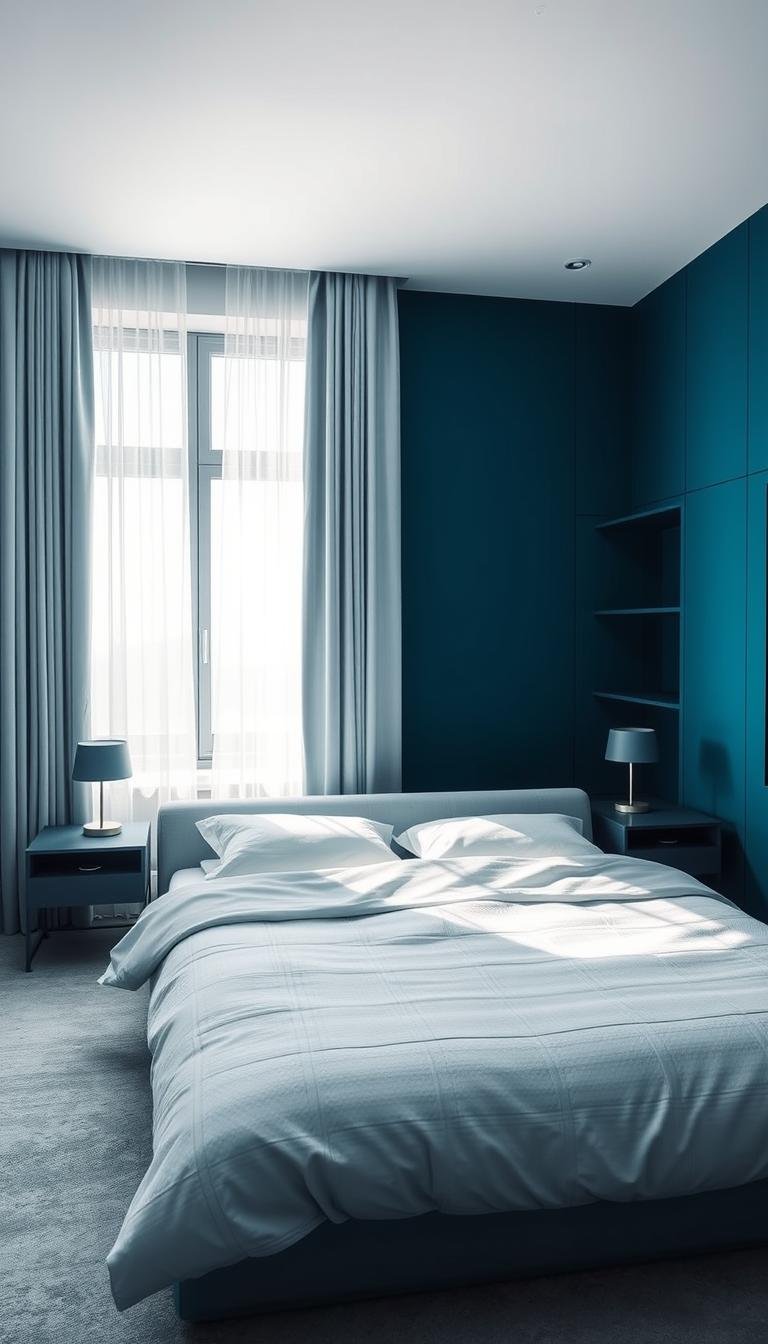
Welcome to your personal guide for creating a peaceful retreat. This space should help you relax and recharge after busy days.
Have you ever wondered why certain colors make you feel more calm? Blue has a special power to create serenity in your personal environment.
Different shades can transform the atmosphere completely. From soft sky tones to rich navy hues, each brings its own unique feeling.
You’ll discover how to choose the perfect shade for your needs. These concepts work in any size room and various design styles.
Get ready to create a refreshing sanctuary that truly feels like your own. Let’s explore how to make this calming vision come to life.
Why Blue is the Perfect Choice for Your Bedroom Retreat
Color selection plays a crucial role in creating your ideal sleep environment. The right palette can transform your personal sanctuary into a true haven for relaxation.
The Psychology of Blue: Promoting Calm and Relaxation
Scientific studies show that certain colors affect our nervous system. Blue specifically lowers heart rate and reduces blood pressure.
This calming effect makes it perfect for spaces where you unwind. It naturally promotes better sleep quality and reduces anxiety.
Many people associate blue with peaceful natural elements. Think of clear skies and tranquil waters – both evoke serenity.
Versatility of Blue: From Bold Navy to Soft Sky Hues
The spectrum of available shades offers incredible flexibility. You can find everything from pale powder tones to deep navy variations.
Lighter blues create an airy, spacious feel in smaller rooms. They reflect light beautifully and make ceilings appear higher.
Darker shades provide cozy intimacy and dramatic impact. These richer tones work wonderfully as accent walls or feature elements.
This color adapts to numerous design approaches effortlessly. It complements minimalist schemes and coastal themes equally well.
- Soft sky blues for fresh, open atmospheres
- Medium aqua tones for balanced energy
- Deep navy for sophisticated elegance
- Dusty powder shades for subtle warmth
Your personal style determines the perfect shade selection. The right tone can make your space feel both dramatic and soothing simultaneously.
Start with the Walls: Painting Your Blue Foundation
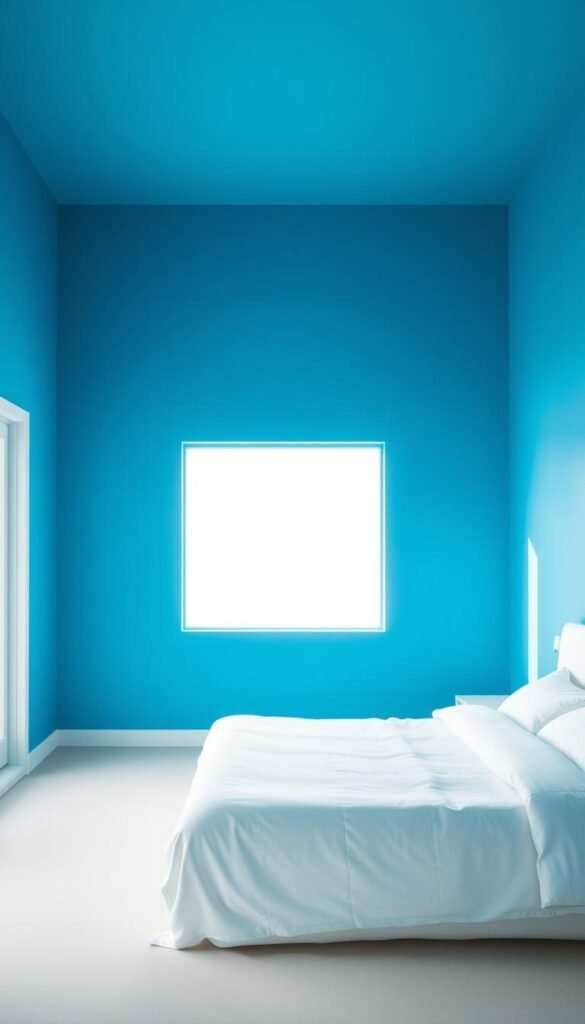
Your walls form the canvas for your entire design vision. They establish the primary atmosphere and set the tone for your personal retreat.
Choosing the right approach for your vertical surfaces creates harmony throughout your sleeping area. This foundation influences every other element you add later.
Choosing Your Shade: Light vs. Dark Blue for Your Space
Light shades make rooms feel more open and airy. They work beautifully in smaller areas or spaces with limited natural light.
Soft sky tones reflect illumination effectively. They create an expansive feeling that enhances your comfort.
Deeper blues provide cozy intimacy and dramatic impact. These richer tones work wonderfully as accent features or in larger rooms.
Consider your existing lighting conditions before deciding. North-facing rooms often benefit from warmer blue undertones.
Creative Alternatives: Accent Walls and Painted Trim
Painting just one wall creates focal points without overwhelming your senses. This technique adds depth while maintaining balance.
Colored trim draws eyes outward, making areas appear more spacious. Door frames and baseboards in coordinating hues expand visual boundaries.
These approaches offer flexibility if you prefer not to commit fully. They create dimension through strategic color placement.
Top Paint Picks from the Pros: Benjamin Moore & Sherwin-Williams
Professional designers rely on trusted brands for consistent results. These companies offer colors specifically tested for residential environments.
Their formulations provide excellent coverage and durable finishes. You achieve beautiful results that last for years.
| Brand | Color Name | Color Code | Best For |
|---|---|---|---|
| Benjamin Moore | Wythe Blue | HC-143 | Serene accent walls |
| Benjamin Moore | Palladian Blue | HC-144 | Light, airy spaces |
| Benjamin Moore | Stratton Blue | HC-142 | Traditional settings |
| Sherwin-Williams | Sea Salt | SW 6204 | Soft, subtle backgrounds |
| Sherwin-Williams | Olympus White | SW 6253 | Trim and detailed work |
Test samples on your actual surfaces before final decisions. Colors appear differently under various lighting conditions throughout the day.
Remember that sheen affects overall perception too. Matte finishes hide imperfections while satin offers easy cleaning.
Make a Statement with Your Bed and Bedding
The foundation of any relaxing sanctuary starts with thoughtful consideration of your sleeping space. This central element sets the tone for your entire personal retreat.
Focusing on this area creates immediate visual impact. You can achieve dramatic changes without major renovations.
Selecting a Blue Bed Frame or Headboard
Choose a statement piece that becomes your room’s focal point. A colored frame or headboard anchors the space beautifully.
Navy velvet offers luxurious texture and depth. Light powder tones create airy elegance.
Consider your existing decor when selecting materials. Wood frames with blue accents blend warmth with cool tones.
Layering Blues: Duvets, Sheets, and Throw Pillows
Master the art of tonal layering for a cohesive yet dynamic look. Mix different shades within the same color family.
Start with solid foundation pieces like sheets and duvets. Add dimension with textured throw pillows.
Vary fabric weights for visual interest. Combine crisp cotton with plush velvet or smooth silk.
Mixing Patterns: Stripes, Florals, and Geometrics
Confidently blend different patterns for personality and charm. Stripes pair wonderfully with organic floral designs.
Geometric patterns add contemporary energy. Scale variations prevent visual overload.
Anchor bold patterns with solid elements. This creates balance while maintaining excitement.
Remember that your bedding offers flexible transformation options. You can refresh your space seasonally without permanent changes.
Incorporate Blue Through Furniture and Key Pieces
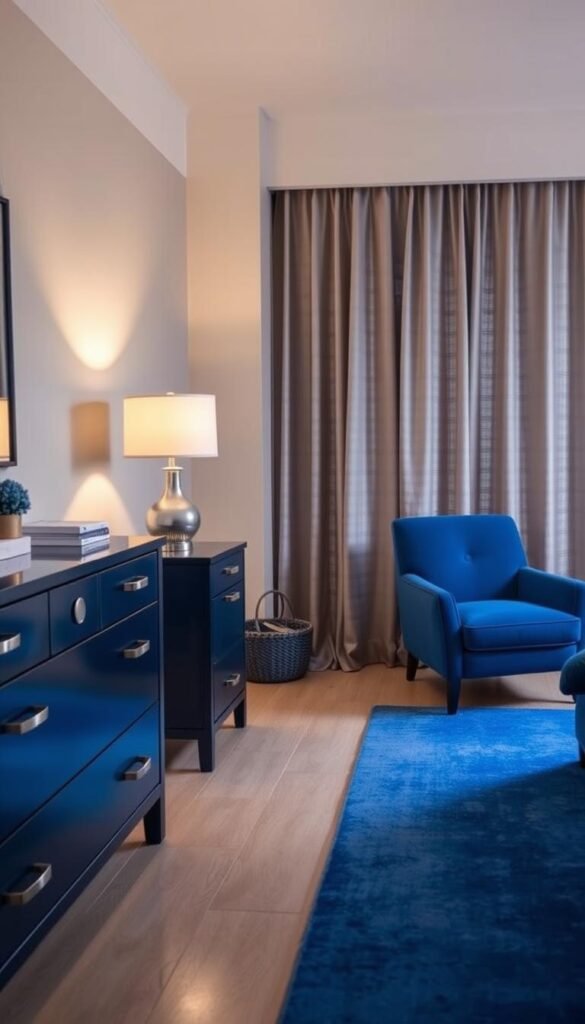
Strategic furniture choices can transform your room’s atmosphere. These pieces serve as functional art while reinforcing your color theme.
Select items that balance visual impact with daily usefulness. This approach creates harmony between style and comfort.
Blue Accent Chairs and Ottomans
An accent chair provides both seating and style. Choose a bold navy or soft teal shade for maximum effect.
Position your chair near a window or reading nook. This creates an inviting spot for relaxation.
Ottomans offer versatile functionality. Use them as footrests, extra seating, or even small tables.
“The right accent piece doesn’t just fill space—it completes the room’s story.”
Stylish Nightstands and Dressers in Navy or Teal
Nightstands in deep navy make a sophisticated statement. They anchor your sleeping area with rich color.
Teal dressers add personality without overwhelming. Their vibrant yet soothing tone works well in various lighting.
Consider mixing materials for added interest. A blue-painted piece with brass hardware creates elegant contrast.
These furniture items should complement your overall scheme. Balance them with neutral walls or bedding.
| Furniture Type | Recommended Shade | Best Placement | Style Pairing |
|---|---|---|---|
| Accent Chair | Sky Blue | Reading Corner | Mid-Century Modern |
| Ottoman | Navy | Foot of Bed | Coastal |
| Nightstand | Teal | Bedside | Transitional |
| Dresser | Slate Blue | Opposite Wall | Scandinavian |
Remember to scale pieces appropriately for your space. Larger rooms can handle bolder furniture choices.
Smaller areas benefit from lighter shades and slimmer profiles. Always leave adequate walking space around each piece.
Textiles and Soft Furnishings for a Cozy Feel
Soft furnishings bring both visual warmth and physical comfort to your room. These elements complete your space with layers that invite relaxation.
Thoughtful textile choices create harmony throughout your personal area. They work together to establish a welcoming atmosphere.
Curtains and Blinds in Soothing Blue Tones
Window treatments serve multiple purposes in your sleeping area. They control light levels while adding softness to hard surfaces.
Choose curtains in tranquil shades that complement your wall color. Light-filtering options create gentle illumination throughout the day.
Roman shades or roller blinds offer clean lines with color impact. Their structured appearance balances softer textile elements.
The Impact of a Blue Area Rug
A well-chosen floor covering anchors your entire space beautifully. It defines the sleeping zone while adding comfort underfoot.
Consider size and pile height for your specific needs. Plush options feel luxurious when you first step out of bed.
Patterned rugs can incorporate multiple shades effectively. They tie together different elements within your color scheme.
Adding Texture with Throw Blankets and Pillows
Accessories provide the finishing touches that make your space feel complete. Mix fabrics and patterns for visual interest.
Layer a chunky knit throw across the foot of your bed. Add velvet pillows for contrast against crisp cotton sheets.
Vary sizes and shapes for a collected, personal look. These elements invite you to relax and make yourself comfortable.
Remember that textiles offer easy seasonal updates. You can refresh your space simply by changing a few key pieces.
Embrace a Blue and White Color Scheme
Combining these two hues creates a classic palette that never goes out of fashion. This pairing brings a sense of freshness and tranquility to your personal space.
You can achieve different moods depending on your shade selections. The right balance makes your area feel both inviting and sophisticated.
Achieving a Crisp, Coastal Look
Light blues paired with bright whites evoke beachside relaxation. This combination makes any room feel breezy and open.
Think of sandy shores and ocean waves for inspiration. Incorporate natural textures like woven baskets or driftwood accents.
Choose fabrics with subtle patterns for added interest. Striped cushions or nautical motifs enhance the theme beautifully.
Balancing Bold Navy with Clean Whites
Deep navy makes a strong statement when contrasted with pure white. This creates visual impact without feeling overwhelming.
Use darker shades for larger furniture pieces or accent walls. Balance them with plenty of crisp white elements throughout.
This contrast works well in both traditional and contemporary settings. It provides depth while maintaining a serene atmosphere.
The versatility of this palette allows for numerous creative expressions. You can adapt it to match your personal preferences perfectly.
| Blue Shade | Recommended White Pairing | Room Effect | Best Use |
|---|---|---|---|
| Sky Blue | Pure White | Airy and Bright | Small Spaces |
| Navy | Soft White | Dramatic Contrast | Accent Walls |
| Powder Blue | Bright White | Gentle Harmony | Overall Scheme |
| Teal | Warm White | Rich Dimension | Statement Pieces |
Remember to test your color combinations in actual lighting conditions. Natural and artificial light can change how colors appear throughout the day.
This timeless approach creates a space that feels both current and enduring. You’ll enjoy a refreshing environment that welcomes relaxation.
Create Depth by Mixing Multiple Shades of Blue
Mastering the art of color layering transforms your space from flat to fascinating. Using various intensities creates visual movement and personality.
This approach makes your room feel thoughtfully designed rather than randomly decorated. You achieve harmony while keeping things interesting.
How to Combine Light, Medium, and Dark Blues
Start with a dominant shade that sets your overall mood. This becomes your foundation color throughout the space.
Add medium tones for transitional elements. These bridge your light and dark selections beautifully.
Use deeper shades for accent pieces and focal points. They ground the scheme and add sophistication.
Consider the 60-30-10 rule for balanced distribution. Your main color covers 60%, secondary 30%, and accents 10%.
Creating a Cohesive Yet Dynamic Palette
Repeat your chosen shades across different elements. This creates rhythm without monotony.
Vary textures within the same color family. Combine matte surfaces with glossy finishes for depth.
Allow natural light to influence your selections. North-facing rooms might need warmer blue undertones.
Successful combinations create energy without chaos. They guide the eye through the space pleasantly.
“The most inviting rooms often use three coordinated shades rather than one flat color.”
Here are proven combinations that work in various settings:
| Light Shade | Medium Tone | Dark Accent | Best Room Type |
|---|---|---|---|
| Powder Blue | Cornflower | Navy | Small bedrooms |
| Sky Blue | Azure | Slate | Sun-lit spaces |
| Ice Blue | Teal | Midnight | Modern layouts |
| Baby Blue | Periwinkle | Royal | Traditional settings |
Test your selections at different times of day. Observe how natural and artificial light affect their appearance.
Remember that your personal preference matters most. Choose combinations that make you feel calm and happy.
Incorporate Natural Elements for a Balanced Look
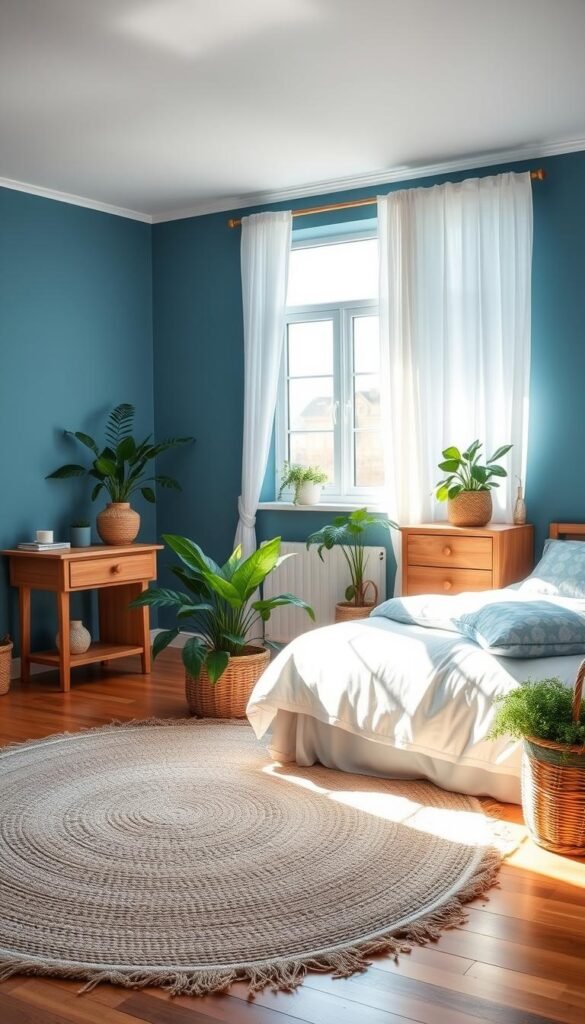
Bringing nature into your design creates harmony and warmth. These organic touches soften your space and make it feel more grounded.
Natural materials work beautifully with various color schemes. They add depth and character that manufactured items often lack.
Your room gains personality through these thoughtful additions. Each piece tells a story and contributes to the overall feel.
Pairing Blue with Warm Wood Tones
Wood introduces warmth that balances cooler shades perfectly. This combination creates visual interest through contrasting temperatures.
Light woods like oak or ash complement pale shades beautifully. They maintain an airy feel while adding natural texture.
Darker varieties such as walnut or teak work with deeper tones. These rich combinations create sophisticated, cozy environments.
Consider wooden bed frames or nightstands for major impact. Smaller accessories like trays or boxes add subtle warmth too.
Mixing materials prevents your space from feeling one-dimensional. The natural grain patterns add movement and organic beauty.
Adding Natural Fibers: Rattan, Jute, and Seagrass
These materials bring wonderful texture and earthiness to your room. They complement cool shades while adding tactile interest.
Rattan pieces offer lightweight elegance and versatility. A headboard or accent chair makes a stylish statement.
Jute rugs provide rustic charm underfoot. Their neutral tone lets your color scheme shine while adding comfort.
Seagrass baskets offer practical storage with coastal appeal. They keep items organized while enhancing your decor.
These elements work together to create a layered, inviting space. Each addition contributes to the overall relaxed feel.
“Natural materials ground color schemes and make spaces feel authentically welcoming.”
Discover more ways to blend nature with style through these nature-themed bedroom ideas. You’ll find inspiration for creating your perfect balanced retreat.
Remember to choose pieces that resonate with your personal style. The right natural elements make your space uniquely yours.
Use Art and Decor for Pops of Color
Your finishing touches make all the difference in creating a personalized retreat. These decorative elements add character without requiring major renovations.
Small changes can refresh your entire space’s atmosphere. You achieve maximum impact with minimal effort.
Choosing Wall Art with Blue Themes
Select pieces that speak to your personal style and preferences. Artwork should reflect your taste while enhancing your color scheme.
Consider various formats beyond traditional framed prints. Textile hangings or sculptural pieces add texture and dimension.
Scale matters when selecting artwork for your walls. Larger pieces make bold statements in spacious areas.
Smaller groupings work well in cozy corners. They create intimate moments of visual interest.
Blue Vases, Lamps, and Other Decorative Accents
Accessories provide flexible opportunities for color introduction. You can easily change them with seasons or moods.
Ceramic vases in various shades offer beautiful display options. They hold fresh flowers or stand alone as sculptural elements.
Table lamps with blue bases create warm pools of light. Their glow enhances your space’s calming atmosphere.
Other decorative objects like bowls or trays serve practical purposes too. They combine beauty with everyday functionality.
Remember that these elements should complement rather than compete. Choose pieces that enhance your existing scheme.
Your decorative choices make your space uniquely yours. They tell your story and create a truly personal sanctuary.
Designing a Modern Blue Bedroom for a Kids’ Room
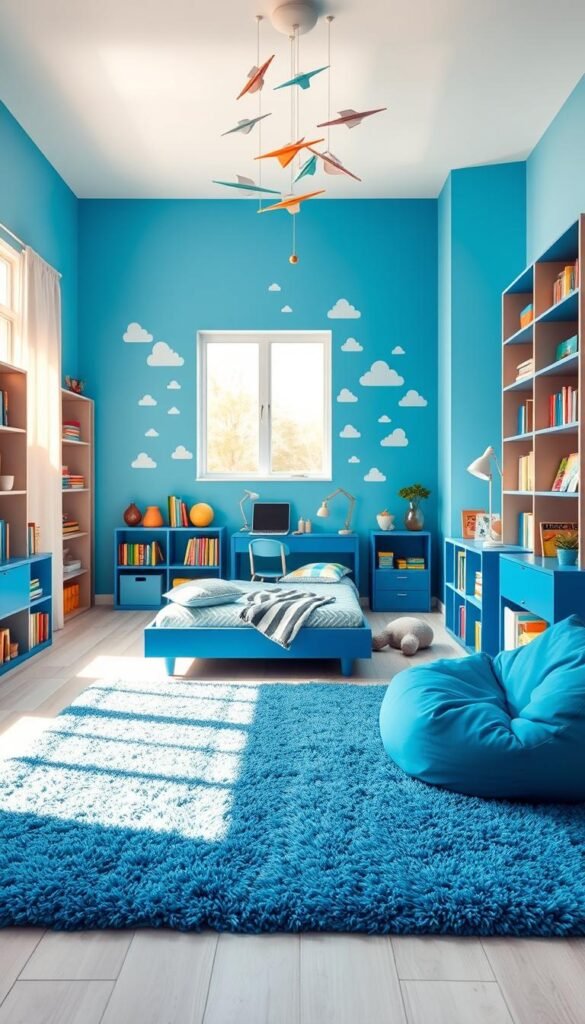
Creating a children’s sleep space offers unique opportunities for imaginative design. You want a room that encourages restful sleep while sparking creativity during waking hours.
The right approach balances calm with excitement perfectly. This creates an environment that supports both relaxation and play.
Playful and Calming Ideas for Children’s Spaces
Blue works wonderfully in young ones’ rooms because it serves two purposes. It creates a serene atmosphere for bedtime while remaining vibrant enough for daytime adventures.
Choose lighter shades for walls to maintain an airy feel. These tones reflect light beautifully and make the space appear larger.
Incorporate storage solutions that match your color scheme. Blue bins and baskets keep toys organized while adding to the decor.
Simple furniture prevents the room from feeling overwhelming. Clean lines and functional pieces create a balanced environment.
Fun Themes: Nautical, Sky, and Underwater
Thematic approaches make the design process exciting for everyone involved. These concepts spark imagination while maintaining a cohesive look.
Nautical themes bring classic maritime charm to life. Think navy blues with crisp whites and natural wood accents.
Sky themes create an uplifting, airy atmosphere. Soft blue walls with cloud motifs and floating shelf displays work beautifully.
Underwater concepts transform the space into an aquatic adventure. Layer different blue shades to create depth and movement.
| Theme | Recommended Shades | Key Elements | Age Range |
|---|---|---|---|
| Nautical | Navy, White, Red accents | Rope details, ship wheels, striped patterns | 4-10 years |
| Sky | Sky blue, Cloud white | Cloud decals, airplane motifs, floating shelves | 2-8 years |
| Underwater | Aqua, Sea green, Deep blue | Wave patterns, fish decals, bubble textures | 3-12 years |
These themes can grow with your child rather than needing frequent updates. Choose elements that can easily evolve as tastes change.
For younger children, focus on softer shades and simpler patterns. Older kids might appreciate deeper tones and more sophisticated designs.
Balance colorful elements with practical considerations. Ensure there’s plenty of clear floor space for play and movement.
The best children’s rooms maintain functionality while encouraging creativity. They become spaces where imagination can flourish every day.
Lighting Ideas to Enhance Your Blue Bedroom
Lighting plays a crucial role in how your space looks and feels. The right choices can make your color scheme shine beautifully.
Good lighting enhances both function and atmosphere. It helps create the perfect mood for relaxation.
Your fixtures and bulbs work together with your walls and decor. They influence how colors appear throughout the day.
Choosing Lamps and Fixtures that Complement Blue
Select pieces that enhance your overall color story. Blue ceramic bases or metallic finishes add stylish touches.
Consider how each fixture contributes to your room’s look. A navy table lamp makes a strong statement on a nightstand.
Pendant lights with blue glass create soft, diffused illumination. They cast a gentle glow that feels inviting.
Wall sconces offer space-saving solutions with style. Their directed light creates cozy reading nooks.
Setting the Mood with Ambient and Task Lighting
Layer different light sources for the best results. Combine overhead fixtures with portable lamps.
Ambient lighting provides general illumination for your entire area. It establishes the base level of brightness.
Task lighting focuses on specific activities like reading or dressing. Desk lamps and adjustable floor models work well.
Dimmer switches allow you to control intensity easily. They help transition from bright daytime to soft evening light.
| Light Type | Best Use | Recommended Bulb Temperature | Effect on Blue Tones |
|---|---|---|---|
| Table Lamp | Bedside reading | 2700K Warm White | Softens cool shades |
| Floor Lamp | Corner illumination | 3000K Soft White | Adds warmth to space |
| Pendant Light | Overhead ambient | 4000K Cool White | Enhances crispness |
| Wall Sconce | Accent lighting | 3500K Neutral White | Balances color depth |
Bulb color temperature changes how blue appears in your room. Warmer tones make shades feel cozier and more inviting.
Cooler bulbs emphasize the crisp, refreshing qualities. Test different options to find your perfect match.
Remember that natural light changes throughout the day. Your artificial lighting should complement these shifts.
The right combination creates a harmonious atmosphere. It makes your space feel both functional and relaxing.
Modern Blue Bedroom Ideas to Cool Down Your Space
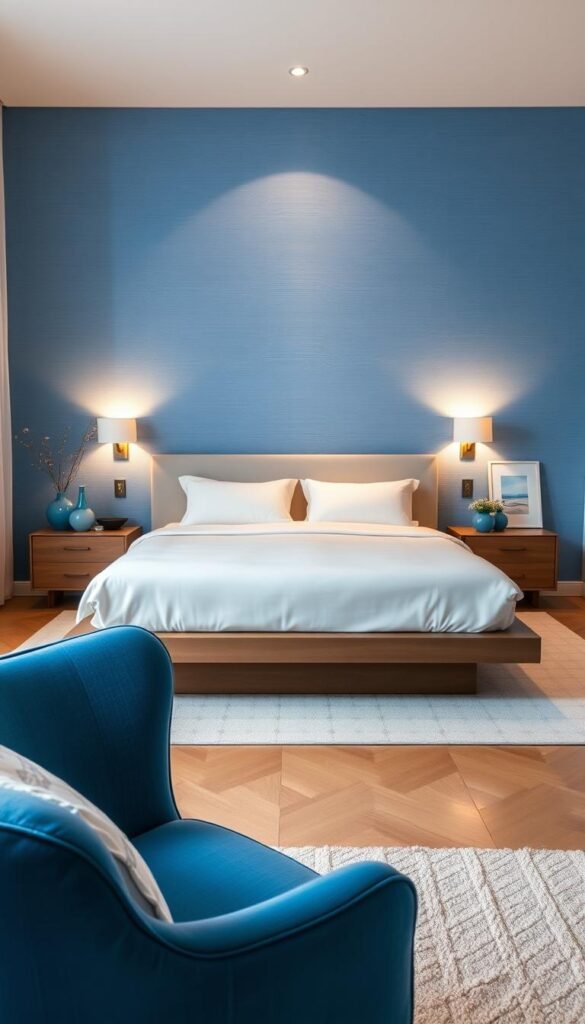
Smart color strategies can completely transform how your personal area feels and functions. The right choices create visual effects that enhance both mood and perception.
Cool tones work particularly well for establishing peaceful environments. They bring a sense of calm that makes your space truly relaxing.
Strategic Use of Cool Blues for a Serene Vibe
Light blue shades create an immediate feeling of tranquility. They mimic peaceful skies and calm waters that naturally relax your mind.
These colors actually affect how you perceive temperature in your room. Cooler tones make spaces feel fresher and more refreshing.
Place lighter shades on walls and ceilings to maximize their effect. This creates an enveloping sense of serenity throughout your area.
Deeper blues work wonderfully for creating intimate corners. Use them on accent walls or larger furniture pieces.
The psychological impact of these tones promotes better rest. They help lower stress levels and prepare your mind for sleep.
Ideas for Small Spaces to Feel Larger and Airier
Light blue colors can make compact areas appear more spacious. They reflect light beautifully and create depth perception.
Choose pale sky tones for walls in smaller rooms. These shades make boundaries seem to recede visually.
Keep furnishings in similar light values for continuity. This prevents visual breaks that make spaces feel smaller.
Here are effective techniques for maximizing your square footage:
- Use monochromatic schemes with varying blue intensities
- Place mirrors opposite light sources to amplify brightness
- Choose sheer window treatments that maintain light flow
- Select furniture with exposed legs for airy appearance
North-facing rooms benefit from slightly warmer blue undertones. These prevent the space from feeling too cool or stark.
South-facing areas can handle crisper, cooler shades. They balance the abundant natural light perfectly.
Remember that lighting affects how colors appear throughout the day. Test your selections under both natural and artificial light.
These approaches help create an environment that feels both spacious and soothing. You achieve a refreshing atmosphere that welcomes relaxation.
Explore Bold Complementary Color Combinations
Moving beyond single-color schemes opens exciting design possibilities. These pairings create visual energy while maintaining harmony throughout your space.
Complementary colors sit opposite each other on the color wheel. This positioning creates natural balance and visual interest when used together.
Strategic combinations can transform your room’s atmosphere completely. They add depth and personality without overwhelming your senses.
Blue and Orange: An Unexpected yet Balanced Pairing
This combination might seem bold at first glance. However, these opposites create perfect visual balance when used thoughtfully.
Orange brings warmth that contrasts beautifully with cool shades. It adds energy and vibrancy to your calming foundation.
Use orange as accent elements rather than dominant features. Throw pillows, artwork, or small decor items work wonderfully.
Burnt orange or terra cotta tones feel particularly sophisticated. They create rich contrast without appearing too bright.
This pairing works especially well in contemporary settings. It adds modern flair while maintaining a serene atmosphere.
Blue and Green: A Fresh, Naturalistic Duo
These adjacent colors create harmonious, organic combinations. They evoke natural landscapes like forests meeting ocean waters.
Green introduces earthy warmth that complements various shades beautifully. It enhances the calming effect while adding natural appeal.
Sage green works wonderfully with soft sky tones. Deeper emerald shades pair elegantly with rich navy backgrounds.
Incorporate green through plants, textiles, or accent pieces. Living plants add texture and improve air quality too.
This combination creates a refreshing, grounded atmosphere. It feels both tranquil and invigorating simultaneously.
Here are effective ways to incorporate complementary colors:
- Use small accent pieces for subtle color pops
- Choose one dominant color with complementary accents
- Vary intensities within your color pairings
- Repeat colors throughout the space for cohesion
Remember that balance is key to successful combinations. Your main color should remain dominant while accents provide visual interest.
Test your pairings in different lighting conditions. Observe how colors interact throughout the day.
These strategic combinations elevate your design while maintaining serenity. They create spaces that feel both dynamic and perfectly balanced.
Incorporate Vintage and Rustic Blue Elements
Character-rich pieces bring soul and history into your personal space. These elements create warmth that brand-new items sometimes lack.
They tell stories through their unique imperfections and patina. This approach makes your room feel collected rather than decorated.
Using Vintage Rugs and Furniture
Antique pieces add instant personality to your sleeping area. A worn Persian rug in indigo tones creates a beautiful foundation.
Look for furniture with interesting details and craftsmanship. An old dresser with chipped paint shows its history beautifully.
These items bring texture and depth through their natural aging. They create visual interest that mass-produced pieces cannot match.
Mix these finds with your existing modern elements. This balance creates a timeless look that feels both fresh and established.
“The most inviting spaces often blend generations of design rather than sticking to one era.”
Achieving a Relaxed, Lived-In Feel with Blue
Weathered finishes create comfort through their soft appearance. Faded denim blues and washed-out shades feel wonderfully approachable.
Textured fabrics like linen and cotton add to this casual vibe. They develop character over time through use and washing.
Your space gains coziness through these intentionally imperfect elements. They make your room feel welcoming and comfortably broken-in.
Discover how vintage accents like suitcases and antique linens add character. These pieces bring history and personality to your space.
Rustic wood elements bring natural warmth that balances cool tones. A knotty pine desk or wooden bench creates beautiful contrast.
Patterned textiles in blue and white enhance the cottage vibe. Toile or gingham curtains add classic charm to your windows.
Learn how to mix these special finds with contemporary pieces. This creates a balanced atmosphere that feels both current and timeless.
For inspiration on blending these elements beautifully, explore this French blue guest room. You’ll see how vintage and rustic pieces create spaces with wonderful character.
Final Touches: Styling Your Shelves and Surfaces
Your shelves and surfaces offer the perfect canvas for those finishing details. These areas complete your room’s story with carefully chosen elements.
Thoughtful arrangement creates visual harmony throughout your space. Every item contributes to the overall atmosphere.
Curating a Cohesive Look with Books and Objects
Select items that complement your color scheme beautifully. Books with blue spines create instant coordination.
Group similar tones together for visual impact. Vary heights and textures for added interest.
Ceramic vases and decorative objects add personality. Choose pieces with subtle variations in shade.
Consider these arrangement techniques for beautiful results:
- Place taller items toward the back of shelves
- Create small groupings of three or five objects
- Leave some empty space for visual breathing room
- Mix vertical and horizontal elements for balance
Your curated collection should reflect your interests. Each piece tells part of your unique story.
Adding Personal Touches in Your Blue Palette
Incorporate items that hold special meaning for you. Family photos in blue-toned frames add warmth.
Travel souvenirs in complementary shades bring memories to life. These elements make your space truly yours.
Small accessories can be easily changed with seasons. This keeps your decor fresh without major effort.
“The most inviting rooms always contain pieces that whisper stories about the people who live there.”
Balance decorative items with practical necessities. Beautiful boxes can hide everyday clutter.
Your surfaces should feel both stylish and functional. They support your daily routine while enhancing your decor.
| Surface Type | Recommended Items | Arrangement Tip | Color Coordination |
|---|---|---|---|
| Nightstand | Small lamp, book, photo frame | Keep one side clear for drinks | Match bedding accents |
| Dresser Top | Tray with perfume, jewelry box | Use trays to corral small items | Complement furniture color |
| Shelving | Books, art objects, plants | Create visual triangles | Vary tones within palette |
| Windowsill | Small plants, candles, stones | Don’t block natural light | Reflect outdoor elements |
Remember that less often creates more impact. Edit your arrangements until they feel just right.
Your final touches complete the peaceful sanctuary you’ve created. They add that perfect personal touch that makes all the difference.
Transform Your Bedroom into a Blue Sanctuary
Your final touches create a personal haven that truly feels like home. The right elements work together to form a peaceful environment.
You can achieve a space that balances style with deep relaxation. Every choice contributes to the overall calm atmosphere.
Discover how to maintain your sanctuary with simple seasonal updates. Small changes keep the environment fresh and inspiring.
Your retreat becomes more than just a sleeping area. It transforms into a true escape from daily stress.
Thoughtful design creates harmony between all elements. This results in a profoundly calming and stylish personal haven.