Welcome to your ultimate guide for transforming small spaces into beautiful, functional areas. City living often means working with compact floor plans. But that doesn’t mean you have to sacrifice style or comfort.
We will explore proven design strategies used by interior designers in real homes. These techniques have worked for New Yorkers and other urban residents. They face the challenge of limited square footage every single day.
You will discover how to make the most of your home’s layout. We cover everything from smart furniture choices to clever storage solutions. Each idea comes from professionals who specialize in small space solutions.
By the end, you’ll have a complete blueprint for a room that feels twice its actual size. Get ready to reimagine your environment with practical, stylish ideas that truly work.
1. Embrace Casual, Flexible Seating Options
Your compact area deserves seating that works as hard as you do. Flexible arrangements transform how you use your environment. They create multiple functions within the same footprint.
Interior expert Augusta Hoffman proved this beautifully. She chose Blasco Clichy swivel chairs for an Upper East Side project. This created the perfect casual vibe for movie nights and hanging out.
Swivel chairs for versatile entertaining
Swivel chairs offer incredible versatility for your gatherings. You can easily redirect seating toward conversation areas or the television. This flexibility makes entertaining much more enjoyable.
Lightweight pieces are easy to move around. They make your area feel more dynamic and adaptable. Always measure before purchasing to ensure comfortable movement.
Multi-functional furniture pieces
Multi-purpose items serve dual roles in your layout. Ottomans with hidden storage keep clutter at bay. Coffee tables that convert to dining surfaces save precious square footage.
These clever pieces eliminate the need for multiple single-purpose things. Furniture with built-in storage helps maintain organization. Modular systems can be reconfigured as your needs change.
The right flexible seating avoids bulky, permanent arrangements. This approach makes your area feel more open and spacious. You gain control over your environment’s functionality.
Consider these smart options for your next update:
- Swivel chairs that rotate 360 degrees
- Storage ottomans that double as extra seating
- Modular sofa sections that rearrange easily
- Nesting tables that tuck away when not needed
2. Incorporate Bold Patterns Strategically
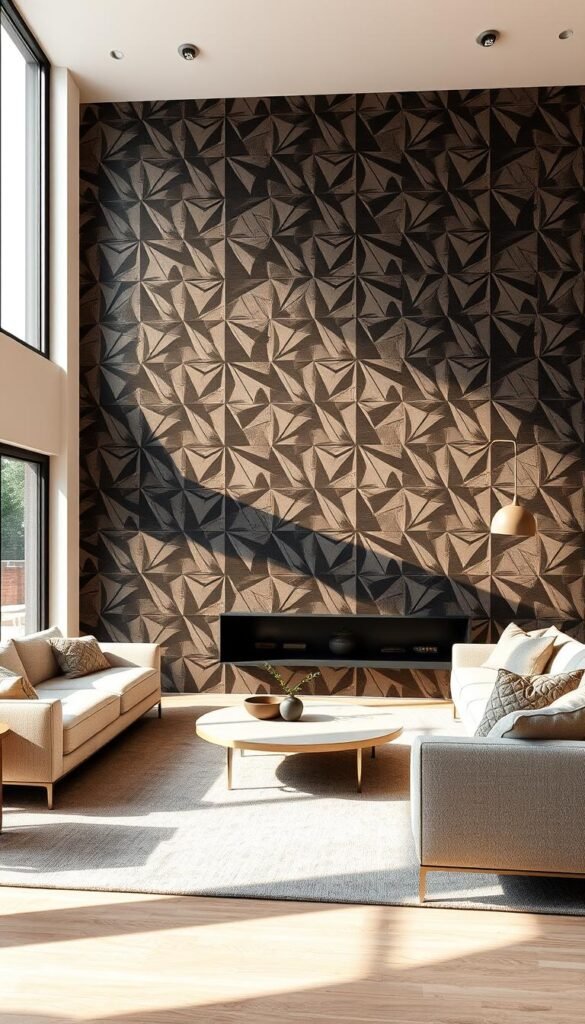
Patterns bring energy and personality to your environment. They transform plain areas into vibrant, engaging spaces. Strategic pattern use makes your home feel curated and complete.
Designer Alexandra Hayden demonstrated this beautifully. She transformed Marisa Tomei’s New York City apartment with bold choices. A maximalist sofa in Kuba textile created instant visual impact.
Dedar velvet floor cushions added luxurious texture. An amorphic floor lamp completed the artistic look. This approach shows how patterns can elevate your entire room.
Using textiles to create visual interest
Textiles offer the easiest way to experiment with patterns. Throw pillows, area rugs, and curtains introduce personality without permanent changes. They let you refresh your look seasonally.
Area rugs with geometric patterns define seating areas beautifully. They add visual appeal to your floor space while anchoring furniture arrangements. Textured fabrics like velvet or linen add depth even in solid colors.
These elements complement your patterned pieces perfectly. Always view patterns in your actual lighting before committing. Colors can appear dramatically different under various light conditions.
Balancing patterns with solid elements
Balance prevents patterns from overwhelming your space. Pair bold designs with neutral walls and solid-colored elements. This creates harmony while maintaining visual interest.
Consider scale when mixing different patterns. Combine large-scale designs with smaller prints for a harmonious look. Patterned accent chairs against simple walls make a striking statement.
When using bold wallpaper, keep other patterns minimal. Let the wall treatment be the star of your room. Patterns can make compact areas feel cozy and intentional rather than cramped.
Follow these pattern principles for best results:
- Start with one bold pattern as your focal point
- Use solid colors for approximately 60% of your space
- Mix patterns of different scales for visual harmony
- Incorporate textures to add depth without additional patterns
- Test patterns in your actual lighting before final decisions
Strategic pattern use creates optical effects that enhance your space. It draws attention to specific areas or creates the illusion of more room. Your color palette becomes more dynamic and engaging.
Remember that patterns work best when they tell a cohesive story. They should complement your overall style rather than compete with it. Thoughtful pattern placement makes your interior feel professionally designed.
3. Choose Curved Furniture for Softness
Curved pieces transform your environment with gentle lines and organic flow. They create a welcoming atmosphere that feels both sophisticated and comfortable. This approach works beautifully in compact areas where every detail matters.
Designer Nicole Hollis demonstrated this perfectly in a California desert retreat. She selected a curved Vladimir Kagan sofa with puff lounge chairs. This combination created an inviting space that felt both luxurious and relaxed.
Sarah Stacey achieved similar results in another project. She combined a curved sofa with nesting tables featuring rounded edges. A stone side table completed this welcoming corner arrangement.
Rounded sofas and chairs
Rounded seating encourages natural conversation among guests. These pieces face inward slightly, creating intimate social areas. They work perfectly for entertaining or quiet evenings at home.
Curved sofas often occupy less visual space than angular options. Their soft lines prevent your room from feeling boxy or rigid. You gain both style and function with these elegant choices.
Look for furniture with rounded edges in tight quarters. This practical feature prevents bumps and bruises. It also contributes to the overall aesthetic appeal of your interior.
Nesting tables with curved edges
Nesting tables provide flexible surface space when you need it. Their curved edges enhance safety and visual appeal. When not in use, they tuck away neatly to save floor area.
Circular coffee tables or ottomans improve traffic flow dramatically. People can move around seating areas without obstacles. This creates a more open and functional layout.
Always ensure curved pieces fit your space proportionally. They should complement your room without dominating it. The right scale maintains balance and harmony in your design.
Consider these benefits when selecting curved furniture:
- Creates softness and flow in compact areas
- Encourages natural conversation arrangements
- Saves visual space compared to angular options
- Enhances safety with rounded edges
- Improves traffic flow around seating areas
Curved furniture makes your space feel more organic and intentional. It transforms rigid layouts into comfortable, flowing environments. These pieces bring both beauty and practicality to your home.
4. Maximize Natural Light Exposure
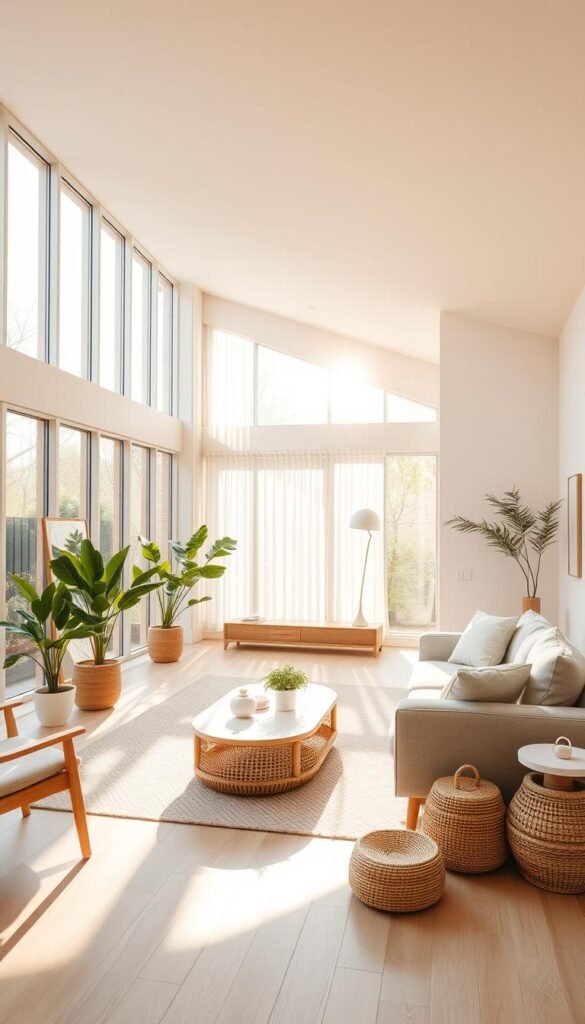
Natural light transforms your environment more than any other element. It creates an airy, open feeling that makes any area seem larger. Smart window treatments and strategic placement enhance this beautiful effect.
Designer Sam Sacks mastered this approach perfectly. He kept his color palette neutral while introducing various textures. This made a standout window become the true centerpiece of the room.
Making windows the focal point
Position your seating to take full advantage of natural illumination. Arrange furniture so windows become the natural gathering spot. This creates a bright, inviting atmosphere for daily living.
Sarah Stacey demonstrated another brilliant technique. She used tall curtains over windows with mural wallpaper. This combination draws attention upward while flooding the space with light.
Keep window areas clear of furniture and clutter. Allow light to spread freely throughout your interior. Light-colored walls and furnishings near windows enhance the brightness effect.
Strategic curtain placement
Choose window treatments that control light without blocking it. Sheer curtains or Roman shades provide privacy while maintaining illumination. Hannah Ozburn used sheer Roman shades beautifully in her projects.
Avoid heavy drapes that darken your space. Instead, use adjustable layers you can modify throughout the day. This gives you control over both light levels and privacy.
Consider your window’s direction when planning treatments. South-facing windows receive the most daylight throughout the year. North-facing windows offer softer, more consistent light.
Here’s how top designers maximize natural illumination:
| Designer | Technique | Result |
|---|---|---|
| Sam Sacks | Neutral palette with textured elements | Window becomes room’s centerpiece |
| Sarah Stacey | Tall curtains with mural wallpaper | Enhanced height perception and light diffusion |
| Hannah Ozburn | Sheer Roman shades | Privacy with maximum light filtration |
Place mirrors directly opposite windows whenever possible. They reflect light deeper into your space, effectively doubling natural illumination. This simple trick makes a dramatic difference.
Regular window cleaning ensures maximum light transmission. Clean glass allows more sunlight to enter your home. It’s a small maintenance task with big visual impact.
Your color choices near windows matter greatly. Light tones on walls and furnishings bounce illumination around the room. Darker colors absorb precious natural light.
These techniques work together to create a brighter, more spacious feeling environment. They maximize what nature provides freely every day.
5. Implement Space-Saving Sectionals
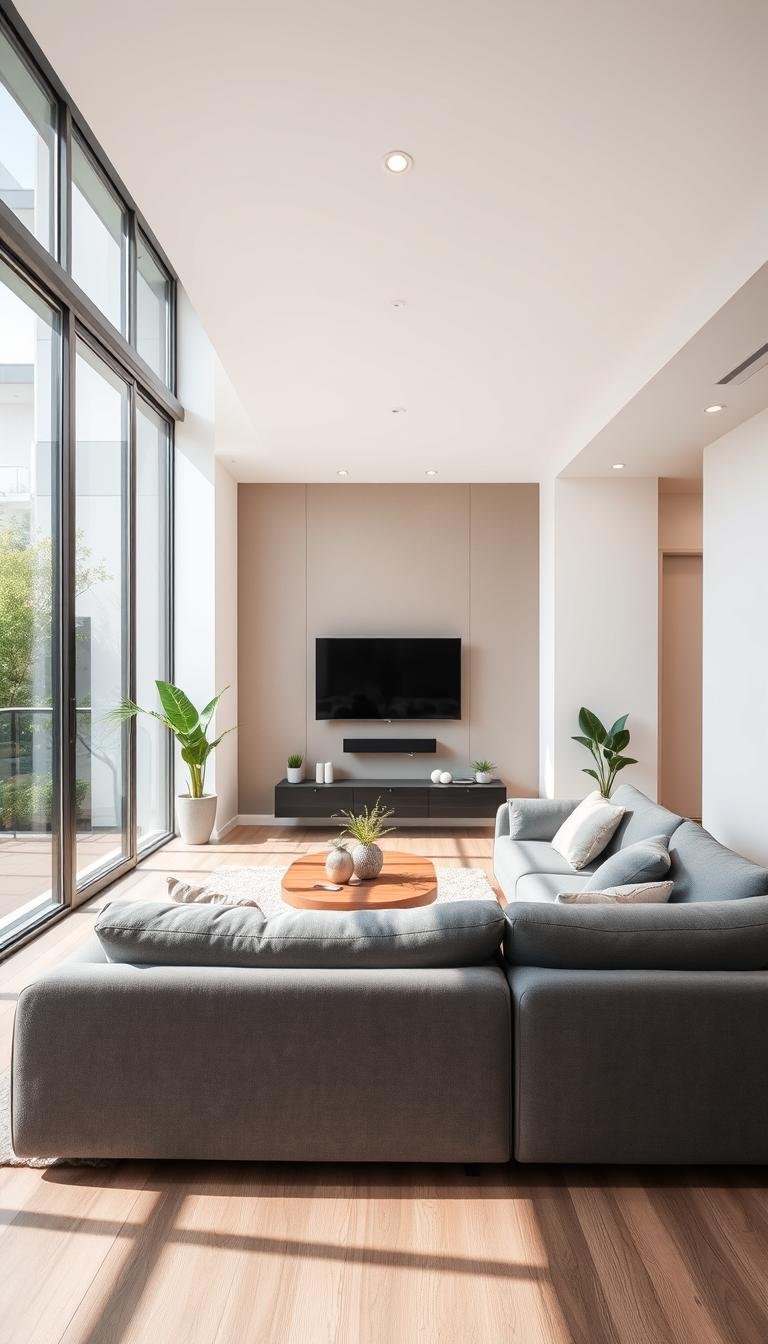
Your compact home deserves a seating solution that feels both generous and graceful. Sectional sofas deliver incredible functionality in one cohesive piece. They create a natural gathering spot for family and friends.
Designer Alexander Reid demonstrated this approach beautifully. He selected an oversize sectional that dominated the space functionally. Yet it never made the room feel cramped or overwhelmed.
Oversize sectionals for ample seating
Large sectionals provide maximum seating in a minimal footprint. They work perfectly for entertaining or cozy family nights. The right configuration makes your area feel intentional and complete.
Choose pieces with exposed legs rather than solid bases. This creates visual lightness and the illusion of more space. Light-colored upholstery can make substantial sectionals appear less massive.
Choosing the right scale for your space
Always measure your room carefully before selecting any large furniture. Leave at least 30 inches for walkways around the seating arrangement. This ensures comfortable movement throughout your interior.
Consider apartment-scale sectionals designed for smaller spaces. These pieces feature slightly reduced dimensions without sacrificing comfort. Proper sectional placement follows five golden rules for optimal flow.
L-shaped configurations often work best in corners. This frees up the rest of the room for other functions. Modular sectionals offer flexibility to reconfigure as needed.
Look for sectionals with built-in storage compartments. This adds extra functionality to your limited space. Hidden storage keeps blankets and pillows neatly organized.
Always test sectionals in person when possible. Proportions can be misleading in photographs. The right scale maintains balance and harmony in your design.
6. Add Dimension With Mural Wallpaper
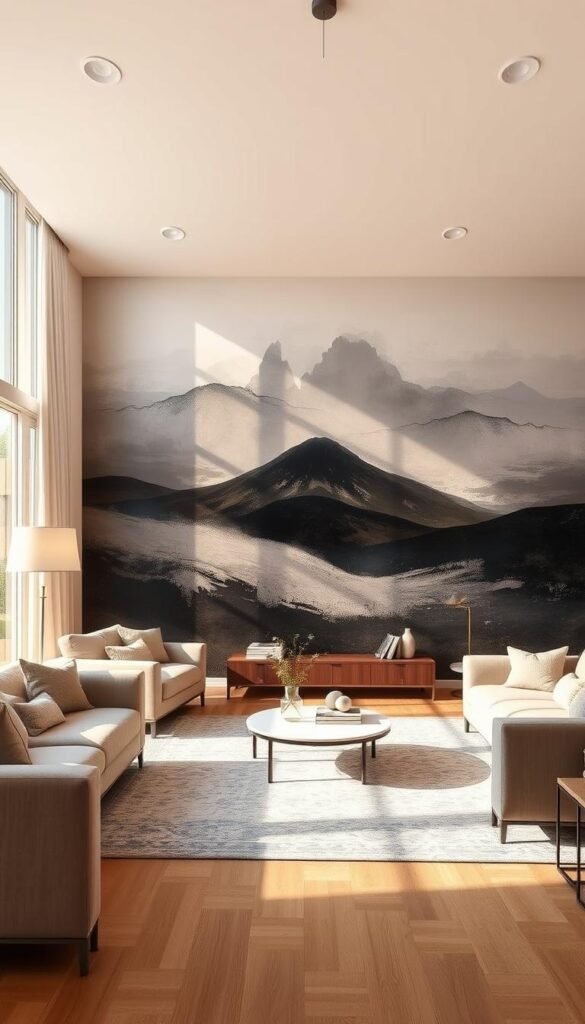
Your walls deserve more than just paint. Mural wallpaper transforms flat surfaces into captivating focal points. This approach creates instant architectural interest where none existed before.
Designer Sarah Stacey demonstrated this beautifully. She used crane motif wallpaper with tall curtains over windows. This combination created a charming dimensional effect that felt both artistic and spacious.
Cost-effective small space solutions
Small-scale murals offer big impact without big budgets. They cost less than covering entire large rooms. This makes them perfect for compact urban homes.
Consider removable options if you rent your place. These temporary solutions let you personalize without permanent changes. Many quality options now exist in the rental market.
Professional installation often yields the best results. Pattern matching at seams requires precision. The investment ensures your feature wall looks flawless.
Creating depth with wall treatments
Choose murals with perspective effects or receding patterns. These designs create the illusion of more depth in your room. They make walls appear to expand backward.
Grasscloth or textured wallpapers add dimension through tactile interest. The subtle surface variation catches light differently throughout the day. This creates constantly changing visual appeal.
Accent walls with bold patterns prevent overwhelming your entire space. They contain the drama to one strategic area. This maintains balance while adding personality.
Scale your pattern to your room’s proportions. Large patterns can work in small spaces when used strategically. The key lies in proper placement and complementary elements.
Coordinate your mural with other elements through color matching. Pull tones from the pattern into your furnishings and accessories. This creates a cohesive look throughout your interior.
Consider these approaches for maximum impact:
- Perspective patterns that create depth illusions
- Textured wallpapers for tactile dimension
- Accent walls to contain bold statements
- Color coordination throughout your palette
- Professional installation for perfect pattern matching
Your wall treatment becomes the editor of your space’s perception. It directs attention and creates visual movement. The right choice makes your environment feel thoughtfully designed.
7. Play With Bold Trim Colors
Painting trim in unexpected hues transforms ordinary details into design features. This approach lets you experiment with color without overwhelming your entire environment. Designer Alexander Reid demonstrated this technique beautifully in his projects.
Adding personality without overwhelming
Bold trim work adds character while maintaining balance. You create focal points without committing to full wall treatments. This works perfectly for rental homes where permanent changes aren’t possible.
Alexander Reid used vibrant paint on trim throughout a room. This brought energy without dominating the space. The result felt intentional and professionally designed.
Color framing techniques
Use trim color to create visual frames around architectural elements. Windows, doors, and built-ins become highlighted features. This drawing technique directs attention to your best assets.
Contrasting trim can create optical illusions that enhance proportions. Darker tones make ceilings appear higher. Lighter colors can make walls seem to recede.
Consider these professional techniques for your trim work:
- Paint baseboards and crown molding in coordinating bold colors
- Use monochromatic schemes with slightly darker or lighter tones
- Sample colors directly on trim pieces before final decisions
- Balance vibrant trim with neutral wall surfaces
- Prepare surfaces thoroughly and use painter’s tape for clean lines
Your trim color choices should complement your overall palette. They add definition and style to your interior environment. This approach creates cohesive character throughout your home.
8. Layer Textures for Visual Depth
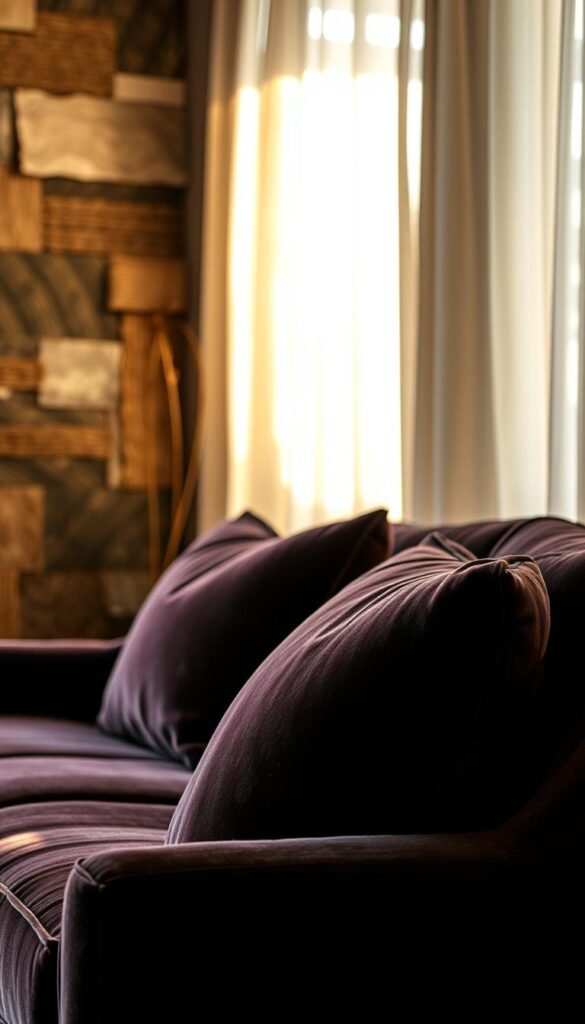
Texture creates richness in your environment without overwhelming it. It adds dimension where patterns might feel too busy. This approach works beautifully in compact areas.
Nicole Hollis mastered this technique in a desert retreat. She layered various textures to create sophistication and comfort. The result felt both minimal and inviting.
Mixing materials and fabrics
Combine different materials for maximum impact. Rough and smooth textures create exciting contrast. Try a nubby wool throw on a sleek leather sofa.
Natural materials bring organic warmth to your interior. Jute, wool, cotton, and wood add tactile appeal. These items feel inviting and grounded.
Consider all surfaces in your material mix. Wood grains, metal finishes, and fabric weaves contribute texture. Even glass elements add visual interest.
Textural contrast techniques
Balance matte and glossy surfaces throughout your room. This creates light reflection variations that add depth. Your space becomes more dynamic.
Use texture to define different zones without physical dividers. A plush rug can mark a seating area. Textured walls can highlight a focal point.
Raëd Abillama demonstrated texture’s transformative power. He used a Jan Kath wool and silk rug to soften an industrial space. The result felt both elegant and comfortable.
Follow these professional approaches for textural success:
| Designer | Technique | Result |
|---|---|---|
| Nicole Hollis | Layered textures in minimal retreat | Created sophistication and comfort |
| Raëd Abillama | Wool/silk rug in industrial space | Softened hard edges, added elegance |
Layer textiles through coordinated elements. Area rugs, throw pillows, and blankets work together. Window treatments complete the textural story.
Your color palette benefits from textural variety. Similar tones appear different across various materials. This creates visual movement in monochromatic spaces.
Texture acts as the silent editor of your room’s perception. It guides the eye and creates depth without pattern. The right balance makes your design feel intentional.
9. Utilize Vertical Storage Solutions
Your walls offer untapped potential for smart organization. Going vertical transforms how you use every inch of your home. This approach keeps your floor clear and creates visual height.
Designer Serena Dugan proved this concept beautifully. She hung bookshelves above windows to display paperback collections. This clever placement kept the area feeling open and uncluttered.
Rasheeda Gray demonstrated another brilliant technique. She wall-mounted her television to reclaim valuable floor space. This simple change allowed for a larger screen in her compact room.
Shelving above windows
Windows often have unused wall space above them. This area becomes perfect for shallow shelving units. You gain storage without sacrificing natural light.
Serena’s approach shows how to display collections elegantly. Books become decorative elements when arranged thoughtfully. The shelves create visual interest without overwhelming the space.
Choose materials that complement your window treatments. Lightweight shelves maintain an airy feeling. Always secure them properly to the wall studs.
Wall-mounted storage systems
Floating shelves create flexible display areas throughout your home. They keep essentials accessible but organized. Wall-mounted cabinets offer concealed storage for less attractive items.
Rasheeda’s TV mounting solution proves how effective this can be. Electronics no longer dominate your precious surface area. You gain both function and style with this approach.
Consider these professional vertical storage techniques:
| Storage Type | Best Use | Space Saved |
|---|---|---|
| Floating Shelves | Book displays, decor items | 100% floor space |
| Wall-mounted Cabinets | Media equipment, supplies | All surface area |
| Ceiling-mounted Racks | Plants, lighting fixtures | Complete floor clearance |
| Vertical Organizers | Kitchen tools, office supplies | 90% counter space |
Place frequently used items at comfortable eye level. Decorative pieces can occupy higher spaces. This creates both function and visual appeal.
Use uniform containers on open shelves for neat organization. Matching baskets or boxes reduce visual clutter. Your storage becomes part of your design aesthetic.
Always ensure heavy items get proper support. Wall anchors and stud finders are essential tools. Safety comes first in any storage solution.
Vertical thinking transforms how you experience your interior. You gain both practical organization and visual appeal. Your home feels more spacious and intentionally designed.
10. Implement Clever Color Palettes

Your color choices dramatically affect how your area feels and functions. The right palette can make compact quarters feel expansive and inviting. Smart color strategies transform ordinary rooms into extraordinary spaces.
Designer Amber Lewis demonstrated this beautifully in a television area. She chose dark sage green for the walls in a cozy setting. This proved that deep tones can create warmth rather than crowding.
Neutral bases with accent colors
Start with a neutral foundation for your main surfaces. Light walls and floors make your area feel larger and brighter. This approach provides flexibility for introducing bold accents.
Follow the 60-30-10 rule for balanced color distribution. Use 60% for your dominant neutral shade. Reserve 30% for a secondary color and 10% for vibrant accents.
This formula creates visual harmony without overwhelming your senses. Your space maintains cohesion while expressing personal style.
Color experimentation in small doses
Test new colors through easily changeable elements. Throw pillows, artwork, and area rugs let you experiment safely. A single accent wall offers dramatic impact without full commitment.
Remember that paint remains one of the most affordable updates. You can refresh your look seasonally without major investment. This freedom encourages creative expression.
Consider these professional color techniques for your home:
| Color Strategy | Best Application | Visual Effect |
|---|---|---|
| Monochromatic Scheme | Various tones of one color | Creates cohesion and spaciousness |
| Cool Color Palette | Blues, greens, purples | Makes walls appear to recede |
| Warm Color Accents | Reds, oranges, yellows | Adds energy and advances visually |
| Color Zoning | Open-plan areas | Defines spaces without physical dividers |
Always sample colors on your actual walls before deciding. Observe how natural light changes them throughout the day. North-facing rooms often benefit from warmer tones, while south-facing spaces handle cooler shades well.
Color experimentation in compact areas delivers huge design rewards with minimal risk.
Your color palette acts as the silent editor of your room’s perception. It guides the eye and creates emotional responses. The right choices make your interior feel intentionally designed.
Cool tones like blues and greens tend to recede visually. This makes walls appear farther away than they actually are. Warm colors like reds and oranges advance toward the viewer.
Use color to define different functional zones in open layouts. A different shade on one wall can mark a dining area. This creates visual separation without physical barriers.
Monochromatic schemes using varying tones create sophisticated harmony. Different values of the same color add depth without contrast. This approach makes your space feel larger and more unified.
Remember that dark colors can feel incredibly cozy when used strategically. Amber Lewis’s sage green television area proves this concept beautifully. The right dark tone adds sophistication and warmth.
Your color decisions should complement your natural lighting conditions. Test samples at different times to see how they transform. This ensures you’ll love your choices around the clock.
11. Choose Multi-Functional Furniture
Smart furniture choices make your compact environment work harder for you. Pieces that serve multiple purposes maximize every square foot. They combine style with practical functionality.
Liz Dutton proved this concept beautifully in her own home. She stored books under a low coffee table. Small side tables held drinks to prevent overcrowding.
Pieces that serve multiple purposes
Convertible items adapt to your changing needs throughout the day. A daybed functions as both seating and guest sleeping space. Wall-mounted tables fold down when you need extra surface area.
Nesting tables separate for entertaining then stack compactly. Adjustable height pieces accommodate different activities. Your furniture should work as hard as you do.
Always measure pieces in all configurations before purchasing. Ensure they fit properly in your available area. Quality construction matters for items that transform regularly.
Storage-integrated seating
Ottomans with hidden compartments offer extra seating and organization. Sofa beds provide sleeping space while maintaining daily comfort. These dual-purpose solutions reduce the number of pieces needed.
Look for benches with lift-up tops for blanket storage. Coffee tables with drawers keep remote controls organized. Your seating becomes part of your storage system.
Consider these smart multi-functional options:
- Storage ottomans that double as extra seating
- Sofa beds for overnight guests
- Nesting tables for flexible surface space
- Wall-mounted drop-leaf tables
- Convertible daybeds
Multi-functional furniture should remain comfortable and attractive. It serves practical needs without sacrificing style. Your home gains both beauty and efficiency.
12. Focus on Human-Centric Layouts
Your furniture arrangement should bring people together. Human-centric layouts prioritize connection over entertainment. They transform your environment into a welcoming gathering spot.
Designer Amanda Jacobs proved this beautifully. She turned chairs toward the sofa for comfortable family conversations. This simple change shifted focus from television viewing to personal interaction.
Arranging seating for conversation
Face seating pieces toward each other to encourage talking. Chairs angled toward sofas create natural conversation circles. This setup works for both small groups and larger gatherings.
Allow 3-4 feet between seats for comfortable talking distance. This prevents shouting across the room. Everyone can participate without straining their voice.
Test sightlines by sitting in different spots. Ensure people can see each other easily. Adjust furniture positions until conversations flow naturally.
Creating intimate gathering spaces
Define conversation areas with area rugs. These visual boundaries make spaces feel cozy and intentional. They work especially well in open-plan homes.
Float furniture away from walls when possible. This creates more intimate seating arrangements. It also improves traffic flow around your grouping.
Include small tables near every seat. People appreciate having places for drinks and books. This practical touch enhances comfort during long talks.
Lighting supports your conversational atmosphere. Use ambient lighting for general illumination. Add task lighting for reading or other activities.
Consider these professional techniques for your layout:
| Layout Element | Purpose | Optimal Distance |
|---|---|---|
| Seating Arrangement | Face-to-face conversation | 3-4 feet between pieces |
| Area Rugs | Define conversation zones | Large enough to anchor all furniture |
| Side Tables | Convenience during gatherings | Within arm’s reach of each seat |
| Lighting Plan | Support various activities | Layered ambient and task lighting |
Your interior becomes more inviting with these adjustments. People feel comfortable staying longer and talking more. The editor of your space’s mood becomes human connection itself.
Remember that furniture placement affects how you use your home. A good layout encourages the interactions you value most. Your design should support your lifestyle perfectly.
13. Invest in Quality, Space-Appropriate Pieces
Smart investments transform how your environment feels and functions. Choosing the right pieces makes your area feel intentional rather than compromised. Quality selections become the foundation of your daily comfort.
Designer Ashley Gilbreath understood this perfectly. She selected furniture that would age gracefully in a sun-drenched setting. Her choices made the area feel like a crown jewel rather than an afterthought.
Furniture that ages gracefully
Well-made pieces develop character over time. They often look better with years of use. This makes them worth the investment even in compact areas.
Timeless designs remain relevant through changing trends. They protect your financial commitment. Quality materials wear beautifully and can often be refurbished.
Consider heirloom-quality items that move with you. These pieces adapt to different homes throughout your life. They become part of your personal story.
Proportional investing for small spaces
Allocate your budget to pieces with the most impact. Focus on items you use daily like sofas and chairs. Save on occasional pieces that see less use.
Well-made furniture typically has better proportions. It scales appropriately for smaller rooms. This creates harmony in your interior environment.
Research brands known for apartment-scale collections. These specialists understand proportions for limited areas. Their designs maximize both style and function.
Follow these professional approaches for smart investing:
- Choose timeless designs that remain relevant longer
- Focus investment on daily-use pieces like your main seating
- Select quality materials that wear well over time
- Research brands specializing in proportional furniture
- Follow manufacturer maintenance recommendations
Proper care extends your furniture’s life significantly. Regular cleaning and protection maintain its beauty. Your investment continues serving you beautifully for years.
Quality pieces become the backbone of your home’s character. They create a sense of permanence and care. Your space feels curated rather than temporary.
14. Embrace Minimalist Design Principles
Simplicity creates a powerful impact in compact environments. Less visual noise means more mental clarity and physical comfort. Your home becomes a peaceful retreat from the busy world outside.
Designer Brian Paquette mastered this approach beautifully. He created a Nordic-style living area that felt warm and inviting. The space avoided any sterile feeling despite its clean lines.
New York apartments often benefit from this philosophy. All-white schemes with textured fabrics create airiness without clutter. The result feels both sophisticated and completely livable.
Less clutter, more breathing room
Edit your possessions regularly with a critical eye. Keep only what you truly love or use daily. This practice maintains clutter-free spaces that feel intentional.
Negative space becomes a design element itself. Allow empty areas to create rhythm and balance. Your room gains visual breathing room that makes it feel larger.
Storage should be part of your overall strategy. Everything needs a designated place to be put away. This maintains the clean aesthetic you want to achieve.
Strategic decorative choices
Choose decorative items with purpose and meaning. Each piece should bring genuine joy or serve a function. This intentional approach creates a curated look.
Multi-functional pieces support minimalist living beautifully. They reduce the number of items needed in your space. Your furniture works harder while maintaining clean lines.
Quality always beats quantity in this style. Fewer but better pieces create more impact. Your investment in quality shows in every detail.
Incorporate warmth through thoughtful material choices. Natural textures and subtle colors prevent coldness. Your palette should feel inviting while maintaining simplicity.
Minimalism creates visual breathing room that makes small spaces feel larger and more serene.
Your interior benefits from this edited approach. It feels more spacious and completely intentional. The style reflects a mindful way of living.
Remember that minimalism doesn’t mean empty. It means every element has purpose and meaning. Your space becomes a true reflection of your values.
15. Utilize Open and Low-Profile Furniture
Your compact environment gains a sense of airiness with furniture that doesn’t dominate visually. Open designs maintain sightlines and create better flow throughout your area. This approach makes your home feel more expansive and thoughtfully arranged.
Lichelle Silvestry demonstrated this beautifully in a Parisian apartment. She selected a daybed-style piece that preserved sightlines across the room. This maintained an open, connected feeling throughout the interior.
Devin Kirk showed another smart approach with his marbled sectional. He balanced proportions using a low wooden stool. This complementary piece enhanced rather than competed with the main seating.
Daybed-style seating options
Daybeds offer versatile function in your compact room. They serve as both comfortable seating and extra sleeping space. Their lower profile maintains clear sightlines across your area.
Choose pieces with visible legs rather than solid bases. This creates visual continuity with your floor space. The effect makes your room feel larger and more open.
Test the height for easy entry and exit. Comfort matters just as much as visual appeal. Your furniture should work beautifully in daily use.
Low accent tables and stools
Low-profile tables provide surface space without visual bulk. They serve multiple functions while maintaining an airy feeling. Stools can double as impromptu seating when needed.
Clear acrylic or glass options seem to disappear visually. They offer function without dominating your space. These pieces work especially well in very compact areas.
Scale low furniture to your ceiling height properly. Very low pieces suit standard ceiling dimensions best. Multiple small items often outperform one large piece.
Consider these professional techniques for your selection:
- Open-base designs with visible floor space underneath
- Furniture with legs rather than solid bases for airiness
- Clear materials that provide function without visual weight
- Proper scaling to your room’s proportions and ceiling height
- Comfort testing for easy use in daily living
Your furniture choices should enhance rather than overwhelm. They create visual continuity that expands your perception of space. The right pieces make your interior feel intentionally designed.
16. Your Blueprint for Spacious Living
You now have a complete toolkit of smart strategies for your compact home. These proven ideas help create beautiful, functional environments. Remember that successful small space design combines multiple approaches.
Start with changes that will have the most impact on your specific area. Take before measurements and photos to track your transformation. Always consider your lifestyle needs first – your design should support how you actually live.
Mix and match techniques to create a personalized approach. Don’t be afraid to experiment with elements like paint and accessories. Quality often outweighs quantity – invest in key pieces that serve you well.
Your newly spacious environment will become your favorite place to relax and entertain. For more inspiration, explore these living room layout ideas that work beautifully in compact homes.