Does your living room feel cluttered and overwhelming? You can create a peaceful space that still shows your unique personality.
This approach to interior design focuses on quality over quantity. It creates a light, inviting atmosphere perfect for relaxation.
Reducing clutter in your home can significantly lower stress. Your gathering area becomes a true sanctuary for unwinding.
We’ll explore practical ideas to transform your space. These simple ways maintain style while promoting calm.
This isn’t about sterile, empty rooms. It’s about intentional choices that reflect who you are.
Get ready to discover how to achieve a serene and functional environment. Let’s begin your journey toward a more peaceful home.
What Is Minimalist Living Room Design?
Contrary to popular belief, minimalist interior design isn’t about creating sterile, empty spaces. This approach celebrates thoughtful selection and purposeful arrangement. It transforms your gathering area into a serene retreat that reflects your unique personality.
More Than Just an All-White Space
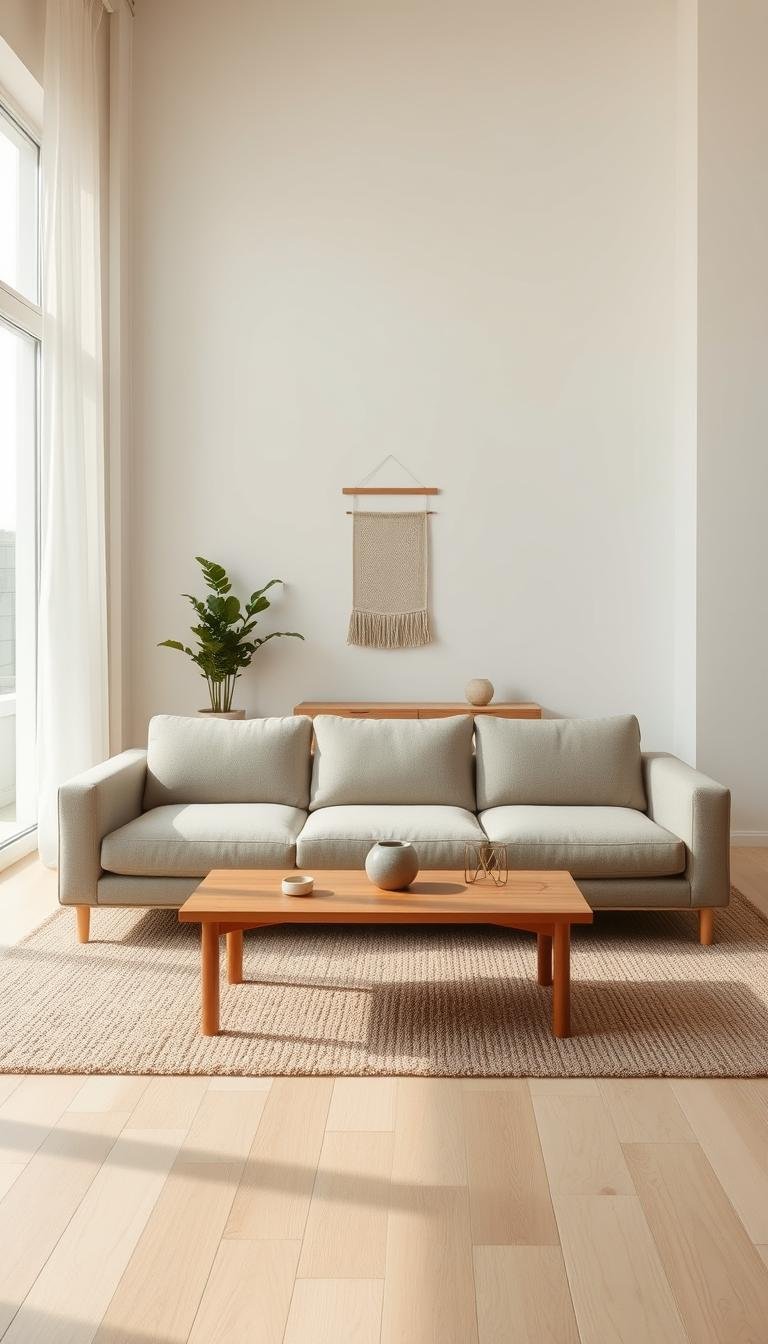
Many assume this style means only white walls and bare surfaces. Actually, it incorporates modern furniture within open layouts. The look emphasizes clean lines and simple shapes throughout the space.
You can introduce subtle colors and natural textures for visual interest. These elements add warmth without creating visual clutter. The result is an inviting atmosphere that feels both contemporary and comfortable.
The Core Principle: Quality Over Quantity
This philosophy centers on choosing fewer but better items. Each piece should serve a clear function or bring genuine joy. You select furniture and decor that truly enhance your daily life.
Instead of filling the area with many small things, focus on meaningful pieces. This intentional approach creates a more harmonious environment. Your room becomes a reflection of careful curation rather than accumulation.
How a Minimalist Space Benefits Your Well-Being
Research shows that less clutter leads to better mental clarity. A simplified environment reduces stress and enhances overall well-being. Your living area becomes a true sanctuary for relaxation.
This design creates a light, airy atmosphere perfect for unwinding. It makes your home a perfect place for gathering with intentionality. The space supports both your aesthetic preferences and mental health.
Understanding these basics helps you apply the practical tips coming next. You’ll discover how to create a purposeful and tranquil environment. This approach goes beyond aesthetics to improve your quality of life.
Start with a Decluttering Session
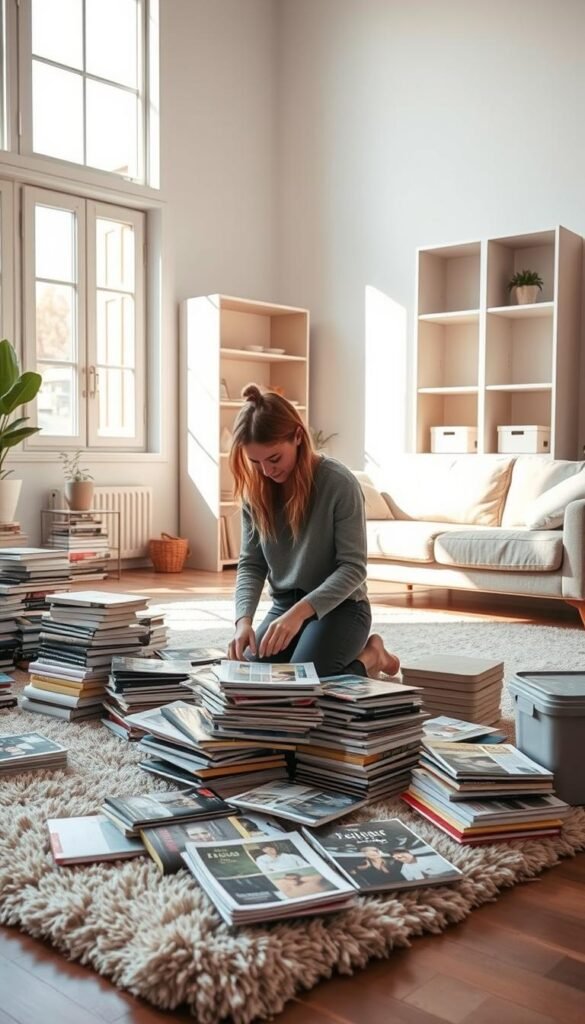
Ready to transform your space? The first step is often the most powerful. A thorough decluttering session creates the foundation for your new environment.
This process helps you see what truly matters in your home. You’ll discover which pieces deserve to stay and which can find new homes.
Taking your time with this step ensures lasting results. You’re not just cleaning – you’re creating intentional living spaces.
Assessing What Truly Belongs in Your Space
Begin by looking at each item in your room. Ask yourself when you last used this piece. Consider its actual function in your daily life.
Some things might belong in other areas of your home. Cookbooks often work better in the kitchen. Seasonal items can go into storage until needed.
This assessment helps you see your space with fresh eyes. You’ll notice opportunities for better flow and organization.
The “Joy” and “Purpose” Test
This simple method helps you make clear decisions. Hold each item and ask two questions: Does this bring me joy? Does it serve a practical purpose?
If you answer no to both, it might be time to let go. Items that spark happiness or have clear use deserve to stay.
This test removes emotional guilt from decluttering. You create space for what truly enhances your life.
Practical Decluttering Steps for Your Living Room
Start with small, manageable tasks to build momentum. Bookshelves make an excellent beginning point. Sort reading materials into three piles:
- Keep (books you love or reference regularly)
- Donate (good condition books others might enjoy)
- Relocate (items that belong in other rooms)
After books, move to other surfaces and storage areas. Be honest about what you actually use versus what just collects dust.
Smart storage solutions maintain your progress. A single tall bookcase holds essentials while keeping them organized. Woven baskets corral current reads and remote controls.
| Category | Keep Criteria | Storage Solution |
|---|---|---|
| Books & Media | Read regularly or bring joy | Single bookcase with baskets |
| Decorative Items | Meaningful or beautiful | One curated shelf display |
| Everyday Items | Used weekly or more | Hidden storage with easy access |
| Sentimental Pieces | True emotional value | Limited display space |
This process might feel challenging at first. Remember that you’re creating a peaceful environment. The result is worth the effort – a calm space that supports your well-being.
Your living area becomes more functional and beautiful. You’ll enjoy spending time in this refreshed space. This foundation sets the stage for all other design decisions.
Establish a Soothing Neutral Color Palette
Colors set the mood for your entire gathering space. Choosing the right palette creates harmony and calm throughout your home.
Neutral tones form the perfect foundation for your interior. They create a peaceful backdrop that never overwhelms the senses.
Why Neutrals Create a Calming Atmosphere
Soft colors naturally relax your mind and body. They reduce visual noise that can cause stress in your living area.
Research shows that muted tones lower heart rates. They help create a sanctuary where you can truly unwind.
These shades make your space feel larger and more open. Light reflects beautifully off neutral walls and surfaces.
Choosing Your Foundation Colors: Whites, Beiges, and Grays
Start with a base of warm whites or soft grays. These colors work beautifully on walls and larger furniture pieces.
Consider these foundation shades for your space:
- Warm whites – Creamy tones that add coziness without yellow undertones
- Soft beiges – Earthy hues that bring natural warmth to your room
- Light grays – Cool tones that create a modern, airy feeling
Test paint samples in different lighting conditions. Colors change throughout the day with natural and artificial light.
How to Add Subtle Color Without Overwhelm
Introduce personality through carefully chosen accent pieces. A soft pink armchair adds charm without dominating the space.
Earth tones work beautifully with neutral foundations. Think sage green pillows or terracotta pottery pieces.
Artwork provides another excellent way to add color. Choose one or two meaningful pieces that complement your palette.
Remember that texture adds visual interest too. A chunky knit throw or woven rug introduces depth without color.
This approach lets you mix and match items easily. You won’t need constant redecorating as your tastes evolve.
Your color choices should support relaxation and peace. A well-planned palette creates a truly serene environment.
This foundation sets the stage for all other design elements. You’ll love how cohesive and intentional your space feels.
Select Furniture for Function and Flow
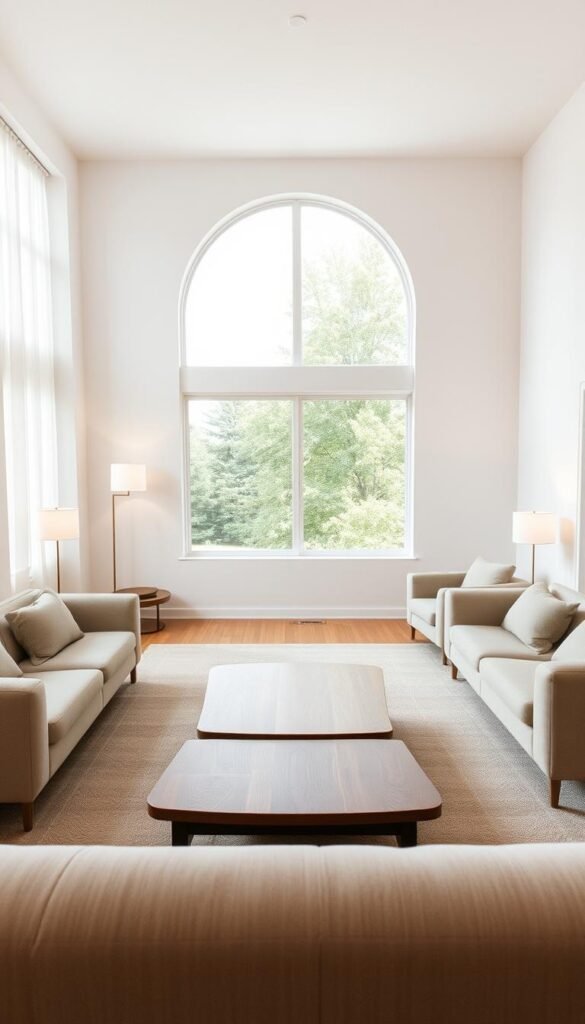
Your furniture choices make a huge difference in how your space feels. The right pieces create harmony and movement throughout your area.
Think about how you actually use your gathering space. Each item should serve a clear purpose while enhancing your daily life.
Choosing Multi-Functional Pieces
Smart furniture does double duty in your home. A sofa with hidden compartments keeps blankets organized. A coffee table might lift to become a dining surface.
These clever items reduce visual clutter beautifully. They provide extra storage without adding bulk to your room.
Consider these multi-purpose ideas:
- Ottomans with interior space for remotes
- Nesting tables that tuck away when not needed
- Bookshelves that also work as room dividers
Each piece earns its place through multiple functions. This approach maximizes your available space wonderfully.
Opting for Sleek, Low-Profile Seating
Low furniture creates an airy, open feeling in your room. Choose sofas and chairs with clean lines and slender legs.
This look allows light to flow underneath each piece. Your space feels larger and more inviting immediately.
Avoid overstuffed, bulky items that dominate the area. Instead, select seating that complements your room’s proportions.
These choices maintain an uncluttered aesthetic perfectly. They contribute to the overall peaceful atmosphere.
The Power of Floating Your Furniture
Pulling furniture away from walls changes everything. This technique creates better flow and conversation areas.
Position your sofa to face a beautiful fireplace or window. Use a rug to anchor the arrangement cohesively.
Consider traffic patterns and focal points when arranging. Leave enough space for comfortable movement around each piece.
A floating wood bench near the fireplace adds both style and function. It provides extra seating without permanent attachment.
| Furniture Type | Functional Benefit | Flow Enhancement |
|---|---|---|
| Storage Sofa | Hides extra blankets and pillows | Clears floor space for better movement |
| Low-Profile Chair | Provides comfortable seating | Maintains sight lines across the room |
| Floating Bench | Offers flexible seating options | Creates open pathways around walls |
| Multi-Level Table | Serves multiple surface needs | Allows furniture grouping without crowding |
Quality pieces that transcend trends bring lasting satisfaction. You’ll enjoy their beauty and function for years.
This intentional approach to furniture selection supports simplicity. Your space becomes both practical and peaceful.
Incorporate Smart and Stylish Storage Solutions
Smart storage transforms how your space feels and functions. It keeps essentials accessible while maintaining visual calm throughout your home.
The right solutions blend seamlessly with your overall design. They provide practical benefits without compromising aesthetics.
Concealed Storage to Hide Everyday Clutter
Hidden compartments keep daily items organized but out of sight. Think ottomans with interior space or coffee tables with drawers.
These pieces maintain clean surfaces throughout your room. They prevent visual distraction while serving important functions.
Electronic gadgets and remote controls disappear into clever compartments. Kids’ toys tuck away neatly when not in use.
Using Built-Ins for a Streamlined Look
Custom built-ins offer maximum storage with minimal footprint. They create a cohesive look that feels intentional and polished.
Wall-to-wall units provide ample space for books and media. They keep your collection organized without dominating the room.
Built-in shelving displays a few carefully chosen decor items. This approach avoids overcrowding while adding personal touches.
Stylish Baskets as Functional Decor
Woven baskets serve dual purposes beautifully. They corral items like blankets and magazines while adding texture.
Choose natural materials that complement your interior style. Jute, seagrass, and canvas work well in various designs.
These containers keep frequently used things accessible. They maintain order without looking like traditional storage solutions.
Consider these storage ideas for different needs:
- Floating shelves for displaying meaningful pieces
- Multi-functional furniture with hidden compartments
- Baskets and bins that match your color palette
| Storage Type | Best For | Visual Impact |
|---|---|---|
| Concealed Units | Everyday items and electronics | Maintains clean surfaces and lines |
| Built-In Shelving | Books, media, and display items | Creates custom, integrated appearance |
| Decorative Baskets | Blankets, remotes, and magazines | Adds texture and natural elements |
| Multi-Function Furniture | Maximizing small spaces | Reduces need for additional pieces |
Effective storage supports your peaceful environment. It reduces visual stimulation and makes maintenance easier.
Your space stays organized with minimal daily effort. This approach aligns perfectly with intentional living.
Well-planned storage solutions enhance both function and style. They help create the serene atmosphere you desire.
Embrace Natural Light and Airiness
Light transforms how your gathering area feels throughout the day. It creates an uplifting atmosphere that enhances your daily experience. This approach makes your home feel more open and connected to nature.
Strategic lighting choices support the overall aesthetic beautifully. They contribute to that calm environment you want to create.
Maximizing Light from Windows
Position your main seating to face the brightest windows. This simple change lets you enjoy sunlight throughout the day. It also creates a brighter, more inviting atmosphere.
Keep window areas clear of bulky furniture or tall plants. These items can block precious light from entering your space. Instead, use low-profile pieces that allow light to flow freely.
Clean windows regularly to maximize light penetration. Even slight grime can reduce brightness significantly. This maintenance makes a noticeable difference in your room’s ambiance.
Choosing Simple Window Treatments
Sheer curtains offer the perfect balance of privacy and light. They filter sunlight gently while maintaining your connection to outdoors. These treatments create a soft, diffused glow throughout your area.
Consider these simple window treatment ideas:
- Roller blinds – Adjust easily for perfect light control
- Sheer panels – Provide privacy without darkness
- Minimalist shades – Clean lines that complement your style
Avoid heavy drapes that block natural illumination. They make spaces feel smaller and more enclosed. Light, airy treatments support the open feel you want.
How Light Creates a Sense of Openness
Natural illumination makes any area appear larger and more spacious. It reflects off walls and surfaces, enhancing the airy quality. This effect contributes significantly to that peaceful atmosphere.
Sunlight creates beautiful patterns that change throughout the day. These natural movements add interest without requiring additional decor. Your space feels alive and connected to the outside world.
Maximizing natural sources reduces your need for artificial lighting. This approach supports a calmer, more natural environment. It also helps lower energy usage in your home.
Light serves as a key design element in this aesthetic. It enhances colors and textures throughout your interior. The right illumination makes everything look more intentional and polished.
Embrace sunlight as your primary source of brightness. Your gathering space will feel more tranquil and inviting. This approach aligns perfectly with creating a serene environment.
Add Warmth and Personality Through Texture
Texture creates depth and character in your gathering area. It adds visual interest while maintaining a clean aesthetic. This approach brings comfort and earthiness to your interior.
Natural materials work beautifully in this design style. They introduce warmth without overwhelming your space. You can express your unique taste through thoughtful combinations.
Mixing Materials: Wood, Leather, Jute, and Linen
Combine different elements for a rich, layered effect. Wood brings organic warmth to your furniture and accents. Leather adds sophistication and develops a beautiful patina over time.
Natural fibers like jute and linen introduce wonderful texture. These materials create an inviting, earthy quality throughout your home. They work well with neutral color schemes.
Consider these material combinations:
- A linen sofa paired with a leather ottoman
- Wood side tables with jute basket storage
- Mixed material lighting fixtures with natural elements
Each piece contributes to the overall harmony of your space. They create visual interest without adding clutter.
Using Textiles Like Rugs and Throws for Comfort
Soft fabrics make your area more comfortable and inviting. A textured rug anchors the space while adding warmth underfoot. Throws provide both physical comfort and visual appeal.
Choose textiles that serve multiple purposes in your design. They should enhance comfort while contributing to the overall look. Luxurious fabrics can replace the need for excessive decorative items.
Focus on quality over quantity when selecting textiles. One beautiful throw often works better than several average ones. This approach maintains simplicity while adding personality.
Layers That Add Interest, Not Clutter
Strategic layering creates depth without visual noise. Start with a neutral foundation of walls and large furniture. Add texture through carefully chosen accent pieces.
Patterned pillows can introduce visual interest when used sparingly. They provide pops of texture without dominating the space. Remember that each layer should serve a clear purpose.
Balance is key when working with multiple textures. Too many competing elements can create visual chaos. Too few might make the space feel sterile or incomplete.
| Texture Type | Best Application | Visual Effect |
|---|---|---|
| Natural Wood | Furniture legs and accents | Adds organic warmth and character |
| Woven Textiles | Rugs and basket storage | Creates earthy, tactile appeal |
| Soft Fabrics | Throws and pillow covers | Provides comfort and coziness |
| Smooth Leather | Accent chairs and ottomans | Adds sophistication and durability |
Texture prevents your space from feeling cold or impersonal. It allows you to infuse character while maintaining simplicity. This approach supports both aesthetic appeal and daily comfort.
Your home becomes a true reflection of your personal style. It feels both intentional and inviting. Texture ultimately contributes to that peaceful environment you want to create.
Bring the Outside In with Intentional Greenery
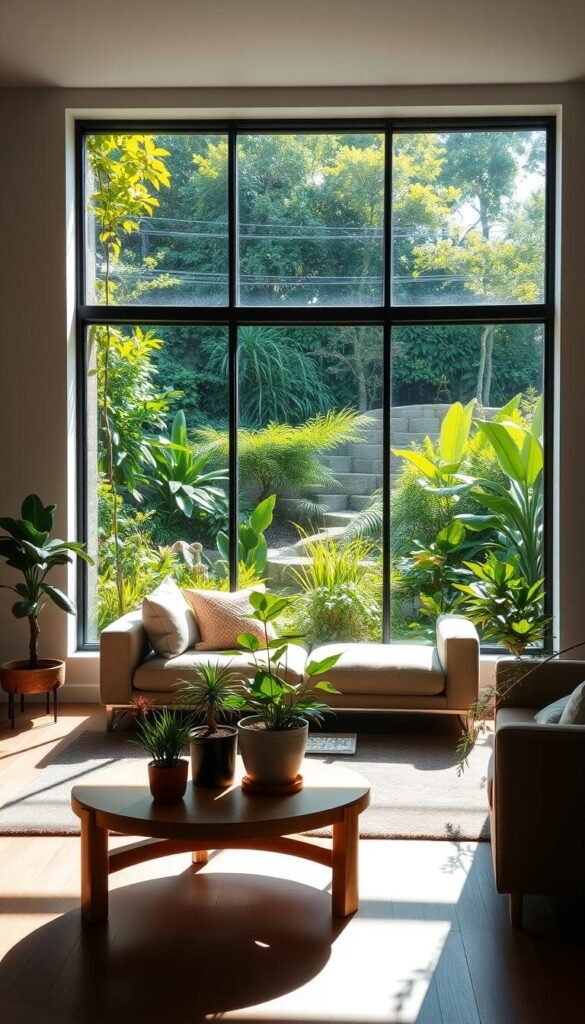
Plants create a natural connection between your interior and the outdoors. They add life and vitality to your gathering space without overwhelming it. This approach brings organic beauty into your home environment.
Greenery introduces subtle color and interesting texture. It enhances your well-being while supporting a calm atmosphere. Plants become living decor that grows more beautiful over time.
Choosing Low-Maintenance Indoor Plants
Select varieties that fit your lifestyle and care routine. Snake plants thrive with minimal attention and low light conditions. Succulents require very little water and come in many shapes.
These hardy options survive occasional forgetfulness. They keep your space looking fresh with minimal effort. You can enjoy their benefits without constant maintenance.
Consider these easy-care plants for your home:
- Snake plants – Tolerate low light and irregular watering
- ZZ plants – Thrive in various light conditions with minimal care
- Pothos – Grow quickly in hanging baskets or on shelves
Choose plants that match your available light and time. This ensures they remain healthy and beautiful. Your greenery becomes a joy rather than a chore.
Using Plants as Sculptural Decor Elements
Treat plants as living sculptures that enhance your design. A tall cactus adds dramatic height and interesting shape. Its striking silhouette becomes a focal point in any corner.
Group smaller plants together for greater visual impact. Vary heights and textures for a curated look. Each plant contributes to the overall composition.
According to Better Homes & Gardens, plants add organic elements to monochromatic spaces. They recommend using large branches for seasonal color that can easily be swapped. This approach keeps your decor fresh without permanent changes.
Plants serve both aesthetic and functional purposes beautifully. They purify air while adding natural beauty. Your space feels more alive and intentional.
Where to Place Greenery for Maximum Impact
Position plants to enhance your room’s flow and focal points. Empty corners benefit from tall, statement plants. They fill vertical space without adding clutter.
Coffee tables welcome small potted plants or succulents. These living accents complement books and other decorative items. They create visual interest at eye level.
Consider these strategic placement ideas:
- Float a plant near seating areas to soften hard edges
- Group several plants near windows for optimal growth
- Use hanging plants to draw the eye upward in small spaces
Rotate plants seasonally to maintain fresh energy. Swap flowering varieties for evergreen types as seasons change. This keeps your space vibrant year-round.
Intentional placement ensures each plant contributes to your overall design. They enhance rather than overwhelm your carefully curated space. Your home feels both alive and perfectly balanced.
Greenery brings natural calm and beauty into your environment. It supports your well-being while maintaining aesthetic harmony. Plants ultimately help create that peaceful sanctuary you desire.
Curate Your Decor with a Careful Eye
Every object in your space deserves thoughtful consideration. The final layer of your design journey involves making intentional choices about what stays visible. This process transforms your area from simply organized to truly harmonious.
The Art of Editing Surfaces and Shelves
Clear surfaces create visual breathing room in your home. Start by removing everything from shelves and tabletops. Then carefully consider each item before returning it to its place.
Ask yourself if each piece serves a clear purpose or brings genuine joy. If not, it might belong in storage or another room. This editing process maintains that calm atmosphere you’ve worked so hard to create.
Grouping just a few special items together creates impact. It lets your eyes rest between meaningful moments. Your favorite pieces get the attention they deserve.
Choosing a Few Large-Scale Pieces Over Many Small Ones
One substantial artwork often makes more impact than several small frames. Large-scale pieces create intentional focal points throughout your space. They command attention without creating visual noise.
This approach reduces the feeling of clutter significantly. Your eyes can appreciate each element individually. The overall look feels more curated and purposeful.
Consider replacing multiple small decor items with one beautiful statement piece. A single large vase might work better than several small trinkets. This creates breathing room while maintaining personality.
Making Functional Items Part of the Decor
Everyday objects can serve double duty when chosen carefully. A beautiful tissue box cover becomes both useful and decorative. Books you actually read add color and texture to shelves.
Look for opportunities to blend function with aesthetics throughout your home. Storage baskets can introduce natural texture while hiding necessities. Even practical items can contribute to your overall design.
Use trays or bowls to corral smaller functional items together. This creates intentional groupings that feel organized rather than cluttered. Your space maintains its purpose while looking beautifully arranged.
This careful curation approach supports a low-maintenance lifestyle. You’ll spend less time rearranging and dusting numerous small pieces. Your home reflects your personality without overwhelming your senses.
“The simplest way to create a peaceful home is to surround yourself only with things that speak to your heart.”
Ultimately, this mindful approach to decor selection brings deep contentment. Your space becomes a true reflection of what matters most to you. Every visible item earns its place through beauty or purpose.
Invest in Quality, Timeless Pieces
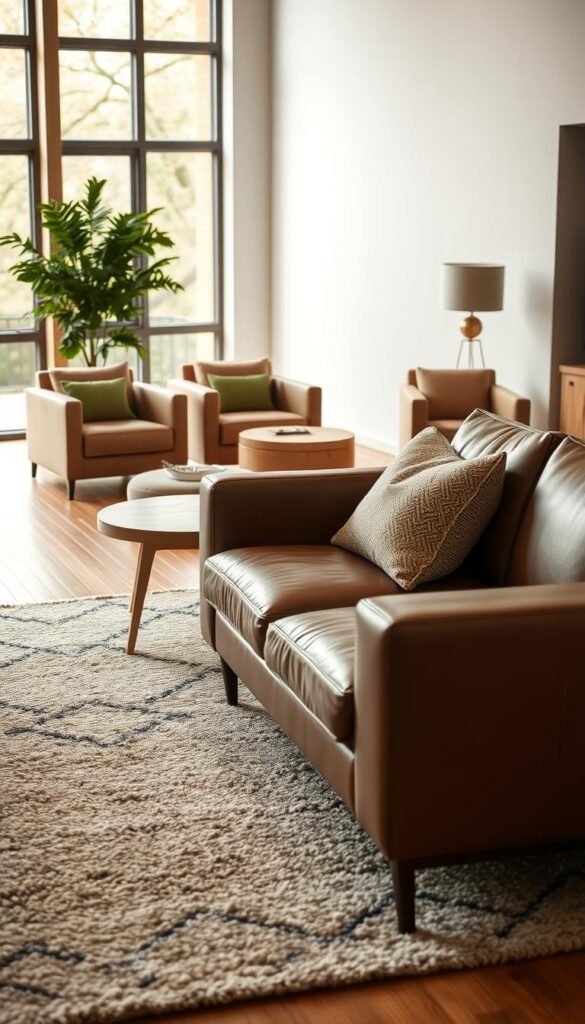
Choosing the right items for your space brings lasting satisfaction. Quality pieces become the foundation of your home environment. They create a cohesive look that stands the test of time.
This approach aligns perfectly with intentional living. You surround yourself with items that truly enhance daily life. Your space reflects careful consideration rather than impulse.
Focusing on Investment Pieces Like Your Sofa
Your sofa serves as the heart of your gathering area. It’s worth investing in a durable, comfortable piece. Performance fabrics resist stains and wear beautifully.
Solid wood frames ensure structural integrity for years. These materials reduce maintenance and future regret. You’ll enjoy daily comfort without constant worry.
Consider splurging on this anchor piece for your room. It provides both function and aesthetic appeal. Your investment pays off through long-term satisfaction.
Selecting Furniture That Transcends Trends
Timeless designs remain relevant through changing styles. They focus on clean lines and excellent craftsmanship. These pieces avoid dated details that quickly feel outdated.
Neutral colors and classic shapes work across decades. They provide flexibility as your tastes evolve. You won’t feel pressure to constantly update your look.
This approach supports a sustainable lifestyle beautifully. It reduces waste and consumption over time. Your choices reflect thoughtful consideration for the future.
Why Quality Leads to Long-Term Contentment
Well-made items develop character with use and age. Leather develops a rich patina that tells your story. Solid wood furniture gains warmth through years of care.
These pieces become cherished parts of your daily life. They foster deeper appreciation for your surroundings. The constant urge to replace things diminishes naturally.
Quality investments save money over time significantly. You avoid frequent replacements and repairs. This approach creates financial peace alongside aesthetic harmony.
| Investment Category | Quality Features | Long-Term Benefits |
|---|---|---|
| Sofa & Seating | Solid frame, performance fabric | Daily comfort, reduced replacement |
| Lighting Fixtures | Classic design, durable materials | Timeless appeal, energy efficiency |
| Storage Solutions | Sturdy construction, versatile design | Organization, adaptability to needs |
| Accent Pieces | Natural materials, craftsmanship | Character development, emotional value |
This mindful approach to selection brings deep contentment. Your home becomes a true reflection of what matters most. Every piece earns its place through beauty and purpose.
Quality investments support a more peaceful existence. They reduce visual noise and maintenance stress. Your space becomes a sanctuary of calm and intention.
Create a Focal Point in the Room
A strong focal point gives your space immediate purpose and visual harmony. This design element becomes the natural center of attention in your area. It creates a clear visual anchor that organizes the entire layout.
Your eyes need a place to rest when entering any room. A well-defined point provides this resting spot beautifully. It prevents that scattered feeling that comes from too many competing elements.
Using a Fireplace or Statement Mirror
Architectural features like fireplaces make excellent natural focal points. They draw attention with their inherent warmth and character. Even without use, a fireplace mantel provides a perfect display area.
Large mirrors create the illusion of more space while reflecting light. Positioned correctly, they can make your entire area feel larger. A statement mirror above a mantel combines both function and style.
Artwork serves as another powerful focal point option. One substantial piece often works better than several smaller ones. Choose artwork that reflects your personal taste and complements your color scheme.
Arranging Furniture to Highlight the Focal Point
Position your main seating to face whatever you’ve chosen as your center point. This simple arrangement makes the focal point the natural gathering spot. It encourages conversation and creates intuitive flow.
Leave adequate space between furniture and the featured element. This breathing room allows the point to stand out properly. It prevents a crowded feeling that would diminish its impact.
Consider these arrangement ideas for different focal points:
- Float sofas facing fireplace with chairs at angles
- Place seating to reflect both natural light and mirror views
- Create conversation areas oriented toward artwork
How a Focal Point Adds Purpose to the Layout
A clear center gives your entire design direction and intention. It helps determine furniture placement and traffic patterns. Your space becomes more functional and inviting as a result.
This approach reduces visual clutter by providing organization. Instead of multiple small decorations, you have one strong feature. The eye knows exactly where to focus first.
Functional items like televisions can integrate into your focal point. Built-in units around fireplaces keep technology from dominating. The TV becomes part of the design rather than an intrusion.
| Focal Point Type | Best For | Arrangement Tips |
|---|---|---|
| Fireplace | Creating warmth and traditional appeal | Center seating directly facing, use mantel for minimal decor |
| Statement Mirror | Making spaces feel larger and brighter | Position to reflect natural light or interesting views |
| Artwork | Adding personal style and color accents | Keep walls around it clear to emphasize the piece |
| Architectural Feature | Highlighting unique room characteristics | Use lighting to draw attention to special details |
Your focal point should reflect your personal style while enhancing the overall aesthetic. Choose something that brings you joy every time you see it. This intentional approach supports both beauty and function in your home.
This design strategy works perfectly with minimalist principles. It provides visual interest without requiring numerous decorative items. Your space feels balanced and purposefully arranged.
A well-defined center makes your room more welcoming for relaxation and conversation. It creates natural gathering spots that feel intuitively comfortable. This approach ultimately contributes to that peaceful environment you want to achieve.
Mastering Minimalist Living Room Decor: 10 Ways to Simplify Without Losing Style
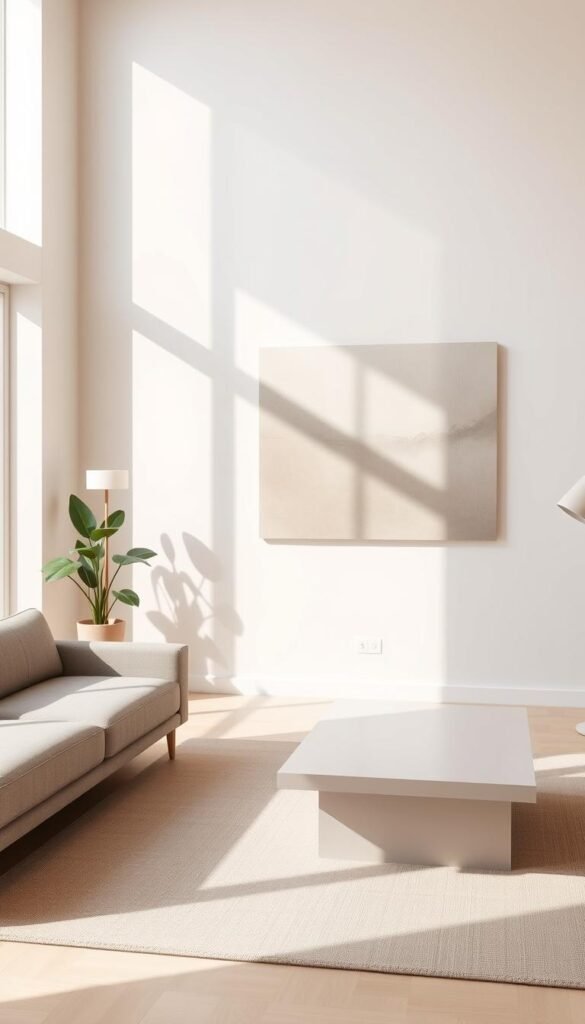
You’ve explored many ideas to transform your gathering area. Now let’s bring everything together for a complete picture. This approach creates harmony between function and beauty.
Each choice you make builds toward a more peaceful environment. Your space becomes a true reflection of intentional living. It supports both your daily needs and personal style.
Key Takeaway: It’s About Intentionality
Every item in your home should earn its place through purpose or joy. This mindset transforms how you view your possessions. It turns your space into a curated collection rather than accumulated clutter.
Research shows that intentional environments reduce mental overwhelm significantly. They create calmness that supports better focus and relaxation. Your living area becomes a true sanctuary from daily stress.
This philosophy extends beyond physical objects to layout and flow. Furniture arrangement should facilitate easy movement and conversation. Each element works together to create cohesive harmony.
Remembering the Goal: A Peaceful, Functional Space
Your primary objective is creating an environment that supports well-being. This means balancing aesthetic appeal with practical use. Your space should feel both beautiful and effortlessly functional.
Think about how you actually use your gathering area daily. Choose pieces that enhance those activities rather than complicate them. This approach makes maintenance simple and enjoyable.
The result is a home that feels both stylish and serene. It reflects your personality while promoting mental clarity. You’ll enjoy spending time in this intentionally designed environment.
Here’s a quick recap of the transformative journey you’ve explored:
| Design Element | Key Benefit | Implementation Tip |
|---|---|---|
| Decluttering | Creates visual breathing room | Use the joy/purpose test for decisions |
| Neutral Palette | Establishes calming foundation | Choose warm whites or soft grays |
| Functional Furniture | Enhances daily activities | Select multi-purpose pieces |
| Smart Storage | Maintains organized surfaces | Use concealed compartments |
| Natural Light | Creates airy, open feeling | Choose sheer window treatments |
| Texture Layers | Adds warmth and character | Mix natural materials |
| Intentional Greenery | Brings life and vitality | Select low-maintenance plants |
| Curated Decor | Shows personal style | Edit surfaces regularly |
| Quality Investments | Provides long-term satisfaction | Focus on timeless designs |
| Focal Points | Organizes visual flow | Arrange seating to highlight |
This journey toward intentional living continues beyond initial setup. Regular editing ensures your space evolves with your changing needs. The process becomes natural and rewarding over time.
You now possess all the tools for creating your ideal environment. Each principle works together to form a cohesive approach. Your home will reflect both beauty and purpose beautifully.
The most important step begins today. Start with one small change and build momentum gradually. Before long, you’ll enjoy the peaceful space you’ve always wanted.
Maintain Your Space with Low-Effort Pieces
The true beauty of your home shines through when maintenance becomes effortless. Choosing the right materials and designs makes daily upkeep simple and stress-free. This approach lets you enjoy your environment without constant cleaning or rearranging.
Your gathering area should support your lifestyle, not complicate it. Low-maintenance choices create more time for what truly matters. You’ll spend less energy on chores and more on living fully.
Choosing Fabrics and Finishes You Can Live With
Performance fabrics transform how you experience your home. These materials resist stains and wear while maintaining their beauty. You can relax without worrying about spills or accidents.
Consider these durable options for your furniture:
- Performance linen – Naturally resistant to wrinkles and stains
- Crypton fabric – Repels liquids and prevents odor absorption
- Top-grain leather – Develops character while being easy to clean
Washing machine-friendly cushion covers simplify your routine. Toss them in with regular laundry when needed. This practical solution keeps everything fresh with minimal effort.
Durable wood finishes withstand daily use beautifully. They hide minor scratches and maintain their appearance over years. Your furniture stays beautiful through everyday life.
Reducing Time Spent on Styling and Upkeep
Intentional design choices minimize your cleaning time significantly. Smooth surfaces dust quickly compared to intricate details. You’ll spend minutes rather than hours on maintenance.
Built-in storage keeps essentials organized but out of sight. Everything has its place, reducing daily tidying. Your space stays neat without constant attention.
Quality pieces maintain their appearance with simple care. They don’t require special treatments or frequent polishing. This approach aligns perfectly with a contented lifestyle.
According to home organization experts, machine-washable textiles cut cleaning time by half. They recommend choosing items that work with your existing routines. This practical advice makes maintenance feel effortless.
Embracing the Beauty of a Well-Lived-In Home
Imperfections add character and warmth to your environment. They tell the story of your life and experiences. Your home becomes a true reflection of daily living.
Minor wear patterns show that a space is loved and used. They create a comfortable, inviting atmosphere. Guests feel immediately at ease in such surroundings.
Let go of the need for perfect arrangements. Allow your space to evolve naturally with use. This mindset reduces both physical and mental burdens.
Your home should support your life, not dictate it. Choose pieces that accommodate real living rather than ideal scenarios. This approach brings genuine contentment and peace.
Low-maintenance choices contribute to overall serenity. They create a functional environment that feels both beautiful and practical. You’ll enjoy your space more when upkeep feels effortless.
Your Journey to a More Serene Living Space Starts Now
Your path toward a peaceful home begins with small, intentional steps. Every choice you make shapes your daily experience and well-being.
Remember that this approach focuses on purpose and personal joy. Your space should reflect what truly matters to you.
Start with one simple change today. Declutter a single shelf or choose a calming color palette. These small actions build momentum toward meaningful transformation.
Your efforts will create an environment that supports both relaxation and functionality. This isn’t about perfection but about creating a home that feels authentically yours.
Revisit these ideas whenever you need guidance or inspiration. Your journey evolves as your life and preferences change.
Share your progress with others who appreciate intentional design. Community support makes the process more enjoyable and sustainable.
You’re creating a sanctuary that nurtures your well-being every day. Embrace this opportunity to design a life filled with peace and contentment.