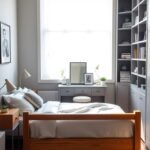
Welcome to your guide for creating a peaceful, clutter-free personal sanctuary. This approach to your sleeping area embraces a powerful philosophy of simplicity and purpose.
This design style isn’t about deprivation. It’s about making room for what truly matters in your personal retreat. You create an environment that feels both spacious and intentionally curated.
Transforming your space can reduce stress and dramatically improve your quality of sleep. Every item should serve a clear purpose or bring you genuine joy.
These fundamental principles work with any room size. From cozy apartments to spacious master suites, you can craft a haven of tranquility through thoughtful choices.
Understanding the Minimalist Bedroom Philosophy

Creating a truly restful space begins with understanding the core principles behind the design. This approach transforms your room into a haven of calm and purpose.
The Core Principle: Less Is More
This philosophy centers on intentional living. You carefully select each element that enters your space.
Every item must serve a clear function or bring genuine joy. This creates rooms that feel both spacious and deeply personal.
The quality over quantity approach makes your environment more meaningful. You surround yourself only with pieces that truly matter.
Historical Influences: From Feng Shui to Hygge
This design aesthetic draws from timeless global traditions. Ancient Chinese feng shui principles emphasize harmonious energy flow.
Scandinavian hygge concepts focus on creating cozy, comforting environments. Swedish lagom philosophy promotes “just the right amount” in all things.
Japanese hodo-hodo, meaning “just enough,” completes this global perspective. These influences combine to create spaces that promote relaxation and positive energy.
Why Your Bedroom Should Be Your Sanctuary
Your sleeping area deserves special attention as your personal retreat. It should be a place where you can truly unwind and recharge.
New York interior designer Rushda Hakim emphasizes this importance:
“Your bedroom should be your sanctuary, a place to unwind and declutter your mind.”
This space supports mental clarity and emotional comfort. The right interior look helps create an environment that feels both functional and soothing.
Following these principles gives you a peaceful haven. You’ll enjoy a room that serves as your perfect personal sanctuary.
Start With a Serious Declutter Session

Transforming your personal retreat starts with making space through thoughtful elimination. This process creates the foundation for everything that follows in your design journey.
Many people find this step challenging but incredibly rewarding. You’re not just removing physical items – you’re creating mental clarity and emotional space too.
Apply the Marie Kondo Method
Marie Kondo’s approach revolutionizes how we view our possessions. Her famous question – “Does this spark joy?” – becomes your guiding principle.
Interior designer Rushda Hakim supports this philosophy wholeheartedly. She recommends paring down belongings to only those that bring genuine happiness.
This method works beautifully for creating a peaceful environment. You’ll discover which items truly matter and which simply occupy space.
Identify What Truly Serves a Purpose
Every element in your space should earn its keep through function or meaning. Ask yourself two critical questions about each possession.
First: “Do I use this regularly?” Second: “Does this enhance my daily experience?” Be honest with your answers – sentimental attachment shouldn’t override practicality.
This evaluation process helps eliminate unnecessary clutter effectively. You’ll create a room that feels both functional and personally significant.
Celebrate Empty Space Instead of Filling It
Empty surfaces and corners represent opportunity, not deficiency. This available area creates breathing room for your mind and eyes.
Resist the urge to fill every available inch with accessories or decor. The negative space itself becomes a design element that adds visual interest.
Smart storage solutions like ottomans or divans provide functionality without consuming precious area. They offer hidden organization while maintaining clean lines.
This approach to minimalist cleaning creates lasting results. You’ll maintain your serene environment more easily when you begin with intentional editing.
Remember that empty space contributes to the overall peaceful atmosphere. It’s the canvas upon which your carefully chosen elements will shine.
Choose Furniture With Intention and Purpose

Every furniture piece in your room should serve a deliberate purpose. This approach transforms your space into a functional sanctuary that supports rest and relaxation.
Your choices should reflect careful consideration rather than impulse. Each item must contribute meaningfully to your daily experience.
Every Piece Should Earn Its Keep
Evaluate each furniture item for its actual utility in your life. Ask yourself if it serves a clear function or brings you genuine joy.
Many people keep pieces simply because they’ve always been there. This habit can clutter your space unnecessarily.
Consider finding new homes for items that don’t serve your current needs. Your room will feel more spacious and purposeful.
This thoughtful approach creates an environment where every element matters. You’ll appreciate your space more when each piece has earned its place.
The Bed as Your Focal Point
Your sleeping area naturally becomes the centerpiece of your room. Choosing the right frame sets the tone for your entire space.
Simple, pared-down frames create a streamlined aesthetic that promotes calm. Platform beds with clean lines offer both style and function.
Consider a modest headboard or none at all for ultimate simplicity. Your bedside area should remain uncluttered and accessible.
This focal point should invite relaxation and rest above all else. Every element should contribute to peaceful slumber.
Smart Storage Solutions That Disappear
Built-in wardrobes create seamless storage that maintains clean lines. They provide ample space while keeping your visual field clear.
These solutions “disappear” into your room’s architecture. You get functionality without visual clutter.
Consider multi-functional pieces that offer hidden storage compartments. Ottomans with storage or beds with built-in drawers work beautifully.
Your interior should feel open and airy, not crowded with storage units. Smart choices keep essentials accessible but out of sight.
This approach supports the overall serene atmosphere you’re creating. Everything has its place, yet nothing demands attention unnecessarily.
Create a Calming Color Palette Foundation
Your color choices set the emotional tone for your entire space. They create the backdrop against which all other elements shine.
A thoughtful approach to color makes your room feel both serene and inviting. You’ll establish a foundation that supports relaxation and visual harmony.
Why White Makes the Perfect Canvas
White offers the ultimate blank slate for your personal retreat. It reflects light beautifully, making rooms feel more spacious and airy.
This clean foundation creates a sense of purity and simplicity. Your space becomes a calm environment free from visual distractions.
Choose warm whites rather than cool blue-toned varieties. This subtle difference prevents your room from feeling clinical or sterile.
Your walls become a peaceful backdrop that highlights your favorite pieces. Everything appears more intentional against this neutral foundation.
Incorporating Warm Neutral Tones
Warm neutrals add coziness without compromising your clean aesthetic. They create a welcoming atmosphere that feels lived-in and comfortable.
Consider these subtle ways to introduce warmth:
- Soft beige or greige on accent walls
- Natural wood finishes on furniture pieces
- Textured throws in camel or oatmeal tones
- Linen bedding in warm earthy shades
These elements work together to create depth and interest. Your space maintains its simplicity while feeling genuinely inviting.
The right balance makes your interior feel both curated and comfortable. You achieve a look that’s restful yet far from boring.
When to Use Subtle Accent Colors
Accent colors should complement rather than dominate your space. They serve as subtle highlights that add personality without overwhelming.
Use these colors sparingly in throw pillows, artwork, or small decor items. They create visual interest without competing with your serene foundation.
Earth tones like sage green or terracotta work particularly well. They maintain connection to nature while adding gentle color variation.
| Accent Color | Best Placement | Psychological Effect |
|---|---|---|
| Sage Green | Throw pillows, small plants | Creates calm, natural connection |
| Soft Blue | Artwork, ceramic pieces | Promotes relaxation, serenity |
| Terracotta | Textiles, pottery accents | Adds warmth, earthy comfort |
| Mustard Yellow | Blanket corner, single vase | Brings cheerful energy subtly |
Remember that accent colors should enhance rather than dictate your palette. They’re the finishing touches that make your space uniquely yours.
This approach ensures your room remains peaceful while expressing personal style. You create an environment that feels both intentional and inviting.
Master the Art of Textural Layering

The art of mixing materials brings organic richness to your pared-down environment. This approach creates visual depth while maintaining your clean aesthetic foundation.
You achieve this through careful selection rather than quantity. Each textural element should contribute meaningfully to your overall space.
Adding Depth Without Clutter
Strategic texture combinations create dimension without visual noise. You want your space to feel rich and interesting, not crowded or busy.
Focus on quality pieces that serve both functional and aesthetic purposes. A chunky knit throw adds cozy texture while providing warmth.
Area rugs on wooden floors create softness underfoot while defining spaces. These elements work together to build layers of visual interest.
Natural Materials That Warm the Space
Organic materials like wood, wool, and linen bring inherent warmth to your environment. They create a connection to nature that feels both comforting and authentic.
Wood elements add natural grain patterns and warmth. Wool textiles provide softness and insulation against cooler temperatures.
Linen offers beautiful drape and subtle texture variations. These materials age gracefully, developing character over time.
Mixing Shapes and Textures Strategically
Thoughtful combination of different forms creates dynamic visual interest. Ecru Studio director Jin Chen emphasizes this approach:
“Minimalism doesn’t mean boring. Blend elements like curving lamps, round wool cushions, and silk rectangular pillows to create interest while maintaining simplicity.”
This strategic mixing prevents your space from feeling flat or monotonous. You create rhythm and movement through varied forms and surfaces.
Consider pairing smooth with rough, matte with glossy, or curved with angular. These contrasts make your environment feel curated and intentionally designed.
The right balance of textures and shapes makes your space feel both cohesive and captivating. You achieve depth and character without compromising your clean aesthetic.
Let There Be Light: Natural and Artificial

Lighting transforms your space from functional to truly magical. The right illumination strategy creates both beauty and practical function in your personal retreat.
Your approach to light affects how your room feels at different times of day. You want brightness when you need it and softness when you want to unwind.
Maximizing Natural Light Flow
Natural light makes any area feel more open and inviting. Keep furniture away from windows to maximize this free illumination source.
Sheer curtains allow sunlight to filter through beautifully. They maintain privacy while welcoming that gorgeous daytime glow.
Mirrors placed opposite windows amplify natural brightness effectively. They bounce light around your space, making it feel airy and expansive.
Statement Lighting That Doesn’t Overwhelm
Designer Victoria Ninette recommends choosing fixtures that make a subtle statement. She suggests “something special that wasn’t too loud” for your main light source.
Your overhead lighting should provide soft, calming illumination in the evening. During daylight hours, it becomes a beautiful sculptural element.
Keep all lighting finishes consistent throughout your space. This creates visual cohesion and a polished, intentional look.
Creating Ambiance With Dimmable Options
Dimmable lights let you adjust mood and atmosphere effortlessly. You can create bright task lighting or soft evening glow with simple controls.
Consider these lighting strategies for different needs:
- Overhead dimmable fixtures for general illumination
- Bedside reading lamps with adjustable brightness
- Subtle LED strips for gentle ambient glow
- Multiple switch controls for different lighting scenes
This approach gives you complete control over your environment’s feel. You can match your lighting to your activities and moods throughout the day.
Victoria Ninette’s philosophy ensures your lighting works beautifully both day and night. You get functional illumination that enhances your minimalist aesthetic perfectly.
Minimalist Bedroom Ideas That Prove Less Is More Through Artwork
Your personal retreat deserves artistic elements that enhance rather than overwhelm. The right approach to decor creates personality while maintaining your serene atmosphere.
Strategic choices make your space feel both curated and calming. You’ll discover how art can complement your design instead of competing with it.
The Power of One Oversized Piece
One large artwork creates an instant focal point without clutter. This approach draws the eye while keeping your environment simple and uncluttered.
An oversized painting or photograph makes a bold statement. It becomes the center of attention in your carefully edited space.
This singular piece adds drama and personality. You get maximum impact with minimal visual noise.
When Walls Become Art Themselves
Sometimes the best art doesn’t hang on your walls—it is your walls. Textural treatments create stunning visual effects without adding physical objects.
Designer Elisa Baran demonstrates this beautifully with limewash paint. She explains its transformative power:
“The limewash allows [the homeowner] to avoid using artwork as the textural paint is art in itself.”
This technique creates subtle movement and depth across your surfaces. Your room gains character through its very architecture.
Consider these wall treatment options:
- Limewash or plaster finishes for organic texture
- Subtle tonal variations within the same color family
- Strategic lighting to highlight wall textures
- Minimal moldings that create shadow lines
Choosing Art That Complements Your Palette
The best artwork enhances your existing color scheme rather than fighting it. Your pieces should feel like natural extensions of your environment.
Anita Dawson of Dawson Design Group often builds entire color schemes around existing art. This approach ensures perfect harmony between your walls and your artwork.
Select pieces that share tones with your bedding, furniture, or accessories. This creates a cohesive look that feels intentionally designed.
Your art should add to the peaceful atmosphere you’ve created. Choose subjects and colors that promote relaxation and positive energy.
Remember that less truly can be more when it comes to decorating your sanctuary. The right piece will make your space feel complete without adding clutter.
Bring Nature Indoors for Organic Warmth
Natural elements create instant comfort in your personal retreat. They add life and texture while keeping your design clean and purposeful.
This approach connects your interior to the natural world outside. You create a peaceful environment that feels both fresh and inviting.
Simple Florals and Greenery
Plants bring vibrant energy into your space without clutter. They purify air while adding subtle color and organic texture.
Choose varieties that complement your clean aesthetic. Single stems in simple vases make elegant statements.
Pampas grass adds softness without overwhelming other elements. Casa Marcelo uses this approach intentionally alongside oak features.
Author Reena Simon emphasizes this connection:
“Bringing nature indoors helps echo your home’s surrounding environment.”
This creates harmony between inside and outside spaces.
Natural Materials: Wood, Wool, and Linen
Organic materials add warmth through their inherent textures. They create depth while maintaining simplicity.
Designer Abigail M. Horace recommends thoughtful selection:
“Accessorizing with natural materials brings authentic character to any space.”
These elements age beautifully, developing richer patinas over time. They tell a story through their natural variations.
Consider these material combinations:
- Wood nightstands with visible grain patterns
- Wol throws for cozy warmth during cooler evenings
- Linen bedding that offers beautiful drape and texture
- Natural fiber rugs that define spaces softly
Creating Connection to the Outdoors
Your design can reflect the natural world beyond your windows. This creates a seamless flow between interior and exterior environments.
Position furniture to maximize outdoor views when possible. Choose colors that complement the landscape outside.
Incorporate natural light patterns throughout your daily living. Notice how sunlight moves across your space during different times.
This mindful approach makes your room feel connected to nature’s rhythms. You create a sanctuary that feels both sheltered and open.
| Natural Element | Best Placement | Benefits |
|---|---|---|
| Potted Plants | Windowsills, empty corners | Air purification, visual interest |
| Natural Wood | Furniture, accent pieces | Warmth, organic texture |
| Wool Textiles | Throws, area rugs | Cozy comfort, insulation |
| Dried Florals | Bedside tables, shelves | Low maintenance, subtle color |
Select each natural piece to enhance your overall design. They should complement rather than compete with your clean aesthetic.
This thoughtful approach creates a space that feels both curated and connected to nature. You’ll enjoy a personal retreat that breathes with organic warmth.
The Minimalist Bed: Centerpiece of Your Sanctuary
Your bed anchors the entire room and sets the tone for your personal retreat. This essential piece deserves careful consideration as it influences both function and atmosphere.
Choosing the right frame creates a foundation for rest and relaxation. Every element should contribute to a peaceful environment that supports your well-being.
Selecting a Simple, Purposeful Frame
Look for frames that emphasize clean lines and uncluttered design. Avoid ornate details or bulky proportions that dominate your space.
Designer Luis Laplace recommends large frames for adding volume without bulk. This approach works particularly well in rooms with high ceilings.
Your frame should complement rather than compete with other elements. It becomes the quiet anchor that grounds your entire design scheme.
How Height Affects the Room’s Feel
Bed height dramatically changes your room’s proportions and atmosphere. Lower frames create an intimate, grounded feeling that many designers prefer.
Some experts recommend frames sitting lower than window sills. This positioning maintains clean sight lines and enhances the sense of space.
Consider how your bed height interacts with other furniture pieces. Everything should feel balanced and proportionate within your room.
Platform Beds and Clean Lines
Platform beds offer excellent support while maintaining sleek profiles. Their integrated bases eliminate the need for bulky box springs.
These designs provide hidden storage options in many cases. You gain functionality without sacrificing your clean aesthetic.
The right bed choice makes your room feel more spacious and intentional. It becomes the perfect centerpiece for your sanctuary.
Window Treatments That Enhance Serenity
Your window treatments play a crucial role in shaping your room’s atmosphere. They control light, provide privacy, and contribute to your overall design aesthetic.
The right choices can make your space feel larger and more luxurious. Designer Krista Hermanson emphasizes their importance for creating cozy bedrooms.
She recommends specific approaches that increase volume and warmth. These techniques transform ordinary windows into beautiful design features.
Floor-to-Ceiling Drapery for Volume
Krista Hermanson suggests floor-to-ceiling drapery to maximize visual impact. This approach draws the eye upward, creating an illusion of height.
Full-length curtains make your windows appear larger than they actually are. They add elegance while maintaining your clean interior style.
Choose fabrics that drape beautifully without overwhelming your space. Flowy materials like linen or cotton work particularly well.
This treatment creates beautiful white space around your windows. Your room gains sophistication through this simple adjustment.
Simple and Subtle Window Coverings
Select gorgeous subtle neutrals in warm textures for your coverings. These choices complement rather than compete with your design.
Simple roman shades or minimalist blinds offer clean functionality. They provide privacy without adding visual noise to your space.
Consider these characteristics for ideal window treatments:
- Neutral colors that blend with your wall palette
- Natural materials like bamboo or unbleached cotton
- Minimal hardware in finishes matching other accessories
- Textured fabrics that add warmth without pattern
This approach keeps your windows looking elegant and intentional. Every element works together to enhance your serene environment.
Balancing Light and Privacy
Your window treatments should manage both illumination and seclusion needs. Layering different options gives you maximum control.
Sheer curtains filter beautiful natural light during daytime hours. Heavier drapes provide complete privacy when you need it.
This dual approach works perfectly for creating cozy bedrooms. You enjoy brightness when desired and seclusion for nighttime.
Consider these popular combinations for different needs:
| Lighting Need | Privacy Level | Ideal Treatment |
|---|---|---|
| Maximum brightness | Minimum privacy | Sheer curtains alone |
| Filtered light | Medium privacy | Roman shade + sheer layer |
| Dim atmosphere | Complete privacy | Blackout drapes + cellular shade |
| Variable control | Adjustable privacy | Double rod with two curtain types |
This smart approach lets you customize your environment throughout the day. You create the perfect atmosphere for any activity or time.
The right window treatments complete your serene sanctuary beautifully. They work in harmony with your overall design while serving practical needs.
Edit Down Visual Noise for Mental Clarity
The final step in creating your peaceful retreat involves thoughtful editing. Interior designer Rushda Hakim encourages keeping only items that “spark joy,” referencing Marie Kondo’s famous principle. This approach naturally leads to a clean aesthetic.
Start with a foundation of well-curated pieces to avoid distractions. Reducing physical clutter directly correlates with less mental stress. Your space becomes a true sanctuary for relaxation.
Regularly reassess your possessions to maintain visual simplicity. This ongoing process supports better sleep and overall wellbeing. It keeps your environment looking pristine and peaceful.
Discover practical strategies for maintaining your serene space through minimalist editing techniques. The right balance creates both visual interest and mental clarity in your personal retreat.