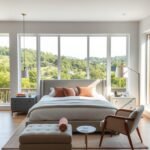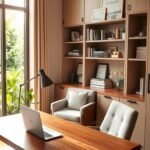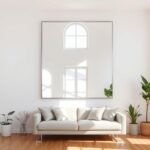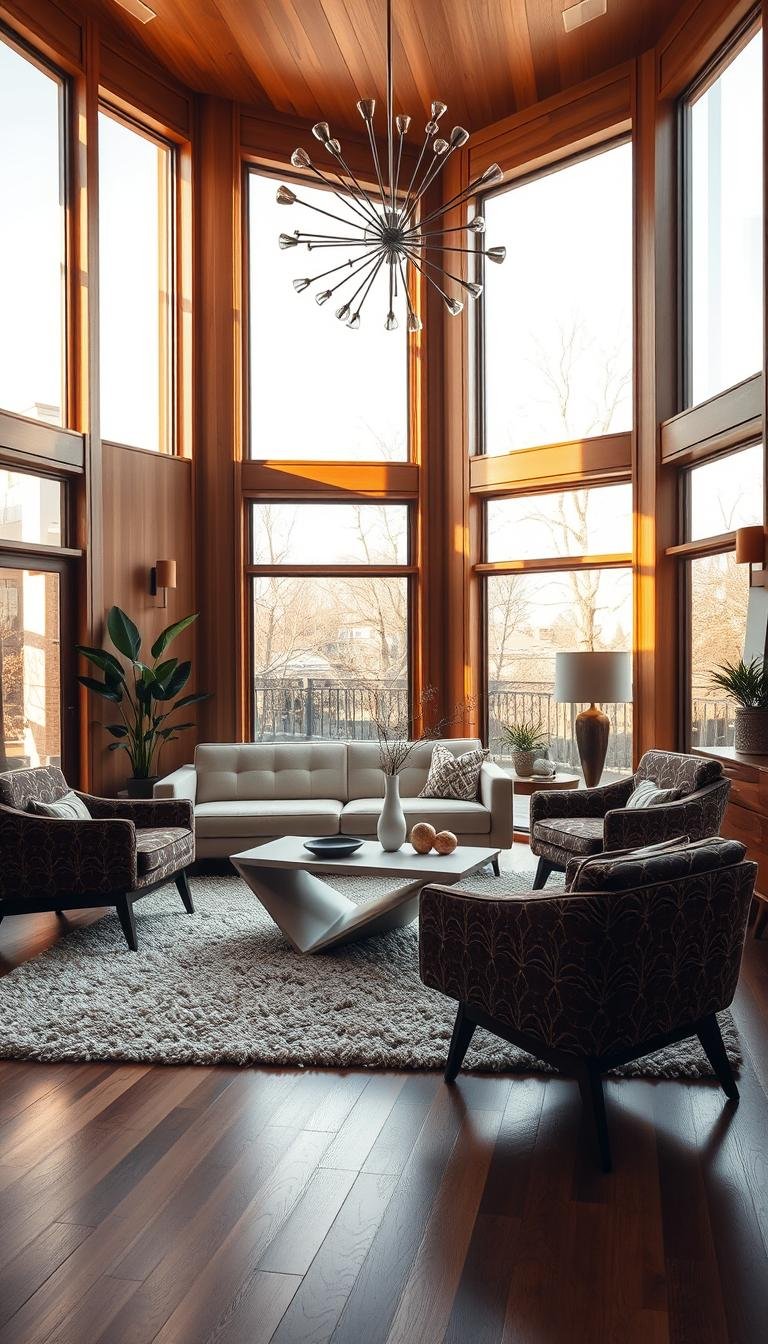
Welcome to your journey into a timeless design style that continues to inspire homes today. This comprehensive guide makes decorating approachable and enjoyable for anyone starting out.
You’ll discover how this iconic approach from the mid-20th century influences current interior trends. Its popularity stems from a perfect blend of function and beauty.
We’ll explore key characteristics like clean lines and organic forms. You’ll learn about natural materials and functional furniture that define this aesthetic.
This guide provides practical tips to create a space that feels both vintage-inspired and contemporary. Whether starting fresh or adding elements, you’ll build a strong foundation.
Good design isn’t just about looks—it enhances daily life and reflects your personality. By the end, you’ll feel confident beginning your decorating journey with authenticity.
What Exactly Is Mid-Century Modern Design?
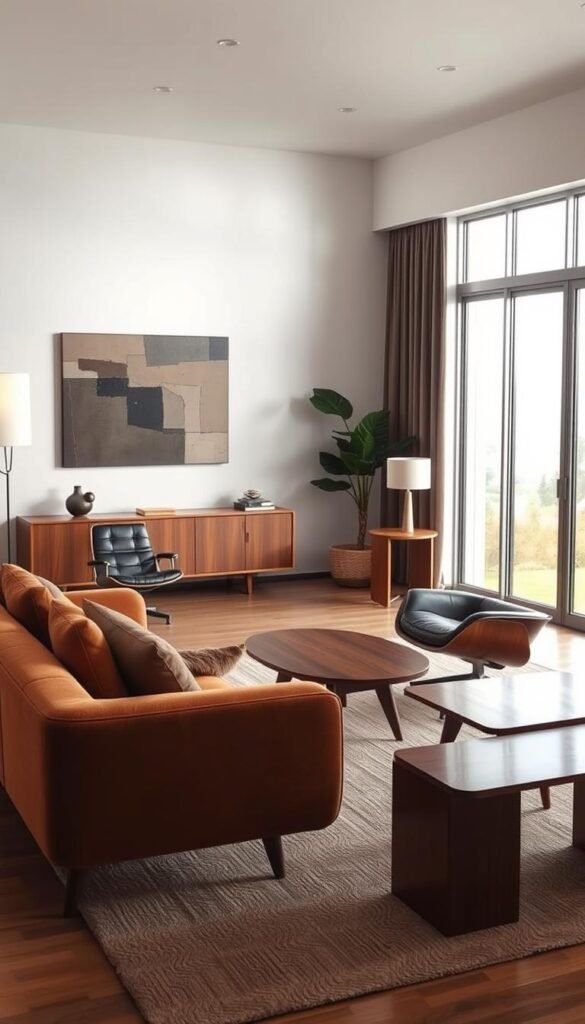
Let’s explore the fascinating origins of this beloved design movement that transformed homes across America.
This distinctive approach emerged during the mid-20th century, spanning from the 1930s through the 1960s. It represents a specific period in design history that bridges traditional and contemporary styles.
The philosophy developed as a reaction against overly ornate decorative trends. Designers sought simplicity and functionality above all else.
Post-war practicality heavily influenced this aesthetic. There was a genuine need for affordable, functional furniture that didn’t sacrifice style.
You’ll notice how the style incorporates clean, straight lines with organic curves. This creates a balanced aesthetic that feels both structured and natural.
Scandinavian design principles played a significant role in shaping this look. The international influence brought warmth and functionality to American interiors.
Unlike many trends that come and go, this design focuses on timeless principles. It values authenticity, craftsmanship, and honest material expression.
The term itself wasn’t coined until the 1980s. Writer Cara Greenberg popularized the phrase to describe this influential design period.
When you embrace this style, you’re participating in a movement that celebrates both form and function. It’s about creating spaces that enhance daily life through thoughtful design.
Why the Mid-Century Modern Look is Timeless
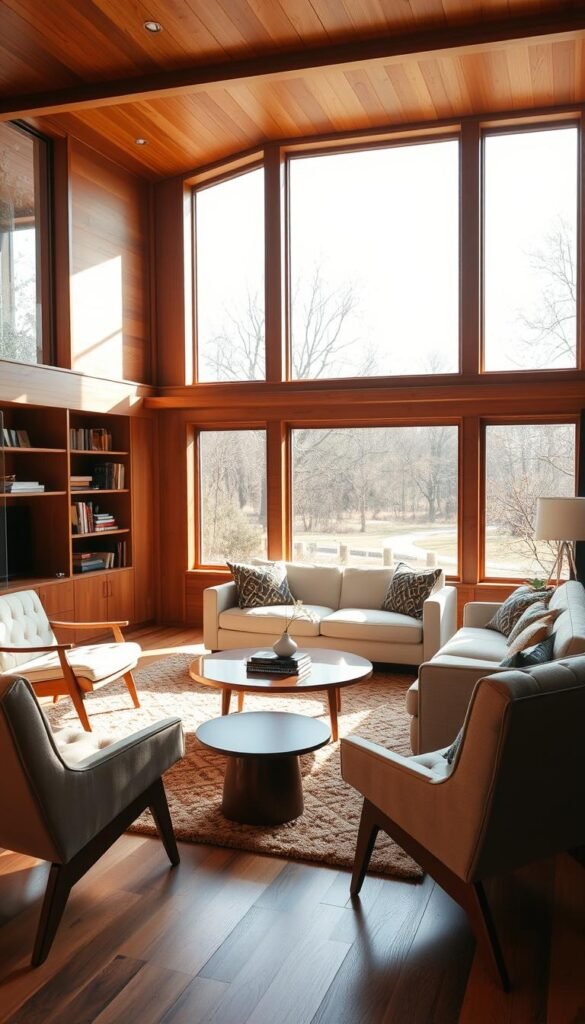
Some styles fade quickly, but this one stands strong decade after decade. Its lasting power comes from smart design choices that work in any era.
You can see its influence everywhere from magazines to modern homes. This aesthetic continues to capture hearts with its perfect balance.
The Historical Roots of MCM
After World War II, designers wanted to create beautiful, functional objects for everyday life. They combined optimism with innovation during this creative period.
These creators embraced new materials and manufacturing techniques. They still respected traditional craftsmanship and natural elements.
The movement responded to a need for practical yet attractive home furnishings. Post-war society valued both function and form in their living spaces.
MCM’s Enduring Popularity Today
Recent industry reports show this style remains a top search among American homeowners. Its consistent presence in design magazines proves its lasting appeal.
What makes this approach truly timeless is its focus on fundamental principles. Clean lines, functional forms, and honest materials never go out of fashion.
The look adapts well to contemporary lifestyles and mixes easily with other elements. You can blend vintage pieces with modern accents seamlessly.
Quality construction means many furniture items become family heirlooms. These pieces get passed down through generations while maintaining their style.
| Era | Design Focus | Modern Relevance |
|---|---|---|
| 1950s | Functionality & simplicity | Still valued in small space solutions |
| 1960s | Organic forms & natural materials | Eco-friendly design preference |
| Today | Adaptation to modern lifestyles | Mixes well with contemporary elements |
Manufacturers continue producing inspired pieces because demand keeps growing. The aesthetic shows no signs of slowing down in home decor trends.
Large windows and natural materials create spaces that feel connected to nature. This design principle remains highly valued in today’s interior world.
The Core Principles of Mid-Century Decor
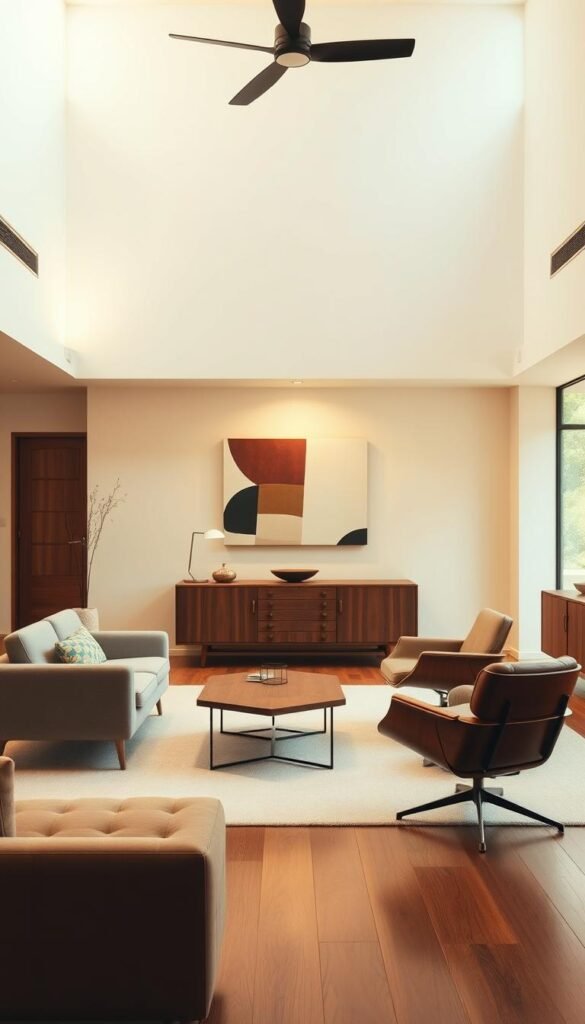
Great design starts with understanding fundamental concepts. These principles guide every choice you’ll make in your space.
They create harmony between function and beauty. You’ll build a room that works beautifully for daily life.
Emphasis on Function and Form
Every item in your home should serve a purpose while looking beautiful. This approach makes your space both practical and attractive.
Form follows function means shapes come from intended use. A chair’s curve supports your back naturally. A table’s height works for conversation.
Clean lines create visual calm in your room. They help furniture pieces stand out without competing.
Designers believed in showing structural elements honestly. The frame of a piece becomes its decoration.
As one famous designer noted,
“The details are not the details. They make the design.”
Celebrating Natural Materials and Textures
Authentic materials bring warmth and character to your interior. Wood grains, leather patinas, and wool textures tell their own stories.
These elements age beautifully over time. They develop character that mass-produced items can’t match.
You’ll notice how designers combined different textures thoughtfully. Smooth wood might meet nubby fabric on a chair.
Natural tones create a calming color palette. They make your living area feel connected to the outdoors.
This honest approach means materials look like what they are. You appreciate each element for its true nature.
Crafting Your Mid-Century Modern Color Palette
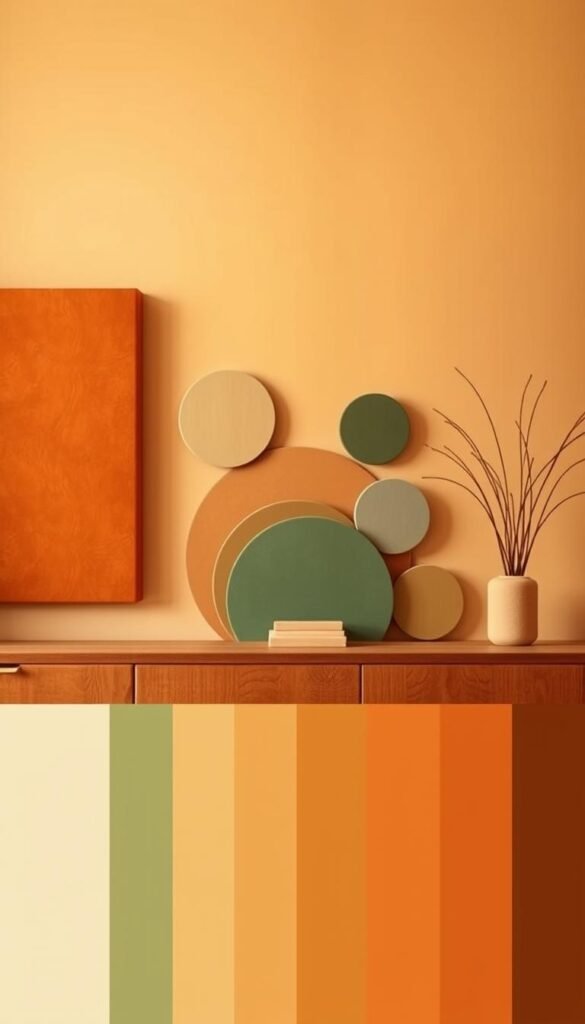
Color choices transform your space into a harmonious retreat. They create the visual foundation that ties everything together beautifully.
You’ll work with three distinct color layers. Each plays a specific role in achieving that authentic feel.
Neutral Bases: Your Foundation
Start with soft, calming neutrals as your backdrop. Warm whites, creamy beiges, and light grays work perfectly.
These tones make your room feel airy and spacious. They let your furniture and materials stand out naturally.
Your neutral foundation creates balance. It allows other elements to shine without competition.
Classic Warm Tones: The MCM Signature
Earth-inspired hues define this aesthetic’s warmth. Mustard yellow, olive green, and burnt orange add character.
These colors complement wood tones beautifully. They create that cozy atmosphere you love.
Designers often drew inspiration from nature’s palette. This connection to the outdoors remains refreshing today.
Bold Accents: Pops of Personality
Vibrant accents bring energy and joy to your space. Teal, deep blue, or brick red create exciting contrast.
Use these colors sparingly for maximum impact. A single bright hue against neutral foundations works wonders.
Black and white provide graphic contrast too. They add dramatic flair when used strategically.
| Color Type | Example Shades | Best Placement | Room Impact |
|---|---|---|---|
| Neutral Base | Warm white, cream, light gray | Walls, large furniture | Creates spacious foundation |
| Warm Tones | Mustard, olive green, burnt orange | Accent walls, textiles | Adds cozy character |
| Bold Accents | Teal, brick red, vibrant orange | Pillows, art, accessories | Provides energy pops |
| Contrast Elements | Black, crisp white | Lighting, trim, decor | Adds graphic impact |
Consider your room’s natural light when choosing colors. North-facing spaces benefit from warmer tones.
South-facing rooms can handle cooler accents beautifully. Always test colors in your actual lighting conditions.
For more inspiration on earthy tones that create cozy atmospheres, explore this mid-century modern living room guide.
Remember that your color choices should reflect your personality. They make your space uniquely yours while honoring design principles.
Selecting Your Mid-Century Modern Living Room Furniture
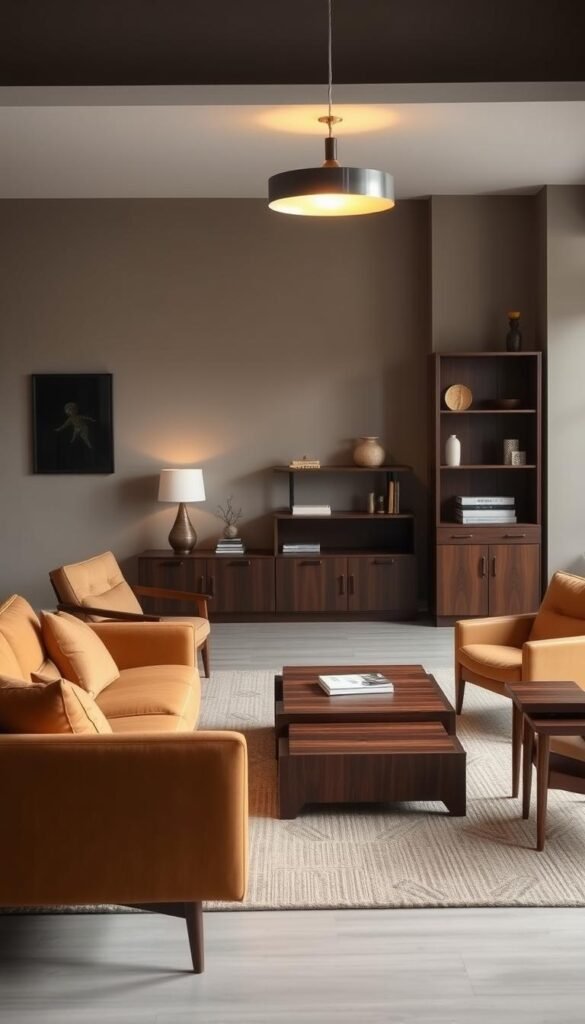
Your furniture choices build the foundation of your entire space. They bring the aesthetic to life through thoughtful selection and placement.
You’ll discover how each piece contributes to both function and beauty. This approach creates a harmonious environment for daily life.
Signature Sofas and Seating
Your sofa sets the tone for the entire room. Look for clean lines and low profiles that define this iconic style.
Tapered legs create that light, airy feeling you love. They make pieces appear to float above your floor.
Choose comfortable proportions over bulky designs. Slim arms and tufted cushions offer both style and support.
Consider your room size when selecting seating. Larger spaces handle corner sofas beautifully.
Smaller areas work best with two-seater options. Always measure your space before making decisions.
Mix materials for visual interest. A leather sofa pairs wonderfully with fabric chairs.
Woven textures add depth and character too. Each piece should complement the others harmoniously.
Iconic Tables and Storage Solutions
Your coffee table serves as a functional centerpiece. Organic shapes with rounded edges create visual softness.
Walnut or teak finishes bring warmth to your space. These wood tones complement various color palettes.
Storage pieces should hide clutter while displaying treasures. Credenzas and sideboards offer perfect solutions.
Look for clean lines and functional design. Each piece should serve multiple purposes when possible.
Nesting tables provide flexibility for different needs. They tuck away neatly when not in use.
Media consoles keep electronics organized beautifully. Choose wood finishes that match your other furniture.
Remember that proportion matters greatly. Lower heights make ceilings appear higher.
Your space will feel more open and inviting. Every piece should balance form and function perfectly.
The Essential Mid-Century Modern Living Room Decor Guide for Beginners
Now let’s explore the finishing touches that transform your space from good to great. These elements add personality and complete your vision beautifully.
You’ll discover how lighting, textiles, and accessories work together. They create that authentic feel you’re aiming for in your home.
Lighting: Setting the Mood
Lighting plays a crucial role in your interior design. It creates atmosphere and highlights your favorite features.
Natural light remains ideal for this aesthetic. Large windows work wonderfully with layered artificial sources.
Iconic fixtures like arc lamps add drama and function. Their sculptural forms become artistic statements.
You might choose a sputnik chandelier for overhead lighting. Adjustable floor lamps provide perfect task illumination.
Brass sconces offer elegant wall lighting solutions. They create warm pools of light for evening ambiance.
Metallic finishes like chrome and brass work beautifully. They complement wood tones and other materials.
Geometric forms add visual interest to your space. Each fixture should feature clean lines and interesting shapes.
Rugs, Art, and Accessories
Your floor covering anchors the entire room arrangement. Geometric patterns create visual warmth and texture.
Wool rugs with atomic age designs work perfectly. They reference the era while providing comfort underfoot.
Abstract patterns break formality in your living area. They add movement and energy to the space.
Art selection should reflect the mid-century aesthetic. Graphic prints with bold colors make strong statements.
Abstract expressionist pieces create visual interest. Photography with clean compositions works beautifully too.
Accessories should be carefully curated rather than abundant. Each piece should serve a purpose or add significant interest.
Textured throws and embroidered cushions add bohemian touches. They soften the clean lines of your furniture.
Greenery brings life and organic texture to your interior. Plants soften spaces with inviting natural elements.
Remember that less is more with accessories. Choose pieces that complement rather than compete with your design.
Arranging Your Space: MCM Layout Ideas
Smart placement turns your room into a welcoming social hub. How you position each piece affects both function and atmosphere in your home.
This approach values human connection above all else. Your arrangement should encourage conversation and comfortable interaction.
Open Concept Layout
Open floor plans work beautifully with this design philosophy. They create natural flow between different areas of your home.
Use area rugs to define specific zones within larger spaces. This maintains visual continuity while creating distinct functional areas.
Position your sofa to face the room’s natural gathering point. Add a lounge chair at an angle to encourage conversation.
Nesting tables provide flexible surface space that adapts to different needs. They tuck away neatly when not in use.
Small Space Solutions
Compact rooms demand thoughtful furniture selection. Choose pieces with exposed legs to create visual lightness.
Wall-mounted shelving maximizes vertical space beautifully. It keeps your floor clear and maintains an airy feel.
Multifunctional furniture serves multiple purposes in limited areas. A storage ottoman provides both seating and hidden organization.
Foldable chairs offer extra seating when needed. They store neatly against walls or in closets.
Conversation-Focused Arrangement
Create intimate seating areas that face each other directly. This arrangement promotes natural dialogue and connection.
A round coffee table facilitates easy movement between chairs. It allows everyone to reach drinks or snacks comfortably.
Consider floating furniture away from walls for better traffic flow. This creates more inviting conversation circles.
As one noted designer observed,
“Good design is about creating spaces where life happens naturally.”
| Layout Type | Key Furniture Pieces | Space Requirements | Social Benefits |
|---|---|---|---|
| Open Concept | Sofa, lounge chair, nesting tables | Medium to large areas | Creates seamless flow between zones |
| Small Space | Compact sofa, wall shelves, foldable chairs | Under 300 square feet | Maximizes functionality in limited areas |
| Conversation Focus | Two loveseats, round table, accent chairs | Any size room | Encourages face-to-face interaction |
| Mixed Use | Sofa, writing desk, bar cart | Multi-purpose rooms | Supports both work and social activities |
Lighting plays a crucial role in defining different areas within your layout. Use floor lamps near reading chairs and pendant lights over conversation zones.
Remember that this design emphasizes social spaces above isolation. Your arrangement should make people feel connected and engaged.
Choose colors and materials that complement your layout choices. Warm tones and natural textures enhance the welcoming atmosphere.
Your space should feel like a natural extension of how you live. Every decision should support comfort and connection.
Achieving the Look on Any Budget
Creating your dream space shouldn’t drain your wallet. You can build a beautiful environment that reflects your taste without overspending.
Smart shopping and strategic choices make all the difference. Focus on pieces that offer the most impact for your investment.
This approach lets you enjoy the process without financial stress. You’ll create a home that feels both stylish and personal.
Budget-Friendly Finds Under $500
Start with small changes that make a big visual difference. Accessories and accent pieces transform your room affordably.
Look for vintage-inspired lighting that captures the era’s spirit. A stylish floor lamp or pendant light sets the mood beautifully.
Consider a bubble chair or minimalist side table for character. These items add personality without breaking your budget.
Retailers like IKEA, Target, and Wayfair offer great options. You can also hunt for treasures at local thrift stores.
Online marketplaces provide excellent vintage finds too. With patience, you’ll discover pieces that perfectly suit your style.
Mid-Range Investments $500-$1500
This range lets you acquire key furniture that anchors your design. A quality sofa becomes the centerpiece of your living area.
Look for clean lines and quality materials in your choices. Walnut credenzas or storage cabinets offer both function and beauty.
Retailers like West Elm and Article provide well-made options. Their pieces balance authentic style with modern durability.
Your coffee table deserves special attention at this level. Choose something with organic shapes and warm wood tones.
These investments will serve you well for years to come. They form the foundation of your carefully curated space.
High-Impact Splurges Over $1500
For those with larger budgets, authentic vintage pieces await. These items become instant conversation starters in your home.
Designer reproductions capture original aesthetics perfectly. Custom-made furniture ensures perfect proportions for your room.
Specialized dealers like 1stDibs and Chairish offer rare finds. You might discover a iconic chair or unique lighting fixture.
Commissioning pieces from skilled craftspeople supports artistry. You’ll own something truly special that reflects your vision.
These investments often become family heirlooms over time. They represent the highest expression of this design philosophy.
| Budget Level | Key Pieces | Retailer Examples | Design Impact |
|---|---|---|---|
| Under $500 | Lighting, chairs, side tables | IKEA, Target, thrift stores | Adds character accents |
| $500-$1500 | Sofas, credenzas, coffee tables | West Elm, Article, Povison | Anchors the room design |
| Over $1500 | Vintage finds, custom pieces | 1stDibs, Chairish, craftspeople | Creates centerpiece items |
Remember that building your space is a gradual process. Mixing budget items with special pieces creates interesting contrast.
Focus your spending on items you use most frequently. Your sofa and lighting deserve extra attention in your planning.
Small updates can transform existing furniture dramatically. Refinishing wood or changing hardware refreshes pieces affordably.
Your home should reflect your personality above all else. Choose items that bring you joy and serve your daily life beautifully.
Easy DIY Projects for an Authentic Feel
Personal touches make your space truly yours. Simple projects can transform ordinary items into special treasures.
You don’t need advanced skills to create beautiful results. Basic tools and creativity go a long way in home decorating.
Refinishing furniture brings new life to old pieces. A walnut stain instantly gives wood that classic warmth.
Your coffee table becomes a focal point with proper care. Clean lines emerge when you remove outdated finishes.
Switching sofa legs takes about twenty minutes. Tapered wooden versions create that light, floating appearance.
Geometric patterns add visual interest to walls. Peel-and-stick wallpaper offers temporary solutions for renters.
Create custom art using simple materials. Wood, paint, or metal can reference your favorite design era.
Textiles with bold patterns personalize soft furnishings. Sewing or fabric painting lets you control colors and scale.
Floating shelves provide display space with clean appearance. Natural wood finishes complement various interior styles.
Thrift store finds often hide beneath layers of paint. Removing ornamentation reveals simpler forms underneath.
Lighting projects make dramatic statements without high costs. A DIY sputnik chandelier becomes a conversation piece.
Most projects require basic tools anyone can learn. You gain satisfaction from creating something yourself.
Your living room gains character through handmade elements. They tell your story better than store-bought items.
“The best rooms have something to say about the people who live in them.”
Start with one project that feels manageable. Each success builds confidence for more ambitious creations.
Your home reflects your personality through these touches. They make daily life more meaningful and beautiful.
Bringing It All Together: Your Design Journey
Your design adventure creates a space that truly feels like home. It blends your personality with timeless principles from a beloved era.
This process unfolds beautifully over time. You’ll refine choices and develop your personal style naturally.
The principles you’ve learned guide decisions beyond furniture selection. They help create harmonious spaces that support daily life.
Mix pieces with other styles you love. Your interior becomes curated rather than strictly period-correct.
This approach adapts to different spaces and budgets. It remains accessible regardless of your starting point.
Pay attention to how your room makes you feel. The best homes truly support your lifestyle and bring joy.
Trust your instincts and enjoy each step. Successful interiors balance design principles with personal expression.