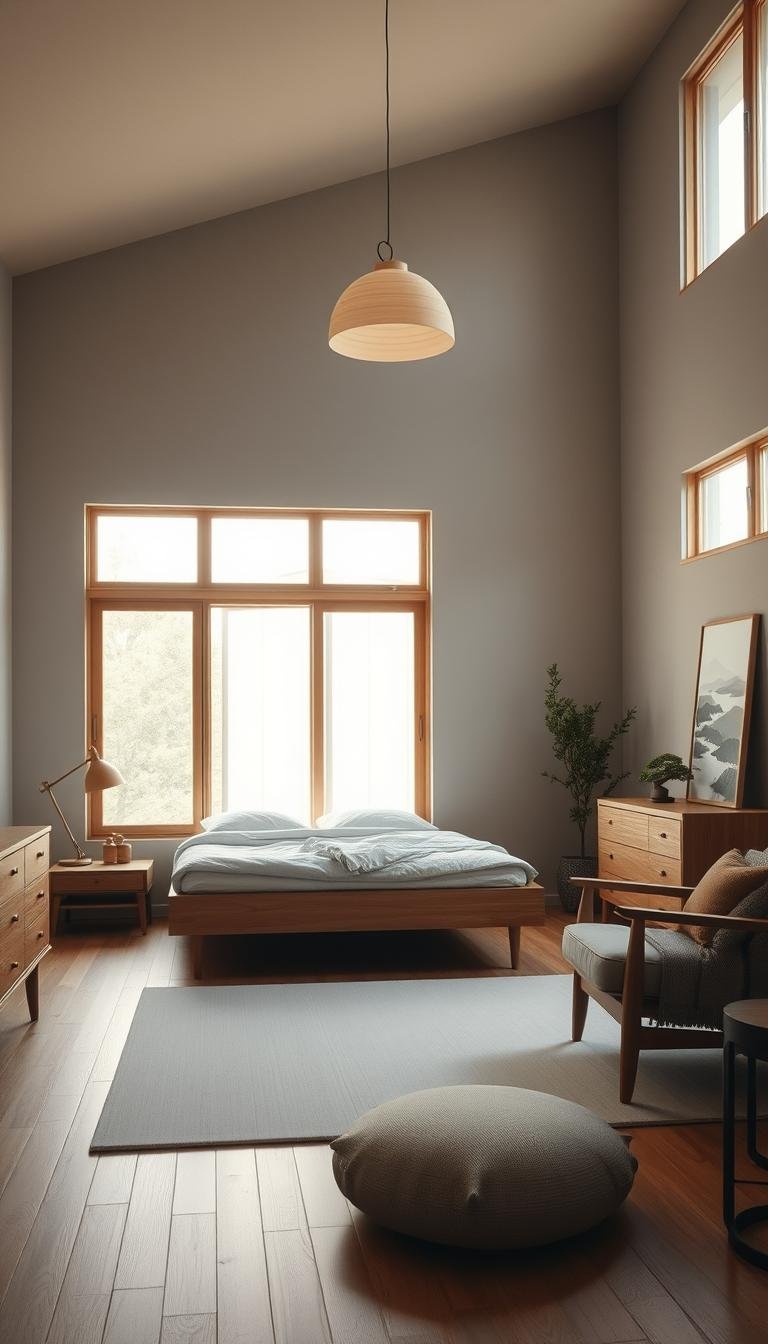
Have you ever wanted a sleeping space that feels both calm and cozy? The Japandi aesthetic might be your perfect solution. This style beautifully blends Japanese simplicity with Scandinavian comfort.
This approach creates rooms that are serene yet inviting. You get clean lines and uncluttered spaces. Yet you also enjoy soft textures and natural warmth.
The popularity of this design philosophy continues to grow in modern homes. People love how it transforms ordinary rooms into peaceful retreats.
This article will show you practical ways to achieve this look. We’ll explore nine key concepts that make this style work. You’ll discover how to create your own perfect sanctuary.
Let’s begin our journey into this harmonious design world. Your dream sleeping space awaits!
Introduction to the Japandi Aesthetic
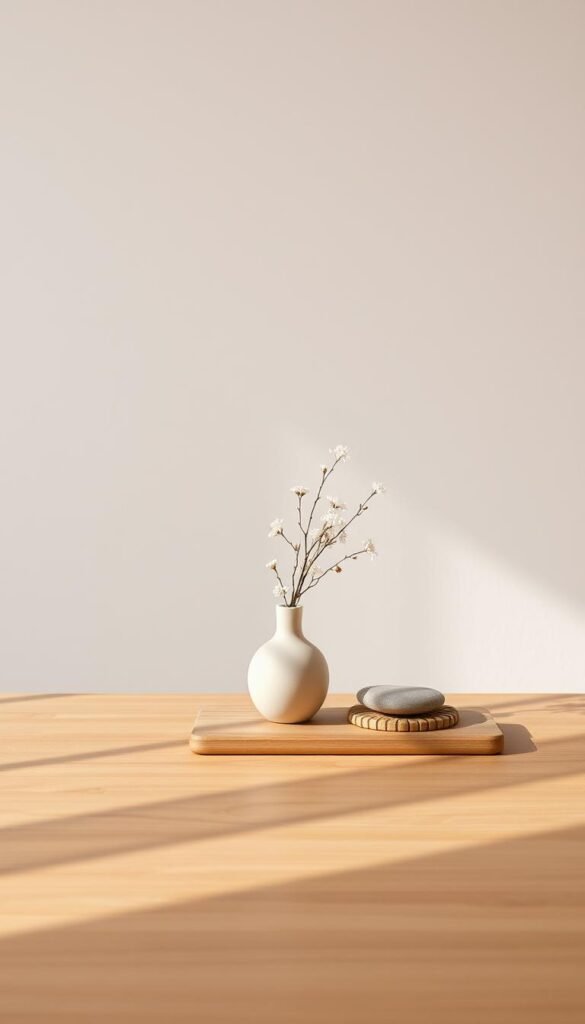
Imagine stepping into a room that feels both peaceful and welcoming. This special look comes from blending two distinct cultures. It creates spaces that are both simple and cozy.
Blending Japanese and Scandinavian Principles
This unique style finds its roots in two powerful traditions. Japanese design celebrates wabi-sabi. This means finding beauty in imperfections and natural aging.
Scandinavian philosophy brings hygge. It’s all about comfort, warmth, and well-being. These two ideas might seem different, but they work together perfectly.
Japanese minimalism values simplicity and natural materials. It embraces empty space to create calm. Scandinavian aesthetic adds functionality and light colors. It makes a room feel lived-in and comfortable.
Together, they form a balanced japanese scandinavian approach. You get clean lines and practical furniture. You also enjoy soft textures and a serene atmosphere.
Creating Your Personal Serene Sanctuary
Your sleeping area should be your personal retreat. This japandi design approach helps you achieve just that. It focuses on natural elements and neutral tones.
Think about using wood, linen, and stone. These materials bring nature indoors. They create a grounding effect that soothes the mind.
Many designers praise this style for its mental health benefits. A clutter-free, harmonious space reduces stress. It promotes better sleep and overall relaxation.
You can easily bring this look into your own home. Start by choosing functional pieces with clean designs. Add personal touches that bring you joy and comfort.
Your sanctuary awaits with just a few thoughtful changes. Embrace the balance of simplicity and warmth.
1. Craft a Harmonious Neutral and Natural Color Palette
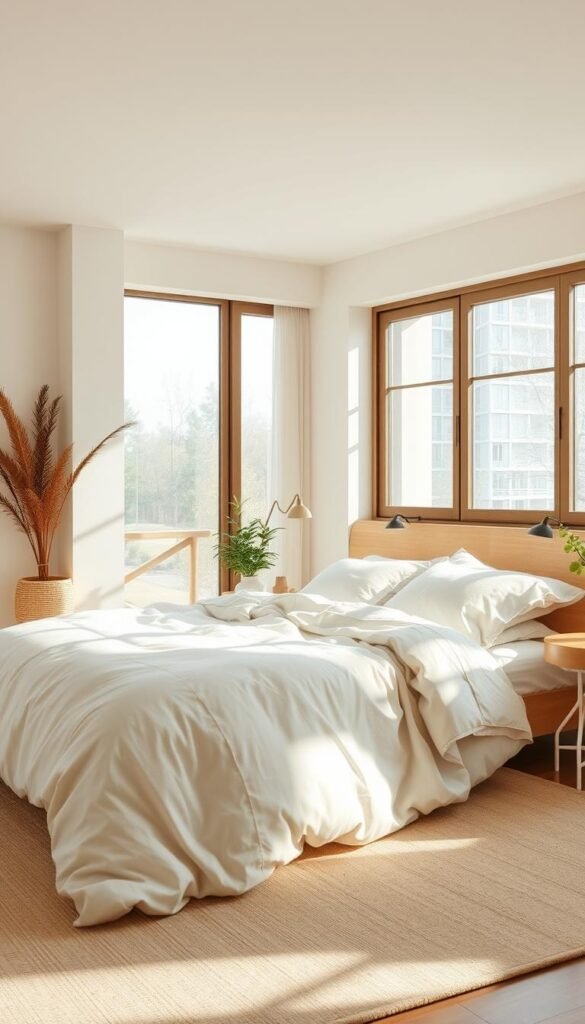
Your color choices set the foundation for a truly restful environment. The right neutral color palette creates balance between simplicity and comfort. This approach brings calm energy to your personal space.
Start with warm beiges, soft whites, and light grays as your base. These neutral tones make the room feel airy and spacious. They provide a clean canvas for adding personality later.
Choosing Your Base Neutral Tones
Begin with walls painted in gentle, warm neutrals. Popular choices include:
- Benjamin Moore Swiss Coffee (warm white)
- Sherwin-Williams Accessible Beige (soft beige)
- Farrow & Ball Elephant’s Breath (light gray)
These colors reflect light beautifully throughout the day. They create the illusion of more space while maintaining warmth. Your color palette should feel like a soft embrace when you enter the room.
Introducing Earthy Accent Hues
Add depth with nature-inspired accent colors. Think sage green, muted terracotta, and soft ochre. These hues connect your space to the outdoors.
Designer Julee Wray at Truss Interiors demonstrates this beautifully. She uses deep browns, light blues, and grayish greens to capture the authentic feel. These natural tones work harmoniously with your base neutral color scheme.
Consider these accent options through textiles and accessories:
- Throw pillows in earthy tones
- Artwork with natural motifs
- Ceramic pieces in muted colors
Different colors affect your mood in distinct ways. Soft blues promote calmness, while warm terracotta adds comfort. Greens bring a refreshing, natural energy to your space.
Balance is key when working with accents. Follow the 60-30-10 rule: 60% base color, 30% secondary color, 10% accent color. This creates visual harmony without overwhelming the senses.
You can even adjust your accents with the seasons. Add warmer tones in winter and cooler shades in summer. This keeps your space feeling fresh and connected to nature’s rhythms.
2. Incorporate a Mix of Wood Tones for Depth
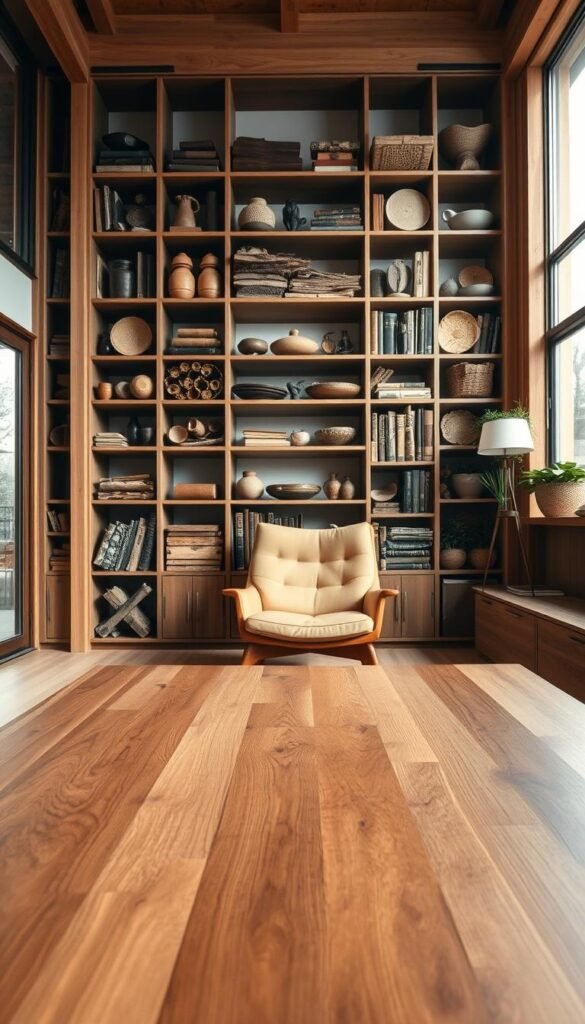
Nothing creates depth and dimension quite like the organic beauty of wood. This approach celebrates the natural variations in grain and color that make each piece unique. You create visual interest while maintaining that serene atmosphere.
Raw, unfinished wood shows its true character. You see the natural patterns and textures that manufactured pieces often lack. This authenticity is central to creating a space that feels genuinely connected to nature.
Selecting Complementary Wood Stains
Different tones work together to create a harmonious look. Light oak brings airiness while walnut adds rich depth. Bamboo introduces subtle variation with its distinctive grain pattern.
Truss Interiors demonstrates this beautifully. Their design pairs a light-toned chair with a darker patterned dresser. The contrast creates what designers call “an interesting vignette” – a small scene that captures attention.
Follow these guidelines for mixing stains:
- Choose one dominant wood tone as your anchor
- Add secondary tones through smaller furniture pieces
- Use accessories for subtle accent variations
Using Wood as a Raw, Natural Material
Natural materials serve both functional and decorative purposes. A wooden bed frame provides structure while adding warmth. Floating shelves offer storage while displaying beautiful grain patterns.
Consider sustainable sourcing options for eco-conscious choices. Look for FSC-certified woods or reclaimed pieces. These options reduce environmental impact while adding character.
Different furniture pieces benefit from specific wood types:
- Bed frames: sturdy oak or walnut
- Nightstands: lighter birch or maple
- Accessories: bamboo or teak for small items
Your wood elements should complement your color palette. Warm neutrals enhance lighter woods. Cooler grays make darker woods stand out beautifully.
Maintaining natural finishes is simple. Use gentle wood cleaners and avoid harsh chemicals. Regular dusting preserves the beauty of your wooden materials for years.
Incorporate wood through various methods:
- Hardwood flooring as your foundation
- Statement furniture pieces as focal points
- Small accessories for subtle touches
This layered approach creates depth without clutter. Your space feels both curated and completely natural.
3. Layer Different Textures for Tactile Warmth
Texture transforms a minimalist space from stark to inviting. It adds depth and character without visual clutter. Your room gains personality through touch as much as sight.
The right combination creates a rich sensory experience. You notice differences between smooth and rough surfaces. This variety keeps your space interesting yet peaceful.
Combining Soft and Structured Fabrics
Balance is key when mixing materials. Pair soft textiles with structured elements for harmony. This approach creates visual and tactile interest.
Consider the Truss Interiors team’s excellent example. They combined a cloth mural wall with a quilted comforter. Natural shapes in the wallcovering complement sharp angles in the bedding.
This combination demonstrates the aesthetic beautifully. It shows how different elements work together. The result feels both curated and comfortable.
Letting Textures Define the Space
Your textiles tell a story of comfort and style. Choose pieces that invite touch and create coziness. Each layer contributes to the overall atmosphere.
Excellent bedding combinations include:
- Linen sheets with a wool throw blanket
- Cotton duvet cover with silk accent pillows
- Quilted comforter with crisp cotton shams
Window treatments benefit from texture too. Consider sheer linen curtains for soft light diffusion. Add woven bamboo shades for natural structure.
Floor coverings anchor your space beautifully. A jute or sisal rug adds organic texture. Layer with a softer wool rug for comfort underfoot.
Accessories provide finishing texture touches. Woven baskets offer both storage and visual interest. Ceramic vases or stone sculptures add natural elements.
Seasonal changes keep your space feeling fresh. Use heavier textiles like wool and velvet in colder months. Switch to lighter linens and cottons for summer.
This thoughtful approach creates a rich sensory experience. Your room feels inviting through varied surfaces and materials. You achieve comfort without sacrificing minimalist principles.
4. Integrate Nature Motifs into Your Decor
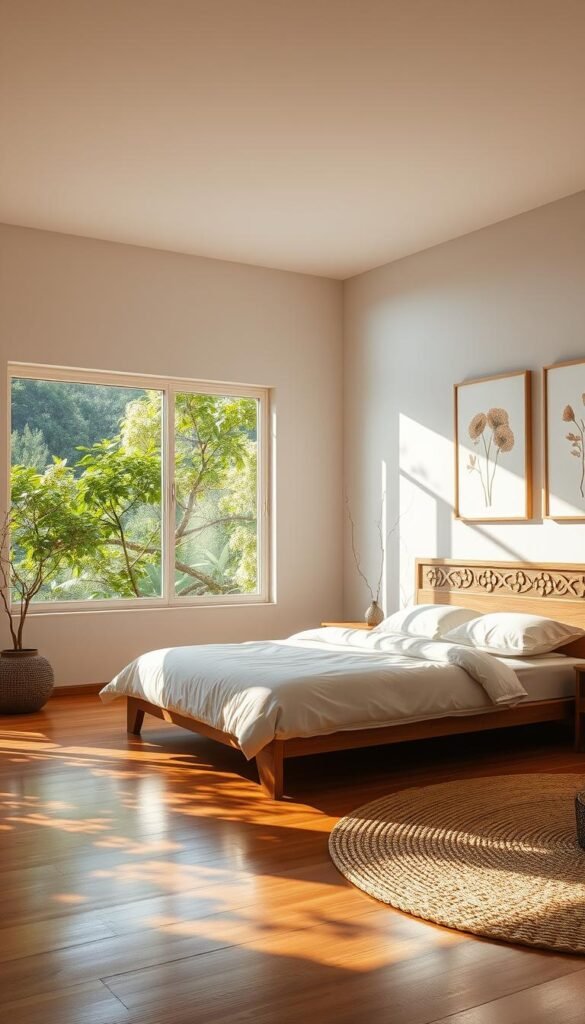
Nature’s patterns bring life and movement to your peaceful space. They create visual interest while maintaining that serene atmosphere you love.
Organic elements connect your interior to the natural world outside. This connection makes your room feel grounded and authentic.
Selecting Art and Textiles with Organic Patterns
Choose pieces that whisper nature rather than shout it. Subtle patterns work best in this look. They add interest without overwhelming your senses.
Designer Julee Wray demonstrates this beautifully. She used nature-patterned drapery behind the bed. This choice showcases classic Scandinavian style while adding organic beauty.
Consider these nature-inspired patterns for your space:
- Botanical prints with delicate leaf patterns
- Organic shapes that mimic natural forms
- Textiles with subtle tree bark or stone textures
Your art selections should feature natural elements gently. A single large leaf print makes a statement. A series of small botanical sketches creates rhythm.
Balance pattern with minimalism through careful placement. One patterned piece per area keeps things calm. Multiple small patterns can feel busy.
“Natural motifs bring the outside world into our living spaces, creating environments that feel both designed and organic.”
Textiles offer wonderful opportunities for nature themes. Curtains with subtle plant patterns filter light beautifully. Bedding with organic shapes adds visual interest.
These specific areas work well for nature motifs:
| Location | Pattern Type | Effect Created |
|---|---|---|
| Wall art | Botanical prints | Focal point with natural beauty |
| Bedding | Organic shapes | Subtle texture and movement |
| Curtains | Leaf patterns | Soft light filtration and privacy |
| Accent pillows | Natural forms | Small touches of pattern |
Choose patterns that complement rather than compete. Similar color tones create harmony. Varying scales of pattern add depth.
Consider cultural authenticity when selecting Japanese-inspired motifs. Research traditional patterns like seigaiha (wave patterns) or asanoha (hemp leaf). These designs carry historical meaning.
Your environment becomes more connected through these choices. Each natural element tells a story of the outdoors. They work together to create a cohesive decor scheme.
Remember that less is often more with patterns. One strong nature motif can anchor the space. Several subtle patterns create layers of interest.
Your room will feel both designed and naturally beautiful. This balance is the heart of creating a peaceful sanctuary.
5. Streamline Your Belongings for a Clutter-Free Space
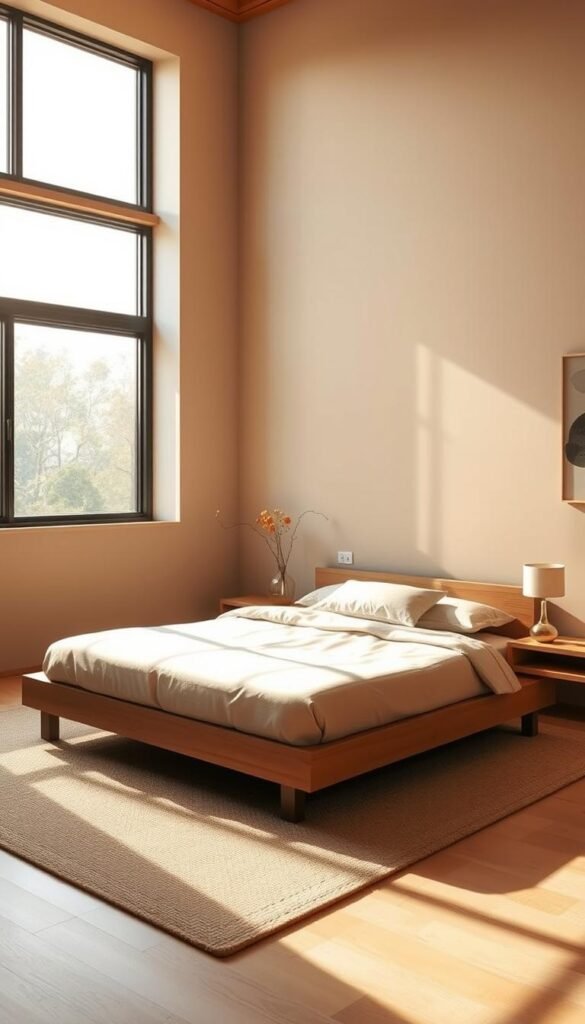
Creating a peaceful environment starts with what you choose to keep around you. A clear space leads to a clear mind. This approach focuses on quality over quantity in your personal sanctuary.
Designer Erin Roberts shows us how this works beautifully. She creates balanced, calming areas with muted colors. Her method combines minimalism with warm color tones.
She plays with different light wood finishes. She adds splashes of color only in necessary items. A bedspread becomes a thoughtful accent rather than just decoration.
Embracing the “Less is More” Philosophy
This philosophy comes from the Japanese concept of ma. It means appreciating the beauty of empty space. Negative space allows your eyes and mind to rest.
Clutter-free areas promote mental calmness and relaxation. They reduce visual noise that can cause stress. Your sleeping area becomes a true retreat from busy days.
Living with fewer items brings emotional benefits too. You surround yourself with only meaningful possessions. Each piece serves a purpose or brings genuine joy.
Curating Only Essential and Meaningful Pieces
Start by identifying what truly matters in your room. Ask yourself about each item’s function and meaning. Keep only those that serve you well or spark happiness.
Consider these practical strategies for reduction:
- Remove items not used in the past six months
- Limit decorative objects to a few special pieces
- Choose multi-functional furniture when possible
Storage solutions should maintain your aesthetic. Use hidden storage that keeps surfaces clear. Beautiful boxes and baskets can organize while adding texture.
Digital alternatives help reduce physical items. Use e-books instead of bookshelves when possible. Digital photo frames can display many images in one space.
Maintain this approach with regular reviews. Set a seasonal habit of reassessing your belongings. This keeps your space fresh and intentional.
| Item Type | Keep Criteria | Storage Solution |
|---|---|---|
| Bedding | Seasonally appropriate sets | Under-bed storage boxes |
| Clothing | Regularly worn items only | Minimalist wardrobe system |
| Decor | Meaningful or functional pieces | Display shelves with breathing space |
| Books | Favorites or reference materials | Small, curated shelf space |
This curated approach transforms how you experience your room. Every item has purpose and meaning. Your space becomes both functional and deeply personal.
6. Maximize the Use of Plenty of Natural Light
Sunlight transforms your space throughout the day. It brings life and energy into your personal retreat. This element plays a vital role in both design traditions.
Japanese design values the changing quality of light. It celebrates how illumination shifts with the seasons. Scandinavian style prioritizes bright, airy spaces during dark winters.
Natural illumination affects how you see colors and textures. It makes soft hues appear richer and deeper. Textures become more pronounced under different lighting conditions.
Designer Erin Roberts demonstrates this beautifully. She layers soft desert hues with natural textures to capture light. This approach creates warmth and dimension throughout the day.
Choosing Window Treatments That Welcome Light
Your window coverings should balance privacy and illumination. Sheer curtains filter light while maintaining visibility. They create a soft, diffused glow in your room.
Minimal coverings work best for maximum brightness. Consider these options for your windows:
- Sheer linen curtains for gentle light diffusion
- Bamboo shades that allow light patterns through
- Minimalist roller blinds for clean lines
Position furniture to avoid blocking windows. Keep larger pieces away from glass areas. This allows light to travel deeper into your space.
Mirrors and reflective surfaces enhance natural illumination. Place them opposite windows to bounce light around. Metallic accents can also help brighten darker corners.
Using Light to Enhance Your Color Palette
Light changes how your colors appear throughout the day. Morning light makes warm tones glow brightly. Evening light brings out cooler undertones in your palette.
Different times create distinct atmospheres. Bright midday light shows true colors. Soft afternoon light adds warmth and coziness.
Artificial lighting should complement natural sources. Choose warm white bulbs that mimic sunlight. Dimmable options allow adjustment throughout the day.
Seasonal changes affect your light management. Summer may require lighter filtering options. Winter benefits from maximum light penetration.
Consider this table for optimal light enhancement:
| Time of Day | Light Quality | Color Enhancement |
|---|---|---|
| Morning | Bright, cool light | Enhances blues and greens |
| Midday | Direct, neutral light | Shows true color values |
| Evening | Warm, golden light | Enriches warm tones |
| Overcast | Soft, diffused light | Mutes all colors gently |
Your space will feel alive and dynamic with proper light management. It creates an environment that changes beautifully throughout the day. This approach brings both visual interest and practical comfort to your home.
7. Add Interest and Personality with Abstract Art
Your walls offer a perfect canvas for expressing personal style while keeping things serene. The right artwork adds character without creating visual noise. It becomes a focal point that enhances your room’s atmosphere.
Abstract pieces work particularly well in this context. They suggest rather than state, leaving room for interpretation. This approach aligns beautifully with the philosophy of subtlety and suggestion.
Selecting Pieces That Maintain a Minimalist Feel
Daytrip Studio demonstrates this concept perfectly. Iwan Halstead from the firm explains their approach. They chose an abstract piece that “provides visual interest while maintaining the minimalist aesthetic.”
This balance is key to successful art selection. The piece should command attention without dominating the space. It becomes part of the overall harmony rather than a distraction.
Look for artwork with these characteristics:
- Organic shapes that echo natural forms
- Neutral color palettes that complement your scheme
- Subtle textures that add depth without busyness
Proper sizing ensures your art enhances rather than overwhelms. A single large piece makes a bold statement. Several smaller works can create a curated gallery feel.
Consider these placement guidelines for optimal impact:
| Wall Space | Art Size | Placement Height |
|---|---|---|
| Above bed | 2/3 of headboard width | 6-8 inches above headboard |
| Opposite window | Medium to large | Eye level when standing |
| Small alcove | Small accent piece | Varied for interest |
Framing choices significantly affect the overall look. Simple, natural wood frames maintain the organic feel. Frameless canvases offer a contemporary, streamlined appearance.
DIY options let you create personalized pieces. Try natural material collages or abstract ink washes. These projects add meaning through your personal touch.
“Art should whisper rather than shout in minimalist spaces, providing soul without clutter.”
Your selections should reflect personal meaning while respecting the overall design. They become part of your room’s story. Each piece contributes to the peaceful atmosphere you’ve created.
Remember that art can incorporate texture too. Woven wall hangings add softness. Ceramic wall sculptures bring three-dimensional interest.
This thoughtful approach to artwork completes your serene sanctuary. It adds that final layer of personality without compromising calm.
8. Choose a Low, Wooden Bed Frame for a Grounded Feel
Your sleeping platform sets the tone for the entire room’s atmosphere. A low wooden frame creates an immediate sense of calm and connection to the earth. This approach draws from traditional Japanese design principles that value humility and harmony with nature.
Benefits of a Low-Profile Design
Low furniture creates a wonderful room feel that’s both cozy and spacious. The reduced height makes your ceiling appear higher. This optical illusion expands your personal space visually.
Japanese aesthetics celebrate this grounded approach. It connects you to the earth and creates stability. Iwan Halstead from Daytrip Studio explains their choice perfectly.
“A low wooden bed frame with light linen bedding, a textured, woven throw blanket, and a soft, heathered cushion adds to the cozy atmosphere.”
Practical benefits include easier access and improved safety. Lower heights reduce fall risk and make getting in and out simpler. This is especially helpful for those with mobility concerns.
Choose wood types that complement your existing pieces. Light oak or ash works well for airy spaces. Walnut or cherry adds rich depth to your environment.
Styling Your Bed with Natural Linens and Throws
Your bedding choices enhance the low-profile design beautifully. Natural fibers like linen, cotton, and organic blends breathe well. They create comfort through temperature regulation.
Start with a base of high-quality linen sheets. Their texture adds visual interest while feeling soft against skin. Choose neutral tones that complement your wood frame.
Layer with thoughtful additions for depth and warmth:
- Textured woven throw blankets for tactile interest
- Soft heathered cushions for subtle color variation
- Organic cotton duvet covers for easy maintenance
Color palettes should harmonize with your wood tones. Warm beiges and soft grays enhance lighter woods. Muted greens and blues complement darker finishes.
Maintaining natural fiber bedding is simple. Most linen and cotton blends machine wash gently. Air drying preserves fiber integrity and reduces shrinkage.
Rotate your bedding seasonally for optimal comfort. Lighter layers work well in warmer months. Add extra throws and cushions during colder seasons.
This approach creates a cohesive look throughout your space. Each element works together to support relaxation and rest.
9. Include Rustic Elements for an Earthy Touch
Natural textures bring soulful character to your clean-lined space. These organic touches create a welcoming atmosphere that feels both curated and comfortable.
Handcrafted pieces add unique personality to your room. They tell stories of craftsmanship and tradition. This approach honors both Japanese and Scandinavian design values.
Balancing Handcrafted Pieces with Modern Design
Daytrip Studio demonstrates this balance beautifully. Iwan Halstead describes their approach perfectly.
“The room exudes an understated elegance, combining rustic and contemporary elements.”
Their use of handcrafted wooden stools as bedside tables shows this harmony. These pieces add organic forms that complement the earthy aesthetic.
Choose rustic items with clean, simple shapes. Avoid overly ornate or heavy designs. The goal is subtle character, not full country style.
Consider these handcrafted options for your space:
- Wooden stools with natural grain patterns
- Ceramic vessels in earthy tones
- Woven baskets for storage and texture
These elements contribute significantly to the hygge aspect. They create that cozy, comforting feeling Scandinavians cherish. Your space becomes more inviting through these thoughtful touches.
Japanese culture values handmade items deeply. They represent wabi-sabi – beauty in imperfection. Each piece carries the maker’s energy and intention.
Select accessories that complement rather than dominate. One strong rustic piece can anchor a corner. Several smaller items create layers of interest.
This table shows how to balance rustic and modern elements:
| Modern Element | Rustic Complement | Balance Effect |
|---|---|---|
| Sleek bed frame | Handwoven throw blanket | Adds texture without clutter |
| Minimalist nightstand | Artisanal ceramic lamp | Brings organic shape |
| Clean walls | Wooden wall sculpture | Creates focal point |
| Simple flooring | Hand-knotted wool rug | Adds warmth underfoot |
Your space gains depth through these authentic touches. Each handcrafted piece tells its own story. They work together to create a truly personal sanctuary.
Embracing the Japandi Lifestyle in Your Home
This design philosophy brings more than beauty to your home. It creates a peaceful environment that supports your well-being.
You can apply these principles throughout your living space. They promote mindfulness through intentional choices. Natural materials and simplicity become your daily companions.
This approach fosters a deep sense of calm and connection. It encourages appreciation for quality over quantity. Your surroundings become both functional and meaningful.
Start small and let the style evolve naturally. Choose pieces that bring you joy and peace. Your personal sanctuary awaits through thoughtful design choices.