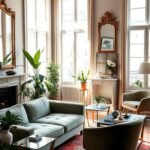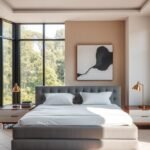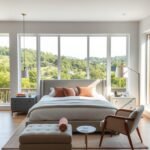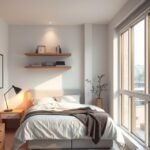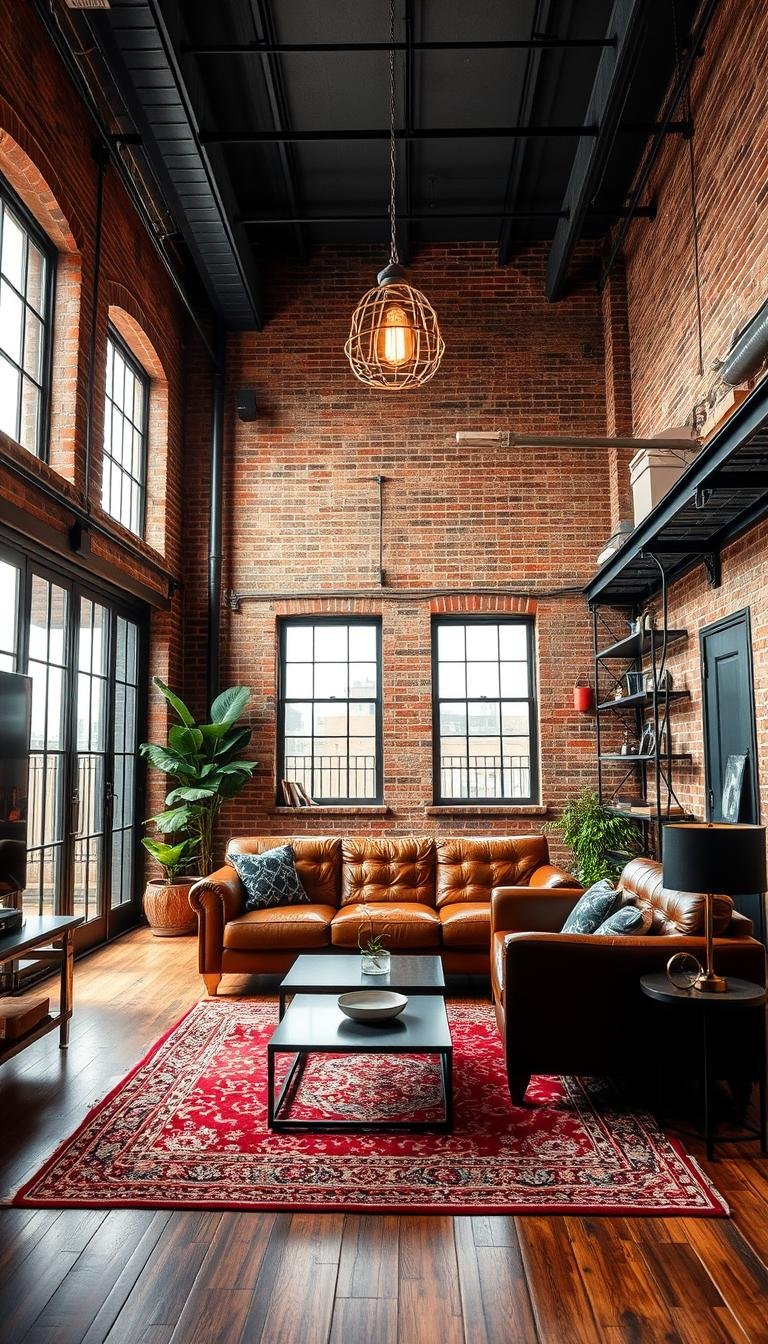
Have you ever walked into a space that feels both raw and refined? That’s the magic of industrial chic design. This style celebrates authenticity while creating a comfortable environment you’ll love coming home to.
City dwellings often present unique challenges with their compact layouts. The beauty of this approach lies in its ability to maximize every square foot. You get both style and functionality in one smart package.
Raw materials and exposed elements become your best friends here. They add character and depth without overwhelming your space. Think reclaimed wood, metal accents, and plenty of natural textures.
This design philosophy works wonderfully for modern urban living. It creates an atmosphere that feels both intentional and inviting. You’ll discover how to balance industrial elements with cozy, livable spaces.
Ready to transform your home? Let’s explore how this popular style can revitalize your apartment with practical charm and undeniable character.
What Makes Industrial Chic Perfect for Urban Living
Urban dwellings often come with built-in character that’s just waiting to be celebrated. The transformation of former factories and warehouses into sought-after residences created a natural foundation for this aesthetic. These spaces retain their original architectural soul while becoming comfortable modern homes.
Many city apartments feature structural elements that align perfectly with this approach. Exposed ductwork, concrete surfaces, and tall ceilings become design assets rather than obstacles. These features provide authentic texture and visual interest without additional decoration.
The Urban Apartment Connection
The historical evolution of loft-style residences created an organic connection to industrial aesthetics. Former manufacturing spaces became desirable homes because they offered something unique. Their open layouts and distinctive features appealed to those seeking authenticity.
Your urban home might already contain what designers call “good bones.” These original architectural elements form the perfect foundation for this approach. Instead of hiding these features, you can highlight them as intentional design choices.
This celebration of authenticity creates spaces that feel both grounded and contemporary. You’re not just decorating a room—you’re honoring the building’s history while making it your own. The result feels genuinely integrated with its urban environment.
Why This Style Works in Compact Spaces
Smaller urban residences benefit tremendously from design principles that emphasize openness. The minimal ornamentation and clean lines prevent visual clutter that can make spaces feel cramped. Every element serves both functional and aesthetic purposes.
Strategic use of vertical space creates the illusion of more room. Drawing attention upward emphasizes height rather than limited square footage. This approach makes compact areas feel more expansive and airy.
The raw, unfinished quality of certain materials actually enhances spatial perception. These textures add depth without closing in the area. They create visual interest that distracts from size limitations.
| Urban Apartment Feature | Industrial Design Benefit | Space-Enhancing Result |
|---|---|---|
| High ceilings | Vertical emphasis through lighting and decor | Creates feeling of expanded volume |
| Exposed structural elements | Natural texture without added decoration | Reduces visual clutter |
| Open floor plans | Clean sight lines and minimal partitions | Enhances flow and spaciousness |
| Concrete or wood floors | Authentic materials that require little added decor | Maintains clean, uncluttered surfaces |
| Large windows | Complements metallic and reflective elements | Maximizes natural light distribution |
This approach aligns perfectly with urban lifestyles that value both form and function. You get practical solutions that also create visual appeal. The aesthetic supports organized living in busy city environments.
Many people find psychological benefits in these calm, ordered spaces. The clarity of design provides a peaceful retreat from hectic urban life. Your home becomes a sanctuary that reflects both your personality and your environment.
Understanding the Industrial Chic Aesthetic
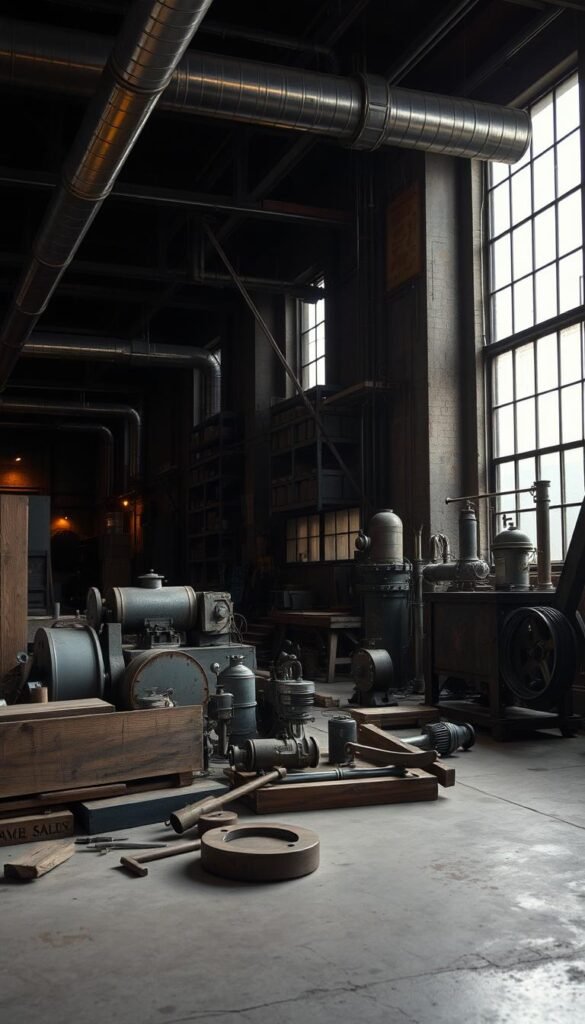
This design approach celebrates authenticity through intentional material choices. You create spaces that feel both grounded and contemporary.
The magic happens when raw elements meet thoughtful refinement. You balance rugged textures with comfortable living.
Raw Materials and Exposed Elements
Your space might already contain beautiful structural features. Look for exposed brick, concrete surfaces, or metal beams.
These elements tell your home’s unique story. Celebrate them instead of hiding them behind drywall.
Reclaimed wood adds warmth and history to your look. Metal accents provide sleek contrast against softer textures.
Different materials interact with light in fascinating ways. Concrete reflects cool tones while wood absorbs warmth.
Neutral Color Palettes with Strategic Pops
Start with a foundation of neutral tones on your walls. Grays, taupes, and warm whites create a calm backdrop.
These shades make your space feel larger and brighter. They allow your architectural features to take center stage.
Add personality through carefully chosen accent colors. Rich burgundies, deep blues, or earthy terracottas work beautifully.
Introduce color through accessories and textiles. A vibrant throw pillow or colorful artwork makes bold statements.
| Material Type | Visual Effect | Light Interaction |
|---|---|---|
| Reclaimed Wood | Adds warmth and texture | Absorbs light, creates depth |
| Exposed Brick | Provides rustic character | Diffuses light softly |
| Polished Concrete | Offers modern sleekness | Reflects light brightly |
| Black Metal | Creates strong contrast | Provides sharp reflections |
| Neutral Textiles | Softens hard surfaces | Absorbs and diffuses light |
Your color choices affect the room’s atmosphere dramatically. Cool tones feel more urban and contemporary.
Warm accents make the space feel inviting and comfortable. Balance is key to maintaining that authentic look.
Remember that less is often more with color pops. Let your materials shine while accents provide personality.
Embracing Your Space’s Industrial Bones
Your apartment might already hold hidden treasures waiting to be discovered. Many buildings contain original features that form the perfect foundation for your design vision. These elements add authentic character without extra decoration.
Expert designer Kathy Corbet shares valuable insight about working with what you have. She suggests focusing on three key areas when creating your desired look.
“If the building doesn’t have the industrial bones, I recommend focusing on the walls, ceiling, and floor to work towards your desired look.”
Working with Existing Architectural Features
Start by examining your space with fresh eyes. Look for exposed brick, concrete surfaces, or visible ductwork. These features become your design assets rather than obstacles.
Enhance what you already have through careful highlighting. Proper lighting can emphasize texture and depth. Strategic placement of furniture keeps these elements visible.
Consider the natural aging and patina of materials. These characteristics tell your building’s unique story. They create visual interest that new materials cannot replicate.
Adding Industrial Elements When They’re Missing
Not every space comes with ready-made character. Modern construction often hides structural elements behind drywall. You can still achieve the authentic look through creative solutions.
Corbet recommends innovative materials that provide realistic effects. Lightweight PVC beams offer the appearance of structural elements without heavy construction. Faux concrete wall blocks create texture without permanent alteration.
Mix different wall finishes within the same room. This technique mimics the layered history of genuine industrial spaces. It creates visual depth and authenticity.
Balance added elements with your existing architecture. The goal is cohesive integration rather than obvious additions. Your space should feel naturally developed rather than artificially created.
| Missing Feature | Faux Solution | Installation Tips |
|---|---|---|
| Exposed beams | PVC industrial beams | Paint to match existing tones |
| Concrete walls | Faux concrete panels | Mix with real materials |
| Brick texture | Peel-and-stick brick | Use as accent walls |
| Metal accents | Black iron fixtures | Focus on lighting pieces |
| Mixed finishes | Layered wall treatments | Create visual history |
Discover more about industrial style elements that can transform ordinary spaces. These techniques help create the authentic feel without major construction.
Remember that varying textures and materials create true character. Your space should tell a story through its surfaces and finishes. This approach makes your home feel genuinely integrated with industrial aesthetics.
Strategic placement of key pieces makes a significant impact. A single well-chosen art piece can anchor the entire room. Focus on elements that enhance rather than overwhelm your space.
These professional tips help you integrate features without permanent alterations. You can achieve remarkable transformations using accessible materials and techniques. Your living area will gain character and depth through thoughtful implementation.
Maximizing Natural Light in Your Urban Oasis
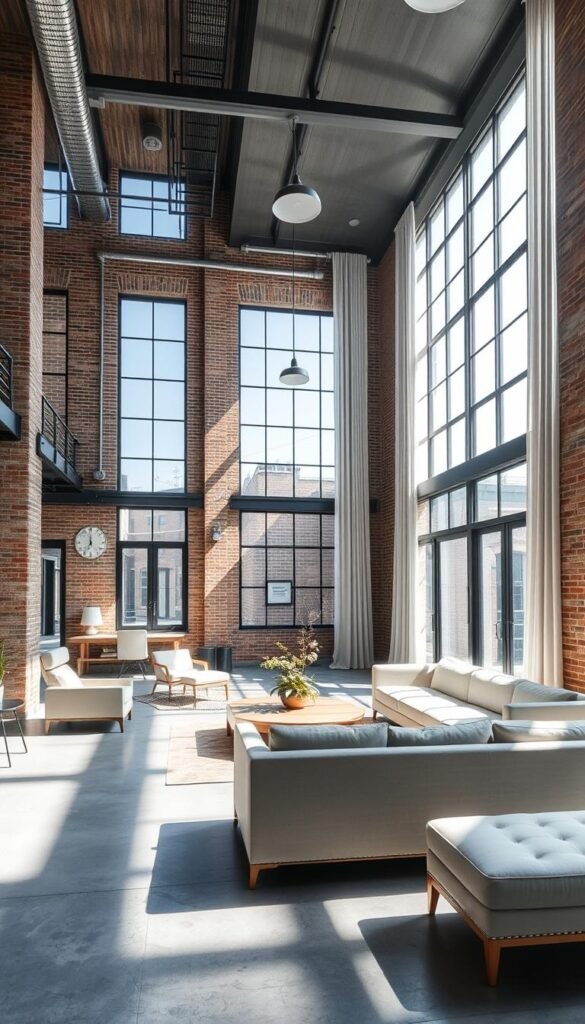
Imagine stepping into your home where sunlight dances across authentic surfaces, creating a dynamic play of light and shadow. This beautiful interaction defines the soul of your personal retreat. Daylight becomes your most valuable design element, enhancing every texture and material.
In loft-style residences, abundant illumination represents an architectural gift that shapes your daily experience. These spaces celebrate expansive glass openings that flood interiors with beautiful daylight. You’ll want to preserve this precious resource rather than block it.
Window Treatment Strategies
Avoid heavy, light-blocking curtains that obstruct your valuable illumination. Instead, choose sheer or minimalist coverings that filter sunlight gently. These options maintain privacy while letting beautiful light permeate your space.
Consider Roman shades or simple roller blinds for clean, modern looks. Position treatments to frame rather than cover your glass openings. This approach emphasizes the architectural feature while controlling light levels.
Professional designers often recommend mounting curtains wider than the window frame. This technique makes openings appear larger and allows maximum light entry. It’s a simple trick with dramatic results.
Reflective Surfaces and Light Enhancement
Strategic surfaces can amplify and distribute illumination throughout your area. Metal accents create brilliant reflections that bounce light into darker corners. These elements serve both aesthetic and functional purposes.
Mirrors positioned opposite windows work like additional light sources. They double the impact of incoming daylight and create spatial expansion. Choose frames that complement your overall aesthetic.
Polished concrete floors and glass tables enhance light distribution. These materials interact with illumination in unique ways. They help create brighter, more expansive-feeling environments.
Different materials reflect and distribute illumination differently. Understanding these interactions helps you design intentionally. You can guide light exactly where you want it throughout your living space.
Well-lit environments offer psychological benefits beyond visual appeal. They create uplifting atmospheres that enhance daily living. Your home becomes a true sanctuary filled with beautiful, natural illumination.
Defining Zones in Your Open Layout
Open spaces offer wonderful freedom but need smart organization. Creating distinct zones helps your home feel both spacious and functional. You maintain that airy feeling while gaining practical organization.
Creating Functional Living Areas
Think about how you use your space daily. You might need separate spots for relaxing, eating, and working. Each area should serve its purpose clearly.
Visual cues help define these spaces without walls. Different lighting levels create intimate atmospheres. Varied floor textures signal transitions between zones.
Your home’s unique character shines through these thoughtful divisions. The overall aesthetic remains cohesive while serving multiple functions. You get both beauty and practicality in one smart design.
Using Furniture for Spatial Division
Your sofa can become a natural room divider when positioned thoughtfully. Place it with its back to other areas to create separation. This technique maintains visual flow while defining spaces.
Bookshelves and consoles work wonderfully as partial barriers. They provide storage while creating subtle divisions. These pieces add functionality without closing off areas completely.
Consider scale when selecting pieces for zone definition. Oversized furniture can overwhelm compact spaces. Choose proportional items that define without dominating.
Exposed beams or architectural features can anchor your furniture arrangements. Position key pieces to highlight these structural elements. This approach enhances your space’s natural character.
Creative ideas emerge when you view furniture as more than just functional items. Each piece can serve multiple purposes in your open layout. You create a home that works perfectly for your lifestyle.
Choosing the Right Materials and Textures

Your material choices form the foundation of your design’s character. These selections create visual interest through authentic surfaces and finishes. The right combination balances rugged appeal with comfortable living.
Reclaimed Wood and Its Character
Reclaimed timber brings unique history into your home. Each piece tells a story through its natural imperfections and aging. These features add warmth that new wood cannot replicate.
Look for pieces with visible nail holes or saw marks. These details celebrate the material’s previous life in old factories or barns. They create authentic character that feels genuinely earned.
Designer Kathy Corbet recommends sourcing furniture made from reclaimed materials. This approach honors sustainability while adding distinctive beauty. Your space gains depth through these thoughtful choices.
Metal, Concrete, and Brick Elements
Various metals offer different visual effects and atmospheres. Black iron provides strong contrast against softer textures. Bronze accents introduce warm, rich tones that age beautifully.
Concrete surfaces bring modern sleekness to your design. They reflect light in interesting ways throughout your space. Consider concrete-topped tables or decorative accessories.
Brick walls add rustic character through their varied coloration and texture. If your space lacks original brick, consider peel-and-stick options for accent walls. These create focal points without permanent construction.
Exposed piping can become intentional design features rather than hidden elements. Paint pipes in contrasting colors to make them stand out. This approach celebrates the building’s structural honesty.
Textile Selection for Softening Effects
Textiles provide essential comfort against harder surfaces. They soften the overall aesthetic while adding visual warmth. Designer Anwar emphasizes their importance for livable spaces.
“You need to soften the industrial elements with textiles and some strategic pops of color or print.”
Choose fabrics with substantial weight and texture. Heavy cotton canvases, wool throws, and leather accents work beautifully. These materials feel durable and appropriate for the style.
Layer different textiles throughout your space for maximum effect. Area rugs define zones while adding comfort underfoot. Throw blankets and pillows introduce color and softness to seating areas.
| Material Type | Best Uses | Maintenance Tips |
|---|---|---|
| Reclaimed Wood | Furniture, accent walls, shelving | Dust regularly, avoid excessive moisture |
| Black Iron | Lighting fixtures, table bases, shelving | Wipe with dry cloth, prevent rust |
| Concrete | Countertops, floors, decorative objects | Seal surfaces, clean with pH-neutral cleaners |
| Textured Textiles | Upholstery, throws, area rugs | Vacuum regularly, spot clean spills |
| Brick Surfaces | Accent walls, fireplace surrounds | Dust with soft brush, avoid harsh chemicals |
Your material combinations should tell a cohesive story. Mix different textures while maintaining visual harmony. This approach creates depth and interest throughout your space.
Consider practical aspects like durability and maintenance. Urban living requires materials that withstand daily use while maintaining their beauty. Choose options that balance aesthetics with functionality.
The right materials create a space that feels both authentic and inviting. They transform ordinary areas into extraordinary environments. Your home becomes a true reflection of thoughtful design choices.
Industrial Chic Living Room Decor for Urban Apartments: Core Principles
Creating a beautiful home requires understanding some key ideas. The magic happens when you balance rough elements with smooth finishes. This approach gives your area character while keeping it comfortable.
Designer Wyatt shares an important thought about simplicity. He believes in letting materials stand out naturally.
“Those finishes will provide most of the interest and inspiration in the space,”
This philosophy helps you create a welcoming environment. You achieve sophistication through careful choices rather than excess decoration.
Balancing Raw and Refined Elements
Start by looking at your existing features. Exposed brick or concrete walls offer wonderful texture. These elements bring authentic character to your home.
Balance these rough surfaces with softer touches. Plush rugs and comfortable seating create contrast. This combination makes your space feel both interesting and inviting.
Anwar offers valuable advice about avoiding clutter. He suggests keeping decorations minimal and meaningful.
“You don’t want a lot of ornamentation, clutter, or delicate things,”
Choose a few statement pieces instead of many small items. This approach maintains visual calm while adding personality. Your room feels organized and intentional.
Maintaining Urban Sophistication
Urban environments demand smart design solutions. You want your home to feel polished yet authentic. This balance creates true sophistication.
Focus on quality materials that tell a story. Reclaimed wood tables or metal light fixtures add depth. These pieces bring history and character into your space.
Consider these practical tips for daily living:
- Use multi-functional furniture that serves multiple purposes
- Choose storage solutions that hide clutter but remain accessible
- Select artwork that complements rather than overwhelms your walls
- Maintain clean surfaces by limiting decorative objects
- Let natural light enhance your material choices
Your design should reflect your personality while honoring the building’s character. This creates a genuine sense of place that feels both current and timeless.
Remember that restraint often creates the most impact. Allow your materials to shine without competition. Your home becomes a peaceful retreat from busy city life.
Statement Lighting That Defines Your Space
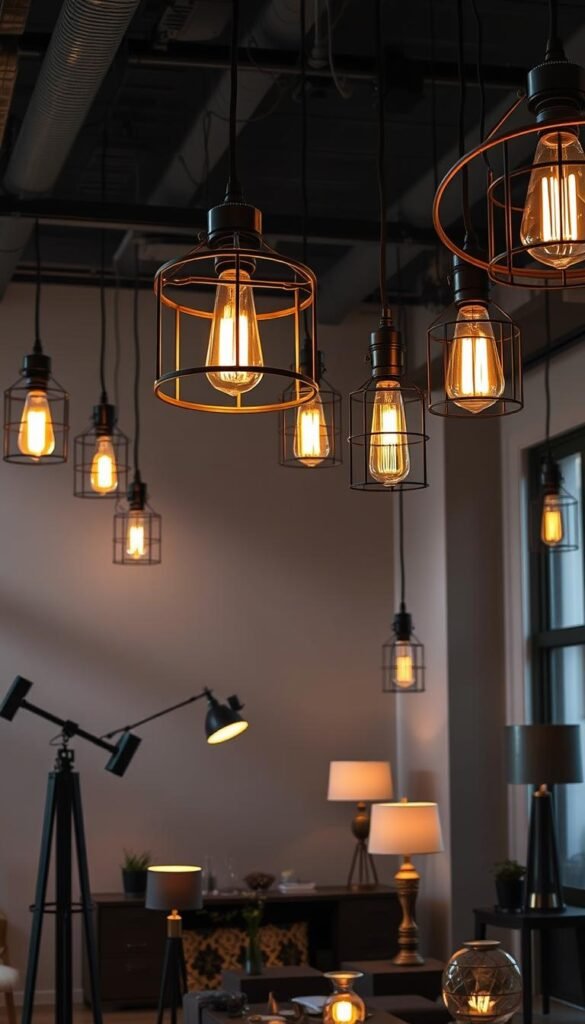
Lighting transforms your home from ordinary to extraordinary. It sets the mood and highlights your best features. The right fixtures become artistic statements that pull everything together.
Think of lighting as jewelry for your rooms. It adds sparkle and draws attention to key areas. Your choices should reflect your personal style while enhancing functionality.
Designer Kathy Corbet explains how certain elements work beautifully together. “Faded or distressed wall coverings and fabrics work well including light fixtures that look like they came from an old factory,” she notes. This approach creates authentic character throughout your spaces.
Pendant Lights and Industrial Fixtures
Pendant lights offer versatile solutions for various areas. They provide focused illumination while adding visual interest. Choose fixtures with metal finishes or exposed hardware for that authentic look.
Track lighting allows flexible positioning along your walls or ceiling. You can direct light exactly where you need it most. This works wonderfully for highlighting artwork or architectural details.
Vintage-inspired factory fixtures bring genuine historical charm. Their rugged construction and simple designs complement raw materials beautifully. These pieces tell stories through their form and function.
Consider these popular options for your home:
- Caged pendants with visible bulbs
- Adjustable track systems with industrial finishes
- Vintage reproduction factory sconces
- Pipe-based floor lamps with articulated arms
- Multi-light cluster fixtures for dramatic impact
Edison Bulbs and Their Warm Glow
Edison bulbs create beautiful, warm illumination throughout your space. Their visible filaments add visual interest even when turned off. This vintage look complements various materials and textures.
The amber glow enhances wood surfaces and metallic finishes. It creates cozy atmospheres perfect for relaxing evenings. These bulbs work beautifully in exposed fixture designs.
Modern LED versions offer energy efficiency with classic appearance. You get the vintage look without high electricity consumption. They last longer while maintaining that warm, inviting glow.
Placement strategies maximize their impact throughout your rooms. Use them in areas where you want to create intimate moods. Their light beautifully highlights textural contrasts between surfaces.
Furniture Selection for Industrial Appeal
Your furniture choices make the biggest impact on your space’s character. The right pieces blend authentic style with everyday functionality. They create a home that feels both intentional and inviting.
Urban living demands smart solutions that maximize every square foot. Multi-functional furniture becomes your secret weapon for organized living. These versatile pieces serve multiple purposes without sacrificing style.
Multi-Functional Pieces for Urban Living
Think about furniture that works harder for your lifestyle. A sofa bed transforms your living area into a guest room instantly. Extendable dining tables adjust to accommodate different group sizes.
Storage ottomans provide hidden organization while offering extra seating. They keep clutter out of sight while maintaining clean lines. These adaptable options optimize your available space beautifully.
Designer Anwar emphasizes the importance of substantial proportions. “Bulky and deep sofas lend themselves more to industrial interior design than delicate tufted ones,” he notes. However, he cautions against overusing leather in your decor.
Clean Lines and Substantial Proportions
Choose furniture with simple forms and strong silhouettes. Clean lines create visual calm in compact spaces. They prevent your area from feeling too busy or overwhelming.
Substantial proportions give your space weight and presence. A sturdy concrete table base feels grounded and authentic. Metal frames on chairs add structural honesty to your design.
Reclaimed wood surfaces bring warmth and history to your pieces. They contrast beautifully with smoother finishes throughout your space. This balance creates depth and visual interest.
| Furniture Type | Industrial Features | Space-Saving Benefits |
|---|---|---|
| Sofa Bed | Metal frame, clean lines | Dual functionality for guests |
| Extendable Table | Reclaimed wood top | Adapts to different occasions |
| Storage Ottoman | Industrial fabric cover | Hidden organization solution |
| Modular Shelving | Black iron fixtures | Customizable vertical storage |
| Bench Seating | Simple concrete base | Efficient use of floor space |
Your furniture should feel both substantial and functional. Each piece contributes to your overall aesthetic while serving practical needs. This approach creates a home that works beautifully for daily living.
Consider durability and maintenance when selecting materials. Urban apartments need furniture that withstands regular use. Choose pieces that maintain their character over time.
The right furniture makes your space feel complete and cohesive. It balances raw elements with comfortable living perfectly. Your home becomes a true reflection of thoughtful design choices.
Incorporating Area Rugs for Warmth and Definition
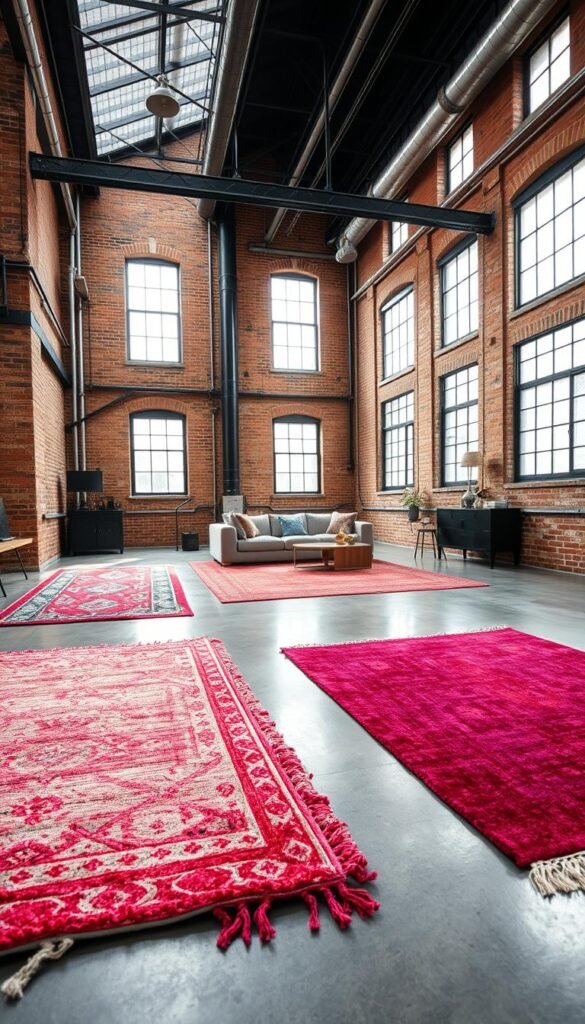
Picture stepping onto a soft surface that transforms your entire atmosphere. Area rugs do more than decorate floors—they create cozy islands in open spaces. These textile pieces add comfort while organizing your layout visually.
In expansive lofts, rugs become essential tools for zone creation. They define specific areas without permanent walls or barriers. Your living space gains both structure and style through strategic placement.
These floor coverings introduce warmth against cooler surfaces like concrete. They provide tactile variety that makes your home more inviting. The right rug becomes a foundation for your entire seating arrangement.
Material Choices for Industrial Spaces
Select natural fibers that complement raw architectural features. Wool offers durability and rich texture underfoot. Its natural resilience handles high traffic beautifully.
Jute and sisal bring organic earthiness to your decor. These materials work well with exposed brick and metal accents. They maintain that authentic, unpretentious feeling throughout your space.
Consider vintage-inspired patterns with geometric designs. These motifs reference historical factory aesthetics subtly. They add visual interest without overwhelming other elements.
Leather patches or metallic threads can provide subtle shine. These details catch natural light beautifully throughout the day. They create dynamic interactions with your lighting scheme.
Size and Placement Strategies
Choose dimensions that anchor your furniture groupings completely. All front legs should rest on the rug in seating areas. This creates a unified look that defines the zone clearly.
Leave consistent borders around the rug’s perimeter. Eighteen inches between rug edges and walls works well. This framing makes the space feel intentional and balanced.
For dining areas, select rugs large enough to accommodate pulled-out chairs. The entire table and chair arrangement should fit comfortably. This prevents tripping hazards while maintaining visual cohesion.
In open floor plans, use multiple rugs to define separate functions. Different textures or patterns can signal transitions between areas. Your living rooms within one space become clearly organized.
| Rug Material | Best For | Maintenance Level |
|---|---|---|
| Wool | High-traffic areas, seating zones | Medium – professional cleaning recommended |
| Jute | Low-traffic areas, aesthetic accents | Low – spot clean only |
| Sisal | Entryways, transitional spaces | Medium – vacuum regularly |
| Vintage Pattern | Focal points, conversation areas | High – delicate care required |
| Mixed Fiber | Durability with visual interest | Variable – check manufacturer guidelines |
Layer rugs for added depth and complexity in larger spaces. Place a smaller patterned rug over a larger neutral one. This technique adds visual interest while defining specific areas.
Consider rug pads for safety and protection. They prevent slipping on smooth concrete floors. Pads also extend your rug’s lifespan significantly.
Rotate rugs periodically to ensure even wear patterns. This maintenance strategy keeps them looking fresh longer. Your investment continues serving your aesthetic beautifully.
Art can be incorporated through rug designs themselves. Some patterns resemble abstract paintings underfoot. These pieces become functional artwork in your daily living space.
Creating Focal Points with Artistic Elements
Your home’s personality shines brightest when you create intentional focal points that capture attention. These centerpieces transform ordinary spaces into extraordinary environments that reflect your unique style. They become the heart of your design story.
A striking focal point does more than just decorate—it establishes visual hierarchy and guides the eye through your space. Whether it’s an arresting artwork or a distinctive light fixture, this element becomes the anchor of your room’s character. It creates conversation and adds depth to your aesthetic.
Large Scale Artwork Placement
Oversized pieces make dramatic statements in any space. They command attention and create instant visual impact. Consider scale carefully when selecting artwork for your walls.
Position large pieces where they can be appreciated from multiple angles. A blank wall opposite your entryway works beautifully. This creates an immediate wow factor when guests enter.
Lighting plays a crucial role in highlighting your artwork. Track lighting or adjustable spotlights can emphasize textures and colors. Consider how natural light from windows interacts with your pieces throughout the day.
Professional designers recommend hanging artwork at eye level for optimal viewing. The center should be approximately 57-60 inches from the floor. This creates comfortable viewing for most people.
Balance is key when working with large-scale pieces. Ensure they complement rather than overwhelm your space. The artwork should enhance your room’s existing character.
Statement Pieces That Command Attention
Beyond artwork, many elements can serve as powerful focal points. A sculptural light fixture or unique furniture piece creates visual interest. These items become conversation starters in your home.
Choose pieces that reflect your personal style while complementing your space’s aesthetic. Metal sculptures or installations work particularly well. They add texture and dimension to your rooms.
Consider the flow of your space when positioning statement pieces. They should guide movement through your area without obstructing it. Create clear sight lines that highlight your focal point.
Lighting can transform ordinary objects into extraordinary features. Uplighting a sculpture or backlighting a screen creates dramatic effects. These techniques add depth and dimension to your space.
Remember that sometimes less is more. One well-chosen statement piece often outweighs multiple competing elements. Let your focal point shine without visual competition.
These ideas help you create spaces that feel both intentional and inviting. Your focal points become reflections of your personality while enhancing your home’s overall design. They transform ordinary areas into extraordinary environments.
Playing with Textural Contrasts
Feel the difference under your fingertips as you move through your space. Textures create depth and interest that transform ordinary rooms into extraordinary environments. They add visual richness that makes your home feel complete and inviting.
In loft-style residences, textural variety becomes especially important. These expansive areas need tactile elements to prevent feeling cold or empty. The right combinations create warmth and character throughout your home.
Smooth vs. Rough Surfaces
Balance is key when working with different surface finishes. Pair sleek metal with rugged reclaimed wood for stunning effects. This contrast creates visual tension that keeps your space interesting.
Your leather sofa feels even more luxurious against a rough brick wall. The smooth surface complements the textured backdrop beautifully. This combination demonstrates sophisticated design thinking.
Consider how light interacts with various finishes throughout your day. Polished concrete reflects sunlight while matte textiles absorb it. These interactions create dynamic environments that change with natural illumination.
Layering Different Materials
Start with your largest elements first when building layers. Exposed beams provide overhead texture that anchors your space. These structural features establish your foundational aesthetic.
Add medium-sized textural elements like area rugs and window treatments. These pieces introduce secondary tactile experiences. They bridge the gap between architectural features and decorative accents.
Finish with small textural details that complete your look. Throw pillows with varied fabrics add final touches of comfort. Artwork with dimensional elements creates focal points on your walls.
Professional designers recommend the 60-30-10 rule for textural balance. Sixty percent dominant texture, thirty percent secondary, and ten percent accent. This formula creates cohesive yet interesting spaces.
| Texture Type | Best Placement | Combination Partners |
|---|---|---|
| Rough Wood | Flooring, ceiling beams | Polished metal, smooth leather |
| Smooth Concrete | Floors, countertops | Textured rugs, fabric upholstery |
| Metallic Surfaces | Light fixtures, hardware | Natural fibers, aged wood |
| Soft Textiles | Upholstery, window treatments | Hard surfaces, metal accents |
| Natural Fibers | Rugs, baskets | Industrial materials, glass elements |
Consider maintenance when selecting textural combinations. Some materials require more care than others in daily living. Choose options that balance beauty with practicality for your lifestyle.
Different textures affect sound absorption throughout your space. Soft materials dampen noise while hard surfaces reflect sound. This knowledge helps you create acoustically comfortable environments.
The best textural combinations tell a cohesive story. They should feel intentional rather than random or chaotic. Your space gains sophistication through thoughtful material relationships.
Experiment with samples before making final decisions. See how materials look together in your actual lighting conditions. This testing prevents disappointing results after installation.
Utilizing Vertical Space in Your Apartment
Have you ever looked up and realized how much potential sits above eye level? That vertical real estate offers incredible opportunities for both style and function. You can transform empty air into practical solutions that enhance your entire environment.
High ceilings give you the perfect canvas for creative solutions. These areas become valuable storage zones and design features. You gain both organization and visual appeal through smart planning.
This approach makes your area feel more expansive and intentional. You create a sense of height and volume that smaller spaces often lack. It’s a clever way to maximize every inch of your home.
Wall-Mounted Storage Solutions
Floating shelves provide excellent storage without consuming floor space. They keep your surfaces clear while displaying favorite items beautifully. Metal bracket systems offer industrial charm with serious strength.
Consider wall-mounted cabinets for concealed organization. These units hide clutter while maintaining clean lines. They work wonderfully in kitchens, bathrooms, or entryways.
Tall bookcases draw attention upward while storing books and decor. Choose units with open shelving for airy feelings. This prevents the space from feeling too heavy or closed-in.
Professional organizers recommend these vertical solutions for compact homes. They create order without sacrificing style. Your space stays functional and beautiful simultaneously.
Drawing Eyes Upward with Decor
Strategic lighting creates beautiful focal points above eye level. A dramatic pendant light becomes both functional and artistic. It makes a strong statement while illuminating your space.
Tall plants add natural elements that reach toward the ceiling. Their vertical growth patterns emphasize height beautifully. They bring life and movement into your room.
Artwork placement can guide vision upward effectively. Group pieces in vertical arrangements rather than spreading them horizontally. This technique creates visual flow that emphasizes height.
Discover more about vertical design strategies that maximize loft potential. These professional tips help you create balanced, beautiful spaces.
| Vertical Element | Functional Benefit | Visual Impact |
|---|---|---|
| Floating Shelves | Display and storage without floor space | Creates layered visual interest |
| Tall Bookcases | Substantial storage capacity | Emphasizes room height dramatically |
| Pendant Lights | Focused task illumination | Draws attention upward beautifully |
| Vertical Art Groupings | Personal expression space | Creates intentional visual flow |
| Wall-mounted Cabinets | Concealed organization solutions | Maintains clean, uncluttered walls |
Balance is essential when working with vertical elements. Too many tall pieces can feel overwhelming. Mix heights throughout your space for harmonious proportions.
Consider safety when installing wall-mounted items. Use appropriate hardware for different wall types. This ensures your solutions remain secure and functional.
Your vertical choices should complement your overall design. They become integrated features rather than afterthoughts. This creates cohesive, intentional spaces you’ll love.
Curating Your Decor with Intention
Ever feel tempted to fill every empty spot in your home? Sometimes the most powerful statements come from what you choose to leave out. Intentional curation creates spaces that breathe while still showing your unique personality.
This approach transforms your area into a thoughtful collection rather than a cluttered display. You create visual interest through carefully chosen pieces that truly matter. Your home becomes a reflection of your best self rather than everything you own.
Professional designers emphasize the value of editing your possessions regularly. They suggest looking at each item and asking if it brings joy or serves a purpose. This practice keeps your environment fresh and meaningful.
Avoiding Clutter in Industrial Design
Clean surfaces allow your architectural features to shine beautifully. Exposed brick or concrete walls become the stars when not competing with clutter. Your space maintains its authentic character without visual noise.
Consider implementing the “one in, one out” rule for new acquisitions. When something new enters your home, something else must leave. This discipline prevents accumulation and maintains balance.
Storage solutions should conceal everyday items while remaining accessible. Closed cabinets hide necessities but keep them within easy reach. Your space stays functional without appearing messy.
Empty areas between objects create rhythm and flow. They allow the eye to rest between points of interest. This negative space becomes as important as the items themselves.
Selecting Meaningful Pieces
Choose items that tell your personal story or spark joy. A vintage factory cart might remind you of family history. An artwork could represent a place you love deeply.
Quality always beats quantity when building your collection. One exceptional sculpture outweighs ten mediocre trinkets. Invest in pieces that will grow more valuable over time.
Consider the scale of items relative to your space and each other. Large artworks anchor walls without requiring multiple smaller pieces. They create focal points that organize the entire room.
Edit your displays seasonally to keep things fresh. Rotate collections so different items get their moment to shine. This practice prevents visual fatigue and maintains interest.
| Decor Type | Selection Criteria | Display Tips |
|---|---|---|
| Large Artwork | Emotional connection, quality craftsmanship | Hang at eye level with proper lighting |
| Sculptures | Interesting textures, personal significance | Place on surfaces with adequate space around |
| Collections | Cohesive theme, variation within unity | Group together for greater impact |
| Textiles | Complementary textures, functional value | Use to soften hard surfaces and add warmth |
| Lighting Pieces | Industrial aesthetic, adjustable features | Position to highlight favorite items |
Your carefully chosen elements should work together harmoniously. They create a narrative that reflects your journey and values. This intentional approach makes your space truly yours.
Remember that editing is an ongoing process rather than a one-time task. Your tastes and needs will evolve over time. Allow your space to grow and change along with you.
The best curated environments feel both personal and polished. They balance self-expression with aesthetic discipline. Your home becomes a sanctuary that truly represents who you are.
Adding Personal Touches to Industrial Style
Your home should tell your unique story while maintaining its distinctive character. The right personal elements transform spaces from stylish to deeply meaningful. They create environments that truly reflect who you are.
Finding this balance requires thoughtful consideration of each addition. Your cherished items should enhance rather than compete with the overall aesthetic. This approach creates spaces that feel both intentional and deeply personal.
Incorporating Your Story into the Space
Start by selecting items with genuine emotional significance. Family photographs in simple metal frames add warmth without clutter. Travel souvenirs displayed on open shelving share your adventures subtly.
Consider creating a gallery wall with personal artwork and found objects. Use consistent framing materials like black metal or reclaimed wood. This creates cohesion while allowing individual pieces to shine.
Collections become powerful design elements when displayed intentionally. Group similar items together for greater impact rather than scattering them. A set of vintage cameras or pottery pieces tells a richer story this way.
Your favorite books add personality and warmth to any space. Arrange them by color or size for visual harmony. They make your home feel lived-in and authentic.
Balancing Personality with Aesthetic
Choose personal items that complement your existing materials and colors. A vibrant textile from your travels can accent neutral tones beautifully. It adds color while maintaining the raw aesthetic.
Consider scale when introducing personal elements. One large meaningful piece often works better than many small items. It creates focus without visual competition.
Rotate displayed items seasonally to keep your space feeling fresh. This allows different stories to emerge throughout the year. Your home remains dynamic and interesting.
Professional designers recommend the “edit and refine” approach regularly. Step back and assess what truly enhances your space. Remove items that no longer serve your story or aesthetic.
| Personal Item Type | Display Method | Aesthetic Integration |
|---|---|---|
| Family Photos | Grouped in matching frames | Black metal frames complement industrial fixtures |
| Art Collections | Thematic gallery walls | Consistent matting and framing creates cohesion |
| Travel Souvenirs | Curated shelf displays | Natural materials blend with raw textures |
| Personal Books | Color-organized shelving | Adds warmth to minimalist spaces |
| Textile Pieces | Strategic accent placement | Softens hard surfaces while adding color |
Your personal touches should enhance the overall feel of your interior. They create depth and character without overwhelming the space. This balance makes your home uniquely yours.
Remember that the best personalized spaces evolve over time. They reflect your journey while maintaining design integrity. Your home becomes a living document of your story.
These techniques help you create environments that are both stylish and meaningful. You achieve a look that feels authentic to your personality. Your space becomes a true reflection of who you are.
Bringing Your Industrial Chic Vision to Life
Your transformation begins with a clear plan and thoughtful execution. Start by assessing your space’s natural strengths like exposed features or abundant natural light. These elements form the perfect foundation for your design journey.
Focus on one key piece at a time rather than overwhelming yourself. A concrete coffee table or bold art installation can anchor your living space beautifully. Build around these focal points with complementary industrial elements.
Remember that great design evolves over time. Your living rooms should reflect your personal growth and changing tastes. Embrace the process as an ongoing adventure in self-expression.
Trust your instincts and enjoy creating a home that truly represents you. Your vision will shine through every carefully chosen detail.