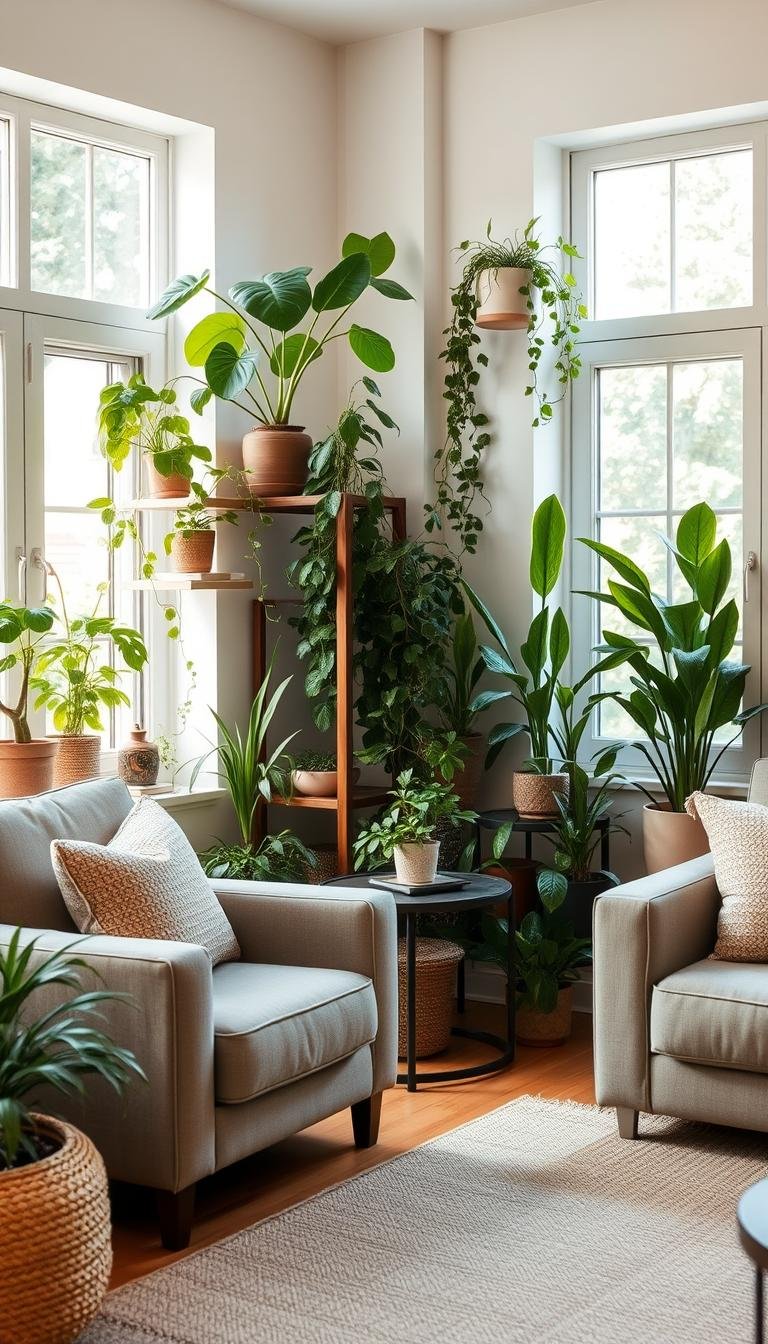
Have you ever looked at that empty spot in your home and felt it needed something special? Imagine turning it into a vibrant, green oasis. Bringing nature inside can completely change the feel of your house.
Adding a variety of plants does more than just look good. It purifies the air and creates a calming environment. Studies show that having greenery around can reduce stress and boost your well-being.
Even if you have limited room, there are clever ways to display your favorite picks. Think hanging planters or tiered stands. You can start small and grow your collection over time.
This guide will walk you through selecting the right options and even some fun DIY projects. Get ready to make your living area more inviting and personalized!
Why Your Living Room Needs a Plant Corner
Your living area could become a sanctuary with just a few simple additions. Greenery transforms any space into a healthier, more inviting environment.
Plants work like natural air purifiers. They absorb toxins and release fresh oxygen. This creates cleaner air for you to breathe every day.
Studies show that having greenery around reduces stress levels. It promotes relaxation and calm feelings. Your corner becomes a peaceful retreat.
These natural elements also boost focus and productivity. They’re perfect for areas where you work or read. Even a small collection makes a big difference.
Visual interest comes naturally with varied foliage. Different textures and shapes create depth. You don’t need expensive decor to enhance your room’s appeal.
The psychological impact is powerful. Greenery makes any area feel more welcoming. It adds warmth and character to your design.
Versatility is key with plant displays. They suit apartments and spacious homes alike. Any room size can accommodate a beautiful corner.
Placement options are endless. Use windowsills, shelves, or ceiling hangers. Maximize your available space creatively.
Beginners can start with low-maintenance varieties. This makes the project accessible to everyone. You can grow your collection over time.
Your plant corner will likely become a favorite relaxing spot. It transforms unused areas into functional, beautiful spaces. Plants truly bring life and warmth to any living room.
Finding the Perfect Spot for Your Green Oasis
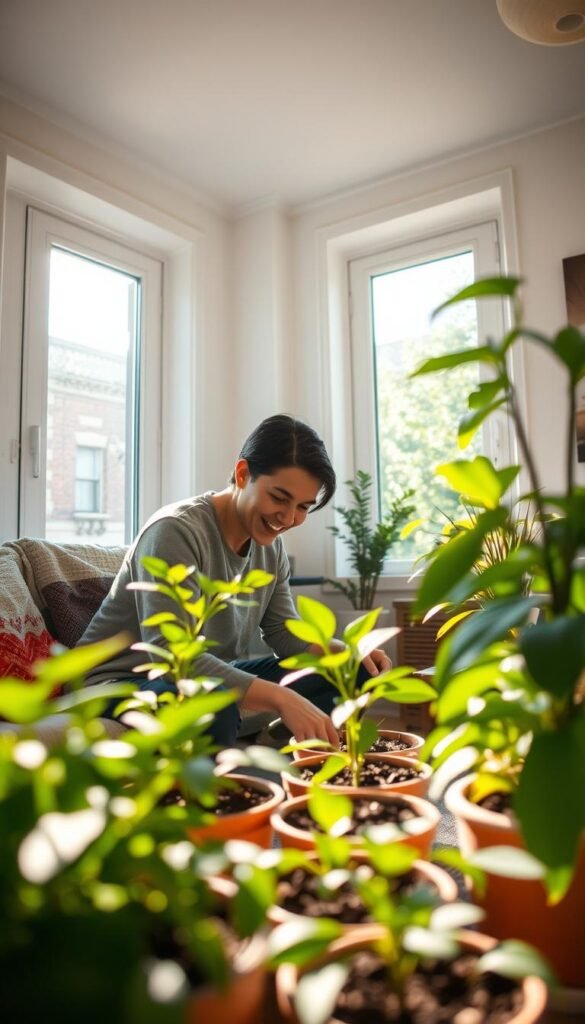
Choosing the right location makes all the difference for your botanical collection. The ideal placement balances beauty with practical growing conditions.
Think about how you move through your space daily. Your green corner should enhance your room’s flow, not disrupt it. This creates harmony between nature and your daily life.
Assessing Natural Light in Your Room
Light is the most important factor for healthy growth. Different species have varying needs for sunshine exposure.
Observe how sunlight moves through your space throughout the day. Notice which areas receive direct beams and which stay shaded. Morning light differs from afternoon intensity.
Use these common light categories to guide your choices:
- Bright direct light: Sunny windows with several hours of full sun
- Bright indirect light: Well-lit spaces without direct sunbeams
- Low light: Areas further from windows or in room corners
For precise measurement, consider a light meter app on your phone. These tools help remove guesswork from your placement decisions.
Remember that seasons change light patterns too. A summer sunny spot might become shaded in winter.
Considering Traffic Flow and Space
Your green display should complement your room’s layout. Avoid high-traffic areas where leaves might get brushed or bumped.
Measure your available area before selecting plants or stands. Leave enough room for growth and maintenance access. You’ll need space to water and care for your collection.
Corners often work well as they’re naturally out of the way. These spots can handle taller specimens or tiered arrangements.
For smaller areas, get creative with vertical solutions:
- Wall-mounted shelves for trailing varieties
- Hanging planters that utilize air space
- Tall, narrow stands that maximize vertical room
Always ensure your chosen spot allows for proper air circulation. Good airflow prevents moisture issues and promotes health.
| Location Type | Light Conditions | Space Considerations | Plant Examples |
|---|---|---|---|
| South-Facing Window | Bright direct light | 6-12 inches from glass | Succulents, Cacti |
| East-Facing Window | Bright indirect light | 2-4 feet from window | Philodendron, Pothos |
| Room Corner | Low to medium light | Floor space or stand | ZZ Plant, Snake Plant |
| Wall Shelf | Varies by placement | 12-18 inch depth | Trailing varieties |
Experiment with temporary placements before committing. Live with arrangements for a few days to ensure they work. The perfect spot will feel both visually appealing and functionally practical.
Your green oasis should bring joy without creating obstacles. When chosen thoughtfully, it becomes a natural extension of your home’s design.
Selecting the Perfect Plants for Your Light Conditions
Matching your plant choices to available sunlight ensures healthy growth and creates a vibrant botanical display. Different species have unique needs that determine their success in your environment.
The right selection transforms your space into a thriving green haven. It brings life and character to any area of your house.
Low-Light Champions for Cozy Corners
Some varieties flourish beautifully in shaded areas. These resilient options bring greenery to spaces with minimal sunlight.
Snake plants stand out as exceptional low-light performers. Their striking vertical leaves add architectural interest to any design.
ZZ plants handle dim conditions remarkably well. Their glossy foliage brings texture and visual appeal to darker spots.
Peace lilies offer elegant white blooms alongside air-purifying benefits. They thrive in consistent moisture and indirect light.
For beginners, pothos provides an easy-care option. Its trailing vines create beautiful cascading effects in various settings.
Sun-Loving Plants for Bright Windows
Areas with abundant light support a different group of species. These plants crave sunshine and reward you with vigorous growth.
Fiddle leaf figs make dramatic statements with their large, violin-shaped leaves. They prefer bright, indirect light and consistent care.
Rubber plants feature bold, glossy foliage that purifies air effectively. They adapt well to various light conditions but thrive in brightness.
Monstera deliciosa, with its iconic split leaves, loves filtered sunlight. This tropical beauty adds exotic texture to your collection.
Succulents offer diverse forms and colors for sunny locations. Their water-storing leaves make them exceptionally low-maintenance.
Bird of paradise plants bring tropical flair with spectacular blooms. They require several hours of direct sunlight daily.
Mixing different sizes and textures creates captivating visual interest. Combine broad leaves with delicate foliage for layered appeal.
Start with a few easy-care plants to build confidence. Expand your collection gradually as you learn each plant’s preferences.
Create a simple watering schedule based on light exposure. Brighter spots typically need more frequent hydration than shaded areas.
This thoughtful approach ensures your greenery thrives while enhancing your living room’s aesthetic appeal.
Essential Tools and Supplies for Plant Care
The right equipment transforms plant maintenance from a chore into a joyful ritual. Having proper tools makes caring for your botanical collection simple and efficient.
Start with these fundamental items for daily care:
- Watering can with long spout: Reaches behind foliage without spilling
- Gardening gloves: Protects hands during messy tasks
- Water mister: Provides humidity for tropical varieties
- Drip trays: Catches excess water and protects surfaces
Terracotta pots offer excellent breathability for root health. Their porous nature prevents soil from staying too wet. This reduces the risk of overwatering your favorite specimens.
Quality soil makes a significant difference in plant vitality. Use well-draining mixes for succulents and cacti. Rich, organic blends support leafy varieties with lush growth.
Fertilizers provide essential nutrients throughout the year. Choose formulas tailored to your specific plant types. Regular feeding promotes vibrant colors and strong development.
Keep everything organized in a small basket or rolling cart. Store supplies near your green corner for convenience. This system saves time during routine maintenance.
Get creative with DIY organization solutions. Repurpose decorative containers for tool storage. Vintage vessels add character while serving practical purposes.
Pruning shears are crucial for maintaining plant health. Trim dead leaves and shape overgrown specimens. Regular grooming keeps your display looking its best.
Invest in quality tools that will last for years. Good equipment makes plant care more enjoyable. Your greenery will thrive with proper attention and the right supplies.
Creating a dedicated care kit simplifies your routine. Everything stays within reach when needed. This thoughtful approach supports long-term plant life and beauty.
Creative Ideas for Your Indoor Plants Corner Living Room
Unleash your imagination to craft a stunning botanical display that reflects your personality. Your green corner can become the most inviting spot in your entire house.
Thoughtful arrangements turn simple greenery into captivating decor. They transform unused space into a dynamic focal point.
Tiered stands create vertical interest while saving valuable floor area. These multi-level displays allow you to showcase a beautiful variety of specimens.
You can mix tall specimens with smaller ones for layered appeal. This approach adds depth and dimension to your design.
Macramé hangers introduce bohemian charm to your room. They work perfectly with trailing varieties like pothos or philodendron.
These hanging displays draw the eye upward, maximizing your available space. They create movement and visual flow in your corner.
Repurposed items add unique character to your plant display. A vintage bar cart makes a mobile station that holds multiple pots.
You can roll it into sunlight when needed. This flexible solution adapts to changing light conditions.
Old trunks or rustic crocks serve as distinctive stands. They bring texture and history to your green arrangement.
Combine different leaf shapes and sizes for dramatic effect. Pair broad foliage with delicate ferns or spiky succulents.
This contrast creates visual excitement and keeps the eye moving. Your corner becomes an engaging, ever-changing display.
Accessories enhance the overall ambiance of your botanical nook. Fairy lights add magical glow during evening hours.
Mirrors strategically placed behind greenery amplify light and create illusion of space. They make your collection appear larger and more lush.
Seasonal touches keep your display fresh throughout the year. Add cut flowers for spring or festive elements during holidays.
These temporary additions celebrate changing seasons while maintaining your permanent greenery.
Personalization makes your corner truly yours. Choose elements that match your existing decor style and color scheme.
Don’t be afraid to experiment with different layouts and combinations. The best arrangements often come from happy accidents.
Move things around until the space feels balanced and inviting. Your perfect plant corner should bring you joy every time you see it.
| Display Idea | Best For | Space Needed | Style Vibe |
|---|---|---|---|
| Tiered Plant Stand | Small spaces, multiple plants | 2-3 square feet | Modern, organized |
| Macramé Hangers | Trailing plants, high ceilings | Vertical air space | Boho, casual |
| Repurposed Bar Cart | Mobile display, changing light | Rolling footprint | Industrial, vintage |
| Mixed Height Grouping | Visual drama, texture contrast | Corner or wall area | Lush, curated |
| Mirror Background | Small rooms, light reflection | Wall space behind plants | Bright, spacious |
Remember that creativity knows no rules. Your plant corner should reflect what makes you happy and comfortable.
Start with one idea and build upon it as your confidence grows. The most successful displays evolve over time.
Your green oasis awaits your personal touch. Let your imagination guide you to create something truly special.
Incorporating Height and Layers for Visual Drama
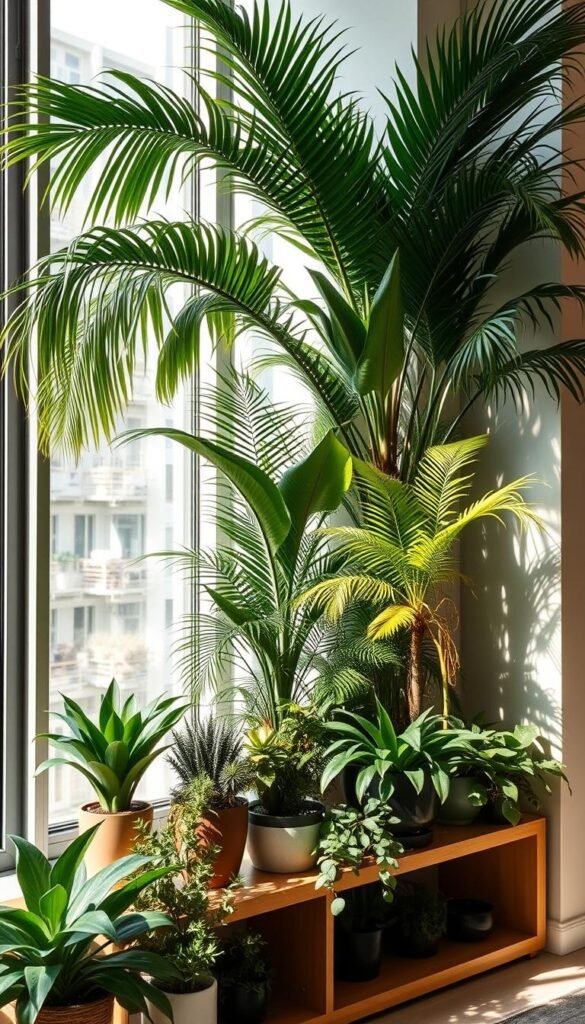
Create a captivating botanical scene by mastering the art of vertical arrangement. Playing with different levels transforms your display from ordinary to extraordinary.
This approach adds depth and dimension to your space. It makes every specimen stand out while creating a cohesive look.
Using Plant Stands and Stools
Elevate your greenery with strategic stands and stools. These tools create beautiful tiers that showcase each plant perfectly.
Multi-level displays save valuable floor area while maximizing visual impact. They allow you to group specimens by light needs or watering schedules.
Consider these versatile options for your arrangement:
- Tiered metal stands: Offer modern style with multiple display levels
- Wooden step stools: Provide rustic charm and sturdy platforms
- Ladder shelves: Create vertical interest with adjustable steps
- Repurposed furniture: Old crates or boxes add unique character
Place taller specimens toward the back of your display. Position medium-height plants in the middle area. Keep smaller varieties up front for balanced composition.
This layering technique ensures every plant gets proper light exposure. It also makes maintenance much easier to manage.
The Magic of Hanging and Trailing Plants
Introduce floating beauty with suspended greenery. Hanging specimens create movement and softness in your design.
Trailing varieties like string of pearls or English ivy offer cascading elegance. Their flowing leaves add organic shapes and textures.
Macramé hangers bring bohemian warmth to your space. Ceiling hooks allow you to utilize air space creatively.
Always secure hanging containers properly to prevent accidents. Use sturdy hooks rated for the weight of your plants when wet.
Combine hanging elements with standing displays for maximum effect. This approach creates a fully immersive botanical experience.
Your living area gains incredible visual interest through this dimensional approach. The varied heights and textures work together harmoniously.
Experiment with different combinations until you achieve the perfect balance. Your layered corner will become a true focal point of beauty.
Choosing Containers That Elevate Your Decor
Your plant pots do more than just hold soil. They become part of your room’s personality. The right containers can transform your display from simple to spectacular.
Think of pots as the stylish outfits for your green friends. They frame each plant beautifully while adding their own charm. This choice impacts both your decor and plant health.
The Timeless Appeal of Terracotta Pots
Classic terracotta pots bring natural warmth to any space. Their earthy color complements every type of foliage. These containers have stood the test of time for good reason.
Breathable clay helps prevent overwatering issues. It allows air to reach roots and excess moisture to evaporate. This reduces the risk of root rot significantly.
Terracotta remains affordable and widely available. You can find various sizes at most garden centers. Their simplicity lets your plants take center stage.
Consider sealing terracotta if you worry about water stains. A clear sealant protects surfaces while maintaining the natural look. This simple step keeps your pots looking fresh.
Using Unique and Thrifted Vessels
Unconventional containers add wonderful character to your home. Vintage finds tell stories while holding your favorite plants. They create conversation pieces in your space.
Search thrift stores for one-of-a-kind treasures. Old soup tureens make charming homes for herbs. Berry carriers become perfect spots for small flowers.
Mix materials for visual interest. Wicker baskets add texture beside smooth ceramic. Metal planters bring industrial edge to softer arrangements.
Always ensure proper drainage for plant health. Add holes to solid containers with a drill. Use drip trays underneath to protect your surfaces.
| Container Type | Best Plant Matches | Style Vibe | Care Considerations |
|---|---|---|---|
| Terracotta Pots | Succulents, Herbs | Rustic, Natural | Seal to prevent staining |
| Vintage Ceramic | Flowering Plants | Charming, Eclectic | Add drainage holes |
| Wicker Baskets | Trailing Varieties | Textured, Cozy | Use plastic liner |
| Metal Containers | Structural Plants | Industrial, Modern | Check for rust prevention |
Get creative with personalization touches. Paint plain pots to match your color scheme. Combine different vessels for a curated collection look.
Your container choices should please both your eyes and your plants. They complete the beautiful picture of your green oasis. The perfect pots make your whole design come together.
Mixing Textures and Foliage for a Lush Look
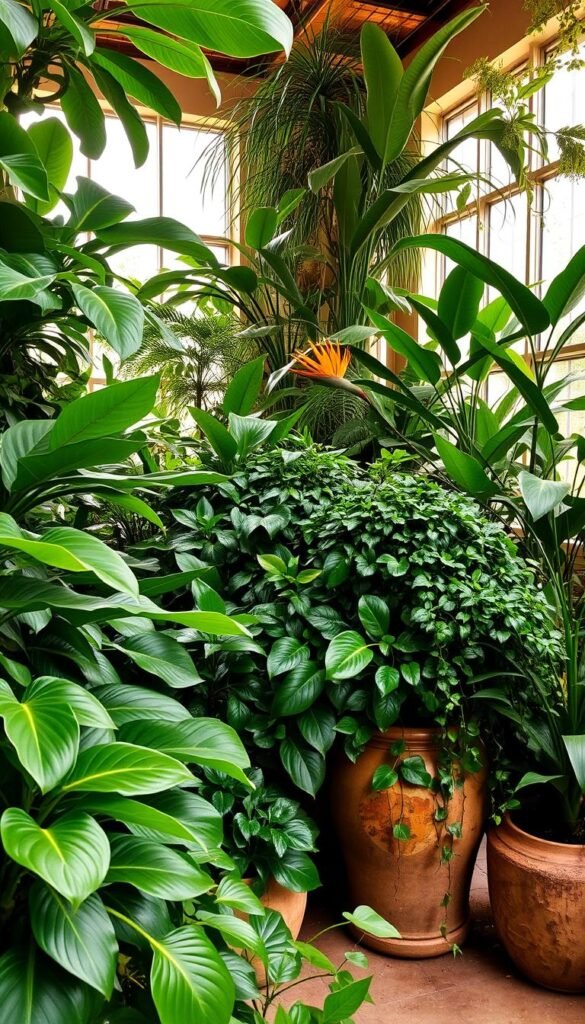
Transform your botanical display into a sensory experience through thoughtful texture combinations. The right mix creates depth and visual interest that makes your space feel truly alive.
Start by pairing plants with contrasting leaf surfaces. Combine smooth, glossy leaves with fuzzy or textured varieties. This contrast creates immediate visual appeal.
- Snake plant’s upright structure with pothos’ trailing vines
- Rubber plant’s broad leaves beside calathea’s intricate patterns
- Monstera’s dramatic splits alongside fern’s delicate fronds
Color plays a crucial role in texture mixing. Variegated plants add natural highlights to your design. Their patterned leaves create movement without overwhelming the space.
Create a mini jungle effect by clustering plants of varying textures. Group them based on their growth patterns and light needs. This approach makes your corner feel lush and intentional.
Balance is key when combining different specimens. Avoid overcrowding while maintaining diversity. Leave enough space for each plant to showcase its unique character.
Incorporate non-plant elements for additional texture interest. Moss balls add softness between potted specimens. Decorative rocks provide contrasting hard surfaces.
This mixing technique makes your greenery feel more natural and vibrant. It mimics how plants grow together in nature. Your space becomes an inviting retreat.
Arrange plants according to their growth habits. Place trailing varieties where they can spill over edges gracefully. Position upright plants as anchor points in your design.
Seasonal changes offer opportunities for texture variety. Add flowering plants for temporary color and texture shifts. These additions keep your display fresh throughout the year.
Regular pruning maintains texture clarity in your arrangement. Trim overgrown leaves to preserve the balance you’ve created. This care ensures each plant’s unique texture remains visible.
| Texture Type | Plant Examples | Visual Effect | Care Level |
|---|---|---|---|
| Smooth/Glossy | Rubber Plant, ZZ Plant | Reflective, Clean | Low Maintenance |
| Textured/Ribbed | Snake Plant, Calathea | Architectural, Bold | Moderate Care |
| Delicate/Fine | Ferns, Maidenhair | Soft, Airy | Higher Humidity |
| Trailing/Vining | Pothos, Philodendron | Movement, Flow | Easy to Moderate |
Experiment with different combinations until you find what speaks to you. The most successful arrangements often evolve through playful experimentation.
Your textured plant corner will become a daily source of joy and inspiration. It engages both the eyes and the imagination through its varied surfaces.
DIY Projects for a Personalized Plant Corner
Nothing beats the satisfaction of creating something beautiful with your own hands. These projects let you add unique charm to your home while saving money.
You can transform simple materials into stunning displays. Each piece becomes a conversation starter. Your space gains personality through these creative touches.
Begin with projects that match your skill level. Simple builds require basic tools and materials. You’ll gain confidence as you complete each one.
These ideas help you maximize every inch of available room. Even small areas can host impressive displays. Your efforts will reward you with a gorgeous green oasis.
Building a Simple Tiered Plant Stand
A tiered stand offers the perfect way to show off multiple specimens. It creates vertical interest without taking much floor space.
Start with three wooden circles or squares of decreasing sizes. You’ll need some rope and a drill for this project.
Follow these steps for a sturdy result:
- Sand all wood pieces thoroughly to prevent splinters
- Drill holes at each corner of every platform
- Thread strong rope through the holes from bottom to top
- Secure each level with sturdy knots underneath
- Add a drop of glue to knots for extra security
Consider staining or painting the wood to match your decor. This protects the surface and adds visual appeal.
Always test the stand’s stability before adding your green friends. Make sure it can handle the weight when soil is wet.
Upcycling Furniture into Plant Displays
Old furniture finds new life as creative plant homes. These pieces add character while being eco-friendly.
An vintage trunk makes a wonderful statement piece. Its flat top holds several pots while the interior stores supplies.
Look for these qualities in furniture to repurpose:
- Sturdy construction that can handle moisture
- Interesting textures or details that add visual appeal
- Appropriate height for your chosen specimens
- Flat surfaces that won’t tip easily
A step stool becomes an instant multi-level display. Its steps create perfect platforms for different sizes.
Always clean furniture thoroughly before use. Remove any old finishes that might harm your plants.
Add casters to heavier pieces for mobility. This lets you move your display to follow sunlight patterns.
| Project Type | Skill Level | Time Needed | Cost Estimate |
|---|---|---|---|
| Tiered Stand | Beginner | 2-3 hours | $15-30 |
| Painted Pots | Beginner | 1 hour | $5-15 |
| Furniture Update | Intermediate | 4-6 hours | $20-50 |
| Wall Grid | Intermediate | 3 hours | $25-40 |
Safety should always come first with DIY projects. Wear protective gear when cutting or sanding materials.
Secure hanging items properly to prevent accidents. Use wall anchors rated for the weight you’re hanging.
Start with one simple project and build your skills over time. Each completed piece brings pride and beauty to your home.
Your personalized touches make the space truly yours. They create a green corner that reflects your unique style.
Styling Your Plant Corner with Complementary Decor
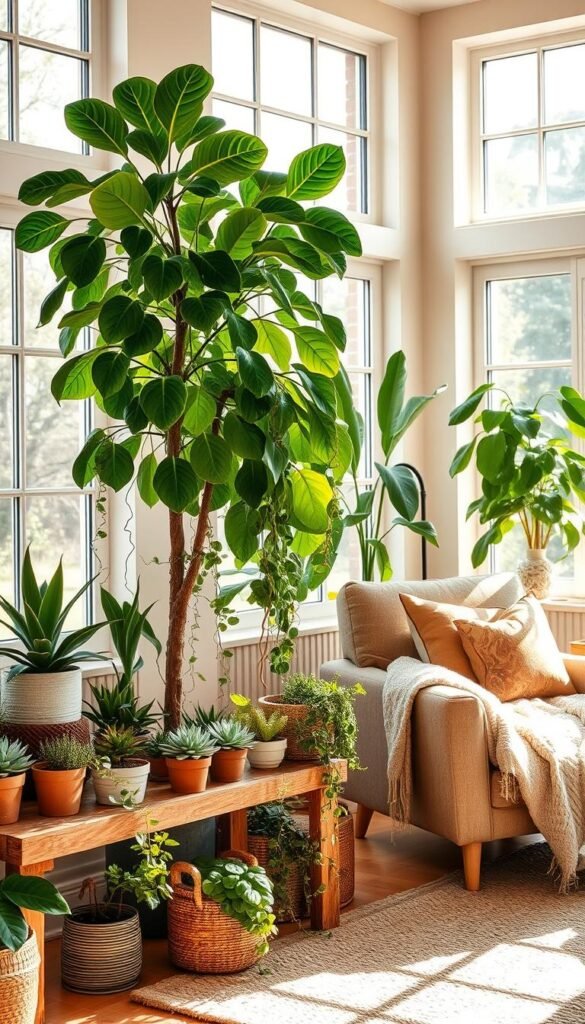
Accessories transform your green space from a simple collection into a thoughtfully designed feature. They add personality and warmth to your botanical display.
Choose items that enhance your plant’s natural beauty. Avoid pieces that compete for attention. Your greenery should remain the star of the show.
Functional items like watering cans or gardening gloves add charming authenticity. Place them strategically among your pots. They serve both practical and decorative purposes.
Vintage owl prints or botanical art reinforce the nature theme. These pieces create visual cohesion throughout your space. They tie everything together beautifully.
Books and candles create cozy reading nooks beside your greenery. Stack a few favorite volumes near comfortable seating. Add soft lighting for evening ambiance.
Demijohns on side tables bring rustic elegance to your design. Fill them with dried flowers or fairy lights. They cast beautiful glows during darker hours.
Mirrors strategically placed behind plants amplify light and space. They make your collection appear larger and more lush. This trick works especially well in smaller areas.
Maintain balance by avoiding clutter. Each decorative piece should have purpose and meaning. Too many items can overwhelm your beautiful greenery.
Seasonal changes keep your display fresh and engaging. Add holiday elements or fresh cut flowers temporarily. These touches celebrate changing times of year.
Personal mementos make the space uniquely yours. Family photos or travel souvenirs add heartfelt character. They tell your story alongside nature’s beauty.
Arrange decor at varying heights to complement plant layers. Place smaller items beside trailing varieties. Position taller pieces behind upright specimens.
Your final look should reflect your personal style while enhancing your plants. Choose decor that makes you smile every time you see it. This creates a space you’ll truly love.
Caring for Your Indoor Jungle: Easy Maintenance Tips
Transform plant maintenance from a chore into a rewarding daily ritual. Consistent care keeps your green friends thriving and beautiful. These simple routines make everything easier.
Check soil moisture before watering each time. Stick your finger about an inch deep. Water only when the soil feels dry to the touch.
This method prevents both overwatering and underwatering. Different species have unique hydration needs. Learn what each plant prefers.
Trim yellow or damaged leaves regularly. Use clean scissors to prevent disease spread. This encourages new growth and keeps plants healthy.
Remove spent flowers to promote more blooms. This process is called deadheading. It directs energy toward new flower production.
Rotate your pots every few weeks. This ensures all sides receive equal light exposure. Plants grow evenly instead of leaning toward windows.
Use a water spritzer for humidity-loving varieties. Mist leaves every few days. Tropical plants especially appreciate this extra moisture.
Place drip trays under all containers. They protect your surfaces from water damage. Trays also catch excess water after watering.
Adjust care with seasonal changes. Reduce watering during winter months. Plants grow slower when days are shorter.
Fertilize during spring and summer growth periods. Use half-strength fertilizer every month. This provides essential nutrients for vibrant growth.
Inspect leaves regularly for pest signs. Look under leaves and along stems. Early detection makes treatment easier.
Create a simple care schedule that works for you. Set calendar reminders for important tasks. Consistency is key for plant health.
Choose low-maintenance options if you’re busy. ZZ plants and succulents tolerate occasional neglect. They’re perfect for beginners or busy lifestyles.
Repot when roots outgrow their containers. Look for roots circling the pot’s bottom. Move to a container one size larger.
Enjoy the process of caring for your green collection. This daily attention becomes a peaceful ritual. Your plants reward you with lush growth and beauty.
These tips help create a thriving botanical display. Your space becomes more inviting with healthy greenery. Proper care ensures long-lasting enjoyment.
Troubleshooting Common Plant Corner Problems
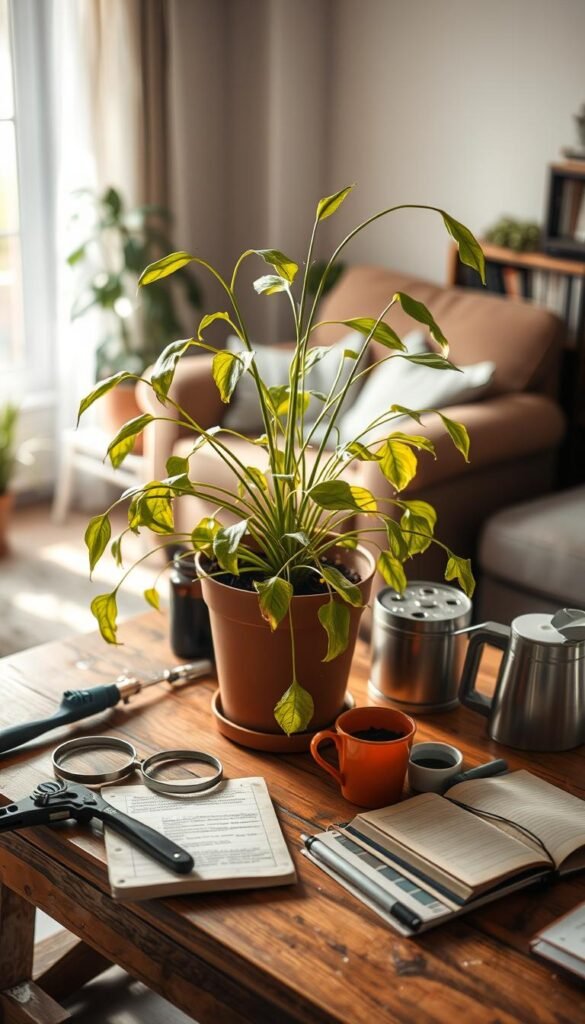
Every plant enthusiast encounters problems, but learning to troubleshoot keeps your collection healthy. These challenges are normal parts of plant parenthood. With the right approach, you can solve most issues quickly.
Yellow leaves often signal overwatering. Check soil moisture before adding more water. Let the top inch dry out between waterings.
Leggy growth usually means insufficient light. Move these specimens to brighter locations. Consider grow lights for darker corners.
Pests can appear despite your best care. Spider mites show as fine webbing on leaves. Fungal gnats hover around moist soil.
Natural solutions work well for pest control. Neem oil makes an effective treatment. Insecticidal soap handles many common invaders.
Isolate affected plants immediately. This prevents problems from spreading. Keep them separate until fully recovered.
Regular observation is your best defense. Check leaves during weekly watering. Look under leaves and along stems.
Soil health impacts overall plant vitality. Refresh potting mix annually. Test pH levels if growth seems stunted.
Early detection makes solutions easier. Small issues become big problems when ignored. Address concerns promptly.
Useful resources include plant care apps. These provide identification help and treatment advice. Local nurseries offer personalized guidance.
Remember that troubleshooting maintains your corner’s beauty. Healthy plants create the most appealing display. Your efforts preserve the vibrant look you love.
Don’t get discouraged by occasional setbacks. Each challenge teaches valuable lessons. Your green thumb develops over time.
The most successful plant parents aren’t those who never have problems, but those who learn to solve them effectively.
Keep a simple journal of what works. Note treatments and their results. This creates your personal reference guide.
Your plant corner will thrive with attentive care. Enjoy the process of learning and growing alongside your green companions.
Seasonal Refreshes for Your Plant Display
Your green oasis deserves regular updates to match nature’s changing rhythms. Small seasonal tweaks keep your botanical collection feeling fresh and vibrant throughout the year.
Rotate your specimens based on shifting light patterns. Move sun-loving varieties closer to windows during shorter winter days. Return them to their summer spots when stronger sunlight returns.
Add temporary botanical elements for seasonal celebrations. Forsythia branches bring cheerful yellow blooms in early spring. Poinsettias add traditional holiday color during winter months.
Adjust your watering schedule with temperature changes. Most varieties need less hydration during cooler seasons. Check soil moisture more frequently in summer heat.
Incorporate festive lighting for special occasions. Fairy lights create magical evening ambiance during holidays. They add warmth to your space on dark winter nights.
Document your changes with simple photos. Track how your collection evolves through the seasons. This helps you remember what worked well each year.
Make seasonal updates a family activity. Children enjoy helping choose decorative elements. This creates joyful traditions around your green space.
Embrace nature’s cycles for ongoing inspiration. Each season offers unique opportunities to refresh your design. Your display remains engaging year-round.
| Season | Plant Additions | Decor Elements | Care Adjustments |
|---|---|---|---|
| Spring | Forsythia branches, tulips | Pastel accents, fresh wreaths | Increase watering, begin fertilizing |
| Summer | Flowering annuals, herbs | Bright colors, lightweight textiles | Monitor for pests, provide shade |
| Fall | Mums, ornamental grasses | Pumpkins, autumn leaves | Reduce feeding, prepare for less light |
| Winter | Poinsettias, amaryllis | Evergreen boughs, fairy lights | Water sparingly, protect from drafts |
These simple changes keep your botanical corner feeling current and exciting. They celebrate each season’s unique beauty while maintaining your permanent greenery.
Your space becomes a dynamic reflection of nature’s endless variety. Enjoy the process of seasonal refreshing throughout the year!
Drawing Inspiration from Your New Favorite Space
Your thriving green nook becomes more than just decor. It’s a personal sanctuary that reduces stress and boosts daily happiness.
Use this special place for reading or quiet meditation. It offers the perfect reset from life’s busy pace.
Share your setup with friends or on social platforms. Their feedback might spark fresh ideas for your evolving project.
Take pride in how your creation reflects your unique style. It gives your home that upscale plant shop vibe you love.
Keep improving by trying new specimens or accessories. Your corner grows with you, bringing continuous joy.
Enjoy this beautiful journey and the nature connection you’ve built!