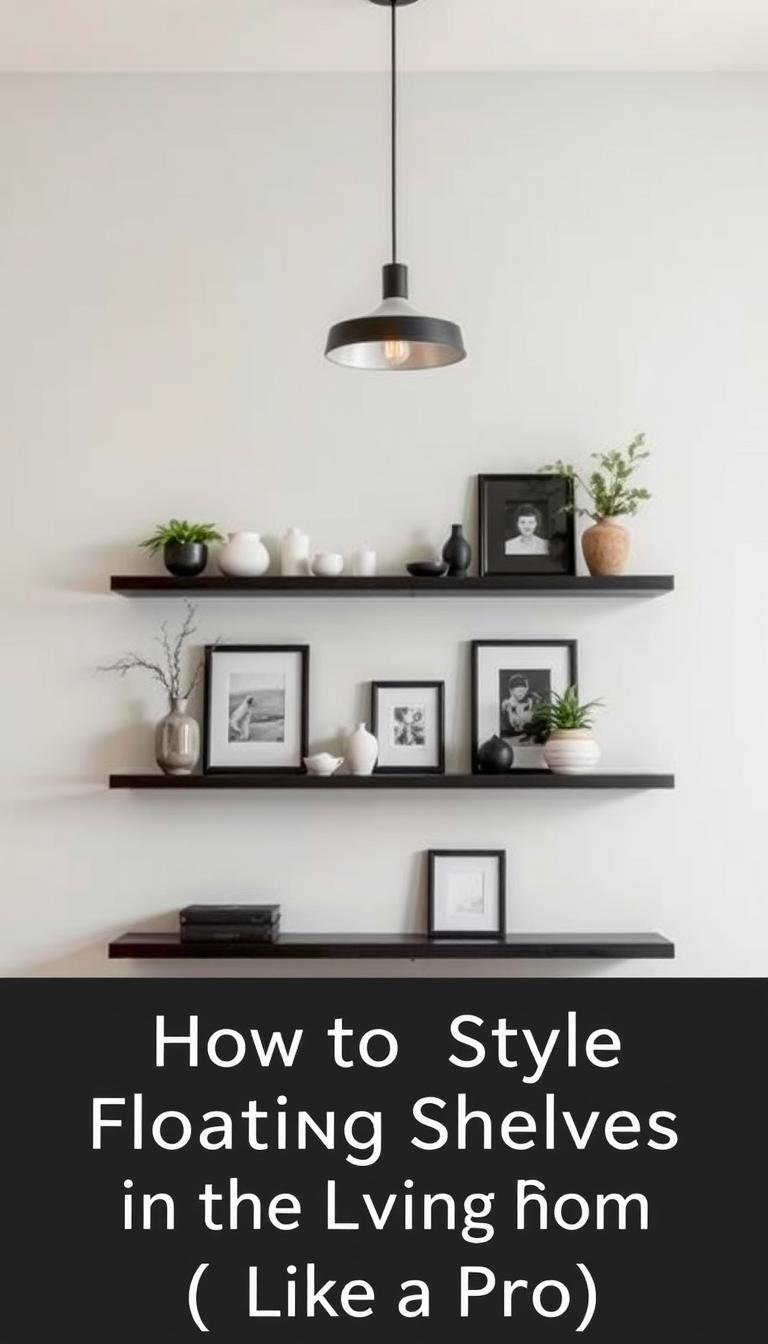
Transform your space with a clean, modern look. Floating shelves offer a sleek way to decorate. They create visual interest without bulky brackets.
These versatile pieces blend form and function beautifully. You can display favorite books, art, or personal treasures. They turn blank walls into curated showcases.
Good styling makes all the difference. It brings intention and polish to your interior design. Your home reflects your unique taste and personality.
This guide shares professional tips and creative ideas. You will learn to arrange items with confidence. Let’s make your living area magazine-worthy!
Why Floating Shelves Are Your Secret Decor Weapon
Think of your walls as blank canvases waiting for life. Floating shelves unlock their potential. They give you extra storage without eating up floor space.
These clever installations blend beauty with brains. You get both decoration and function in one sleek package. They turn unused vertical areas into useful displays.
Small rooms gain breathing room with wall-mounted solutions. They create an organized feel that expands your area visually. Every inch works harder for your lifestyle.
Your personality shines through curated arrangements. Favorite photos, travel souvenirs, or art books tell your story. This personal touch makes your house truly yours.
Seasonal updates become simple and fun. Swap summer seashells for autumn leaves in minutes. Your space always feels fresh and current.
Different materials suit various design tastes. Consider these popular options:
| Material | Best For | Visual Impact |
|---|---|---|
| Natural Wood | Warm, rustic spaces | Adds organic texture |
| Painted Wood | Colorful modern rooms | Provides bold accents |
| Metal | Industrial loft aesthetics | Offers sleek minimalism |
| Glass | Light, airy environments | Creates open feeling |
Well-styled installations become instant focal points. They draw eyes upward and add dimension to flat surfaces. Your room gains character and depth.
Embrace this versatile tool in your decor arsenal. It transforms ordinary walls into extraordinary features. Your home reflects your unique vision beautifully.
Gathering Your Floating Shelf Styling Toolkit
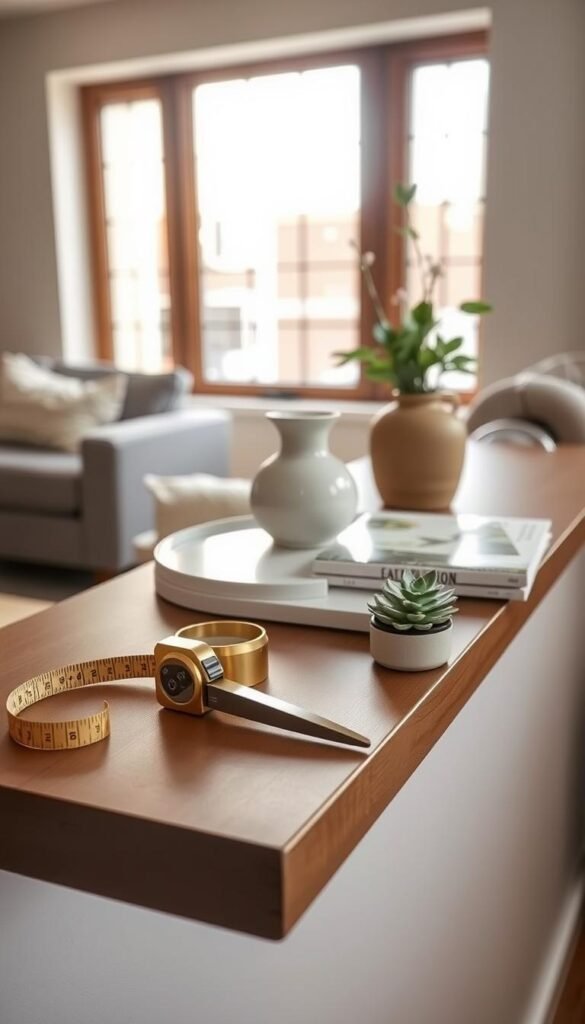
Before you begin arranging, gather your favorite decorative pieces. This preparation makes the process smooth and enjoyable. You’ll create a more cohesive look when everything is at hand.
Think about items that tell your personal story. These objects make your space uniquely yours. They spark joy and conversation when guests visit.
Essential Decorative Items to Have on Hand
Start with books you love – both visually and personally. They add height, color, and intellectual charm. Stack them horizontally and vertically for variety.
Art frames bring personal memories and artistic flair. Choose frames that complement your room’s color scheme. Mix sizes for visual interest.
Vases and vessels offer sculptural beauty. Empty or filled with flowers, they add elegance. Ceramic and glass types provide different textures.
Personal mementos make your display meaningful. Travel souvenirs, family heirlooms, or handmade art tell your story. These special things create emotional connections.
Green friends bring life to your arrangement. Small plants add freshness and natural beauty. They soften hard lines and add organic texture.
Remember to mix materials and finishes. This variety creates depth and visual richness. Your display becomes more engaging and dynamic.
Functional Pieces That Pull Double Duty
Some items offer both beauty and practical use. These clever pieces maximize your space’s functionality. They make your home work smarter for you.
Storage boxes hide clutter while looking stylish. They keep small items organized yet accessible. Choose decorative designs that enhance your aesthetic.
Everyday tools can become decorative elements. A beautiful watering can or recipe box serves dual purposes. These functional objects add character and usefulness.
Heavy objects work as invisible bookends. A substantial ceramic vase holds books upright securely. This trick maintains order while looking intentional.
Keep versatile pieces that swap easily. This allows for seasonal updates without major changes. Your display stays fresh with minimal effort.
Here’s a quick reference for building your toolkit:
| Item Type | Primary Purpose | Secondary Benefit |
|---|---|---|
| Art Books | Visual interest | Conversation starters |
| Ceramic Vases | Decoration | Bookend function |
| Small Plants | Natural element | Air purification |
| Memory Objects | Personal touch | Storytelling pieces |
| Storage Boxes | Organization | Decorative surface |
Gather your favorite items before starting. This preparation sets you up for styling success. Your beautiful arrangement will reflect your unique taste perfectly.
Understanding the Floating Shelf Design Foundation
Great styling begins with smart design principles. These rules help you create displays that feel both intentional and effortless. They transform random objects into curated collections.
Professional designers use these techniques daily. You can achieve the same polished results at home. It’s all about understanding visual balance and flow.
The Power of Odd-Numbered Groupings
Group items in threes or fives for natural appeal. Odd numbers create visual harmony that feels organic. Our eyes find these arrangements more pleasing.
Try placing three similar objects together. A set of ceramic vases works beautifully. Five small framed photos make another great grouping.
These clusters become mini focal points. They break up long shelves into interesting sections. Your display gains rhythm and movement.
Remember that odd-numbered groupings work everywhere. Use them on bookshelves, mantels, or console tables. This rule applies to all your decor arrangements.
Creating Visual Interest Through Height Variation
Vary object heights to add depth and dimension. Mix tall and short items for dynamic energy. This prevents your shelf from looking flat.
Place a tall vase beside a stack of books. Add a small sculpture on top for extra height. Your eye will travel through the different levels.
Stack books horizontally to create platforms. Rest smaller objects on these raised surfaces. This technique adds visual elevation.
Height variation prevents monotony. It guides the viewer’s gaze across your display. Your arrangement becomes more engaging.
Experiment with different combinations. Move things around until the balance feels right. Trust your instincts about what looks best.
These foundational techniques create professional results. They turn simple shelves into stunning displays. Your space will reflect thoughtful design.
Professional Arrangement Techniques
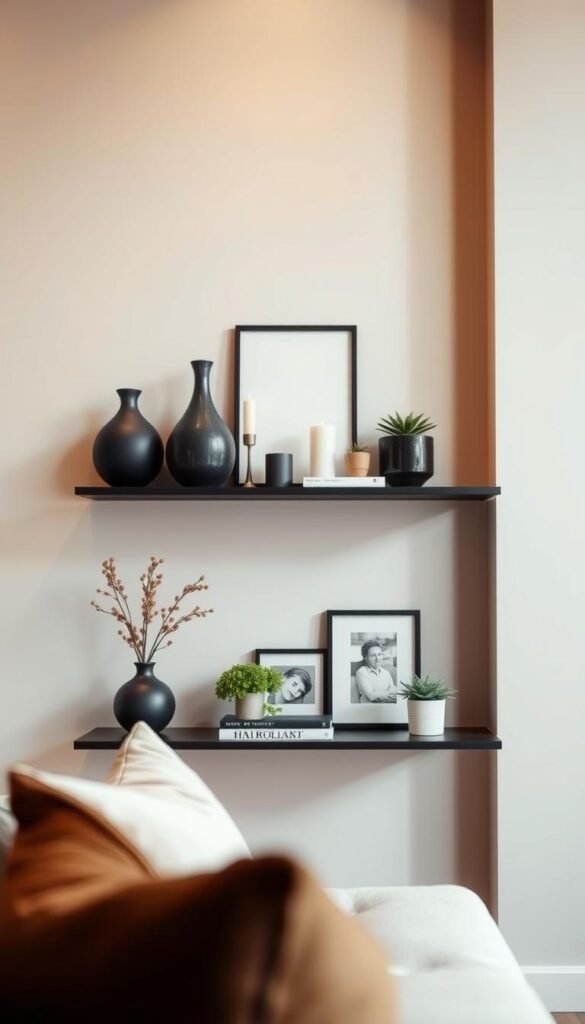
Professional stylists always start at the top when creating shelf arrangements. This approach establishes a strong foundation for your entire display. Working downward ensures cohesive visual flow throughout your space.
Starting Strong: The Top Shelf Strategy
Begin with your highest shelf to set the tone. Cover most of this surface with your favorite decorative pieces. Leave some breathing room on both ends for balance.
This initial step creates an anchor for your entire arrangement. Use a mix of heights and textures here. Your top shelf should feel substantial but not overcrowded.
Consider these elements for your starting point:
- Tall vases or sculptural objects
- Stacked books with interesting covers
- One statement piece that reflects your style
Building Downward with Intentional Groupings
Move to middle shelves after establishing your top layer. Create two distinct sections with purposeful blank space between them. This negative space prevents visual clutter.
Group similar items together for impact. Odd-numbered clusters work particularly well. Three or five objects create natural harmony.
Layer pieces by placing smaller items in front of larger ones. This technique adds depth and dimension. Your display becomes more engaging as the eye discovers new elements.
Adjust arrangements as you work downward. Step back frequently to assess the overall balance. Small tweaks make a big difference in the final result.
Photograph your progress throughout the process. Images reveal what your eyes might miss. Refine your groupings until everything feels perfectly balanced.
This methodical approach ensures professional-looking results every time. Your shelves will tell a beautiful story from top to bottom.
Mastering the Art of Balance and Symmetry
Balance transforms your display from ordinary to extraordinary. It creates a sense of order that feels both intentional and effortless. Your arrangement becomes visually pleasing through careful composition.
Symmetry offers one powerful approach to achieve this harmony. Placing identical shelves on either side of a fireplace creates perfect mirror images. This classic technique brings formal elegance to any room.
Asymmetrical balance provides another beautiful option. Different objects with equal visual weight create dynamic interest. Your eye moves naturally across the entire composition.
Creating Focal Points That Draw the Eye
Focal points anchor your arrangement and guide attention. Larger statement pieces work perfectly for this purpose. A substantial sculpture or art book immediately commands interest.
Position these standout items strategically within your display. The center often works well for symmetrical arrangements. Off-center placement creates more dynamic energy.
Consider these effective focal point techniques:
- Use contrasting colors to make specific elements pop
- Incorporate lighting to highlight special pieces
- Create height variation to draw attention upward
Your focal point should reflect your personal style. Choose things that truly represent your taste and story. This personal connection makes your display meaningful.
Using Negative Space Like a Designer
Negative space is the empty area around your decorative items. Professional designers use it intentionally to prevent visual clutter. This breathing room allows your arrangement to feel harmonious.
Strategic emptiness makes your displayed objects stand out more clearly. It gives the eye places to rest between interesting elements. Your overall look becomes more polished and intentional.
Leave approximately 30-40% of your shelf surface empty. This ratio creates perfect visual balance. Your display feels curated rather than crowded.
Experiment with different negative space arrangements. Sometimes more emptiness creates greater impact. Trust your instincts about what feels right.
This table shows how to use negative space effectively:
| Shelf Size | Recommended Negative Space | Visual Effect |
|---|---|---|
| Small (under 24″) | 40% empty area | Creates open, airy feeling |
| Medium (24-48″) | 35% empty area | Balanced, curated appearance |
| Large (over 48″) | 30% empty area | Substantial yet organized look |
Step back frequently to assess your progress. View your arrangement from different angles and distances. Small adjustments make a significant difference in final impact.
Mastering balance and negative space elevates your decor instantly. Your floating shelf becomes a professional-level display. This attention to detail transforms your entire room’s atmosphere.
Incorporating Life and Movement with Plants
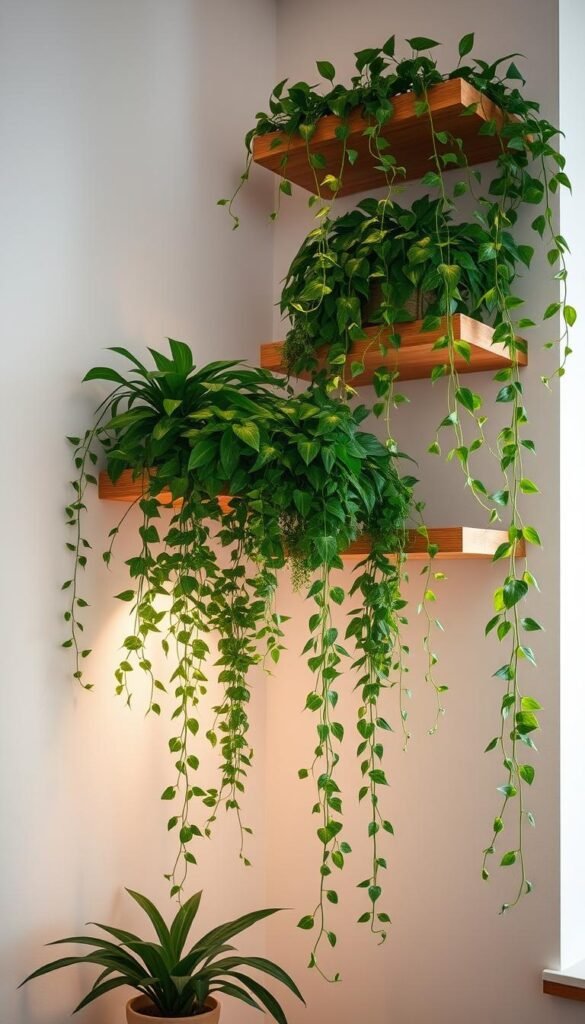
Plants transform static displays into dynamic living arrangements. They bring organic energy that complements your decorative items beautifully. This natural touch makes your space feel fresh and vibrant.
Greenery adds breathing life to your carefully curated wall displays. Living elements create a sense of growth and vitality in your decor. They soften hard edges and introduce beautiful texture variations.
Choosing the Right Plants for Your Shelves
Select plants that thrive in indoor conditions with indirect light. Consider their growth habits and maintenance requirements. Some varieties work particularly well for elevated displays.
Snake plants offer architectural beauty with minimal care needs. Their upright growth pattern creates wonderful vertical interest. They tolerate various light conditions remarkably well.
Pothos plants provide trailing vines that cascade beautifully. Their heart-shaped leaves add softness to angular surfaces. These resilient plants adapt to different environments easily.
Air plants require no soil and offer unique sculptural forms. They can be placed in creative holders or simply rested on surfaces. Their unusual appearance creates fascinating visual moments.
Consider this guide when selecting your green companions:
| Plant Type | Light Requirements | Care Level | Visual Impact |
|---|---|---|---|
| Snake Plant | Low to bright indirect | Very easy | Architectural vertical lines |
| Pothos | Low to medium indirect | Easy | Soft trailing vines |
| ZZ Plant | Low to bright indirect | Very easy | Glossy oval leaves |
| Spider Plant | Medium indirect | Easy | Arching variegated leaves |
| Air Plants | Bright indirect | Moderate | Sculptural unusual forms |
Using Trailing Plants to Soften Hard Lines
Trailing varieties create beautiful movement as they spill over edges. They break the rigid plane of your shelf with organic curves. This natural flow adds dimension and softness to your arrangement.
Ivy varieties offer classic trailing beauty with dense foliage. Their tendrils create romantic cascades of green. They bring timeless elegance to modern spaces.
String of pearls provides unique bead-like leaves on delicate stems. Their unusual appearance creates fascinating textural interest. They work beautifully in minimalist arrangements.
Philodendron varieties offer heart-shaped leaves on long vines. They create lush green waterfalls that soften angular surfaces. Their vigorous growth adds life to your display.
Place trailing plants at the edges of your shelves. Allow their vines to cascade naturally downward. This positioning maximizes their softening effect on hard lines.
The addition of living plants transforms a house into a home, breathing life into every corner and creating spaces that nurture both people and nature.
Choose pots in a cohesive color family with varied textures. Matte ceramic pots offer earthy sophistication. Glazed containers provide reflective surfaces that bounce light beautifully.
Mix plant types for visual interest and varied leaf shapes. Combine upright specimens with trailing varieties. This diversity creates dynamic energy in your arrangement.
Position plants among other decorative items for balanced composition. Place larger specimens toward the back as anchors. Use smaller plants as foreground elements among books and objects.
Living greenery purifies your air while enhancing your aesthetic. Plants naturally filter indoor pollutants while adding beauty. This dual benefit makes them valuable additions to any space.
Your display gains relaxed character through organic elements. Plants introduce imperfect beauty that feels authentic and lived-in. They create spaces that welcome both people and nature.
Mixing Books and Art for Personal Expression
Books and art together create a narrative that reflects your unique journey through life. This combination adds layers of meaning to your display. Your favorite stories and visual pieces work in harmony.
This pairing brings both intellectual and aesthetic appeal. It shows your interests and tastes beautifully. Your space becomes a gallery of your passions.
Creative Book Arrangements That Hold Their Own
Mix vertical and horizontal stacking for visual interest. This technique creates dynamic energy on your shelf. Alternate between standing and lying positions.
Use heavy objects as natural bookends. A substantial ceramic vase works perfectly. Clear acrylic bookends disappear visually while serving their purpose.
Consider these creative approaches:
- Group books by color for cohesive visual blocks
- Stack different sizes together for organic texture
- Place smaller books on top of horizontal stacks
- Leave some books with spines facing out
This variety keeps your arrangement engaging. It prevents monotony while maintaining organization. Your books become decorative elements themselves.
Integrating Artwork for Depth and Personality
Lean smaller pieces against the wall behind your books. This creates wonderful depth through layering. The effect feels casual yet intentional.
Mix framed photographs with small paintings. Different art forms add visual richness. Your display gains personality through this diversity.
Choose pieces that resonate with you personally. Family photos alongside favorite prints tell your story. This personal touch makes your space uniquely yours.
Consider these integration techniques:
- Place art at varying heights throughout your arrangement
- Use books as platforms to elevate smaller pieces
- Mix framed and unframed works for textural variety
- Allow some artwork to overlap book stacks slightly
This approach creates a curated gallery feel. Your items work together harmoniously. The overall effect shows thoughtfulness and care.
Your combination of literature and visual art creates incredible depth. It reveals your interests and experiences beautifully. This personal expression makes your floating shelf truly special.
Functional Styling: Where Beauty Meets Purpose
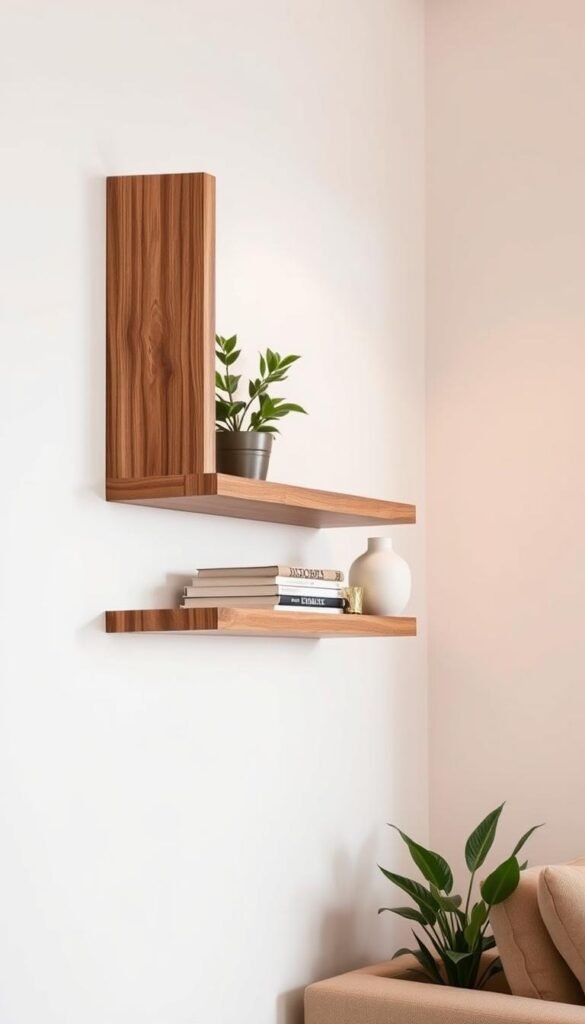
Your floating shelf can be both beautiful and practical. This smart approach maximizes your space beautifully. You create displays that work hard while looking great.
Functional styling blends everyday items with decorative flair. Your favorite mugs or spice jars become part of your design. This way makes your home more efficient and attractive.
Choose things that serve a purpose while adding visual appeal. A set of matching canisters organizes kitchen staples. They create a cohesive look on your shelves.
Bathroom essentials can be both useful and decorative. Pretty soap dispensers and rolled towels look inviting. They turn necessities into part of your decor.
Organize functional pieces to prevent clutter. Group similar items together for a clean appearance. Use trays or baskets to corral smaller objects.
Your daily routines become more efficient with well-placed things. Frequently used items stay within easy reach. This thoughtful arrangement saves time and effort.
Consider how you use your space when selecting pieces. Choose items that reflect your actual needs and habits. Your display becomes personalized and practical.
Functional styling transforms shelves beyond mere decoration. They become active participants in your daily life. Beauty and purpose coexist in perfect harmony.
This approach makes your entire home work smarter. Every piece serves a function while enhancing your space. You achieve both organization and aesthetic appeal.
Lighting Techniques to Elevate Your Display
Proper lighting transforms your shelf from ordinary to extraordinary. It adds depth and drama that daytime alone cannot achieve. Your arrangement gains new life when the sun goes down.
Strategic illumination highlights your favorite items beautifully. It creates focal points that draw the eye exactly where you want. This professional design technique makes everything pop.
Evening becomes the perfect time to showcase your collection. Well-placed lights cast beautiful shadows and highlights. Your entire home gains warmth and atmosphere.
Strategic Spotlighting for Dramatic Effect
Spotlights create focused beams on specific treasures. They make individual pieces stand out dramatically. This approach works wonderfully for art or collectibles.
Position small spotlights above your shelves. Angle them downward to avoid harsh shadows. Adjustable fixtures offer the most flexibility.
Consider these spotlighting strategies:
- Highlight one signature piece per shelf section
- Use warm white bulbs for inviting glow
- Position lights to graze across textured surfaces
Dimmable options let you control the mood perfectly. Bright for entertaining, soft for relaxing. This versatility enhances your space throughout the day.
Subtle LED Solutions for Ambient Glow
LED strip lights provide clean, modern illumination. They install discreetly underneath your floating shelf. The effect is a soft glow that seems to float.
Choose warm white LEDs for cozy atmosphere. Cool white works for contemporary spaces. Color-changing options offer fun versatility.
Position strips toward the back of your shelf’s underside. This placement hides the light source from view. You see only the beautiful effect it creates.
LEDs highlight objects while reducing shadows. They make everything visible without harshness. Your display gains even, flattering illumination.
Natural light combines beautifully with translucent pieces. Glass vases or crystal objects catch and scatter sunlight. They create sparkling effects throughout the day.
Lighting is the jewelry of the home—it doesn’t necessarily change the structure, but it enhances everything and makes it sparkle.
Experiment with different lighting types for various effects. Try combining spotlights with ambient LEDs. Layer illumination for the most dynamic results.
Good lighting is key to a professional-looking setup. It adds that final polish that makes your space magazine-worthy. Your way of living becomes more beautiful after dark.
Choosing the Right Floating Shelves for Your Space
Selecting the perfect shelves makes all the difference in your decor. The right choice enhances both function and beauty. It ensures your display works well and looks amazing.
Consider your room’s style and your personal needs. Measure your space carefully before making any decisions. Planning ahead prevents installation headaches later.
Quality shelves become long-term additions to your home. They should handle your decorative items safely. Proper selection brings satisfaction for years.
Material Considerations: Wood, Metal, and Beyond
Different materials create distinct visual effects. Each brings unique character to your wall. Choose based on your existing furniture and decor.
Wood offers warmth and natural texture. It works beautifully in traditional or rustic spaces. Stained or painted options provide versatility.
Metal delivers sleek, modern appeal. Its clean lines suit contemporary design schemes. Brushed finishes add subtle sophistication.
Glass creates light, airy feelings. It makes small rooms appear more open. Transparent surfaces keep visual weight low.
Consider these material characteristics:
- Wood: Warm, traditional, customizable finishes
- Metal: Industrial, modern, very durable
- Glass: Lightweight, contemporary, easy cleaning
- Acrylic: Invisible look, modern, budget-friendly
Weight Capacity and Installation Essentials
Always check the weight rating before purchasing. Your decorative items need proper support. Safety should never be compromised.
Different wall types require specific hardware. Drywall needs anchors for secure mounting. Concrete and brick need special drills and fasteners.
Consider what you plan to display. Books and ceramics are heavier than photos. Plan for both current and future items.
Professional installation ensures security and level placement. Some shelves come with hidden mounting systems. Others use visible brackets for industrial charm.
Follow these installation tips:
- Use a stud finder for optimal support locations
- Choose anchors rated for your wall type
- Ensure shelves are perfectly level during installation
- Test weight capacity with gradual loading
Custom options like Forever Joint Tops offer personalized solutions. They create perfect fits for unique spaces. Your design vision becomes reality.
The right shelves transform your wall into something special. They become functional art in your home. Your space gains both beauty and purpose.
Seasonal Refreshes and Maintenance Tips
Keeping your display fresh requires regular attention. Simple maintenance preserves beauty and function. This routine becomes part of your home care rhythm.
Dust accumulates quickly on horizontal surfaces. Regular cleaning keeps your arrangement looking crisp. Different materials need specific care approaches.
Wood surfaces benefit from gentle dusting with a microfiber cloth. Avoid harsh chemicals that might damage finishes. A slightly damp cloth works for stubborn spots.
Glass and metal need streak-free cleaning solutions. Use specialized products for best results. Wipe in one direction for perfect clarity.
Delicate items require careful handling during cleaning. Remove fragile pieces before dusting your shelf. This prevents accidents and keeps everything safe.
Seasonal changes bring natural refresh opportunities. Swap decor to match the time of year. This simple way keeps your space feeling current.
Spring might feature fresh flowers and lighter colors. Summer welcomes beach finds and bright accents. Autumn introduces warm tones and natural elements.
Winter holidays offer festive decorating chances. Incorporate small seasonal items among your regular display. These touches add celebratory spirit without overwhelming.
Rotating pieces showcases different interests over time. Your favorite books or art get their moment in the spotlight. This rotation keeps your arrangement personally meaningful.
Consider creating mini collections for various seasons. Group seashells in summer, pinecones in winter. These themed groupings tell seasonal stories beautifully.
Maintenance ensures longevity for your installation. Regular care prevents damage to both shelf and items. This attention preserves your investment beautifully.
Your display evolves along with your personal style. Changing things reflects your current interests and experiences. This dynamic approach keeps your home feeling authentically yours.
Simple refreshes maintain that intentional curated look. They prevent stagnation without major redecorating efforts. Your space always feels thoughtfully arranged.
Embrace this ongoing process of care and renewal. It becomes a satisfying ritual rather than a chore. Your beautiful display rewards this regular attention.
Troubleshooting Common Styling Challenges
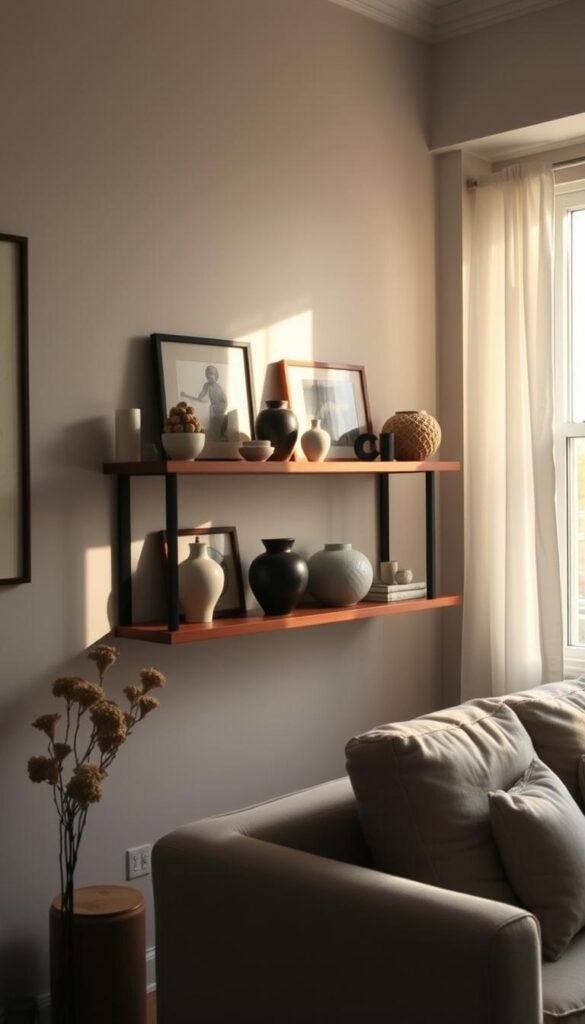
Even the best arrangements sometimes need small adjustments. These simple fixes help you overcome common decorating hurdles. Your display becomes more polished with each refinement.
Every space has unique characteristics that require creative solutions. Awkward gaps or tight corners can feel frustrating. The right approach turns these challenges into opportunities.
Dealing with Awkward Spaces and Gaps
Empty areas between objects can disrupt visual flow. They make your arrangement feel incomplete or unbalanced. Strategic placement solves this issue beautifully.
Leaning art fills vertical gaps with personality. Small canvases or framed photos work perfectly. They add depth without overwhelming your shelf.
Trailing plants soften hard edges naturally. Their organic shapes break up empty spaces gracefully. They bring movement to static areas.
Consider these solutions for common spacing issues:
- Use small sculptures or decorative boxes between larger items
- Stack books horizontally to create elevated platforms
- Angle objects slightly to occupy more surface area
- Layer smaller pieces in front of larger ones
Every gap offers a chance for creative expression. Your unique touch makes the arrangement truly yours.
Avoiding the Cluttered Look
Too many items create visual chaos rather than charm. Your display should feel intentional, not overcrowded. Careful editing achieves this clean look.
Negative space provides breathing room between objects. It allows each piece to stand out clearly. This technique prevents a busy appearance.
Group related items together in intentional clusters. Odd numbers create natural harmony. These groupings feel organized rather than random.
Step back frequently to assess your progress. View your work from different angles and distances. Photographs reveal what your eyes might miss.
Editing becomes your most valuable tool. Remove excess items until the balance feels right. Less often creates more impact.
This table shows common clutter issues and solutions:
| Common Issue | Professional Solution | Visual Result |
|---|---|---|
| Too many small items | Group into intentional clusters | Organized, curated appearance |
| Uneven spacing | Use consistent negative space | Balanced, harmonious look |
| Height monotony | Vary object elevations | Dynamic, interesting composition |
| Color chaos | Limit palette to 3-4 colors | Cohesive, intentional design |
Remember that troubleshooting improves with practice. Each adjustment teaches you more about balance. Your skills grow with every arrangement you create.
The clean, organized appearance reflects professional styling. It shows thoughtfulness in every detail. Your space gains that magazine-worthy finish.
Advanced Pro Techniques for Magazine-Worthy Shelves
Take your decor skills to the next level with these expert approaches. Professional designers use these methods to create truly exceptional displays. Your space gains that polished, editorial quality you admire in magazines.
Thematic Displays That Tell a Story
Create cohesive narratives through carefully chosen items. A consistent theme makes your arrangement feel intentional and sophisticated. Your shelf becomes a visual story that engages visitors.
Choose a color scheme that ties everything together. Monochromatic arrangements offer elegant simplicity. Complementary colors create dynamic energy and visual harmony.
Subject-based themes tell personal stories beautifully. A travel theme might feature souvenirs and maps. A literary theme could showcase favorite books with reading accessories.
Consider these popular thematic approaches:
- Nautical: Seashells, blue glass, rope details
- Botanical: Pressed flowers, plant illustrations, terracotta pots
- Minimalist: Limited color palette, negative space, simple forms
- Vintage: Antique books, old photographs, brass objects
Every item should contribute to your chosen narrative. Edit ruthlessly to maintain thematic consistency. Your story becomes clearer through careful curation.
This table shows how to build compelling themes:
| Theme Type | Key Elements | Visual Impact | Difficulty Level |
|---|---|---|---|
| Color-Based | Items in matching hues | Cohesive, polished look | Beginner |
| Subject-Based | Related objects and memorabilia | Personal, storytelling quality | Intermediate |
| Style-Based | Period-specific pieces and materials | Authentic, curated appearance | Advanced |
| Material-Based | Consistent textures and finishes | Tactile, harmonious feeling | Intermediate |
Using Shelves as Room Dividers
Open floor plans benefit from subtle space definition. Floating shelves create visual separation without closing off areas. This clever design technique maintains flow while establishing distinct zones.
Install a series of shelves between living and dining areas. They suggest separation without physical barriers. Light and air continue moving freely throughout your room.
Arrange items to enhance the divider effect. Place taller objects at the ends for visual anchors. Use consistent styling on both sides for cohesive appeal.
Consider these placement strategies:
- Position shelves perpendicular to the main wall
- Use varying lengths for dynamic interest
- Space shelves at different heights
- Continue your theme across all surfaces
This multifunctional approach maximizes your available square footage. Your floating shelf becomes both decorative and architectural. It defines your space in the most elegant way possible.
Your arrangement gains purpose beyond mere decoration. It serves your lifestyle while enhancing your aesthetic. These advanced techniques transform ordinary displays into extraordinary features.
Your Journey to Perfectly Styled Floating Shelves
Your decorating adventure brings beautiful results through practice and patience. Each arrangement teaches you more about balance and personal expression.
Remember the core principles: odd-number groupings, height variation, and intentional negative space. These techniques create professional-looking displays every time.
Your home reflects your unique taste through carefully chosen items. Embrace this creative process as an enjoyable way to personalize your space.
Great styling evolves with your changing interests and seasons. Keep experimenting with different arrangements in your living room. This ongoing practice develops your eye for design.
Share your creations and continue exploring new ideas. Your beautifully curated space awaits!