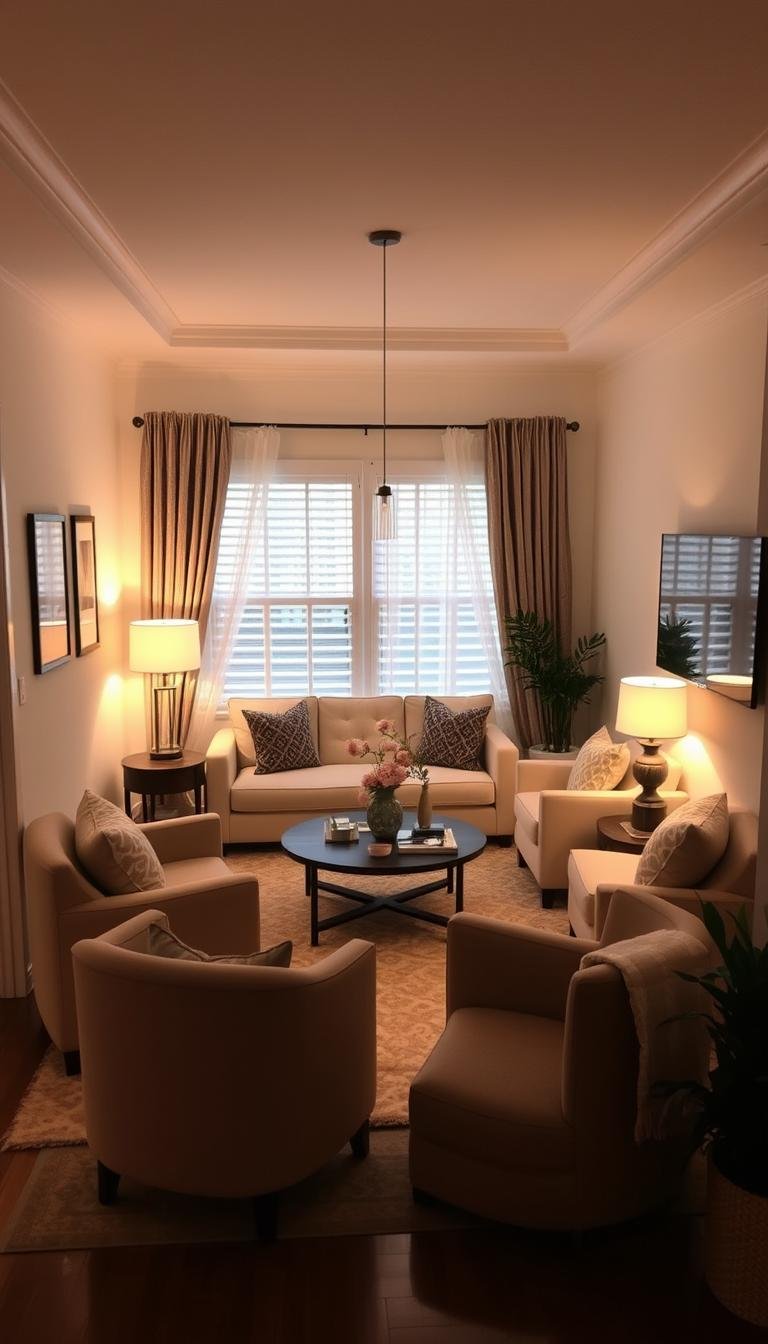
Welcome to your guide for transforming your compact living room into a spacious, inviting area. Many people struggle with making their small space feel open and functional.
Strategic design choices can completely change how your room feels. Proper planning helps you maximize every square foot of your space.
Visual tricks and smart furniture selection create the illusion of more room. You’ll discover practical solutions that balance style and functionality.
Color, lighting, and arrangement work together to maximize your living area’s potential. Avoid common mistakes that make small living areas feel even smaller.
Prepare to create a home that feels open, airy, and perfectly suited to your lifestyle. These ideas will help your space look and feel larger than it actually is.
Start with a Strategic Color Palette
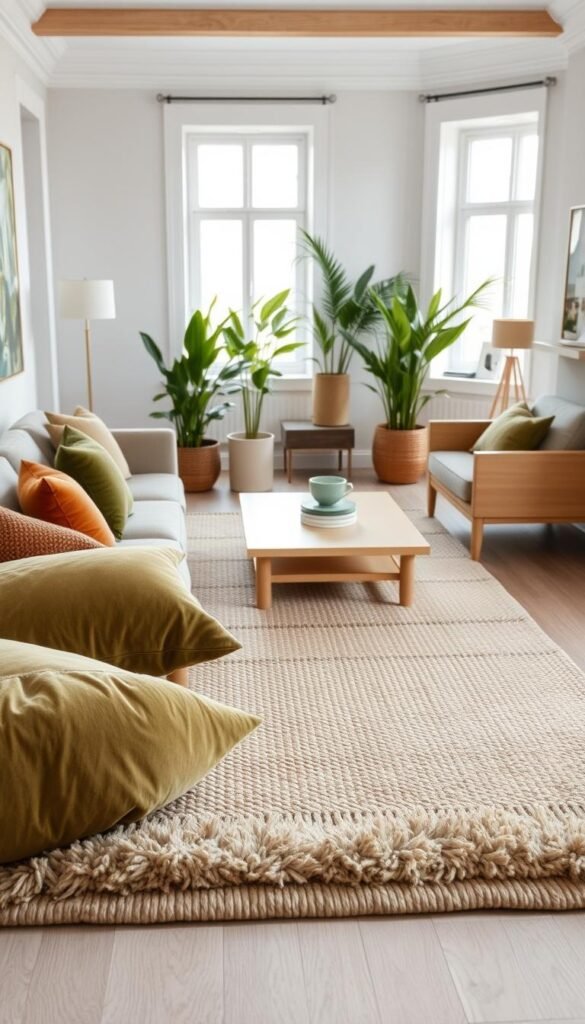
Your color choices set the foundation for your entire room’s atmosphere. Smart color selection can completely transform how your space feels and functions.
Light hues create an open, airy environment that makes your area seem larger. Darker tones add character without sacrificing spaciousness when used strategically.
Embrace Light and Neutral Wall Colors
Light-colored walls reflect both natural and artificial light beautifully. This reflection creates an illusion of more space than actually exists.
Soft whites, creamy tones, and pale pastels work particularly well. These colors make your room feel bright and welcoming throughout the day.
Consider Farrow & Ball’s Skimming Stone for a warm neutral option. Lick’s Blue 15 offers a gentle blue tone that expands visual space.
Consider Color Drenching for a Seamless Look
Color drenching involves painting all surfaces in the same shade. This technique softens contrasts and blurs lines between elements.
Your ceiling, walls, and woodwork blend together seamlessly. The result is a cohesive look that makes your space appear larger.
This approach works particularly well with gentle blues and greens. Even blush tones can create spatial illusion while adding personality.
Add Depth with a Bold Accent Wall or Trim
While light colors expand space, strategic dark accents add dimension. A bold accent wall creates visual interest without overwhelming.
Colorful trim or molding introduces depth and character. These elements draw the eye without making your area feel smaller.
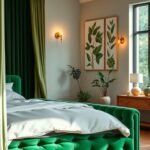
Dark sage green creates unexpected coziness when used strategically. Deep tones work well as accents against lighter backgrounds.
| Color Technique | Best For | Visual Effect | Recommended Colors |
|---|---|---|---|
| Light Neutral Walls | Maximizing light reflection | Creates airy, open feeling | Soft whites, creams, pale pastels |
| Color Drenching | Blurring boundaries | Enhances spatial continuity | Single shade on all surfaces |
| Accent Wall/Trim | Adding depth | Creates visual interest | Dark sage, navy, charcoal |
| 60-30-10 Rule | Balanced schemes | Cohesive color distribution | 60% dominant, 30% secondary, 10% accent |
Remember the 60-30-10 rule for balanced color schemes. This approach creates harmony while maintaining visual interest.
Avoid strong contrasts between walls and ceilings in compact areas. These contrasts draw attention to size limitations rather than minimizing them.
Your color choices should work together to create a cohesive, spacious feel. The right palette makes all the difference in how your room functions and feels.
Declutter Ruthlessly and Implement Smart Storage
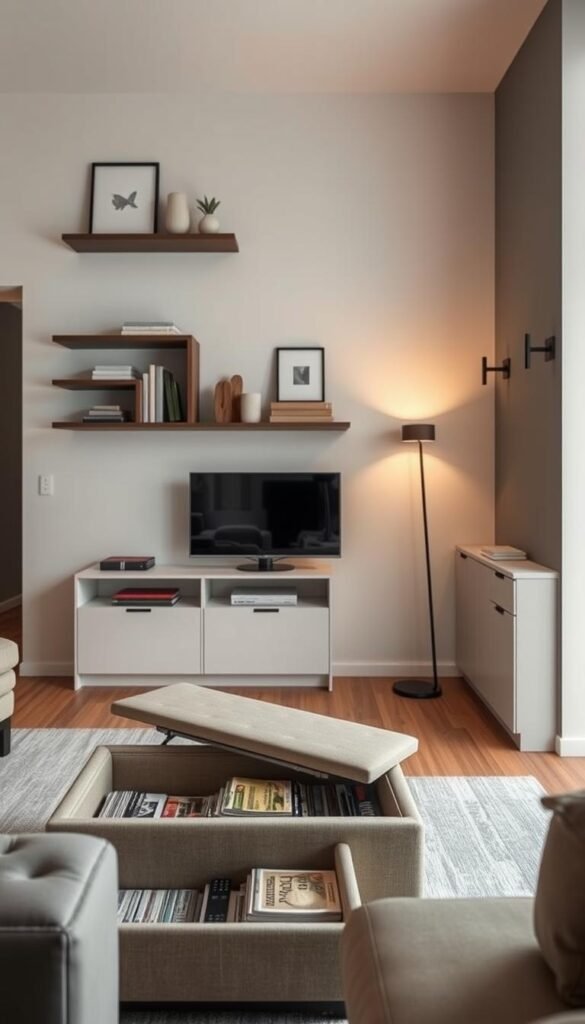
Your compact area needs breathing room to feel open and inviting. Clutter consumes both physical space and visual weight, making your area feel cramped and overwhelming.
Smart organization transforms how your room functions and feels. Strategic storage solutions create order while maintaining aesthetic appeal.
Keep Surfaces Clear and Tidy
Clear surfaces create visual calm and make your space appear larger. Regular tidy-ups prevent accumulation of unnecessary items.
Assign specific homes for every belonging in your room. This system prevents random placement that contributes to clutter.
Designer Liz Dutton demonstrates this principle beautifully. She uses a small side table exclusively for drinks, keeping other surfaces free.
Utilize Baskets and Built-In Storage Solutions
Baskets and bins corral items while adding texture to your design. They keep essentials accessible but out of sight.
Built-in storage maximizes every inch of your limited square footage. Custom solutions can transform awkward areas into functional spaces.
Choose storage that complements your room’s aesthetic. Woven baskets add warmth while sleek bins maintain minimalist appeal.
Find Unique Storage Spots Like Under Tables
Look beyond conventional storage areas for creative solutions. Under-table space offers valuable real estate for organization.
Liz Dutton stored books under an antique low coffee table. This approach keeps reading material handy without consuming visual space.
Avoid overcrowding walls or blocking walking paths. Maintain open sight lines throughout your living area for better flow.
| Storage Solution | Best Use | Space Impact | Visual Effect |
|---|---|---|---|
| Baskets & Bins | Corralling small items | Minimal footprint | Adds texture while concealing clutter |
| Built-In Storage | Maximizing awkward spaces | Zero additional space | Seamless integration with design |
| Under-Table Storage | Books, blankets, media | Utilizes dead space | Keeps essentials hidden but accessible |
| Wall-Mounted Solutions | Display and organization | Frees floor space | Draws eye upward, creates height |
Unique storage ideas contribute to balanced layouts in compact areas. They ensure everything has its place without overwhelming your room.
Regularly clear out items that no longer serve your space. This maintenance keeps your home feeling serene and intentionally designed.
Your storage solutions should work quietly in the background. They support your lifestyle without dominating the visual landscape.
Choose Furniture That Fits the Scale of Your Room
Finding the right scale of furnishings transforms how your room functions daily. Proportional pieces create visual harmony while maximizing your available area.
Your selections should complement rather than compete with your square footage. Thoughtful choices make your space feel intentional and perfectly suited to your lifestyle.
Opt for Pieces with Exposed Legs
Furniture with exposed legs creates an airy, open feeling in your compact area. These designs allow light to flow underneath, making your room feel more spacious.
Avoid bulky pieces that sit directly on the ground. They create visual weight that can make your space feel heavier than it actually is.
This approach works wonderfully with sofas, chairs, and tables. The visible floor space contributes to that open, uncluttered look you want.
Select an Oversize Sectional Instead of Multiple Chairs
An oversize sectional might seem counterintuitive, but it often works better than multiple chairs. Designer Alexander Reid demonstrated this with a giant sectional that offered plenty of seating.
This single large piece actually makes your room feel less cramped than several smaller chairs. It creates a cohesive look while providing ample seating for family and guests.
The key is choosing a proportional design that fits your specific dimensions. Measure carefully to ensure it enhances rather than overwhelms your area.
Consider Open-Back or Low-Profile Furniture
Open-back furniture maintains sight lines throughout your living space. Daybed-style pieces won’t block visual space or interrupt conversation flow.
Low-profile options like short wooden stools balance proportions beautifully. They add functionality without dominating the visual landscape.
These choices allow you to see across the entire room easily. This visibility contributes significantly to that open, airy feeling you want to achieve.
Invest in quality pieces that will age gracefully rather than treating your compact area as an afterthought. Proportional furnishings should be neither too delicate nor too bulky.
The right scale can make your living space feel like the crown jewel of your home. Every piece should contribute to both function and the overall spacious feel.
How to Decorate a Small Living Room Without Making It Look Crowded with Mirrors
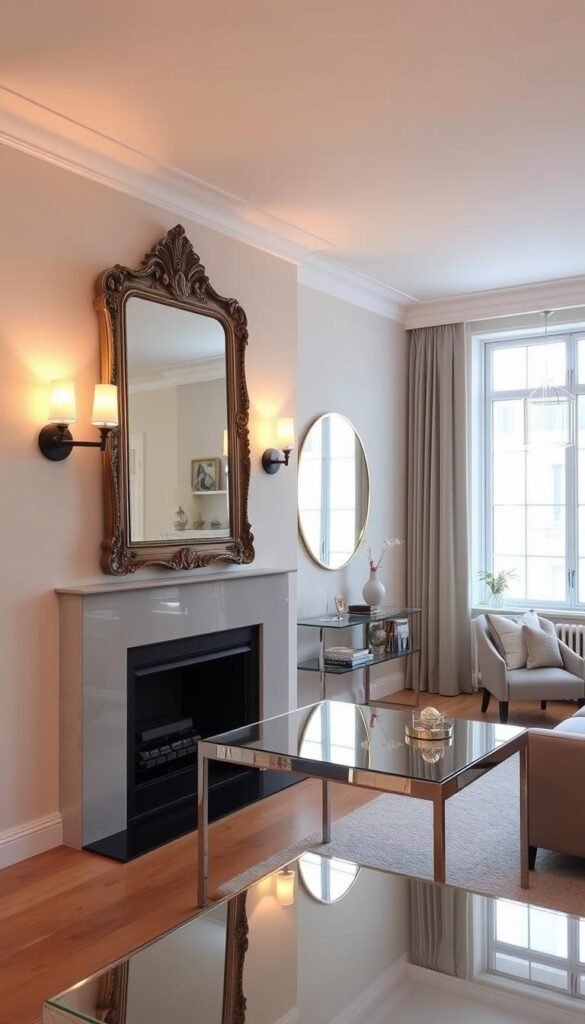
Mirrors work magic in compact areas by creating visual expansion and light enhancement. These reflective surfaces transform how your area functions and feels daily.
Strategic placement makes your room appear larger and brighter instantly. You gain both style and function with these simple design choices.
Place a Large Mirror Opposite a Window
Positioning a mirror across from your window maximizes natural light reflection. This technique brightens your entire room throughout the day.
The reflected light makes your space feel airy and open. You’ll notice an immediate difference in how your room feels.
Full-length mirrors leaning against walls offer maximum surface area. They capture and distribute light more effectively than smaller options.
Incorporate Multiple Mirrors to Bounce Light
Several mirrors placed strategically around your room create light movement. They bounce illumination into corners and darker areas.
This approach eliminates shadows that make spaces feel cramped. Your room gains uniform brightness that enhances spaciousness.
Circular or curved mirrors soften harsh lines in compact areas. They create stylish focal points without overwhelming your design.
Choose a Statement Mirror as a Focal Point
A dramatic mirror above your sofa or mantelpiece draws eyes upward. This vertical emphasis creates height and dimension.
Reflected greenery from plants or garden views deepens visual field. You gain an expanded sense of space through nature’s reflection.
The Range offers affordable arched and organic-shaped designs. John Lewis provides detailed bobbin-adorned mirrors for elegant statements.
| Mirror Type | Best Placement | Light Effect | Space Impact |
|---|---|---|---|
| Large Wall Mirror | Opposite windows | Maximizes natural light | Doubles visual depth |
| Multiple Small Mirrors | Around the room | Bounces light evenly | Creates light movement |
| Statement Mirror | Above focal points | Draws eye upward | Adds height dimension |
| Full-Length Leaner | Against blank wall | Reflects maximum light | Expands entire wall |
Strategic mirror placement instantly doubles your visual space. These reflective surfaces work with your existing light sources.
They enhance both natural and artificial illumination throughout your room. Your space gains brightness and perceived size simultaneously.
Experiment with different shapes and positions to find what works best. The right mirror arrangement transforms how your room feels and functions.
Harness the Power of Light and Reflection
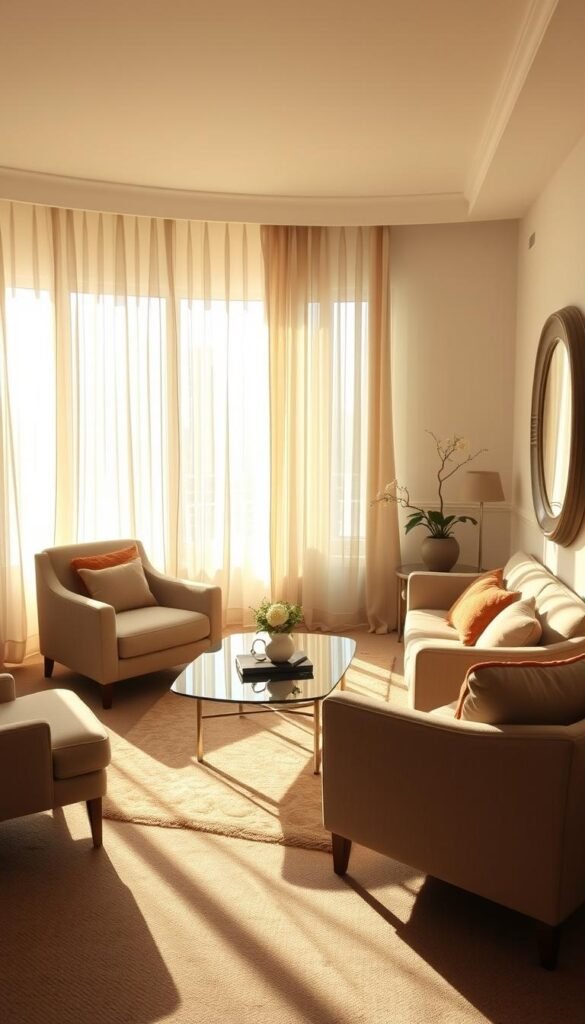
Light transforms your compact area by creating depth and dimension. Proper illumination makes your room feel open and inviting throughout the day.
Strategic placement enhances both natural and artificial sources. These techniques work together to eliminate shadows and expand visual space.
Layered lighting creates ambiance while serving practical needs. You’ll discover how to balance function with beautiful design.
Layer Your Lighting with Multiple Sources
Multiple light sources create depth and eliminate harsh shadows. Table lamps, floor lamps, and sconces work together beautifully.
Avoid single overhead fixtures that create unflattering shadows. These often make your space feel smaller and less inviting.
Combine ambient, task, and accent lighting for best results. This approach ensures your room feels bright yet cozy.
Choose warm white bulbs between 2700-3000 Kelvin. This temperature range creates welcoming glow without harshness.
Choose Light, Airy Window Treatments
Window treatments should maximize natural light penetration. Sheer fabrics like linen and voile filter light beautifully.
Full-length curtains hung high above the frame create height illusion. This trick makes your ceiling appear taller than actual measurements.
Designer Sarah Stacey demonstrates this technique effectively. She uses tall curtains to maintain light flow while adding style.
Avoid heavy drapes that block precious sunlight. Your space needs every bit of natural illumination available.
Incorporate Reflective Surfaces and Lacquer Finishes
Reflective surfaces bounce light around your room effectively. Lacquered trays, decorative boxes, and metallic accents work wonderfully.
These elements distribute illumination into darker corners. Your entire space benefits from enhanced brightness.
Glass tabletops and mirrored accessories amplify this effect. They create visual interest while serving practical purposes.
Even small reflective pieces make significant impact. Strategically placed items enhance your room’s overall luminosity.
| Lighting Element | Primary Function | Space Enhancement | Recommended Use |
|---|---|---|---|
| Multiple Light Sources | Eliminate shadows | Creates depth and dimension | Combine floor lamps, table lamps, sconces |
| Sheer Window Treatments | Maximize natural light | Maintains brightness | Linen, voile, or cotton curtains |
| Reflective Surfaces | Bounce light | Enhances overall illumination | Lacquered finishes, glass, mirrors |
| Warm White Bulbs | Create ambiance | Adds cozy atmosphere | 2700-3000 Kelvin temperature |
Natural light remains your most valuable asset for spacious feel. It creates bright, breezy atmosphere that artificial sources cannot replicate.
Your lighting choices should work harmoniously throughout the day. Proper illumination makes your room function beautifully day and night.
Experiment with different combinations to find your perfect balance. The right lighting scheme transforms how your space feels and functions.
Incorporate Multifunctional and Floating Furniture
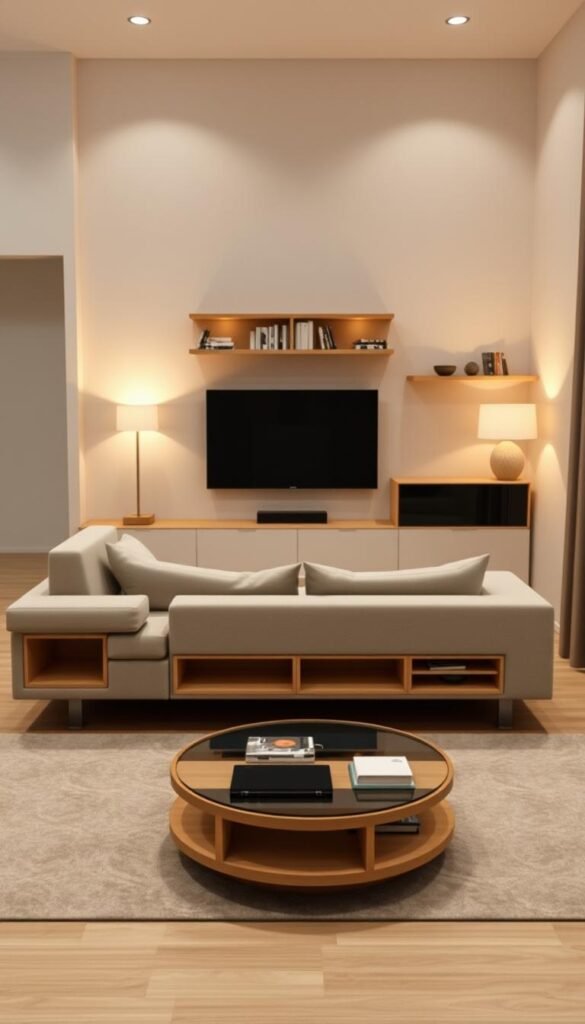
Smart furniture choices transform how your compact area functions daily. These pieces maximize every inch while maintaining clean visual lines.
Floating designs create airy openness that traditional furnishings cannot match. You gain both style and practicality with these strategic selections.
Designer Sarah Solis demonstrates this approach beautifully in a Los Angeles den. Her floating desk and backless stool maintain full functionality while appearing streamlined.
Invest in Pieces that Offer Hidden Storage
Multipurpose furnishings serve dual roles in your limited square footage. These clever designs provide storage while functioning as stylish decor.
Ottomans with lift-up lids offer perfect hidden compartments. They store blankets or books while serving as extra seating or a coffee table.
Beds with built-in drawers utilize often wasted under-bed space. You gain valuable organization without sacrificing floor area.
These solutions help maintain clean lines throughout your room. Hidden compartments reduce visual clutter that makes spaces feel cramped.
Choose a Floating Desk or Shelves to Save Floor Space
Wall-mounted elements seem to levitate, creating magical openness. They occupy zero floor space while providing full functionality.
Floating shelves display decor without bulky bookcases. They draw eyes upward, enhancing perceived height in your room.
Designer Sarah Solis chose a floating desk for her compact den. This approach maintains workspace without consuming visual square footage.
Backless stools tuck completely under these floating surfaces. You gain seating that disappears when not in use.
Wall-Mount Your TV to Free Up Surfaces
Televisions traditionally dominate valuable surface area in compact rooms. Wall mounting eliminates this space consumption entirely.
Designer Rasheeda Gray mounted a large screen flush against her wall. This technique allows generous viewing without cramping her layout.
Freed console table space now serves multiple purposes. You might display decor or create a mini bar area instead.
This approach works particularly well above low-profile media consoles. The combination maintains functionality while maximizing openness.
| Furniture Type | Space Saving | Functionality | Visual Impact |
|---|---|---|---|
| Hidden Storage Pieces | Utilizes dead space | Dual-purpose design | Reduces clutter, clean lines |
| Floating Desks/Shelves | Zero floor footprint | Full functionality | Creates airy, open feel |
| Wall-Mounted TV | Frees surfaces | Large screen capability | Minimal visual weight |
| Multifunctional Furniture | Serves multiple needs | Combined purposes | Streamlined appearance |
Your furniture should work harder in limited square footage. Smart designs provide multiple functions without visual crowding.
These choices make your room feel expansive and intentionally designed. Every piece contributes to both beauty and practical living.
Utilize Vertical Space for Decor and Storage
Your walls offer untapped potential for both style and organization. Going vertical transforms how your area functions and feels daily.
This approach maximizes every inch without consuming precious floor real estate. You gain valuable storage while maintaining that open, airy atmosphere.
Designer Serena Dugan demonstrates this principle beautifully. She hung bookshelves above windows to display paperbacks without crowding her compact area.
Hang Shelves Above Windows and Doors
Often-overlooked areas above windows and doors become valuable storage real estate. These spots keep your essentials accessible yet out of the way.
Serena Dugan’s approach shows how collections can enhance rather than overwhelm. Her paperbacks add personality without compromising spaciousness.
Floating shelves in these locations draw eyes upward naturally. They create height illusion while serving practical purposes.
This technique works particularly well for displaying decorative items or books. You maintain clear sight lines throughout your room.
Add Wall Panelling to Draw the Eye Upward
Wall panelling and wainscoting give rooms height and luxurious appeal. These elements make compact areas appear bigger through vertical emphasis.
The added dimension creates visual interest without clutter. Your space gains character while feeling more expansive.
Designer Patrick Gallagher used diamond-patterned wallpaper effectively. This choice visually heightened a barrel-vaulted ceiling beautifully.
These vertical elements work magic in making your room feel taller. They distract from size limitations through stylish design.
Use Tall, Narrow Bookcases for Storage
Tall, narrow bookcases utilize vertical space efficiently without floor crowding. They provide ample storage while maintaining slim profiles.
These pieces fit perfectly in tight corners or between furniture. You gain organization without sacrificing walking paths.
The vertical orientation draws attention upward naturally. This creates perception of more height throughout your area.
Open shelving maintains airy feel while closed options conceal clutter. Choose based on your specific storage needs and style preferences.
| Vertical Solution | Space Impact | Visual Effect | Best For |
|---|---|---|---|
| High Shelving | Zero floor space | Draws eye upward | Books, decorative items |
| Wall Panelling | Adds dimension | Creates height illusion | Luxurious atmosphere |
| Tall Bookcases | Minimal footprint | Vertical emphasis | Maximum storage |
| Vertical Patterns | No physical space | Heightens ceiling | Visual expansion |
Installing shelves up high for books and decorative items maximizes storage potential. This approach maintains open sight lines throughout your area.
Vertical storage solutions help maintain clear walking paths beautifully. They reduce floor clutter that makes spaces feel cramped.
Your walls become functional design elements rather than blank surfaces. This transformation enhances both style and practicality in your home.
Select the Right Rug and Textiles
Your floor covering and fabric choices transform how your room functions visually. These elements add warmth while defining your space beautifully.
Strategic textile selection creates layers of comfort and style. Your living room gains personality through thoughtful fabric choices.
Choose a Large Area Rug to Define the Space
Select a rug that fits under your furniture’s front legs. This technique zones your area and makes it feel more expansive.
Your rug should be as wide as your sofa with about 25-30cm of floor visible around the edges. This proportion creates balanced visual weight.
Ruggable’s Gaia Ivory Multicolour Flatwoven Rug offers abstract patterns perfect for compact rooms. Its design adds interest without overwhelming.
Incorporate Texture with Throws and Pillows
Texture creates visual richness that your eyes can almost “feel.” Nubby baskets and ribbed pitchers add depth to neutral palettes.
Burlap-trimmed pillows introduce organic texture beautifully. These pieces make your space feel cozy and inviting.
Layer different textures for added complexity. Your room gains dimension through these tactile elements.
Opt for Light-Colored and Patterned Curtains
Light-colored curtains in materials like linen allow perfect light filtration. They maintain brightness while adding natural texture.
Striped patterns create illusion of length effectively. These are particularly useful in compact living areas.
Your window treatments should enhance rather than block natural light. The right color and pattern make your room feel airy.
Your textiles and rug work together to ground the entire design. They set the tone for your space‘s overall feel.
These elements make your room look intentionally styled. Your living area gains both comfort and visual appeal.
Arrange Your Furniture for Flow and Function
Your furniture placement determines how your room functions daily. Strategic arrangement creates better movement and conversation flow.
Thoughtful positioning makes your space feel intentional and welcoming. You’ll discover how to balance comfort with visual openness.
Designer Amanda Jacobs demonstrates effective layout principles. Her approach maximizes both physical and visual space beautifully.
Pull Furniture Away from the Walls
Moving pieces inward creates depth and dimension. This technique prevents that boxed-in feeling.
Everything pushed against walls actually limits your sense of horizon. Floating arrangements make your area feel more expansive.
Leave a few inches between your sofa and walls. This simple adjustment changes how your room feels instantly.
Face Seating Toward Each Other to Foster Conversation
Position chairs and sofa to encourage interaction. Amanda Jacobs turned chairs toward the couch for comfortable conversation.
This arrangement prioritizes human connection over television placement. Your living room becomes more engaging and social.
Create intimate seating clusters that feel inviting. These setups make your space feel purposeful and connected.
Ensure There are Clear Walking Paths
Maintain unobstructed routes throughout your room. Blocked movement routes disrupt functionality.
Leave adequate space between furniture pieces. This allows easy navigation without squeezing through.
Your floor plan should support natural movement patterns. Clear paths make your small space function better.
| Arrangement Technique | Functionality Benefit | Visual Impact | Recommended Application |
|---|---|---|---|
| Floating Furniture | Creates better flow | Adds depth and dimension | Pull sofas and chairs inward |
| Conversation Clusters | Encourages interaction | Creates intimate zones | Face seating toward each other |
| Clear Pathways | Improves movement | Maintains open sight lines | Leave 30-36 inch walkways |
| Balanced Negative Space | Allows room to breathe | Enhances spacious feel | Space pieces appropriately |
Avoid over-filling with too many large bulky pieces. These block light and make your room feel crowded.
Leave space between furniture so eyes can easily flow around. This visual breathing room enhances your sense of space.
Balance negative space to allow your area to breathe. Your living environment becomes more spacious and open.
Proper furniture flow improves both visual and physical experience. Your small living room gains functionality and style.
Final Touches for a Spacious and Stylish Feel
Your finishing touches transform the entire room into a cohesive, inviting space. These details create personality while maintaining that open, airy feel you’ve worked so hard to achieve.
Consider a statement wall mural like designer Sarah Stacey’s crane design. This creates visual interest without overwhelming your compact living room. Pair it with tall curtains for added height.
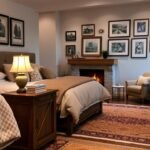
Embrace your small space‘s cozy potential. White Space Design Group added a gas fireplace for that perfect homey atmosphere. Minimalist design keeps things warm yet uncluttered.
Choose a few larger accent pieces rather than many small items. Brian Paquette’s Nordic-style approach shows how less creates more impact. Each decorative choice should serve a purpose.
Lacquered trays and decorative boxes catch light beautifully. They add glamour without clutter. Your final touches make the room feel complete yet never crowded.