Welcome to your guide on creating a serene space with nature-inspired tones. This article explores how to transform your home into a peaceful retreat.
Discover various shades from soft sage to bold forest. Learn to pair them with complementary colors for a harmonious look.
Find practical tips on incorporating this hue through paint, furniture, and accessories. Achieve balance without overwhelming your interior design.
Understand why these tones promote calmness and reduce stress. This makes them ideal for your home’s heart where you relax daily.
Get inspired by real examples and designer insights. Create a balanced, inviting atmosphere that reflects your personal style.
Feel confident choosing the right palette for your space. Consider factors like natural light and room size for the perfect scheme.
For more inspiration on combining cream and green tones, explore this calming design approach that promotes relaxation.
1. Why Green is Your Go-To Color for a Calming Living Room
Imagine stepping into a space that instantly makes you breathe easier. That’s the power of nature’s favorite hue in your home. It brings the outdoors inside, creating a peaceful retreat right where you need it most.
Studies show this shade reduces stress and promotes relaxation. It’s like having a daily dose of serenity built into your interior. Your mind and body thank you for it.
This versatile tone works with almost any style. Pair it with neutrals for a soft look or bold accents for more drama. The options are truly endless.
Light or dark, it adapts to your environment. Sun-filled areas glow with airy freshness. Cozier spots gain depth and sophistication.
Designers love how it bridges indoor and outdoor elements. Your space feels connected to nature’s tranquility. It’s a holistic approach to modern living.
| Light Level | Recommended Shade | Resulting Atmosphere |
|---|---|---|
| Bright/Sunny | Light Tones | Airy, Refreshing |
| Low/Dim | Deeper Tones | Cozy, Sophisticated |
| Mixed Lighting | Medium Tones | Balanced, Harmonious |
Your personal aesthetic shines through effortlessly. Minimalist or eclectic—this foundation supports your vision. It’s about creating a sanctuary that reflects you.
Ultimately, you’re choosing more than just a color. You’re investing in a healthier, more peaceful environment. Every day feels a little more grounded and fresh.
2. Sage Green and Cream: The Ultimate Serene Foundation
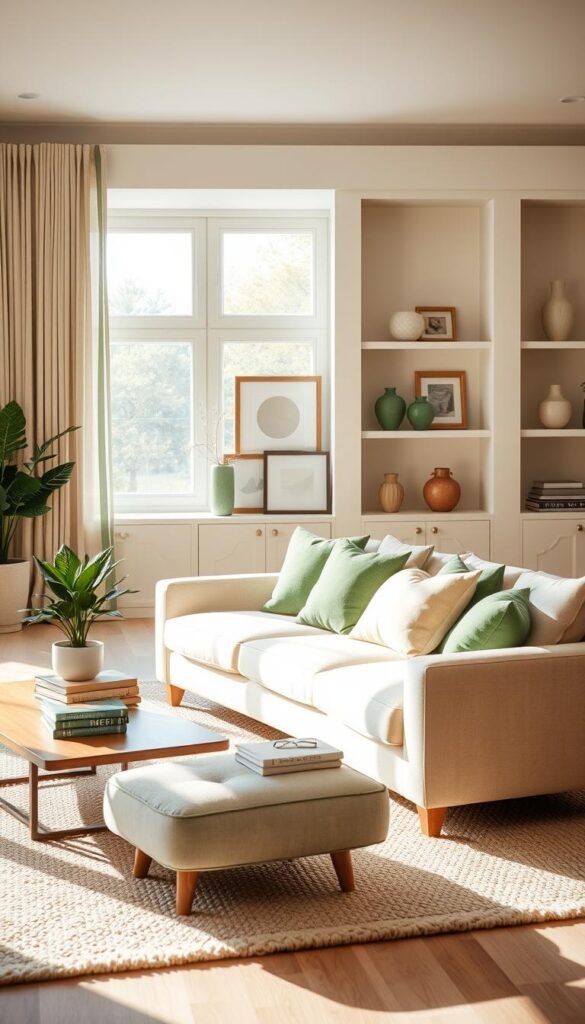
Creating a soothing atmosphere begins with selecting the right color foundation for your space. The combination of sage and cream offers a timeless elegance that promotes relaxation throughout your home.
This palette works beautifully in various interior styles. It brings natural harmony while maintaining a modern aesthetic. Your living area becomes a peaceful retreat with these soft tones.
Wall Color and Large Furniture
Start with your walls when establishing this calming scheme. A muted sage hue creates an earthy backdrop that feels both fresh and grounded. This shade works well in rooms with different light levels.
For larger pieces, consider cream-colored sofas or armchairs. These provide comfortable seating while maintaining the soft color story. The contrast between wall and furniture creates visual interest without overwhelming the senses.
Choose pieces with clean lines and plush textures. This approach ensures your space feels both stylish and inviting. The layout should encourage easy movement and conversation.
Textiles and Accent Pieces
Layer different textures to add depth to your design. Linen curtains, chunky knit throws, and cotton pillows in complementary shades enhance the calming vibe. These elements work together to create a cohesive look.
Accent pieces bring the natural theme to life. Woven baskets, ceramic vases, and wooden tables add organic touches. These items tie the entire scheme together beautifully.
Lighting plays a crucial role in highlighting these soft tones. Soft, diffused light makes the room feel airy and relaxed. Consider multiple light sources for different times of day.
| Element Type | Sage Green Options | Cream Options | Combination Effect |
|---|---|---|---|
| Walls | Muted paint | Accent wall | Earthy foundation |
| Furniture | Accent chair | Main sofa | Balanced contrast |
| Textiles | Throw pillows | Curtains | Layered texture |
| Accessories | Plant pots | Ceramics | Natural accents |
This color combination adapts well to various room sizes. Lighter tones help smaller spaces feel more expansive. The scheme maintains sophistication while creating an open feeling.
Incorporate real plants to reinforce the natural theme. Succulents or ferns add living greenery that blends seamlessly. Your space becomes a true sanctuary with these finishing touches.
3. The Richness of Olive Green Paired with Warm Neutrals
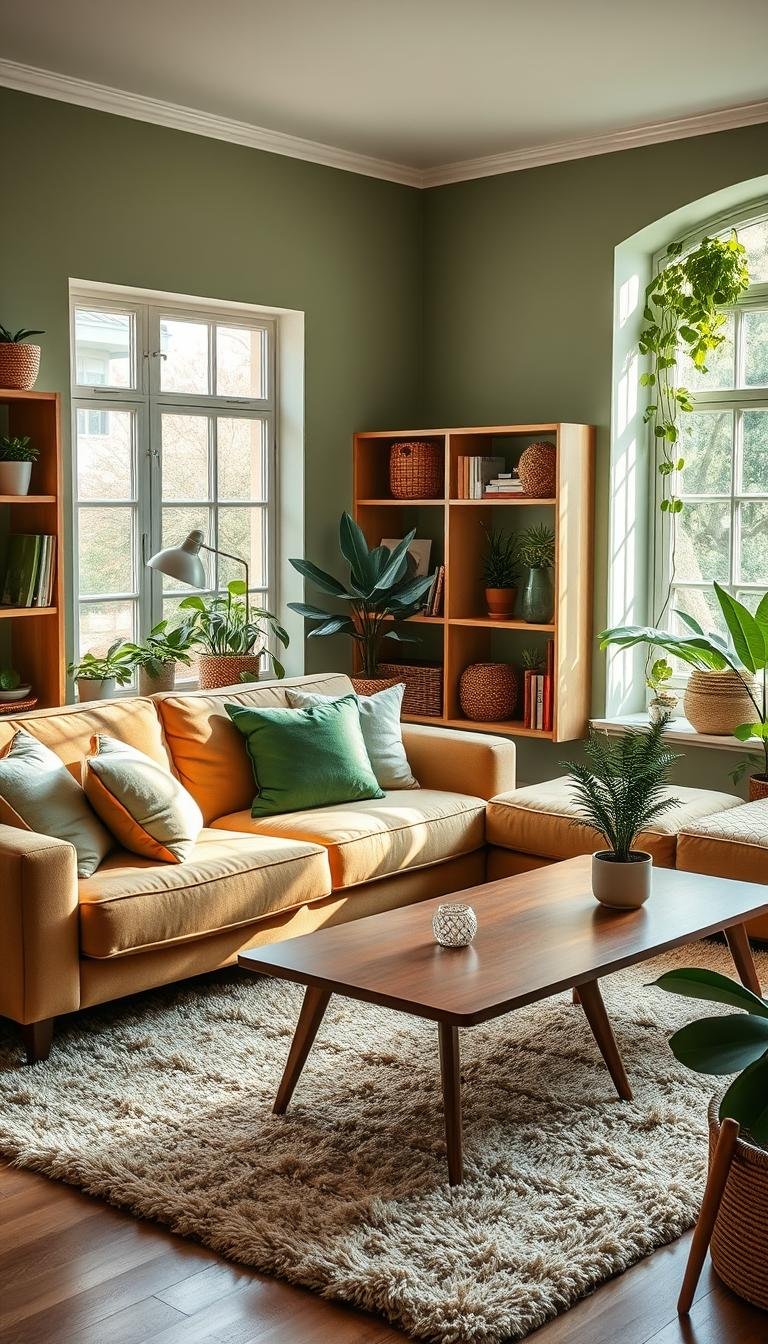
This versatile mid-tone hue creates a perfect balance between natural warmth and modern style in your home. Olive brings sophisticated richness that feels both grounded and inviting.
When working with this palette, consider these strategic approaches:
- Accent walls or key furniture pieces create focal points that feel elegant yet cozy
- Warm neutrals like beige or cream balance the depth of olive tones
- Textural elements add comfort through rattan, linen, or wooden accents
- Metallic touches in brass or gold introduce luxurious warmth
- Deep green leaf plants reinforce the natural theme beautifully
Olive works wonderfully as an accent color rather than dominating your space. A statement chair, decorative pillows, or a media console in this shade can transform ordinary setups into something effortlessly stylish.
The key is restraint—this hue looks its best when surrounded by breathing space. White or light neutral walls provide the perfect backdrop, while grey-toned furnishings maintain calm balance.
“The beauty of olive lies in its ability to feel both contemporary and organic, creating spaces that are rich yet completely relaxing.”
Layer different textures to enhance the tactile quality of your room. Linen throws, cotton cushions, and rattan baskets work together to build depth and comfort. These elements make your gathering area feel inviting and complete.
Consider this approach for different elements in your space:
| Element | Olive Application | Neutral Pairing | Overall Effect |
|---|---|---|---|
| Walls | Accent wall | Beige or cream | Grounded foundation |
| Furniture | Statement chair | Grey sofa | Balanced contrast |
| Textiles | Throw pillows | Linen curtains | Layered comfort |
| Accessories | Ceramic vases | Wooden shelves | Natural accents |
This combination works across various design styles from modern to traditional. The organic feel of olive evokes nature without being overly bold. Your space maintains sophistication while feeling completely approachable.
Finish with metallic accents in lighting fixtures or decorative objects. Brass or gold details pair wonderfully with olive’s warmth. They add that final touch of luxury that makes your interior feel special.
Deep green plants like snake plants or ZZ varieties complement these tones perfectly. They bring living elements that tie the entire look together. Your room becomes a true sanctuary that’s ideal for both relaxation and entertaining.
4. Making a Bold Statement with Emerald Green and Gold
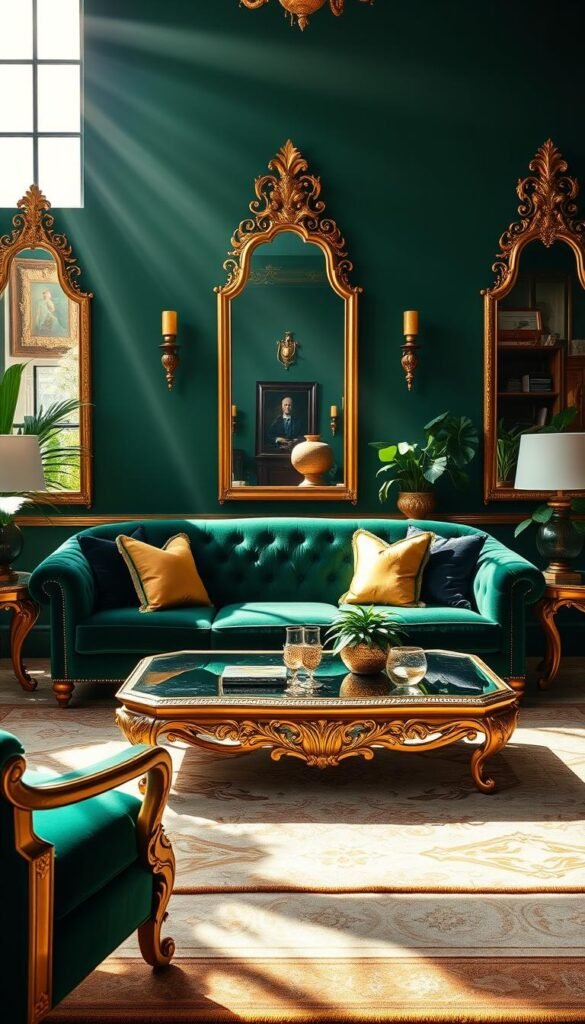
For those seeking elegance, this jewel-toned hue delivers timeless sophistication. It brings a sense of luxury and tranquility to any gathering area.
This deep shade has long symbolized opulence and serenity. It creates a rich backdrop that feels both dramatic and peaceful.
Creating a Focal Point
Start by choosing one element to highlight this vibrant tone. An accent wall painted in this striking color immediately draws attention.
Alternatively, select a velvet sofa as your centerpiece. This adds depth and texture while maintaining balance.
Keep other surfaces in neutral tones like white or cream. This prevents the area from feeling too dark or heavy.
Incorporating Metallic Accents
Gold details enhance the richness of this palette beautifully. Consider brass lighting fixtures or gold-framed mirrors.
These metallic touches add warmth and inviting glow. They complement the jewel-like quality without appearing gaudy.
Use gold-trimmed decor items for subtle luxury. Side tables with metallic frames work wonderfully.
Textures play a crucial role in this scheme. Plush velvet pillows and silk curtains add comfort.
Patterned area rugs bring visual interest to the floor. These elements make the space feel both elegant and cozy.
Natural light highlights the dynamic color interplay. Well-lit rooms showcase this hue’s beautiful depth.
Add plants in brass pots to reinforce the natural theme. This maintains the luxurious atmosphere throughout.
Carefully curated elements create a dramatic yet serene environment. Your home makes a stylish impression that feels both grand and welcoming.
5. Forest Green: Creating a Deep and Grounding Atmosphere
Transform your gathering area into a cozy sanctuary with this rich, earthy tone. Forest brings nature’s depth indoors, creating instant intimacy and comfort.
This deep shade evokes the tranquility of a dense woodland. It makes your space feel both sophisticated and snug for daily relaxation.
Use this dramatic hue on walls or large furniture pieces. It adds wonderful depth and character to your interior design.
Balance it with light neutrals like white trim and cream accents. This prevents the room from feeling too enclosed or dark.
Designer Hannah Ozburn demonstrates bold creativity with this palette. She pairs forest walls with pink furniture for a warm, elevated statement.
“These two hues might not seem obvious together initially, but they create such warmth and sophistication when combined thoughtfully.”
Natural materials enhance the organic vibe beautifully. Wood furniture, stone accents, and jute rugs add texture and warmth.
Lighting plays a crucial role in highlighting this rich shade. Use warm, soft illumination through dimmable fixtures or floor lamps.
This scheme works best in larger areas or those with high ceilings. The shade adds warmth without overwhelming the space.
Complement with other earthy tones like browns or tans. For modern contrast, try blush pink accents as Ozburn suggests.
Plants with dark green leaves blend seamlessly with this palette. Monstera or philodendron varieties reinforce the natural theme.
Palmer Weiss demonstrates another approach with high-gloss forest walls. The reflective surface contrasts beautifully with matte ivory ceilings.
White overhead surfaces make the room appear taller. The deep verdant shade ties together various elements throughout the space.
By embracing forest, you create a grounded, inviting atmosphere. Your home becomes a true retreat that connects you with nature indoors.
6. Introducing Nature with a Tropical Green Palette
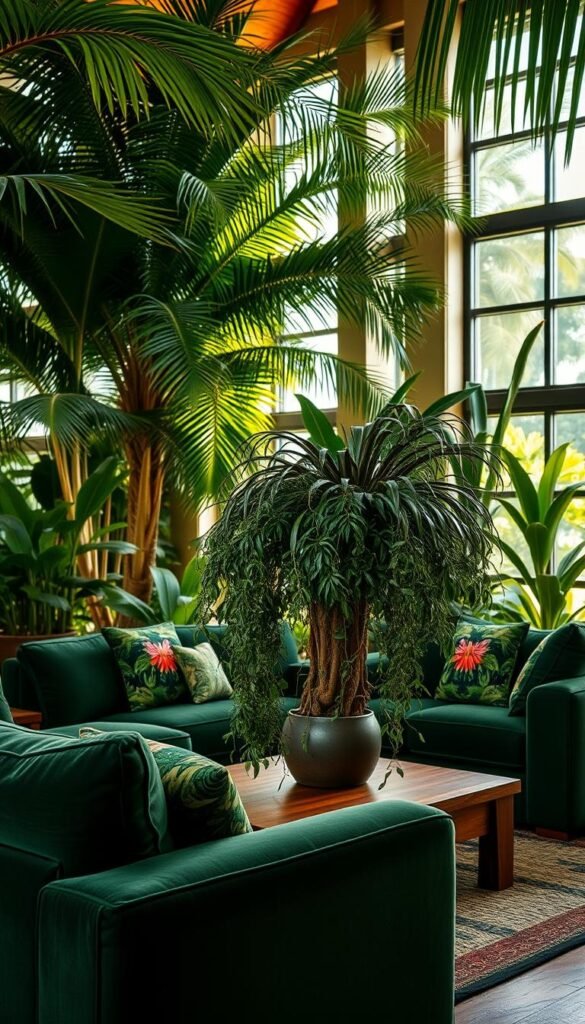
Transform your space into a vibrant oasis with energetic tropical tones. This approach brings vacation energy into your daily life through bold natural expressions.
These lively shades create an instant mood lift. Your area feels both refreshing and deeply connected to nature’s vitality.
Choosing the Right Furniture
Select pieces that embody the tropical spirit through materials and form. Natural wood furniture establishes an organic foundation.
Teak or bamboo pieces add warmth and texture. They pair beautifully with vibrant upholstery in palm or lime shades.
Rattan accents bring lightweight elegance to the scheme. These elements work together to create a cohesive look.
Consider the layout for both function and flow. Your furniture arrangement should encourage relaxation and conversation.
Adding Lush Greenery
Incorporate living plants to enhance the biophilic design approach. Large leafy varieties make the strongest visual impact.
Areca palms or fiddle leaf figs add height and texture. They improve air quality while reinforcing the natural theme.
Group plants of varying sizes for dynamic interest. This creates depth and dimension throughout your area.
Choose decorative pots that complement your color story. Terracotta or woven baskets work beautifully with this palette.
“Tropical design isn’t just about appearance—it’s about creating an environment that engages all senses and transports you somewhere wonderful.”
Textiles complete the transformation with comfort and style. Botanical print cushions add playful patterns.
Lightweight linen curtains allow soft light filtration. Natural fiber rugs provide texture underfoot.
Accessories should reinforce the theme without clutter. Seashells or coral pieces add personal touches.
| Element | Tropical Options | Neutral Balance | Overall Effect |
|---|---|---|---|
| Walls | Palm green accent | Beige main walls | Energetic foundation |
| Furniture | Rattan chair | Teak table | Natural materials |
| Plants | Areca palm | Terracotta pot | Living greenery |
| Textiles | Botanical prints | Linen curtains | Layered comfort |
| Lighting | Warm pendants | Soft diffusion | Sunny atmosphere |
Lighting plays a crucial role in enhancing this vibrant scheme. Warm, soft illumination mimics tropical sunlight.
Pendant fixtures or floor lamps create inviting pools of light. Dimmable options allow mood adjustment throughout the day.
This palette works wonderfully in spaces with good natural light. Sun-filled areas amplify the fresh, energetic feeling.
By embracing these lively tones, you create a cheerful retreat. Your home becomes a personal paradise for relaxation.
7. Cool and Collected: Mint and Seafoam Green Combinations
Imagine a breath of fresh air flowing through your home. Mint and seafoam bring that crisp, revitalizing energy into your interior. These cool tones create an atmosphere that feels both modern and timeless.
These shades work wonderfully in various lighting conditions. They reflect natural light beautifully, making any area appear more spacious. Your home gains a bright, airy quality that promotes daily calm.
Consider using these hues on your walls for a soft backdrop. They provide a neutral foundation that pairs with many accent colors. This approach keeps your space feeling open and uncluttered.
For furniture, these tones add subtle character without dominating. A mint accent chair or seafoam sofa creates visual interest. They blend seamlessly with other elements in your room.
Pair these cool greens with complementary colors for balance. Soft pink, light gray, and creamy white enhance their refreshing quality. These combinations create a harmonious palette that feels collected.
Natural materials reinforce the organic vibe of this scheme. Light wood finishes add warmth against the cool tones. Linen textiles and glass accents maintain the airy feeling.
Lighting plays a crucial role in highlighting these shades. Maximize natural light with sheer window treatments. Add ambient lighting for evening warmth.
Plants with light green leaves complement this palette perfectly. Succulents and air plants add living texture. They enhance the nature-inspired theme throughout your space.
Accessorize with metallic touches for added dimension. Silver or chrome details reinforce the modern aesthetic. Gold accents introduce subtle warmth.
This approach works well in smaller areas too. The light-reflecting quality makes compact rooms feel larger. You achieve sophistication without sacrificing comfort.
| Element | Mint Options | Seafoam Options | Combination Effect |
|---|---|---|---|
| Walls | Subtle paint | Accent wall | Airy foundation |
| Furniture | Accent chair | Sofa upholstery | Modern contrast |
| Textiles | Throw pillows | Area rug | Layered comfort |
| Accessories | Ceramic vases | Glass decor | Light reflection |
| Plants | Succulents | Air plants | Natural texture |
By embracing these cool tones, you create a retreat that feels effortlessly stylish. Your home becomes a peaceful haven that welcomes relaxation every day.
8. Earthy and Organic: Muddy Green and Complementary Blues
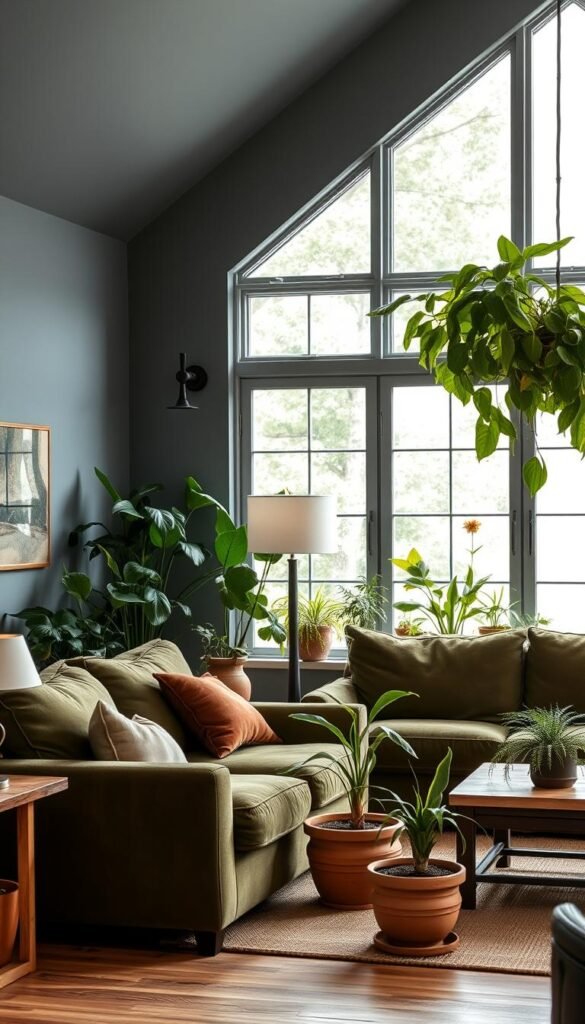
Discover how earthy muddy tones can transform your space into a nature-inspired sanctuary. These subtle hues create an organic feel that feels both grounded and serene.
Designer Amber Lewis notes this shade might not impress on a swatch. Yet it creates lovely relaxation when used throughout an entire area.
She pairs it with sea foam blue for cool contrast. This combination doubles the serenity of any interior.
Serena Dugan demonstrates another approach with pale walls. Golden brown furnishings bring nature’s colors inside beautifully.
These shades together create comfortable grandeur. They work wonderfully in family areas and gathering spaces.
Muddy green evokes rich soil and natural landscapes. Its earthy quality makes your home feel deeply connected to nature.
Complementary blues like sea foam add cool balance. This creates harmonious color schemes that never overwhelm.
Use these tones on walls or large furniture pieces. Balance them with light neutrals like beige or cream.
This prevents your area from feeling too dark. It maintains airiness while adding depth.
Natural textures reinforce the organic theme beautifully. Wool rugs and clay pottery add wonderful tactile interest.
Wooden shelves bring warmth and character. These elements make your space feel cozy and inviting.
Lighting should be warm and soft throughout. Table lamps with fabric shades create soothing ambiance.
Candlelight highlights organic tones beautifully. It enhances the relaxed atmosphere perfectly.
Plants with muted leaves complement this palette. Olive trees or eucalyptus add life and improve air quality.
Handmade decor items add artisanal charm. Woven baskets and ceramic vases personalize your space uniquely.
| Element | Muddy Green Application | Blue Complement | Neutral Balance |
|---|---|---|---|
| Walls | Full coverage | Sea foam accent wall | Beige trim |
| Furniture | Statement sofa | Blue armchair | Cream upholstery |
| Textiles | Throw blankets | Blue pillows | Natural linen curtains |
| Accessories | Clay pottery | Ceramic vases | Wooden trays |
| Lighting | Lamp bases | Glass fixtures | Fabric shades |
By embracing these earthy tones, you achieve deep nature connection. Your area becomes perfect for relaxed aesthetic lovers.
This palette feels both comfortable and sophisticated. It transforms ordinary spaces into organic retreats.
9. Unexpected Pairings: Green with Pink, Coral, and Lavender
Break free from traditional color rules with exciting combinations. These unexpected pairings bring fresh energy to your interior while maintaining that calming vibe.
Designers are embracing bold contrasts that create personality. Your space becomes uniquely yours with these creative approaches.
Forest Green and Blush Pink
Hannah Ozburn demonstrates this striking combination beautifully. Deep forest walls create a rich backdrop for soft pink furniture.
The contrast feels both sophisticated and inviting. These two hues might not seem obvious together initially.
Yet they create such warmth and elevation when combined. The depth of the darker tone balances the softer one perfectly.
This pairing works wonderfully in spaces with good natural light. The colors play off each other throughout the day.
Sage Green and Terracotta
Bring Mediterranean warmth into your home with this earthy combination. Sage’s cool undertones complement terracotta’s natural warmth.
This creates a cozy and inviting atmosphere that feels grounded. The palette works across various design styles from rustic to modern.
Use these tones in textiles and accessories for subtle impact. Throw pillows or ceramic pieces introduce color without commitment.
Kipling House Interiors shows another approach with lavender and avocado. These two hues can easily look juvenile in saturated shades.
But they appear extremely put-together in sophisticated applications. The feminine look feels both fresh and elegant.
“The beauty of unexpected combinations lies in their ability to create spaces that feel both personal and professionally designed.”
Start with small accents if you’re hesitant about bold pairings. Pillows, artwork, or area rugs let you experiment safely.
Balance these vibrant combinations with neutral backgrounds. White or beige walls prevent the room from feeling too busy.
Incorporate natural elements to tie everything together. Wooden decor and living plants reinforce the organic theme.
Lighting should enhance these special combinations. Soft, warm illumination highlights the colors’ unique qualities.
| Color Combination | Best Application | Neutral Balance | Overall Effect |
|---|---|---|---|
| Forest + Blush Pink | Accent wall + furniture | White trim | Sophisticated contrast |
| Sage + Terracotta | Textiles + accessories | Beige walls | Earthly warmth |
| Avocado + Lavender | Decor details | Cream background | Feminine elegance |
| Emerald + Coral | Artwork + pillows | Light gray | Vibrant energy |
These creative approaches make your space truly special. They reflect personal style while maintaining that calming atmosphere.
Your home becomes a joyful expression of your unique taste. It’s all about finding what makes you feel most comfortable.
10. How to Choose the Right Shade of Green for Your Space
Selecting the perfect hue for your area involves thoughtful consideration of several factors. This decision impacts both aesthetics and atmosphere in meaningful ways.
Understanding color psychology helps guide your choice. Nature’s favorite hue symbolizes renewal and harmony throughout your home.
Considering Your Natural Light
Light availability dramatically affects how tones appear throughout the day. Bright spaces handle deeper shades beautifully without feeling heavy.
Dimly lit areas benefit from lighter options like mint or sage. These reflect available illumination and create airy freshness.
Test samples on your wall at various times. Observe how natural and artificial lighting changes the appearance.
Matching Green to Your Room’s Size
Scale plays a crucial role in color selection. Compact areas feel more open with pale, refreshing tones.
Larger spaces can embrace deeper shades for added intimacy. These create cozy sophistication without overwhelming the area.
Consider visual weight when planning your scheme. Balance bold statements with adequate breathing room.
Aligning with Your Design Style
Your aesthetic preferences guide appropriate shade selection. Modern interiors often favor subtle sage or olive tones.
Bohemian schemes embrace varied greens with playful patterns. Traditional homes shine with deep forest or emerald richness.
Ensure new choices complement existing furniture and decor. Harmonious flow creates cohesive visual appeal.
“The right shade should reflect both your personal taste and practical considerations, creating a space that feels authentically yours.”
Online visualization tools help preview different options. These resources eliminate guesswork before commitment.
Consult design professionals for expert guidance. Their experience ensures successful outcomes.
Ultimately, choose a hue that evokes desired emotions. Your space should feel both beautiful and functional.
| Room Characteristic | Recommended Shade | Visual Effect |
|---|---|---|
| Small Size | Light Greens | Spacious, Airy |
| Large Size | Dark Greens | Intimate, Cozy |
| Abundant Light | All Tones | Dynamic, Vibrant |
| Limited Light | Pale Tones | Bright, Refreshing |
Personal preference remains the most important factor. Select hues that genuinely make you happy.
These careful considerations ensure your space becomes a true sanctuary. Enjoy the process of creating your ideal environment.
11. Incorporating Green Without Painting: Accents and Decor
Transform your space with nature’s favorite hue through simple, reversible changes. These approaches let you enjoy the benefits without permanent commitment.
Strategic accents create visual impact while maintaining flexibility. You can update your look with seasons or trends effortlessly.
Through Textiles and Upholstery
Soft furnishings offer the easiest entry point for introducing this natural palette. Throw pillows in various textures add instant freshness.
Consider linen covers for a casual, breathable feel. Velvet options bring luxurious depth to your seating area.
Blankets and throws provide both comfort and color. Drape them over sofas or chairs for inviting warmth.
Window treatments in botanical prints filter light beautifully. They frame your view while adding pattern interest.
Area rugs anchor your scheme with texture underfoot. Jute or wool varieties add organic charm.
For bolder statements, consider slipcovered furniture. These protective covers transform existing pieces temporarily.
An accent chair in emerald or sage makes a wonderful focal point. It draws attention without dominating the entire area.
With Artwork and Decorative Objects
Wall art introduces personality through visual storytelling. Botanical prints bring the outdoors inside artistically.
Abstract paintings with nature-inspired tones create modern interest. They complement various design styles beautifully.
Decorative objects serve as subtle yet effective accents. Ceramic vases hold fresh flowers or decorative branches.
Sculptures in various shades add dimensional interest. Place them on shelves or tables throughout your home.
Candles in glass containers provide soft illumination. Their green tones glow warmly during evening hours.
Books with nature-themed covers enhance your shelves. They add intellectual and visual depth to your space.
Metallic accents in gold or brass complement these organic tones. They add sophistication to your overall scheme.
The Power of Live Plants
Nothing brings life to your interior like living greenery. Plants improve air quality while adding natural beauty.
Large statement plants like fiddle leaf figs make dramatic impact. They fill empty corners with vibrant energy.
Smaller succulents thrive on windowsills and shelves. Their varied forms create interesting textural contrasts.
Hanging plants utilize vertical space creatively. They draw the eye upward, making rooms feel more spacious.
Group plants of varying heights for dynamic displays. This creates a curated, intentional look throughout.
Choose decorative pots that complement your color story. Terracotta, ceramic, or woven baskets work beautifully.
Regular care becomes a rewarding mindfulness practice. Your plants thrive alongside your peaceful environment.
“The most successful interiors layer natural elements throughout, creating spaces that feel both designed and authentically alive.”
| Accent Type | Light Shades | Medium Shades | Dark Shades |
|---|---|---|---|
| Textiles | Mint pillows | Sage curtains | Forest throw |
| Artwork | Seafoam print | Olive painting | Emerald photo |
| Plants | Air plants | Philodendron | Rubber tree |
| Accessories | Glass vase | Ceramic pot | Stone sculpture |
Distribute accents evenly throughout your area. Avoid clustering items in one location.
This creates balanced visual weight across the entire space. Your eyes move comfortably around the room.
Mix different shades for depth and dimension. Light and dark variations create sophisticated interest.
These approaches let you personalize your environment freely. Change elements as your taste evolves over time.
Your home becomes a true reflection of your unique style. Enjoy the process of creating something special.
12. Textures and Materials That Make Your Green Decor Shine
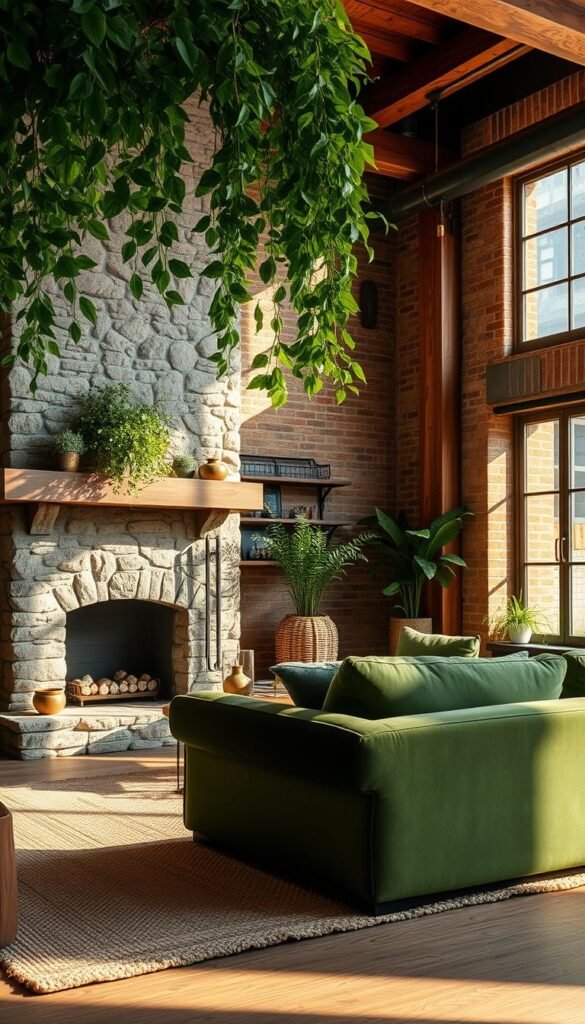
The materials you select can elevate your nature-inspired aesthetic from simple to spectacular. Thoughtful combinations create a multi-sensory experience that feels both beautiful and comforting.
Natural elements enhance the organic quality of your chosen palette. They bring authenticity and warmth to your overall design.
Natural Materials: Wood, Rattan, and Linen
Wooden elements provide stability and earthy charm to your space. Oak or walnut tones add richness that complements various shades beautifully.
These pieces ground your design with natural character. They make your area feel inviting and established.
Rattan introduces lightweight texture with artisanal appeal. Chairs or storage baskets add visual interest without heaviness.
This material pairs wonderfully with botanical themes. It brings casual elegance to any arrangement.
Linen textiles offer breathable comfort throughout your home. Curtains or pillow covers in this fabric soften light beautifully.
Their subtle texture enhances the calming atmosphere. You achieve a relaxed yet polished appearance.
Luxurious Fabrics: Velvet and Silk
Velvet upholstery creates depth and sophistication in your space. This fabric catches light differently throughout the day.
It adds tactile luxury that feels both cozy and elegant. Your furniture becomes a true focal point.
Silk accents introduce subtle sheen and refinement. Throw pillows or window treatments shimmer gently.
These elements elevate your design without overwhelming. They balance matte surfaces perfectly.
Combine these fabrics for dimensional interest. A velvet sofa with silk pillows creates wonderful contrast.
Metallic details add finishing touches of glamour. Brass or gold fixtures complement nature-inspired tones.
They provide warmth against cooler shades. Your space feels cohesive and thoughtfully designed.
Matte black elements offer modern contrast when desired. These create striking visual anchors throughout.
Balance harder surfaces with softer textiles. Plush rugs and knitted throws increase comfort.
| Material Type | Best Applications | Complementary Shades | Overall Effect |
|---|---|---|---|
| Wood | Furniture, Shelves | All Greens | Grounded Warmth |
| Rattan | Chairs, Baskets | Lighter Tones | Airy Texture |
| Linen | Curtains, Pillows | Muted Shades | Softened Light |
| Velvet | Sofas, Chairs | Deeper Hues | Rich Depth |
| Silk | Accents, Throws | Medium Tones | Subtle Sheen |
Layer different textures for maximum impact. Your space becomes visually engaging and comfortable.
Consider the tactile experience when making selections. Every surface should feel inviting to touch.
These careful choices make your design truly shine. You create an environment that delights all senses.
13. Bringing Your Calming Green Living Room Together
Your serene sanctuary comes to life through thoughtful layering and personal touches. Start by reviewing your palette to ensure shades work harmoniously with neutrals and accents.
Layer textures for depth and interest. Combine natural materials like wood with plush velvet or metallic details. This creates a rich yet balanced look.
Arrange furniture to encourage easy flow and conversation. Distribute green elements evenly throughout the space for cohesive appeal.
Add personal items like artwork or photos. These make the area uniquely yours while enhancing the peaceful atmosphere.
Adjust lighting to create a warm, welcoming glow. Use a mix of natural and artificial sources to highlight features.
Step back and assess the overall effect. Make small tweaks until everything feels perfectly balanced and inviting.
Your home becomes a true retreat where you can relax and recharge daily. Enjoy the process of creating something special.