Welcome to your ultimate guide for creating a space that grows with your child from childhood through their teenage years. This guide helps you build a room that balances style, function, and personal expression.
You will discover how to design a room that can easily adapt as interests and needs change. Learn practical tips for making smart investments in furniture and decor that last.
Explore color schemes and design elements that stay stylish through different phases. Find ways to incorporate personality while keeping a cohesive, modern look.
Cool Modern Boys Bedroom Ideas for All Ages: Start Here
Embarking on a room transformation for your son can feel exciting yet overwhelming. You want a space that feels special now but won’t need a complete overhaul in a few years. The key is building a foundation that adapts.
Smart interior design starts with a flexible plan. Think about the long-term use of the room. This approach saves money and reduces future stress.
Begin with a loose theme based on your child’s interests. It could be sports, nature, or science. This theme guides your choices without locking you into a specific look.
Next, decide how to show this theme. Will it be through wall art, bedding, or accessories? The goal is subtle hints, not overwhelming decor.
Choose a color scheme that can grow with your child. Neutral walls with pops of color in changeable items work best. This allows for easy updates as tastes evolve.
Invest in quality main pieces like a sturdy bed and durable dresser. These items should last for years. Avoid overly themed furniture that might feel childish later.
Accessorize with items that reflect current passions. Throw pillows, posters, and rugs can be swapped out easily. This keeps the room feeling fresh and personal.
Looking for more inspiration? Explore these timeless boys bedroom ideas that can grow with them.
Here’s a quick comparison of short-term vs. long-term design choices:
| Design Element | Short-Term Approach | Long-Term Strategy |
|---|---|---|
| Bed Frame | Themed race car bed | Quality double bed frame |
| Wall Color | Bright character themes | Neutral base with accent walls |
| Decor Items | Permanent murals | Swapable art and accessories |
| Storage Solutions | Age-specific organizers | Modular systems that expand |
| Lighting | Character lamps | Adjustable task lighting |
Remember to involve your child in the process. Their input makes the space truly theirs. Yet maintain some timeless elements for balance.
This method creates a room that feels personal today and adaptable tomorrow. You build a foundation that supports changing interests and needs.
1. Master the Art of a Flexible Color Palette
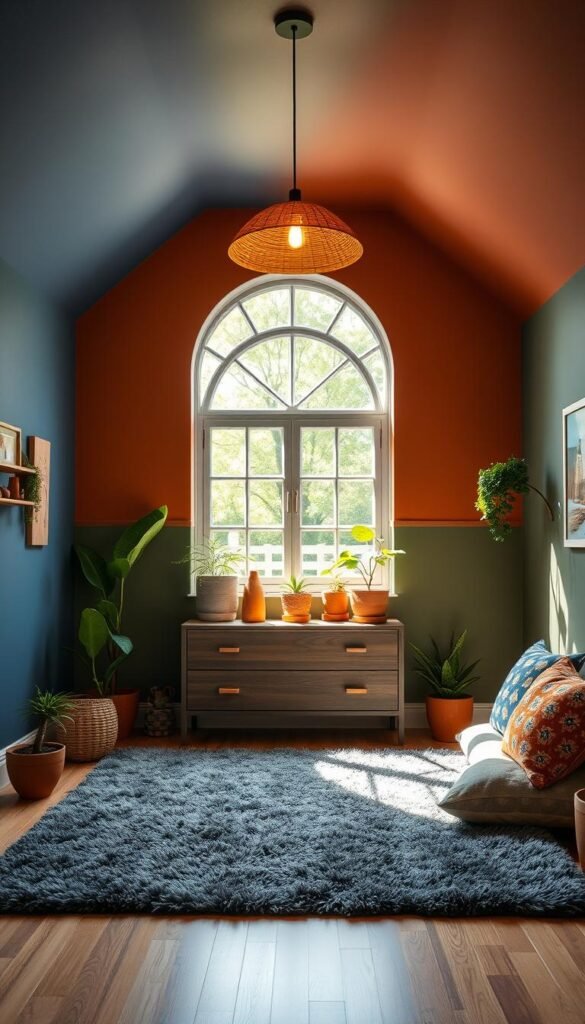
Choosing the right colors for your child’s room is one of the most important decisions you’ll make. A smart palette ensures the space remains appealing for years. It also allows for easy updates as interests change.
Think of your color choices as a foundation. They set the mood and style of the room. The goal is to create a look that feels personal now but can adapt later.
Go for a Timeless Monochromatic Scheme
Using different shades of one color creates a cohesive and sophisticated look. This approach adds depth without feeling too busy.
Designer Emily Henderson shows how an all-blue room can work beautifully. She uses various shades of the same hue. This keeps the space from feeling overly colorful.
Try this with classic shades like navy, teal, or slate. These tones work well for any age. They provide a calm and focused environment.
Create Striking Contrast with Trim and Ceilings
Don’t forget about your trim and ceiling when planning your paint. These elements can dramatically affect how the room feels.
Painting the ceiling white makes any room feel taller and brighter. This is especially helpful if you choose darker colors for the walls.
Consider using a contrasting color for the trim. This helps connect the walls and ceiling for a unified look. It also adds architectural interest.
Use Bold Colors Sparingly on Easy-to-Swap Items
Save your brightest colors for items you can change easily. This is key for creating a room that evolves with your child.
Designer Chlöe Elkerton recommends this strategy. Use bold colors on throw pillows, rugs, or art. These can be swapped out as tastes change.
You might choose a neutral bed frame but add colorful bedding. This lets you refresh the look without a major overhaul.
Here’s a quick guide to implementing a flexible color strategy:
| Element | Recommended Approach | Example Colors |
|---|---|---|
| Walls | Neutral or monochromatic scheme | Benjamin Moore Blue Jean, greige, tan |
| Ceiling | White to enhance height and light | Bright white, off-white |
| Trim | Contrasting color for definition | Crisp white, dark gray |
| Accent Pieces | Bold, changeable items | Red pillows, green throws, colorful art |
Remember that some color combinations work particularly well. Green and red can create a playful look without feeling holiday-themed. Blue remains a classic choice that suits all ages.
Your color choices should reflect your child’s personality while maintaining flexibility. This balance creates a room that grows along with them.
2. Invest in Key Furniture That Grows With Your Child
Smart furniture choices form the foundation of a room that evolves with your son. These pieces should last through childhood and beyond. Think long-term when selecting each item.
Quality furniture saves money over time. You avoid replacing items every few years. This approach creates a sustainable space that adapts.
Start with the bed frame. Skip themed options that quickly become outdated. Choose a sturdy frame in a classic style instead.
A full or queen-sized bed accommodates your child through teenage years. This eliminates the need for future upgrades. It provides comfort and space for growing.
Neutral furniture styles offer maximum flexibility. They work with any decor theme or color scheme. These pieces blend seamlessly as tastes change.
Consider multifunctional furniture that serves multiple purposes. A desk with built-in storage supports study needs. Modular shelves expand as requirements grow.
Antique and vintage pieces often make excellent choices. They feature durable construction and timeless designs. These items can become cherished family heirlooms.
When selecting storage solutions, think about future needs. Dressers should have ample space for clothing of all sizes. Desks need to accommodate computers and study materials.
Look for furniture that can be repurposed easily. A changing table might convert to a regular dresser. A bookshelf could later serve as media storage.
Invest in a good quality bed and dresser that can grow with your child. Themed pieces limit your options to a very specific number of years.
Explore adaptable furniture options that grow with your child’s needs. These solutions maintain functionality through different life stages.
Here’s how to choose furniture that lasts:
| Furniture Type | Short-Term Choice | Long-Term Solution | Key Benefits |
|---|---|---|---|
| Bed Frame | Themed twin bed | Full/queen classic frame | Lasts through teenage years |
| Dresser | Small, colorful unit | Solid wood dresser | Ample storage, durable |
| Desk | Child-sized table | Adjustable height desk | Grows with your child |
| Storage | Theme-specific organizers | Modular shelving system | Expands as needs change |
| Seating | Character chairs | Quality armchair or bench | Comfortable for all ages |
Focus on pieces that serve multiple functions. A loft bed creates space for study or play below. Storage ottomans provide seating and organization.
Choose materials known for durability. Solid wood furniture withstands years of use. It often develops character with age.
Your investment in quality furniture pays dividends for years. These pieces support your child’s growth and changing interests. They create a foundation that adapts beautifully.
3. Design a Functional and Inspiring Workspace
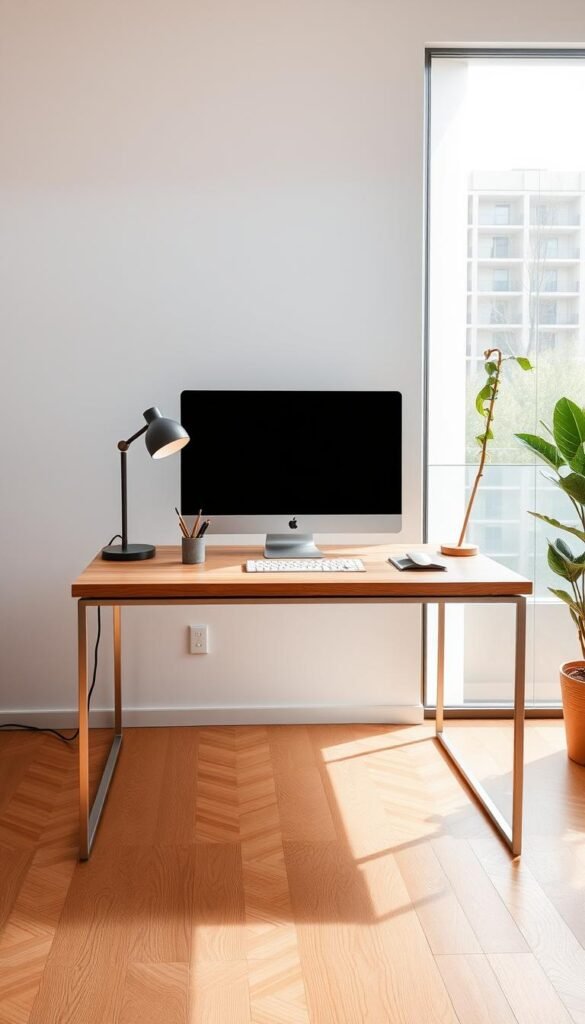
Creating the perfect study area transforms how your child learns and plays. This special spot becomes their personal command center. It supports everything from homework to hobbies.
Start with a comfortable desk that fits their needs. Choose one with enough surface area for books and a computer. Look for adjustable height options that grow with your child.
This dedicated place should handle multiple activities. It needs to accommodate serious study time and relaxing video games. The right setup makes both experiences enjoyable.
Consider space-saving solutions for smaller rooms. Wall-mounted desks fold away when not in use. Corner units maximize every inch of available space.
Proper lighting is crucial for eye comfort. Add an adjustable desk lamp for focused tasks. Natural light from windows helps create an inviting atmosphere.
Explore multi-functional furniture that serves dual purposes. A desk with built-in drawers keeps supplies organized. Storage benches provide seating and hidden organization.
Create an inspiring environment that encourages creativity. Display favorite art projects or achievements. Use colors that promote focus and calm energy.
Personalize the area with organizational systems that work. Try pegboards for school supplies and headphones. Use labeled bins for different types of materials.
Remember to leave room for future technology needs. Plan for charging stations and cable management. This keeps the area tidy and functional for years.
Your child’s workspace should feel both productive and personal. It becomes their favorite place to create and learn. This investment supports their growth and independence.
4. Transform Their Room with Strategic Wall Treatments
Your child’s walls offer incredible potential for creating a space that feels special and personal. These surfaces provide the perfect canvas for expressing style while maintaining flexibility. Thoughtful wall treatments can dramatically change the room’s character without major renovations.
Strategic designs create depth and texture that flat paint alone cannot achieve. They add architectural interest that grows with your child’s evolving tastes. The right treatment makes the room feel intentional and well-designed.
Add Character with Paneling and Board and Batten
Paneling brings instant sophistication to any space. This classic treatment works beautifully in rooms for all ages. It creates visual texture that feels both timeless and current.
Full-height installations make a dramatic statement. Southern Revivals showcases this approach with floor-to-ceiling board and batten. The treatment adds substantial character without overwhelming the space.
Bless This Nest demonstrates another stunning example. Their full-height application creates a cohesive, polished look. The vertical lines add height and elegance to the room.
Consider these paneling options:
- Wainscoting: Traditional lower wall treatment that protects surfaces
- Board and batten: Vertical strips with recessed panels for texture
- Shiplap: Horizontal boards that create casual, modern charm
These treatments work with any color scheme. Paint them the same shade as your walls for subtle texture. Choose a contrasting color for more dramatic impact.
Make a Statement with Wallpaper or a Mural
Wallpaper offers incredible versatility for personal expression. Today’s options include removable designs that install without commitment. This allows you to refresh the look as interests change.
Feature walls create focal points without overwhelming the entire room. A bold graphic pattern behind the bed makes a strong style statement. Geometric designs work particularly well for modern spaces.
Murals can reflect your child’s current passions while maintaining sophistication. Nature scenes, cityscapes, or abstract art all create engaging backdrops. Choose designs with colors that complement your overall scheme.
Black accent walls create dramatic contrast in modern designs. They make other elements in the room pop with intensity. This bold choice works especially well with lighter furniture and bright accessories.
Remember that wall treatments can help define different zones within the room. Use paneling to highlight the sleeping area. Create an accent wall behind the desk to define the study space.
Budget-friendly options include:
- Peel-and-stick wallpaper for easy installation and removal
- DIY board and batten using pre-primed boards
- Stencils over painted walls for custom patterns
- Removable wall decals for temporary personalization
The right wall treatment creates maturity that grows with your child. It adds depth and character that flat walls cannot achieve. These elements make the space feel intentionally designed and personally meaningful.
5. Create a Cozy and Inviting Lounge Area
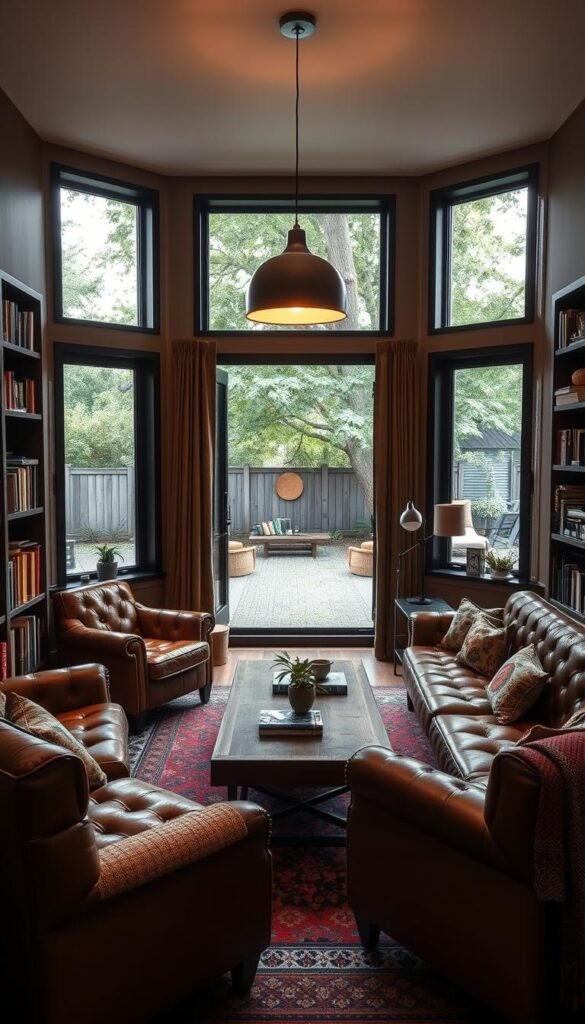
Every child deserves a special corner just for relaxing and enjoying their favorite activities. This personal retreat becomes their favorite spot in the house. It’s where memories are made and hobbies flourish.
Transform underutilized areas into comfortable lounge zones. These spaces work perfectly for reading, gaming, or hanging out with friends. The key is creating intentional areas that feel separate from sleeping and study zones.
Dedicate a corner to your child’s current passions. This could be a wall for displaying art projects or a nook for building models. This personalized touch makes the room truly theirs.
Smart furniture arrangements maximize your available space. Try floating shelves instead of bulky bookcases. Use multifunctional pieces like storage ottomans that provide seating and organization.
Comfortable seating makes all the difference in a lounge area. A quality leather chair adds both style and durability. It becomes a timeless piece that grows with your child’s changing tastes.
Create clear zones within the room for different activities. Use area rugs to define the lounge space visually. This separation helps maintain organization and purpose for each area.
Incorporate soft surfaces to enhance comfort and warmth. Plush throw pillows and cozy blankets invite relaxation. These elements make the space feel inviting and comfortable.
Design your lounge area to adapt to different needs. It should work for solo reading sessions and group hangouts. Flexible furniture arrangements support this versatility.
Consider these elements for creating the perfect lounge zone:
| Element | Young Child Focus | Teen Focus | Key Benefit |
|---|---|---|---|
| Seating | Bean bags floor cushions | Armchair or small sofa | Age-appropriate comfort |
| Surface | Soft play mat | Area rug | Defines the space |
| Lighting | Colorful lamp | Adjustable floor lamp | Task-appropriate illumination |
| Storage | Toy bins | Media console | Keeps area organized |
| Personalization | Art display string | Shelving for collections | Shows evolving interests |
Your lounge area should reflect your child’s personality while remaining functional. This balance creates a space they’ll love spending time in for years to come.
6. Embrace Their Passions and Hobbies in the Decor
Your child’s interests make their space truly special. Including these elements creates a room they love spending time in. The trick is balancing personal touches with overall design harmony.
Designer Ariel Oakin shows how effective this approach can be. She dedicates an entire wall to a child’s favorite hobby. This creates a focal point that feels intentional and stylish.
Another great example features a basketball theme. A rustic hoop mounted above the bed adds personality. A displayed jersey completes the look without overwhelming the space.
Start by choosing one area to highlight current interests. This could be a corner, a wall section, or a display shelf. Keeping it contained prevents the theme from taking over the entire room.
Use artwork to subtly incorporate favorite themes. Framed posters or prints add color and personality. They can be easily swapped as interests change over time.
Accessories offer another great way to show passions. Throw pillows with subtle patterns work well. Area rugs featuring favorite themes add comfort and style.
Display collections in organized, attractive ways. Shelving units keep items tidy while making them visible. Shadow boxes protect delicate memorabilia while showing them off.
Color schemes can subtly reference interests without being obvious. Choose hues that relate to favorite activities. These tones work with the overall palette.
Here’s how to balance personal interests with design cohesion:
| Design Element | Subtle Approach | Overwhelming Approach | Change Ease |
|---|---|---|---|
| Wall Treatment | Framed themed artwork | Full wall mural | Easy to update |
| Bedding | Solid color with pattern pillows | Character printed comforter | Simple switch |
| Accessories | Themed bookends or lamp | Multiple matching items | Individual replacement |
| Display | Curated shelf collection | Every surface covered | Selective editing |
| Color Scheme | Accent colors relating to interest | Theme-dominated palette | Paint touch-ups only |
Remember that interests will evolve as your child grows. Choose display methods that allow for easy updates. This keeps the room feeling current and personal.
Balance is key when incorporating passions. Too little personalization makes the space generic. Too much creates a theme that may quickly feel dated.
Your child’s room should tell their story at this moment. It should also have the flexibility to tell new stories as they grow. This approach creates a space that truly reflects who they are.
7. Build a Dream Bed: From Bunks to Built-Ins
Your child’s sleeping area serves as the heart of their personal space. Choosing the right setup can maximize functionality and fun. Smart designs create room for play, study, and relaxation.
Versatile bed solutions adapt to changing needs over time. They provide comfort while optimizing your available square footage. These investments support your child’s growth and independence.
Maximize Space and Fun with a Bunk Bed
Bunk beds offer excellent space-saving benefits for shared rooms. They also add an exciting element for solo sleepers. The elevated design creates valuable floor space below.
Many modern designs include versatile options underneath. Some feature play areas perfect for imaginative adventures. Others incorporate study spaces with built-in desks.
Marsh & Sea demonstrates creative thinking with their built-in bunk bed. Their design forgoes the bottom mattress initially. This creates an open play space that adapts easily.
You can add a second mattress when friends visit overnight. The same space accommodates future family growth. This flexibility makes the investment truly worthwhile.
Opt for a Custom Built-In for Small Rooms
Custom built-in beds solve challenges in compact or awkward spaces. They maximize every inch of available room. These solutions often incorporate multiple functions.
Designer Kelly Finley created an ingenious custom solution. She worked with an unalterable bump-out in a small room. Her design integrated a bed with desk and storage.
Built-in beds can create cozy, cocoon-like sleeping spaces. Bold patterns and textures add personality and warmth. These elements make the area feel special and secure.
Safety remains crucial with any elevated or built-in bed design. Ensure proper railings and secure construction. Follow manufacturer guidelines for weight limits and assembly.
Consider these popular bed configurations and their benefits:
| Bed Type | Best For | Space Created Below | Customization Options |
|---|---|---|---|
| Standard Bunk | Shared rooms | Open floor space | Ladders, storage stairs |
| Loft Bed | Single sleepers | Study or play area | Built-in desk, shelving |
| Built-In | Awkward layouts | Integrated furniture | Desk, drawers, seating |
| Trundle Bed | Occasional guests | Hidden extra bed | Drawer configurations |
| Canopy Bed | Creating privacy | N/A | Fabric choices, frame styles |
Your bed choice should balance safety, function, and personal style. It becomes the foundation for countless memories and adventures. This centerpiece supports both rest and recreation.
8. Layer Lighting for Function and Ambiance
Lighting transforms your child’s room from basic to brilliant. It creates different moods for various activities throughout the day. A smart lighting plan makes the space both practical and personal.
Start with a layered approach that serves multiple purposes. Each light source should have a specific job. This strategy ensures the room works perfectly for homework, play, and relaxation.
Task lighting focuses on specific activities like reading or studying. Desk lamps provide direct illumination for homework. Bedside lights offer comfort for nighttime reading.
Ambient lighting creates overall warmth and atmosphere. Overhead fixtures provide general illumination for the entire room. Soft, diffused light makes the space feel cozy and inviting.
Creative lighting solutions add personality without overwhelming the design. Vintage marquee letters make excellent alternatives to traditional monograms. They mark your child’s space in a stylish, gender-neutral way.
Different light sources affect mood and functionality dramatically. Warm white bulbs create a relaxing environment for winding down. Cool white bulbs support focus during study sessions.
Consider age-appropriate controls that grow with your child. Dimmable switches allow adjustable brightness for different needs. Smart bulbs enable color changes through phone apps.
Strategic lighting highlights architectural features and design elements. Spotlights can accentuate favorite artwork or collections. Under-shelf lighting makes display areas sparkle with interest.
Your lighting plan should evolve as your child matures. Simple nightlights work well for younger children. Sophisticated systems better suit teenage needs and preferences.
Remember that good lighting supports both vision and emotion. It makes tasks easier while creating a comforting atmosphere. This balance turns a ordinary room into an extraordinary space.
9. Incorporate Smart and Stylish Storage Solutions
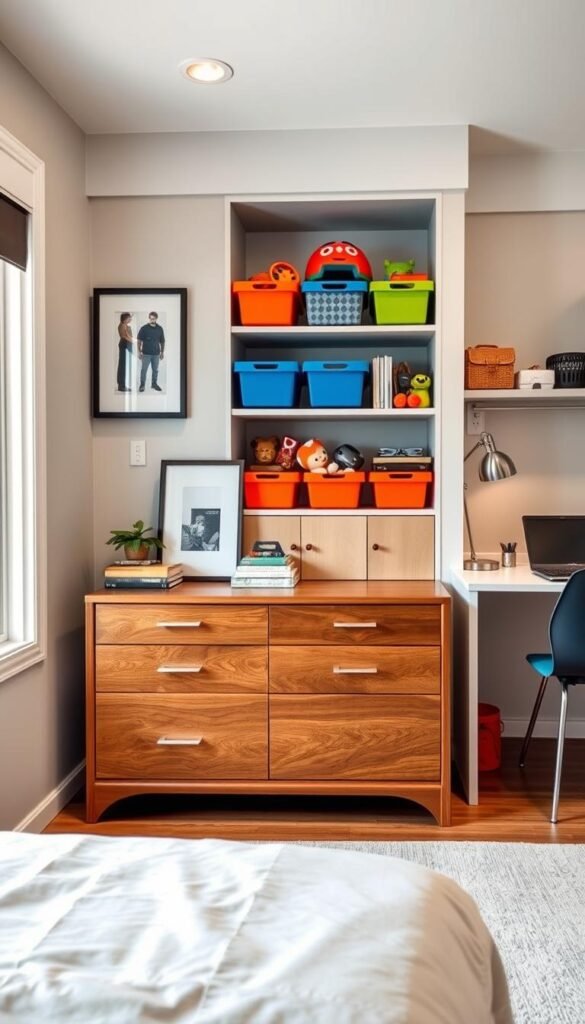
Keeping your child’s room organized creates a peaceful environment that supports both play and rest. Smart storage solutions help maintain order while adding to the room’s overall design. The right approach makes tidying up easy and keeps favorite items accessible.
Built-in storage maximizes your available space beautifully. These custom solutions fit perfectly into awkward nooks or under beds. They provide hidden organization that maintains clean lines throughout the room.
Regular decluttering keeps the space feeling fresh and functional. Remove toys and books that no longer get used. This creates room for new interests as your child grows.
Multipurpose furniture offers excellent storage options. Look for beds with built-in drawers or desks with hidden compartments. These pieces serve dual functions while saving valuable floor space.
Built-in storage further saves space in this bedroom while maintaining a stylish appearance.
Creative solutions handle specific items with style. Use labeled bins for toy collections and books. Wall-mounted shelves display special treasures while keeping surfaces clear.
Your storage system should grow along with changing needs. Modular units can expand as requirements increase. This flexibility ensures the room stays organized through different stages.
Hidden options maintain minimal aesthetics while providing ample organization. Consider these innovative storage ideas:
| Storage Type | Best For | Space Saving Benefit | Style Consideration |
|---|---|---|---|
| Under-bed drawers | Seasonal clothing, extra bedding | Utilizes often wasted space | Hidden from view |
| Wall-mounted shelves | Books, display collections | Keeps floor space open | Adds vertical interest |
| Storage ottomans | Toys, games, blankets | Provides seating and storage | Available in various styles |
| Built-in cabinets | Clothing, equipment storage | Custom fit to room dimensions | Creates seamless look |
| Hanging organizers | Small items, art supplies | Uses back of doors or walls | Easy to relocate |
Choose storage that matches your room’s color scheme and style. This creates a cohesive look that feels intentional. The right solutions keep everything organized in a visually appealing way.
Remember that accessibility matters for different ages. Lower shelves work well for younger children. Higher storage suits teenagers who can reach comfortably.
Your storage plan should make daily routines smoother. Everything should have its proper place. This organization reduces stress and creates a calming atmosphere.
Smart storage solutions transform how the room functions and feels. They maintain order while supporting your child’s independence. This investment pays off through years of use and enjoyment.
10. Design a Feature Wall That Tells a Story
A feature wall transforms any room into a personal gallery of your child’s unique journey. This special surface becomes the visual anchor of the space. It showcases personality while maintaining design flexibility.
Imagine a wall behind the bed featuring different kinds of shoes. This creative mural adds tremendous character. It speaks directly to the interests of its owner without overwhelming the entire room.
Your feature wall serves as the perfect storytelling canvas. It highlights current passions through visual expression. This approach creates a focal point that feels both intentional and deeply personal.
Murals offer incredible opportunities for creative expression. They transform plain walls into dynamic works of art. Choose designs that reflect your child’s current enthusiasms while maintaining artistic quality.
Wallpaper provides another excellent option for feature walls. Today’s removable varieties allow for easy updates as interests evolve. Patterns can range from subtle textures to bold graphic statements.
Artwork arrangements create gallery-like displays that tell a story. Mix framed prints with personal photographs and memorabilia. This collage approach evolves naturally over time.
Your feature wall can establish the room’s color foundation. Pull accent colors from the mural or artwork. Use these hues throughout the space for a cohesive, designed look.
Balance remains crucial when designing your statement wall. Keep other surfaces more subdued to prevent visual competition. This allows the feature area to shine as the room’s centerpiece.
Consider these materials and techniques for creating impact:
- Removable wallpaper: Easy installation and future changes
- Custom murals: Personal designs printed to fit your space
- Gallery walls: Curated collections that tell a story
- Textured panels: 3D elements that add depth and interest
- Chalkboard paint: Interactive surface for creative expression
Updating your feature wall proves relatively simple as interests change. New wallpaper or artwork can refresh the entire room’s feel. This adaptability makes the investment worthwhile for years.
Here’s how different feature wall approaches compare:
| Wall Treatment | Installation Ease | Update Flexibility | Visual Impact | Cost Range |
|---|---|---|---|---|
| Removable Wallpaper | Moderate | High | Medium to High | $50-$200 |
| Custom Mural | Professional recommended | Low | Very High | $300-$800 |
| Gallery Wall | Easy | High | Medium | $100-$400 |
| Textured Panels | Moderate to Difficult | Low | High | $200-$600 |
| Painted Design | Easy to Moderate | Medium | Variable | $30-$150 |
Your feature wall should reflect current passions while allowing for future evolution. It becomes a dynamic element that grows along with your child. This personal touch makes the space truly special.
Remember that the best feature walls tell an ongoing story. They capture moments in time while remaining open to new chapters. This balance creates a room that feels both personal and adaptable.
11. Choose Thematic Decor That Isn’t Overwhelming
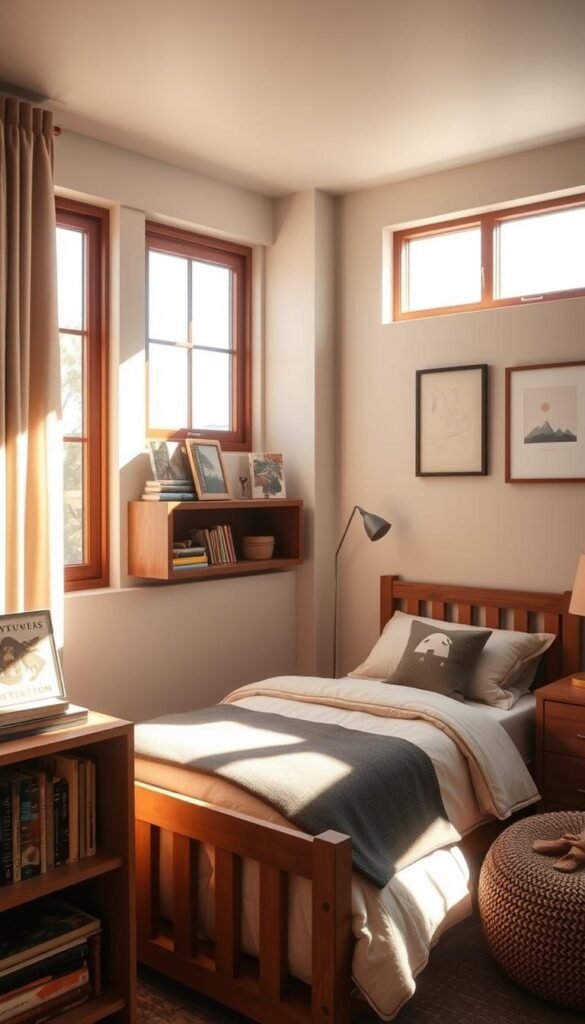
Subtle thematic decor creates personality without overwhelming your child’s space. It hints at interests while maintaining a cohesive overall design. This approach keeps the room feeling sophisticated and adaptable.
Think about accessories that suggest rather than scream themes. A hockey stick mounted as art works better than full team logos everywhere. This creates interest without commitment to one specific look.
Artwork offers excellent opportunities for subtle theme incorporation. Choose pieces that reflect interests through color and style rather than literal representations. Abstract sports art creates more mature appeal than character posters.
Color accents can powerfully suggest themes without overwhelming. Use team colors in throw pillows or area rugs rather than wall paint. These elements can change easily as interests evolve.
Patterns and textures provide another subtle approach. Geometric patterns might suggest technology interests. Natural textures could hint at outdoor adventures without literal camping decor.
The difference between thematic decor and themed rooms matters greatly. Themed rooms lock you into specific looks that quickly feel dated. Thematic decor allows for evolution and maturity over time.
Consider this hockey-themed room example. It uses equipment as art and color accents rather than overwhelming graphics. The space feels personal without becoming a hockey shrine.
Choose decor elements that swap out easily as interests change. These items should refresh the space without major investment:
- Throw pillows and blankets with subtle patterns
- Area rugs that complement rather than dominate
- Wall art that can be rearranged or replaced
- Display shelves for rotating collections
- Bedding with geometric or abstract patterns
Mature thematic decor grows beautifully with your child through different ages. It maintains personal connection while allowing the space to evolve. This balance creates rooms that feel both special and sophisticated.
Your decor choices should whisper rather than shout about interests. They create layers of personality that can be edited over time. This approach ensures the space remains relevant through changing phases.
12. Utilize Shelving for Display and Personalization
Shelving offers a fantastic way to showcase your child’s personality while keeping their space organized. These versatile units serve as both functional storage and decorative elements. They create visual interest throughout the room.
Strategic placement makes a significant impact on the overall feel. Shelves on either side of the bed create a cozy, enveloping atmosphere. This arrangement reinforces the sleeping area as the central place for relaxation.
Display your child’s favorite items with pride and purpose. Rotating collections keep the space feeling fresh and current. This approach celebrates evolving interests without permanent commitment.
Consider these shelving styles for different design aesthetics:
- Built-in shelving: Custom solutions that maximize every inch of space
- Floating shelves: Clean, modern look that doesn’t dominate visually
- Industrial pipe shelves: Rustic charm with sturdy construction
- Ladder shelves: Leaning design that adds vertical interest
- Cubby systems: Modular organization that grows with needs
Each shelf can tell a different part of your child’s story. Books show their literary adventures. Trophies highlight their achievements. Art projects display their creative spirit.
Balance open and closed storage for visual appeal. Open shelves showcase special treasures. Closed cabinets hide everyday clutter. This combination maintains both beauty and function.
Lighting enhances your shelving displays dramatically. Small LED strips under shelves make collections glow. Adjustable spotlights highlight favorite pieces. Proper illumination turns shelves into featured galleries.
Your shelving strategy should support easy updates as interests change. Movable brackets allow height adjustments. Modular systems expand with growing collections. This flexibility ensures long-term usefulness.
Shelving transforms ordinary walls into dynamic displays of personality. It creates organized spaces that feel intentionally designed. This approach celebrates your child’s unique journey through constantly evolving displays.
13. Select Durable and Easy-to-Clean Flooring
The surface underfoot plays a crucial role in your child’s daily comfort and room maintenance. Smart flooring choices balance durability with style while supporting active lifestyles. This foundation impacts both the room’s function and overall aesthetic.
Choose materials that withstand years of play and growth. Hardwood and laminate offer excellent durability for high-traffic areas. These surfaces clean easily and maintain their appearance through various life stages.
Area rugs add comfort and personality while protecting your main floor. Designer Raymond Boozer demonstrates this approach beautifully. He used a fluffy IKEA rug to create soft surfaces in a New York City apartment.
Patterned flooring introduces visual interest without overwhelming the space. Checks on the floor and dots on the wall break up solid color blocks. These subtle patterns add character while maintaining flexibility.
Consider these flooring options for different needs:
- Hardwood: Timeless appeal with easy maintenance
- Laminate: Budget-friendly durability that mimics wood
- Area rugs: Soft surfaces that add color and pattern
- Cork: Natural cushioning that’s gentle on falls
- Vinyl plank: Water-resistant and extremely durable
Soft surfaces prove essential for play areas and general comfort. They provide cushioning for active play and cozy spots for relaxation. These elements make the room feel inviting and safe.
Your flooring should complement the overall color scheme and design. Neutral bases allow for colorful rug changes over time. This approach maintains flexibility as tastes evolve.
Easy maintenance becomes increasingly important as your child grows. Spill-resistant materials handle accidents without permanent damage. Simple cleaning routines keep the space fresh and hygienic.
Here’s how different flooring options compare for your home:
| Material | Durability | Maintenance | Comfort | Cost |
|---|---|---|---|---|
| Hardwood | Very High | Easy | Medium | High |
| Laminate | High | Very Easy | Low | Medium |
| Area Rugs | Variable | Regular Cleaning | High | Low-Medium |
| Cork | Medium-High | Easy | High | Medium |
| Vinyl Plank | Very High | Very Easy | Medium | Low-Medium |
Invest in quality flooring that supports your child’s activities while maintaining style. This foundation serves as the backdrop for countless memories. It creates a comfortable environment that grows along with them.
14. Curate a Collection of Art and Personal Items
Personal collections transform a room from generic to genuinely special and meaningful. The items you choose to display tell your child’s unique story at this moment in time. This approach creates depth that purchased decor alone cannot achieve.
Regular editing keeps your displays fresh and relevant. Remove toys and books that no longer get used. This decluttering process makes room for new interests as they develop.
Balance becomes essential when displaying meaningful pieces. Too many items create visual chaos. Too few make the space feel impersonal. Find the sweet spot that feels both curated and comfortable.
Rotation allows your displays to evolve with changing passions. Swap out artwork and collections seasonally or as interests shift. This keeps the space feeling current without constant redecorating.
Vintage items add character and history that new pieces lack. Rachel Hardage Barrett demonstrates this beautifully in her son’s room.
Vintage thermoses and flashlights add an element of collector’s fun while making the space feel lived-in.
Framing techniques elevate ordinary items into special art. Simple shadow boxes protect delicate treasures while making them display-worthy. Uniform frames create cohesion among diverse pieces.
Gallery walls offer fantastic flexibility for personal expression. You can easily add or remove elements as tastes change. This approach creates a dynamic focal point that grows with your child.
Consider these display techniques for different items:
- Floating shelves for rotating book collections
- Shadow boxes for fragile memorabilia
- Pegboard systems for three-dimensional items
- Ledges for easy artwork rotation
- Display cases for special collections
Your curation process should celebrate both past and present interests. Some pieces may remain constant while others change regularly. This balance honors history while embracing evolution.
Remember that less often proves more effective than more. A few well-chosen items make stronger statements than crowded displays. This editing creates focus and allows each piece to shine.
Your collected items become the soul of the room. They transform the space into a true reflection of your child’s journey. This personal touch makes the room uniquely theirs.
15. Ensure the Room is a Safe and Comfortable Sanctuary
Every child deserves a personal retreat within your home where they feel completely secure. This special space should balance independence with protection. It becomes their private world for relaxation and imagination.
Kids naturally crave privacy and independence as they grow. Creating dedicated hideouts makes them feel valued. These personal areas encourage self-expression and comfort.
Hal Studio demonstrates this beautifully with cozy nooks. Their designs provide perfect spots for alone time. These spaces become cherished retreats for reading or quiet play.
Safety forms the foundation of any great room design. Consider your child’s current age and activities. Choose furniture arrangements that prevent accidents and promote easy movement.
Lighting affects both safety and comfort. Ensure proper illumination for all activities. Night lights provide security for younger children during sleep.
Materials matter for health and durability. Select non-toxic paints and finishes. Choose easy-to-clean surfaces for maintenance and hygiene.
Age-appropriate design supports development at every stage. Younger children need lower shelves and rounded corners. Teens appreciate more sophisticated privacy solutions.
Your child’s sanctuary should evolve as they mature. The space must accommodate changing needs and interests. This flexibility maintains comfort through different phases.
Consider these essential safety and comfort elements:
| Element | Young Child Focus | Teen Focus | Key Benefit |
|---|---|---|---|
| Furniture Arrangement | Open floor space for play | Defined zones for activities | Prevents accidents and falls |
| Lighting | Soft night lights | Adjustable task lighting | Supports various activities |
| Materials | Non-toxic, soft surfaces | Durable, easy-to-clean | Ensures health and safety |
| Privacy Features | Low curtains or canopies | Room dividers or screens | Creates personal space |
| Comfort Elements | Plush rugs and cushions | Quality seating and bedding | Enhances relaxation |
Cozy nooks become favorite spots for quiet time. Window seats with comfortable cushions work perfectly. Reading corners with good lighting encourage literacy development.
Independence grows through personal space ownership. Let your child arrange their special area. This responsibility builds confidence and decision-making skills.
Your home should contain spaces that support growth and security. The right balance creates environments where children thrive. These sanctuaries become foundations for happy memories.
Bringing It All Together: Your Blueprint for the Perfect Room
You now have all the tools to craft a space that truly grows alongside your child. This journey blends creativity with practicality for lasting results.
Focus on flexible foundations like neutral walls and quality furniture. These choices allow easy updates as interests evolve. Your investment pays off for years.
Remember to involve your child in decisions that reflect their personality. This creates a room they’ll cherish now and adapt to later.
Start with one area and build outward as needs change. Your thoughtful approach ensures a space that remains both functional and deeply personal through every stage.