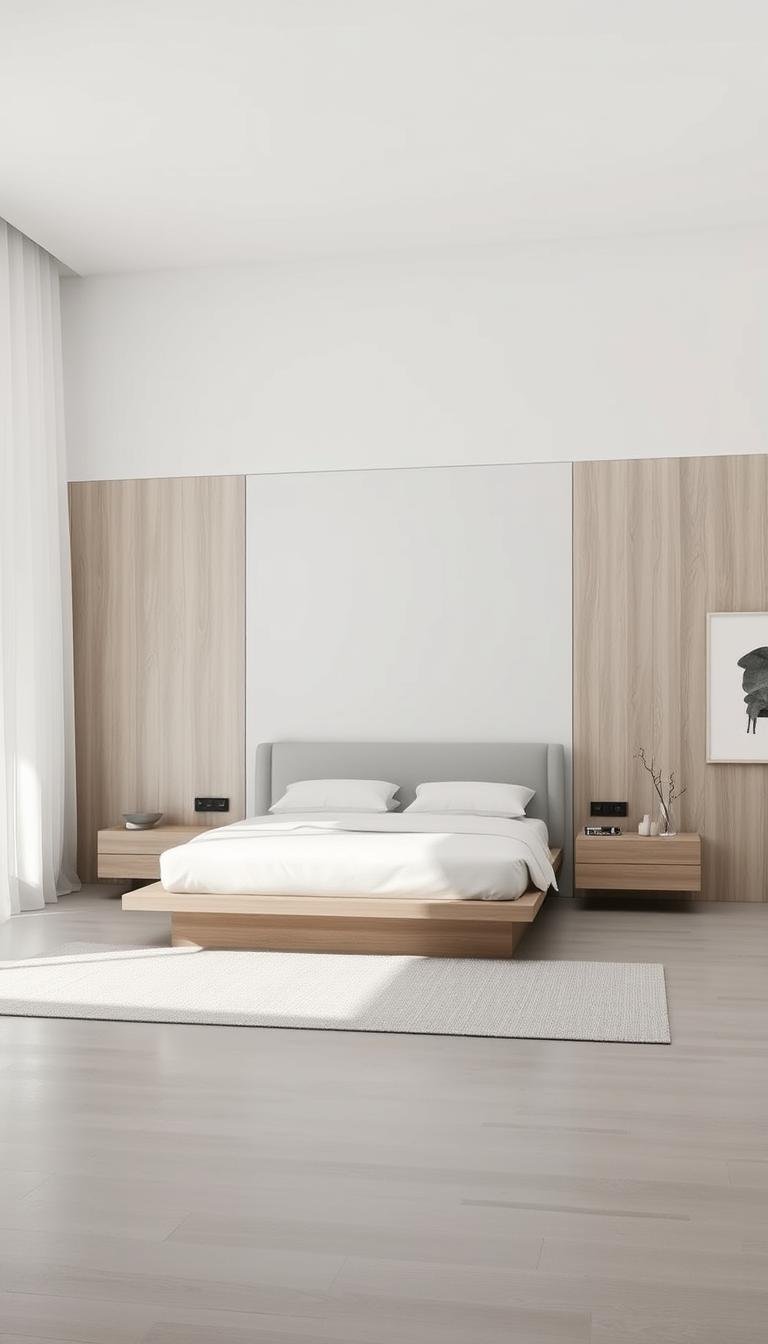
Your bedroom should be a peaceful retreat. It’s your personal space to unwind and recharge. This guide helps you create a calming, clutter-free environment.
We’ll walk through each step to transform your room. You’ll learn how to choose the right furniture and colors. The goal is a look that feels both open and inviting.
This style focuses on simplicity and function. It blends ideas from philosophies like feng shui and hygge. The result is a warm, serene atmosphere in your home.
You can achieve this aesthetic on any budget. We cover everything from your walls to lighting and accessories. Get ready to build a sanctuary that supports relaxation and clarity.
Understanding Modern Minimalist Bedroom Design
Your sleeping area becomes a haven when designed with intentional simplicity. This approach goes beyond mere decoration to create a meaningful personal retreat. The philosophy values quality over quantity in every choice.
The Philosophy Behind Minimalist Design
Minimalism draws wisdom from global traditions that cherish contentment. Feng shui from China creates harmonious energy flow in living spaces. Danish hygge emphasizes cozy comfort and emotional warmth.
Swedish lagom means “just the right amount” of everything. Japanese hodo-hodo philosophy celebrates “just enough” without excess. These traditions share a common respect for balance and purpose.
Interior expert Rushda Hakim believes your private space should declutter the mind. She views it as a sanctuary for unwinding after long days. The focus remains on creating environments that foster peace.
Designer Krista Hermanson advocates for “snuggle spots” within your room. These are perfect areas for reading or enjoying quiet moments. Her approach blends simplicity with genuine comfort.
Why Choose a Minimalist Bedroom?
This style offers practical benefits that enhance daily living. You’ll experience reduced stress through fewer visual distractions. Maintenance becomes simpler with fewer items to manage.
Many people mistakenly think minimalism feels cold or empty. Actually, it creates warmth through careful curation and texture. The result is an inviting atmosphere that welcomes relaxation.
| Design Philosophy | Origin | Key Principle | Bedroom Application |
|---|---|---|---|
| Feng Shui | Chinese | Energy balance | Strategic furniture placement |
| Hygge | Danish | Cozy comfort | Soft textiles and warm lighting |
| Lagom | Swedish | Moderation | Neither too sparse nor too crowded |
| Hodo-hodo | Japanese | Sufficiency | Only what serves a purpose |
“Your sleeping space should be a sanctuary for mental decluttering—a place where everything serves peace and restoration.”
This design approach promotes mindfulness through curated simplicity. You become more aware of what truly matters in your environment. Daily tranquility grows from intentional choices about your space.
Improved sleep quality often follows from calmer surroundings. Your organizational habits naturally become more efficient too. The entire room supports a more focused lifestyle.
Consider how your current space makes you feel each day. Minimalist principles can enhance both function and atmosphere. This alignment with modern desires for serenity makes the choice compelling.
Planning Your Minimalist Bedroom Transformation
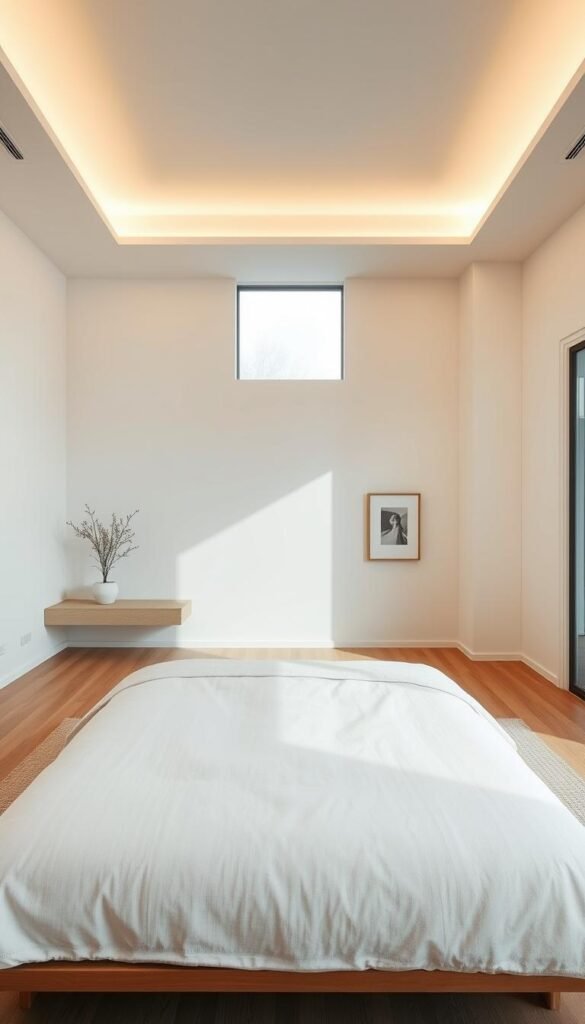
Getting ready for your room makeover starts with smart preparation. This stage helps you build a clear path toward your dream space. You’ll create a foundation that supports both beauty and function.
Assessing Your Current Space
Begin by looking around your sleeping area with fresh eyes. Notice which things you use daily and which just collect dust. This honest look helps you see what truly belongs in your peaceful retreat.
Marie Kondo’s famous method suggests keeping only items that “spark joy.” Hold each piece and see how it makes you feel. If it doesn’t bring happiness or serve a purpose, it might be time to let it go.
Look at your furniture layout and available space. Measure your room to understand what fits comfortably. Think about traffic flow and how you move through the area each day.
Natural light plays a big role in minimalist design. Notice where sunlight enters and how it changes during the day. This helps you plan where to place your bed and seating areas.
Setting Your Design Intentions
Now decide what you want your room to do for you. Do you need better storage? More relaxation space? Your goals will guide every choice you make.
Create a simple checklist or mood board to visualize your plan. Include color ideas, furniture needs, and your desired atmosphere. This keeps you focused when shopping or rearranging.
Some items hold deep sentimental value. Find a way to display them meaningfully rather than hiding them away. A single memory box or framed photo can honor memories without creating clutter.
Every piece in your room should have a clear purpose. This intentional approach ensures your space supports your daily life. You’ll create an environment that truly works for you.
Good planning makes your transformation smoother and more enjoyable. You’ll avoid costly mistakes and create a room that feels just right. For more inspiration on creating a harmonious space, explore these modern minimalist bedroom interior design ideas.
Essential Elements of Minimalist Design
The foundation of a tranquil sleeping environment rests on two key principles. These elements work together to create visual harmony and reduce clutter. They help your personal space feel both organized and inviting.
Clean Lines and Simple Forms
Straightforward shapes form the backbone of this aesthetic. Furniture with clean lines creates visual order and calm. Avoid ornate details that add visual noise.
Choose pieces with geometric precision. Look for flat-surfaced nightstands and unembellished bed frames. Simple hardware completes the streamlined look.
Designer Jin Chen of Ecru Studio proves simplicity isn’t boring. She incorporates diverse lines through curving lamps or textured accents. This adds interest without complexity.
Your selections should prioritize function and form. Each piece must serve a purpose while contributing to the overall feel. This approach creates a mindful environment that reduces visual stress.
The Power of Negative Space
Empty areas give your room room to breathe. Negative space emphasizes important elements and creates balance. It prevents your environment from feeling crowded.
Leave walls mostly bare to achieve this effect. Space furniture appropriately to allow easy movement. This intentional emptiness promotes mental clarity.
Think of negative space as active breathing room. It highlights your favorite pieces without competition. Your eyes naturally rest on what matters most.
| Design Element | Purpose | Implementation Tip | Psychological Benefit |
|---|---|---|---|
| Clean Lines | Visual harmony | Choose rectangular nightstands | Reduces cognitive load |
| Simple Forms | Functional clarity | Select plain bed frames | Enhances focus |
| Negative Space | Breathing room | Leave 30% wall space empty | Promotes relaxation |
| Textural Balance | Visual interest | Add one textured throw blanket | Prevents sterile feel |
Avoid overcrowding your surfaces and walls. Too many items create visual chaos rather than calm. Stick to a few meaningful pieces that serve your daily needs.
Balance clean lines with subtle textures for warmth. A wool throw or wooden tray adds comfort without clutter. Your space should feel intentionally sparse yet completely inviting.
“Minimalism becomes dynamic through thoughtful line variation. A single curved element can transform a space without adding visual weight.”
These elements work together to create harmony. They transform your personal area into a true sanctuary. You’ll enjoy reduced stress and improved mental clarity every day.
Choosing Your Color Palette
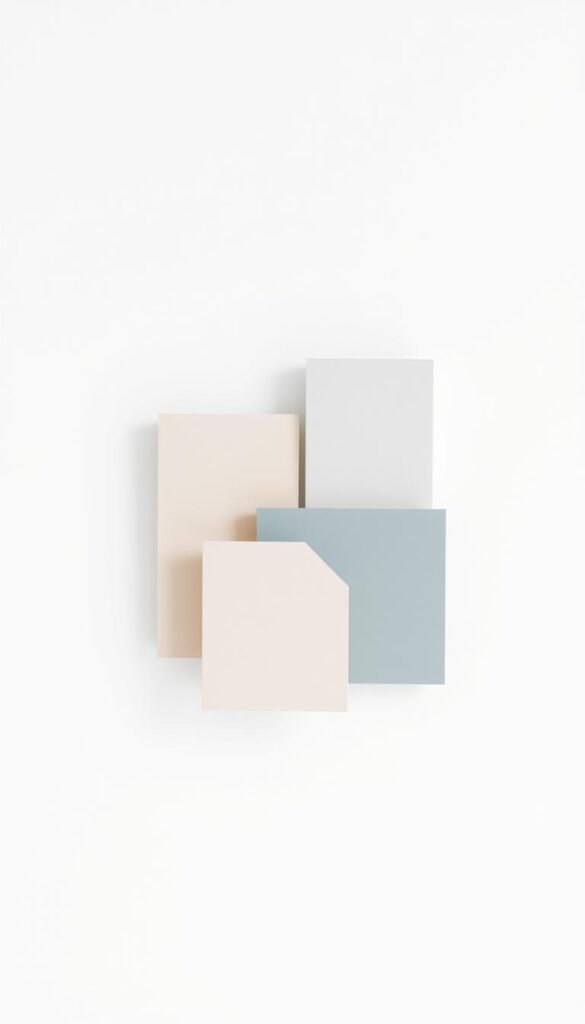
The colors you select set the emotional tone for your personal retreat. Your palette creates the foundation for everything else in your space. It’s about finding harmony between calm and character.
Think of your color choices as the quiet background music for your room. They should support relaxation without demanding attention. The right combination makes your space feel both serene and special.
Neutral Foundation Colors
Begin with neutral base colors like soft whites, warm beiges, and gentle grays. These shades create an airy, expansive feel in your sleeping area. They reflect light beautifully and make your room appear larger.
Neutrals provide a calm backdrop that never overwhelms. They work like a blank canvas for your other design elements. This approach keeps your space feeling open and peaceful.
Stick to two or three neutral shades for your main surfaces. Paint walls in light tones and use slightly darker versions for furniture. This creates subtle depth without visual clutter.
Incorporating Warm Earth Tones
Add warmth with earthy colors that feel natural and comforting. Think light browns, soft greens, or terracotta accents. These tones prevent your space from feeling cold or sterile.
Earth tones bring coziness to your minimalist aesthetic. They work beautifully with natural materials like wood and stone. The result feels grounded and inviting.
Designer Ezz Wilson often uses rust-colored textiles to add character. A terracotta throw pillow or clay-colored vase can transform a space. These elements create visual interest without complexity.
Adding Subtle Color Accents
Introduce personality through carefully chosen accent colors. Muted blues, soft greens, or warm rust tones work well. Keep these accents small and meaningful.
Use color in your textiles, art, or decorative objects rather than large surfaces. A rust-colored duvet adds warmth without dominating the room. A single piece of art with soft blue tones can become a focal point.
“A thoughtful color accent should feel like a whisper, not a shout. It adds personality without disrupting the peaceful atmosphere.”
Test your color choices in different lighting conditions before committing. Colors change throughout the day as light shifts. What looks perfect at noon might feel different at dusk.
Create a cohesive palette by drawing inspiration from nature or existing art. Look at the colors in a favorite landscape photo or painting. This ensures your colors work together harmoniously.
Remember that your color palette should support relaxation above all else. The right combination makes your room feel both personal and peaceful. You’ll create a space that truly feels like your sanctuary.
Selecting the Right Furniture Pieces
The furniture you choose forms the foundation of your peaceful retreat. Each piece should contribute to both function and visual harmony. Thoughtful selection creates a space that feels both practical and serene.
Your approach should focus on intentional choices rather than filling space. Every item should serve a purpose while enhancing the overall atmosphere. This mindful method transforms your room into a true sanctuary.
Quality Over Quantity Approach
Invest in fewer, high-quality pieces that will last for years. This approach reduces long-term clutter and actually saves money. You won’t need to replace poorly made items every few years.
Well-crafted furniture maintains its beauty and function over time. Look for solid construction and durable materials. These pieces become cherished elements of your personal space.
Designer Luis Laplace emphasizes this philosophy in his work. He believes fewer, better pieces create more impact than many mediocre ones. This thinking applies perfectly to creating your tranquil environment.
Functional Furniture Choices
Choose pieces that serve multiple purposes in smart ways. An upholstered storage bed provides both comfort and hidden organization. Multifunctional nightstands with drawers keep essentials within reach but out of sight.
Every furniture item should solve a practical need in your daily life. Consider how you use your space throughout the day and night. Select pieces that support these activities without creating clutter.
Here’s how to evaluate potential additions to your room:
- Does it serve at least one clear purpose?
- Does its size fit proportionally in the space?
- Does its style complement other elements?
- Will it enhance your daily routine?
Low-Profile Bed Frames
Platform beds and low-profile frames create a sleek, streamlined look. They sit closer to the ground, making your room feel more open. This design choice maximizes the perception of space.
These frames work beautifully in various room sizes. They provide solid support without bulky headboards or footboards. The clean lines contribute to the overall calm atmosphere.
Luis Laplace sometimes uses substantial frames in larger rooms. He selects designs that add visual weight without complexity. The result feels grounded yet airy and uncluttered.
| Furniture Type | Key Features | Space Benefit | Material Recommendation |
|---|---|---|---|
| Platform Bed | Low profile, integrated support | Maximizes floor space | Solid wood or metal |
| Storage Nightstand | Drawers, clean lines | Reduces surface clutter | Wood with simple hardware |
| Minimal Dresser | Flat surfaces, neutral tones | Organized clothing storage | Wood with matte finish |
| Accent Chair | Simple form, compact size | Creates reading nook | Upholstered with natural fibers |
“A large, well-designed bed frame can anchor a room without overwhelming it. The right piece adds presence while maintaining the peaceful simplicity you want.”
Make sure each furniture piece aligns with your overall color scheme. Neutral tones and natural materials work best for harmony. Wood, linen, and simple metals add warmth without visual noise.
Avoid oversized or ornate pieces that dominate the space. Measure your room carefully before making any selections. Proportionate furniture creates better flow and balance.
Your essential pieces might include a simple bed, functional dresser, and minimal seating. Each should contribute to both utility and tranquility. This thoughtful approach ensures your space remains clutter-free and harmonious.
Remember that quality furniture becomes part of your daily life. Choose pieces that feel good to use and live with. They should support your relaxation and comfort every day.
Creating Your Chic and Sleek: Modern Minimalist Bedroom Design Tutorial
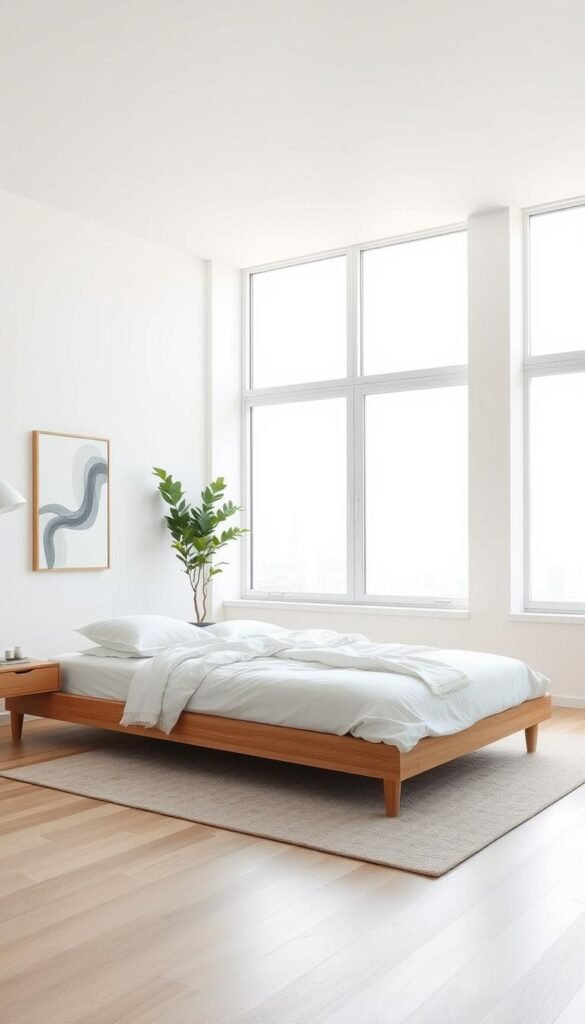
Now comes the exciting part – bringing your vision to life. This process transforms your sleeping area into a true retreat. You’ll create an environment that supports both rest and renewal.
Follow these steps to build your peaceful space. Each phase builds upon the previous one. You’ll end with a room that feels both intentional and inviting.
Step-by-Step Implementation Guide
Start by completely emptying your sleeping area. This lets you see the space with fresh eyes. Remove everything from walls, surfaces, and storage areas.
Sort through all your belongings methodically. Keep only what you truly use or love. Donate or discard anything that doesn’t serve your peace.
Designer Rushda Hakim suggests asking one simple question: “Does this item support my rest?” If the answer isn’t yes, it might not belong in your sanctuary.
Choose a neutral color palette for your walls and large furniture. Soft whites, warm grays, or gentle beiges work beautifully. These colors create a calm background.
Add warmth with earthy accent colors. Think terracotta throws or sage green pillows. These touches prevent your space from feeling cold.
Select furniture that serves multiple purposes. A platform bed with storage helps reduce clutter. Nightstands with drawers keep essentials organized but hidden.
Arrange your furniture to create good flow. Leave enough space to move around comfortably. This makes your room feel more open and peaceful.
Add texture through natural materials. A wool rug or linen curtains adds comfort. These elements create visual interest without complexity.
Here’s a quick checklist for your transformation:
- Complete decluttering of all surfaces and storage
- Neutral base colors on walls and large pieces
- Functional furniture with clean lines
- Warm accent colors in textiles
- Natural textures for visual warmth
- Clear surfaces and intentional empty space
Common Mistakes to Avoid
Many people make their space too sterile with all-white schemes. This can feel cold rather than calming. Add warm tones through wood accents or textured textiles.
Avoid overcrowding your room with too many pieces. Too much furniture makes movement difficult. It also creates visual noise that disrupts peace.
Don’t neglect personal touches entirely. A few meaningful items make your space feel like home. Choose pieces that truly matter to you.
Rushda Hakim warns against extreme starkness. “A room should feel inviting, not empty,” she notes. Incorporate elements that create emotional warmth.
Keep most items out of sight in organized storage. Visible clutter creates mental distraction. Surfaces should remain mostly clear and peaceful.
Here are common pitfalls and how to avoid them:
| Mistake | Why It Happens | Better Solution | Result |
|---|---|---|---|
| All-white color scheme | Misunderstanding minimalism | Add warm earth tones | Cozy yet clean atmosphere |
| Overcrowded furniture | Fear of empty space | Measure before buying | Better flow and movement |
| Visible clutter | Lack of storage solutions | Use multifunctional pieces | Calm, organized surfaces |
| No personal touches | Too strict interpretation | Select few meaningful items | Personal yet peaceful space |
“The most successful spaces balance simplicity with soul. They feel both curated and comfortable, never sterile or stark.”
Be patient with your transformation. Good spaces evolve over time. Allow your room to develop gradually as you live in it.
If you’re working with a small area, choose scaled-down furniture. Look for pieces that serve multiple functions. Every item should earn its place.
Budget constraints can actually help your creativity. Repurpose existing pieces with fresh paint or new hardware. Sometimes less spending means more thoughtful choices.
Remember that your personal sanctuary should reflect you. It’s not about following rules perfectly. It’s about creating a space that truly supports your well-being.
Enjoy watching your room transform into a peaceful retreat. Each intentional choice brings you closer to your ideal space. The result will be worth every thoughtful decision.
Wall Treatments for Minimalist Spaces
Your walls set the stage for your entire room’s atmosphere. They offer a perfect canvas to express simplicity while adding depth. The right treatment creates visual interest without overwhelming your space.
Choose options that enhance rather than compete with your overall aesthetic. Neutral textures and subtle patterns work best. They provide warmth while maintaining the clean look you want.
Designer Elisa Baran used limewash paint in influencer Alisha Marie’s personal space. This technique adds artful depth without needing additional decor. It creates movement and character on your surfaces.
Limewash Paint Techniques
Limewash paint from brands like JH Wall Paints creates beautiful texture. It gives walls a soft, mottled appearance that feels organic. The result is depth without visual clutter.
Application requires basic tools like block brushes and painter’s tape. The process is DIY-friendly with practice. You’ll achieve a professional look with patience.
Start with a clean, primed surface for best results. Apply the paint in thin, overlapping strokes. The characteristic variation appears as it dries.
This treatment works beautifully in natural light. It changes subtly throughout the day. Your room gains dynamic interest without added items.
Subtle Accent Walls
Accent walls define spaces without overwhelming them. Maison Amarande uses wood-paneled designs that add warmth. These focal points guide the eye gently.
Choose muted colors or natural materials for your accent. They should complement rather than dominate. The effect enhances rather than distracts.
Position your accent wall behind the bed or main seating area. This creates a natural focal point. The rest of your room remains calm and cohesive.
Wood panels add texture and organic warmth. They bring nature inside in a subtle way. Your space feels grounded yet airy.
Textured Wallpaper Options
Textured wallpaper introduces cozy vibes without pattern overload. Rushda Hakim recommends options like silk, grasscloth, or vinyl. These materials add luxury and warmth.
Neutral tones work best for maintaining serenity. They provide tactile interest without visual noise. Your room gains dimension while staying peaceful.
Grasscloth brings organic texture with natural fibers. Silk offers subtle sheen that catches light beautifully. Both options elevate your space simply.
Vinyl wallpapers provide durability with texture. They’re practical for busy households. You get visual interest with easy maintenance.
“Textured wall treatments add soul to simplicity. They provide depth without decoration, creating spaces that feel both curated and comfortable.”
Always test samples in your room’s actual light. Colors and textures change throughout the day. Ensure the treatment aligns with your desired feel.
Pair wall treatments with simple furniture and decor. Avoid visual overload by keeping other elements clean. Let your walls be the subtle star.
These treatments can replace artwork or other decor. They maintain simplicity while adding interest. You achieve a layered look without clutter.
Budget-friendly options exist for every idea. Consider partial accents or removable wallpapers. You can achieve high-end looks without high costs.
Well-chosen wall treatments elevate your entire space. They adhere to minimalist principles while adding character. Your room becomes truly special yet perfectly peaceful.
Flooring and Surface Finishes
The surfaces under your feet and throughout your room play a vital role. They tie everything together while adding comfort and character. Thoughtful choices here elevate your entire space.
Your finishes should feel cohesive and intentional. They create visual harmony that supports relaxation. This approach makes your environment feel both complete and calm.
Matching Finishes Throughout
Coordinated materials create a seamless flow in your personal area. Matching wood tones between furniture and flooring works beautifully. This technique brings everything together visually.
Designer Jessica Nelson often matches nightstands to the floor material. This creates a restful, cohesive environment. The look feels unified and intentionally designed.
Consider the undertones of your wood and other materials. Warm tones should pair with other warm elements. Cool tones work best with similar cool finishes.
Your room gains sophistication through this attention to detail. Everything feels purposefully selected. The result is a space that appears thoughtfully curated.
Natural Material Selection
Natural elements add warmth and authenticity to your interior. Wood, stone, and bamboo bring organic texture. These materials connect your space to nature.
Rough sawn wood flooring creates a natural, hygge-inspired look. Reena Simon used this in her personal space. It enhances coziness while maintaining simplicity.
Stone surfaces offer durability with timeless appeal. They work well in bathrooms or as accent pieces. Their natural variations add subtle interest.
Bamboo provides a sustainable option for flooring. It’s both eco-friendly and visually pleasing. The material brings warmth without heavy visual weight.
“Natural materials tell a story of authenticity. They bring warmth and texture that manufactured surfaces simply can’t replicate.”
Choose finishes that are durable and easy to maintain. Your surfaces should withstand daily use. Simple cleaning routines help preserve their beauty.
Neutral colors work best for seamless integration. They complement rather than compete with your palette. Your room feels harmonious and balanced.
Budget-friendly alternatives exist for natural materials. Engineered wood offers the look of solid wood at lower cost. Luxury vinyl plank mimics wood or stone beautifully.
These finishes support rather than distract from your aesthetic. They provide background warmth and texture. Your space feels inviting yet perfectly simple.
Consistent, natural finishes create harmony throughout your room. They make your environment feel both intentional and inviting. You’ll enjoy a space that truly supports peace.
Lighting Strategies for Minimalist Bedrooms
Lighting transforms your personal area into a soothing retreat. It sets the mood and enhances your room’s atmosphere. The right approach makes your space feel both functional and peaceful.
Good lighting supports relaxation and daily activities. It creates warmth without visual clutter. You’ll enjoy a balanced environment that feels inviting.
Statement Lighting Fixtures
Choose fixtures that add interest without overwhelming your room. A frosted glass chandelier works beautifully as a focal point. Victoria Ninette uses dimmable versions for versatile ambiance.
These pieces provide soft illumination during daytime hours. They cast gentle patterns that add subtle character. At night, dimmers create cozy, intimate settings.
Look for minimalist pendants in materials like blackened brass. This finish coordinates with other elements in your room. The result feels cohesive and intentionally designed.
Avoid fixtures with complex shapes or ornate details. Simple geometric forms work best for clean aesthetics. Your lighting should complement rather than dominate.
Layered Lighting Approach
Combine different light sources for optimal functionality. Ambient lighting provides overall illumination for your room. Task lighting focuses on specific areas like reading nooks.
Accent lights highlight architectural features or artwork. This layered method offers flexibility throughout your day. You can adjust brightness based on your needs.
Place bedside lamps for evening reading or relaxation. Wall sconces save surface space while adding warmth. Each layer contributes to the overall harmony.
“Layered lighting creates depth and dimension in minimalist spaces. It allows you to modify the atmosphere based on time of day and activity.”
Install dimmer switches for adjustable ambiance. They let you control intensity for different moments. This simple upgrade enhances your room’s versatility.
Natural Light Maximization
Welcome sunlight to make your room feel spacious and airy. Position your bed near windows to enjoy morning light. Sheer curtains filter brightness while maintaining privacy.
Mirrors reflect natural illumination throughout your space. They amplify existing light sources beautifully. Your room appears larger and more open.
Natural light boosts mood and supports well-being. It creates connection to outdoor rhythms and seasons. This organic approach enhances your daily experience.
Choose window treatments that allow light control. Cellular shades or translucent rollers work well. You can adjust them based on time and preference.
Keep glass clean to maximize light penetration. Clear surfaces ensure optimal brightness transmission. Your room benefits from every available ray.
Select warm-toned bulbs to avoid sterile feelings. Soft white or amber options create cozy atmospheres. They prevent harsh contrasts that disrupt peace.
Consider plug-in sconces for rental-friendly solutions. These offer flexibility without permanent changes. You can achieve professional results easily.
Your lighting choices significantly impact daily comfort. Thoughtful selections support both function and relaxation. They complete your personal sanctuary perfectly.
Textiles and Soft Furnishings

Soft textiles bring warmth and comfort to your personal retreat. They add tactile elements that make your space feel inviting. These finishing touches complete your peaceful environment.
Choose fabrics that enhance both comfort and style. Natural materials work best for this aesthetic. They create organic texture without visual clutter.
Natural Material Bedding
Select bedding made from natural fibers like cotton or linen. These materials feel soft against your skin. They also breathe well for comfortable sleep.
Reena Simon created a hygge-inspired hideaway with natural pillows. She used organic cotton sheets and linen duvet covers. This approach adds comfort while keeping things simple.
Natural fibers develop beautiful texture over time. They soften with each wash while maintaining quality. Your bed becomes cozier with regular use.
Floor-to-Ceiling Drapery
Long curtains create elegant vertical lines in your room. They draw the eye upward, making ceilings appear higher. This trick enhances the sense of space.
Krista Hermanson uses cream-colored drapes for nighttime coziness. She recommends neutral tones that complement your wall color. The result feels both spacious and intimate.
Install curtain rods close to the ceiling line. This maximizes the height-enhancing effect. Choose lightweight fabrics that filter light beautifully.
Texture Mixing Techniques
Combine different textures for subtle visual interest. Wool throws, silk pillows, and jute rugs work well together. Each material adds its own unique feel.
Ecru Studio demonstrates how to mix textures without clutter. They use one textured element per area to maintain balance. This approach enriches the space without overwhelming it.
Follow these simple guidelines for texture mixing:
- Choose two to three complementary textures maximum
- Stick to your established color palette
- Vary textures between large and small items
- Ensure each texture serves a practical purpose
Layer throws and cushions for added comfort. Place a wool blanket at the foot of your bed. Add one silk pillow for subtle luxury.
Well-chosen textiles complete your peaceful retreat. They make your room feel warm and inviting. Your space becomes truly comfortable yet beautifully simple.
Accessorizing Your Minimalist Space
The final touches transform your room from simple to special. Thoughtful accessories add personality without overwhelming your peaceful environment. They create warmth while maintaining the clean aesthetic you’ve built.
Choose each piece with intention and care. Every item should serve a purpose or bring genuine joy. This approach keeps your space feeling both personal and perfectly uncluttered.
Simple Floral Arrangements
Natural elements bring life to your room without adding visual noise. Simple florals like pampas grass add soft texture and movement. They create organic elegance that feels effortless.
Casa Marcelo used pampas grass to soften their oak elements beautifully. The dried grasses complement wood tones without competing. They add natural charm without requiring maintenance.
Single stems in simple vases work wonderfully too. A lone branch or greenery sprig makes a quiet statement. These touches bring nature indoors in the most subtle way.
Choose vessels that match your overall color scheme. Neutral ceramics or clear glass work best. They let the natural elements shine without distraction.
Strategic Art Placement
Art adds soul to your space when chosen carefully. Select pieces that complement your color palette and style. They should enhance rather than dominate your room’s atmosphere.
Symmetrical gallery walls maintain order while showing personality. Arrange matching frames in balanced compositions. This approach feels intentional rather than random.
Large-scale minimalist pieces make powerful statements alone. A single painting can anchor your space beautifully. It becomes a focal point without creating clutter.
Consider artwork inspired by your existing elements. Colors from your bedding or walls can guide your choices. This creates cohesion throughout your entire room.
Editing Down Visual Noise
Visible clutter disrupts the peace you’ve worked to create. Keep only essential items on display throughout your space. Store everything else in organized hidden storage.
Rushda Hakim advises starting with carefully curated pieces. Choose items that truly matter to you personally. This prevents distractions and maintains your minimalist feel.
Ask yourself if each item supports your relaxation. If it doesn’t serve a purpose or spark joy, it might not belong. This editing process ensures everything in your room matters.
Quality always beats quantity when accessorizing. One beautiful vase holds more impact than several mediocre ones. Your space feels more special with fewer, better pieces.
| Accessory Type | Purpose | Placement Tip | Visual Impact |
|---|---|---|---|
| Pampas Grass | Soft texture | Bedside table or dresser | Adds organic movement |
| Minimalist Art | Personal expression | Above bed or focal wall | Creates intentional focus |
| Sculptural Vase | Natural element holder | Single surface display | Adds artistic interest |
| Meaningful Photo | Emotional connection | Nightstand or shelf | Personalizes without clutter |
“Begin with three curated pieces that truly matter. Build around them only if they enhance rather than compete. This prevents visual noise while maintaining personality.”
Plants in simple pots bring life to your room. Choose varieties that thrive in your light conditions. Their natural beauty complements your minimalist design perfectly.
Remember that your space should feel like you. A few meaningful items make it personal yet peaceful. The balance creates a sanctuary that truly supports your well-being.
Mindful accessorizing completes your transformation beautifully. Each choice adds character without compromising simplicity. You’ll love how your room looks and feels every day.
Incorporating Natural Elements
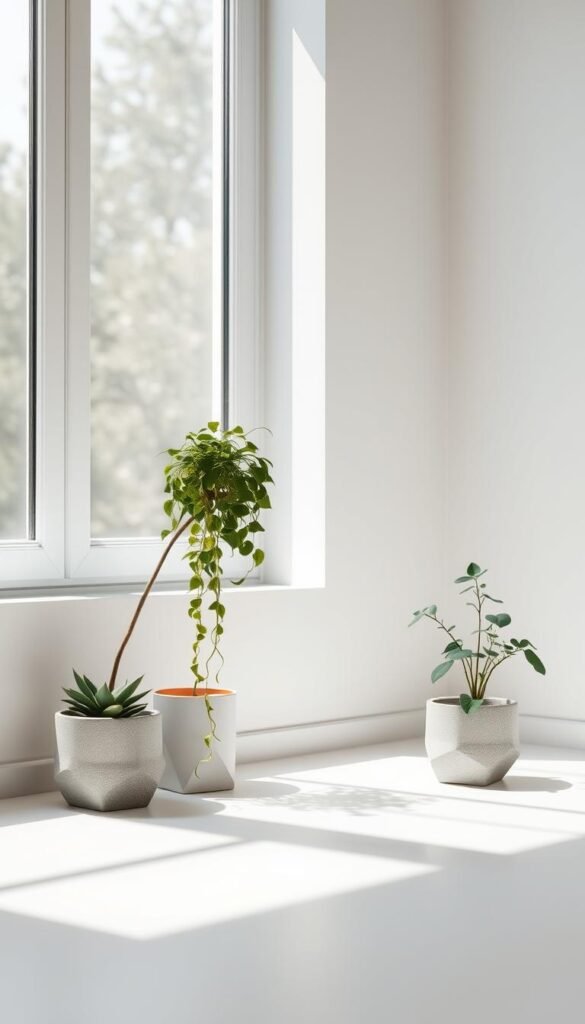
Nature brings life and tranquility to your personal retreat. These organic touches create warmth while maintaining clean simplicity. They connect your space to the outdoors in meaningful ways.
Natural elements support the warm minimalism trend beautifully. They add texture and vitality without visual clutter. Your environment feels both grounded and serene.
Indoor Plants for Minimalist Spaces
Living plants introduce freshness and vitality to your interior. They purify air while adding organic beauty. Choose varieties that thrive with minimal attention.
Snake plants tolerate low light and irregular watering. Succulents offer diverse shapes with little maintenance. Fiddle-leaf figs make striking statements in brighter spaces.
Select neutral pots that complement your color scheme. Terracotta, white ceramic, or simple concrete work well. This maintains visual cohesion throughout your room.
Place plants where they’ll receive appropriate light. Windowsills work for sun-loving varieties. Lower-light plants thrive on nightstands or dressers.
These green companions improve air quality naturally. They also boost mental well-being through biophilic connection. Your space becomes healthier and more calming.
Natural Material Accents
Organic materials add texture and warmth to your design. Wood, stone, and woven elements bring nature indoors. They create tactile interest without visual noise.
Reena Simon mirrors her tree-surrounded environment through wood accents. She creates a cocooned feel that connects inside and out. This approach feels both intentional and harmonious.
Choose pieces that serve practical purposes too. A wooden lamp provides both light and natural texture. Stone trays organize small items beautifully.
Woven baskets offer hidden storage with organic appeal. They keep essentials accessible yet out of sight. Each piece enhances function while adding warmth.
Follow these guidelines for natural accents:
- Select two to three complementary materials maximum
- Maintain your established color palette
- Choose simple forms without ornate details
- Ensure each piece serves a clear purpose
Quality matters more than quantity with natural decor. One beautiful wood sculpture beats several mediocre pieces. Your space feels more special with intentional choices.
| Natural Element | Best Placement | Care Level | Design Benefit |
|---|---|---|---|
| Snake Plant | Bedside table | Low | Air purification |
| Wood Lamp | Reading corner | None | Warm lighting |
| Stone Tray | Dresser top | None | Organization |
| Woven Basket | Closet shelf | None | Hidden storage |
“Natural elements should whisper rather than shout. They complement the space without demanding attention, creating layers of quiet beauty.”
These organic touches enrich your minimalist environment powerfully. They create a grounded, serene atmosphere you’ll love. Your personal retreat becomes truly special yet perfectly peaceful.
Storage Solutions for Clutter-Free Living
Smart organization keeps your personal area peaceful and functional. The right approach maintains clean surfaces and calm energy. You’ll enjoy a space that supports both rest and daily life.
Good systems prevent visual noise from building up. They help everything stay in its proper place. Your room remains a true sanctuary this way.
Hidden Storage Options
Built-in solutions keep your items out of sight beautifully. Under-bed drawers offer perfect space for seasonal clothing. They maintain a seamless look while providing real function.
Custom wardrobes blend with your wall color and design. This creates a cohesive appearance throughout your room. Everything looks intentional and thoughtfully planned.
Floating shelves provide display space without bulkiness. They keep essentials accessible yet organized. Choose finishes that match your other furniture pieces.
Recessed wall niches offer clever storage for small things. They work great for books or bedtime items. These built-in features maximize your available space.
Multifunctional Furniture
Choose pieces that serve more than one purpose in your home. Storage beds with lift-up mattresses provide hidden compartments. They’re perfect for extra bedding or off-season clothes.
Ottomans with interior space work as seating and storage. Use them for blankets or magazines you want nearby. This approach reduces the need for additional furniture.
Nightstands with drawers keep personal items organized. They prevent surface clutter from accumulating daily. Your bedside area stays clean and peaceful.
Consider these multifunctional options for your space:
- Platform beds with built-in drawers underneath
- Benches with hidden compartments for linens
- Desks that fold down when not in use
- Shelving units that double as room dividers
Daily Decluttering Habits
Small routines maintain your minimalist environment long-term. Spend five minutes each evening tidying surfaces. This prevents clutter from building up over time.
Marie Kondo’s method inspires joyful organization. Keep only items that serve a purpose or bring happiness. Let go of things that no longer fit your life.
Implement the “one in, one out” rule for new purchases. When something new enters your space, remove something else. This balance prevents overcrowding.
Labeled bins help categorize stored items clearly. You’ll always know where to find what you need. Everything stays organized and accessible.
| Storage Solution | Best For | Space Saving | Aesthetic Match |
|---|---|---|---|
| Under-bed drawers | Seasonal clothing | High | Hidden completely |
| Built-in wardrobes | Daily wear items | Maximum | Custom color match |
| Storage ottomans | Blankets, magazines | Medium | Upholstery coordinates |
| Floating shelves | Books, decor items | Wall space only | Finish matches furniture |
“Visible clutter represents invisible chaos. Clearing your surfaces regularly maintains both physical and mental peace.”
Assess your storage needs based on daily habits. Notice which items you use most frequently. Make sure these things remain easily accessible.
Vertical storage solutions work wonders in compact areas. Use wall space for shelves or hanging organizers. This approach keeps floor space open and clear.
Dual-purpose decor adds function without extra pieces. A beautiful basket can hold remote controls or reading glasses. Choose items that serve both decorative and practical roles.
Regular maintenance prevents overwhelming clutter accumulation. Schedule monthly reviews of your stored items. Donate or discard things you no longer need.
Effective storage systems create lasting tranquility in your personal space. They support the minimalist aesthetic you’ve worked to achieve. Your room remains a true sanctuary for years to come.
Bringing It All Together: Your Minimalist Sanctuary
Your personal retreat now reflects thoughtful choices. Each element works in harmony. Neutral colors, clean furniture, and natural touches create calm.
This space supports daily peace and function. It reduces stress through organized simplicity. You’ll enjoy better rest and mental clarity.
Remember that minimalism evolves with your needs. Continue refining your room over time. Regular decluttering maintains the serene aesthetic.
Take pride in creating this tailored sanctuary. Share your results with others seeking inspiration. Your efforts yield both beauty and practicality.
Enjoy your transformed room for relaxation and renewal. It stands ready to support your well-being every day.