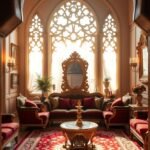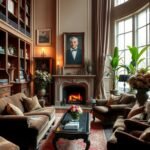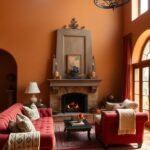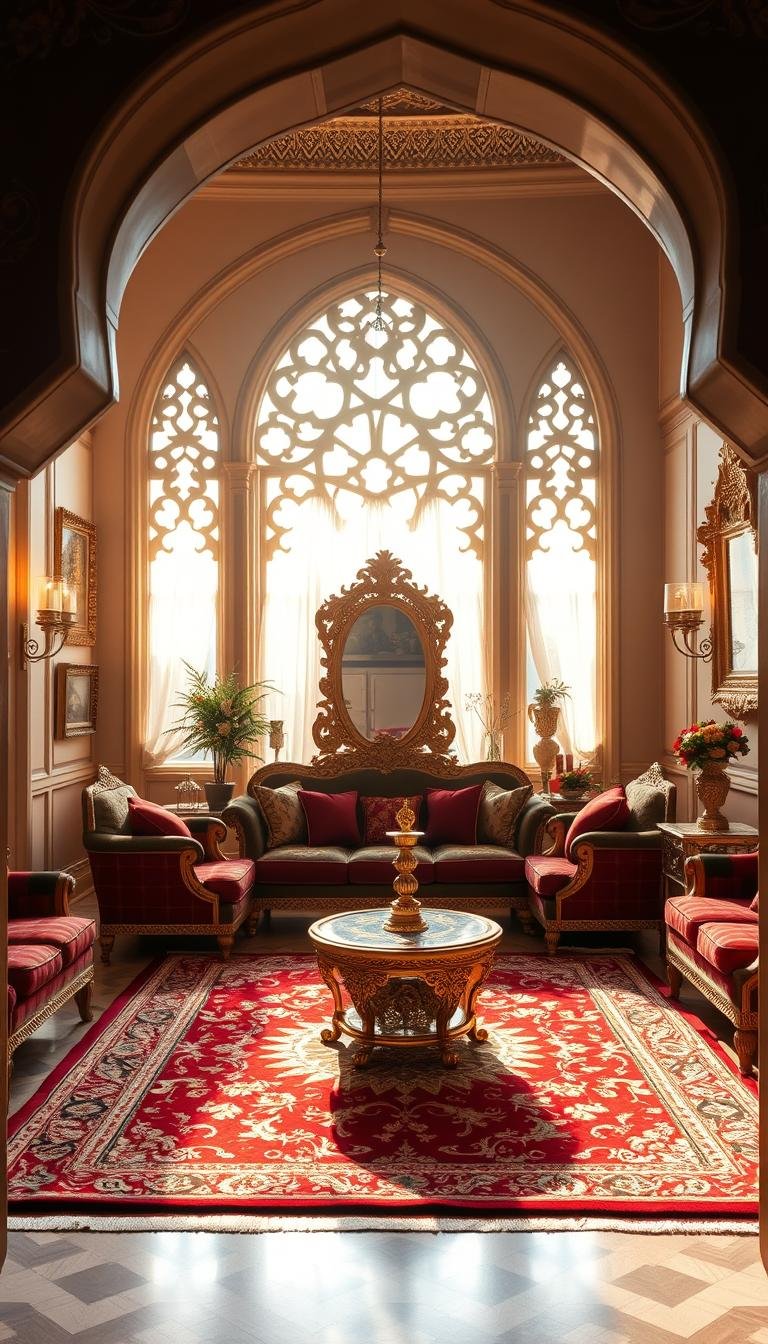
Have you ever dreamed of transforming your home into a space that whispers elegance and tells stories of rich cultural heritage? Imagine creating a living area that blends timeless tradition with modern sophistication.
This design approach combines intricate patterns with luxurious materials. It creates an atmosphere that feels both opulent and welcoming. The charm lies in its unique blend of beauty and warmth.
You’ll discover how to achieve this stunning look while maintaining authentic cultural elements. We’ll explore how modern interpretations maintain tradition while embracing cleaner lines.
Golden accents can elevate your space from beautiful to truly luxurious. They add that perfect touch of opulence while honoring traditional arabic design principles.
Get ready to create a room that exudes hospitality and sophisticated style. Your living space will become a testament to attention detail and cultural appreciation.
1. Understanding the Core of Arabian Style with a Modern Twist
Have you ever walked into a room that instantly transports you to another world? That’s the magic of blending timeless tradition with contemporary design. This style honors cultural heritage while fitting perfectly into modern homes.
Traditional elements include intricate geometric patterns, rich jewel tones, and natural materials. These create spaces filled with warmth and elegance. Modern interpretations keep these core values while simplifying the execution.
Today’s approach focuses on curated details rather than overwhelming ornamentation. You maintain cultural authenticity while creating functional living spaces. The result balances beauty with everyday practicality.
Natural materials remain essential in both traditional and contemporary versions. Wood, stone, and clay provide texture and authenticity. These elements connect your space to centuries of design heritage.
Color palettes have evolved toward neutral bases with rich accents. This creates sophisticated interiors that feel both fresh and traditional. Your room gains depth without feeling dated.
The key lies in selective ornamentation rather than complete coverage. Choose one or two statement pieces instead of filling every surface. This approach maintains visual interest without clutter.
| Traditional Elements | Modern Interpretation |
|---|---|
| Ornate geometric patterns covering surfaces | Strategic placement of pattern accents |
| Rich, dark color schemes | Neutral bases with colorful accents |
| Heavy, elaborate drapery | Simplified window treatments with texture |
| Low seating arrangements | Adapted low-profile furniture |
| Natural materials throughout | Natural materials with contemporary finishes |
This design philosophy celebrates cultural roots while embracing current lifestyles. You create rooms that honor tradition without sacrificing modern comfort. The blend results in truly unique personal spaces.
Understanding these core principles helps you make intentional design choices. Your home becomes a reflection of sophisticated style and cultural appreciation. Every element works together to create harmonious interiors.
2. Establishing Your Foundational Neutral Color Palette
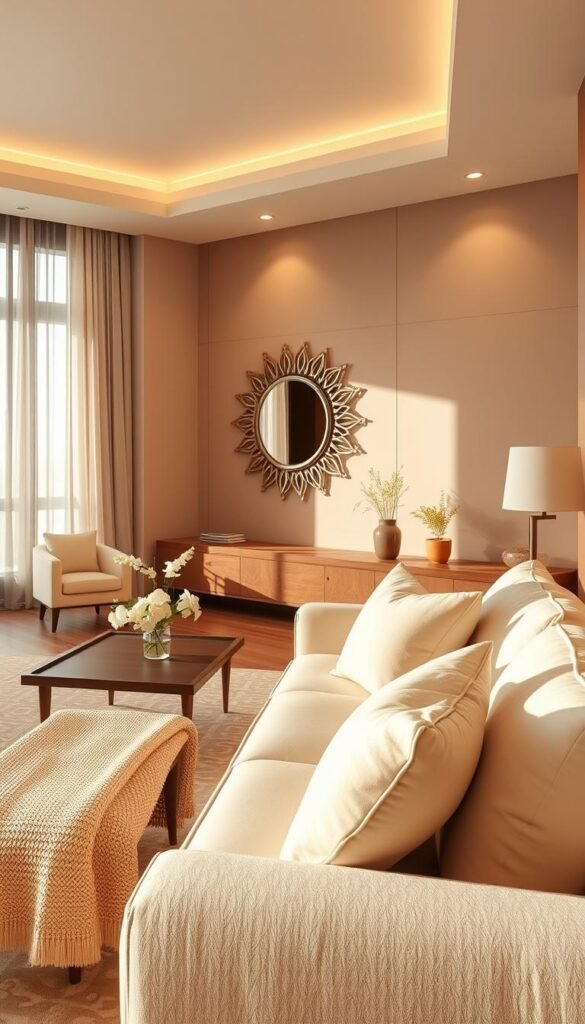
Have you ever considered how the right foundation can transform your entire space? The secret to authentic cultural design lies in starting with the perfect neutral base. This approach creates harmony between modern comfort and traditional richness.
Your color choices set the stage for everything that follows. They determine the mood and character of your entire interior. A well-planned palette makes all other design elements shine.
Choosing Your Base: Creams, Taupes, and Sands
Begin with warm, earthy neutrals that evoke natural landscapes. Creams provide soft warmth without overwhelming brightness. Taupes add sophisticated depth with their gray-brown undertones.
Sand tones bring natural warmth and organic feeling to your space. These colors work beautifully with natural materials like wood and stone. They create a calming backdrop for more vibrant elements.
Consider these specific shades for your foundation:
- Warm ivory for soft, inviting backgrounds
- Greige (gray-beige) for modern sophistication
- Desert sand for authentic cultural connection
- Soft camel for rich, warm undertones
These neutrals maintain light and openness in your room. They make spaces feel larger and more welcoming. Your foundation should feel both elegant and comfortable.
Selecting Your Accent Shades for Maximum Impact
Once your neutral base is established, introduce rich accent colors. Deep blues echo traditional ceramic tiles and textiles. Emerald greens bring luxurious depth and natural beauty.
Burgundy adds regal sophistication and warm richness. These jewel tones create stunning contrast against neutral backgrounds. They honor cultural heritage while feeling fresh and modern.
Earth tones like terracotta and ochre provide organic warmth. They connect your space to natural elements and traditional crafts. These colors work beautifully with wooden furnishings and fabrics.
The psychology behind these color choices creates specific atmospheres. Blues promote calm and contemplation, while greens suggest growth and harmony. Reds and oranges bring energy and warmth to social spaces.
Balance your accent colors carefully throughout the room. Use them in textiles, artwork, and decorative pieces. This creates visual interest without overwhelming the space.
Your color palette becomes the soul of your interior design. It tells a story of cultural appreciation and personal style. Every shade contributes to the overall beauty and elegance of your home.
3. Introducing Opulent Arabian Patterns and Textures
Have you ever noticed how patterns can transform a simple space into something extraordinary? The right textures and designs create depth and character in your home.
These artistic elements carry centuries of cultural heritage. They bring sophistication and meaning to your interior design.
Geometric and Arabesque Motifs for Walls and Floors
Islamic art features intricate geometric and flowing arabesque patterns. These designs represent mathematical precision and spiritual concepts.
You can incorporate these motifs in modern ways. Consider subtle mosaic tiles in entryways or patterned floor tiles with matte finishes.
Choose specific patterns that work well in contemporary spaces:
- Eight-point stars for ceiling medallions
- Interlocking polygons for area rugs
- Floral arabesques for accent walls
- Complex girih patterns for tile borders
These elements maintain cultural authenticity while fitting modern aesthetics. They create visual interest without overwhelming your space.
Layering with Luxurious Rich Fabrics and Textiles
Textiles add warmth and opulence to your room. Luxurious fabrics like silk, velvet, and brocade create depth and richness.
Look for materials with embroidered details and metallic threads. These textures catch the light beautifully throughout the day.
Layer different fabrics to build visual interest:
- Velvet cushions on silk upholstery
- Brocade throws over simpler textiles
- Embroidered curtains framing windows
- Woven tapestries as wall features
This approach creates the hospitality characteristic of traditional design. Your space feels both luxurious and welcoming.
| Traditional Pattern Application | Modern Adaptation | Best Placement |
|---|---|---|
| Full wall coverage with intricate tiles | Accent wall with large-scale pattern | Behind seating areas or fireplaces |
| Complex mosaic floors throughout | Patterned border tiles or insets | Entryways or under coffee tables |
| Heavily embroidered textiles everywhere | Strategic use on key furniture pieces | Sofas, armchairs, and window seats |
| Ornate wooden screens with patterns | Laser-cut modern interpretations | Room dividers or window treatments |
| Carved patterns on all wood surfaces | Select pieces with detailed craftsmanship | Coffee tables, cabinets, and frames |
Balance bold patterns with solid elements for visual harmony. This maintains modern sensibility while honoring tradition.
Your space becomes a beautiful blend of cultural heritage and contemporary living. Every pattern and texture tells a story of artistry and meaning.
4. The Best Arabian Living Room Decor Ideas with Golden Touches
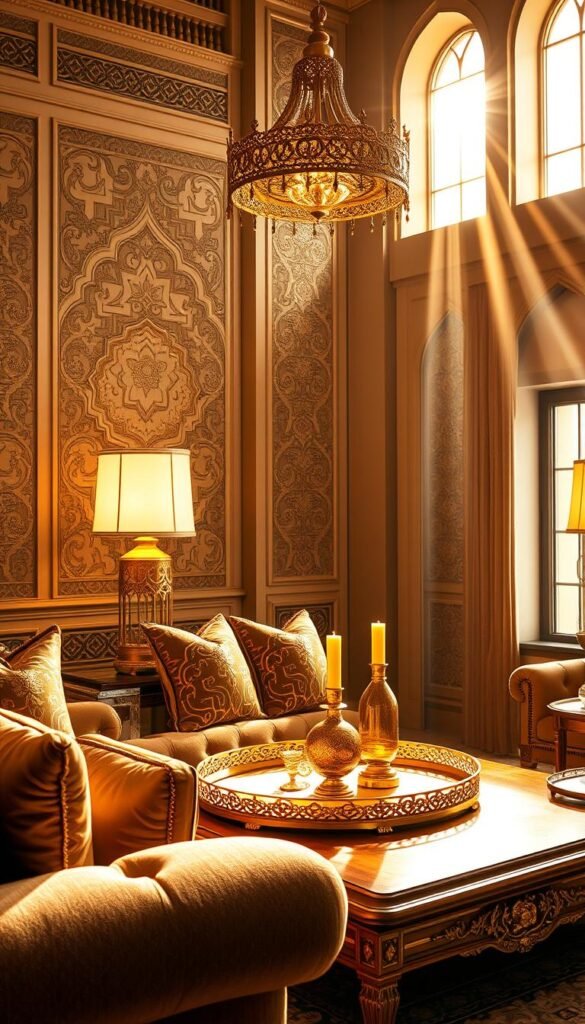
Have you ever considered how metallic elements can transform your space from beautiful to breathtaking? Gold accents bring instant luxury and cultural authenticity to your interior design. They create focal points that draw the eye and elevate your entire room.
These elements honor traditional craftsmanship while fitting modern aesthetics. You achieve sophisticated elegance without overwhelming your space. The key lies in strategic placement and thoughtful selection.
Gilded Frames, Trims, and Decorative Objects
Start with picture frames featuring gold leaf details. These add instant sophistication to your artwork. Choose frames with intricate patterns that reflect cultural heritage.
Consider adding gold trims to furniture edges or architectural features. This subtle approach creates richness without excess. It highlights the beauty of your furnishings and wood pieces.
Decorative objects benefit greatly from metallic finishes. Look for these specific items:
- Ornate mirrors with gold frames that reflect light beautifully
- Sculptural vases that become instant conversation pieces
- Decorative trays for serving that combine function and beauty
- Intricate boxes that add elegance to shelves or tables
Position these elements where they catch natural and artificial light. This maximizes their visual impact throughout the day. Your space gains depth and dimension through strategic placement.
The Miles floor lamp demonstrates how gold-plated frames can combine vintage style with luxurious materials. This approach creates timeless elegance in modern homes.
Choosing the Right Gold Finish for Your Space
Different gold tones create distinct atmospheres in your room. Yellow gold offers warm, traditional richness. It works beautifully with earthy colors and natural materials.
Rose gold provides contemporary warmth with pink undertones. This finish feels fresh and modern while maintaining elegance. It complements both cool and warm color palettes.
White gold or platinum offers cooler, sophisticated shimmer. These finishes work well with modern minimalist designs. They provide subtle luxury without overwhelming your space.
Consider these factors when selecting finishes:
- Your existing color scheme and natural light conditions
- The overall mood you want to create in your room
- How different finishes complement your furnishings
- The balance between traditional and contemporary elements
Brass elements create an impressive elegant effect that evokes palace opulence. The right gold finish can bring volume and imitate luxurious textures like cashmere.
Remember that less often creates more impact. Choose a few strategic pieces rather than covering every surface. This approach maintains sophistication without crossing into excess.
Your metallic accents should enhance rather than dominate. They become the perfect finishing touch that ties your entire design together. The result is a space that feels both culturally authentic and personally yours.
5. Selecting the Perfect Traditional Arabic Area Rug
What if your floor could become the centerpiece of your cultural design journey? These handwoven treasures bring incredible warmth and character to your space. They serve as both functional floor coverings and stunning artistic statements.
Authentic pieces showcase generations of craftsmanship and cultural heritage. Their intricate designs feature geometric motifs or floral patterns that honor tradition. You gain both beauty and cultural authenticity in one magnificent element.
Identifying genuine pieces requires attention to specific details. Look for hand-knotted construction rather than machine-made uniformity. Natural materials like wool or cotton indicate traditional craftsmanship.
Examine the pattern consistency – slight variations often indicate handmade quality. The back should show the same pattern as the front in handwoven pieces. These details separate mass-produced items from true cultural artifacts.
Different patterns carry distinct cultural meanings and histories. Geometric designs often represent mathematical precision and spiritual concepts. Floral motifs might symbolize growth, beauty, or specific regional influences.
Choose patterns that align with your overall design goals and personal connection. Some designs work better in formal spaces while others suit casual areas. Your selection should feel both culturally respectful and personally meaningful.
Size and placement dramatically affect your room’s harmony. The rug should anchor your seating arrangement without overwhelming the space. Leave adequate border space around the perimeter for visual balance.
Orientation matters – traditional designs often have specific directional elements. Position your rug to complement room flow and furniture placement. This creates natural movement and visual cohesion throughout your space.
Color coordination with your existing palette ensures harmonious integration. Vibrant hues can complement neutral foundations beautifully. Consider how rug colors interact with your walls, furnishings, and accessories.
Pattern scale should relate to your room’s proportions and furniture size. Larger patterns work well in spacious rooms with substantial furniture. Smaller patterns suit compact spaces or minimalist furnishings.
Various types originate from different regions, each with unique characteristics. Persian rugs often feature elaborate floral designs and rich color palettes. Berber rugs typically show simpler geometric patterns in natural tones.
Kilim rugs offer flat-woven construction with bold tribal patterns. Each type brings distinct cultural heritage and visual appeal. Research origins to understand the story behind your chosen piece.
Proper maintenance preserves your investment and maintains its beauty. Regular gentle vacuuming prevents dirt accumulation in the fibers. Rotate your rug periodically to ensure even wear patterns.
Professional cleaning every few years maintains color vibrancy and material integrity. Address spills immediately with appropriate cleaning methods. Proper care ensures your rug remains beautiful for generations.
A well-chosen rug can establish the foundation for your entire design scheme. It anchors furniture arrangements and defines spatial relationships. Colors and patterns from the rug can inspire additional design elements throughout your room.
Authentic handwoven pieces represent significant investment value. They appreciate over time while providing daily beauty and function. Quality craftsmanship ensures decades of use and enjoyment.
Recognize quality through knot density, material quality, and design complexity. Higher knot counts generally indicate superior craftsmanship and durability. These factors contribute to both aesthetic and financial value.
Your perfect traditional rug becomes more than just a floor covering. It embodies cultural heritage, artistic expression, and personal style. This transformative element completes your space with warmth, beauty, and meaningful tradition.
6. Creating Ambiance with Exotic and Layered Lighting
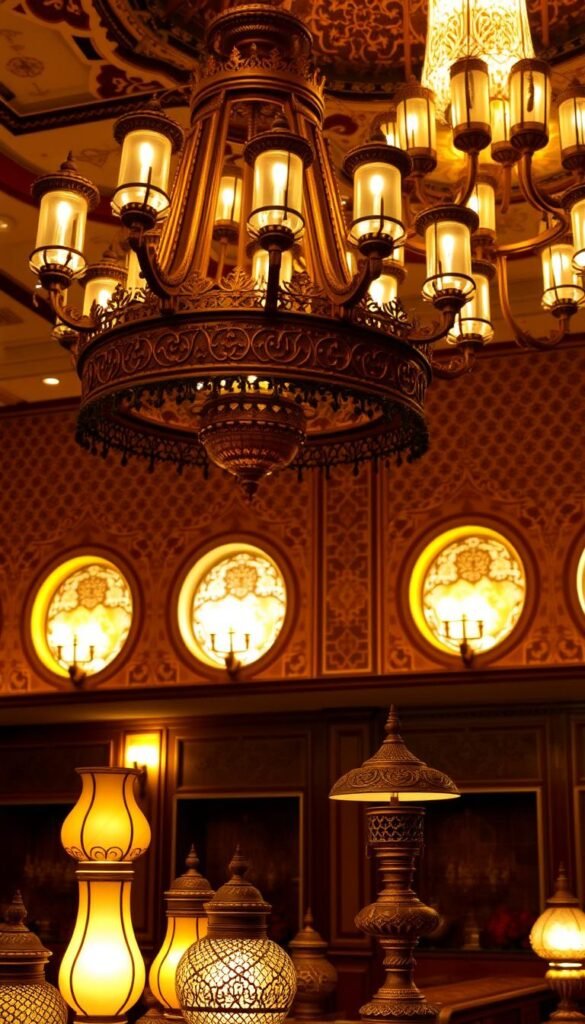
Have you ever watched how light transforms a space throughout the day? The right illumination can turn your interior from ordinary to extraordinary. It creates mood, highlights beauty, and defines your room’s character.
Lighting serves as the soul of your design. It enhances textures, emphasizes colors, and creates inviting atmospheres. Your choices affect both functionality and emotional impact.
Traditional approaches use multiple light sources rather than single overhead fixtures. This layered approach creates depth and dimension throughout your space. You achieve both practical illumination and artistic effect.
Ornate Lanterns and Metalwork Fixtures
Lanterns represent centuries of craftsmanship and cultural heritage. Their intricate metalwork patterns cast beautiful shadows when illuminated. These pieces become functional artwork in your home.
Choose fixtures made from authentic materials like brass or copper. Hand-punched metal creates intricate light patterns on walls and ceilings. Smoked glass offers soft, diffused illumination perfect for cozy spaces.
Modern interpretations maintain traditional aesthetics with updated functionality. Look for energy-efficient LED options within classic designs. You get authentic appearance with contemporary performance.
Consider these lighting elements for your space:
- Mosaic glass pendant lights that create colorful patterns
- Brass wall sconces with geometric cut-out designs
- Multi-tiered lanterns that provide ambient illumination
- Perforated metal fixtures that project intricate shadows
Strategic Placement for Warmth and Drama
Position lights to create visual interest and highlight key features. Use upward-facing lights to accentuate architectural details. Downward lighting creates intimate conversation areas.
Layer different types of illumination throughout your room. Ambient lighting provides overall brightness for general activities. Task lighting focuses on specific areas like reading nooks.
Accent lighting draws attention to artwork or decorative elements. This combination ensures both beauty and functionality in your space.
Consider these placement strategies:
- Cluster lanterns at different heights for dimensional effect
- Use dimmers to adjust intensity for various occasions
- Position lights to graze textured walls for dramatic effect
- Create pools of light around seating areas for intimacy
| Lighting Type | Traditional Fixtures | Modern Adaptations | Ideal Placement |
|---|---|---|---|
| Ambient Lighting | Large metal lanterns | LED-equipped chandeliers | Room center or corners |
| Task Lighting | Brass reading lamps | Adjustable floor lamps | Beside seating areas |
| Accent Lighting | Perforated metal sconces | Directional spotlights | Above artwork or features |
| Decorative Lighting | Colored glass pendants | Smart color-changing lights | As focal points |
Light temperature significantly affects your room’s atmosphere. Warm white tones (2700K-3000K) create cozy, inviting environments. These temperatures complement rich colors and natural materials beautifully.
Consider adjustable lighting systems for maximum flexibility. Smart controls let you change scenes for different times or moods. You can create bright daytime settings and intimate evening atmospheres.
The right lighting balance makes your space feel both luxurious and welcoming. It highlights your design choices while creating practical illumination for daily life.
Your lighting scheme should evolve with natural light patterns. During daytime, enhance natural light with reflective surfaces. Evening hours call for warmer, more intimate lighting arrangements.
Remember that shadows contribute to atmospheric quality. They add mystery and depth to your interior design. Properly placed lighting creates beautiful shadow patterns throughout your space.
7. Incorporating a Modern Majlis Seating Area
What if your seating arrangement could become the heart of hospitality in your home? The Majlis represents centuries of social tradition and warm welcome. This special space creates meaningful connections through thoughtful design.
Modern interpretations maintain cultural authenticity while adapting to contemporary lifestyles. You achieve both beauty and function in your gathering area. The result feels both timeless and perfectly current.
Low-Profile Sofas and Plush Floor Cushions
Choose sofas with clean lines and comfortable proportions. Low-profile designs maintain traditional aesthetics while offering modern comfort. Look for modular pieces that can adapt to different room layouts.
Contemporary materials like leather and linen work beautifully. They provide durability while maintaining sophisticated style. Brass or black metal legs add subtle elegance to your furniture.
Plush floor cushions offer flexible seating options. They create intimate conversation areas and additional comfort. Mix different sizes and textures for visual interest.
Consider these elements for your modern Majlis:
- Modular sofas with neutral upholstery and metallic accents
- Large floor cushions with rich fabric covers
- Low coffee tables with traditional craftsmanship details
- Textured throws and pillows for added comfort
Arranging Your Seating for Conversation and Hospitality
Create arrangements that encourage face-to-face interaction. Circular or U-shaped layouts work best for group conversations. This design promotes engagement and connection among guests.
Leave adequate space between seating pieces for comfortable movement. About 3-4 feet between furniture allows easy circulation. Your space should feel inviting rather than crowded.
Consider traffic flow and natural room pathways. Arrange seating to complement rather than obstruct movement. This creates harmonious functionality in your space.
Flexible arrangements adapt to different gathering sizes. Modular furniture can be reconfigured for intimate dinners or larger parties. This versatility honors the true spirit of hospitality.
The right seating arrangement transforms your room into a welcoming oasis. It balances cultural tradition with modern living needs perfectly.
Earthy tones create warmth and connection to natural elements. Combine these with metallic finishes for sophisticated contrast. Your color palette should feel both grounded and elegant.
Lighting plays a crucial role in your Majlis atmosphere. Soft, warm illumination enhances conversation and comfort. Layer different light sources for optimal ambiance.
Your modern Majlis becomes more than just seating. It represents cultural appreciation and personal style in equal measure. This space will become the heart of your home’s social life.
8. Adding Character with Architectural Elements like Arches
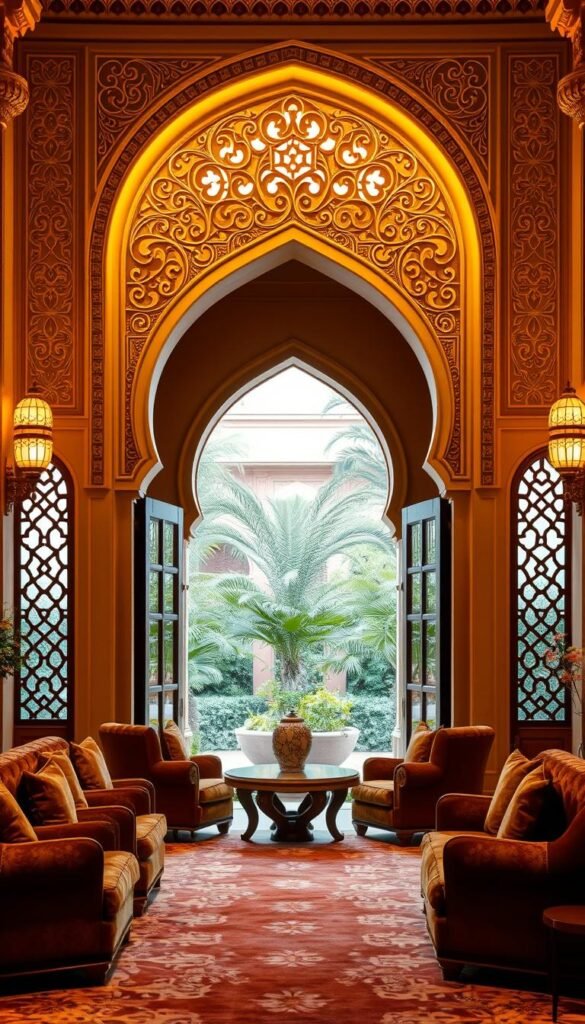
Have you ever noticed how certain architectural features can completely transform a room’s personality? Arches represent centuries of sophisticated building traditions that continue to inspire modern homes.
These graceful curves create visual interest and cultural depth in your space. They connect your interior to timeless design principles while maintaining contemporary appeal.
Historically, arches served both structural and decorative purposes in Middle Eastern architecture. They provided strength while creating beautiful openings between spaces. Today, we appreciate them for their aesthetic qualities and cultural significance.
Modern interpretations focus on the visual impact rather than structural function. You can incorporate arched elements through various creative approaches:
- Arched mirrors that reflect light and expand visual space
- Wall alcoves for displaying decorative pieces or lighting
- Minimalist curved doorways that soften room transitions
- Arch-shaped bookshelves or headboards as focal points
Different arch styles offer distinct aesthetic qualities. Horseshoe arches feature rounded tops that curve inward. Pointed arches create more dramatic vertical emphasis.
Multifoil arches incorporate decorative scalloped edges. Each style brings unique character to your interior design.
Arches create natural visual flow between different areas of your home. They guide the eye smoothly from one space to another. This architectural feature enhances spatial harmony and connection.
Contemporary applications maintain cultural authenticity through careful proportion and placement. Consider scale relationships between arches and your room dimensions. Proper proportions ensure architectural elements feel integrated rather than overwhelming.
Combine arches with matte wall textures for soft, romantic effects. This combination honors tradition while feeling fresh and modern. The result balances cultural heritage with current design sensibilities.
Architectural elements can define different functional areas within open spaces. Use arches to separate seating areas from dining spaces. They create implied boundaries without closing off sightlines.
Modern materials like lightweight plaster or MDF allow creative arch integration. These materials offer traditional appearance with contemporary installation methods. You achieve authentic look without major construction.
Lighting enhances arched features beautifully. Position lights to highlight the curves and create shadow patterns. This emphasizes the architectural beauty throughout day and night.
Your arched elements become more than decorative features. They represent thoughtful design and cultural appreciation. These architectural touches add depth and character to your living environment.
9. Using Mashrabiya Screens as a Decorative Focal Point
Have you ever wondered how one architectural element could offer both privacy and breathtaking beauty? Mashrabiya screens have served functional and aesthetic purposes for centuries. These intricate pieces transform ordinary spaces into extraordinary experiences.
Originally designed for privacy and ventilation, these screens filter light beautifully. They create soft, patterned illumination while maintaining air flow. Modern interpretations maintain this functionality with updated aesthetics.
Traditional screens featured complex wooden lattices with small openings. Craftsmen carved these patterns by hand using local wood types. The designs provided privacy while allowing cooling breezes.
Today, these screens serve as stunning focal points in contemporary homes. Designers use them as room dividers, feature walls, and window treatments. They add cultural depth without overwhelming modern aesthetics.
Selecting the right pattern depends on your space and style goals. Geometric designs work well in minimalist interiors. More complex patterns suit traditional or eclectic spaces.
Consider these factors when choosing your screen:
- Pattern scale relative to your room size
- Material compatibility with your existing decor
- Functional needs for privacy or light control
- Cultural authenticity of the design motifs
Material choices affect both appearance and durability. Traditional wood offers warmth and authenticity. Modern materials like MDF or metal provide cleaner lines.
Neutral tones maintain cultural connection while fitting contemporary color palettes. Natural wood finishes bring organic warmth to your space. Painted options can match specific design schemes.
Strategic lighting transforms these screens from functional to fabulous. Backlighting with warm LEDs creates magical evening ambiance. The patterns cast beautiful shadows throughout your room.
Position screens to maximize their impact and functionality. Use them to define spaces in open-plan areas. Place them where they can filter light during different times of day.
| Traditional Application | Modern Adaptation | Best Placement |
|---|---|---|
| Window coverings for privacy | Decorative window treatments | Large windows or glass doors |
| Room dividers in large spaces | Visual separators in open plans | Between living and dining areas |
| Balcony screens for ventilation | Decorative balcony accents | Outdoor living spaces |
| Street-facing privacy screens | Architectural facade elements | Entryways or exterior walls |
| Full-wall installations | Accent wall features | Behind seating or beds |
These screens create visual interest while maintaining spatial connection. They provide separation without complete isolation. Light and air continue flowing beautifully between areas.
Custom designs allow personalization of your space. Work with artisans to create patterns that reflect your style. This approach ensures cultural authenticity and personal meaning.
Maintenance depends on your material choice. Wood requires occasional polishing and protection. Modern materials need simple dusting and occasional cleaning.
Your Mashrabiya screen becomes more than decoration. It represents thoughtful design and cultural appreciation. This element adds depth, beauty, and function to your home.
10. Displaying Art and Calligraphy with Cultural Significance
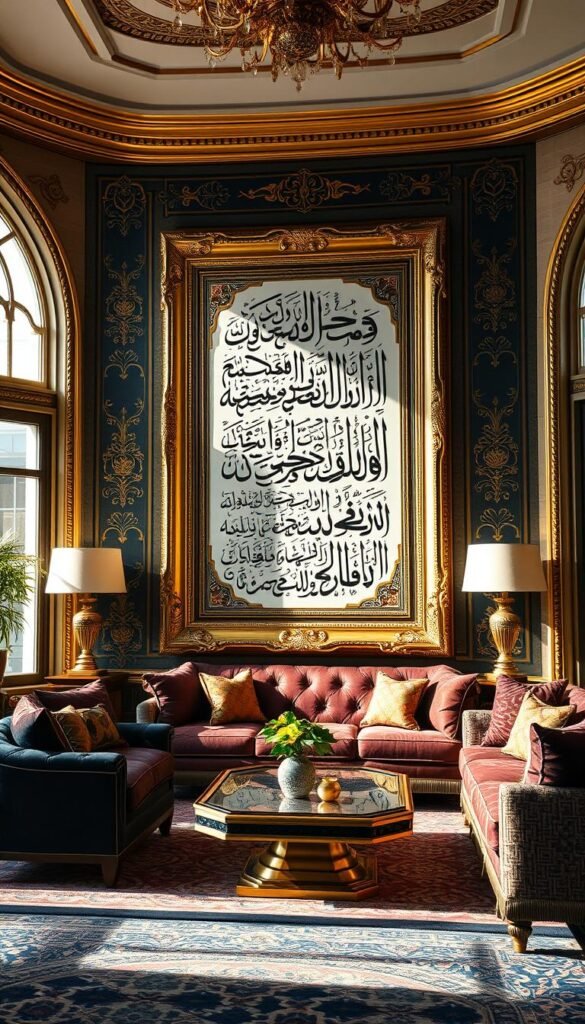
Have you ever thought about how artwork can become the soul of your interior? Cultural pieces bring meaning and beauty to your space. They tell stories and create emotional connections.
Arabic calligraphy carries deep spiritual and artistic traditions. These works feature inspirational messages and decorative elements. Modern interpretations maintain cultural authenticity while fitting contemporary homes.
Choose pieces that respect cultural traditions while complementing your design. Look for minimalist calligraphy or abstract interpretations. Metallic sculptures featuring Arabic script add elegant touches.
Neutral wall colors create gallery-like sophistication. They let your artwork stand out beautifully. This approach honors heritage while feeling fresh and modern.
Understanding different calligraphy styles helps you make informed choices. Each style has unique characteristics and appropriate uses. Your selections should feel both culturally respectful and personally meaningful.
| Calligraphy Style | Cultural Significance | Best Placement | Modern Adaptation |
|---|---|---|---|
| Kufic | Ancient, geometric forms | Large wall spaces | Minimalist interpretations |
| Naskh | Quranic manuscripts | Study or meditation areas | Digital reproductions |
| Thuluth | Architectural inscriptions | Entryways or above doors | Metallic wall sculptures |
| Diwani | Royal correspondence | Formal living areas | Abstract compositions |
| Ruq’ah | Everyday writing | Personal spaces | Contemporary font designs |
Proper lighting enhances your artwork’s beauty. Use focused spotlights to highlight important pieces. Adjustable lighting lets you create different moods throughout the day.
Consider framing choices that balance tradition and modernity. Simple frames maintain contemporary elegance. They let the artwork itself remain the focal point.
Placement matters for both respect and visual impact. Position pieces at eye level for comfortable viewing. Group related works to create cohesive displays.
Your art collection should reflect personal connection and cultural appreciation. Each piece contributes to your home’s unique atmosphere. They transform walls into galleries of meaning and beauty.
11. Choosing Furniture with Natural Materials and Craftsmanship
Have you ever touched a piece of furniture and felt its story through the grain? Natural materials connect your space to authentic cultural roots while providing lasting beauty. These elements create environments that feel both grounded and elegant.
Modern interpretations focus on organic textures and honest craftsmanship. You achieve sophistication through material quality rather than excessive ornamentation. Your furniture becomes both functional and artistic.
Carved Wood and Intricate Metalwork Details
Wood remains central to authentic cultural design. Look for pieces with hand-carved geometric patterns or floral motifs. These details showcase traditional artistry while fitting modern aesthetics.
Different wood types offer unique characteristics for your interior design:
- Walnut provides rich, dark tones with beautiful grain patterns
- Teak offers natural durability and warm golden hues
- Olive wood features unique swirling patterns and organic texture
- Rosewood brings deep reddish tones with natural elegance
Metalwork adds sophisticated contrast to wooden furnishings. Brass inlays create subtle shimmer against dark wood surfaces. Copper accents provide warm, earthy highlights throughout your space.
Quality craftsmanship shows in precise joinery and smooth finishes. Hand-cut dovetail joints indicate superior construction. Smooth, rounded edges demonstrate attention to detail and comfort.
Modern pieces balance traditional techniques with contemporary needs. Clean lines maintain visual simplicity while carved details add cultural depth. This approach honors heritage while serving modern lifestyles.
Selecting Materials for Authenticity and Durability
Natural stone surfaces bring earthy elegance to your furniture design. Marble tops add luxurious weight and visual interest to tables. Travertine offers warmer tones with natural texture variations.
Consider these material combinations for different furniture pieces:
| Furniture Type | Primary Material | Accent Material | Best Use |
|---|---|---|---|
| Coffee Tables | Solid Wood | Stone Inlay | Living Areas |
| Accent Chairs | Natural Leather | Brass Details | Reading Nooks |
| Console Tables | Reclaimed Wood | Iron Base | Entryways |
| Display Cabinets | Glass Panels | Carved Frame | Dining Areas |
Textiles contribute warmth and comfort to your furnishings. Linen upholstery offers natural breathability and soft texture. Wool blends provide durability and rich visual depth.
Clay and ceramic elements connect your space to traditional crafts. Hand-thrown pottery brings organic irregularity and human touch. These pieces add cultural authenticity throughout your home.
Your furniture choices create the foundation for authentic design. They blend beauty, function, and cultural appreciation seamlessly. Each piece contributes to your unique interior story.
12. Accessorizing with Authentic Arabian Decor Pieces
Have you ever held an object that felt like a story in your hands? The final layer of your interior design comes through carefully chosen accessories. These pieces bring cultural authenticity and personal meaning to your space.
Authentic items showcase generations of craftsmanship and artistic tradition. They transform your room from beautiful to deeply meaningful. Each piece contributes to the overall atmosphere of hospitality.
Ornate Tea Sets and Decorative Trays
Tea service represents the heart of hospitality in many cultures. Ornate sets feature intricate metalwork and fine details. They combine function with artistic beauty.
Look for pieces with traditional patterns and quality materials. Brass or silver tea sets add elegant shimmer to your space. They become conversation pieces during gatherings.
Decorative trays serve both practical and aesthetic purposes. Choose pieces with engraved patterns or enamel work. These items should feel pleasant to touch and look beautiful.
Consider these elements when selecting your pieces:
- Hand-chased metalwork showing traditional motifs
- Quality materials that ensure longevity
- Appropriate size for your serving needs
- Cultural authenticity in design patterns
Handcrafted Vases and Ceramic Pieces
Ceramic art carries centuries of regional craftsmanship traditions. Hand-thrown vases show the artist’s touch through slight variations. They bring organic beauty to your interior design.
Look for pieces with traditional glazing techniques and patterns. Cobalt blue designs against white backgrounds create striking visual impact. These colors work beautifully with neutral palettes.
Consider the balance between decorative and functional pieces. Some items serve practical purposes while others exist purely for beauty. Both types contribute to your space’s character.
| Accessory Type | Traditional Features | Modern Use | Display Tips |
|---|---|---|---|
| Tea Sets | Hand-chased metalwork | Service and decoration | Open shelving or trays |
| Decorative Trays | Inlaid wood or metal | Display and serving | Center of coffee tables |
| Ceramic Vases | Traditional glazing | Flower arrangements | Grouped in odd numbers |
| Incense Burners | Perforated metal | Aromatic ambiance | Entryway tables |
| Decorative Boxes | Carved wood details | Storage and display | Stacked or lined up |
Group accessories to create visually appealing arrangements. Odd numbers often work best for balanced displays. Vary heights and textures for added interest.
Your accessories should tell cultural stories and add meaning. They represent appreciation for craftsmanship and heritage. Each piece contributes to your unique interior story.
Touch matters as much as appearance in authentic pieces. Quality items feel substantial and well-crafted. This tactile experience enhances daily enjoyment of your space.
13. Bringing Your Arabian-Inspired Living Room Vision to Life
Have you ever imagined a space that feels both timeless and uniquely yours? Your design journey blends cultural richness with modern comfort.
Professional guidance ensures authentic execution. Experts offer customized spatial planning and access to regional artisans.
They provide turnkey solutions from concept to completion. This approach maintains tradition while meeting contemporary needs.
Your finished space will honor heritage through careful material selection. It balances beauty with daily functionality beautifully.
Proper care preserves your investment’s elegance. Regular maintenance keeps the atmosphere fresh and inviting.