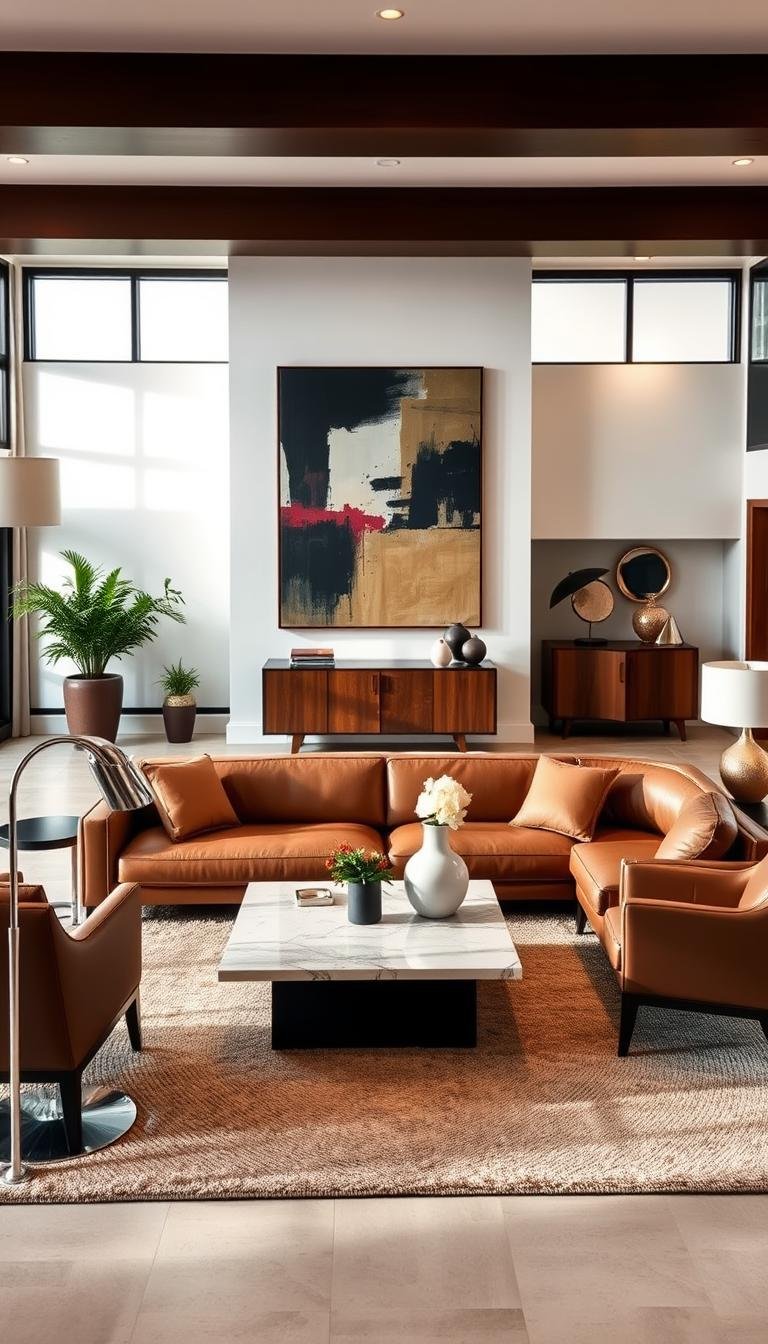
Welcome to your ultimate guide for creating a beautiful living space. We will help you transform your home with elegant design concepts.
Discover how to blend contemporary style with timeless appeal. This approach creates a room that feels both fresh and enduring.
Our tips come from top interior design experts. You will learn practical ways to make your living area reflect your personal taste.
We cover everything from smart zoning to selecting statement pieces. Color choices and layout strategies will help you achieve a sophisticated look.
These ideas work whether you’re starting fresh or updating your current setup. Get ready to build a space that balances beauty with function.
1. Create Distinct Zones for Function and Flow
Your living space deserves smart organization. Zoning creates purpose and harmony in any room. This approach makes your home feel both functional and inviting.
Think about how you use your space daily. You might need areas for conversation, reading, or entertainment. Clear zones help everything flow smoothly.
Designer Janie Molster’s Expansive Florida Layout
Janie Molster transformed a Florida home with high ceilings. She created multiple hangout spots within one large room. Each area serves a different purpose while maintaining visual unity.
Her secret? Careful attention to scale and balance. This allows for mixing numerous pieces without chaos. The result feels both curated and comfortable.
“If you keep scale and balance in mind, the number of products you can mix in is endless.”
Consider your room’s layout before arranging furnishings. Place seating to encourage conversation. Create a reading nook with good lighting. Define media areas with proper furniture placement.
Performance Fabrics for Family-Friendly Luxury
Durability meets style with performance fabrics. These materials withstand daily life while maintaining their chic look. They’re perfect for homes with children or pets.
Today’s performance fabrics offer incredible variety. You’ll find options that feel luxurious yet handle spills and stains. They come in beautiful colors and textures too.
Here’s how performance fabrics compare to traditional options:
| Feature | Performance Fabrics | Traditional Fabrics |
|---|---|---|
| Stain Resistance | Excellent | Variable |
| Durability | High | Medium |
| Cleaning Ease | Easy | Often Difficult |
| Style Options | Extensive | Limited |
| Cost Over Time | Lower | Higher |
Choose fabrics that match your household’s needs. Look for treatments that repel stains. Consider texture for both comfort and practicality. Your seating should welcome everyone without stress.
Implement these zoning techniques today. You’ll create a room that works beautifully for all activities. Your space will feel organized yet wonderfully inviting.
2. Make a Statement with Patterned Accent Pieces
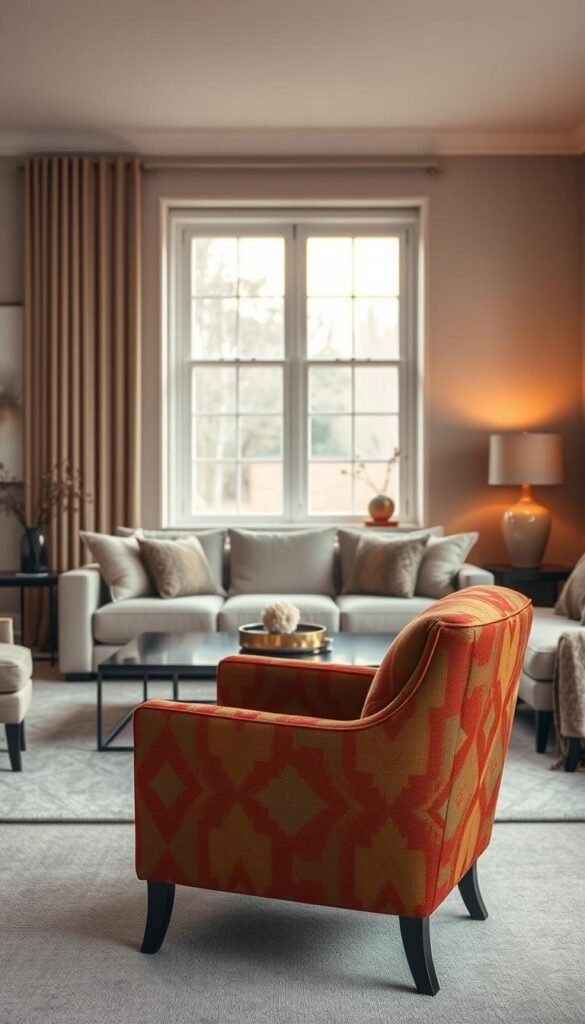
Patterns bring life to your home. They add personality without taking over your entire space. The right accent piece creates visual interest and tells your unique story.
Many people fear patterns will clash or look too busy. This worry keeps rooms feeling safe but sometimes boring. With smart choices, you can break free from plain designs.
Caitlin Jones Ghajar’s Cheetah Print Chair Pairing
Designer Caitlin Jones Ghajar shows how bold patterns work. She paired a bright cobalt sofa with a cheetah print chair. The roll-armed chair adds whimsy while keeping elegance.
Her approach proves patterns can anchor a room’s design. They create focal points that draw the eye beautifully. This combination feels both dynamic and perfectly balanced.
“Cheetah print is a timeless pattern that works as a neutral.”
This statement reveals a key interior design secret. Some patterns function like neutral colors do. They blend with various elements instead of fighting them.
Timeless Prints That Work as Neutrals
Certain patterns always stay in style. Animal motifs and classic designs often fill this role. They provide visual texture without limiting your color choices.
These timeless prints help tie your room together. They create common threads between different pieces and colors. Your space gains cohesion through thoughtful pattern use.
Consider these enduring pattern choices:
- Animal prints like leopard or zebra
- Traditional stripes in varying widths
- Subtle geometric shapes
- Botanical patterns with organic feel
These designs work across many decorating styles. They transition well as your tastes evolve over time. Your investment in quality pieces continues paying off for years.
Patterns should enhance your living space, not overwhelm it. Start with one bold accent piece against solid backgrounds. Gradually introduce additional patterns through smaller items.
Textures play well with patterns too. A nubby throw blanket or woven basket complements printed chairs. This layering creates depth and richness in your room design.
Your home deserves personality and character. Patterned accent pieces deliver both in spades. They make your space uniquely yours while maintaining sophistication.
3. Embrace Bold Colored Upholstery with Confidence
Color transforms your home’s atmosphere instantly. Bold upholstery makes a powerful statement while adding warmth and personality to your room.
Many people hesitate with vibrant colors. They worry about overwhelming their space. With the right approach, you can create a balanced and inviting look.
Stephanie Sabbe’s Ochre Sofa Against Green Walls
Designer Stephanie Sabbe demonstrates masterful color pairing. She selected a rich ochre sofa to complement deep green walls. This combination creates warmth without visual overload.
Her approach shows how contrasting colors can harmonize beautifully. The ochre tone adds sunshine to the cool green background. The result feels both daring and perfectly balanced.
“Color should enhance your space, not dominate it. The right hue creates mood and character.”
This philosophy guides successful interior design. Colors work together to create cohesive spaces. Your room gains personality through thoughtful color choices.
Choosing Colors That Warm Your Space
Color selection involves understanding undertones and lighting. Warm colors like ochre, terracotta, and deep reds create cozy atmospheres. They make large rooms feel more intimate and welcoming.
Consider how natural and artificial light affects your colors. Test samples at different times of day. Observe how colors change from morning to evening light.
Follow these steps for successful color testing:
- Paint large swatches on your walls
- Observe colors under various lighting conditions
- Live with the samples for several days
- See how colors work with your existing decor
This process ensures you make choices you’ll love long-term. It prevents costly mistakes and redesigns. Your confidence grows with each successful color decision.
Bold upholstery serves as excellent focal points. A colorful sofa or chair draws attention beautifully. It anchors your room design while expressing personal style.
Color psychology plays an important role too. Warm hues promote relaxation and conversation. They make your living area feel more inviting and comfortable.
Embrace color with confidence in your home. Start with one bold piece against neutral backgrounds. Gradually introduce additional colors through accessories and art.
Your space deserves personality and warmth. Bold colored upholstery delivers both beautifully. It creates a room that feels uniquely yours while maintaining sophistication.
4. Innovative Coffee Table Solutions for Large Spaces
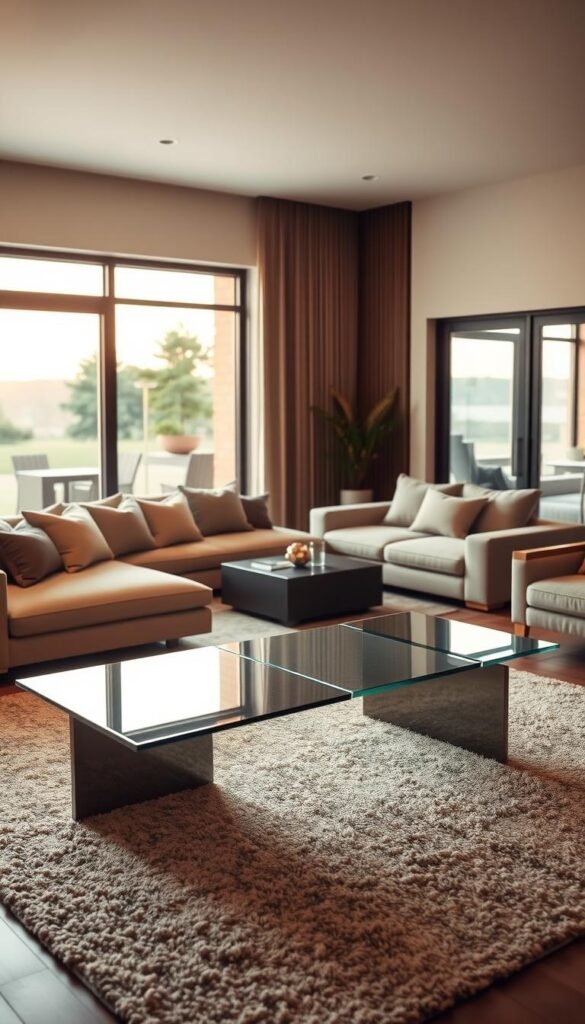
Your large gathering area deserves smart table solutions that work for everyone. The right approach ensures comfort and convenience during social times.
Many people struggle with table placement in spacious rooms. A single table often leaves some seating areas without easy access. Creative solutions solve this common problem beautifully.
Adam Ben Wagner’s Split Table Approach
Designer Adam Ben Wagner developed a brilliant solution for expansive rooms. He divided the coffee table into two separate pieces around a large sectional. This approach provides maximum surface coverage for all guests.
His method ensures everyone has convenient space for drinks and snacks. No one needs to stretch or stand to reach their beverages. The arrangement promotes relaxed conversation and comfort.
“Multiple smaller surfaces often work better than one large table in spacious settings. They create intimacy within large areas.”
This insight changes how we think about table arrangements. Smaller tables can actually enhance social connections. They make large rooms feel more intimate and functional.
Ensuring Accessibility for All Seating Areas
Proper table placement requires careful planning. You need to consider traffic flow and reach distance. Every seat should have easy access without obstruction.
Think about how people move through your space. Tables should allow comfortable passage around the room. They must not block natural walking paths.
Consider these factors when planning your table arrangement:
- Distance from seating – within easy arm’s reach
- Height compatibility with your chairs and sofas
- Clearance for comfortable leg space
- Traffic patterns around the conversation area
These considerations ensure your tables work perfectly in daily use. They become functional assets rather than obstacles.
Different table styles offer various benefits for large areas. Here’s how they compare for spacious room designs:
| Table Type | Best For | Space Requirements | Accessibility Score |
|---|---|---|---|
| Split Tables | Large sectionals | Moderate floor space | Excellent |
| Nesting Tables | Flexible arrangements | Minimal when stored | Very Good |
| Oversized Single | Central focal points | Substantial area | Good |
| Multiple Small | Conversation clusters | Distributed space | Excellent |
| Unconventional Shapes | Style statements | Varies by design | Good to Excellent |
Material choices affect both function and style. Consider durability alongside aesthetic appeal. Your tables should withstand daily use while enhancing your room’s look.
Lightweight options offer rearrangement flexibility. Heavier materials provide stability and presence. Choose based on your lifestyle and design preferences.
Implement these innovative table solutions in your home. You’ll create a space that works beautifully for entertaining and daily life. Your guests will appreciate the thoughtful accessibility.
5. Skip the Traditional Sofa for Versatile Seating
Your gathering area deserves flexible seating arrangements. Moving beyond standard sofas opens up exciting possibilities. This approach creates a dynamic environment that adapts to your changing needs.
Traditional sofas often anchor a room in one fixed layout. Versatile seating options offer freedom and creativity. You can rearrange your space for different occasions and moods.
Breegan Jane’s Woven Armchair Groupings
Designer Breegan Jane transformed her California home with clever seating choices. She selected groupings of woven armchairs instead of a bulky sofa. This decision created both comfort and flexibility.
Her approach demonstrates how alternative seating can work beautifully. The armchairs provide individual comfort while maintaining visual cohesion. They create intimate conversation areas within the larger space.
“These chairs are extremely comfortable, lightweight, and easy to reconfigure on a whim.”
This philosophy emphasizes adaptability in your home design. Your space can evolve with your daily activities and social needs. The result feels both intentional and spontaneous.
Lightweight Furniture for Easy Reconfiguration
Lightweight pieces transform how you use your room. They allow quick changes for different events and purposes. Your space becomes truly multi-functional without compromise.
Consider these benefits of flexible seating arrangements:
- Easy adaptation for large gatherings or small groups
- Quick rearrangement for different activities
- Better traffic flow and movement patterns
- Fresh perspectives and visual interest
Various seating types work well in this approach. Armchairs, benches, and ottomans offer excellent alternatives. They provide functionality without permanent layout constraints.
Material choices impact both style and practicality. Lightweight frames with durable fabrics work best. They combine easy movement with long-lasting performance.
Your room design gains personality through creative seating. The space feels more interactive and engaging. Guests appreciate the comfortable, adaptable environment.
Modular seating creates openness while maintaining coziness. It offers the best of both worlds for modern living. Your home becomes a truly dynamic living space.
Select pieces that balance style with practicality. Look for designs that encourage movement and creativity. Your interior design will feel fresh and inviting.
This approach makes your room more welcoming and functional. You’ll enjoy the freedom to change your space as needed. It’s a smart way to maximize your home’s potential.
6. Build Your Room Around a Vintage Statement Piece
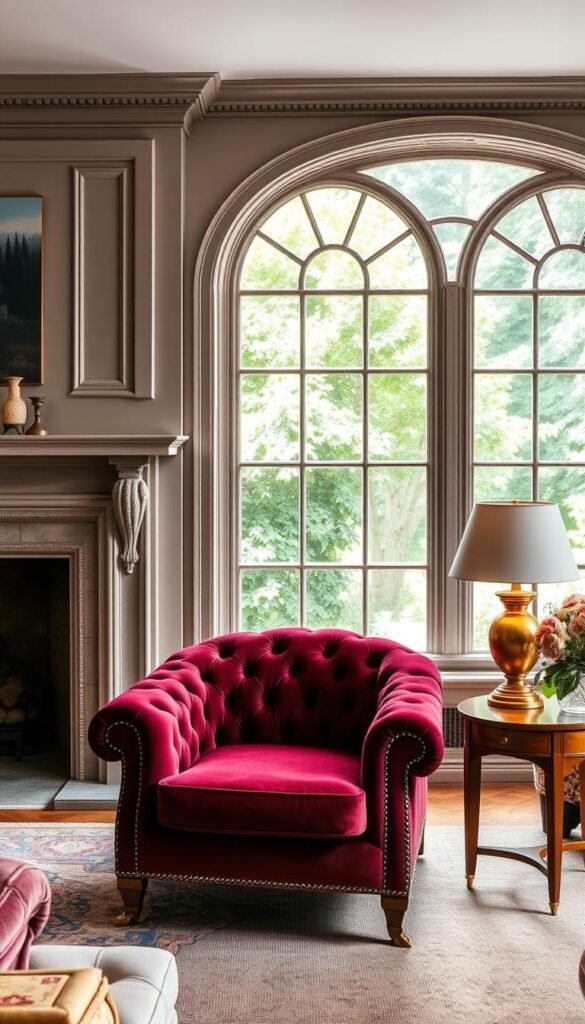
Your home gains soul when you center it around something with history. A vintage find brings character that new pieces simply cannot match. It becomes the heart of your space, telling a story while serving daily needs.
Designer Kelly Hurliman understood this power perfectly. She built an entire Florida entryway living area around a massive 17-foot vintage sectional. This bold piece comfortably seats ten people while creating an unforgettable focal point.
Kelly Hurliman’s 17-Foot Sectional Focal Point
Hurliman’s approach shows how one grand piece can transform a room. The oversized sectional dictated the entire layout and flow. Everything else in the space complements this magnificent centerpiece.
Her design proves that scale matters when making a statement. The sectional’s generous proportions create instant comfort and hospitality. Guests naturally gather around this inviting seating area.
“A great vintage piece gives your room immediate personality and warmth. It becomes the foundation everything else builds upon.”
This philosophy changes how we approach room design. Instead of filling spaces with many small items, one strong anchor creates cohesion. Your space feels intentional rather than accidental.
Designing for Comfort and Capacity
Statement pieces must work as hard as they impress. Hurliman’s sectional delivers both visual impact and practical function. It handles large gatherings while maintaining everyday comfort.
Consider these factors when selecting your vintage centerpiece:
- Measure your space carefully before hunting for pieces
- Test seating comfort thoroughly before purchasing
- Consider fabric durability and cleaning requirements
- Evaluate structural integrity and potential restoration needs
Balance becomes crucial with oversized statement items. The rest of your decor should complement without competing. Scale other furnishings appropriately around your focal piece.
Here’s how to integrate vintage finds with contemporary elements:
| Element | Vintage Piece Role | Modern Complement Role | Balance Technique |
|---|---|---|---|
| Seating | Focal point with character | Additional seating options | Match scale, contrast styles |
| Tables | Unique conversation pieces | Functional surfaces | Mix materials, maintain heights |
| Lighting | Statement fixtures | Task lighting solutions | Blend eras, coordinate finishes |
| Textiles | Pattern and history | Comfort and performance | Complement colors, vary textures |
| Accessories | Personal history items | Current personal pieces | Create visual conversation |
Finding quality vintage items requires patience and knowledge. Visit reputable dealers and estate sales. Learn to identify well-made pieces worth restoring.
Restoration should preserve character while ensuring comfort. Reupholster with quality fabrics that meet your lifestyle needs. Structural repairs should maintain the piece’s integrity.
Your vintage centerpiece will reward you with years of enjoyment. It creates a room that feels collected rather than decorated. Your space gains depth and personality that grows over time.
7. Layer Rugs for Texture and Visual Interest
Your floor deserves the same attention as your walls and furnishings. Layering rugs creates depth and dimension underfoot. This technique transforms ordinary flooring into a design feature.
Many people overlook the power of floor coverings. They settle for one basic rug that does little for the room. With strategic layering, you achieve both style and comfort.
Celerie Kemble’s Flatweave and Patterned Combination
Designer Celerie Kemble demonstrated brilliant rug layering in a Southampton home. She placed a sleek flatweave beneath a patterned rug. This combination created both visual dynamism and cozy warmth.
Her approach shows how different textures work together beautifully. The flatweave provides stability and subtle pattern. The top rug adds personality and plush comfort.
“Layering rugs allows you to experiment with pattern and texture without permanent commitment. It’s like adding a seasonal sweater to your room’s foundation.”
This philosophy makes design accessible and flexible. You can change the look as your tastes evolve. The foundation remains constant while the top layer refreshes your space.
Creating Coziness Through Floorcoverings
Layered rugs transform hard surfaces into inviting areas. They add warmth both visually and physically. Your room feels more comfortable and complete.
This technique works particularly well in open concept spaces. It helps define different functional zones within one room. Each area gains its own character through floor treatment.
Consider these benefits of rug layering:
- Enhanced comfort underfoot for daily living
- Visual definition of conversation areas
- Opportunity to mix patterns safely
- Protection for expensive flooring beneath
- Easy seasonal updates without major investment
Successful layering requires attention to scale and proportion. The bottom rug should be larger than the top one. This creates a visible border that frames the arrangement.
Color coordination ensures harmony between layers. Choose complementary tones rather than exact matches. Texture variation adds interest without visual chaos.
Here’s how different rug materials work in layered arrangements:
| Material Type | Best Position | Comfort Level | Maintenance | Style Contribution |
|---|---|---|---|---|
| Flatweave | Base layer | Medium | Easy | Subtle texture |
| Wool Pile | Top layer | High | Medium | Plush elegance |
| Natural Fiber | Either layer | Variable | Easy | Organic feel |
| Synthetic | Top layer | High | Very Easy | Practical style |
| Hide/Skin | Top layer | Medium | Medium | Natural statement |
Anchoring prevents slipping and maintains your beautiful arrangement. Use rug pads between layers for safety and stability. This also extends the life of both rugs.
Maintenance becomes easier with layered rugs. You can remove and clean the top rug separately. The base layer requires less frequent cleaning.
Experiment with rug layering in your home. Start with a neutral base and patterned top. Adjust based on your room’s traffic and lighting.
Your floor will become an integral part of your interior design. It will tie together various elements throughout the space. The result feels both intentional and wonderfully inviting.
8. Color-Drenching for Cohesive Sophistication
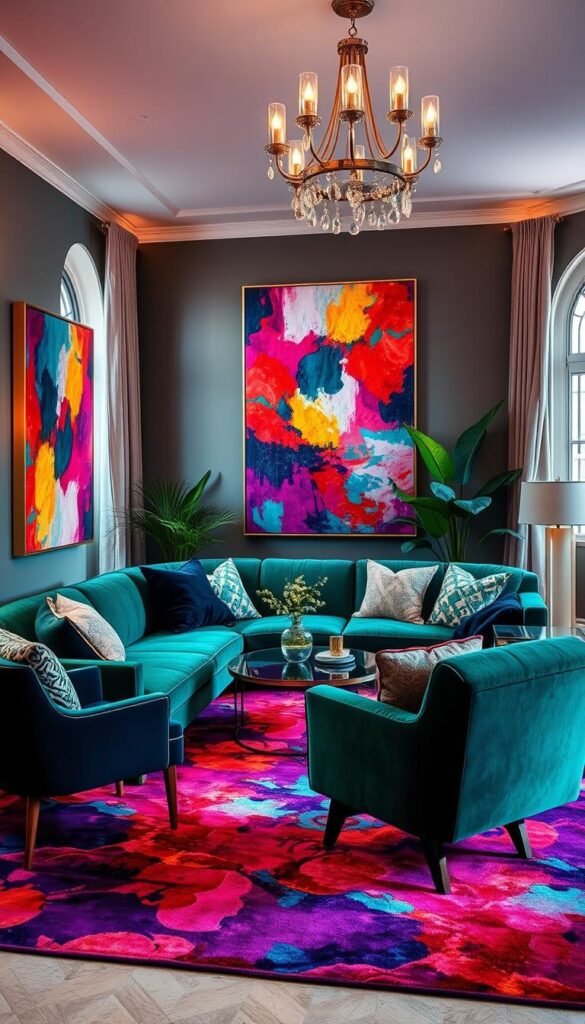
Transform your home with a powerful design technique that creates instant harmony. Color-drenching wraps your space in a single hue for a polished, unified look.
This approach makes any room feel intentional and well-designed. You achieve a calm atmosphere through thoughtful color application.
Amber Lewis’s Sage Green TV Room
Designer Amber Lewis demonstrated this technique beautifully. She enveloped a television room in soothing sage green.
Everything from walls to sofa upholstery received the same treatment. The result feels both cozy and incredibly put-together.
“A monochromatic scheme creates instant tranquility. It allows textures and forms to shine without color competition.”
Her work shows how bold color choices can actually calm a space. Consistency brings peace rather than chaos.
Monochromatic Palettes That Create Harmony
Single-color schemes work magic in interior design. They reduce visual clutter and elevate your room’s sophistication.
Your eyes relax when surrounded by harmonious tones. The space feels larger and more organized.
Choose colors that complement your natural light. North-facing rooms need warmer tones. South-facing spaces handle cooler hues well.
Test paint samples at different times of day. Observe how colors change with artificial lighting too.
Consider these benefits of monochromatic design:
- Creates seamless visual flow throughout the space
- Makes small rooms appear more spacious
- Highlights architectural details and textures
- Provides sophisticated, designer-quality results
- Simplifies decorating decisions and coordination
Texture variation becomes crucial in single-color schemes. Mix matte and glossy finishes. Combine smooth and rough materials.
This adds depth while maintaining color consistency. Your room gains interest without breaking the monochromatic theme.
Here’s how to successfully implement color-drenching:
| Element | Color Application | Considerations | Impact Level |
|---|---|---|---|
| Walls | Primary color surface | Finish affects light reflection | High |
| Ceiling | Same color family | Can be lighter or darker | Medium |
| Flooring | Complementary tone | Consider practicality | Medium |
| Furniture | Matching upholstery | Fabric performance matters | High |
| Accessories | Subtle variations | Adds visual interest | Low |
Psychological effects make this approach particularly valuable. Blue tones promote relaxation. Greens create natural harmony. Warm colors encourage conversation.
Your chosen hue influences the room’s mood and function. Select colors that support how you use the space.
Fabric coordination ensures seamless integration. Bring paint samples when selecting upholstery. Compare under both natural and artificial light.
Small variations in tone add depth without breaking the scheme. Your room gains richness through subtle differences.
Implement color-drenching in your home today. Start with one room to build confidence. You’ll create a space that feels both sophisticated and wonderfully cohesive.
9. Invest in Artwork That Resonates Personally
Art transforms your walls into windows of personal expression. The right pieces create emotional connections that enrich your daily experience. They become more than decoration – they become part of your home’s story.
Designer Jessica Davis champions this heartfelt approach to art selection. She believes meaningful pieces deliver happiness returns that far outweigh their cost. Your space gains soul when filled with artwork you genuinely adore.
Jessica Davis’s Approach to Meaningful Pieces
Davis focuses on emotional connection rather than following trends. She encourages choosing art that speaks to your personal journey. This creates environments that feel authentically yours rather than copied from magazines.
“Investing in artwork that resonates personally pays dividends in home happiness. You don’t need a fortune – just pieces that truly speak to you.”
Her philosophy emphasizes long-term satisfaction over temporary style. Art you love today will likely bring joy for years to come. This approach builds a collection with lasting personal value.
Art as an Investment in Home Happiness
Thoughtful art selection enhances your daily living experience. It adds cultural depth and personal significance to your environment. Your space becomes more meaningful through pieces that reflect your tastes.
Consider these benefits of personally resonant artwork:
- Creates emotional connections with your living environment
- Adds cultural value beyond mere decoration
- Reflects your unique personality and journey
- Provides daily inspiration and visual pleasure
- Builds a collection that grows more valuable over time
Budget considerations remain important but manageable. You can find quality pieces at various price points. Focus on emotional return rather than expensive names.
Here’s how to balance quality and budget in art selection:
| Budget Range | Best Options | Emotional Value Potential | Long-term Satisfaction |
|---|---|---|---|
| Under $200 | Prints, local artists, online markets | High with personal connection | Excellent when chosen thoughtfully |
| $200-$500 | Emerging artists, limited editions | Very High | Very Good |
| $500-$1000 | Established local artists, quality originals | High | Excellent |
| $1000+ | Gallery pieces, recognized artists | Variable – depends on connection | Good to Excellent |
Placement strategies maximize your art’s impact. Consider lighting, sight lines, and room flow. Proper placement turns pieces into focal points that enhance your overall design.
Mixing art types creates dynamic visual interest. Combine paintings, photographs, and sculptures for variety. This approach adds depth and dimension to your room design.
Your artwork should complement your space’s style while expressing personal preferences. The right balance creates harmony between decor and personal expression.
Start building your collection with pieces that genuinely move you. Let your heart guide selections more than trends or opinions. Your home will become a truer reflection of your unique spirit.
10. Modern Farmhouse Fusion for Warm Neutral Tones
Your home deserves a style that feels both fresh and timeless. Modern farmhouse fusion achieves this balance beautifully. It combines rustic charm with contemporary elegance.
This approach creates spaces that feel welcoming yet sophisticated. You get the best of both design worlds in one cohesive look.
Suzanne Kasler’s Textural Emphasis
Designer Suzanne Kasler mastered this style with her signature approach. She created casually elegant interiors using warm neutral palettes. Her work emphasizes texture over bold color statements.
Kasler combines materials like wood, linen, and metal thoughtfully. This mixture adds depth and visual interest throughout the room. Each texture contributes to the overall balanced aesthetic.
“Texture creates richness where color might overwhelm. It’s the secret to a layered, interesting space that feels cohesive.”
Balancing Rustic Elements with Refined Style
Modern farmhouse avoids the overly rustic feel of traditional styles. It incorporates cleaner lines and contemporary pieces. This creates a look that feels current yet comfortable.
The key lies in careful selection and placement. Use rustic accents as supporting elements rather than main features. Reclaimed wood or vintage accessories work well in moderation.
Consider these strategies for successful blending:
- Choose one or two rustic pieces as focal points
- Balance with modern furnishings in similar tones
- Use texture to create harmony between different styles
- Maintain consistent color palettes throughout
Neutral colors form the foundation of this approach. They create warmth without appearing bland or stark. Your space feels inviting rather than sterile.
Select tones that complement your natural light. Warm grays, soft beiges, and creamy whites work beautifully. These shades provide flexibility for accent colors.
Texture becomes your primary design tool in this style. It adds variety and interest without competing colors. Your room gains depth through thoughtful material combinations.
Here’s how different textures work in modern farmhouse design:
| Material | Best Use | Visual Impact | Comfort Level |
|---|---|---|---|
| Reclaimed Wood | Accent pieces, flooring | High character | Medium |
| Linen | Upholstery, window treatments | Soft elegance | High |
| Metals | Hardware, light fixtures | Industrial contrast | Low |
| Natural Fibers | Rugs, baskets | Organic warmth | Medium |
| Leather | Seating, accessories | Rich texture | High |
This style works well in various room sizes. It makes large spaces feel cozier and intimate. Smaller areas gain visual depth through texture variation.
Your home will feel both current and enduring. Modern farmhouse fusion creates spaces you’ll love for years. It’s a smart way to achieve timeless appeal with contemporary comfort.
11. Incorporate Occasional Chairs for Balance
Your seating arrangement gains harmony through thoughtful additions. Occasional chairs bring both function and visual appeal to your space. They create balance while offering flexible seating options.
These chairs work beautifully in any room layout. They provide extra seats without permanent commitment. Your design gains flexibility and style.
Sam Sacks’s Woven Chair and Velvet Couch Pairing
Designer Sam Sacks demonstrated brilliant contrast in his approach. He paired a substantial green velvet sofa with a lightweight woven chair. This combination created both visual and physical balance.
The wooden frame with textile seating offered perfect counterpoint. It balanced the heavy couch’s presence beautifully. The room gained harmony through this thoughtful pairing.
“Contrasting weights and textures create dynamic equilibrium. A light chair can anchor a heavy sofa visually.”
This philosophy shows how opposites attract in interior design. Different elements can work together perfectly. Your space gains interest through careful contrast.
Playing with Weight and Aesthetic Contrast
Visual weight matters in room design. Heavy pieces need light counterparts for balance. This creates comfortable harmony throughout your space.
Consider these elements when selecting occasional chairs:
- Material weight compared to main seating
- Color contrast with existing pieces
- Texture variation for visual interest
- Scale proportion relative to other furniture
Placement strategies ensure functional beauty. Position chairs to enhance conversation areas. They should welcome guests without blocking flow.
Here’s how different chair types balance various sofa styles:
| Sofa Type | Best Chair Contrast | Visual Balance | Functional Benefit |
|---|---|---|---|
| Heavy Sectional | Lightweight Armchair | Excellent | Flexible seating |
| Low Profile | Tall Back Chair | Very Good | Vertical interest |
| Neutral Upholstery | Patterned Accent | Excellent | Color pop |
| Modern Design | Traditional Shape | Good | Style blend |
Your chairs should complement your existing decor. Choose colors that harmonize with your palette. Materials should feel cohesive yet interesting.
Comfort remains essential for occasional seating. Test chair depth and support before purchasing. Your guests will appreciate thoughtful comfort.
Durability ensures long-term satisfaction. Select fabrics that withstand regular use. Frame construction should promise years of service.
Implement these balance techniques in your home. You’ll create a space that feels both beautiful and functional. Your room will welcome everyone comfortably.
12. Concrete Fireplaces as Industrial Centerpieces
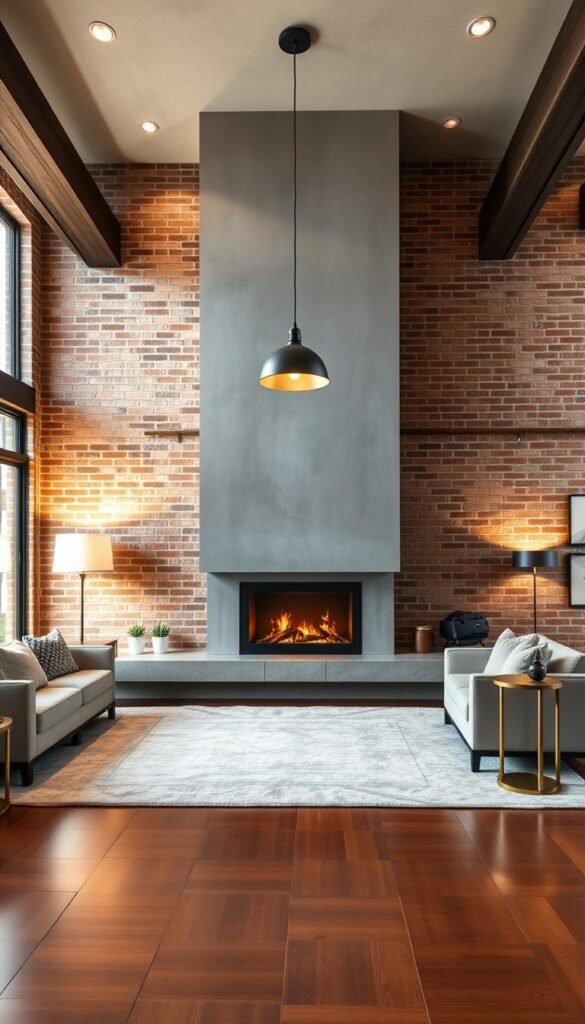
Your gathering space gains character with a striking focal point. Concrete fireplaces bring industrial charm to your home. They create visual interest while serving practical needs.
Many people associate concrete with cold, sterile environments. With smart design choices, this material becomes warm and inviting. The right approach transforms concrete into a cozy feature.
Liz Carroll’s Board-Form Technique
Designer Liz Carroll introduced warmth to industrial design through innovation. She used a board-form technique on a concrete fireplace. This method created a subtle woodgrain effect on the surface.
Her approach softened the material’s harsh appearance beautifully. The textured finish added organic character to the modern feature. The result felt both contemporary and comfortably warm.
“Board-formed concrete brings tactile warmth to industrial elements. It’s the perfect marriage of raw material and refined technique.”
This philosophy demonstrates how materials can evolve beyond their typical uses. Concrete gains new personality through creative treatment.
Modern Materials with Warmth-Adding Effects
Contemporary materials offer exciting design possibilities. Concrete provides durability and sleek aesthetics. Balancing these qualities with warmth creates harmonious spaces.
Your fireplace should feel inviting rather than cold. Consider these warmth-adding strategies for concrete features:
- Textured finishes that create visual softness
- Complementary materials like wood or metal
- Strategic lighting that enhances natural warmth
- Color treatments that reduce starkness
Integration requires careful planning and execution. Consider your room’s overall style and dimensions. The fireplace should complement rather than dominate your space.
Placement affects both function and atmosphere. Center your fireplace as a natural gathering point. Ensure proper clearance and safety measures.
Here’s how concrete compares to other fireplace materials:
| Material | Warmth Level | Maintenance | Style Impact | Cost Considerations |
|---|---|---|---|---|
| Concrete | Medium (with treatment) | Low | High | Medium |
| Brick | High | Medium | Traditional | Low to Medium |
| Stone | High | Medium | Rustic to Elegant | High |
| Metal | Low | Low | Industrial | Variable |
| Tile | Medium | Low | Versatile | Low to High |
Customization options let you personalize your feature. Choose finishes that match your aesthetic preferences. Consider functional aspects like heat output and safety.
Maintenance ensures long-term beauty and performance. Regular cleaning preserves the surface appearance. Address any cracks or damage promptly.
Safety measures protect your home and family. Install proper ventilation and clearance systems. Use heat-resistant materials around the fireplace.
Your concrete fireplace will become a cherished feature. It adds character and function to your room. The result feels both contemporary and wonderfully inviting.
13. Statement Wallpaper for Bold Personality
Your walls offer the perfect canvas for expressing your unique character. Statement wallpaper transforms ordinary surfaces into extraordinary design features that define your entire space.
This approach lets you make a powerful style declaration without major renovations. You can completely change your room’s atmosphere with well-chosen patterns.
Jungle-Inspired Patterns for Cocoon-like Spaces
Designer Liz Carroll demonstrated this technique with brilliant results. She selected a jungle-inspired wallpaper to create a cocoon-like feeling in a room.
Her choice added warmth to a minimalist foundation beautifully. The pattern made the space feel enveloping yet not overwhelming.
“Botanical patterns bring nature indoors while maintaining sophistication. They create intimacy in even the most minimalist spaces.”
This approach works particularly well in contemporary interiors. It breaks up monotony while adding depth and visual interest.
Adding Warmth to Minimalist Foundations
Minimalist designs sometimes risk feeling cold or impersonal. Statement wallpaper solves this problem elegantly. It introduces personality without clutter.
Your room gains character through thoughtful pattern selection. The right design enhances your existing furniture and decor.
Consider these benefits of statement wallpaper:
- Creates instant focal points on blank walls
- Adds depth and dimension to flat surfaces
- Introduces color in a controlled, artistic way
- Defines spaces within open-concept layouts
Pattern scale matters for successful application. Large patterns work best in spacious rooms. Smaller designs suit cozier spaces better.
Lighting affects how patterns appear throughout the day. Test samples under both natural and artificial light. Observe how colors change in different conditions.
Here’s how to select wallpaper for various room characteristics:
| Room Feature | Best Pattern Type | Color Intensity | Visual Impact |
|---|---|---|---|
| Small Space | Small to medium scale | Medium | Cozy enhancement |
| Large Room | Large scale | High | Dramatic statement |
| Low Light | Light colors | Medium | Brightening effect |
| High Ceilings | Vertical patterns | Variable | Height emphasis |
| Open Concept | Defining patterns | High | Space division |
Application techniques ensure professional results. Proper surface preparation prevents future issues. Professional installation often delivers the best outcome.
Maintenance keeps your wallpaper looking fresh. Most modern options feature washable surfaces. They withstand cleaning without losing vibrancy.
Pair wallpaper with complementary textures for richness. Combine with simple furnishings to avoid visual competition. Your space will feel both bold and balanced.
Longevity considerations guide smart choices. Quality materials maintain their appearance for years. Timeless patterns remain stylish through changing trends.
Implement statement wallpaper in your home today. Start with one accent wall to build confidence. You’ll create a space that truly reflects your personality.
14. Curved Furniture for Midcentury Modern Flair
Your gathering space gains organic elegance with flowing lines and natural warmth. Curved pieces bring softness and sophistication to your interior design. They create visual harmony while offering comfortable seating solutions.
Midcentury style embraces these organic shapes beautifully. The approach feels both retro and refreshingly current. Your room gains character through thoughtful curve integration.
Amy Knerr’s Wood Paneling and Curved Sofa
Designer Amy Knerr demonstrates perfect midcentury balance in her work. She combined rich wood paneling with a gracefully curved sofa. Warm neutrals created a cozy yet elevated atmosphere.
Her approach shows how different elements work together harmoniously. The wood adds texture and natural warmth. The curved sofa provides softness and inviting comfort.
“Curved furniture creates natural flow and intimacy in a room. It welcomes people in and encourages conversation.”
This philosophy emphasizes both beauty and function in design. Your space becomes more inviting through organic shapes.
Warm Neutrals for Elevated Coziness
Neutral color palettes form the foundation of this style. They create warmth without overwhelming your senses. Your room feels both sophisticated and wonderfully comfortable.
These tones work beautifully with natural materials like wood. They highlight textures rather than competing with them. The result feels cohesive and intentionally designed.
Consider these warm neutral options for your space:
- Soft beige and cream tones
- Warm gray with brown undertones
- Gentle taupe and greige shades
- Muted terracotta and blush tones
Lighting affects how these colors appear throughout the day. Test samples under both natural and artificial light. Observe how tones change with different illumination.
Curved furniture improves room flow significantly. It eliminates harsh angles that can feel disruptive. Your space gains natural movement and better traffic patterns.
Select pieces that balance retro charm with contemporary comfort. Look for quality construction and durable materials. Your investment will provide years of enjoyment.
Accessories should complement rather than compete. Choose simple, elegant pieces that enhance the overall look. Your room will feel both curated and comfortably lived-in.
Implement these design principles in your home. You’ll create a space that honors midcentury style while feeling completely current. The result will be both beautiful and wonderfully functional.
15. Antique and Modern Juxtaposition for Timelessness
The art of mixing antique treasures with contemporary pieces transforms ordinary spaces into extraordinary living environments. This approach creates a timeless design that feels both intentional and beautifully curated.
When you blend different eras, your room gains depth and character. Each piece tells part of your home’s story. The result feels collected rather than decorated.
Wendy Labrum’s Chicago House Contrast
Designer Wendy Labrum mastered this technique in a Chicago residence. She placed antique pieces directly beside modern furnishings. This created stunning visual contrast that felt harmonious.
Her approach demonstrates how old and new elements can coexist beautifully. The combination adds interest while maintaining cohesion. Each piece enhances the other through thoughtful placement.
“Juxtaposition creates conversation between pieces. It’s not about matching eras but creating balance and interest.”
Labrum’s method highlights intentional placement strategies. She ensures each piece contributes to the room’s overall narrative. The space feels both historic and current.
Creating Intentional Design Through Comparison
Successful blending requires careful consideration of several elements. Scale, color, and style must work together. This prevents visual dissonance while creating harmony.
Consider these factors when mixing antique and modern pieces:
- Balance proportions so neither era dominates
- Use complementary colors to create visual flow
- Maintain consistent lines and shapes where possible
- Allow each piece enough space to shine individually
This approach lets you incorporate history and character. Your space remains contemporary and functional. The blend feels both unique and personal.
Here’s how to successfully integrate antique pieces with modern elements:
| Element | Antique Contribution | Modern Complement | Balance Technique |
|---|---|---|---|
| Seating | Character and history | Comfort and function | Match scale, contrast upholstery |
| Tables | Unique craftsmanship | Clean lines | Similar heights, different materials |
| Lighting | Ornate details | Minimalist design | Coordinate finishes |
| Accessories | Storytelling elements | Sleek simplicity | Group by color theme |
| Textiles | Traditional patterns | Solid colors | Complementary tones |
Practical sourcing advice helps you find quality antiques. Visit reputable dealers and estate sales. Look for pieces with good structural integrity.
Maintenance ensures your vintage finds last for years. Regular cleaning preserves their beauty. Address any repairs promptly to maintain value.
Your living environment becomes richer through this blending. The space tells a story that spans generations. It feels both timeless and perfectly current.
Implement these techniques in your home today. Start with one antique piece among modern furnishings. You’ll create a space that truly reflects your unique style.
16. Final Touches for Your Sophisticated Space
Your room’s personality shines through thoughtful final details. These elements bring everything together beautifully.
Choose accessories that enhance your color scheme. Throw pillows and blankets add comfort and texture. They create layers that make your space feel complete.
Lighting sets the perfect mood in your home. Use both statement fixtures and subtle lamps. They highlight key areas and create wonderful ambiance.
Personal items like books or photos add unique character. They make the space truly yours while keeping a polished look. Arrange them carefully to avoid clutter.
Mirrors, plants, and art bring life and depth. They make your living area feel dynamic and inviting. Each piece should contribute to overall harmony.
These final touches reflect your personal style. They ensure your room remains comfortable and stylish for years. Enjoy creating a space that feels perfectly complete.