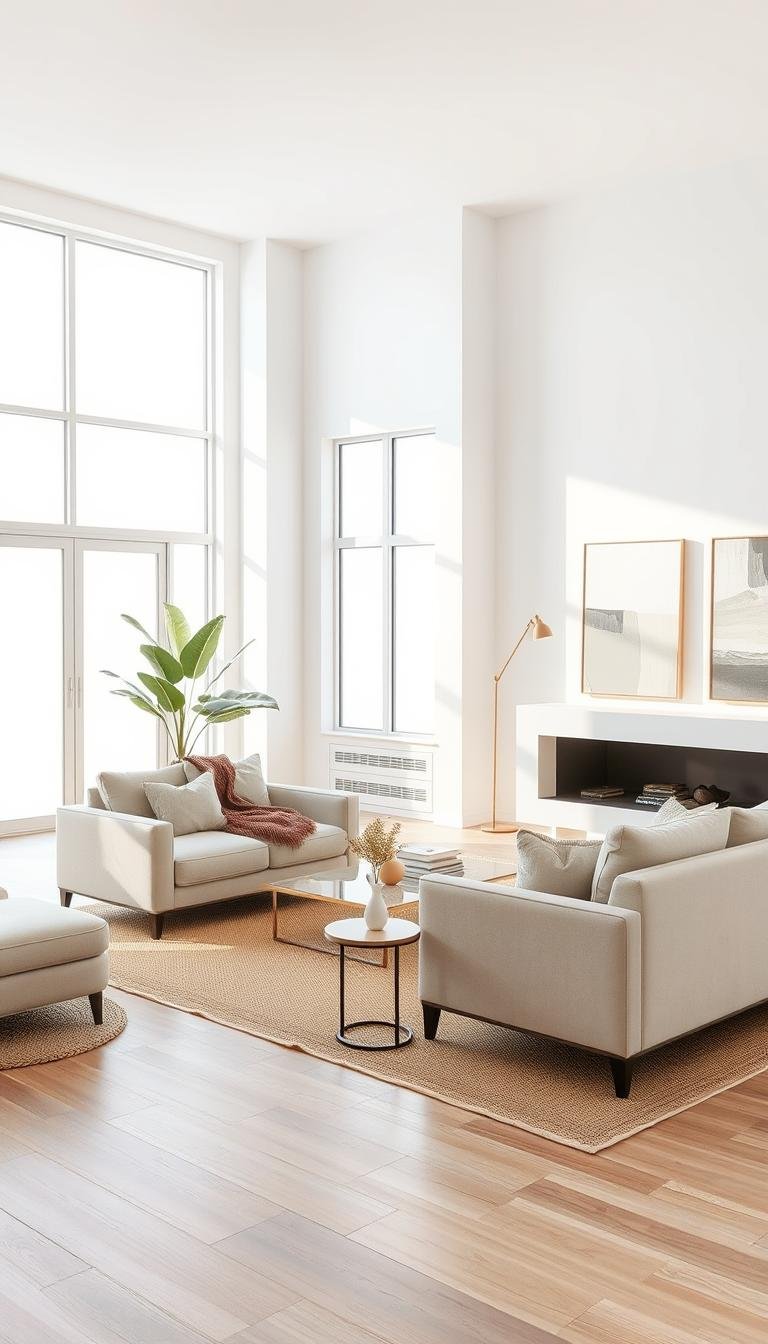
Welcome to your complete guide on creating a peaceful and stylish space. We’ll show you how to transform your area into a personal retreat that feels both calm and inviting.
This approach to design focuses on thoughtful choices rather than empty spaces. It’s about selecting quality pieces that serve a purpose and bring you joy.
You’ll discover how simplicity can actually increase comfort in your everyday life. A well-planned space is not only beautiful but also incredibly easy to maintain.
By reducing visual clutter, you create an environment that lowers stress. Whether starting fresh or updating your current setup, these ideas will help you achieve a cohesive look.
Get ready to see how less can truly be more when crafting your ideal living environment. Let’s begin this journey toward a more intentional and peaceful home.
Understanding the Core of Minimalist Design
Discover how Scandinavian roots shaped this style into what we know and love today. This approach to interior design emerged in the mid-20th century, focusing on simplicity and functionality above all else.
The philosophy centers around creating spaces that serve you rather than overwhelm you. It’s about making intentional choices that bring peace and purpose to your environment.
Less is More: The Philosophy Behind the Style
This famous phrase isn’t just a catchy slogan—it’s a practical way to approach your living rooms. When you keep things simple, you allow each element to shine and serve its purpose.
Thoughtful design choices emphasize quality over quantity in every aspect. You select pieces that truly matter rather than filling space with unnecessary items.
The connection to nature remains vital in this design approach. Natural materials and clean spaces create harmony between your indoor environment and the outside world.
Benefits of a Clutter-Free Living Environment
A simplified space offers immediate practical advantages. Maintenance becomes effortless when you have fewer things to manage and clean.
Your mental clarity improves significantly in an uncluttered space. Visual noise reduction leads to lower stress levels and better focus in your daily life.
Environmental benefits make this approach particularly relevant today. Reduced consumption aligns with sustainable living practices during our current climate challenges.
This design philosophy adapts beautifully to various living situations. Whether you have a small apartment or spacious house, the principles work effectively.
| Traditional Approach | Minimalist Design |
|---|---|
| Multiple decorative items | Few meaningful elements |
| Frequent furniture purchases | Quality pieces that last |
| Complex cleaning routine | Easy maintenance |
| Visual stimulation | Calm room feel |
| Constant consumption | Intentional acquisition |
The right elements create spaces that are both beautiful and completely functional. You achieve a room feel that balances aesthetics with everyday practicality.
Every design decision becomes meaningful when you apply these principles. Your space reflects your values rather than following trends.
Establishing Your Neutral Color Foundation
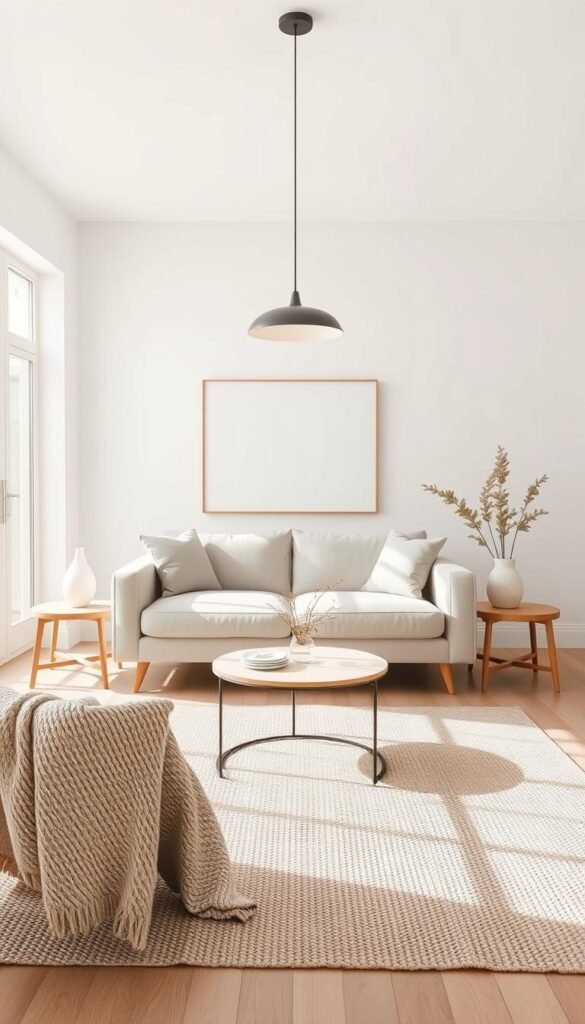
Color sets the foundation for any beautiful space, and choosing the right palette makes all the difference. The right hues create harmony and set the mood for your entire environment.
Neutral tones form the backbone of serene interiors. They provide a calm backdrop that lets your favorite pieces shine while maintaining visual peace.
Why Beige, White, and Grey are Your Best Friends
These timeless shades create an atmosphere of tranquility and sophistication. They work beautifully together while allowing flexibility in your design choices.
Beige brings warmth to your space without overwhelming the senses. White reflects light beautifully, making areas feel more open and airy.
Grey offers a modern, sophisticated feel that pairs well with various materials. These colors create depth when layered thoughtfully throughout your interior.
As design expert Maria Thompson notes,
“Neutral palettes provide the perfect canvas for personal expression while maintaining visual calm.”
How to Introduce a Subtle Pop of Color
Strategic color accents can transform a neutral foundation into something uniquely yours. The key is restraint and intentional placement.
Consider adding a single vibrant piece of furniture or artwork. This creates a focal point without disrupting the serene atmosphere you’ve created.
Pastel shades work wonderfully for adding personality while maintaining calm. Soft blues, gentle greens, or muted terracotta can add interest without overwhelming.
The classic black-and-white combination remains a timeless choice. It creates dramatic contrast while staying within a neutral framework.
| Neutral Approach | Visual Effect | Best For |
|---|---|---|
| All-white scheme | Bright, airy feel | Small spaces needing light |
| Grey tones layered | Sophisticated depth | Modern aesthetic lovers |
| Beige warmth | Cozy atmosphere | Creating comfort zones |
| Black-white contrast | Dramatic elegance | Statement interiors |
| Pastel accents | Subtle personality | Personal touch addition |
Your color choices directly impact how your space feels and functions. Thoughtful selection creates environments that are both beautiful and perfectly suited to your lifestyle.
Remember that less is often more when working with color. Each hue should serve a purpose and contribute to the overall harmony of your space.
Selecting Furniture with Purpose and Clean Lines
Your furniture choices define the entire feel of your space. Every piece should serve a clear purpose while enhancing visual harmony.
Focus on items that combine beauty with everyday functionality. This approach creates an environment that feels both intentional and completely livable.
“The right furniture doesn’t just fill space—it creates experiences and supports how you actually live.”
Choosing Low-Profile and Functional Pieces
Low-height items maintain sightlines and make your area feel more expansive. They create an open atmosphere that breathes calm into your daily routine.
Sectional sofas with simple silhouettes offer comfortable seating without visual weight. Look for designs that provide ample comfort while keeping a streamlined appearance.
Round wooden coffee tables introduce organic warmth through natural materials. Their curved edges soften the geometry of straight lines throughout your space.
Multi-functional pieces maximize utility without adding clutter. Consider storage ottomans or nesting tables that serve multiple needs beautifully.
The Importance of Quality Over Quantity
Investing in fewer, better-crafted items creates lasting value. Quality construction ensures your pieces remain beautiful through years of use.
Each furniture selection should contribute to a cohesive overall design. Thoughtful choices result in spaces that feel complete rather than crowded.
Proper scale and proportion maintain visual balance throughout your area. Clean lines furniture from reputable manufacturers often features these considered dimensions.
Durable materials like solid wood or quality metals ensure longevity. These investments pay off through years of reliable service and enduring style.
| Furniture Type | Key Feature | Space Benefit |
|---|---|---|
| Low-profile sofa | Streamlined silhouette | Creates open sightlines |
| Round wooden table | Organic material | Adds natural warmth |
| Modular seating | Flexible configuration | Adapts to various needs |
| Storage ottoman | Dual functionality | Reduces visible clutter |
| Nesting tables | Space-efficient design | Maximizes utility |
Arrangement matters as much as selection. Position pieces to facilitate conversation and movement throughout your area.
Leave adequate space between items for comfortable circulation. This thoughtful placement enhances both functionality and visual appeal.
Your furniture should support how you actually use the space daily. Every piece deserves its place through both beauty and purpose.
Maximizing Natural Light for an Airy Feel
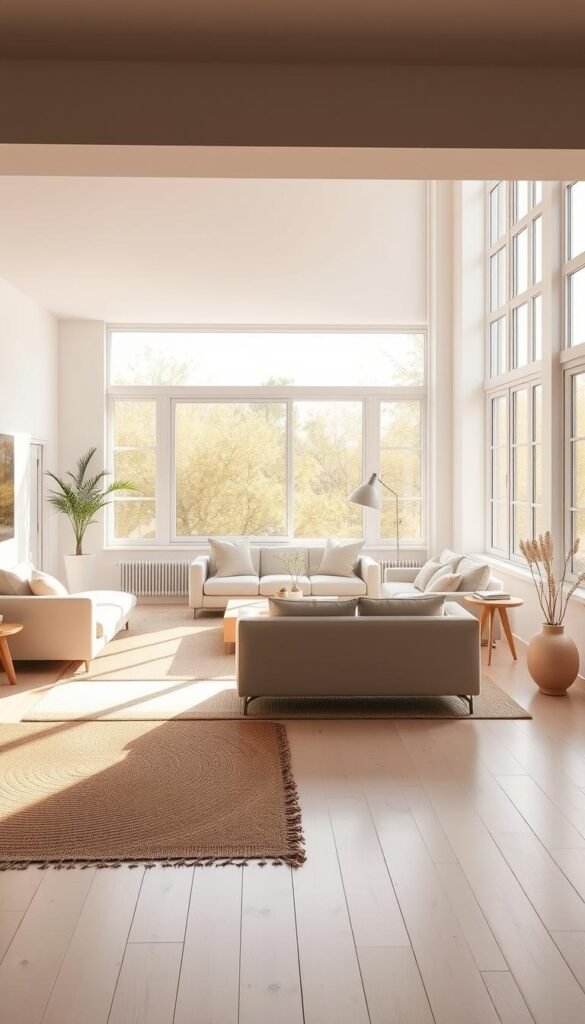
Light transforms your space more than any other design element. It creates atmosphere and affects how you experience your environment daily.
Natural illumination makes areas feel larger and more welcoming. You can harness sunlight to enhance your entire design scheme.
Proper light management improves both aesthetics and functionality. It reduces energy costs while creating a healthier living environment.
The Role of Large, Unobstructed Windows
Floor-to-ceiling glass panels flood your area with sunshine. They eliminate visual barriers between indoor and outdoor spaces.
These expansive openings make rooms appear much larger than their actual dimensions. You gain uninterrupted views that expand your perspective.
Clear glass maximizes light penetration throughout the day. It allows sunshine to reach deeper into your space than smaller windows.
Strategic placement considers sun patterns and room orientation. You capture morning light in breakfast areas and evening glow in relaxation zones.
Window Treatment Ideas for Privacy and Light Control
Sheer curtains filter sunlight while maintaining brightness. They provide subtle privacy without blocking valuable illumination.
Roller shades offer precise light management with clean aesthetics. You can adjust them throughout the day as sunlight intensity changes.
Top-down/bottom-up shades provide flexible privacy options. They allow light from above while shielding lower sections from view.
Energy-efficient cellular shades help regulate temperature. They trap air in honeycomb structures, reducing heating and cooling costs.
| Treatment Type | Light Control | Privacy Level |
|---|---|---|
| Sheer curtains | Soft diffusion | Partial privacy |
| Roller shades | Adjustable brightness | Complete coverage |
| Cellular shades | Filtered light | Full privacy |
| Vertical blinds | Directional control | Adjustable privacy |
Light-colored walls reflect and amplify natural illumination. They bounce sunlight around your space, reducing dark corners.
Mirrors strategically placed opposite windows double light impact. They create the illusion of additional windows and expanded space.
Furniture arrangement should avoid blocking light pathways. Keep seating areas within natural light zones for daytime activities.
These approaches work together to create bright, airy environments. You’ll enjoy reduced electricity usage and enhanced visual comfort.
Incorporating Smart and Discreet Storage Solutions
Smart organization transforms how you experience your daily environment. The right approach keeps your area functional while maintaining visual calm.
Hidden solutions allow you to enjoy a tidy space without sacrificing accessibility. Everything has its place, yet nothing feels cluttered or overwhelming.
Utilizing Built-In Shelves and Cabinets
Custom shelving integrates seamlessly with your existing architecture. These installations provide ample storage without disrupting your design flow.
Built-in units maximize vertical space that might otherwise go unused. They create dedicated homes for books, media, and decorative items.
Floating shelves offer a modern alternative to traditional bookcases. Their airy appearance maintains openness while providing display surfaces.
Consider closed cabinets for items you prefer to keep out of sight. These concealed spaces maintain visual simplicity throughout your room.
Creative Ways to Hide Everyday Clutter
Multi-functional furniture provides hidden compartments for daily essentials. Ottomans with storage interiors offer perfect examples of this approach.
Decorative baskets beside seating areas corral smaller items beautifully. They keep things accessible while maintaining an organized appearance.
Designated zones for different categories prevent random accumulation. You might assign specific areas for reading materials, remote controls, or blankets.
Vertical organizers behind doors utilize often-overlooked space. These clever solutions keep everyday items handy yet completely out of view.
| Storage Type | Best For | Visual Impact |
|---|---|---|
| Built-in shelving | Books and decor | Integrated appearance |
| Storage ottomans | Blankets and pillows | Hidden functionality |
| Floating shelves | Display items | Lightweight look |
| Baskets and bins | Smaller items | Textural interest |
| Behind-door organizers | Everyday essentials | Completely concealed |
These solutions help maintain your peaceful environment with minimal effort. You spend less time tidying and more time enjoying your space.
Strategic planning ensures everything has its proper place in your home. This approach supports long-term adherence to your organizational principles.
Using Textures to Add Warmth and Interest
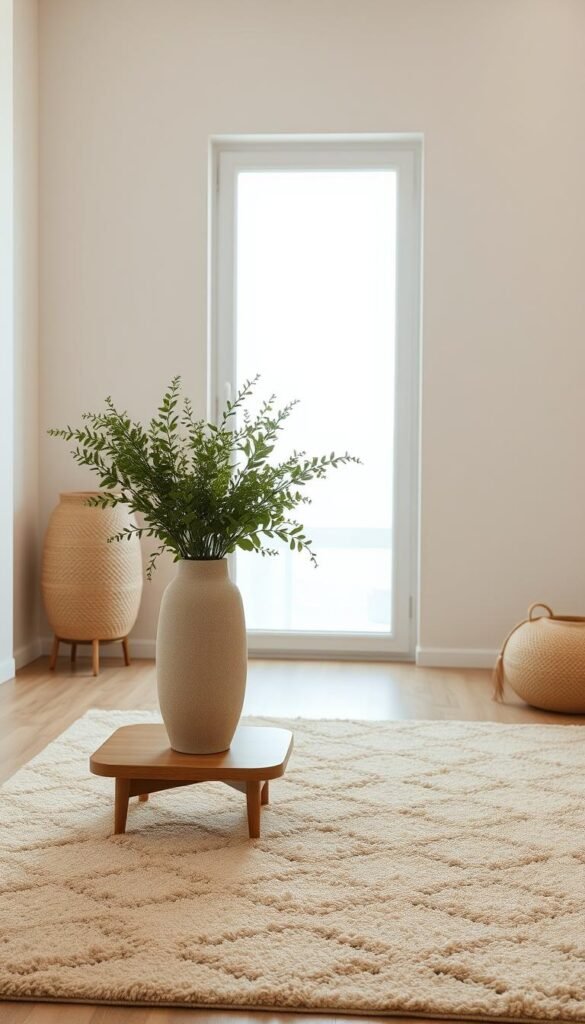
Thoughtful texture selection brings depth and character to even the most streamlined spaces. It’s the secret ingredient that prevents your design from feeling cold or sterile while maintaining visual simplicity.
Different surfaces create sensory interest that engages both sight and touch. You achieve a balanced environment that feels both curated and completely comfortable.
Mixing Materials Like Wood, Concrete, and Fabric
Combining various substances creates visual rhythm without adding physical clutter. Each material brings its own personality while contributing to the overall harmony.
Wood introduces organic warmth through its natural grain patterns. Concrete offers industrial elegance with its smooth, cool surface.
Fabric provides softness through textiles like throw pillows and blankets. These elements work together to create a rich sensory experience.
Consider wood slat walls for subtle texture that doesn’t overwhelm your space. Textured concrete accent walls provide elegant, aesthetically pleasing finishes.
Textured upholstery can add personality to sofas and chairs. It creates visual interest while maintaining the clean aesthetic you want.
The Impact of a Soft Area Rug on Hard Floors
A well-chosen floor covering transforms hard surfaces into cozy zones. It reduces noise and starkness while defining functional spaces.
Rugs add both comfort and aesthetic appeal to your environment. They create visual anchors that help organize your layout.
The right textile choice brings warmth underfoot during colder months. It also protects your flooring while adding personality.
Consider size and placement carefully for maximum impact. Your rug should complement other pieces while serving its practical purpose.
This simple addition dramatically changes how your space feels. It’s one of the easiest ways to add comfort without compromising your design vision.
Balancing smooth and rough textures creates harmonious effects throughout your area. Each choice affects both the visual and tactile experience of your environment.
Your selections should work together to create a cohesive look and feel. The right combinations make your space inviting while maintaining the clean aesthetic you love.
Making a Statement with a Single Focal Point
A strong focal point brings instant character to your space. It draws the eye and creates a natural center of interest.
This approach maintains simplicity while adding personality. You achieve visual impact without overwhelming your design.
Focal points help organize your layout and guide movement. They create natural flow throughout your area.
Strategic placement enhances your room’s overall harmony. Everything feels intentional and well-considered.
Designing a Bold Textured Accent Wall
Textured concrete walls provide elegant, aesthetically pleasing finishes. They add depth and sophistication to your space.
Wood slat walls serve both functional and aesthetic purposes. Their natural warmth creates visual interest through pattern and texture.
These surfaces define areas in open-plan layouts. They act as visual dividers without physical barriers.
Proper lighting highlights the texture’s dimensional qualities. Directional fixtures create shadows that emphasize the surface character.
Letting One Piece of Art or Furniture Shine
Selecting one outstanding piece creates immediate impact. It becomes the heart of your room’s story.
The right artwork can be truly transformative. Choose pieces that resonate personally while complementing your aesthetic.
Allow adequate space around your featured item. This breathing room emphasizes its importance and reduces visual competition.
As designer Elena Torres observes:
“A single magnificent piece often speaks louder than a collection of ordinary items. It commands attention while honoring simplicity.”
Consider scale and proportion when selecting your centerpiece. The item should feel substantial without dominating the space.
| Focal Point Type | Visual Impact | Best Placement |
|---|---|---|
| Textured accent wall | Adds depth and dimension | Behind seating areas |
| Large artwork | Creates dramatic interest | Eye-level on main wall |
| Statement furniture | Anchors the space | Central positioning |
| Architectural feature | Highlights unique elements | Natural sightlines |
Your focal point should reflect your personal style. Choose something that brings you joy every time you see it.
This approach actually enhances minimalist principles. It reduces visual noise by giving the eye a clear place to rest.
Experiment with different arrangements before finalizing. Sometimes the perfect spot reveals itself through testing.
Bringing Life Indoors with Strategic Greenery
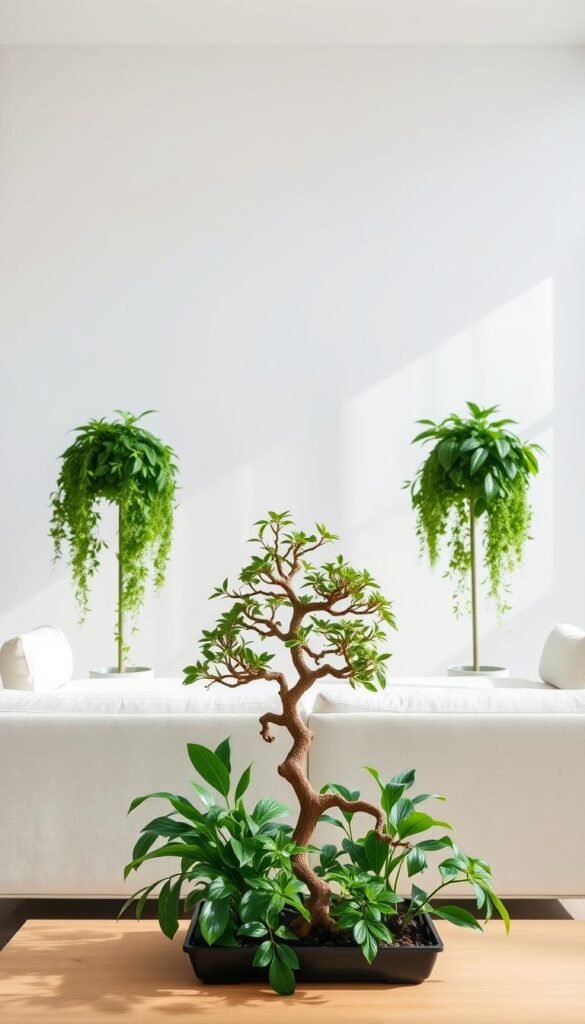
Plants instantly transform any area by adding natural beauty and vitality. They create a fresh atmosphere without overwhelming your design.
Greenery introduces organic shapes that soften architectural lines. It brings a sense of calm and connection to nature indoors.
These living elements improve air quality while enhancing visual appeal. You enjoy both aesthetic and health benefits from thoughtful plant selection.
Selecting the Right Plants for Your Space
Consider your light conditions when choosing greenery. Some varieties thrive in bright sunlight while others prefer shaded areas.
Low-maintenance options suit busy lifestyles perfectly. Snake plants and pothos tolerate occasional watering and varying light levels.
Assess your available time for plant care before purchasing. This ensures your greenery remains healthy and beautiful long-term.
Match plant size to your available space appropriately. Large floor plants make bold statements in corners or beside furniture.
Smaller varieties work beautifully on shelves and tables. They add subtle touches of nature without occupying much room.
Using Plants as Natural Decor Elements
Strategically placed greenery creates visual interest throughout your area. It draws the eye naturally without creating clutter.
Group plants in odd numbers for balanced arrangements. This technique creates harmonious displays that feel intentionally designed.
Choose planters that complement your overall aesthetic. Neutral pots and natural materials blend seamlessly with various design schemes.
Plants introduce movement through growth and changing leaves. This dynamic quality makes spaces feel alive in ways static objects cannot.
They soften hard edges and add texture through foliage. Your environment feels more inviting and comfortable with these natural touches.
| Plant Type | Light Requirements | Maintenance Level | Best Placement |
|---|---|---|---|
| Snake Plant | Low to bright indirect | Very low | Floor corners, shelves |
| ZZ Plant | Low to moderate | Low | Side tables, consoles |
| Pothos | Moderate indirect | Low | Hanging, high shelves |
| Fiddle Leaf Fig | Bright indirect | Moderate | Statement floor piece |
| Succulents | Bright direct | Very low | Windowsills, tables |
Proper plant selection enhances your environment’s air quality. Many varieties filter common household toxins naturally.
They contribute to a healthier living atmosphere daily. You breathe easier while enjoying beautiful natural decor.
Remember that less often creates more impact with greenery. A few well-chosen plants make stronger statements than many random ones.
Your space gains personality through these living elements. They reflect your care for both aesthetics and wellbeing.
Illuminating Your Space with Thoughtful Lighting
Strategic illumination balances beauty and purpose in your daily environment. The right approach transforms how you experience and enjoy your personal space.
Layered lighting creates both atmosphere and functionality throughout your area. You achieve visual harmony while meeting all your practical needs.
Ambient lighting establishes the overall mood and brightness level. It provides general illumination that makes your space feel welcoming.
Think of it as the foundation of your lighting scheme. This base layer ensures comfortable visibility for everyday activities.
Layering Ambient, Task, and Accent Lighting
Task lighting serves specific purposes like reading or working. It provides focused illumination where you need it most.
Desk lamps and directed fixtures offer perfect examples. They deliver bright light without overwhelming the entire space.
Accent lighting highlights special features or decorative pieces. It draws attention to artwork, architectural details, or textural elements.
Track lighting or picture lights work beautifully for this purpose. They create visual interest through strategic spotlighting.
Choosing Sleek and Simple Light Fixtures
Clean-lined fixtures complement your overall aesthetic perfectly. They provide illumination without adding visual complexity.
Gleaming chrome pendant lights offer elegant overhead solutions. Their reflective surfaces distribute light beautifully.
Unique lampshades can serve as statement decor pieces. They add personality while maintaining functional purpose.
As lighting designer Marcus Chen notes:
“The best fixtures disappear during the day but transform your space at night. They should enhance rather than dominate your design.”
| Lighting Type | Primary Purpose | Best Fixtures | Placement Tips |
|---|---|---|---|
| Ambient | General illumination | Recessed lights, chandeliers | Even distribution throughout space |
| Task | Specific activities | Desk lamps, under-cabinet lights | Directly above work areas |
| Accent | Highlighting features | Track lighting, picture lights | Focused on special elements |
Proper lighting enhances colors and textures throughout your environment. It makes everything look more vibrant and intentional.
Balance natural and artificial sources for optimal comfort. Use daylight during daytime hours and supplement with fixtures after dark.
Your lighting choices should serve as decorative elements themselves. Select fixtures that complement your overall style beautifully.
This approach creates spaces that feel both functional and aesthetically pleasing. You enjoy perfect illumination at any time of day.
Embracing Negative Space for a Calming Effect
Empty areas in your room design create powerful visual impact. These intentional gaps between objects provide visual rest and enhance your overall aesthetic.
Thoughtful use of open areas transforms how you experience your environment. It creates harmony between filled and empty zones throughout your interior.
Allowing Your Walls and Floors to Breathe
Unoccupied surfaces contribute significantly to your room’s peaceful atmosphere. They prevent visual overload and create natural rhythm.
Empty wall sections frame your chosen elements beautifully. They make artwork and architectural features stand out more prominently.
Open floor areas improve movement and functionality. You gain clear pathways that make your space feel more inviting.
As designer Liam Chen observes:
“The most elegant rooms always know what to leave out. Empty space isn’t missing something—it’s providing something essential.”
Resisting the Urge to Fill Every Corner
Empty corners actually enhance your design rather than detract from it. They create visual balance and prevent a cluttered look.
Each object should earn its place through purpose or beauty. This selective approach maintains your serene environment.
When considering new additions, ask if they serve multiple functions. Quality always triumphs over quantity in creating calm spaces.
Proper balance between furnished and open areas optimizes both aesthetics and function. Your space feels intentional rather than accidental.
| Space Usage Approach | Visual Result | Psychological Effect |
|---|---|---|
| Minimal furnishings | Open, airy feel | Reduced mental stress |
| Strategic empty zones | Enhanced focus points | Increased clarity |
| Breathing room around items | Individual element emphasis | Appreciation for quality |
| Unfilled corners | Architectural highlighting | Expansive perception |
Negative space makes areas appear larger than their actual dimensions. This optical illusion creates comfortable proportions.
Your eyes need places to rest within any visual composition. Empty zones provide this necessary visual punctuation.
Embrace the power of what you choose not to display. Sometimes the most important design element is the space itself.
Curating a Minimalist Art and Decor Collection
Thoughtful art selection transforms your space with personal meaning and visual harmony. The right pieces tell your story while maintaining the serene atmosphere you’ve created.
Choosing items that resonate emotionally creates deeper connections to your environment. Each selection should bring joy and reflect your authentic personality.
Selecting Fewer, More Meaningful Pieces
Quality always triumphs over quantity when building your collection. One extraordinary piece creates more impact than several ordinary items.
Consider what truly speaks to you rather than following trends. Your choices should feel personally significant and emotionally engaging.
As interior stylist Jessica Williams suggests:
“The most powerful collections emerge from personal connection rather than decorative obligation. Choose what you love, not what you think you should display.”
Mix different mediums while maintaining cohesive visual language. Photography, paintings, and sculptures can work together beautifully.
Creating a Cohesive Gallery Wall
Gallery walls offer perfect opportunities for personal expression. They create focal points without overwhelming your space.
Start with a consistent color palette or theme. This creates visual harmony among diverse pieces.
Consider spacing and arrangement before mounting anything. Equal spacing between frames maintains clean organization.
Simple, uniform frames enhance rather than compete with your art. They provide structure without adding visual noise.
Your gallery should feel intentionally curated rather than randomly assembled. Each piece deserves its place through meaning and beauty.
Seasonal rotations keep your display fresh and engaging. Swap pieces occasionally to maintain interest without accumulating more items.
This approach lets you enjoy variety while honoring simplicity. Your space evolves while staying true to minimalist principles.
Achieving Your Minimalist Home Decor Living Room with Clean Lines
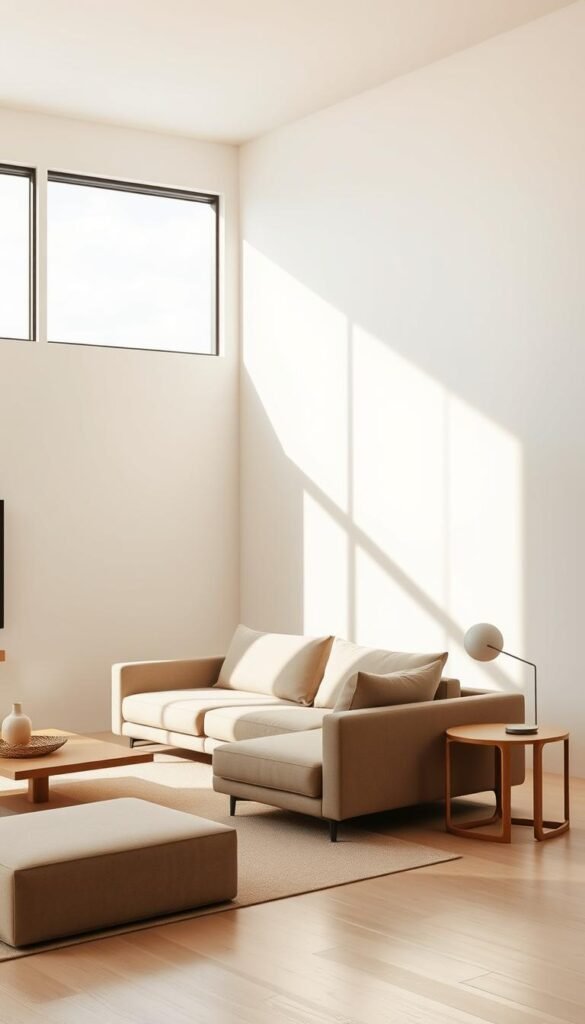
Your journey toward a serene space culminates in mastering one essential principle. The visual language of straight edges and uncluttered forms creates harmony throughout your environment.
This approach focuses on geometric purity and thoughtful composition. Every element contributes to a cohesive whole without unnecessary complexity.
Prioritizing Straight Lines and Simple Shapes
Geometric foundations establish visual order and tranquility. Straight edges create rhythm that guides the eye smoothly through your space.
Simple forms like squares and rectangles provide structural clarity. They offer stability while maintaining aesthetic elegance.
Consistent line quality enhances your overall aesthetic appeal. Parallel and perpendicular arrangements create soothing symmetry.
Architectural features benefit from this disciplined approach. Window frames, moldings, and built-ins gain emphasis through linear consistency.
Your furniture selections should follow these geometric principles. Look for pieces with clear silhouettes and purposeful proportions.
Avoiding Ornate Details and Excessive Decor
Eliminating decorative complexity allows essential elements to shine. Each item earns its place through function or meaningful beauty.
Ornamentation often conflicts with serene environments. Intricate patterns and detailed carvings create visual noise.
As design expert Robert Morris observes:
“Simplicity isn’t about deprivation—it’s about distillation. The most powerful statements often come from the most restrained elements.”
Excessive accessories disrupt visual flow and calm atmosphere. A few well-chosen pieces create stronger impact than many random items.
Your walls deserve breathing room between artwork and decor. Empty spaces frame your selections beautifully.
This disciplined approach actually increases versatility. Your space adapts more easily to different needs and moods.
| Design Element | Recommended Approach | Visual Benefit |
|---|---|---|
| Furniture silhouettes | Clear geometric forms | Structural clarity |
| Wall treatments | Smooth, uniform surfaces | Visual continuity |
| Accessory selection | Few meaningful pieces | Focused attention |
| Pattern usage | Subtle textures only | Quiet sophistication |
Maintaining this aesthetic requires regular evaluation of your space. Periodically assess whether each item supports your vision.
Your environment becomes a testament to thoughtful curation. Every choice reflects intentionality rather than accumulation.
This approach transforms how you experience daily life at home. You enjoy greater clarity and comfort in your personal sanctuary.
Connecting Your Indoor and Outdoor Spaces
Your interior gains new dimension when it flows naturally into the outdoors. This connection creates a sense of expansion and brings natural tranquility inside.
Large glass elements serve as beautiful portals between these areas. They maintain visual continuity while providing weather protection.
Your color scheme can extend beyond interior walls. This approach creates harmonious flow between your indoor and outdoor environments.
Blurring the Lines with Large Glass Doors
Floor-to-ceiling glass panels erase boundaries between inside and outside. They create seamless transitions that make both areas feel larger.
These expansive openings flood your space with natural light. You enjoy sunshine throughout the day while maintaining climate control.
Sliding glass doors offer flexible access to patios or gardens. They open completely for entertaining or partially for fresh air.
Choose energy-efficient glass to maintain comfortable temperatures. Low-E coatings reduce heat transfer while allowing light penetration.
Extending Your Color Palette to the Outdoors
Continue your interior color story outside for cohesive design. This creates visual harmony that feels intentional and polished.
Outdoor furniture in matching tones reinforces your aesthetic. Neutral cushions and accessories maintain your preferred look.
Plant selections can complement your interior color scheme. Foliage with similar hues creates beautiful connections.
As landscape designer Rachel Kim notes:
“The most successful spaces treat indoors and outdoors as one continuous environment. Color consistency is key to achieving this seamless flow.”
Your outdoor area becomes an extension of your living space. You gain additional room for relaxation and entertainment.
Seasonal changes bring dynamic interest to your static interior. Falling leaves or blooming flowers become living art.
Furniture arrangement should capitalize on beautiful views. Position seating to enjoy both indoor comfort and outdoor scenery.
This integration expands your living area visually and functionally. You create a home that breathes with nature.
Maintaining Your Minimalist Sanctuary
Creating your ideal environment is just the beginning. The real magic happens when you develop systems that keep everything looking fresh and organized every day.
Your peaceful atmosphere becomes easier to maintain than traditional designs. With fewer items to manage, you spend less time cleaning and more time enjoying.
Daily Habits to Keep Clutter at Bay
Simple routines prevent accumulation before it starts. Develop a “one-minute rule” for immediate tidying after use.
Return items to their designated homes throughout the day. This prevents piles from forming on surfaces.
As organization expert Tina Lee suggests:
“The most effective systems are those you practice daily without thinking. They become natural parts of your routine rather than chores.”
Implement a “one in, one out” policy for new acquisitions. This maintains balance in your storage systems.
Evening quick-cleans take just five minutes but make mornings peaceful. You wake to an organized environment that sets a positive tone.
A Simple Cleaning Routine for Your Space
Streamlined surfaces require minimal maintenance. Focus on high-traffic areas and frequently used items.
Weekly deep cleaning becomes surprisingly quick. You spend less time moving and dusting numerous decorative pieces.
Hidden storage solutions keep daily essentials accessible yet out of sight. This reduces visual clutter between cleaning sessions.
Your simplified approach actually enhances your home’s overall feel. Everything stays fresh with consistent but minimal effort.
| Traditional Cleaning | Minimalist Approach | Time Saved |
|---|---|---|
| Dusting multiple decor items | Wiping clean surfaces | 15-20 minutes weekly |
| Rearranging clutter before cleaning | Direct access to surfaces | 10-12 minutes weekly |
| Cleaning around numerous objects | Straightforward wiping | 8-10 minutes weekly |
| Organizing accumulated items | Maintaining existing systems | 20-25 minutes weekly |
Your space maintains its beautiful look through consistent habits. The right systems make upkeep feel effortless rather than overwhelming.
You’ll find that keeping things tidy becomes second nature. Your environment always feels ready for relaxation or entertainment.
Personalizing Your Minimalist Retreat
Your personal sanctuary should tell your unique story through carefully chosen elements. This approach creates an environment that feels authentically yours while maintaining visual harmony.
Meaningful items bring warmth and character to your space. They transform it from a showroom into a true home.
Incorporating Items You Truly Love
Special pieces deserve a place in your design even if they seem unconventional. The key lies in thoughtful placement and intentional display.
Create designated spots for your most cherished possessions. This prevents visual clutter while honoring what matters to you.
Consider scale and proportion when adding personal touches. A large family photograph might work better than several small frames.
As designer Elena Martinez notes:
“The most inviting spaces always contain pieces with personal history. They create connection and comfort that generic items cannot provide.”
Edit your collection regularly to keep only what truly serves you. Ask yourself if each item brings joy or serves a practical purpose.
Ensuring Your Space Reflects Your Taste
Your environment should evolve as your tastes and needs change. This living approach keeps your space feeling fresh and relevant.
Introduce colors that resonate with your personality. Even neutral palettes can incorporate your favorite subtle hues.
Textiles offer excellent opportunities for self-expression. Throw pillows or blankets in patterns you love add personality.
Balance is essential when adding personal elements. Each new addition should complement rather than compete with existing pieces.
Your space becomes more comfortable through these personal touches. It feels inviting because it genuinely reflects who you are.
| Traditional Personalization | Minimalist Approach | Result |
|---|---|---|
| Multiple decorative items | Few meaningful pieces | Reduced visual noise |
| Displaying everything | Curated selection | Enhanced appreciation |
| Constant accumulation | Intentional additions | Sustainable practice |
This personalized approach actually strengthens minimalist principles. It ensures every item in your space has purpose and meaning.
Your home becomes a true reflection of your values and experiences. It feels both beautifully designed and completely authentic.
Living Beautifully in Your Serene, Simplified Space
Your transformed area becomes a personal retreat that supports daily life beautifully. This intentional approach creates a peaceful environment where every element serves a purpose.
Enjoy the mental clarity that comes with simplified surroundings. Your space reduces stress while supporting various activities from relaxation to entertainment.
The quality-over-quantity approach continues to benefit your daily routine. Fewer, meaningful pieces create lasting impact without visual noise.
Your environment evolves naturally as you continue living with these principles. Adapt your area for different seasons while maintaining its serene character.
This thoughtful design philosophy often influences other life areas beyond your home. The calm atmosphere becomes a foundation for balanced living.
Continue refining your space while staying true to values of simplicity and purpose. Your retreat remains both functional and deeply personal.