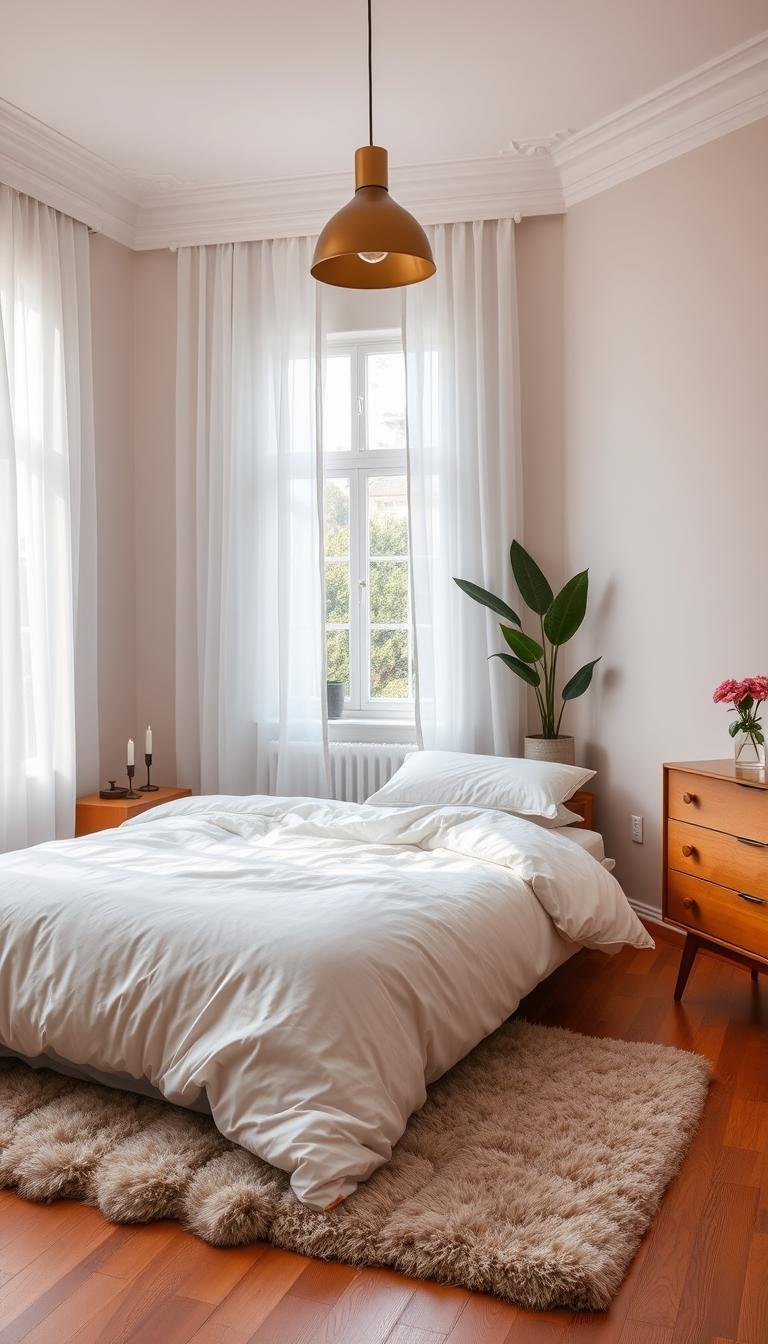
Your personal space should be a true retreat from daily stress. Small changes in your room’s design can transform it into a peaceful sanctuary.
A well-designed environment supports better rest and overall wellness. Quality sleep directly impacts your energy and mood throughout the day.
This guide offers practical, research-backed tips to create a calming atmosphere. We cover color schemes, lighting, and layout for your home.
These suggestions work for any budget or room size. Modern design now favors the term “primary bedroom” for inclusivity.
Think of your space as more than just a place to rest. It should feel like a personalized haven that promotes relaxation.
Follow these ideas to reduce stress and make your home more inviting. Our expert advice ensures you can trust each recommendation.
Explore each section for detailed guidance on optimizing your sleep environment.
Why Your Bedroom Environment Matters for Quality Sleep
Science shows that your bedroom setup plays a crucial role in sleep quality. Your surroundings either support or disrupt your natural sleep patterns throughout the night.
The Science Behind Sleep and Your Surroundings
Multiple factors in your room work together to influence your rest. Light exposure directly affects melatonin production, which regulates your sleep-wake cycle.
Sound levels can either mask disruptions or create new ones. Even subtle noises may prevent you from reaching deep sleep stages.
Research indicates that scent plays a surprising role in sleep quality. Soothing aromas can lower stress hormones and prepare your mind for rest.
Sleep hygiene practices emphasize creating consistent conditions. Your environment becomes a key part of maintaining healthy sleep patterns night after night.
How Your Bedroom Signals Your Body to Rest
Your space acts as a powerful cue for relaxation responses. Dim lighting tells your body it’s time to wind down and prepare for sleep.
Calming colors trigger psychological responses that reduce anxiety. This visual harmony creates a stress-free zone where your mind can truly unwind.
Organization matters more than you might realize. Clutter-free surfaces help create mental peace, making it easier to transition into rest mode.
Personal touches make your environment feel safe and inviting. When your space reflects your preferences, it becomes a true sanctuary for relaxation.
Small changes make significant differences in how your body responds. Something as simple as organizing your nightstand or adding a soothing scent can signal rest time.
Understanding these principles helps you make informed changes. The following sections will show practical ways to implement these improvements in your own space.
Creating a Calming Color Scheme for Your Sanctuary
The hues you choose for your sleeping area directly influence your ability to unwind. Your walls, floors, furniture, and bedding all work together to create a visual environment that either promotes peace or creates distraction.
Research shows that certain shades trigger psychological responses that can lower stress levels. The right palette helps your mind transition from daily activities to rest mode more effectively.
Choosing Soothing Colors That Promote Relaxation
Soft, warm tones typically work best for creating a serene atmosphere. Blues and greens often evoke feelings of tranquility and connection to nature.
Neutral shades like warm grays, creams, and soft beiges provide excellent background colors. These tones create harmony without overwhelming your senses before bedtime.
Consider your personal preferences while avoiding overstimulating shades. Bright reds or oranges might work for some spaces but often prove too energizing for sleeping areas.
Test your chosen colors in both natural and artificial lighting. A shade that appears peaceful during daylight might look completely different under evening lamps.
Many people find success with these popular combinations:
| Color Combination | Psychological Effect | Best Room Applications |
|---|---|---|
| Sage green with cream | Creates natural tranquility | Walls and bedding |
| Lavender with gray | Promotes gentle relaxation | Accent walls and decor |
| Soft blue with white | Evokes calm openness | Ceiling and trim work |
| Warm taupe with navy | Offers grounded comfort | Furniture and textiles |
Budget-Friendly Ways to Transform Your Color Palette
You don’t need a complete renovation to refresh your space’s look. Strategic accents can introduce calming colors without major investment.
Start with your bed – the focal point of most rooms. New bedding in soothing shades instantly changes the entire feel of your space.
Area rugs provide excellent opportunities for color introduction. They anchor the room while adding visual interest through pattern and tone.
Consider these affordable options for color updates:
- Accent pillows and throws in complementary shades
- Removable wall art or decals
- Curtains or lampshades in calming hues
- Seasonal decor items that rotate with your tastes
Many paint companies offer small sample sizes for testing. Try several options on your wall before committing to a full gallon.
Digital visualization tools help you preview color schemes. These apps let you experiment with different combinations risk-free.
Remember that even small changes make significant impacts. Starting with one area allows you to build confidence in your color choices.
Your color selections contribute to overall harmony in your personal space. The right palette creates visual peace that supports restful nights.
Next, we’ll explore how room layout and furniture arrangement complement your color choices.
Optimizing Your Bedroom Layout for Peaceful Energy
Your room’s arrangement affects how you move and feel every day. A thoughtful design creates harmony and supports restful nights.
Good organization makes your space work better for you. It turns your personal area into a true haven.
Ancient practices like feng shui teach us about energy flow. Positioning your bed correctly is a key part of this approach.
Place your bed where you can see the door without being directly in line with it. This creates a sense of security and control.
Keep pathways clear between your bed, door, and windows. This prevents nighttime stumbles and supports easy movement.
Maximizing Space in Any Size Room
Even compact areas can feel open with smart solutions. Choose furniture that fits your room’s proportions perfectly.
Multifunctional pieces save valuable floor space. Consider a storage bed or ottoman with hidden compartments.
Vertical storage utilizes often-overlooked areas. Wall-mounted shelves and hanging organizers keep items accessible but out of the way.
Under-bed storage offers excellent hidden space. Use containers for seasonal clothing or extra bedding.
These strategies help maintain an airy feel:
| Storage Solution | Space Saved | Best For |
|---|---|---|
| Floating shelves | Floor area | Books and decor |
| Bed risers | Under-bed space | Bulky items |
| Vertical organizers | Closet space | Accessories |
| Multipurpose furniture | Overall footprint | Small rooms |
Creating Stress-Free Pathways and Zones
Define clear areas for different activities within your room. A sleeping zone should feel separate from dressing or reading spaces.
Use area rugs or furniture placement to mark these zones. This organization reduces visual clutter and mental stress.
Keep at least two feet of walking space around your bed. This ensures comfortable access from all sides.
Arrange furniture to promote good airflow and light distribution. Proper placement makes your environment more comfortable.
Consider these zone ideas for your home:
- A cozy reading corner with a comfortable chair
- A designated dressing area with full-length mirror
- A meditation space with floor cushions
- A technology-free zone near the window
Always measure your space before rearranging furniture. A simple floor plan helps visualize the best layout.
Choose storage that hides clutter while adding style. Decorative baskets and built-in shelves keep your space tidy.
A stress-free design makes daily routines smoother. Everything has its place, reducing morning frustration.
Your room’s arrangement contributes significantly to its peaceful energy. Next, we’ll explore how lighting enhances this harmony.
The Perfect Lighting Strategy for Better Sleep
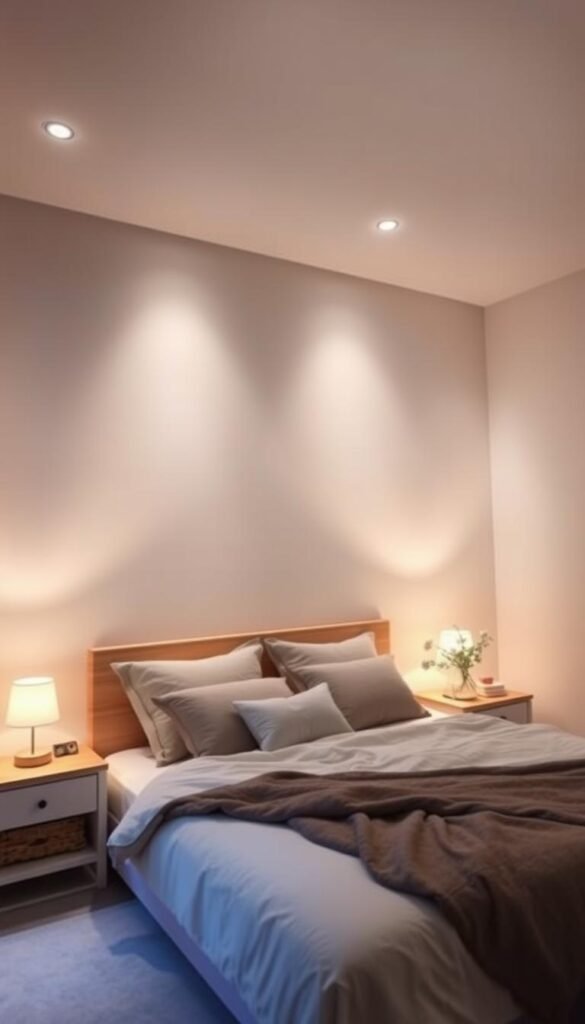
The right illumination strategy can transform your evening routine and improve nightly recovery. Proper light management helps your internal clock maintain healthy patterns consistently.
Your lighting choices directly impact how quickly you drift off. They also affect the depth of your slumber throughout the night.
Understanding How Light Affects Your Circadian Rhythm
Your body’s internal clock responds strongly to light exposure. This natural rhythm governs when you feel alert and when you feel tired.
Blue light from screens disrupts melatonin production significantly. This hormone regulates your sleep-wake cycle effectively.
Electronic devices emit this stimulating light spectrum. Using them before bed delays natural drowsiness considerably.
Your mind associates bright light with daytime activity. Dim lighting signals that rest time approaches naturally.
Consistent light cues reinforce healthy biological patterns. This consistency makes falling asleep easier night after night.
Choosing the Right Bedside Lighting
Select lamps with warm, soft white bulbs for evening use. These create a cozy atmosphere that encourages relaxation.
Dimmable options offer excellent control over brightness levels. You can adjust them according to your needs perfectly.
Himalayan salt lamps provide gentle, ambient illumination. Their warm glow creates a peaceful mood effectively.
Position lights to avoid glare or harsh shadows. This ensures comfortable reading without visual strain.
Consider these features for ideal bedside illumination:
- Adjustable brightness settings for different activities
- Warm color temperatures below 3000 Kelvin
- Directional shades to control light spread
- Easy-to-reach switches for convenience
The Importance of Blackout Solutions
Complete darkness supports deeper, more restorative slumber. External light sources can interrupt this crucial process.
Blackout curtains block streetlights and morning sunlight effectively. They create a cave-like environment ideal for uninterrupted rest.
Sleep masks offer portable darkness anywhere you travel. They’re perfect for those who need absolute blackout conditions.
Consider smart bulbs that gradually dim as bedtime approaches. These automated systems mimic natural sunset patterns beautifully.
Reduce electronic device use at least one hour before sleep. Choose alternatives like reading physical books or gentle meditation.
Experiment with different lighting combinations to find your perfect setup. Consistency in your evening routine brings the best results.
Effective light management improves both sleep onset and quality throughout the night. These strategies form an essential part of overall sleep hygiene.
Next, we’ll explore how temperature control complements your lighting strategy for optimal rest.
Temperature Control: Finding Your Sleep Sweet Spot
Your body’s thermal comfort plays a vital role in achieving deep, restorative slumber. Finding that perfect temperature balance can transform your nightly experience dramatically.
Most people discover their ideal range falls between 60-71°F (15.6-22.0°C). This cooler environment helps your natural cooling process work effectively.
The Ideal Temperature Range for Restful Nights
Your core temperature naturally drops during slumber. A cooler room supports this biological process beautifully.
Heat disruption often causes frequent awakenings. Maintaining optimal conditions prevents this interference completely.
Studies show reduced metabolic rates in cooler environments. Your body conserves energy for more rejuvenating rest.
“The thermal environment is one of the most important factors that can affect human sleep.”
Overheating remains the most common temperature-related issue. Preventing this ensures uninterrupted sleep cycles.
Practical Ways to Regulate Your Bedroom Climate
Several effective strategies help maintain perfect conditions. These solutions work for any budget or home setup.
Smart climate control options include:
- Programmable thermostats for automatic temperature adjustments
- Ceiling fans to improve air circulation and cooling
- Window treatments that insulate against outdoor temperatures
- Portable air purifiers that also improve airflow
Seasonal adjustments make a significant difference. Humidifiers add moisture to dry winter air while cooling pads combat summer heat.
Breathable bedding materials like cotton and linen work wonders. They wick moisture away while allowing air circulation.
Layered bedding offers flexibility without changing room temperature. Add or remove blankets as needed throughout the night.
Cross-ventilation strategies keep air fresh and moving. Open windows create refreshing breezes when outdoor temperatures permit.
Experiment to discover your personal comfort zone. Small adjustments can yield dramatic improvements in sleep quality.
Consistent temperature management reduces nighttime awakenings. You’ll enjoy more continuous, restorative slumber.
This thermal harmony works alongside other environmental factors. Next, we’ll explore how sound management complements your perfect sleep environment.
Sound Management for Undisturbed Rest
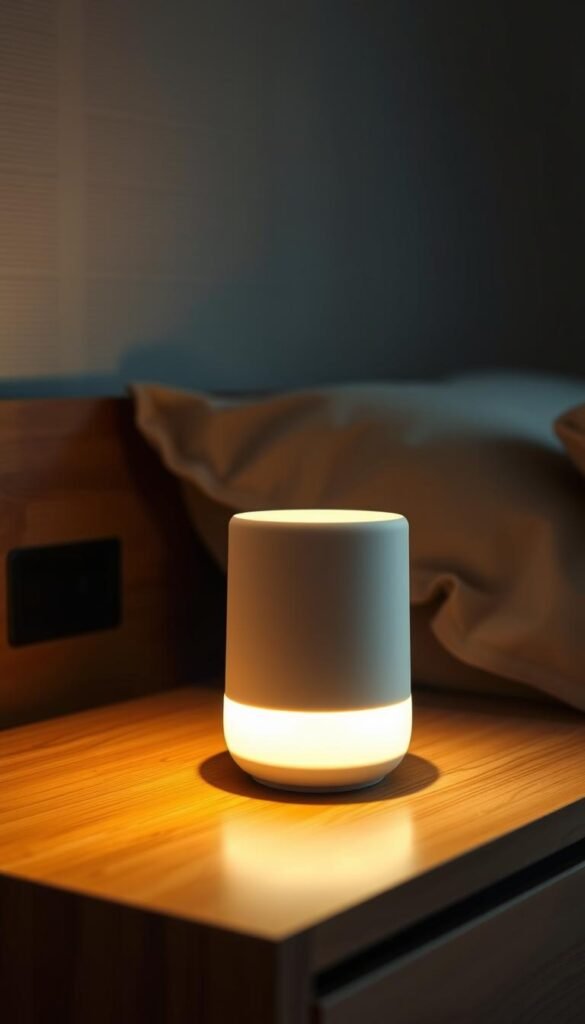
The sounds around you during nighttime hours significantly impact your rest quality. External disturbances can interrupt your natural cycles throughout the night.
Traffic sounds or household activities often cause unwanted awakenings. These disruptions prevent you from reaching deeper, more restorative stages.
Consistent auditory environments help your mind recognize it’s time to unwind. Creating the right soundscape makes drifting off easier.
Using White Noise to Mask Disruptions
White noise machines create a consistent audio blanket that covers irregular sounds. This steady background hum helps mask sudden noises that might startle you awake.
Many people find these devices particularly helpful in urban environments. They’re also excellent for shared living spaces where others might be active.
Mobile applications offer convenient alternatives to physical machines. These apps provide various sound options and volume control features.
Position your sound source at least three feet from your bed. This placement ensures coverage without overwhelming your personal space.
Creating Your Perfect Sleep Soundscape
Natural soundscapes like rainfall or ocean waves induce deep relaxation. These rhythms mimic natural environments that humans find comforting.
Experiment with different options to discover what works best for you. Some prefer steady hums while others find nature sounds more effective.
Consider these factors when selecting your audio solution:
- Volume adjustment capabilities for fine-tuning
- Variety of sound options to prevent adaptation
- Timer functions for automatic shut-off
- Portability for travel situations
Smart speakers can play calming music or guided meditations. Tailor your audio environment to match personal preferences perfectly.
Incorporate sound management into your evening routine consistently. This practice signals your body that rest time approaches.
Effective audio control reduces stress and improves sleep continuity. It’s particularly valuable in noisy urban environments.
Your auditory environment contributes significantly to overall sensory comfort. Next, we’ll explore how scents enhance this multi-sensory experience.
Aromatherapy and Scents That Encourage Sleep
Your olfactory system holds surprising influence over your ability to unwind completely. Specific fragrances communicate directly with brain regions that regulate emotions and stress responses.
Research shows these aromatic signals can lower heart rate and reduce cortisol levels. This biological response prepares your entire system for quality recovery.
Essential Oils Proven to Promote Relaxation
Lavender remains the most researched oil for supporting peaceful states. Studies demonstrate its ability to reduce anxiety and improve sleep quality significantly.
Chamomile offers gentle calming properties that ease nervous tension. Sandalwood provides grounding effects that quiet racing thoughts effectively.
Bergamot combines citrus freshness with stress-relieving benefits. This unique combination uplifts mood while preparing your mind for rest.
Safe Ways to Incorporate Scents in Your Room
Ultrasonic diffusers disperse fine mist without heat damage to oil properties. They provide consistent fragrance distribution throughout your space.
Linen sprays offer direct application to bedding and pillows. These create personal aromatic zones right where you need them most.
Consider these safe application methods:
- Reed diffusers for continuous subtle fragrance
- Personal inhalers for targeted use during wind-down time
- Sachets placed in drawers or under pillows
- Room mists applied 30 minutes before bedtime
Always use high-quality, pure essential oils from reputable sources. Synthetic fragrances may cause irritation and lack therapeutic benefits.
Experiment with blending different oils to create personalized combinations. Lavender with vanilla creates a particularly soothing aroma many people enjoy.
Time your scent exposure during evening routines to signal rest time. Approximately 30-60 minutes before bed works well for most people.
For sensitivity concerns, try lightly scented candles or natural dried herbs. These provide subtle fragrance without overwhelming your senses.
Remember that aromatherapy enhances your overall sensory environment. It works alongside other elements to create complete harmony.
This multi-sensory approach leads naturally to considering air quality factors. Fresh, clean air forms the foundation for effective aromatic experiences.
Air Quality and Ventilation for Healthier Sleep
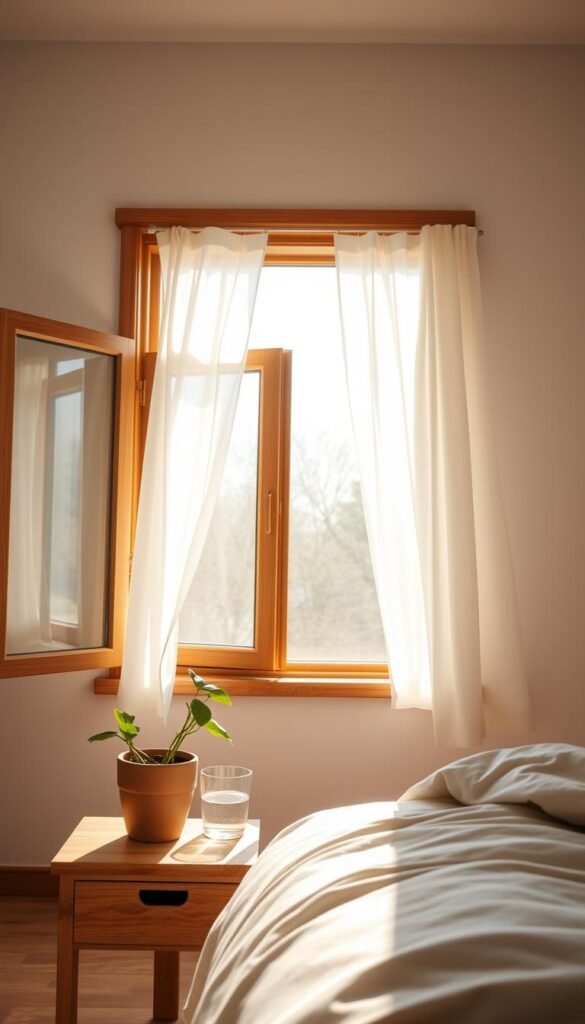
Clean air in your personal space makes a huge difference in how you rest. Good ventilation supports your body’s natural recovery process during the night.
Fresh air circulation brings more oxygen into your room. This helps you feel more refreshed when you wake up each morning.
Proper airflow reduces stuffiness and prevents moisture buildup. These simple improvements create a healthier environment for quality rest.
Why Fresh Air Matters for Your Rest
Your body needs clean air to function properly during sleep hours. Poor ventilation can lead to respiratory issues that disrupt your rest.
Allergens like dust mites thrive in stagnant air conditions. These tiny particles can cause nighttime congestion and frequent awakenings.
Mold growth becomes a risk in humid, poorly ventilated spaces. Exposure to mold spores has been linked to sleep disturbances and daytime fatigue.
Research shows that better air quality correlates with improved sleep continuity. You experience fewer interruptions and deeper rest throughout the night.
Simple Solutions for Cleaner Bedroom Air
Several easy strategies can dramatically improve your air quality. These solutions work for any room size or budget.
Air purification devices effectively remove pollutants and allergens. Look for models with HEPA filters that capture microscopic particles.
Smart air purifiers like the Molekule Air Mini+ offer quiet operation and app controls. These features make maintaining clean air effortless.
Regular window opening creates natural cross-ventilation. Even 10-15 minutes daily refreshes your entire space effectively.
Houseplants naturally filter air while adding beauty to your room. Peace lilies and snake plants are particularly effective options.
Consider these practical approaches to maintain optimal air quality:
| Solution | Primary Benefit | Implementation Tip |
|---|---|---|
| HEPA vacuum cleaner | Reduces dust and allergens | Vacuum twice weekly |
| Dehumidifier | Controls moisture levels | Maintain 30-50% humidity |
| Hypoallergenic bedding | Minimizes allergen exposure | Wash weekly in hot water |
| Air-purifying plants | Natural filtration | Choose low-maintenance varieties |
Weekly bedding washing reduces dust mite populations significantly. Hot water cycles eliminate most allergens completely.
Mattress and pillow covers create barriers against irritants. These protective layers are especially helpful for allergy sufferers.
Controlling humidity prevents mold growth and dust mite reproduction. Dehumidifiers work well in damp climates while humidifiers help in dry areas.
Regular dusting and curtain laundering eliminate accumulated particles. These cleaning habits maintain fresh air between deep cleans.
Avoid smoking indoors and use natural cleaning products whenever possible. These choices prevent chemical pollutants from accumulating in your space.
Better air quality leads to more restorative sleep and improved well-being. Your body can focus on recovery rather than fighting irritants.
These air management strategies complete your holistic sleep environment. Next, we’ll help you select the perfect mattress for your needs.
Choosing the Right Mattress for Your Sleep Needs
Your mattress forms the essential foundation for quality nighttime recovery. This investment supports your entire body through hours of nightly rest.
Selecting the perfect option requires understanding your personal preferences. Consider how you position yourself and what makes you feel comfortable.
Finding Your Ideal Firmness Level
Mattress firmness directly impacts spinal alignment during rest. Proper support maintains natural curvature from head to hips.
Medium-firm options work well for most people. They balance comfort with adequate support for various sleeping positions.
Your body type influences the ideal firmness level. Heavier individuals often need firmer surfaces for proper support.
Side sleepers typically prefer softer surfaces for shoulder and hip comfort. Back and stomach sleepers usually choose firmer options.
| Sleep Position | Recommended Firmness | Key Benefit |
|---|---|---|
| Side Sleeper | Medium-Soft to Medium | Pressure relief on shoulders/hips |
| Back Sleeper | Medium-Firm | Spinal alignment support |
| Stomach Sleeper | Firm | Prevents lower back strain |
| Combination Sleeper | Medium | Adapts to position changes |
When to Consider a Mattress Upgrade
Most mattresses serve you well for 7-10 years. After this time, materials naturally break down and lose support.
Visible sagging indicates it’s time for replacement. Dips deeper than two inches affect comfort and alignment.
Increased morning stiffness or pain suggests your mattress no longer supports properly. You might wake up feeling more tired than when you went to bed.
Allergy sufferers should consider replacement every 5-7 years. Dust mites accumulate in older bedding materials.
If you sleep better in hotels or other beds, your home mattress might need upgrading. This comparison often reveals declining performance.
Testing mattresses ensures you find the perfect match. Many stores allow you to lie down for 15-20 minutes during shopping.
Online companies offer sleep trials ranging from 90-365 nights. These policies let you test comfort in your own room.
Material selection depends on your specific needs. Memory foam provides excellent contouring and motion isolation.
Innerspring mattresses offer more bounce and airflow. Hybrid models combine both technologies for balanced benefits.
Consider these popular mattress materials and their features:
| Material Type | Best For | Special Considerations |
|---|---|---|
| Memory Foam | Pressure relief | Retains heat; newer versions have cooling gels |
| Innerspring | Edge support | May transfer motion; good airflow |
| Latex | Durability | Naturally hypoallergenic; responsive feel |
| Hybrid | Balanced comfort | Combines multiple technologies; mid-range pricing |
Mattress size affects your room layout and comfort. Choose proportions that fit your space while allowing movement around the bed.
Queen sizes work well for most adults and couples. Larger options provide more space but require adequate room dimensions.
Investing in quality improves your rest and overall health. Research shows better mattresses reduce back pain and improve sleep quality.
Your choice creates the foundation for all other bedding elements. The right mattress makes your entire sleep experience more refreshing.
Next, we’ll explore how pillows and sheets complement your mattress selection.
The Art of Perfect Bedding and Pillows

Your bed’s comfort extends far beyond just the mattress. The right bedding and pillows create a complete sleep system that supports your entire body.
Quality materials make your resting space more inviting and functional. They help regulate temperature and provide proper alignment throughout the night.
Thoughtful selection turns your bed into a true haven for recovery. Every element works together to enhance your overall experience.
Selecting Breathable Sheets and Materials
Natural fibers offer excellent temperature regulation during rest. Cotton, bamboo, and linen allow air circulation while wicking moisture away from your body.
These materials prevent overheating and night sweats effectively. They maintain comfort across different seasons and climate conditions.
Thread count indicates fabric density but doesn’t always mean better quality. Focus on material type and weave pattern for optimal performance.
Consider these popular bedding materials and their benefits:
| Material | Breathability | Best For |
|---|---|---|
| Egyptian Cotton | High | Year-round comfort |
| Bamboo | Very High | Hot sleepers |
| Linen | Excellent | Warm climates |
| Tencel | High | Eco-conscious users |
Hypoallergenic options reduce irritation for sensitive individuals. They minimize exposure to dust mites and other common allergens.
Regular washing keeps your bedding fresh and hygienic. Weekly cleaning prevents allergen buildup and maintains fabric quality.
How Pillows Support Proper Spinal Alignment
Your pillow plays a crucial role in maintaining neutral spine position. It fills the space between your neck and mattress for optimal support.
The right height prevents strain on your neck and shoulders. It keeps your head aligned with your spine throughout the night.
Sleep position determines your ideal pillow characteristics. Side sleepers need firmer, higher options than back or stomach sleepers.
Consider these recommendations based on your preferred position:
- Side sleepers: Firm pillows with 4-6 inch height
- Back sleepers: Medium support with 3-4 inch height
- Stomach sleepers: Soft, thin pillows under 3 inches
- Combination sleepers: Adjustable shredded foam options
Replace pillows every 1-2 years to maintain proper support. Regular fluffing helps retain shape and comfort between replacements.
Experiment with different fills to find your perfect match. Memory foam contours to your shape while down alternatives offer softness.
The Benefits of Weighted Blankets
Weighted blankets provide gentle pressure that mimics therapeutic touch. This deep pressure stimulation calms the nervous system effectively.
Many users report reduced anxiety and improved sleep onset. The weight creates a comforting sensation that promotes relaxation.
Choose a blanket weighing approximately 10% of your body weight. This provides optimal pressure without feeling restrictive.
These blankets work well for various sleep concerns:
- Restlessness and frequent position changes
- Anxiety-related sleep difficulties
- Sensory processing sensitivities
- General stress reduction
Look for breathable materials that prevent overheating. Cotton or bamboo covers work well with weighted inserts.
Start with shorter sessions if you’re new to weighted blankets. Gradually increase usage as you become accustomed to the sensation.
Layering your bedding allows easy adjustment to temperature changes. A duvet with removable covers offers versatility across seasons.
Quality bedding enhances both comfort and room aesthetics. Your choices contribute to creating a personalized retreat.
Experiment with different combinations to discover what works best for you. Small adjustments can significantly improve your rest experience.
These elements complete your sleep environment foundation. Next, we’ll explore how organization contributes to mental peace in your space.
Decluttering and Organizing for Mental Peace
Visual order creates psychological comfort that enhances relaxation. Your personal environment directly influences how your mind unwinds at the end of each day.
A tidy space promotes mental clarity and reduces nighttime anxiety. This organized approach helps create a sanctuary for quality recovery.
Why Visual Clutter Affects Your Sleep
Disorganized items generate subconscious stress that interferes with rest. Your brain processes unfinished tasks even during sleep hours.
Clutter creates a sense of disorder that keeps your mind active. This mental chatter prevents the deep relaxation needed for quality slumber.
Research shows organized spaces reduce cortisol levels significantly. Lower stress hormones make falling asleep easier and more natural.
Simple Daily Habits to Maintain Order
Small consistent actions prevent overwhelming messes from developing. These routines take minutes but provide hours of mental peace.
Start with making your bed each morning. This simple act sets a tone of order for your entire day.
Implement a five-minute nightly tidy-up routine. Put away clothes and clear surfaces before turning in for the evening.
Consider these effective daily habits:
- Designate homes for frequently used items
- Handle paper clutter immediately
- Put things away after use
- Do a quick visual scan before bedtime
Storage solutions make maintenance effortless. Baskets, shelves, and containers keep essentials accessible but out of sight.
| Storage Type | Best Use | Space Saved |
|---|---|---|
| Under-bed containers | Seasonal items | Hidden space utilization |
| Floating shelves | Display items | Wall space efficiency |
| Decorative baskets | Daily essentials | Surface clearance |
| Multi-compartment organizers | Small items | Drawer optimization |
Seasonal decluttering sessions prevent accumulation over time. Review belongings every few months to donate or discard unused items.
Digital organization matters too. Keep charging stations discreet and cables managed neatly.
Start with one area at a time to avoid feeling overwhelmed. A single drawer or surface makes progress manageable and rewarding.
An organized room becomes a true refuge from daily stresses. This orderly environment supports both relaxation and personal expression.
As you create this clean foundation, you’ll naturally want to add meaningful touches. Personal decor completes your sanctuary without creating visual chaos.
Personal Touches That Make Your Space Feel Like Home

Your personal area becomes truly special when it reflects who you are. These unique elements transform a standard room into your own sanctuary.
Meaningful items create emotional comfort and a strong sense of belonging. They make your environment feel welcoming and uniquely yours.
Meaningful Decor That Doesn’t Overstimulate
Choose decorations that spark joy without creating visual chaos. Family photographs in simple frames bring warmth to any space.
Travel souvenirs remind you of happy adventures and experiences. Handmade items add character while maintaining a calm atmosphere.
Select wall art that complements your existing color scheme. Peaceful landscapes or abstract pieces work well for most rooms.
Consider these decor options that add personality without clutter:
- Framed personal photographs on bedside tables
- Small memory boxes for cherished keepsakes
- Minimalist shadow boxes for travel mementos
- Subtle artwork with personal significance
Creating Emotional Connections in Your Sanctuary
Incorporate sensory elements that evoke positive memories. A favorite blanket or pillow provides both comfort and familiarity.
Scent diffusers with aromas you love create instant recognition. These familiar smells trigger feelings of safety and relaxation.
Arrange your personal items with thoughtful intention. Group photographs on a gallery wall for visual impact without scattered placement.
Floating shelves offer perfect display space for special objects. They keep things visible but organized and contained.
Textiles like custom pillows add personal style effortlessly. Choose fabrics and patterns that truly represent your taste.
Select items that resonate with your heart, not just current trends. Authentic expressions make your space genuinely comforting.
| Personal Touch | Emotional Benefit | Implementation Tip |
|---|---|---|
| Family photos | Creates connection and security | Use matching frames for cohesion |
| Travel souvenirs | Evokes happy memories | Display in grouped arrangements |
| Handmade items | Adds unique character | Choose pieces with personal meaning |
| Favorite textiles | Provides comfort through touch | Incorporate into bedding or seating |
Balance is key when adding personal elements. Choose a few focal points rather than filling every surface.
This approach maintains serenity while still expressing your personality. Your room remains peaceful yet deeply personal.
These touches should promote relaxation and comfort above all. Your space becomes where you feel truly at ease.
Every element works together to create your perfect sleep sanctuary. Personalization completes your environment beautifully.
Transforming Your Bedroom Into Your Personal Sleep Sanctuary
Every element in your room works together to create a peaceful retreat. From calming colors to perfect lighting, each detail supports restful nights.
Start with one change and build gradually. Small steps create lasting improvements in your space.
Keep your room tech-free to preserve its restful purpose. This dedicated environment promotes deeper recovery.
Seasonal tweaks keep your sanctuary optimized. Your needs may change over time.
Even simple adjustments make a big difference. Your personalized haven awaits.