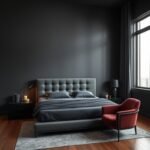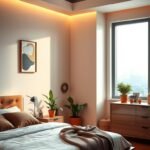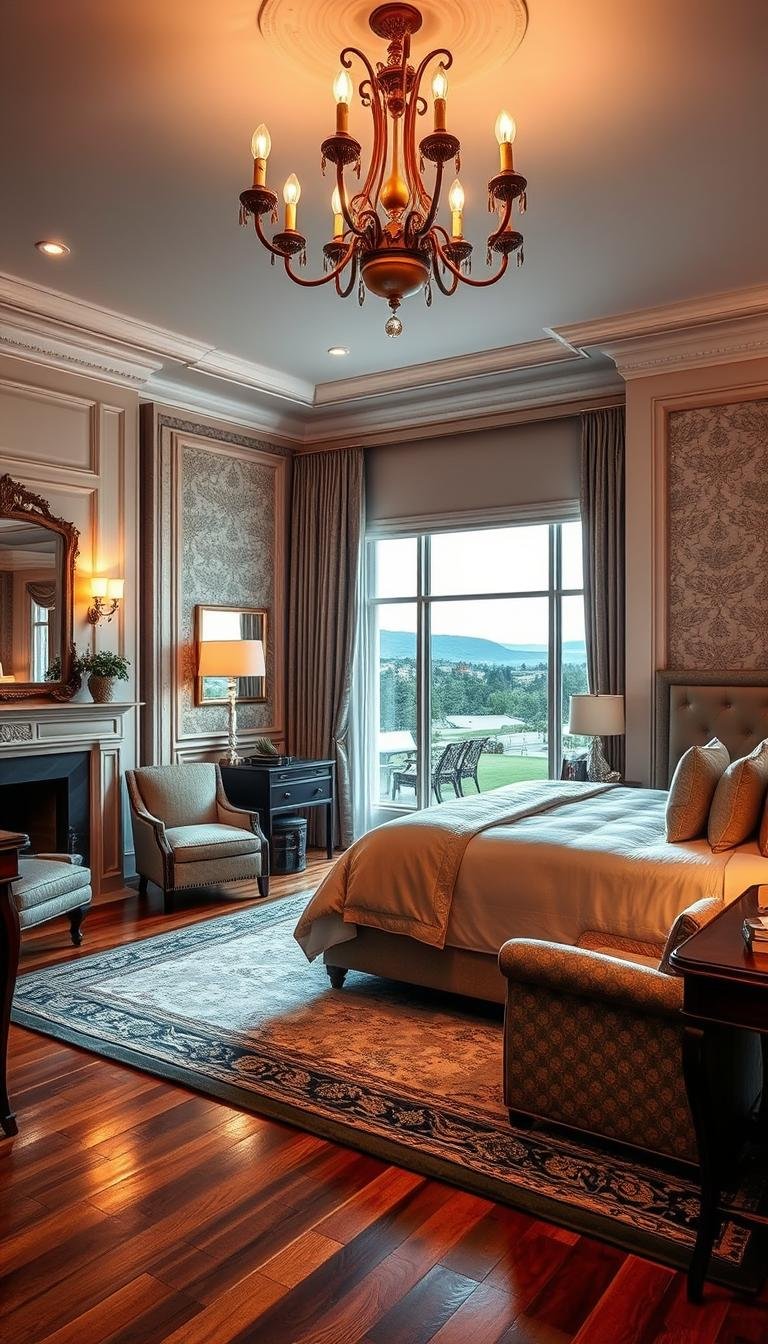
Finally having a dedicated space for visitors is a real accomplishment. For years, many people make do with couches before creating a proper spot.
This special area in your home deserves thoughtful attention. It should show your guests that time, effort, and care went into its creation.
Your goal is to make visitors feel like a true priority, not an afterthought. With the right design ideas, you can transform that spare room.
It becomes a cozy retreat that radiates warmth and luxury. This article shares expert tips to help you achieve that welcoming atmosphere.
We will cover everything from bedding choices to lighting and those special personal touches. Good interior decorating anticipates needs before your guests even realize them.
It’s all about expressing creativity while prioritizing comfort. Even budget-friendly options can create a truly luxurious feel.
1. Start by Thinking Like a Hotel (and About Your Guests)
Creating a welcoming space for visitors begins with understanding their needs. Think about who typically stays with you and for how long.
Your design choices should match their visit duration. Short-term visitors often appreciate bold, fun elements. Long-term stays require more practical, comfortable features.
Consider your seasonal hosting patterns too. If you mainly have company during holidays, make the room multi-functional. This way it serves you well year-round.
Anticipating needs is what makes hotels special. Recreate that feeling in your home. Focus on what people love most about their stays.
Comfortable bedding is always a top priority. So are defined seating areas and clutter-free surfaces. These elements make any space feel luxurious.
Balance your personal style with what makes visitors comfortable. The room should reflect your taste while prioritizing their relaxation.
Think about the space from different perspectives. How does it feel in the morning versus evening? This helps you create a true retreat.
Give your visitors a sense of ownership during their stay. Empty drawers and clear surfaces help them settle in. It transforms spare space into their personal sanctuary.
2. The Foundation of Luxury: Investing in Dreamy Bedding
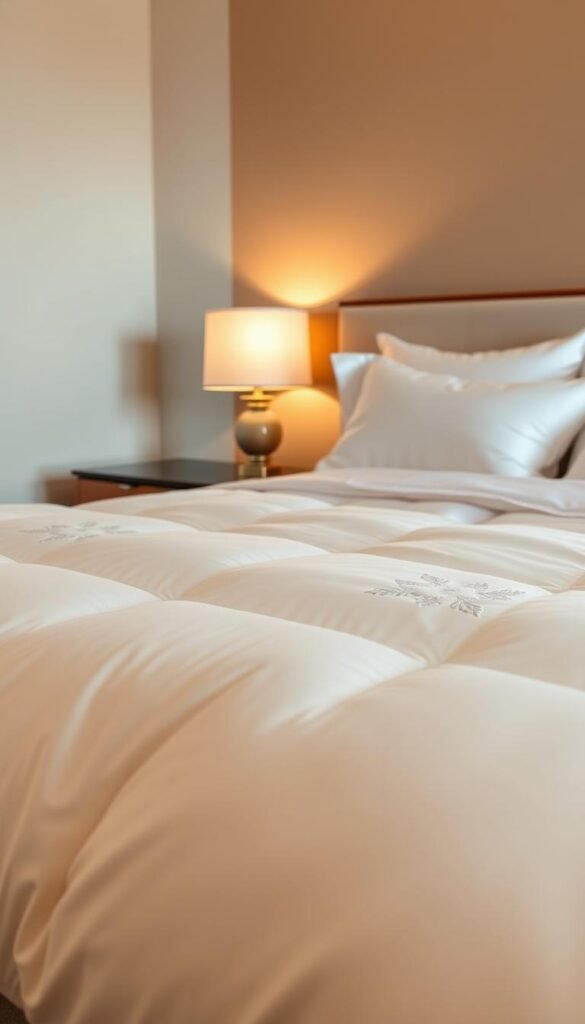
Transforming your spare room into a sanctuary starts with investing in quality sleep essentials. The right bedding creates an immediate impression of care and comfort.
Many budget-friendly mattresses in a box offer hotel-level comfort without the luxury price tag. Focus on materials that feel soft against the skin and provide proper support.
High-quality sheets and comforters make people feel truly pampered. This attention to detail shows you’ve considered their needs before they even arrive.
Layering different textures creates both visual appeal and practical comfort. Start with crisp sheets, add a plush duvet, and finish with decorative elements.
Pillows: The More, The Merrier
Multiple pillows serve both aesthetic and functional purposes. They allow visitors to customize their sleeping position for optimal comfort.
Offer a variety of pillow types – firm for back sleepers, soft for side sleepers. This simple idea addresses different preferences without any awkward requests.
The visual impact of well-arranged pillows makes the bed look inviting and luxurious. It’s a small detail that makes a big difference in perceived comfort.
The Magic of an Extra Blanket
Temperature preferences vary greatly from person to person. An extra blanket allows visitors to adjust their comfort without needing to ask.
Place a beautifully designed throw or create a blanket basket at the foot of the bed. This adds both functionality and a decorative element to the space.
Choose materials like cotton, bamboo, or soft wool blends for maximum comfort. These fabrics feel luxurious while being practical for different seasons.
This thoughtful preparation ensures everyone enjoys a perfect night‘s rest regardless of personal temperature preferences.
3. Layer Your Lighting to Set the Perfect Mood
Mastering the art of layered illumination creates instant luxury for your overnight visitors. The right combination of light sources transforms any area from merely functional to truly inviting.
Think of lighting as your secret weapon for comfort. It works quietly in the background to make people feel cared for and relaxed.
Good illumination serves multiple purposes throughout the day. Bright light helps with unpacking and morning routines. Softer options create cozy evening atmospheres.
Lighting should whisper comfort, not shout functionality. The best designs make people feel embraced by warmth.
The Essential Overhead Light
Your primary ceiling fixture provides the foundation for all other illumination. Choose something with adequate brightness for general tasks.
Consider a fixture with dimmer capabilities. This allows adjustment from bright daytime light to softer evening glow.
Flush mount or semi-flush options work well in most spaces. They provide even distribution without overwhelming the area.
Bedside Lamps or Sconces for Reading
Nighttime convenience demands dedicated illumination near the sleeping area. Proper bedside options make reading and relaxation effortless.
Table lamps offer traditional charm and flexibility. They can be moved or adjusted to suit individual preferences.
Wall sconces save precious surface space while providing elegant illumination. They create a built-in look that feels intentionally designed.
In one stunning project, designer William Jess Laird used green wall sconces from Soane Britain. These created beautiful contrast against red floral walls.
Mind Your Bulbs’ Color Temperature
The actual light color dramatically affects how your space feels. Warm white bulbs (2700K-3000K) create cozy, inviting atmospheres.
Cool white or daylight bulbs feel harsh and clinical. They’re better suited for workspaces than relaxation areas.
Consistency matters across all your light sources. Mixing different color temperatures creates visual discomfort.
LED bulbs now offer excellent color rendering at warm temperatures. They provide energy efficiency without sacrificing comfort.
| Lighting Type | Primary Purpose | Ideal Placement | Recommended Color Temperature |
|---|---|---|---|
| Overhead Fixture | General illumination | Center of room | 2700K-3000K |
| Bedside Lamp | Reading & nighttime use | Nightstand | 2700K |
| Wall Sconce | Ambient & task lighting | Beside bed or seating | 2700K-3000K |
| Floor Lamp | Additional ambient light | Corner or near chair | 2700K |
Multiple light sources at different heights create depth and dimension. This approach eliminates harsh shadows and dark corners.
Dimmer switches represent one of the simplest upgrades with dramatic impact. They put control directly in your visitors’ hands.
Remember that lighting should complement your overall design scheme. It works with colors, textures, and furnishings to create harmony.
The right illumination makes your space feel intentionally designed rather than accidentally lit. It’s those thoughtful details that people remember.
4. Create a Designated Seating Area for Privacy and Relaxation
Everyone deserves a personal retreat within your home. A small seating nook transforms any spare room into a private sanctuary.
This dedicated space gives your guests their own comfortable place to unwind. They can read, relax, or simply enjoy quiet time without feeling intrusive.
Devin Shaffer, lead designer at Decorilla, highlights this crucial benefit. “A seating area ensures visitors never question if they’re intruding on common areas.”
This thoughtful addition creates that “home away from host” feeling people cherish. It provides autonomy and makes your hospitality truly memorable.
Choose seating based on your available space. A comfortable armchair works perfectly in smaller areas. For larger rooms, consider a small loveseat or two accent chairs.
Position furniture to create a defined conversation or reading nook. Angle chairs toward a window or beside a small table. This intentional arrangement makes the area feel purposeful.
Include a side table for practical convenience. It offers a place for drinks, books, or personal items. This small detail enhances both functionality and comfort.
Even compact rooms can accommodate clever seating ideas. Consider a streamlined bench at the foot of the bed. Or choose a stylish folding chair that tucks away when not needed.
This designated zone serves multiple purposes throughout a stay. It’s perfect for morning coffee, afternoon reading, or evening relaxation. Your guests will appreciate having their own special spot.
The right seating arrangement enhances your overall interior design. It adds visual interest while providing genuine comfort. Your visitors will feel like they’re enjoying a personalized retreat.
This simple idea makes people feel more settled and welcomed. It’s one of those thoughtful things that transforms good hospitality into exceptional experiences.
5. Banish Clutter with Smart and Stylish Storage Solutions
Nothing makes visitors feel more at home than having dedicated spots for their belongings. Smart storage transforms a room from temporary lodging into a personal sanctuary.
People appreciate having clear surfaces and organized areas. It shows you’ve considered their practical needs alongside comfort.
Designer Swabb emphasizes this balance perfectly. “Your space should feel like a retreat while offering functional organization.”
Thoughtful preparation prevents that cluttered, chaotic feeling. It creates a serene environment where people can truly relax.
The Luggage Rack and Empty Drawers
A simple luggage rack makes suitcase access effortless. Visitors appreciate not bending over or struggling with heavy bags.
Empty drawers and closet space allow people to unpack properly. This small gesture helps them settle in completely.
Even a single cleared drawer in the nightstand works wonders. It provides privacy for personal items and reduces visual clutter.
Consider your visitors’ typical stay duration when planning storage. Weekend guests need less space than week-long visitors.
Hooks for Easy Organization
Megan Schlachtenhaufen demonstrates brilliant space-saving organization with hooks. Wall or door-mounted options keep floors clear.
They’re perfect for bags, coats, robes, or even jewelry. Hooks create instant organization without consuming valuable floor space.
Choose decorative hooks that complement your room’s style. They serve both functional and aesthetic purposes beautifully.
Multi-functional furniture offers clever storage solutions. Consider benches with hidden compartments or beds with built-in drawers.
For smaller areas, vertical storage maximizes limited square footage. Wall-mounted shelves keep essentials accessible without crowding.
Clearly indicate available storage options to your visitors. A simple note prevents hesitation about using drawers or closet space.
These thoughtful touches demonstrate true hospitality. They transform good intentions into exceptional visitor experiences.
6. Don’t Underestimate the Power of Blackout Window Treatments
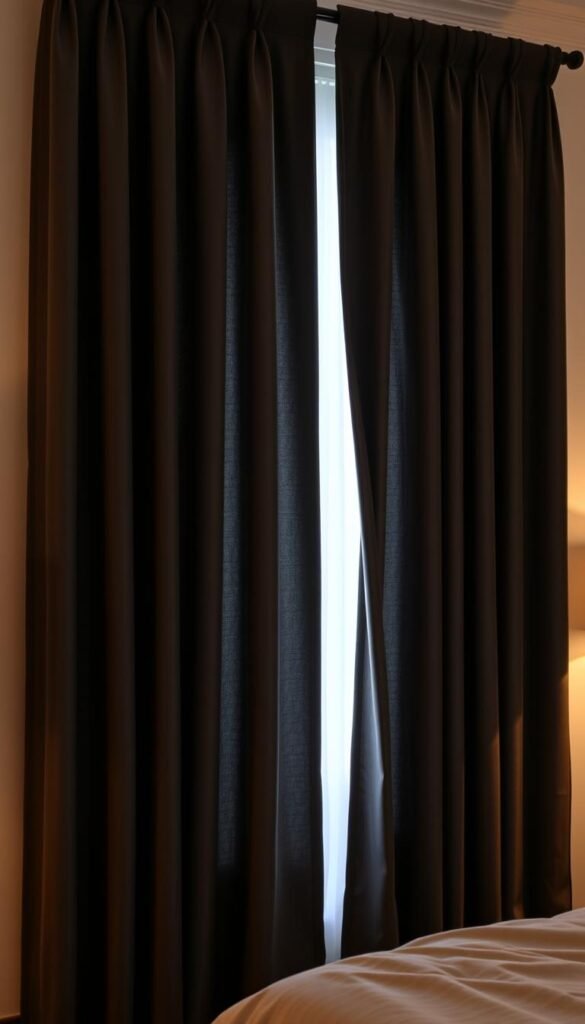
Complete darkness transforms sleep quality for your visitors. Blackout curtains create that perfect dark environment people crave.
They’re especially valuable for travelers adjusting to new time zones. Midday naps become possible without bright light interference.
Linda Hayslett of LH.Designs understands this need perfectly. She added light-blocking shades to an L.A. guest suite alongside a cozy reading nook.
This combination addresses both relaxation and sleep needs. It shows true consideration for visitor comfort.
Choose blackout options that enhance your room’s aesthetics. Many modern designs offer style and function together.
Layer blackout curtains with decorative sheers or valances. This creates visual depth while maximizing light control.
Proper installation ensures maximum darkness. Mount rods close to the ceiling and extend beyond window frames.
Overlap curtains in the center to prevent light leakage. This attention to detail makes a noticeable difference.
Quality window treatments also improve energy efficiency. They help maintain comfortable temperatures year-round.
Consider different options for various window types. Roman shades work well for smaller windows. Full drapes suit larger openings.
Test your blackout solution at different times of day. Morning light differs from evening sun exposure.
This simple upgrade contributes significantly to that luxurious feel. Your visitors will appreciate waking refreshed.
It’s one of those thoughtful preparations that shows true hospitality. Everyone enjoys a better night‘s rest in proper darkness.
7. Curate a Thoughtful “Welcome” Station on the Bedside Table
A well-prepared nightstand makes visitors feel instantly at home. This small surface holds big potential for thoughtful hospitality.
Your visitors will appreciate having essentials within easy reach. It shows you’ve considered their comfort before they even ask.
Designer Cass Smith demonstrates perfect preparation. She includes an alarm clock, tissues, and reading material on her bedside table.
These small things address common needs without any fuss. Your visitors will notice and appreciate this attention to detail.
A Carafe of Water and Glass
Nighttime thirst shouldn’t require a trip to the kitchen. A carafe and glass keep your guest cozy in bed.
Choose a stylish set that complements your room’s decor. This practical touch feels both luxurious and considerate.
Refresh the water between visitors for perfect hospitality. It’s one of those simple gestures people remember.
Phone Chargers and an Alarm Clock
Modern travelers always appreciate charging options. Amber Guyton smartly includes a dual charger for iPhone and Apple Watch.
Multiple cables accommodate different devices. This prevents the awkward “do you have a charger?” question.
Include an analog alarm clock for those avoiding phone use at night. It provides reliability without screen glare.
Keep chargers neatly organized with cable management. Tangled cords create visual clutter on your nightstand.
A Few Good Books
Quality books offer perfect evening entertainment. Choose titles that suit various tastes and interests.
Include local guidebooks or interesting magazines. These provide both reading material and local flavor.
Rotate selections between visitors to keep things fresh. Your books collection becomes part of the experience.
Consider including a bookmark for added thoughtfulness. It’s those small touches that show true care.
Personalize the welcome station with seasonal touches. Fresh flowers or local treats make it special.
Keep the surface organized and clutter-free. Too many items feel overwhelming rather than welcoming.
This carefully curated space demonstrates exceptional hospitality. Your visitors will feel truly cherished.
8. Add Life and Color with Plants, Flowers, and Art
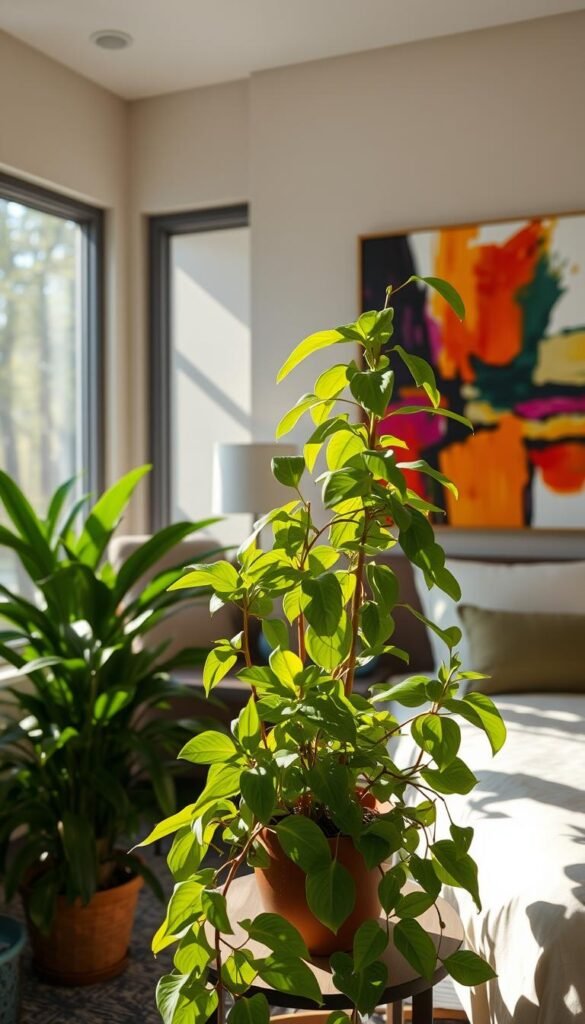
Natural elements transform any spare room into a vibrant sanctuary. Plants and flowers bring instant freshness to your space.
They create a connection to the outdoors that visitors appreciate. This simple idea makes people feel more relaxed and at home.
Fresh flowers work beautifully for special occasions or arrivals. They add natural color and fragrance to the environment.
Choose low-maintenance plants that thrive indoors. Snake plants and pothos are excellent options. They require minimal care while providing maximum impact.
Natural elements improve air quality and mood simultaneously. They create a healthier, more inviting atmosphere for everyone.
Art selection should create a calm, relaxing feeling. Abstract pieces in muted shades are easy on the eyes.
Abstract paintings allow other design elements to pop while maintaining visual comfort.
Dabito demonstrates this approach perfectly. He hung abstract pieces in muted shades from Minted on pale walls.
Proper placement enhances both plants and artwork. Position plants where they receive appropriate light. Hang art at eye level for optimal viewing.
Consider art that reflects local culture or personal style. This adds character and makes the space more memorable.
Rotate artwork seasonally for a fresh feel. This simple change keeps the room feeling current and cared for.
Gallery walls create visual interest through art groupings. Mix different sizes and frames for dynamic appeal.
These ideas work together to create a cohesive interior design. They transform basic things into thoughtful details.
Every designer knows natural elements elevate any space. This idea brings life and energy to your visitor’s temporary home.
| Element Type | Recommended Varieties | Placement Tips | Maintenance Level |
|---|---|---|---|
| Low-Light Plants | Snake plant, ZZ plant, Pothos | North-facing windows, corners | Low (water every 2-3 weeks) |
| Flowering Plants | Peace lily, African violet, Orchid | East-facing windows, bedside | Medium (weekly care) |
| Abstract Art | Muted tones, soft geometrics | Eye level, opposite bed | Dust occasionally |
| Local Artwork | Regional landscapes, local artists | Grouped gallery style | Seasonal rotation |
These natural and artistic touches complete your welcoming environment. They show attention to detail that visitors truly appreciate.
9. Incorporate Soft Textures Underfoot with a Plush Rug
The right floor covering completes your room‘s design while adding practical comfort. A quality rug introduces both visual warmth and physical softness to any space.
Higher pile knotted options feel wonderfully luxurious underfoot. They create an inviting surface that welcomes bare feet each morning.
Nick Olsen demonstrated this perfectly in a Hamptons project. He used a striped wool carpet from ABC Carpet & Home that tied together the entire room‘s color scheme.
Far Studio achieved similar harmony with their rug selection. Their higher pile knotted piece connected the bed and curtain tones beautifully.
Choose materials that feel both luxurious and durable. Wool offers natural softness and resilience against wear.
Proper sizing matters for both aesthetics and function. Ensure your rug extends beyond the bed on all sides.
This creates a balanced visual proportion throughout the space. It also provides soft landing spots when getting in and out of bed.
Patterns and colors should complement your existing decor. Neutral tones work well for most design schemes.
Bold patterns can become focal points in simpler rooms. Consider your overall style when making selections.
Safety features matter for practical things like rugs. Non-slip backing prevents accidental slips and falls.
This is especially important on hardwood or tile floors. It ensures your visitors’ comfort and security.
Regular maintenance keeps your rug looking fresh and clean. Vacuum weekly and address spills promptly.
Professional cleaning every 12-18 months maintains that luxurious feel. It extends your investment’s lifespan significantly.
Rugs naturally define different areas within a room. They create visual boundaries without physical barriers.
This organization makes the space feel intentionally designed. It helps visitors understand the room‘s layout intuitively.
Layering rugs adds depth and textural interest. Place a smaller patterned rug over a larger neutral one.
This technique works particularly well in larger spaces. It creates customized zones for different activities.
Seasonal changes refresh your room‘s atmosphere effortlessly. Lighter cotton or jute rugs work well for summer.
Switch to thicker wool or shag options during colder months. This simple swap adapts to changing temperatures.
Some materials feel especially luxurious underfoot. Consider these premium options:
- Silk-blend rugs offer incredible softness and subtle sheen
- High-pile wool provides cloud-like comfort and warmth
- Bamboo silk creates sustainable luxury with beautiful drape
- Hand-knotted pieces deliver artisanal quality and uniqueness
These thoughtful things transform basic flooring into experiential surfaces. Your visitors will appreciate stepping onto something special each day.
The right rug completes your design while providing genuine comfort. It’s one of those details that makes people feel truly cared for.
10. Ensure Climate Comfort with Easy-to-Access Bedding Layers
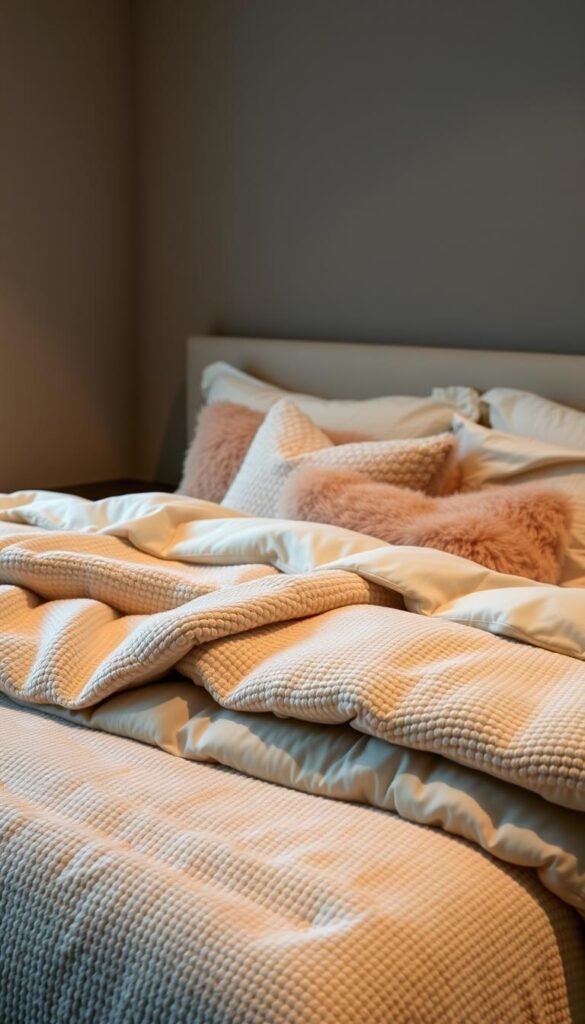
Temperature control makes a huge difference in visitor comfort. People sleep best when they feel just right.
Jonathan Rachman notes that these details show thorough planning. You anticipate needs before anyone asks.
Stock your space with various blanket weights. Light throws work for cool evenings. Heavier options suit colder nights.
Natural fibers like cotton and wool breathe well. They adjust to body heat without trapping moisture.
Keep blankets easily accessible near the sleeping area. A beautiful basket or trunk looks nice and works perfectly.
Seasonal adjustments keep things appropriate. Lighter linens in summer, warmer layers in winter.
Extra pillows serve multiple purposes. They provide back support or additional warmth when needed.
Consider discreet climate control options too. A small fan circulates air on stuffy nights.
A portable heater helps during unexpected cold snaps. These items show you’ve thought of everything.
Proper temperature management improves sleep quality significantly. Your visitors will wake up feeling refreshed.
| Blanket Type | Best For | Fiber Recommendation | Storage Idea |
|---|---|---|---|
| Light Throw | Summer evenings, slight chills | Cotton, linen | Folded on chair |
| Medium Weight | Spring/fall, average nights | Wool blend, fleece | Bed foot basket |
| Heavy Comforter | Winter, cold sleepers | Down alternative, wool | Closet shelf |
| Decorative Layer | Style plus slight warmth | Chenille, knit | Draped over bench |
These thoughtful layers create personalized comfort. Your visitors will appreciate having options.
They can adjust their environment without any awkward requests. This autonomy makes stays more enjoyable.
Quality sleep comes from the right temperature balance. Your preparation ensures everyone rests well.
11. Consider Multi-Functional Furniture for a Dual-Purpose Room
Smart furniture choices transform your spare area into a versatile haven. These solutions maximize functionality without sacrificing style.
Your space can serve multiple purposes throughout the year. It becomes a productive zone when empty and a comfortable retreat when occupied.
This approach makes excellent use of limited square footage. You gain valuable functionality without permanent changes.
The Murphy Bed or Daybed Solution
Wall beds offer brilliant space-saving benefits. They disappear completely when not needed for sleeping.
Bre Bertolini created a stunning DIY version with cane doors. It reveals beautiful floral wallpaper when opened.
Modern options blend seamlessly with your interior design. Many look like elegant cabinets or bookshelves when closed.
Daybeds provide both seating and sleeping surfaces in one piece. They work perfectly in smaller spaces.
Amanda Gunawan designed a clever hidden futon system. It stores away neatly when not in use.
These solutions maintain your room’s aesthetic during daytime hours. Guests enjoy dedicated sleeping space at night.
Adding a Small Desk for Remote Work
Many visitors need to work during their stays. A dedicated desk area shows thoughtful preparation.
Choose a compact writing surface that fits your space. Position it near natural light and power outlets.
Stock basic supplies like paper and pens. Your guests will appreciate these convenient touches.
Include accessible charging stations for devices. This supports both work and personal needs.
Consider a fold-down desk for maximum space efficiency. It provides function without permanent footprint.
This setup creates a productive environment for remote work. Your visitors can maintain their routines comfortably.
Multi-functional pieces often include clever storage solutions. Hidden compartments keep essentials organized.
Choose furniture that matches your room’s style when not in guest use. This maintains visual harmony.
Convertible pieces should transform easily between functions. Smooth operation ensures practical daily use.
These ideas help maximize smaller spaces with intelligent design. Every element serves multiple purposes beautifully.
12. Personalize the Space with Local Flair or a Fun Design Risk
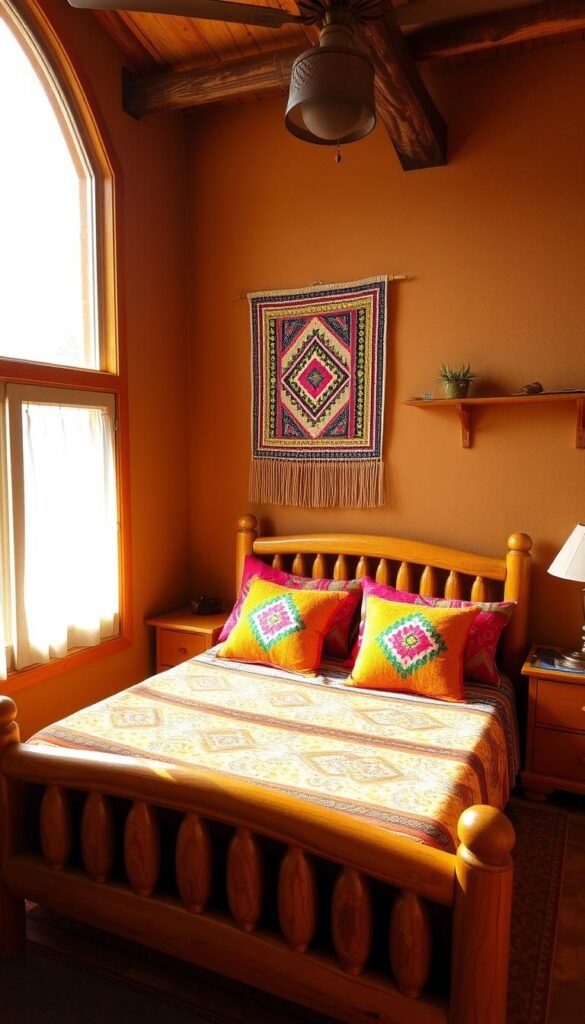
Your spare room offers a perfect canvas for creative expression. Unlike main living areas, this space lets you experiment freely without daily commitment.
Designer Victoria Ford demonstrates this beautifully. She hung a Raleigh flag over the headboard to showcase local pride. This simple touch adds personality and tells a story.
Alexandra Gater took a different approach with her painted ceiling. A warm tone creates an unexpected and fun look overhead. This clever idea draws the eye upward and adds dimension.
Erin Wheeler’s gallery-wall inspired wallpaper makes another bold statement. Vintage artwork patterns create instant character without multiple frames.
These examples show how personal touches transform generic spaces. They make your room memorable and uniquely yours.
Local elements reflect your area’s character beautifully. Incorporate regional colors, landmarks, or cultural references.
A coastal home might feature nautical accents or beach-inspired hues. A mountain retreat could use rustic materials and nature tones.
This approach creates authentic connections to your location. Visitors appreciate experiencing genuine local flavor.
Bold wallpaper patterns make excellent design statements. Feature walls create focal points without overwhelming the space.
Choose patterns that complement your existing color scheme. Large-scale prints work well behind the bed or on accent walls.
Temporary wallpaper offers flexibility for renters or changing tastes. It delivers big impact without permanent commitment.
Travel souvenirs become meaningful decorative elements. Display unique finds that reflect your personal journeys.
Textiles, artwork, or handicrafts add global sophistication. They spark conversation and share your adventures.
Group items by color or theme for cohesive displays. This creates curated collections rather than random clutter.
Color schemes powerfully influence room moods. Warm tones create cozy, inviting atmospheres.
Cool shades feel calm and serene. Bold accents add energy and visual interest.
Consider how colors interact throughout the day. Natural light changes their appearance and effect.
The best guest spaces tell a story through thoughtful details and personal touches.
Artwork selection should reflect personal interests or local themes. Choose pieces that spark joy or conversation.
Family photographs create warm, personal connections. Local artist supports add community authenticity.
Proper sizing and placement ensure visual balance. Arrange pieces at eye level for comfortable viewing.
Thematic design creates cohesive interest throughout the space. Choose a theme that reflects your personality or location.
Balance thematic elements with neutral foundations. This prevents the space from feeling overwhelming or kitschy.
Subtle references often work better than literal interpretations. They create sophistication rather than theme-park effects.
Reversible design risks offer flexibility for changing preferences. Removable wallpaper, swapable art, and changeable accessories allow easy updates.
This approach lets you refresh the space seasonally or for different visitors. It keeps the room feeling current and considered.
| Design Element | Risk Level | Reversibility | Impact Level |
|---|---|---|---|
| Accent Wall | Medium | High (paint over) | High visual impact |
| Bold Pattern | High | Medium (removable) | Transformative |
| Local Artwork | Low | High (easily changed) | Personal connection |
| Thematic Colors | Medium | High (repaint) | Mood setting |
These personalization ideas create spaces that feel intentionally designed. They transform basic rooms into memorable experiences.
Your visitors will appreciate the thought and creativity behind your choices. This attention to detail makes stays truly special.
Remember that design risks should still prioritize comfort. Balance bold choices with cozy, welcoming elements.
The best spaces combine personality with practicality. They feel both exciting and completely relaxing.
13. Your Final Touch: The Joy of Anticipating Every Need
Creating a truly welcoming space for visitors brings deep satisfaction. It’s about foreseeing their comfort before they even ask.
Small details combine to create a memorable experience. Luxurious textures and thoughtful amenities make a big impact.
Keep your design clean and cohesive. Neutral tones, elegant art, and minimal clutter promote a serene atmosphere.
Leave a personal welcome note or a small gift. It shows extra care and attention.
Seasonal updates keep the room feeling fresh. Ask for feedback to improve future stays.
There’s great joy in providing exceptional comfort. Positive responses from happy visitors are the best reward.