Your personal retreat should be more than just a place to sleep. It’s where you recharge and find peace. According to the National Association of Home Builders, 70% of homeowners plan to renovate this special room soon.
Creating a cozy haven impacts your mood and sleep quality. The right design turns your space into a true sanctuary. It reflects your unique style while promoting deep relaxation.
We’ll explore creative ways to refresh your look. From calming color schemes to soft textiles, these tips help you build a restful environment. Get ready to reimagine your most personal room!
Why Your Bedroom Design Matters for True Comfort
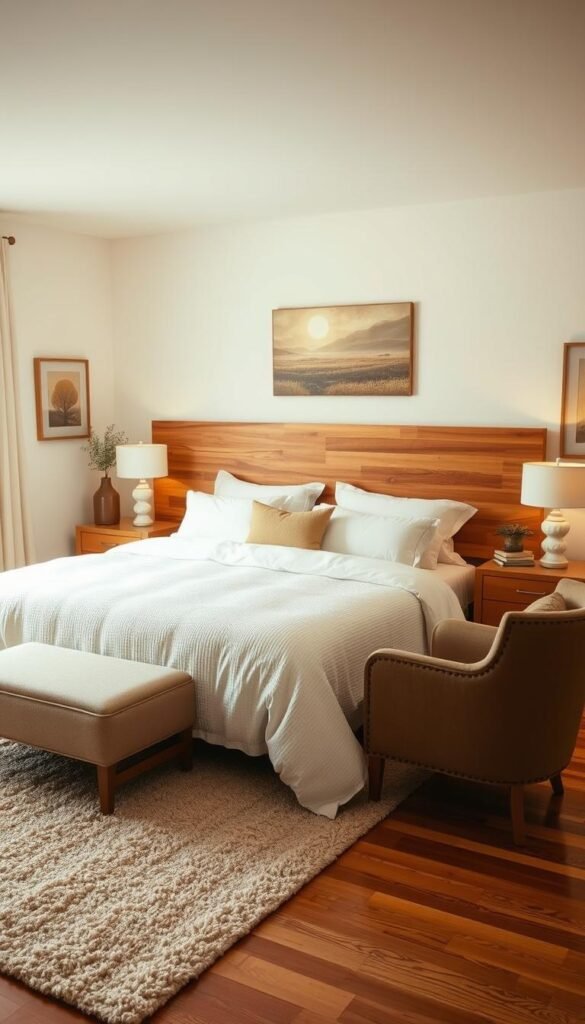
Your sleeping area is more than four walls and a ceiling. It’s your personal haven for rest and renewal. A thoughtful design in this space directly shapes how you feel each day.
Good sleep quality starts with your surroundings. Clutter and poor layouts can disrupt your peace. A calm atmosphere helps you unwind and recharge fully.
Your mood improves in a well-planned room. Colors, light, and furniture placement all play roles. They work together to create a sense of warmth and safety.
Stress melts away in a inviting space. Studies show that reduced anxiety leads to better health. Your bedroom should be that retreat from daily pressures.
“The way we design our personal spaces reflects our need for comfort and peace.”
Every design choice supports your well-being. From your bed to the light fixtures, each element matters. They transform a simple area into a functional sanctuary.
Think of this room as an investment in happiness. It’s not just about looks—it’s about living better. Your health deserves this special place of comfort.
Key Considerations Before You Start Your Bedroom Makeover
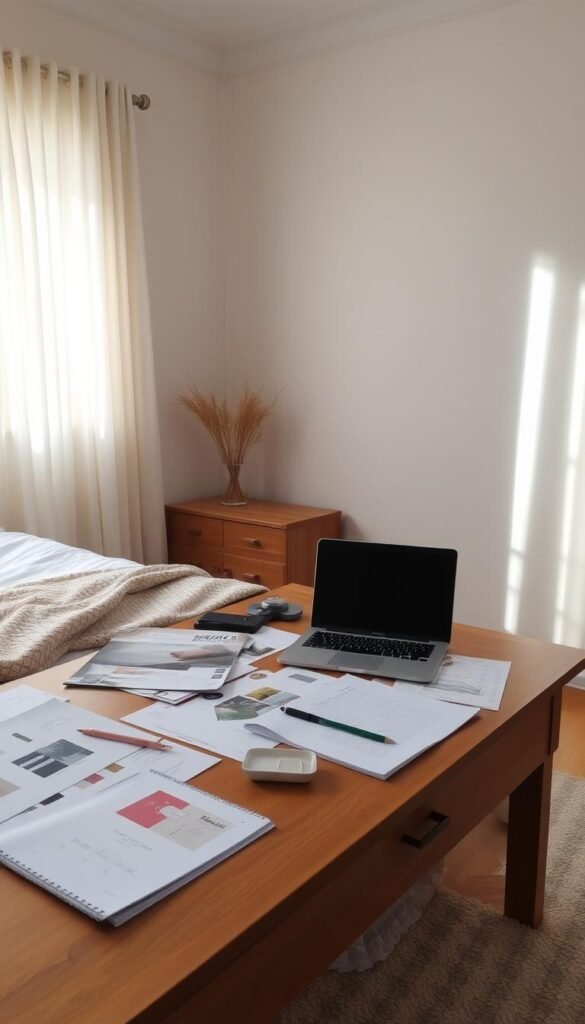
Planning your perfect retreat begins with smart preparation. You want a space that works for your lifestyle and feels just right. Taking time to plan now saves you from costly mistakes later.
Think about how you use your room every day. Do you need better sleep, more storage, or a cozy reading spot? Your answers guide your entire design approach.
Assessing Your Functional Needs
Start by listing your daily activities in this special area. Sleep quality tops most lists, but your needs might go further. Maybe you want a small workspace or extra storage for clothes.
Consider these common functional needs:
- Improved sleep environment with better bedding and darkness
- Additional storage solutions for clothing and personal items
- Space for reading, working, or other relaxing activities
- Better organization systems to reduce morning stress
Your furniture choices should support these activities. Every piece should serve a purpose in your daily routine.
Understanding Your Space Constraints
Measure your room carefully before making any decisions. Note window placements, door swings, and permanent features. These elements affect how you arrange your space.
Create a simple floor plan showing all measurements. Leave at least 30 inches for pathways around furniture. This ensures comfortable movement throughout your room.
Consider traffic patterns between the bed, doors, and storage areas. Good flow makes your space feel larger and more functional. It prevents that cramped feeling some rooms develop.
Establishing a Realistic Budget
Follow the 70/30 rule for smart spending. Allocate 70% of your budget to foundational elements. This includes quality furniture, flooring, and wall treatments.
Use the remaining 30% for accessories, lighting, and textiles. These items can be updated later as your style evolves. This approach gives you the most value for your investment.
Declutter before you start shopping. Removing unused items helps you see what you truly need. It also creates mental space for your new design vision.
Color & Wall Design Ideas for a Serene Atmosphere
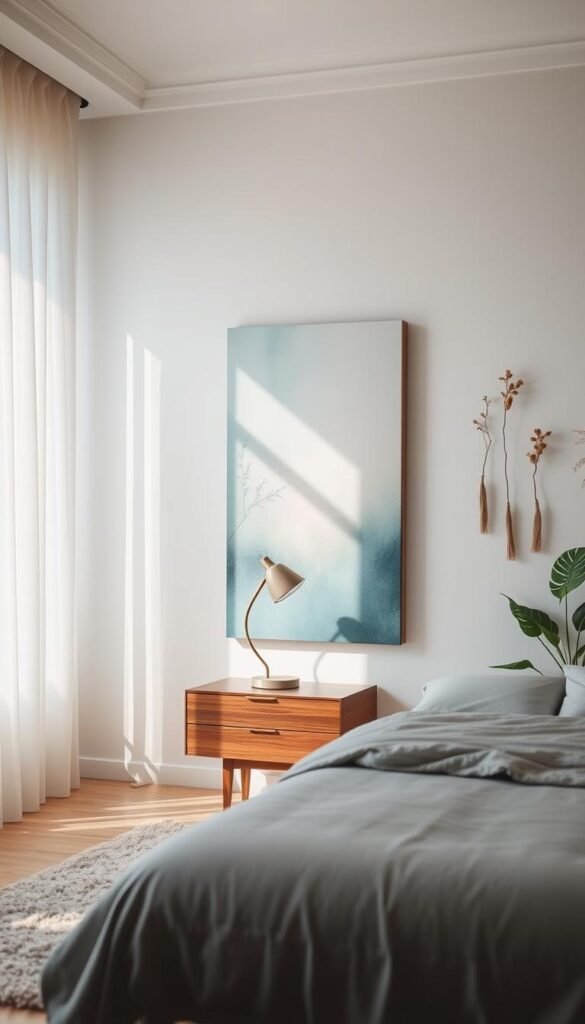
Your walls create the backdrop for your entire room. They cover about 60% of what you see when you enter. This makes them a powerful tool for setting the mood.
Choosing the right treatments can transform your space. It’s one of the most cost-effective ways to refresh your look. The right colors and textures promote true relaxation.
Nature-Inspired Color Palettes
Colors from nature create instant calm in your space. Think sage green, soft blues, and earthy browns. These hues have a Light Reflectance Value between 30-60%.
This range reduces harsh lighting that can strain your eyes. Studies show these colors may lower cortisol levels by up to 15%. They help create the perfect environment for better sleep.
The biophilic connection to nature feels comforting. It brings outdoor tranquility into your personal retreat.
Two-Tone Wall Treatments
Two colors on your walls add architectural interest. They can visually alter room proportions too. The most pleasing ratio is one-third to two-thirds.
Use painter’s tape for clean lines between colors. The darker shade typically goes on the bottom. This creates a grounded, stable feeling in your room.
This treatment works well in rooms with chair rails. It adds depth without overwhelming your space.
Textured Wall Finishes
Textured finishes add dimension and hide imperfections. Limewash and Venetian plaster contain mineral components. They create beautiful, organic-looking surfaces.
These materials reflect light in soft, diffused ways. They add character without bold patterns. The result feels both rustic and refined.
Professional application ensures the best results. The subtle variations make each wall unique.
Bold Accent Walls
An accent wall creates a natural focal point. The wall behind your bed often works best. It frames your sleeping area beautifully.
Choose saturation levels based on room size. Smaller spaces need lighter accent colors. Larger rooms can handle deeper, richer tones.
This approach adds drama without commitment. You can change one wall much easier than all four.
Sustainable Wall Coverings
Eco-friendly options benefit your health and home. Cork provides natural thermal insulation. It has R-values between 1.5-3 per inch.
Clay-based finishes improve indoor air quality. They absorb toxins and regulate humidity. These materials also offer excellent sound absorption.
Installation may require special techniques. The results create a healthier, more comfortable environment.
Furniture & Layout Innovations to Maximize Space
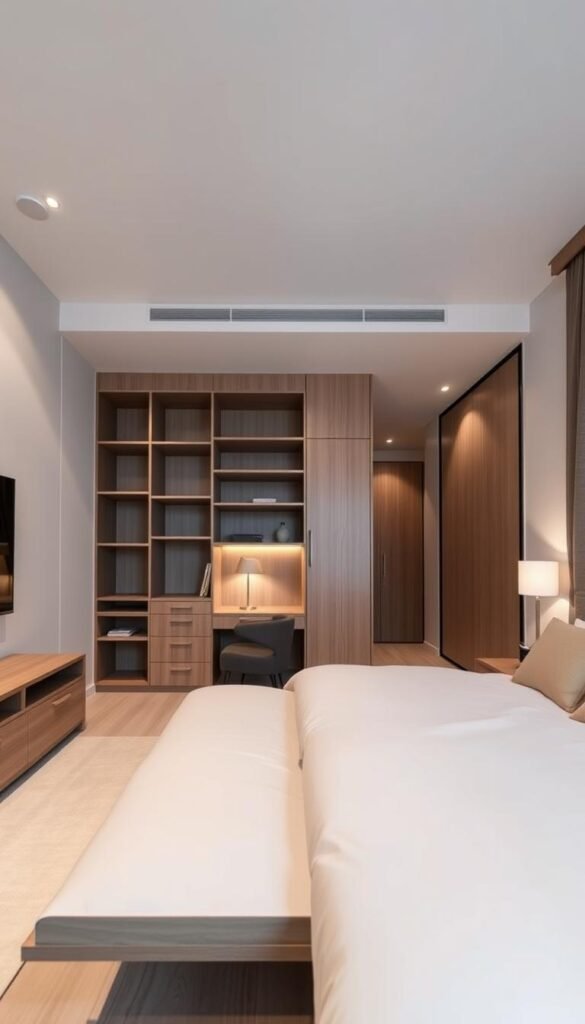
Smart furniture choices transform your personal area into a functional retreat. The right pieces create harmony while maximizing every inch. You gain both style and practicality with thoughtful selections.
Effective layouts balance furniture and movement paths. Allocate 60% of floor space to your pieces. Keep 40% clear for comfortable circulation around your room.
Always maintain at least 30-inch pathways. This prevents a cramped feeling and supports easy movement. Your space should feel open and inviting, not crowded.
Multifunctional Furniture Pieces
Double-duty items save valuable square footage. Storage beds offer hidden organization solutions. They provide 15-30 cubic feet of extra space for linens or clothing.
Convertible desks serve as both workspace and vanity. Look for smooth mechanisms and durable construction. These smart pieces adapt to your changing daily needs.
Ottomans with hidden compartments work well too. They offer extra seating plus organized storage. Every piece should serve at least two purposes in your design.
Floating Nightstands and Shelves
Wall-mounted options create visual lightness. They make your floor area appear larger and more open. Floating nightstands keep essentials within reach without clutter.
Proper installation ensures safety and stability. Use stud mounting or toggle bolts rated for 75 pounds. Follow manufacturer guidelines for secure attachment to your walls.
Set shelf heights between 24-30 inches above your mattress. This creates comfortable access while lying down. The clean look enhances your overall aesthetic.
Choosing a Statement Bed
Your sleeping area deserves a beautiful centerpiece. Statement beds anchor the room with personality and style. Headboard proportions matter for visual balance.
Opt for headboards standing 14-29 inches above your mattress. This range creates dramatic presence without overwhelming. Canopy beds add vertical interest but need higher ceilings.
Material choices affect both look and feel. Solid wood offers timeless durability and warmth. Upholstered options provide softness and acoustic benefits.
Incorporating Curved and Organic Shapes
Soft edges create a more relaxing atmosphere. Curved furniture feels inviting and reduces visual harshness. These shapes complement natural color schemes beautifully.
Allow 15-20% more clearance around curved pieces. They need extra space for their flowing forms. The investment typically runs 30-50% more than straight-edged alternatives.
Consider a rounded accent chair or oval side table. These organic shapes break up angular room lines. They add sophistication while promoting calm feelings.
Modular Storage Systems
Customizable solutions grow with your needs. Modular systems use standardized dimensions for efficiency. They achieve 85-90% space utilization through smart design.
Metal-to-metal fittings allow easy reconfiguration. You can adapt your storage as requirements change. This flexibility makes them perfect for evolving lifestyles.
Start with core units and expand over time. Mix closed cabinets with open shelving for variety. Your storage should work as hard as you do in your personal space.
Lighting Strategies to Set the Perfect Mood
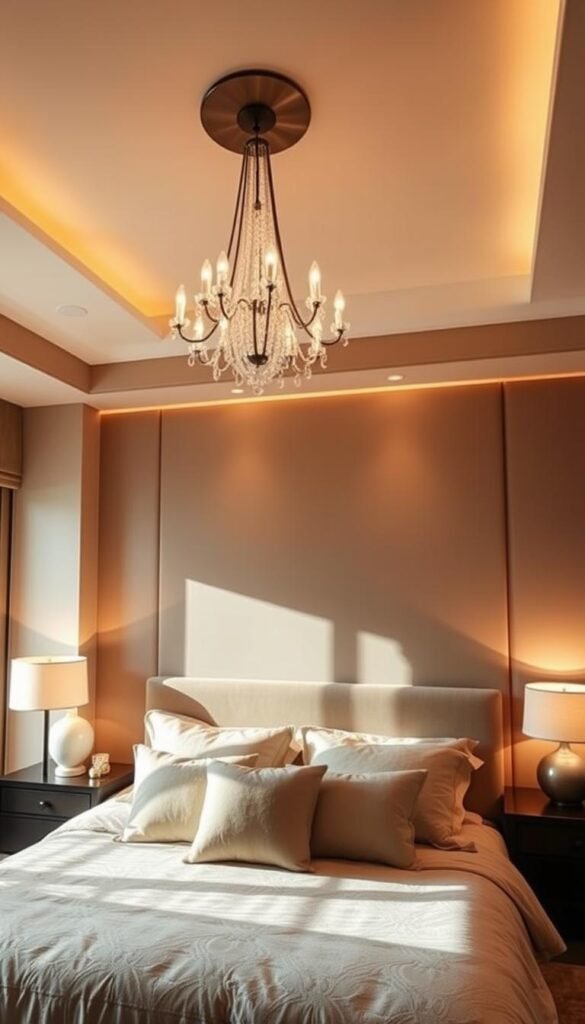
The right illumination transforms your personal space from functional to fabulous. It sets the tone for relaxation and impacts your daily rhythm. Smart lighting choices make your room feel both cozy and contemporary.
Think beyond a single overhead fixture. A thoughtful approach combines different light sources. This creates depth and flexibility for any time of day.
Your lighting plan should cover about 2.5 watts per square foot. This ensures adequate brightness without overwhelming your senses. The goal is balanced illumination that supports various activities.
Implementing a Layered Lighting Design
Layered lighting follows a simple 60-30-10 distribution principle. Ambient light provides 60% of your overall illumination. This includes ceiling fixtures and natural light sources.
Task lighting contributes 30% for specific activities. Reading lamps and vanity lights fall into this category. They offer focused brightness where you need it most.
Accent lighting makes up the final 10%. This highlights architectural features or artwork. The combination creates a harmonious and functional environment.
Integrating Smart Lighting Systems
Smart systems let you control brightness and color temperature remotely. Zigbee and Z-Wave protocols require a central hub for operation. Bluetooth options work directly with your devices but have limited range.
These systems support your natural sleep-wake cycle. You can program warmer tones for evening relaxation. Cooler light helps with morning alertness and tasks.
Many systems integrate with voice assistants for hands-free control. This adds convenience while maintaining your desired atmosphere.
Adding Hidden Charging Stations
Integrated charging stations keep your space tidy and functional. Look for surge protection rated at 1000 joules or higher. This protects your devices from power fluctuations.
Wireless charging works best at 3-5mm distance from coils. Many nightstands and tables now include built-in options. This eliminates cord clutter while keeping essentials powered.
Some furniture pieces feature USB ports alongside traditional outlets. This accommodates all your charging needs seamlessly.
Selecting Statement Light Fixtures
Your light fixtures serve as functional art pieces. Consider scale relative to your room size and furniture. A large pendant might overwhelm a small space.
Material choices affect both style and light quality. Wood elements add warmth and natural texture. Glass and metal offer more contemporary looks.
Placement matters for both function and visual impact. Bedside lamps should sit at eye level when seated. Overhead fixtures need proper clearance for safety and comfort.
Choose warm white around 3000K for relaxation areas. Task zones benefit from 4000K for better visibility. Dimmable options provide the ultimate flexibility.
Textiles and Soft Furnishings for Ultimate Coziness
Soft textiles transform your room into a warm and inviting sanctuary. They add comfort underfoot and visual appeal throughout your space. The right choices make every moment spent here more enjoyable.
Quality fabrics create a layered look that feels both stylish and personal. From your bed to the floor, each element works together. They build a cohesive atmosphere of relaxation and charm.
Creating Dreamy, Layered Bedding
Start with crisp cotton sheets for a fresh foundation. Add a soft duvet in a complementary color or pattern. This base creates comfort for restful nights.
Seasonal adjustments keep your sleep environment perfect year-round. Lightweight cotton works well for summer warmth. Flannel or heavier blends provide winter coziness.
Finish with decorative throws and mixed pillows for texture. Varying sizes and materials add depth to your arrangement. This approach gives that luxurious hotel-inspired feel you love.
Selecting Luxurious Rugs
Your floor covering anchors the entire space visually. Choose sizes that extend 18-24 inches beyond your bed frame. This ensures proper coverage and a balanced look.
Natural wool offers durability and softness underfoot. Shag textures provide extra cushioning for morning steps. Both options add warmth while defining your sleeping area.
Consider layering smaller rugs for added dimension. This technique allows you to mix patterns and materials. It creates visual interest while maximizing comfort.
Choosing Statement Curtains
Window treatments frame your view and control light beautifully. Hang rods higher than the window frame to enhance ceiling height. This simple trick makes your room feel more spacious.
Linen fabrics offer casual elegance with natural texture. Velvet provides opulent drape and superior light blocking. Both materials add sophistication to your overall design.
Blackout linings improve sleep quality significantly. They create darkness even during daytime hours. This feature supports better rest in your personal retreat.
Adding Warmth with Throws and Pillows
Accent pillows introduce color and pattern effortlessly. Mix sizes from standard to king for visual variety. Different shapes like bolsters or squares add designer appeal.
Soft throws invite relaxation on chairs or your bed. Drape them casually for an inviting, lived-in look. They provide extra warmth during cooler evenings.
Material mixes create tactile interest throughout your space. Combine cotton, linen, and velvet for depth. This approach builds a cozy atmosphere that welcomes you daily.
For more inspiration on mixing textures and patterns, explore these stylish bedroom ideas that balance comfort and design perfectly.
Bringing Wellness and Nature Into Your Bedroom
Your personal sanctuary deserves elements that nourish both body and soul. Integrating natural components creates a holistic environment where you truly thrive. This approach transforms your space into a rejuvenating retreat that supports overall well-being.
Incorporating Indoor Greenery
Plants bring life and freshness to your personal area. They purify air while adding natural beauty to your design. Choose low-maintenance varieties that thrive indoors with minimal care.
Snake plants and peace lilies are excellent choices for beginners. They require indirect light and moderate watering. Place them on nightstands or floating shelves for visual impact.
Group plants in odd numbers for balanced arrangements. This creates a more natural, organic look throughout your room. The greenery adds serenity and improves air quality simultaneously.
Embracing Biophilic Design Elements
Biophilic design connects your space to nature through materials and colors. Natural wood finishes and stone accents create this harmonious relationship. These elements reduce stress and enhance your connection to the outdoors.
Incorporate organic patterns in textiles and artwork. Leaf motifs and flowing lines mimic natural forms. This approach brings calming earth energies into your personal retreat.
Choose materials with visible grain and texture. They add depth while maintaining a cohesive style. Your room becomes a tranquil haven that celebrates nature’s beauty.
Creating a Dedicated Reading Nook
A cozy reading corner offers the perfect escape within your room. Select a comfortable chair with proper back support. Add a small side table for books and beverages.
Position a floor lamp for optimal task lighting. This creates an inviting spot for evening relaxation. Even small spaces can accommodate this functional zone.
Window seats make excellent reading areas when space is limited. They utilize existing architecture while providing natural light. Your special corner becomes a cherished part of your daily routine.
Enhancing Ambiance with Relaxing Scents
Fragrance plays a powerful role in creating mood and atmosphere. Lavender and chamomile scents promote relaxation and better sleep. Use diffusers or candles to distribute these calming aromas.
Essential oil blends can be customized to your preferences. They offer natural alternatives to synthetic air fresheners. The right scents transform your space into a truly restorative environment.
Always practice safety with burning candles. Place them on stable surfaces away from flammable materials. Your room will smell as wonderful as it looks and feels.
Combining these natural elements creates a truly holistic sanctuary. Your space becomes a reflection of wellness and personal comfort. Every detail works together to support your health and happiness.
Defining Your Personal Style Statement
Your personal area should reflect who you are. It’s more than following trends. It’s about creating a space that feels uniquely yours.
Every choice you make builds your signature look. From color to furniture, these elements work together. They create a cohesive environment that speaks to your personality.
Your design journey starts with understanding what you love. Think about colors and materials that make you happy. Consider how you want your room to feel when you enter.
Mixing different elements can create something special. You might blend modern lines with vintage finds. The result becomes a true reflection of your taste.
Embracing Cozy Minimalism
Cozy minimalism focuses on what truly matters. It combines clean design with warm, inviting elements. This approach creates a peaceful environment free from clutter.
Choose furniture with simple lines and hidden storage. These pieces keep your space organized and serene. They provide function without sacrificing style.
Calming colors form the foundation of this look. Soft neutrals create a restful backdrop. They make your room feel larger and more open.
Every item should serve a purpose or bring joy. This intentional editing creates a clutter-free zone. Your space becomes a true sanctuary for relaxation.
Experimenting with Dark and Moody Tones
Dark colors create intimate, cocoon-like spaces. Rich charcoal or deep navy walls feel sophisticated. They make your room feel cozy and protected.
Balance these deep tones with light elements. Crisp white bedding contrasts beautifully against dark walls. This combination prevents the space from feeling too heavy.
Metallic accents add sparkle and dimension. Brass or gold fixtures catch the light beautifully. They bring warmth to the moody palette.
Proper lighting is essential in darker rooms. Layer different light sources throughout your space. This ensures both ambiance and functionality.
Adding Personal and Artistic Touches
Personal items transform a generic room into your home. Family photos in simple frames tell your story. They create emotional connections throughout your space.
Artwork reflects your tastes and interests. Choose pieces that speak to you personally. They become focal points that spark joy daily.
Travel souvenirs or handmade items add character. These unique finds make your design truly one-of-a-kind. They celebrate memories and personal journeys.
Display collections in thoughtful arrangements. Group similar items together for visual impact. This curated approach feels intentional and stylish.
| Style Element | Key Features | Room Impact |
|---|---|---|
| Cozy Minimalism | Clean lines, hidden storage, neutral palette | Creates peaceful, clutter-free environment |
| Dark Color Scheme | Charcoal, navy, or deep green walls | Adds sophistication and intimacy |
| Personal Touches | Photos, artwork, collected items | Makes space uniquely yours |
| Mixed Materials | Wood, metal, textile combinations | Adds depth and visual interest |
| Lighting Balance | Layered ambient and task lighting | Ensures functionality in darker schemes |
Your final look should feel authentic to you. Don’t be afraid to break design “rules”. The most beautiful spaces are those that reflect real lives.
Experiment with different combinations until it feels right. Your personal style will evolve over time. That’s part of what makes design so enjoyable.
Bringing Your Vision of Comfort to Life
Your special room becomes a true sanctuary through thoughtful choices. From calming colors to smart furniture, each element works together. They create a peaceful place where you can truly unwind.
Start by assessing your needs and planning your layout. Focus on items that bring you joy and relaxation. Even small updates can transform your personal area over time.
Keep your space fresh with seasonal touches and regular decluttering. This maintains that sanctuary-like feeling you love. Your bed and lighting choices play key roles in daily comfort.
Now, envision the room of your dreams. It’s your personal retreat for rest and renewal. Create a look that reflects your unique style and brings lasting peace.